
 +1 844-445-5767
 +971 56-848-5757
 +91 921-208-0630
For Business & Service Inquiries
Sales Team
Project quotes, partnerships, implementation
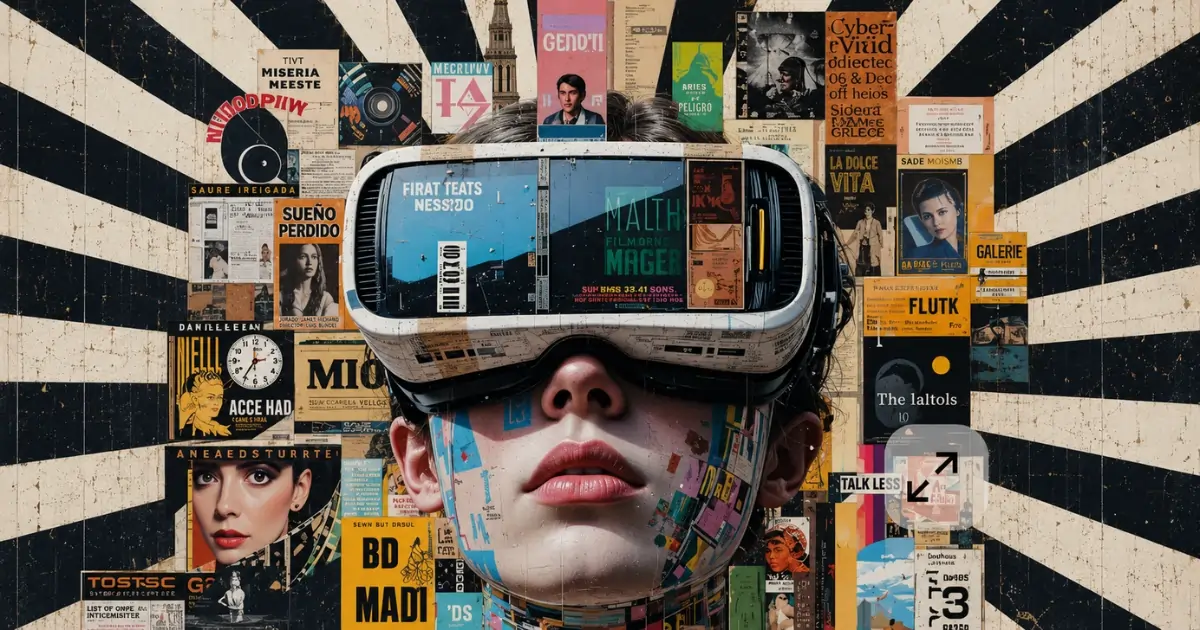
Artificial intelligence is no longer a futuristic concept in Hollywood or the media industry—it is already transforming how entertainment is created, distributed, and consumed. Today, AI can clone celebrity voices, generate movie scenes in seconds, personalize Netflix recommendations, compose music, automate video editing, and even analyze audience emotions in real time. What once required massive production teams and months of effort can now be accelerated through intelligent automation.
The rapid growth of AI in entertainment is reshaping the global media ecosystem. According to recent industry reports, the generative AI market is projected to grow at an explosive rate over the next decade, with media and entertainment emerging as one of the fastest-adopting sectors. Netflix alone reveals that more than 80% of the content watched on its platform is influenced by its AI-powered recommendation engine, highlighting how deeply artificial intelligence in entertainment now impacts user behavior and engagement.
However, this transformation comes with growing concerns. Deepfake technology, copyright disputes, AI-generated misinformation, and data privacy risks are becoming major challenges for entertainment companies worldwide. From AI-generated music lawsuits to digital identity misuse, businesses are now navigating a complex balance between innovation and ethical responsibility.
In this article, we will explore how AI in the entertainment industry is revolutionizing streaming, gaming, filmmaking, and audience engagement while also examining the risks, future trends, and regulatory challenges shaping the next era of digital entertainment.
Artificial intelligence is rapidly transforming how content is created, distributed, and consumed across the media ecosystem. From personalized Netflix recommendations to AI-generated music and intelligent gaming environments, AI in entertainment is becoming a core technology driving audience engagement and operational efficiency.
In simple terms, artificial intelligence in entertainment refers to the use of advanced algorithms, machine learning models, and automation technologies to improve creative production, personalize user experiences, analyze audience behavior, and streamline media operations. Today, major entertainment companies are investing heavily in AI to deliver smarter, faster, and more immersive experiences.
The use of AI in the entertainment industry is expanding across multiple sectors:
As discussed in recent ai trends, the entertainment industry is now moving toward hyper-personalized experiences powered by real-time behavioral analysis and generative AI technologies. Businesses looking to integrate these capabilities often collaborate with a custom ai software development company to build scalable and compliant AI-driven media solutions.

The impact of AI in entertainment industry operations is no longer limited to experimentation. AI has become a competitive advantage for streaming services, gaming companies, production studios, and digital media platforms aiming to improve personalization, reduce production costs, and increase audience retention.
From intelligent recommendation systems to AI-generated visual effects, artificial intelligence is fundamentally changing how entertainment businesses operate and scale.
Streaming giants like Netflix, YouTube, Spotify, and Disney+ rely heavily on AI-driven recommendation engines to personalize content delivery. These systems analyze user behavior, viewing patterns, search history, watch time, and engagement signals to recommend highly relevant content.
AI-powered personalization helps streaming platforms:
For example, Netflix’s recommendation engine reportedly drives a significant percentage of viewer activity through AI-based personalization. Modern streaming platforms are also using AI for thumbnail optimization, predictive content recommendations, and automated content moderation.
Film studios are increasingly using artificial intelligence in entertainment to accelerate production workflows and reduce operational complexity. AI tools now assist with:
Platforms like Runway, OpenAI Sora, and Adobe Firefly are helping creators produce high-quality visual content with significantly reduced editing time and production costs.
AI is also improving post-production efficiency by automating repetitive tasks such as color correction, scene detection, subtitle generation, and audio synchronization.
The gaming sector is witnessing some of the most advanced applications of AI in the entertainment industry. Modern AI systems enable adaptive gameplay experiences where games respond dynamically to player behavior and decision-making patterns.
Gaming companies use AI for:
This creates more immersive and personalized gaming experiences while improving player retention and engagement rates. As AI ecosystems mature, businesses are also integrating AI chatbots in Entertainment industries to enhance fan interaction, in-game support, and community management through advanced conversational systems and chatbot development services for media and entertainment.
|
Industry Segment |
AI Use Case |
Business Impact |
|
Streaming |
Recommendation Engines |
Higher Engagement |
|
Gaming |
Adaptive AI Gameplay |
Better Retention |
|
Film Production |
AI VFX & Editing |
Lower Production Costs |
|
Music |
AI Composition Tools |
Faster Creativity |

The growing adoption of AI in entertainment industry operations is helping companies deliver faster, smarter, and more personalized digital experiences. From streaming platforms and gaming studios to music applications and social media entertainment ecosystems, artificial intelligence is reshaping how audiences interact with content.
Below are some of the biggest advantages of using artificial intelligence in entertainment today.
One of the most significant benefits of AI in entertainment is hyper-personalization. AI algorithms analyze viewer behavior, watch history, engagement patterns, and preferences to recommend highly relevant content.
Platforms like Spotify use AI-powered playlists such as Discover Weekly to personalize music recommendations, while TikTok relies heavily on behavioral AI models to curate addictive user feeds.
AI tools now automate editing, subtitle generation, script analysis, and visual enhancements. This significantly reduces production timelines for media companies and content creators.
Generative AI platforms are also helping creators accelerate ideation and pre-production workflows.
AI-powered visual effects, automated rendering, and virtual production technologies help studios reduce operational expenses while maintaining production quality.
AI editing systems can automate repetitive tasks that previously required large production teams.
Entertainment companies use AI to analyze:
These insights help businesses optimize content strategies and improve audience retention.
Recommendation engines used by streaming platforms dynamically update suggestions based on user activity in real time. This improves watch time, engagement, and subscriber retention.
AI enables advertisers to deliver highly personalized campaigns based on behavioral data and audience segmentation. This improves ad relevance and conversion performance.
AI chatbots are becoming increasingly important for entertainment businesses managing millions of users globally. Intelligent conversational systems help automate:
Platforms like YouTube also use AI moderation systems to identify harmful content, spam, and policy violations at scale.
“Many entertainment companies are now prioritizing AI-assisted personalization because audience retention has become more competitive than content production itself.”
The real-world impact of AI in entertainment is already visible across streaming platforms, gaming ecosystems, film production studios, and music applications. Major global brands are investing heavily in AI technologies to improve audience engagement, automate production workflows, and create immersive user experiences.
Below are some of the most influential examples of artificial intelligence in entertainment today.
Netflix is one of the strongest examples of successful AI adoption in entertainment. Netfilx's recommendation engine uses advanced behavioral analysis and machine learning algorithms to personalize content recommendations for each user.
The platform analyzes:
This AI-driven personalization strategy significantly improves user retention and binge-watching behavior.
“More than 80% of Netflix viewing activity is driven by AI-powered recommendations.”
Netflix also uses AI to optimize thumbnails, categorize content dynamically, and predict audience preferences before launching new shows.
The Walt Disney Company has integrated AI into visual effects and post-production workflows to improve cinematic realism and reduce editing complexity.
AI technologies are being used for:
These tools help production teams accelerate editing timelines while maintaining high visual quality in blockbuster productions.
“AI-assisted editing tools can reduce certain post-production workflows by up to 30–40%, depending on project complexity.”
Spotify introduced AI-powered DJ experiences that combine personalized music recommendations with AI-generated voice commentary.
The platform uses:
This creates a highly interactive and engaging user experience tailored to individual listening preferences.
Spotify’s AI ecosystem also helps artists understand listener behavior and optimize music discovery.
Gaming companies like Ubisoft and NVIDIA are pushing the boundaries of AI-powered gaming experiences.
AI is being used to develop:
These technologies create more dynamic and immersive gaming environments while improving player engagement and retention.
Modern AI systems can now modify gameplay experiences in real time based on player behavior, making games more responsive and personalized than ever before.
While the growth of AI in entertainment is creating new opportunities for innovation and audience engagement, it is also introducing serious concerns around privacy, intellectual property, ethics, and digital security. As entertainment platforms increasingly rely on artificial intelligence for personalization, content generation, and automation, regulators and media companies are facing growing pressure to establish responsible AI governance frameworks.
Understanding these risks is essential for businesses adopting AI-driven entertainment solutions at scale.
One of the biggest concerns surrounding artificial intelligence in entertainment is the rise of deepfake technology and synthetic media. AI systems can now replicate celebrity faces, clone voices, and generate hyper-realistic digital avatars with alarming accuracy.
This has created major challenges related to:
The entertainment industry has already witnessed legal disputes involving unauthorized AI-generated music and celebrity voice imitation. In response, regulations such as the ELVIS Act were introduced to protect artists and public figures from unauthorized AI-generated replicas.
As generative AI tools become more accessible, entertainment companies must implement stronger verification systems and ethical AI policies to prevent misuse.
Copyright protection is becoming increasingly complex in the era of AI-generated content. Modern AI models are trained on massive datasets containing music, scripts, videos, artwork, and digital media — often without clear licensing transparency.
Major concerns include:
The lawsuits involving AI music platforms Suno and Udio highlighted growing tensions between media companies and AI developers regarding intellectual property rights and unauthorized training data usage.
Businesses investing in generative AI systems are increasingly exploring secure rag solutions and working with custom generative ai development makers in USA to build compliant and transparent AI ecosystems.
Entertainment platforms collect enormous volumes of user data to power recommendation systems and personalized experiences. This includes:
Emerging technologies involving EEG wearables and neurodata analysis are raising even deeper concerns around cognitive privacy and emotional surveillance.
As AI in entertainment industry applications become more sophisticated, companies must ensure compliance with global privacy regulations such as GDPR and CCPA while protecting sensitive user information.
The rapid adoption of AI is also creating ethical debates across the creative industry. Many professionals fear that AI could eventually replace human creators in areas such as scriptwriting, voice acting, editing, and digital production.
Other major ethical challenges include:
Industry leaders are increasingly emphasizing the importance of human oversight, transparent AI governance, and ethical content moderation to ensure responsible innovation in entertainment.
AI-powered chatbots are becoming a major driver of audience engagement across modern entertainment ecosystems. From streaming services and gaming communities to music platforms and virtual fan experiences, intelligent conversational systems are helping brands create more interactive and personalized digital experiences.
The adoption of AI chatbots in Entertainment industries is growing rapidly because audiences now expect instant interaction, personalized recommendations, and real-time support across platforms.
Entertainment companies are using AI chatbots for:
For example, Spotify introduced AI DJ experiences that combine personalized recommendations with conversational AI voice interactions. Similarly, Character.AI allows users to interact with AI-generated personalities and fictional characters in immersive conversational environments.
Tech companies are also integrating AI assistants into virtual worlds and entertainment applications to improve user engagement. Meta continues to expand AI-powered social and immersive experiences across its digital ecosystem.
As AI-powered engagement becomes central to digital entertainment, many businesses are investing in advanced chatbot development services for media and entertainment to build intelligent conversational experiences that improve user satisfaction and platform loyalty.
The future of AI in entertainment industry innovation is moving far beyond recommendation engines and automated editing. As generative AI, immersive computing, and intelligent automation evolve, entertainment experiences are becoming more personalized, interactive, and emotionally responsive.
The next generation of entertainment platforms will likely combine AI-generated creativity, real-time audience analysis, and autonomous production systems to redefine digital media consumption.
Generative AI tools are already helping creators produce scripts, visuals, soundtracks, and animated scenes. In the coming years, fully AI-assisted movie production workflows may become mainstream.
AI-generated films could dramatically reduce:
Studios are increasingly experimenting with AI-generated storytelling and virtual production technologies to accelerate content creation.
Streaming platforms are evolving toward highly individualized viewing experiences powered by advanced AI recommendation systems.
Future AI streaming ecosystems may offer:
This shift reflects broader ai trends focused on predictive personalization and behavioral intelligence.
Virtual influencers and AI-generated digital personalities are becoming increasingly popular across social media and entertainment platforms.
Brands are using AI-generated personalities for:
These AI-powered digital identities can operate continuously across global audiences without traditional production limitations.
One of the most advanced developments in artificial intelligence in entertainment involves emotion-driven and neuro-responsive experiences.
Companies are exploring:
These technologies could enable entertainment platforms to adapt experiences based on emotional reactions and mental engagement levels in real time.
However, neurodata collection also raises serious ethical and privacy concerns regarding cognitive surveillance and behavioral profiling.
AI agents are expected to become an essential part of future entertainment production ecosystems. Businesses are increasingly exploring ai agent adoption in tech companies to automate repetitive workflows and improve operational efficiency.
Future AI agents may handle:
As entertainment companies scale global content operations, AI-powered production teams could significantly improve efficiency while reducing manual workload across media pipelines.

As the adoption of AI in entertainment accelerates, companies must ensure that innovation is balanced with ethical responsibility, privacy protection, and creative integrity. While artificial intelligence offers powerful capabilities for personalization, automation, and content generation, irresponsible implementation can lead to legal disputes, audience mistrust, and reputational damage.
Entertainment businesses investing in AI technologies should focus on building transparent, secure, and human-centered AI ecosystems that prioritize both innovation and accountability.
As artificial intelligence in entertainment continues to evolve, businesses that prioritize ethical implementation will build stronger audience trust and long-term sustainability.
“The future of AI in entertainment will not depend solely on innovation speed, but on how responsibly companies balance creativity, privacy, and trust.”
The rise of AI in entertainment industry operations is fundamentally reshaping how content is created, distributed, personalized, and experienced. From AI-powered recommendation engines and virtual production systems to intelligent gaming environments and conversational AI platforms, artificial intelligence is driving a new era of digital entertainment innovation.
However, alongside these opportunities come significant challenges related to copyright ownership, deepfakes, privacy protection, ethical AI usage, and data governance. As AI technologies become more advanced, entertainment companies must focus not only on innovation but also on building responsible and transparent AI ecosystems.
Businesses that successfully combine creativity with ethical AI practices will be better positioned to earn audience trust, improve engagement, and scale future-ready entertainment platforms. Early adopters investing in intelligent automation, personalized user experiences, and secure AI infrastructure are likely to lead the next generation of media transformation.
As the future of entertainment becomes increasingly AI-driven, companies that embrace innovation responsibly will shape how global audiences consume and interact with digital content for years to come.

Start Build Your
Next Digital Solution?
Let’s build scalable, future-ready digital solutions tailored to your business goals. Connect with our experienced technology consultants to discuss your vision, strategy, and growth opportunities — with zero obligation and complete transparency.
Get a free consultation and cost estimate for your digital solution
Our expert will contact you within 24 hours. Check your email for confirmation.
Partner with SISGAIN experts to build secure, scalable AI-powered IT Solutions that transform your business operations.









DUQE FREEZONE Quarter Deck, Queen Elizabeth 2, Mina Rashid, Dubai, UAE

100 Consilium Pl Suite 200, Scarborough, ON M1H 3E3, Canada

C-109, Sector 2, Noida, Uttar Pradesh 201301 India
Project quotes, partnerships, implementation
Open roles, referrals, campus hiring