
 +1 844-445-5767
 +971 56-848-5757
 +91 921-208-0630
For Business & Service Inquiries
Sales Team
Project quotes, partnerships, implementation
The healthcare industry is changing rapidly in 2026. The growing trend of digital health solutions, the increasing demand for telemedicine and AI-based tools, and the strict regulations have made more clinics, hospitals, and health-tech companies invest in custom software than ever before. If you are going to build a new healthcare application or improve your existing systems, the first big question is always the same – how much will it cost? Healthcare software development costs in 2026 can be very different depending on what you are building. A simple healthcare app can start from around $30,000, while large and complex systems like hospital management software or full hospital networks can go above $500,000. The reason for this big difference is the type of features and requirements involved. Healthcare software must follow strict rules like HIPAA and GDPR, which are made to protect patient data. If the system needs to connect with other tools, include advanced features, or handle sensitive medical information safely, the cost increases. In simple words, the more features, security, and compliance needed, the higher the cost of development. In this comprehensive pricing guide, I’ll walk you through realistic cost breakdowns, key factors that affect your budget, different types of healthcare software, and practical ways to reduce costs. You’ll also learn how to pick the right partner and avoid common pitfalls. If you are a small clinic owner or a part of a big healthcare organization, it is crucial to know these costs when you are considering healthcare software development services. This guide aims to provide you with clear, transparent, and up-to-date information from current industry trends to help you make confident and informed decisions for your project. Why Healthcare Software Costs More in 2026 Than General Software If you've ever built a regular mobile app or a simple business tool, you might be surprised by how much more expensive healthcare software turns out to be. In 2026, developing healthcare software isn't just about writing clean code and launching a nice interface—it's about navigating a minefield of regulations, security requirements, and life-critical reliability standards. So why does it cost significantly more? The Heavy Burden of Regulations and Compliance The biggest reason is compliance. Healthcare software that handles patient data must follow strict rules like HIPAA in the US (and similar regulations like GDPR in Europe). This isn't something you can add at the end—it has to be baked into the architecture from day one. According to recent industry reports, HIPAA compliance alone can add 15-30% to the total development cost. This includes: Advanced data encryption (both at rest and in transit) Detailed audit logging that tracks every access to patient information Role-based access controls Regular security audits and penetration testing Business Associate Agreements (BAAs) with all vendors One small mistake here can lead to massive fines or even legal trouble, so teams spend a lot more time on planning, documentation, and testing than they would for a regular e-commerce app. Data Security and Patient Privacy Unlike a general app where a data breach might be embarrassing, in healthcare it can be dangerous. That's why healthcare projects demand multiple layers of security—secure authentication, vulnerability scanning, and strict data isolation. These requirements push development time and costs much higher than standard software. Interoperability Challenges Healthcare doesn't work in isolation. Your new software often needs to talk to existing systems like Electronic Health Records (EHRs), laboratory systems, billing platforms, or wearable devices. Standards like FHIR and HL7 make this possible, but integrating them properly is complex and time-consuming. The Rise of AI and Advanced Technologies AI is transforming healthcare—from predictive diagnostics to personalized treatment plans. While this creates exciting opportunities, adding AI in healthcare software also increases costs because of specialized data training, model validation, and extra compliance checks for AI decisions. Yes, AI can deliver big long-term savings through efficiency and better outcomes, but the upfront investment is noticeably higher. These increasing costs and complexities are also a direct result of how rapidly software is transforming healthcare systems. For a deeper understanding of this shift, read Why Software Is Advancing the Healthcare Industry. Quick Comparison: Healthcare vs General Software Development Here's a realistic side-by-side look at how costs typically break down in 2026: Aspect General Software Healthcare Software Why the Difference? Basic MVP Cost $15,000 – $60,000 $30,000 – $80,000+ Compliance & Security Compliance & Security Minimal 15-30% extra HIPAA + Audits Integrations Simple APIs Complex (EHR, FHIR, Devices) Interoperability needs Testing & Validation Standard QA Extensive (Clinical + Security) Patient safety Timeline 2-4 months 3-8+ months Extra documentation The healthcare digital transformation is accelerating rapidly in 2026, with massive investments happening across hospitals, clinics, and startups. While the initial costs are higher, well-built healthcare software often delivers strong returns through improved efficiency, better patient care, and reduced manual work. Understanding these differences helps you set realistic expectations and choose the right approach from the beginning. "Healthcare App Development Cost" Breakdown by Features If you're wondering about the cost to build a healthcare app in 2026, you're not alone. Most clinic owners, startup founders, and healthcare administrators I talk to get overwhelmed by the wide price ranges they see online. The truth is, the final cost depends heavily on what features you actually need. Here’s a realistic, feature-by-feature breakdown based on current 2026 market rates. These numbers assume a professional development team (including designers, developers, QA, and compliance experts) and proper security standards. Basic Features (Foundation of Any Healthcare App) These are the must-have elements for most apps: User Authentication & Profiles — Secure login, role-based access (patient/doctor/admin), and basic profiles: $8,000 – $15,000 Appointment Scheduling & Booking — Calendar integration, reminders, and availability management: $12,000 – $22,000 Patient Portal — Access to medical records, reports, and basic health tracking: $35,000 – $70,000+ A simple MVP with just these core features usually falls in the $40,000–$90,000 range. Communication & Telemedicine Features This is where costs start climbing quickly because of real-time requirements and high security needs. In-app Chat & Messaging: Secure, HIPAA-compliant messaging: $15,000 – $30,000 Video Consultation (Telemedicine): High-quality video calls, screen sharing, and recording options: $50,000 – $90,000 (this is a significant adder) e-Prescriptions & Digital Forms: Electronic prescribing and consent forms: $18,000 – $35,000 Advanced & Smart Features AI Diagnostics / Symptom Checker: Machine learning models, image analysis, or predictive insights: $60,000 – $150,000+ (this can easily add a big premium) Wearables & IoT Integration: Real-time data from smartwatches, glucose monitors, etc.: $25,000 – $60,000 Payment Gateway Integration: Secure billing, insurance claims, and invoices: $12,000 – $25,000 Advanced Analytics & Reporting: Dashboards for patients or doctors: $20,000 – $45,000 Platform Choice: iOS, Android, or Both? This decision can significantly impact your budget: Native Development (separate iOS and Android apps): Best performance and user experience, but costs 30-40% more because you need two separate codebases. Cross-Platform Development (using Flutter or React Native): Allows you to build once and deploy on both platforms. Most teams in 2026 recommend this approach for healthcare apps unless you need heavy device-specific features. Starting with cross-platform can save you a good chunk of money while still delivering excellent performance for most healthcare use cases. Cost to Build Enterprise Software for Healthcare Company When you move from small clinic software to full enterprise healthcare systems, the cost goes up quite a lot. In 2026, building large platforms like advanced EHR/EMR systems—which include things like patient records, billing, inventory, analytics, and compliance—usually costs somewhere between $300,000 and $1 million+. This price is not just because of extra features. Enterprise healthcare software is built for heavy, real-world hospital use. It has to handle a large number of patients, support different departments, and run smoothly without downtime. On top of that, it must be highly secure and follow strict healthcare rules. Simply put, the bigger and more complex the system, the more time, effort, and money it takes to build it properly. Why does enterprise healthcare software cost so much more? Multiple user roles and permissions: Doctors, nurses, administrators, lab technicians, and billing teams all need different levels of access while maintaining strict data privacy. Legacy system integrations: Most large hospitals still run old software. Connecting new systems with existing ones (without disrupting daily operations) is technically challenging and time-consuming. High scalability requirements: The platform must support hundreds or even thousands of users across multiple locations without slowing down. Advanced audit trails and compliance: Every action needs to be logged for regulatory audits. Features like automated reporting for HIPAA, GDPR, or local health authorities add significant development and testing effort. Robust security and data handling: Enterprise systems deal with highly sensitive patient data at scale, requiring enterprise-level encryption, breach detection, and regular security audits. Real-World Examples Think about the difference between two common scenarios: A multi-specialty clinic management system (for 5-10 locations) might come in around $250,000–$450,000. It handles patient records, appointments, basic billing, and lab integration. A full hospital-wide enterprise platform, on the other hand, can easily cross $700,000 to $1M+. These systems often include real-time department coordination, advanced analytics dashboards, insurance claim automation, pharmacy management, and interoperability with external labs and insurance providers. The gap between these two isn’t just size — it’s the level of complexity, reliability, and future-proofing required. That said, the final cost heavily depends on your specific needs and how you approach the project. This is exactly where partnering with a reliable custom software development company can make a big difference. An experienced team can help you avoid unnecessary features, suggest smart integrations, and deliver a scalable solution without inflating the budget. Major Factors Influencing Costs in 2026 If you are planning to build healthcare software in 2026, it is important to first understand what really affects the cost. Healthcare apps are not like normal apps—they need more safety, more rules, and more care. Because of this, even a small change in features or requirements can increase the cost by a large amount, sometimes by tens of thousands of dollars. There are many key factors that decide the final development cost. These include the type of features you want, the level of security needed, compliance with healthcare rules, and how complex the system is. Each of these things can directly increase or decrease your overall budget depending on your choices. 1. Complexity & Features (The Biggest Driver) The cost mainly depends on how many features you want. In simple terms, more features means higher cost. For example, a basic app that only allows patients to book appointments is much cheaper than a full telemedicine platform that includes video calls, online prescriptions, chat, and live notifications. If you build a simple MVP (basic version with only core features), the cost stays low. If you add advanced features like AI suggestions, multiple user roles (patient, doctor, admin, insurance), or complex workflows, the cost increases a lot. In most cases, this is the biggest factor affecting the total budget. Just adding features like real-time updates or multiple user roles can increase the overall cost by around 40% to 70% or even more. 2. Regulatory Compliance (HIPAA, GDPR, FDA) Compliance isn’t optional—it's mandatory. In 2026, meeting HIPAA standards (and GDPR if you serve European patients) remains one of the biggest cost add-ons. This includes secure data encryption, audit logs, consent management, regular security audits, and proper documentation. Impact: HIPAA compliance alone typically adds 15-30% to the total project cost. In complex cases, it can go up to 50%. Skipping this or trying to add it later is much more expensive. 3. Integrations (EHR, Wearables, Payment Gateways, etc.) Healthcare software usually doesn’t work alone. Most of the time, it needs to connect with other systems like EHR/EMR systems, lab software, wearable devices, billing tools, or pharmacy systems. These connections are important because they help different systems share patient data smoothly. But they also increase the cost. For example: Connecting with a complex EHR system like Epic or Cerner can cost around $50,000 to $150,000 or more. Simple integrations, like payment gateways or FHIR-based connections, cost less—but still add extra expense to the overall project. In short, the more systems you connect, the higher the development cost becomes. 4. Technology Stack (AI/ML, Cloud, Blockchain) Choosing modern technologies can increase costs but also deliver better long-term value. Adding AI in Healthcare Software (predictive analytics, image analysis, and chatbots) requires special expertise and data training. Cloud infrastructure, real-time processing, and high-security databases also cost more. Impact: AI/ML features can add 20-40% to the budget, depending on how advanced they are. 5. Team Location & Development Model Where your development team is based also plays a big role in the overall cost of healthcare software. For example: If you hire a US-based or onshore team, the hourly rate is usually around $100–$200+ per hour, which can make the project expensive. If you work with offshore or hybrid teams (like India or Eastern Europe), the cost is much lower, and you can save a good amount of money. In many cases, choosing the right custom software development company in a cost-effective location can reduce the total budget by around 40% to 60%, without reducing quality. However, one important thing to remember is that you need good project management. This helps manage communication, especially when teams are in different time zones. 6. UI/UX Design and Testing Healthcare users (doctors, patients, and nurses) need clean, intuitive, and accessible interfaces. Poor design leads to low adoption. Thorough testing—especially security, performance, and usability testing—is non-negotiable. Impact: Professional UI/UX design + extensive testing (including accessibility and penetration testing) can account for 15-25% of the total budget. 7. Post-Launch Costs (Maintenance, Updates & Scaling) Many people miss this part, but it is very important. After your healthcare software is launched, the work doesn’t stop. You will still need regular maintenance, security updates, fixing bugs, adding new features, and paying for servers or cloud services. These ongoing costs are a normal part of running the software. In most cases, you should plan for about 15% to 25% of the original development cost every year for maintenance and support. As more users start using your system, these costs can grow even more. The key to controlling costs in 2026 is prioritization. Start with an MVP, focus on must-have features first, and choose the right healthcare software development services partner who understands both technology and compliance. The Impact of AI in Healthcare Software Artificial intelligence has become one of the biggest game-changers in healthcare software—and also one of the most expensive additions. In 2026, adding meaningful AI capabilities to your healthcare platform isn’t cheap, but when done right, it often delivers one of the strongest returns on investment you can get. Why AI Drives Up Development Costs Integrating AI isn’t like adding a simple new feature. It comes with several hidden layers of cost: High-quality, secure data preparation: Healthcare data must be cleaned, annotated, and de-identified properly. In many cases, you need clinicians or specialists to label the data, which costs significantly more than regular data labeling. Model training and fine-tuning: Building accurate AI models (especially for diagnostics or predictions) requires powerful computing resources and multiple rounds of training. Rigorous validation and compliance: AI systems in healthcare go through extensive clinical validation, bias testing, and regulatory reviews (HIPAA, FDA pathways, etc.). This step alone can add months to the timeline. Ongoing maintenance: Models need continuous monitoring, retraining, and updates as new medical data or guidelines emerge. Realistically, adding solid AI features can increase your overall project cost by 20-40% compared to a non-AI version. For complex features like diagnostic assistance or predictive analytics, the premium can go even higher. But Here’s Where the Real Value Shows Up The good news? Organizations that implement AI thoughtfully are seeing strong ROI—often within 12-18 months. Key benefits include the following: Predictive analytics: Forecasting patient risks, hospital readmissions, or disease outbreaks before they happen. Faster and more accurate diagnostics: Especially in medical imaging. Efficiency gains: Reducing administrative burden on doctors and staff, which helps with the massive burnout problem. Personalized care: Tailoring treatment plans based on individual patient data. Better resource management: Optimizing staff scheduling, bed allocation, and inventory. Many healthcare providers report $3.20 in return for every $1 invested in well-executed AI projects, with some seeing payback periods as short as 14 months. Real-World Examples in 2026 AI-Powered Triage Systems: These tools analyze patient symptoms, vital signs, and history in real-time to prioritize urgent cases. Hospitals using them are reducing wait times for critical patients and helping emergency departments run smoother. AI in Medical Imaging: Tools that assist radiologists in detecting tumors, strokes, or fractures on X-rays, CT scans, and MRIs. In 2026, these systems don’t replace doctors — they act as a highly intelligent second pair of eyes, improving accuracy and speeding up reporting. If you're planning to add AI features, I strongly recommend starting with a focused use case rather than trying to make everything "AI-powered" from day one. This keeps costs manageable and delivers faster wins. Want to go deeper? Check out our detailed guide on AI in healthcare software, where we explore specific tools, implementation strategies, and success stories. Top Healthcare Analytics Tools & Their Role in Software Costs Analytics has become a very important part of modern healthcare software. Without proper analytics, even well-built systems end up collecting a lot of data, but very little useful insight. In 2026, healthcare organizations use analytics to improve patient care, reduce costs, manage population health, predict risks in advance, and meet compliance requirements. Good analytics tools convert raw data from sources like EHR systems, wearables, billing platforms, and lab systems into simple dashboards and meaningful insights. However, selecting and integrating the right analytics tools can significantly increase the overall development cost of the project. Here’s a practical look at the Top 8 Healthcare Analytics Tools in 2026, along with their typical integration costs and how they affect your project: Health Catalyst One of the strongest enterprise-grade platforms focused on population health and value-based care. It excels at combining clinical, financial, and operational data. Integration Cost: $80,000 – $200,000+ (depending on data sources and customization). Best for large hospital systems. Tableau is extremely popular for beautiful, interactive dashboards. It’s user-friendly and works well with HIPAA-compliant setups. Pricing: Starts around $15/user/month (with enterprise options higher). Integration Cost: $25,000 – $80,000. Great when you want powerful visuals without heavy custom coding. Microsoft Power BI A budget-friendly option, especially if you’re already using Microsoft tools. It offers solid healthcare reporting and easy integration with Azure. Pricing: Starts at $10/user/month. Integration Cost: $20,000 – $60,000. Ideal for mid-sized clinics and practices. Arcadia Strong in unifying fragmented data across different systems and supporting value-based care contracts. Popular among organizations focused on performance improvement. Improvado is excellent for marketing and operational analytics with strong AI capabilities for automated insights. Good choice if you need fast, automated reporting. SAS Healthcare Analytics A heavy-duty option known for advanced predictive modeling and genomics work. Higher cost but very powerful for research-heavy or complex analytics needs. Innovaccer A rising platform that does well in data activation and unified patient records. Strong in AI-driven insights. Oracle Health / Epic Analytics: Best if you’re already using Oracle or Epic EHR systems. Native integration makes it smoother but can be expensive to expand. How These Tools Affect Your Overall Healthcare Software Budget Adding analytics is not just a small extra feature—it can significantly increase the cost of healthcare app development by around 15% to 35%, depending on how advanced the setup is. For example: A simple dashboard integration using tools like Power BI or Tableau may add around $20K to $70K to the total cost. A full enterprise-level analytics system (like Health Catalyst or custom AI-based models) can increase costs by $100K to $300K+. There are also ongoing costs to consider, such as tool licenses, data handling work, staff training, and maintenance, which usually add about 18% to 25% per year. The most important thing is choosing tools based on your real needs. Many teams overspend by using expensive enterprise solutions when simpler tools like Power BI could handle most of the work. At the same time, choosing overly cheap solutions can lead to poor data quality and costly fixes later. So, while planning your project with a custom software development company or healthcare software development services, it’s important to work with a team that has real experience in analytics integration. The right decision not only helps control costs but also improves efficiency and delivers faster ROI through better insights. Hidden Costs & How to Save Money Most people think that the main cost of healthcare software is only the development cost. But in 2026, that is not the full picture. The money you spend at the start is just the beginning. After the software is launched, there are extra costs that often come as a surprise. These include maintenance, security updates, bug fixing, server or cloud expenses, and adding new features over time. If these costs are not planned in advance, the total budget can go much higher than expected. That is why it is important to understand these hidden expenses early, so you can plan better and avoid financial surprises later.. The Real Hidden Costs in Healthcare Software Here are the biggest ongoing expenses you should plan for: Maintenance and Updates: Healthcare software isn’t “set it and forget it.” You’ll typically spend 15-25% of the original development cost every year on maintenance. For a $150,000 app, that means $22,500–$37,500 annually. This covers bug fixes, compatibility updates with new iOS/Android versions, and minor feature tweaks. Security Updates & Compliance Audits: With HIPAA, GDPR, and evolving data privacy rules, regular security patches and audits are non-negotiable. Expect $5,000–$30,000 per year depending on your app’s scale. One major compliance failure can lead to massive fines, so this isn’t something to cut corners on. Scaling and Infrastructure: As your user base grows (more doctors, patients, or data), cloud hosting, servers, and database optimization costs rise. What starts as $500–$2,000/month can quickly jump if you haven’t designed for growth. Staff Training and Change Management: Even the best software fails if people don’t know how to use it. Training doctors, nurses, and admin staff, plus ongoing support, often adds thousands of dollars. Third-party Integrations and Legal Fees: Connecting with EHR systems, payment gateways, or lab software brings extra costs. Ongoing legal reviews for data-sharing agreements also add up. These hidden costs can easily push your total ownership expense 1.5x to 2x the original development budget over 3–5 years. Smart Ways to Reduce Healthcare Software Development Costs The good news? You can control these expenses without compromising quality. Here are proven strategies that actually work in 2026: Start with an MVP (Minimum Viable Product) Approach Don’t try to build every possible feature on day one. Launch with core functions first—like patient registration, basic appointment booking, and secure messaging. This can reduce your initial investment by 40-60%. Once you get real user feedback, you can add advanced features gradually. Choose Cross-Platform Development Instead of building separate apps for iOS and Android, use frameworks like Flutter or React Native. This single codebase approach can save you 30-40% on development and make future updates much cheaper. Work with Experienced Partners Hiring a reliable custom software development company that specializes in healthcare pays off. They already understand compliance, integrations, and common pitfalls, which reduces expensive rework. Look for teams with proven HIPAA experience. Adopt Agile Methodology Agile development lets you work in short sprints, review progress regularly, and adjust direction without wasting money on unwanted features. It also improves transparency and helps catch issues early. Consider Offshore or Hybrid Teams Quality developers in countries like India, Eastern Europe, or Latin America offer excellent value. A good healthcare software development services provider can deliver high standards at 40-60% lower rates than pure US/EU teams—without sacrificing security or communication, especially with proper project management tools. Simple ROI Calculation Framework Before you sign any contract, run a quick ROI check. Here’s a straightforward way to do it: Basic ROI Formula: ROI = [(Total Benefits - Total Costs) / Total Costs] × 100 What to Include: Costs: Initial development + annual maintenance (15-25%) + training + infrastructure Benefits: Time saved by staff (e.g., reduced admin hours), increased patient volume, lower no-show rates, better billing accuracy, and reduced errors Example: If you invest $120,000 in a patient management system that saves your clinic $85,000 per year in operational costs, your ROI in the first year would look very healthy. Take time to build a 3-year projection spreadsheet. Many experienced developers can help you create this during the discovery phase. Choosing the Right Development Partner Choosing the right development partner is one of the most important decisions in your healthcare software project. A good team can save you time, money, and headaches, while the wrong one can lead to delays, compliance issues, and poor-quality software. Key Questions You Should Ask Don’t hesitate to ask these straightforward questions: How many healthcare projects have you successfully delivered in the past 2 years? Are you experienced with HIPAA, GDPR, and medical data security? Can you show real case studies and client references? How do you handle integrations with EHR systems or other hospital software? What is your post-launch support and maintenance policy? Benefits of Specialized Partners Working with a dedicated healthcare software development services provider or an experienced custom software development company makes a big difference. They already understand complex healthcare workflows, patient privacy rules, and industry-specific challenges. This leads to better solutions, fewer mistakes, and smoother development. Instead of teaching a general team about healthcare, you get experts who can suggest smart ideas, especially around AI in healthcare software, and help control overall costs. Red Flags to Avoid Extremely low prices (too good to be true usually means low quality) No clear healthcare experience Vague answers about compliance and security Poor communication from the first call Best Practices Start with a small MVP phase before full commitment Prefer agile development for regular updates Ensure you own the source code Define clear timelines and support terms upfront The right partner acts as your technology advisor, not just a coding service. If you're planning to build healthcare software in 2026, take time to choose wisely. Ready to take the next step? Share your project requirements in the comments or contact us for a custom quote made for your needs. Why Choose SISGAIN? SISGAIN is a trusted healthcare software development partner with proven expertise in building secure, scalable, and compliant digital health solutions. The team specializes in HIPAA/GDPR-ready architecture, seamless EHR integrations, and AI-driven healthcare innovation. SISGAIN provides reliable and cost-effective solutions to meet the clinical and enterprise needs with deep domain experience and agile delivery. Conclusion To summarize, healthcare software development in 2026 can cost anywhere from $30,000 for a simple app to more than $500,000 for advanced enterprise systems. The final cost depends on several key factors like the features you include, regulatory compliance needs, AI integration, and the level of security required. The best approach is to plan smartly—start with an MVP (basic version), focus on essential features first, and then expand step by step with the right development team. This helps you control costs while still maintaining good quality. If you are planning to build healthcare software, this is the right time to clearly understand your needs. Whether you are a clinic owner or a health tech startup, choosing the right custom software development company or healthcare software development services can save both time and money in the long run.
Healthcare systems across the globe are under increasing pressure. According to multiple industry reports, hospitals and clinics are experiencing a sharp rise in patient demand while facing a critical shortage of medical professionals. At the same time, administrative workloads continue to grow, consuming nearly 30–40% of healthcare staff time. This imbalance is not just an operational challenge—it is a direct threat to patient experience, revenue stability, and long-term scalability. Patients today expect instant responses, seamless appointment booking, and continuous access to healthcare information. However, traditional systems struggle to keep up. Long wait times, delayed responses, and inefficient processes have become the norm. For healthcare startups and providers, this creates a dangerous gap between patient expectations and service delivery. This is where ai chatbots in healthcare are emerging as a transformative solution. By automating repetitive tasks, enabling real-time communication, and improving access to care, chatbots in healthcare are redefining how providers interact with patients. They are not just tools for convenience—they are becoming essential infrastructure for modern healthcare delivery. As part of broader advancements in AI-driven innovation, including AI in Healthcare and evolving AI trends, chatbots are positioning themselves as scalable, cost-efficient systems capable of supporting both clinical and administrative workflows. For investors and healthcare professionals, this shift represents not only a technological upgrade but a strategic opportunity to build more resilient and patient-centric systems. What Are AI Chatbots in Healthcare? An ai chatbot for healthcare is a software application designed to simulate human-like conversations with patients, caregivers, or healthcare professionals using artificial intelligence. Unlike traditional digital tools, these systems can understand, process, and respond to user queries in real time, making them highly effective for healthcare environments where speed and accuracy are critical. A medical AI chatbot goes a step further by integrating domain-specific knowledge, enabling it to assist with symptom checking, medication reminders, appointment scheduling, and even mental health support. These solutions are increasingly being adopted by healthcare startups and enterprises to streamline operations and improve patient engagement. At the core of healthcare chatbots are advanced technologies such as Natural Language Processing (NLP) and Machine Learning (ML). NLP allows the chatbot to interpret human language—whether typed or spoken—while machine learning enables it to improve over time based on user interactions and data patterns. This combination ensures that responses are not only accurate but also contextually relevant. There are two primary types of chatbots used in healthcare: Rule-based chatbots: These operate on predefined scripts and decision trees. They are effective for handling simple queries such as appointment booking or FAQs but lack the ability to adapt beyond programmed scenarios. AI-powered conversational agents: These are more advanced systems capable of understanding intent, learning from interactions, and delivering personalized responses. They can handle complex queries, making them ideal for patient triage, health monitoring, and ongoing engagement. For organizations looking to implement such solutions, leveraging expert-led AI development services is essential. A well-designed chatbot not only enhances operational efficiency but also ensures compliance with healthcare regulations, data security standards, and patient expectations. As healthcare continues to evolve, AI chatbots are becoming a foundational component of digital transformation strategies, enabling smarter, faster, and more accessible care delivery. Why Healthcare Needs AI Chatbots Now The healthcare industry is at a critical inflection point. Demand for services is rising rapidly, but the capacity to deliver care is not keeping pace. This widening gap is creating both a challenge and a significant business opportunity—one that ai chatbots in healthcare are uniquely positioned to address. One of the most pressing issues is the global shortage of doctors and healthcare professionals. Many systems are operating below optimal staffing levels, leading to increased workloads and longer patient wait times. This directly contributes to clinician burnout, which has become a major concern across hospitals and healthcare startups alike. Burnout not only affects staff retention but also impacts the quality of care delivered. Operational inefficiencies further compound the problem. A large portion of healthcare workflows—such as appointment scheduling, patient queries, and follow-ups—remain manual or semi-automated. These inefficiencies result in: Up to 40% of staff time spent on administrative tasks Increased chances of human error in data handling Delays in patient communication and service delivery At the same time, cost pressures are intensifying. Hospitals and startups must balance rising operational expenses with the need to deliver high-quality care. Traditional scaling methods—such as hiring more staff—are no longer sustainable. Patient expectations are also evolving. Today’s users demand 24/7 access to healthcare services, instant responses, and personalized interactions. Any delay or friction in the patient journey can lead to dissatisfaction and loss of trust. This is where chatbots in healthcare create a clear competitive advantage. By automating routine interactions and enabling real-time communication, they reduce operational strain while improving patient experience. For organizations investing in advanced Healthcare IT solutions, AI chatbots are no longer optional—they are becoming a foundational component. They bridge the gap between limited resources and growing demand, enabling healthcare providers to scale efficiently without compromising quality. Key Use Cases of AI Chatbots in Healthcare The real value of a medical AI chatbot lies in its ability to solve practical, high-impact problems across the healthcare ecosystem. From patient engagement to operational efficiency, healthcare chatbots are being deployed in multiple areas to deliver measurable results. Below are the most impactful use cases that healthcare startups, providers, and investors should understand: Patient Triage and Symptom Checking AI chatbots can analyze patient symptoms and provide preliminary guidance based on predefined medical logic and data models. Helps patients determine urgency (emergency vs routine care) Reduces unnecessary hospital visits Supports early intervention Example: A patient inputs symptoms like fever and fatigue; the chatbot suggests possible causes and recommends next steps. Appointment Scheduling Automation Manual scheduling is time-consuming and prone to errors. Chatbots streamline this process by handling bookings in real time. 24/7 appointment booking and rescheduling Automated reminders to reduce no-shows Integration with calendars and hospital systems Example: A patient books a consultation at midnight without needing staff intervention. Medication Reminders and Adherence Ensuring patients follow prescribed treatments is a major challenge. Chatbots improve adherence through timely reminders and follow-ups. Personalized medication alerts Dosage instructions and tracking Alerts for missed doses Example: A diabetic patient receives daily reminders to take insulin and log blood sugar levels. Mental Health Support One of the fastest-growing applications of healthcare chatbots is in mental health. Provides immediate, judgment-free interaction Offers coping strategies and emotional support Connects users to professionals when needed Example: A chatbot engages users in conversation during anxiety episodes and suggests calming techniques. Chronic Disease Management For patients with long-term conditions, continuous monitoring is essential. AI chatbots assist in managing these conditions effectively. Daily health tracking (BP, glucose, etc.) Lifestyle recommendations Regular check-ins and alerts Example: A hypertension patient logs daily readings, and the chatbot flags abnormalities for review. Insurance and Billing Assistance Navigating healthcare billing can be complex. Chatbots simplify this by providing instant support. Answer insurance-related queries Explain billing breakdowns Assist with claims and documentation Example: A patient quickly checks whether a procedure is covered under their insurance plan. For organizations looking to implement these capabilities, investing in scalable chatbot development solutions is essential. The right implementation not only improves efficiency but also enhances patient satisfaction and long-term engagement. These use cases clearly demonstrate that AI chatbots are not just a technological trend—they are a practical solution to some of healthcare’s most pressing challenges. Business Benefits & ROI of Healthcare Chatbots For healthcare startups, investors, and enterprise leaders, the adoption of an ai chatbot for healthcare is not just a technological upgrade—it is a strategic investment with measurable returns. As operational pressures rise and patient expectations evolve, ai chatbots in healthcare are proving to be a high-impact solution for both cost optimization and revenue growth. One of the most immediate benefits is cost reduction through administrative automation. Tasks such as appointment scheduling, patient queries, and follow-ups can be handled without human intervention. This reduces dependency on large support teams and lowers operational overhead significantly. At the same time, chatbots drive increased patient engagement. By offering instant, 24/7 responses, they ensure that patients remain connected with healthcare providers at every stage of their journey. Higher engagement leads to better retention, improved outcomes, and stronger brand trust. Speed is another critical factor. Traditional systems often involve delays due to limited staff availability. In contrast, chatbots deliver real-time responses, improving patient satisfaction and reducing friction in the care process. Missed appointments are a major source of revenue loss in healthcare. With automated reminders and confirmations, chatbots help reduce no-shows, ensuring better resource utilization and consistent revenue flow. For startups, scalability is often a challenge. Hiring and training staff takes time and capital. Chatbots provide a scalable alternative, allowing organizations to handle thousands of interactions simultaneously without increasing costs proportionally. ROI Breakdown: Before vs After Chatbot Adoption Before Implementation: High administrative costs due to manual processes Delayed patient responses leading to lower satisfaction Frequent missed appointments impacting revenue Limited scalability without increasing staff After Implementation: Up to 30–50% reduction in administrative workload Instant patient interaction improving engagement rates Significant drop in no-show rates through automation Ability to scale operations without proportional cost increase For organizations evaluating long-term growth, partnering with experienced AI development companies in USA or globally can accelerate deployment and ensure compliance with healthcare standards. In a competitive market, the return on investment from healthcare chatbots is no longer theoretical—it is already being realized by forward-thinking organizations. Challenges, Risks & Ethical Concerns While the benefits are compelling, the adoption of chatbots in healthcare must be approached with careful consideration of risks and ethical implications. Addressing these concerns is essential to building trust and ensuring sustainable implementation. One of the most critical challenges is data privacy and security. Healthcare data is highly sensitive, and any breach can have serious legal and reputational consequences. Regulations such as HIPAA and GDPR require strict compliance in how patient data is collected, stored, and processed. Chatbot systems must be designed with robust encryption, secure APIs, and clear data governance policies. Another concern is AI bias and dataset limitations. Chatbots are trained on historical data, which may not always represent diverse populations accurately. This can lead to biased responses or recommendations, particularly for underrepresented groups. Ensuring inclusive and well-validated datasets is crucial for minimizing such risks. The risk of misinformation is also significant. Unlike human professionals, chatbots may not always interpret complex medical scenarios correctly, especially if the input data is ambiguous or incomplete. Inaccurate responses can lead to poor decision-making by patients. This is why human oversight remains essential. Chatbots should be positioned as assistive tools rather than replacements for healthcare professionals. They are highly effective in handling routine queries and processes, but complex diagnoses and critical decisions must always involve qualified medical experts. Transparency is another key factor. Patients should be clearly informed when they are interacting with a chatbot and how their data is being used. This builds trust and ensures ethical usage of the technology. In summary, while chatbots in healthcare offer significant advantages, their implementation must balance innovation with responsibility. Organizations that proactively address these challenges will be better positioned to deliver safe, reliable, and patient-centric solutions. How to Develop an AI Chatbot for Healthcare Building an ai chatbot for healthcare requires a structured, compliance-driven approach. For healthcare startups and enterprises, the goal is not just functionality—but reliability, security, and scalability. Below is a step-by-step framework to develop high-performing healthcare chatbots. 1. Define the Use Case Start with a clear objective. Identify whether the chatbot will handle patient triage, appointment booking, mental health support, or administrative queries. A focused use case ensures faster development and better ROI. 2. Choose the Right AI Model Select technologies based on your use case: NLP (Natural Language Processing): For understanding patient queries LLMs (Large Language Models): For conversational intelligence and contextual responses The right AI model determines how accurately the chatbot interprets and responds to user input. 3. Data Integration (EHR & APIs) Healthcare chatbots must connect with existing systems such as: Electronic Health Records (EHR) Hospital Management Systems Payment gateways and insurance databases Seamless API integration ensures real-time data exchange and a unified patient experience. 4. UI/UX Design User experience is critical in healthcare. The chatbot interface should be: Simple and intuitive Accessible across devices (mobile, web) Designed for diverse patient demographics A well-designed UI reduces friction and increases adoption rates. 5. Compliance & Security Healthcare applications must comply with strict regulations: HIPAA (for US-based systems) GDPR (for European users) Implement end-to-end encryption, secure authentication, and data access controls to protect sensitive patient information. 6. Testing & Deployment Before launch, conduct rigorous testing: Functional testing (accuracy of responses) Security testing (data protection) User testing (real-world scenarios) Post-deployment, continuous monitoring and updates are essential to maintain performance and compliance. Tech Stack Overview A typical healthcare chatbot tech stack includes: AI/ML Frameworks: TensorFlow, PyTorch Cloud Platforms: AWS, Google Cloud, Azure APIs & Integrations: HL7, FHIR for healthcare data exchange Frontend: React, Flutter for cross-platform interfaces To accelerate development and ensure scalability, businesses often partner with providers offering AI development services and specialized chatbot development solutions. Future Trends of AI Chatbots in Healthcare The evolution of ai chatbots in healthcare is accelerating, driven by advancements in AI, data analytics, and digital health infrastructure. For healthcare startups and investors, understanding future trends is key to staying ahead of the curve. One of the most significant trends is the integration of AI chatbots with telemedicine platforms. This enables seamless patient journeys—from initial consultation to virtual doctor visits—without switching systems. Chatbots act as the first point of contact, improving efficiency and reducing wait times. Another emerging trend is voice-enabled healthcare assistants. With the rise of smart devices, patients are increasingly interacting through voice commands. This is particularly beneficial for elderly users and those with limited digital literacy, making healthcare more accessible. Personalization is also becoming a core focus. Advanced AI models can analyze patient history, behavior, and preferences to deliver tailored recommendations. This shift toward personalized AI healthcare enhances patient engagement and improves outcomes. Security is being redefined through the combination of blockchain and AI. Blockchain ensures secure, tamper-proof data storage, while AI enables intelligent data processing. Together, they address critical concerns around data privacy and trust. For businesses looking to stay aligned with evolving AI trends, investing in next-generation chatbot capabilities is no longer optional—it is a strategic necessity. Why Healthcare Businesses Are Investing in AI Chatbots The rapid adoption of healthcare chatbots is not случай—it is driven by strong market fundamentals and clear business advantages. For investors and decision-makers, this space represents a high-growth opportunity with long-term potential. The global healthcare AI market is expanding at a significant pace, with chatbots playing a central role in digital transformation. As demand for scalable and efficient solutions grows, organizations are prioritizing technologies that deliver both cost savings and improved patient experiences. One of the key drivers is competitive advantage. Early adopters of chatbot technology are able to offer faster services, better engagement, and more efficient operations compared to traditional providers. This creates a strong differentiation in an increasingly competitive market. Additionally, the benefits of early adoption extend beyond immediate gains. Businesses that invest in chatbot infrastructure today are better positioned to integrate future technologies such as advanced AI models, predictive analytics, and personalized healthcare systems. For startups, chatbots provide a cost-effective way to scale operations without heavy investment in human resources. For enterprises, they enable optimization at scale while maintaining service quality. In essence, the growing investment in healthcare chatbots is a reflection of their proven value. They are not just tools for automation—they are becoming a cornerstone of modern healthcare strategy. Conclusion The healthcare industry is undergoing a fundamental transformation—and ai chatbots in healthcare are at the center of this shift. From reducing operational costs and improving patient engagement to enabling scalable growth, the benefits are clear and measurable. For startups, investors, and healthcare providers, this is no longer an experimental technology—it’s a proven driver of efficiency and competitive advantage. As patient expectations continue to rise and systems face increasing pressure, adopting an ai chatbot for healthcare is no longer optional. It is a strategic necessity for organizations that want to stay relevant, responsive, and resilient in a rapidly evolving market. The opportunity is significant—but execution is everything. At SISGAIN, we specialize in building intelligent, secure, and scalable solutions tailored for the healthcare industry. Whether you're looking to enhance your Healthcare IT solutions or leverage advanced AI development services, our team brings the expertise needed to turn your vision into reality. Ready to transform your healthcare operations? Partner with SISGAIN to build next-generation healthcare chatbot solutions that drive real business outcomes. Book your consultation today and take the first step toward AI-powered healthcare innovation.
Every minute delay in diagnosis can cost a life—yet most telemedicine apps still operate like basic video calling tools. A patient in a rural town develops early symptoms of a cardiac issue. In a traditional telemedicine system, they wait hours—or even days—for consultation, manual triage, and diagnosis. But in an AI-powered telemedicine system, the same patient is: Instantly triaged within seconds Automatically flagged for cardiac risk Connected to the right specialist without delay Continuously monitored through wearable data No delays. No guesswork. No overload on doctors. This is no longer a future concept—it is already happening. Healthcare organizations adopting AI in telemedicine are reporting $20–100 million in annual savings, 41% reduction in documentation time, and up to 94% diagnostic accuracy in AI-powered imaging systems. At the same time, the global AI in telemedicine market is projected to grow from $26.11 billion (2025) to $176.94 billion by 2034, signaling a massive shift in how digital healthcare systems are being built. This raises a critical question: Why are most telemedicine apps still built like it’s 2015? In this blog, we break down how AI transforms telemedicine app development solutions, what real-world systems are already doing today, and how to build scalable, intelligent healthcare platforms that deliver clinical value and rank in today’s AI-driven ecosystem. Why Traditional Telemedicine Apps Are Failing Today Most telemedicine platforms still do three things: Video consultation Appointment booking Basic chat support While these features helped digitize healthcare communication, they do not fundamentally improve how care is delivered. In reality, they have only shifted in-person processes into digital formats without adding intelligence, prediction, or automation. This is why many existing systems are struggling to meet modern healthcare demands. The real problems: Doctors spend 3–4 hours daily on documentation, reducing actual patient care time Patient data is mostly reactive instead of predictive, meaning issues are addressed after they occur There are no early risk detection systems to identify diseases before they escalate Manual triage processes overload administrative and medical staff Chronic diseases are often detected too late, leading to higher treatment costs and complications For example : AtlantiCare reduced physician documentation time by 41% using AI automation, saving over 66 minutes per doctor per day.This demonstrates that the problem is not just inefficiency—it is a structural limitation of traditional systems. Without AI, telemedicine platforms function only as communication tools. With AI integration, however, they evolve into clinical intelligence systems capable of prediction, automation, and decision support—fundamentally transforming healthcare delivery.If you want to understand how leading solutions in this space are evolving, explore some of the best telemedicine platforms and companies shaping modern digital healthcare. How AI Transforms Telemedicine App Development Solutions 1. AI-Powered Virtual Assistants & Smart Triage Modern AI systems in telemedicine are no longer limited to basic chatbot interactions. Instead, they function as first-line clinical decision support systems that actively assist in patient evaluation, prioritization, and care routing. This shift significantly reduces dependency on manual intake processes and improves the speed and accuracy of early medical decisions. What AI Virtual Assistants Do Analyze patient symptoms using natural language processing (NLP) Assess urgency levels such as low, medium, or critical in real time Automatically route patients to the most appropriate specialists Handle follow-ups, reminders, and basic patient communication Reduce unnecessary workload on doctors and administrative staff Natural Language Processing (NLP) currently holds around 32% market share in AI telemedicine systems, highlighting its importance in enabling human-like interaction and clinical understanding at scale. A practical example can be seen in AI-based symptom checker platforms, where patient inputs are compared against millions of anonymized clinical records to generate early risk assessments even before a physician joins the consultation. Key Outcomes Faster diagnosis and consultation flow Improved specialist matching accuracy Significant reduction in triage delays More efficient use of clinical resources Today, AI-powered triage is no longer an optional enhancement. In modern AI telemedicine app development solutions, it has become a core foundational feature for scalable and efficient healthcare delivery. 2. Predictive Analytics: From Reactive Care to Preventive Healthcare AI-powered predictive analytics shifts healthcare from reactive to preventive care by identifying risks before a condition becomes serious. In telemedicine systems, AI analyzes patient history, reports, wearables, and vital trends to detect hidden patterns that doctors may miss during routine checks, enabling early intervention and better outcomes. AI systems analyze: Patient medical history and previous diagnoses Laboratory reports and diagnostic results Real-time wearable device data (heart rate, glucose levels, ECG, etc.) Lifestyle and behavioral patterns Vital sign trends over time P(disease risk) = f(history,biometrics,behavior,genetics) Real-World Impact of Predictive AI in Telemedicine Early detection of cardiac and chronic disease risks Prevention of avoidable hospital readmissions Long-term forecasting of conditions like diabetes, hypertension, and COPD Data-driven prioritization of high-risk patients for early intervention A strong example comes from Mount Sinai Health System, where an AI-powered predictive model for malnutrition risk delivered an estimated $20 million impact by enabling earlier clinical intervention and improving patient outcomes. Key Shift in Healthcare Model From reactive treatment → to proactive prevention From symptom-based care → to risk-based monitoring From episodic visits → to continuous health intelligence This transformation is one of the most powerful outcomes of modern AI telemedicine app development solutions, fundamentally redefining how healthcare systems identify and manage patient risk. 3. AI Diagnostic Tools for Telemedicine (Higher Accuracy Than Humans) Medical imaging is one of the most advanced areas where AI is transforming healthcare. AI diagnostic tools are now assisting and, in some cases, outperforming human accuracy under real-world conditions. Key Performance Benchmarks AI lung nodule detection: ~94% accuracy Human radiologists: ~65% accuracy under workload pressure AI stroke detection: faster identification of critical treatment windows What This Means in Practice Faster and more accurate diagnosis Reduced chances of human error Improved access to specialist-level care in remote areas Better emergency response in time-sensitive conditions like stroke Even patients in rural or underserved regions can now receive diagnostic accuracy comparable to major hospitals through remote systems. This makes AI diagnostic tools one of the strongest value drivers in modern AI-powered telemedicine app development solutions. 4. AI Remote Patient Monitoring Solutions AI remote patient monitoring enables a shift from episodic healthcare (occasional visits) to continuous, real-time care. Instead of relying on periodic checkups, patients are monitored constantly through connected devices, allowing healthcare providers to detect issues early and intervene immediately when needed. Devices involved: Smartwatches, ECG monitors, Glucose sensors, Blood pressure cuffs. How AI Makes It Powerful AI processes the continuous flow of patient data in real time and transforms it into actionable clinical insights by: Detecting anomalies instantly as they occur Sending critical alerts to healthcare providers in real time Filtering normal fluctuations from actual health risks Prioritizing patients who need immediate attention Real ROI example: NYU Langone Health demonstrated the financial and clinical value of this approach with its remote hypertension monitoring program, achieving a 22.2% return on investment (ROI). Average cost per patient: approximately $330 Hospitalization costs avoided: significantly higher due to early intervention Results - Patients receive continuous medical supervision without needing continuous hospital visits, improving outcomes while reducing overall healthcare costs and system burden. 5. Personalized Treatment at Scale AI removes one of healthcare’s biggest limitations: one-size-fits-all treatment by enabling truly personalized care for each patient. It analyzes multiple patient-specific factors such as genetics, past treatments, drug response history, and clinical records to understand how an individual is likely to respond to different therapies. AI Analyzes: Genetics, Past treatments, Drug response history, Clinical records Output: Personalized treatment recommendations for each patientKey Benefits: Improved treatment adherence, Faster recovery rates, Higher patient trust 6. NLP-Powered Clinical Documentation Automation Doctors don’t want to spend time typing notes—they want to focus on treating patients. AI solves this through NLP-powered clinical documentation systems that automate and streamline the entire documentation process. What NLP Systems Can Do Convert speech into structured medical notes Auto-fill Electronic Health Records (EHR) Extract diagnosis codes automatically Generate clinical summaries in real time Impact in Healthcare Hospitals using AI documentation tools report: Up to 60% reduction in administrative workload Significant reduction in clinician burnout Burnout rates dropping from 51.9% → 38.8% in AI-assisted environments Result: Doctors spend less time on paperwork and more time on patient care. Business Impact: Why Companies Are Investing Heavily AI in telemedicine is no longer just a clinical advancement — it has become a direct driver of financial efficiency and operational optimization for healthcare organizations. Real-world outcomes: $2.4M average savings in mid-sized hospitals within 18 months 35% reduction in operational costs 20% decrease in hospital readmission rates Diagnosis time reduced from hours/days to just minutes Performance Comparison Metric Traditional System AI-Powered System Diagnosis Time Hours / Days Minutes Documentation Load 3–4 hours/day 1–2 hours/day Readmission Rate High ~20% reduction Diagnostic Accuracy ~65% ~94% Bottom Line: AI is no longer a simple add-on in healthcare platforms. It has evolved into a core infrastructure layer that reduces costs, improves efficiency, and significantly enhances both clinical outcomes and financial performance. This is why many organizations choose to partner with SISGAIN, a trusted custom AI development company, to build scalable, secure, and compliant healthcare solutions. Must-Have Features in AI Telemedicine App Development Solutions A strong AI telemedicine platform must be built on intelligence, automation, and compliance to ensure scalable, efficient, and reliable healthcare delivery in 2026. Core Features: AI-powered symptom checker and intelligent triage engine Real-time remote patient monitoring dashboard Predictive analytics engine for early risk detection NLP-based clinical documentation system Multi-device wearable and IoT integration Explainable AI (XAI) decision-making outputs Secure, HIPAA and GDPR-compliant architecture Without these capabilities, a telemedicine platform cannot compete in today’s AI-driven healthcare ecosystem. Modern healthcare solutions are expected to be intelligent, predictive, and fully compliant by design, not as an afterthought. Challenges (And What Actually Solves Them) Data Privacy Risks: These arise when sensitive patient data is exposed or misused. They are solved by implementing strong encryption, secure cloud infrastructure, and a compliance-first design approach (HIPAA/GDPR standards). AI Bias: This occurs when AI systems produce unfair or inaccurate outputs due to unbalanced data. It is solved by using diverse training datasets and continuous clinical validation to ensure accuracy across different patient groups. Legacy System Integration: Many healthcare systems use outdated software that doesn’t easily connect with modern AI tools. This is solved using API-first architecture and modular system design for smooth integration. Trust in AI Decisions: Clinicians and patients may hesitate to rely on AI if decisions are unclear. This is solved with explainable AI (XAI), which provides transparent reasoning behind every output. High Development Cost: AI healthcare systems can be expensive to build initially. This is solved through an MVP-first rollout strategy and phased development to reduce risk and validate results early. How to Choose the Right AI Telemedicine Development Partner Ask these questions before hiring: Do they have real healthcare AI deployments? Can they show clinical outcomes (not just apps)? Is compliance built-in or added later? Do they involve medical experts in AI validation? Can their system scale to enterprise healthcare loads? Most vendors fail here, which is why choosing an experienced AI telemedicine app development company like SISGAIN becomes critical. The difference is execution depth, not marketing. Final Thoughts: AI Is Now the Operating System of Telemedicine AI is no longer just enhancing telemedicine—it is fundamentally redefining how it works. The healthcare industry is shifting from: Reactive care → Predictive care Manual workflows → Automated intelligence Generic treatment → Personalized medicine Organizations adopting AI telemedicine systems today are not simply improving efficiency. They are building the core infrastructure of future healthcare delivery, where intelligence, automation, and continuous care become the new standard.

Imagine a healthcare system where doctors, specialists, and patients can connect instantly through video—discussing critical medical conditions in real time. Now imagine that same conversation being exposed due to weak security or poor system design. In healthcare, this is not just a technical failure—it is a serious risk to patient trust and safety. This is where telehealth video conferencing has become a core technology in modern healthcare transformation. Hospitals, clinics, and digital health startups are increasingly adopting virtual care systems to improve accessibility, reduce consultation delays, and enable remote treatment. Unlike standard communication tools, a telehealth video conferencing platform handles highly sensitive data such as patient records, prescriptions, diagnostic reports, and live medical discussions. This makes security, encryption, and compliance essential at every stage of development. In this guide, we will explain how to build a secure and scalable telehealth video conferencing platform from scratch. You will learn about system architecture, key features, security implementation, and compliance requirements needed to develop a reliable healthcare-grade solution. What is Telehealth Video App Development? Telehealth video conferencing is a secure way for doctors and patients to connect through real-time video calls, enabling remote diagnosis, consultation, and patient monitoring without physical visits. Unlike standard video applications, a telehealth video conferencing platform is specifically designed for medical use, ensuring patient data privacy, secure communication, and compliance with healthcare regulations such as HIPAA. These systems are a core part of modern telemedicine platforms, helping providers deliver efficient and accessible care. Today, it is widely used for one-to-one consultations as well as multi-doctor group sessions, making healthcare faster, more connected, and more efficient. Core Components of a Telehealth Video Conferencing Platform Real-time video and audio consultations for smooth doctor–patient communication without delays Secure patient data handling to ensure medical records and personal information remain fully protected Multi-doctor group consultations that enable specialists to collaborate on complex cases in real time Virtual waiting rooms to manage patient flow efficiently before scheduled consultations Role-based access control to ensure only authorized users can access sensitive medical data Encrypted communication across video, audio, and chat to prevent unauthorized access or data leaks HIPAA compliance support to meet healthcare regulations and maintain legal data security standards Why It Matters Telehealth video conferencing enables faster access to doctors, helping patients receive timely care without delays. It also improves collaboration between specialists while ensuring secure handling of sensitive medical data and a better overall patient experience. Why Telehealth Video Conferencing is Important in Healthcare Telehealth video conferencing has become an essential part of modern healthcare because it bridges the gap between patients and medical professionals, especially in remote or underserved areas. It allows doctors to provide timely consultations, reduce waiting times, and deliver care without the need for physical visits, making healthcare more accessible and efficient. These solutions are often built using specialized healthcare software development services that ensure secure communication, regulatory compliance, and scalable infrastructure for digital healthcare systems. It also improves the overall quality of treatment by enabling real-time communication between multiple specialists, which leads to faster and more accurate medical decisions. At the same time, secure systems ensure patient data is protected, making it a reliable solution for hospitals and clinics adopting digital healthcare transformation. Real-World Use Cases of Telehealth Video Systems Digital healthcare platforms are now widely used across hospitals and clinics, with studies showing that over 60% of healthcare providers have adopted some form of virtual care or video consultation system. This shift is improving access to medical services and significantly speeding up clinical decision-making. These systems help doctors and patients connect in real time, making healthcare more flexible, efficient, and accessible even in remote areas. Emergency Consultations In critical situations, specialists can be brought into live consultations instantly. For example, if a patient shows stroke symptoms in a remote hospital, a neurologist can join the video session immediately and guide the medical team for faster treatment decisions. Remote Patient Monitoring Patients with chronic conditions such as diabetes or hypertension can be regularly tracked through virtual checkups. For instance, a diabetic patient can share weekly reports online, allowing doctors to adjust treatment plans without requiring physical hospital visits. Group Doctor Consultations Complex cases often require multiple specialists. For example, a cardiologist, physician, and surgeon can join a single session to review a patient’s condition and collaboratively decide the best treatment approach. Core Features of a Secure Telehealth Platform A modern healthcare system is not just about video calling—it is a fully secure digital ecosystem designed to support clinical workflows, protect patient data, and ensure smooth communication between all stakeholders. Essential Features High-quality video and audio consultations Ensures clear real-time communication between doctors and patients, even in low network conditions for reliable care delivery. Secure patient data management All medical records, prescriptions, and reports are stored and transmitted using encryption to maintain complete data privacy and protection. Multi-doctor group consultations Allows multiple specialists to join a single session for collaborative diagnosis and improved treatment planning in complex cases. Virtual waiting room system Helps manage patient flow efficiently by allowing controlled entry into consultation sessions. Role-based access control Ensures doctors, patients, and administrators only access relevant data based on their permissions and responsibilities. Encrypted messaging and file sharing Supports secure exchange of medical reports, documents, and communication within the platform. HIPAA compliance support Ensures the platform meets strict healthcare regulations for data security, privacy, and legal compliance. Step-by-Step: How to Build a Secure Telehealth Platform Building a telehealth platform is not just about adding features; it starts with understanding how healthcare actually works in real life. You need to clearly map how doctors interact with patients, how medical data moves across systems, and how security is maintained at every step of the process. Once the core foundation is clear, the next step is to define the exact requirements that shape the entire platform. Design System Architecture → Plan frontend, backend, and real-time communication layers to ensure secure, scalable, and smooth patient data flow. Integrate Video Communication Layer → Add real-time video functionality using WebRTC for stable, low-latency doctor–patient and group consultations. Implement Security Controls → Apply multi-factor authentication, role-based access, and encryption to protect patient data from unauthorized access. Ensure Compliance Standards → Integrate healthcare regulations like HIPAA with audit logs, secure storage, and controlled data access. Testing and Optimization → Test performance, security, and scalability under real-world conditions to ensure system stability. Deployment and Scaling → Deploy on secure cloud infrastructure and optimize for scalability to support hospitals, clinics, and growing users. Security Challenges in Telehealth Video Conferencing Security is one of the most critical aspects of telehealth video conferencing because it involves the exchange of highly sensitive patient data and real-time medical communication. As healthcare systems become more digital, the risk of cyber threats and data breaches also increases. Data Privacy Risks: Protecting patient data during virtual consultations is critical, as weak encryption or storage can expose sensitive medical information to unauthorized access. Cybersecurity Threats: Telehealth platforms face risks from hacking, phishing, and malware that can compromise patient data and video sessions. Network and Device Vulnerabilities: Weak internet connections, unsecured networks, and outdated devices can increase the risk of data interception during consultations. Third-Party Integration Risks: External APIs and cloud services can create security gaps if not properly secured and monitored. Ensuring Secure Communication: Strong encryption, authentication, and continuous monitoring are essential to protect telehealth interactions from security threats. How to Ensure HIPAA Compliance in Telehealth Platforms HIPAA compliance ensures that patient data in telehealth platforms is handled with complete security and privacy. It defines how sensitive health information should be managed across storage, communication, and access systems. Key Compliance Practices Understanding HIPAA Requirements: HIPAA sets strict rules for protecting patient health data through secure storage, controlled access, and safe transmission across digital systems. Secure Data Storage: Patient information must be stored in encrypted databases with strong access controls to prevent unauthorized access or data leaks. Encrypted Data Transmission: All communication, including video calls, messages, and file sharing, should be protected using end-to-end encryption. Access Control and Authentication: Role-based access combined with multi-factor authentication ensures that only authorized users can access sensitive medical data. Audit Logs and Monitoring: Every system activity should be recorded and monitored to Role of AI in Modern Telehealth Platforms Artificial Intelligence is becoming a core layer in modern telehealth platforms, improving how healthcare organizations manage data, workflows, and virtual consultations at scale. It enables faster analysis of patient information, helping providers make more accurate clinical decisions during remote care delivery. AI in healthcare also reduces operational complexity by automating key processes such as scheduling, documentation, and patient follow-ups. This improves efficiency across healthcare systems while allowing medical teams to focus more on patient care. In addition, AI strengthens remote monitoring by identifying abnormal patterns in patient data and triggering real-time alerts for early intervention. This improves response time, enhances care quality, and supports more reliable digital healthcare systems. Benefits of Telehealth Video Conferencing for Healthcare Providers Healthcare organizations are increasingly adopting telehealth video conferencing to improve service delivery, optimize operational efficiency, and expand care across distributed patient networks. It enables providers to deliver faster, more accessible, and scalable healthcare in a digital-first environment. Benefit Impact on Healthcare Providers Faster Care Delivery Enables instant virtual consultations, reducing patient wait times and improving response speed Operational Efficiency Optimizes resource utilization and reduces dependency on physical infrastructure Cost Optimization Lowers operational, infrastructure, and patient handling costs across healthcare systems Better Clinical Collaboration Enables real-time collaboration between specialists for faster and more accurate decisions Improved Patient Engagement Increases accessibility and supports continuous care through convenient virtual access Challenges in Building Telehealth Video Platforms Building a telehealth video platform involves multiple layers of complexity across security, performance, and system integration. Identifying these challenges early—and addressing them with the right technical approach—is essential for developing a reliable and scalable solution. High Security and Compliance Requirements Telehealth platforms must follow strict healthcare regulations like HIPAA while ensuring complete protection of patient data across all interactions. Solution: Implement end-to-end encryption, secure authentication systems, and regular compliance audits to maintain data privacy and regulatory standards. Real-Time Performance and Latency Issues Smooth video communication is critical in healthcare, especially during emergency or multi-party consultations where delays can impact decision-making. Solution: Use optimized WebRTC architecture along with scalable cloud infrastructure to ensure low-latency and stable video performance. Scalability for Increasing Users As user demand grows, platforms may face performance issues and system overload if not properly designed. Solution: Build cloud-native systems with auto-scaling capabilities to handle increasing traffic efficiently without performance loss. Integration with Existing Healthcare Systems Connecting telehealth platforms with hospital systems, EHRs, and third-party APIs can be technically complex. Solution: Use modular architecture and standardized APIs to enable smooth and flexible integration. Data Security and Patient Trust Any security breach can directly affect patient trust and damage the credibility of healthcare providers. Solution: Implement multi-layer security, continuous monitoring, and regular penetration testing to ensure system reliability and trust. Future of Telehealth Video Conferencing The future of telehealth video conferencing is moving toward more intelligent and integrated healthcare systems, where virtual care becomes a core part of patient engagement rather than just an alternative to in-person visits. Artificial intelligence will enhance diagnostics, real-time monitoring, and personalized treatment, while integration with wearables and IoT devices will enable continuous patient data tracking for more proactive care. Hybrid healthcare models will also expand, combining physical and virtual consultations to improve accessibility and care delivery. Alongside this, stronger security and compliance frameworks will support large-scale adoption of telehealth solutions across global healthcare systems. Why Choose a Telehealth Software Development Company Building a telehealth video conferencing platform requires deep expertise in healthcare workflows, security compliance, and scalable system design. Partnering with an experienced development company ensures these critical components are implemented correctly from the start. A specialized provider like SISGAIN offers end-to-end healthcare software development services, including secure and scalable telemedicine app development services tailored to real clinical workflows. With capabilities such as real-time communication, EHR integration, and AI-driven features, it helps organizations reduce development risks and accelerate deployment timelines. Final Verdict Telehealth video conferencing has evolved from a convenience feature to a core infrastructure component in modern healthcare delivery. It enables providers to deliver faster, more accessible, and more coordinated care while maintaining high standards of security and compliance. As healthcare continues to move toward digital-first ecosystems, success depends on building platforms that are secure, scalable, and aligned with real clinical workflows. Partnering with an experienced telemedicine software development company can help organizations implement the right technology strategy and deliver efficient, future-ready healthcare solutions.
Healthcare Is Becoming Predictive In 2026, more than 65 percent of large hospital networks globally are using AI-assisted diagnostic tools in radiology, cardiology, or oncology workflows. What was once experimental is now operational. Healthcare is no longer waiting for symptoms to escalate. It is learning to predict them. For decades, medicine has been reactive. A patient presents symptoms, clinicians investigate, and treatment begins after the condition progresses. Predictive medicine changes that equation. By analyzing longitudinal patient data, behavioral signals, genomics, and real-time monitoring inputs, health systems can identify risk before deterioration occurs. This shift is not incremental. It is structural. AI-powered predictive healthcare ecosystems combine clinical data, wearable device streams, imaging insights, and population-level intelligence into unified decision frameworks. These systems do not replace physicians. They augment them with probability-based foresight, early warning alerts, and contextual recommendations tailored to each patient. This transformation sits at the center of the broader AI in Healthcare revolution. From hospital command centers to remote patient monitoring platforms, artificial intelligence is moving care from episodic treatment to continuous intelligence. In this article, we will move beyond theory. You will gain a practical implementation roadmap, technology stack clarity, real-world use cases, and executive-level insights into how predictive analytics is reshaping personalized care. From Reactive to Predictive: What Changed? The shift toward predictive healthcare did not happen overnight. It evolved through three major phases. First came digitization. Electronic Health Records replaced paper files, creating structured clinical datasets. However, early systems were primarily repositories, not intelligence engines. Next came analytics. Hospitals began using dashboards, reporting tools, and risk stratification models to analyze historical data. While useful, these systems remained retrospective. They explained what happened but rarely forecasted what would happen next. Today, healthcare is entering the AI copilot era. Modern systems analyze real-time data streams and provide contextual clinical guidance within physician workflows. This leap has been fueled by an explosion of multimodal data. Genomic sequencing, wearable health monitors, imaging systems, pharmacy records, and social determinants of health now generate continuous inputs. Healthcare data is no longer static; it is dynamic and interconnected. Cloud infrastructure has enabled scalable processing of this data at enterprise levels. Federated learning frameworks allow institutions to train models collaboratively without sharing sensitive patient data directly, strengthening both performance and privacy. Regulation has also matured. AI governance boards, model validation protocols, bias audits, and explainable AI requirements are becoming standard in advanced health systems. Transparency and accountability are no longer optional. These technological and regulatory advances explain why AI is transforming healthcare delivery models globally. Care is shifting from reactive response to predictive orchestration, redefining how outcomes are measured and delivered. What Is Predictive Analytics in Healthcare? Modern Definition Predictive analytics in healthcare is no longer limited to statistical forecasting based on historical trends. In 2026, it represents a layered intelligence framework that continuously learns from clinical, behavioral, genomic, and operational data to anticipate risk and recommend timely interventions. At its core are supervised and unsupervised clinical models. Supervised models are trained on labeled datasets such as confirmed diagnoses, enabling them to predict outcomes like sepsis onset or readmission risk. Unsupervised models, on the other hand, identify hidden patterns within complex datasets, such as unknown patient subgroups or emerging disease correlations. Risk stratification engines categorize patients based on probability scores, helping clinicians prioritize high-risk individuals. Early warning systems monitor vital signs, lab trends, and contextual patient history to detect deterioration before visible symptoms escalate. Clinical Decision Support 2.0 goes further by embedding these insights directly into physician workflows, offering contextual, explainable recommendations rather than static alerts. An emerging frontier is digital twin modeling, where virtual replicas of patients simulate treatment responses before real-world intervention, improving precision and safety. It is important to distinguish between reporting analytics, predictive analytics, and prescriptive analytics. Reporting analytics explains what has happened. Predictive analytics forecasts what is likely to happen. Prescriptive analytics recommends the optimal action to take. Leading hospital systems worldwide have already deployed AI-enabled sepsis alerts, radiology triage models, and cardiac risk prediction tools, demonstrating measurable reductions in mortality and length of stay. This real-world adoption underscores that predictive analytics is not theoretical innovation. It is operational infrastructure. Core Use Cases That Deliver Real ROI Predictive analytics proves its value when tied directly to measurable outcomes. The following use cases demonstrate how it drives clinical and financial return on investment. A. Early Disease Detection In oncology, machine learning models analyze imaging data, pathology reports, and genetic markers to identify malignancies at earlier stages. Early detection improves survival rates and significantly reduces long-term treatment costs. In cardiology, predictive algorithms assess longitudinal patient data, including cholesterol levels, blood pressure, wearable device metrics, and family history, to forecast cardiovascular events before they occur. Proactive intervention reduces emergency admissions and improves long-term care planning. B. Readmission Reduction Hospitals use predictive discharge models to evaluate readmission risk before a patient leaves the facility. By identifying high-risk individuals, care teams can implement targeted follow-ups, medication adjustments, or remote monitoring programs. This approach aligns with value-based care models, where reimbursement increasingly depends on outcomes rather than service volume. Reducing preventable readmissions directly impacts hospital revenue protection and quality ratings. C. ICU Decompensation Alerts In critical care units, context-aware monitoring systems analyze continuous vital sign streams combined with patient-specific baselines. Unlike traditional threshold-based alarms, these systems reduce false positives by incorporating historical and demographic context. Fewer unnecessary alerts reduce clinician fatigue while enabling earlier intervention for true deterioration events. D. Personalized Treatment Selection Genomics combined with AI-driven modeling allows precision drug matching based on individual biological profiles. Instead of trial-and-error prescribing, clinicians can select therapies with higher probability of effectiveness. This approach reduces adverse reactions, shortens recovery time, and improves therapeutic outcomes. E. Population Health Management Payers and large health networks use predictive analytics to identify high-risk population clusters. By analyzing claims data, social determinants, and utilization patterns, organizations can design preventive outreach strategies and personalize coverage policies. Across all these applications, the objective remains consistent: leverage intelligence to intervene earlier, allocate resources efficiently, and improve measurable outcomes. This is how AI improve patient care at both individual and population levels, translating predictive insight into tangible clinical and financial gains. The Technology Stack Behind Predictive Healthcare Predictive healthcare is not powered by algorithms alone. It requires a robust, interoperable, and secure technology architecture that supports clinical-grade intelligence at scale. At the foundation lies the data layer. Modern systems rely on FHIR and HL7 standards to ensure interoperability across Electronic Health Records, laboratory systems, imaging platforms, and third-party applications. APIs enable structured data exchange between hospital systems, payer platforms, wearable devices, and external registries. Without standardized integration, predictive models remain fragmented and unreliable. Above this sits cloud infrastructure. Enterprise cloud environments provide scalable compute power for storing and processing massive volumes of multimodal healthcare data. They support distributed training, secure data partitioning, and elastic performance during peak clinical demand. Model training pipelines form the intelligence core. These pipelines include data preprocessing, feature engineering, validation loops, and continuous retraining mechanisms to prevent model drift. Mature healthcare AI systems also incorporate explainable AI frameworks, ensuring clinicians can understand why a specific risk score or recommendation was generated. A dedicated cybersecurity layer is essential. Zero-trust architectures, encrypted data pipelines, access governance, and audit trails protect sensitive patient information and maintain regulatory compliance. Real-time analytics engines process streaming data from ICU monitors, imaging systems, and wearable devices, enabling immediate risk detection. Edge AI capabilities extend intelligence to remote patient monitoring environments, allowing devices to analyze data locally before securely syncing with centralized systems. Building and orchestrating this ecosystem requires deep domain expertise. Hospitals must collaborate with experienced AI Development Companies that understand regulatory standards, clinical validation requirements, and large-scale system integration. Predictive healthcare is not a software feature. It is enterprise infrastructure. Implementation Roadmap for Hospitals Adopting predictive analytics requires structured execution rather than isolated experimentation. A phased roadmap ensures clinical reliability, regulatory compliance, and measurable return on investment. Phase 1: Data Audit and Governance Hospitals begin by conducting a comprehensive data maturity assessment. This includes evaluating data completeness, quality, interoperability, and standardization levels. A compliance review ensures alignment with privacy regulations and institutional policies. Identifying interoperability gaps across EHR systems, diagnostic platforms, and external providers prevents integration delays later in the process. Phase 2: Use Case Prioritization Not every predictive model delivers equal impact. Leadership teams must identify high-value use cases aligned with institutional strategy. ROI modeling helps quantify cost avoidance, readmission reduction potential, and operational efficiency gains. Clinical validation planning ensures chosen use cases have measurable endpoints and physician sponsorship. Phase 3: Model Development and Validation During this stage, data scientists and clinical experts collaborate to develop and train predictive models. Clinical testing in controlled environments validates accuracy and safety. Bias detection protocols evaluate performance across demographic groups to prevent inequitable outcomes. Algorithm transparency mechanisms are implemented to ensure explainability and clinician trust. Phase 4: Integration with Healthcare Software Successful models must be embedded into daily workflows. Integration with EHR systems ensures recommendations appear at the point of care. Workflow optimization reduces alert fatigue and enhances usability. Structured staff training programs prepare clinicians and administrators to interpret predictive outputs confidently. Throughout this process, alignment with broader healthcare softwre solutions strategies ensures that predictive systems operate seamlessly within existing digital ecosystems. Hospitals that follow this structured approach move beyond pilot projects and establish predictive intelligence as a sustainable operational capability. Key Challenges in 2026 Predictive healthcare in 2026 faces far more sophisticated challenges than those discussed a decade ago. The conversation has shifted from data availability to accountability, reliability, and ethical deployment. AI bias and fairness remain central concerns. Models trained on non-representative datasets may underperform in diverse populations, leading to inequitable risk predictions. Health systems must conduct demographic performance audits and continuous bias monitoring to ensure equitable outcomes across age groups, ethnicities, and socioeconomic backgrounds. Model drift is another operational reality. Clinical practices evolve, patient demographics shift, and disease patterns change. Without continuous retraining and validation, predictive models degrade over time. Mature institutions now implement monitoring dashboards that track performance metrics in real time and trigger recalibration when thresholds are breached. Regulatory oversight has also intensified. AI governance boards, mandatory validation documentation, and explainability standards are becoming institutional norms. Health authorities increasingly require transparency into how risk scores are generated, especially when models influence treatment decisions. Data privacy expectations have risen alongside cyber threats. Zero-trust architectures, granular access controls, and encrypted data flows are no longer optional. Predictive ecosystems must protect patient data across cloud, on-premise, and edge environments. Clinician resistance remains a human challenge. Physicians may question algorithm reliability or fear loss of autonomy. Transparent design, contextual alerts, and collaborative validation processes are critical for adoption. Finally, liability in AI-assisted diagnosis presents legal complexity. Clear governance policies must define accountability boundaries between clinicians, institutions, and technology providers. Addressing these realities demonstrates that predictive healthcare is not merely technological innovation but responsible system transformation. The Role of AI Development Expertise While predictive healthcare offers transformative potential, hospitals cannot build and scale these systems casually or entirely in-house. Healthcare environments demand clinical precision, regulatory compliance, and long-term operational sustainability. Developing predictive models requires interdisciplinary collaboration between clinicians, data scientists, security architects, and regulatory experts. Many hospitals lack the internal infrastructure, scalable engineering capacity, or AI lifecycle management frameworks to execute this independently. Blind experimentation in live clinical settings is not an option. Patient safety demands controlled validation environments, bias audits, model explainability, and rigorous documentation before deployment. This is where specialized AI Development Services become critical. Experienced partners bring domain-specific healthcare knowledge, familiarity with compliance frameworks, and proven validation methodologies. They understand how to design models that integrate seamlessly with EHR systems and operational workflows. Equally important is scalable architecture planning. Predictive systems must handle growing data volumes, regulatory updates, and continuous model retraining without disrupting clinical operations. Collaboration with a mature App development Company ensures that predictive intelligence is embedded into secure, user-friendly applications rather than existing as isolated analytical tools. In predictive healthcare, expertise is not optional. It is foundational to safe, compliant, and scalable transformation. ROI and Financial Impact of Predictive Healthcare Predictive healthcare is not simply a clinical upgrade. It is a financial strategy aligned with modern reimbursement and operational models. One of the most immediate gains comes from reduced readmissions. By identifying high-risk patients before discharge and implementing targeted follow-up interventions, hospitals lower penalty exposure and protect reimbursement under value-based care programs. This represents direct cost avoidance and measurable margin protection. Predictive models also reduce unnecessary diagnostics. Context-aware risk scoring helps clinicians avoid redundant imaging, excessive lab testing, and defensive medicine practices. Over time, this improves resource allocation while maintaining clinical quality. Improved bed utilization is another strategic advantage. Early discharge risk prediction and ICU deterioration forecasting optimize patient flow, reduce bottlenecks, and increase throughput without infrastructure expansion. For large hospitals, even small improvements in occupancy management translate into significant operational efficiency gains. Preventative care strategies powered by predictive analytics reduce long-term treatment expenses. Early identification of chronic disease risk lowers the burden of emergency interventions and complex inpatient care. As reimbursement shifts toward outcome-driven revenue models, predictive systems become revenue enablers rather than cost centers. Institutions that demonstrate measurable improvement in quality metrics, readmission rates, and patient outcomes are better positioned to negotiate payer contracts and strengthen financial sustainability. The Future: 2026 to 2030 Outlook Between 2026 and 2030, predictive intelligence will move from optional innovation to foundational healthcare infrastructure. AI copilots embedded directly into EMRs will provide contextual decision support at the point of care. Rather than navigating separate dashboards, clinicians will receive real-time risk assessments, treatment suggestions, and evidence-backed recommendations within their existing workflow environments. Personalized medical policies are likely to emerge as payers leverage predictive analytics to tailor coverage decisions based on individual risk profiles and treatment effectiveness patterns. This shift will redefine how benefits are structured and reimbursed. AI-powered digital twins will simulate patient-specific treatment pathways, enabling clinicians to evaluate probable outcomes before initiating therapy. This capability will expand precision medicine beyond oncology into cardiology, endocrinology, and complex chronic disease management. At a macro level, predictive national health systems will deploy real-time population risk dashboards to anticipate outbreaks, manage chronic disease burdens, and optimize public health resource allocation. The integration of AI and IoT remote patient ecosystems will enable continuous monitoring beyond hospital walls, transforming episodic care into longitudinal health management. The trajectory is clear. Healthcare is evolving toward a continuously learning, predictive ecosystem where intelligence operates at individual, institutional, and national levels. Strategic Closing: From Data to Decisions Healthcare is moving toward a future where predictive intelligence is no longer a competitive advantage but a baseline expectation. Within the next few years, data-driven foresight will become embedded into standard clinical operations. Hospitals that embrace this shift will operate with greater precision, efficiency, and resilience. Those that delay risk falling behind in both clinical outcomes and financial performance. AI-driven personalization should not be viewed as experimental innovation. It is emerging as core infrastructure, much like EHR systems once were. Predictive models, contextual decision support, and real-time risk stratification will define how care is delivered, reimbursed, and evaluated. The question for healthcare leaders is no longer whether predictive analytics will shape the industry. The question is how strategically and responsibly it will be implemented within their institutions. Forward-thinking organizations are already aligning governance, technology, and clinical leadership around this transformation. A structured, expert-led approach ensures that predictive systems are not only powerful but safe, compliant, and sustainable.
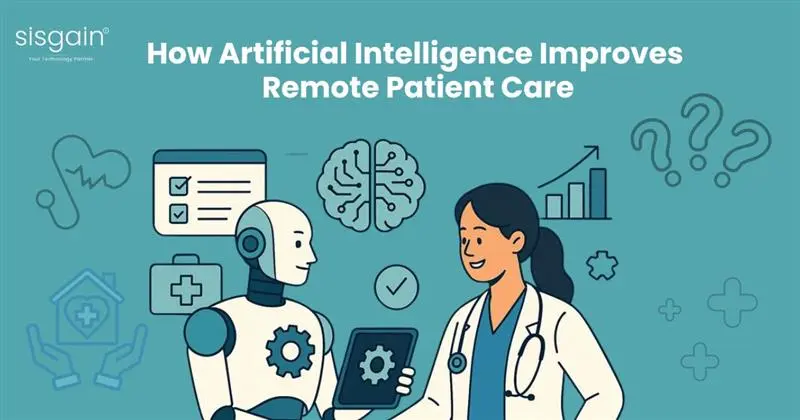
Healthcare is no longer limited to hospital walls. With rapid digital transformation, patient care is moving closer to home, becoming smarter, faster, and more personalized. One of the biggest drivers of this shift is Artificial Intelligence (AI). From predictive health alerts to real-time monitoring, AI is redefining how doctors and caregivers deliver care remotely. At the heart of this transformation lies the Home Healthcare Remote Monitor, which combines AI algorithms, smart devices, and real-time analytics to ensure continuous and accurate patient monitoring. As healthcare providers focus more on preventive care and early diagnosis, AI-powered remote solutions are becoming essential for modern healthcare systems. This blog explores how Artificial Intelligence is improving remote patient care, the current trends shaping the industry, real-world applications, and the future opportunities that lie ahead. Understanding Remote Patient Care in the Digital Age Remote patient care refers to the use of digital technologies to monitor, diagnose, and support patients outside traditional healthcare facilities. It enables clinicians to track patient health data in real time while patients remain in the comfort of their homes. Remote patient care relies heavily on Remote Patient Monitoring Devices, such as wearable sensors, smart medical devices, and mobile applications. These devices collect vital health data like heart rate, blood pressure, oxygen levels, glucose readings, and physical activity. When powered by AI, this data becomes actionable intelligence rather than just raw numbers. The integration of Software in healthcare industry has further strengthened remote care by enabling data storage, real-time communication, analytics, and compliance with healthcare regulations. Role of Artificial Intelligence in Remote Patient Care Artificial Intelligence acts as the brain behind modern remote care systems. Unlike traditional monitoring tools that only record data, AI systems analyze, learn, and predict health outcomes. Patient Monitoring AI uses advanced algorithms to detect abnormal patterns, predict potential health risks, and alert healthcare providers before conditions worsen. This proactive approach significantly improves patient outcomes and reduces hospital readmissions. Key AI technologies involved include: Machine learning Predictive analytics Natural language processing Computer vision Healthcare analytics tools Together, these technologies transform remote care from reactive treatment to proactive healthcare management. Home Healthcare Remote Monitor: The Foundation of AI-Driven Care The Home Healthcare Remote Monitor serves as the backbone of AI-enabled remote patient care by functioning as a centralized digital ecosystem. It seamlessly connects patients, smart medical devices, caregivers, and healthcare providers, enabling continuous data exchange, real-time health monitoring, and AI-powered insights that support timely clinical decisions and proactive care management. Key Features of a Home Healthcare Remote Monitor Real-time data collection from wearable and medical devices AI-based health trend analysis Automated alerts for critical conditions Secure data storage and sharing Integration with hospital systems and EHRs By using AI Remote Patient Monitoring, healthcare providers can continuously track patient health without physical visits, making care more accessible and efficient. Remote Patient Monitoring: Present Trends and Progress Remote patient monitoring has evolved rapidly over the past few years, especially after the global push toward digital healthcare. AI has played a critical role in accelerating this progress. Growing Adoption of Remote Monitoring Systems Modern Remote Monitoring Systems are no longer limited to basic vital tracking. They now offer intelligent insights through machine learning and predictive analytics. Healthcare providers increasingly rely on these systems to manage chronic diseases, post-operative care, elderly care, and mental health monitoring. Rise of Wearable and Smart Devices Advanced Remote Patient Monitoring Devices such as smartwatches, biosensors, and connected medical equipment provide continuous streams of health data. AI analyzes this data in real time, enabling early detection of issues like arrhythmia, respiratory distress, or abnormal glucose levels. Increased Focus on Home-Based Care The Future of Home Healthcare is being shaped by patient preference for comfort, safety, and convenience. AI-powered remote monitoring allows patients to receive high-quality care at home while staying connected to healthcare professionals. How AI Is Actively Used in Remote Patient Monitoring AI is not merely an assistive layer in remote care; it is actively reshaping how patient health is monitored and managed. Through intelligent automation and advanced analytics, AI enables continuous data interpretation, predictive risk detection, personalized treatment planning, and real-time alerts that support faster clinical interventions and improved patient outcomes. AI-Driven Data Analysis and Insights Traditional monitoring systems focus on data collection, whereas AI-Driven Remote Patient Monitoring transforms raw health data into meaningful clinical insights. AI analyzes real-time and historical data, identifies behavioral and physiological trends, and highlights subtle abnormalities that may be overlooked in manual observation, enabling more accurate and timely clinical decisions. Predictive Health Risk Assessment With the support of Patient Monitoring Machine Learning, AI systems assess long-term health patterns to predict potential risks before they escalate into emergencies. By detecting early indicators of conditions such as cardiac distress or respiratory decline, AI enables healthcare teams to take preventive action and deliver timely interventions. Personalized Treatment Plans AI continuously learns from individual patient data to recommend tailored care strategies. AI Patient Monitoring ensures treatment plans are customized based on each patient’s medical history, lifestyle habits, and real-time health metrics, resulting in more effective care delivery and improved patient adherence. Real-Time Alerts and Notifications AI-powered monitoring systems generate instant alerts when health parameters exceed safe thresholds. These real-time notifications allow healthcare providers to respond promptly, reducing the likelihood of complications, preventing hospital readmissions, and ensuring continuous patient safety in remote care environments. AI in Remont Patient Monitoring: Overcoming Healthcare Challenges Despite its growing adoption, remote healthcare continues to face challenges such as excessive data generation, delayed clinical responses, and inconsistent patient compliance. These issues can reduce care effectiveness if not managed properly. AI in Remont Patient Monitoring addresses these challenges by introducing intelligence, automation, and prioritization into remote care workflows. AI efficiently filters massive volumes of patient data and highlights only clinically relevant insights. By reducing data noise and automating routine monitoring and reporting tasks, AI allows healthcare professionals to focus more on direct patient care and critical decision-making rather than administrative responsibilities. In addition, AI enhances patient engagement by delivering timely reminders, personalized health tips, and automated alerts through mobile applications and connected platforms. This continuous interaction improves adherence to treatment plans, strengthens patient-provider communication, and ensures more consistent and reliable remote care delivery. Patient Monitoring AI and Chronic Disease Management Chronic conditions such as diabetes, hypertension, and heart disease require continuous observation rather than periodic clinical visits. Patient Monitoring AI plays a critical role in managing these conditions by analyzing long-term patient data and identifying meaningful health patterns that indicate disease progression or potential complications. By leveraging intelligent algorithms, AI can predict flare-ups before symptoms worsen and support real-time adjustments to treatment plans. This proactive approach encourages better patient adherence to care routines, improves long-term health outcomes, and significantly enhances quality of life while helping reduce overall healthcare costs. Importance of Healthcare Analytics Tools in Remote Care Data serves as the foundation of AI-powered remote healthcare, but its true value lies in how effectively it is analyzed. Healthcare analytics tools convert raw patient data into actionable insights that support smarter clinical and operational decisions across remote care environments. These tools help healthcare providers: Identify population health trends Measure treatment effectiveness Improve operational efficiency Enhance clinical decision-making When integrated with remote monitoring systems, analytics tools enable smarter, data-driven healthcare delivery. Secure Communication in AI-Powered Remote Patient Care Effective communication is a cornerstone of successful remote patient care, as it ensures timely interaction between patients and healthcare professionals. AI-enabled platforms enhance this process by integrating a secure group video conferencing app, enabling virtual consultations, routine follow-ups, and real-time collaboration among multidisciplinary care teams without requiring in-person visits. In remote care environments, clear and reliable communication helps maintain continuity of treatment and strengthens patient trust. AI-powered communication tools support seamless information sharing, allowing clinicians to review patient data, discuss care plans, and provide guidance efficiently through digital channels. Security and privacy remain critical when handling sensitive medical information. AI systems ensure encrypted communication, secure user authentication, and strict compliance with healthcare regulations, safeguarding patient data while enabling safe, confidential, and uninterrupted remote care interactions. Best Remote Patient Monitoring Software: Why AI Matters Choosing the Best Remote Patient Monitoring Software goes beyond basic functionality and device connectivity. Healthcare organizations increasingly seek solutions that leverage Artificial Intelligence to deliver greater accuracy, scalability, and long-term reliability. AI enables software platforms to analyze complex health data, support proactive care, and adapt to growing patient needs. AI-powered remote monitoring software transforms raw data into intelligent health insights and automates reporting processes, reducing manual workload for clinicians. Seamless integration with medical devices and existing healthcare systems ensures uninterrupted data flow and consistent monitoring across care environments. In addition, AI enhances patient engagement through personalized alerts, reminders, and real-time feedback. Its scalable infrastructure allows healthcare providers to expand remote care services efficiently, making AI-enabled platforms a preferred choice for meeting the increasing demand for high-quality remote patient care. Software in Healthcare Industry: Driving Digital Transformation The Software in healthcare industry has evolved beyond basic record-keeping. Today, software solutions powered by AI support diagnostics, patient monitoring, data analytics, and virtual care. Remote patient care platforms integrate AI, cloud computing, and IoT devices to deliver seamless, end-to-end healthcare experiences. AI Remote Patient Monitoring and Clinical Decision Support AI plays a vital role as a clinical decision support system by transforming real-time patient data into actionable medical insights. Through continuous monitoring and intelligent analysis, AI helps clinicians identify subtle health changes that may indicate emerging risks, supporting faster and more accurate clinical assessments in remote care settings. By using AI Remote Patient Monitoring, doctors can detect early warning signs, prioritize high-risk patients, and make informed decisions about treatment adjustments. AI-driven insights enable healthcare professionals to optimize care strategies based on current and historical patient data, improving overall clinical efficiency and responsiveness. This collaboration between AI and clinicians strengthens care quality without replacing human judgment. Instead, AI enhances medical expertise by reducing diagnostic errors, supporting evidence-based decisions, and allowing providers to focus more on patient-centered care and complex clinical evaluations. Future Opportunities of AI in Remote Patient Monitoring The future of remote patient care is highly promising as Artificial Intelligence continues to advance in capability and adoption. AI is expected to play a central role in shifting healthcare from reactive treatment models to proactive and preventive care approaches. By enabling continuous monitoring, predictive insights, and intelligent automation, AI will further strengthen the effectiveness, reach, and sustainability of remote patient monitoring systems. Advanced Predictive Analytics AI-powered predictive analytics will become increasingly precise in identifying potential health risks well before symptoms appear. By analyzing long-term patient data and real-time health indicators, AI will support earlier interventions, reduce emergency events, and help clinicians deliver truly preventive care rather than responding after conditions worsen. Integration with Smart Homes The Future of Home Healthcare will include AI-enabled smart home environments where connected sensors monitor movement, sleep patterns, and daily activities. These insights will help assess overall well-being, detect early signs of decline, and support safer, more independent living for patients receiving care at home. AI-Powered Virtual Health Assistants AI-driven virtual health assistants will play a greater role in guiding patients through medication schedules, lifestyle adjustments, and ongoing health education. By providing timely reminders and personalized support, these assistants will improve patient adherence, engagement, and long-term health outcomes. Improved Accessibility and Affordability AI will help scale remote patient monitoring solutions, reducing costs and expanding access to quality healthcare. This scalability will make advanced care services more accessible to rural and underserved populations, bridging healthcare gaps and supporting more equitable healthcare delivery. Challenges and Ethical Considerations While Artificial Intelligence delivers significant value in remote patient care, challenges related to data privacy, algorithm bias, and regulatory compliance cannot be overlooked. As AI systems process large volumes of sensitive health information, ensuring data security and accuracy remains a critical responsibility for healthcare organizations. Healthcare providers must focus on transparent AI models, robust data protection measures, and ethical use of patient information. Maintaining human oversight and adhering to healthcare regulations are essential to building patient trust and ensuring the safe, responsible adoption of AI-powered remote care solutions. Why SISGAIN Leads in AI-Powered Remote Patient Care At SISGAIN, we understand that effective remote healthcare requires intelligent, patient-focused technology. Our Home Healthcare Remote Monitor solutions are designed to provide seamless, real-time patient monitoring, enabling clinicians to track vital health data and make informed decisions without being physically present. With over a decade of experience in healthcare technology, SISGAIN combines advanced analytics with reliable, user-friendly platforms to ensure consistent, high-quality care. Our services go beyond simple data tracking. They analyze patient health patterns, predict potential risks, and provide actionable insights for proactive care. By integrating smart devices, predictive analytics, and real-time monitoring, SISGAIN ensures that every patient receives personalized attention and timely interventions while reducing the workload on healthcare professionals. Security and compliance are fundamental to our approach. SISGAIN’s top-notch solutions incorporate encrypted communication, secure access, and adherence to healthcare standards, safeguarding sensitive patient information. From supporting chronic disease management to shaping the Future of Home Healthcare, SISGAIN continues to innovate, helping healthcare providers deliver smarter, safer, and more connected care from the comfort of home. Conclusion Artificial Intelligence is no longer a futuristic idea—it is actively transforming healthcare today. From intelligent data analysis to personalized treatment and predictive care, AI is making remote patient care smarter, safer, and more effective. SISGAIN leverages cutting-edge AI technology through its Home Healthcare Remote Monitor solutions to provide clinicians with real-time insights, proactive alerts, and seamless patient engagement. By integrating AI-driven monitoring, advanced analytics, and secure digital platforms, SISGAIN empowers healthcare providers to deliver more connected, patient-centric care. Embrace the future of healthcare with AI-powered solutions today and take the first step toward smarter, safer, and more efficient patient care.
Claim denials remain a critical threat to healthcare revenue. Even today nearly one in five in-network claims are denied, creating strategic financial risk and heavy administrative burden. These denials often stem from outdated, manual insurance checks that fail to keep up with plan changes. As one analyst warns, “without reliable eligibility verification, providers may deliver services … with no clear path to payment,” and any errors or omissions lead to avoidable billing write-offs. In practice, 56% of providers cite incorrect patient insurance information as a top cause of denials, while fragmented systems force staff to constantly re-run checks on multiple portals. Together, this means revenue leakage, staff frustration and unhappy patients. The net result is that even in a highly digitized era, manual insurance verification is failing providers. To protect revenue, leading health systems are turning to automation. Automated insurance verification software promises “insurance eligibility checks [as] a first line of defense” against these denials, ensuring that “no dollar goes uncollected or is lost to avoidable admin overhead”. This blog will explain how modern verification tools work and why they are essential for healthcare finance in 2026 and beyond. What Is Medical Insurance Verification Software? Medical insurance verification software is an automated system that checks a patient’s health insurance coverage and benefits in real time. Unlike legacy tools or manual phone calls, modern platforms connect directly to payer databases to instantly confirm eligibility, plan benefits, copays and deductibles. In practice, the software automatically retrieves a patient’s policy details (using payer APIs or clearinghouses), validates active coverage, and highlights any benefit limits or coverage gaps. This goes beyond basic eligibility: the system can also check specific service benefits and update authorizations. By reducing data-entry errors and using real-time payer connectivity, these tools “eliminate errors,” ensure accurate information for claims, and minimize denials. In short, modern medical insurance verification software provides an up-to-date, automated snapshot of a patient’s coverage and benefits – a vital contrast to outdated legacy systems that relied on slow batch queries or clunky portal logins. The Hidden Cost of Manual Eligibility Verification Continuing to verify insurance manually carries huge hidden costs. Staff often spend extra time (an estimated 10+ minutes more per patient) scrambling through portals, phone lines and spreadsheets to confirm coverage. One industry survey found that nearly half of providers reported frequent errors in registration data, and 22% of patients experienced care delays due to these issues. Every data mistake directly threatens revenue: according to Experian, 56% of providers say inaccurate patient insurance details are a leading cause of denied claims. These denials translate to massive write-offs – one 500-bed hospital lost around $25 million per year due to eligibility mistakes and denials. The breakdown is staggering: roughly 20% of claims contain eligibility errors, and even a single incorrect digit or outdated policy can derail payment for weeks. Patients suffer too. A surprising bill or delayed care causes dissatisfaction and disputes, undermining the patient experience. Manual verification overloads staff and drives up A/R days. In fact, providers transitioning to automation report significantly fewer billing errors, quicker claims processing, and stronger bottom-line results. The data is clear: every minute wasted on manual eligibility is revenue left on the table. How Automated Insurance Eligibility Checks Platforms Work Automated verification platforms streamline eligibility checks through two main modes: real-time verification and batch processing. Real-time checks occur on demand – for example, when scheduling or at patient check-in. This often uses standardized EDI transactions (such as HIPAA 270/271) or modern payer APIs to get instant coverage responses. Batch processing runs scheduled checks (e.g. nightly or weekly) for upcoming appointments, catching changes ahead of time. A typical system offers both: it can auto-query insurance in bulk before a patient visit, and also on-the-fly during registration. Behind the scenes, most platforms connect to payers through certified clearinghouses or direct APIs. They handle the technical connections: for instance, one solution uses a REST API that “supports real-time and batch eligibility verification for 1,300+ payers through a single endpoint”. Some legacy systems also integrate with major clearinghouses or hospital data centers. Regardless, the end-user sees simple integration: eligibility data flows directly into the EHR or hospital software. Pre-built interfaces with popular HMS/EHRs are common – for example, cloud platforms boast “pre-configured settings for popular billing and EHR platforms,” enabling quick connection without heavy IT work. Once connected, the software applies logic and validation rules. It automatically logs into payer portals if needed, pulls patient coverage details, and checks them against plan rules. Any discrepancies trigger alerts. Crucially, the system also generates audit and exception reports: if a patient’s coverage can’t be confirmed or seems out-of-date, these cases are flagged so staff can intervene. In this way, automated checks integrate into hospital workflows (yielding clear Hospital Management System benefits like reduced front-desk bottlenecks) without constant manual oversight. Overall, advanced eligibility platforms work quietly in the background to confirm coverage, validate plan benefits and flag issues – all with far less effort than old-school methods. Best Practices for Automating Insurance Verification for Patients Implementing automated verification is most effective when done correctly. The following best practices ensure reliable coverage checks and a smoother revenue cycle: Pre-appointment batch checks: Verify every patient’s insurance several days before their visit. Many providers run nightly batch eligibility checks for scheduled appointments to catch lapses early. This gives time to resolve any issues (e.g. inactive plans or needed authorizations) before service. Day-of-service real-time revalidation: Confirm coverage again on the day of care. Automated tools can re-run an eligibility check at check-in, ensuring that no mid-week policy change slips through. For example, Athenahealth’s EHR does a background eligibility check three days before an appointment and alerts staff if the patient is “unverified” at check-in. Automated alerts for coverage gaps: Use system alerts to notify staff of discrepancies. A modern eligibility solution will flag any coverage gaps or ineligible status. For instance, in one automated system the front office receives an instant alert if a patient isn’t actually covered. These alerts prompt immediate follow-up (e.g. collecting updated insurance info) so service can proceed with certainty. Specialty & vision coverage verification: Ensure your software can handle extra benefits like vision, dental or other specialty plans. Automated tools should specifically recognize vision plans (e.g. VSP, EyeMed) and their lens/frame benefits. As one case study notes, an “automated vision eligibility verification tool” can identify if contact lens or eyeglass benefits are active, dramatically reducing denials for eye care clinics. Don’t overlook these specialty payer networks in your checks. Financial transparency before care: Provide patients with clear cost estimates upfront. Integrate patient-cost estimators with eligibility software so that estimates of copays, deductibles and out-of-pocket costs are generated early. Automated pricing estimates give patients the financial information they need in advance. One industry report emphasizes that automating eligibility and patient payment estimates “helps patients understand their coverage, co-pays and deductibles,” improving transparency and satisfaction. Clear cost info also accelerates point-of-service collections. Maintain audit logs for compliance: Keep detailed records of every verification. Leading software automatically logs each eligibility check and result, creating a full audit trail. This is essential for compliance and dispute resolution. In fact, automated systems “maintain detailed audit trails” that simplify adherence to payer and regulatory requirements. If an insurer questions a claim, you’ll have proof of the coverage status at each stage. By following these practices, providers can catch coverage problems early, reduce surprises, and submit cleaner claims. Automation ensures that eligibility work becomes a proactive, reliable part of the workflow rather than a last-minute scramble. Why Cloud-Based Insurance Verification Automation Tools Dominate in 2026 Cloud-based verification platforms are now the standard for most hospitals and clinics. In a cloud model, software and payer updates are managed by the vendor, making it easier to scale and maintain. Unlike on-prem systems that require buying new servers for peak loads, a cloud subscription lets organizations scale up or down instantly as demand changes. This is critical for hospital chains or clinics with seasonal patient swings – the software grows with you. Cloud tools also roll out payer rule updates in real time, so new insurance requirements or fee schedules are updated across the system automatically. Security and compliance are additional advantages. Major cloud providers embed advanced safeguards by default (physical data center security, encryption, automated threat detection) that most individual hospitals could not afford on-premise. They also handle regulatory compliance at scale: for example, cloud systems commonly offer built-in HIPAA compliance features (multifactor auth, encrypted storage, audit logs) to meet health data standards. Finally, the total cost of ownership is lower. Cloud insurance software eliminates capital expenses for hardware and dramatically reduces IT maintenance. Data and applications live in a single environment instead of siloed legacy servers, cutting storage and management costs. In short, cloud-based verification combines compliance, scalability and cost-efficiency – key competitive factors for any clinic or hospital network. Many providers even partner with an HMS software development company to tailor cloud solutions that meet their exact policies and integration needs, reaping all these benefits without heavy in-house infrastructure. Vision & Specialty Coverage: The Most Missed Eligibility Risk Vision and other specialty coverages are a frequent blind spot. Unlike major medical insurance, vision plans (like VSP, EyeMed, etc.) often have separate networks and benefit rules that general verification can miss. Clinics that handle eye care or other specialties must account for this risk. For instance, an optometry practice found that by using a digital eligibility tool connected to over 900 payers (including major vision carriers) it could verify both medical and vision coverage efficiently. Specialized verification software automatically identifies benefits unique to vision care – covering contact lenses, eyeglass lenses, frames, exams, and noting expiration or remaining allowances. By catching these details, the software “reduces denials and cuts down on the days it takes to clear A/R” for eye care providers. In effect, a vision insurance eligibility software serves as a safety net: it makes sure that routine vision benefits aren’t overlooked. This is crucial not just for optometry offices, but for any clinic providing high-tech diagnostics or supplements (e.g. wound care diabetic shoes, dental implants) that depend on specialty coverage. Failing to verify these can turn insured services into self-pay. By contrast, a verification system tuned for specialty plans prevents this gap, improving collections and patient satisfaction in those niche areas. Best Insurance Verification Software for Clinics in 2026 When evaluating solutions for your clinic or practice, focus on the following criteria: Accuracy & speed: The ideal system delivers instant, accurate results. It should support real-time checks and quickly retrieve complex benefit information. Modern platforms use automation to produce eligibility and benefit data in seconds, ensuring quick registration and fewer manual corrections. Payer network depth: Look for broad connectivity. The tool should cover all major payers (Medicare, Medicaid, commercial) and have specific integrations with vision/dental carriers if needed. A wide payer network means you won’t have blind spots. (For example, solutions often boast connectivity to over 1,000 payers, including all Medicares and state programs.) Vision & specialty support: If your clinic provides specialty services, ensure the software explicitly handles those benefits. It should be able to fetch vision insurance rules or other supplemental plan details. (Some platforms even advertise dedicated vision check features, as discussed above.) EHR/HMS integration: The software must plug into your existing systems. Seamless integration with your EHR or hospital management system eliminates duplicate work. Ideally, it will automatically sync patient lists and insurance data with your HMS, so desk staff aren’t entering the same data twice. Compliance & certifications: Verify that the vendor is HIPAA-compliant and (if applicable) HITRUST or SOC2 certified. They should maintain audit logs and strong security for patient data. (Cloud-based solutions often handle this by default.) Transparency of pricing: Look for clear, usage-based pricing models. The tool’s ROI (reduced denials, saved staff time) should justify its cost. Always pilot potential tools to compare accuracy, and consider feedback from other clinics. In general, the best insurance verification software will automate eligibility and benefit checks seamlessly into your workflow. For example, one expert review notes that modern systems can verify coverage across multiple providers in seconds, with intelligent alerts for any coverage gaps. Choosing the right product (and partner) can make front-desk work nearly invisible while protection of your revenue is maximized. Beyond Eligibility: Claim-Level Payment Validation Platforms Insurance eligibility is just the first step. Even after a claim is submitted, payers can underpay or misapply contract terms. Claim-level payment validation platforms address this hidden layer. In other words, they check that each paid claim has been reimbursed at the correct contracted rate. Underpayments are often “invisible denials” – they get paid, but for less than what’s owed. As one industry report warns, underpayments quietly drain 3–5% of revenue for the average provider. In large health systems, 2–3% of claims can be underpaid (rising to 5–7% for smaller groups). Detecting these issues requires automated reconciliation: the system compares actual payments against expected reimbursement. Today, advanced solutions use AI-driven contract intelligence to flag discrepancies. They can spot missing modifiers or outdated fee schedules that cause underpayment. For example, if a payer’s claim engine skipped an annual rate increase, the platform identifies the shortfall. This level of validation goes “beyond eligibility” by ensuring accuracy on each line of every claim. Providers with high volumes – hospitals, large practices, multi-specialty networks – benefit most, since even small underpayments multiply into millions over thousands of claims. By using a dedicated claim-validation system, organizations can catch these errors early and appeal or adjust them, ultimately recovering more revenue and closing the gap between “paid” and “paid correctly”. How to Choose the Right Eligibility Software for Your Healthcare Organization Selecting the best verification software depends on your organization’s size, volume, and needs. A small clinic with a few exam rooms might prioritize affordability and ease-of-use, while a large hospital system needs enterprise scalability and multi-location support. Consider daily verification volume: high-volume centers will need batch processing and workflows that don’t slow registration. Specialty needs matter too – an ophthalmology office will look for robust vision benefit features, whereas a multi-specialty hospital might need broad coverage. Integration is non-negotiable. The tool must “easily integrate with other healthcare systems” – your EHR, practice management system, billing software, etc. – to eliminate manual data entry. Check that the vendor offers APIs or pre-built connectors for your HMS/EHR. It should auto-sync patient lists and coverage changes so that daily admissions are always covered. Also verify compliance. Ensure the software is HIPAA-compliant and that the provider follows industry security standards. Finally, evaluate long-term fit. Compare options side-by-side on key features (real-time checks, tracking policy changes, automated notifications) and consider hidden costs like implementation. Read customer reviews and ask vendors for ROI case studies. Remember, the best choice is one that aligns with your workflow: whether it’s a cloud-based platform for a chain or a standalone app for a solo practice, it should simplify eligibility work and safeguard revenue from Day One. Common Implementation Challenges (And How to Solve Them) Deploying new automation brings typical hurdles. Staff resistance is common – employees may fear job changes or mistrust new software. Address this with thorough training and by involving staff early in decision-making, showing how automation can reduce their routine burden. Data migration can also stall projects: legacy insurance data may need cleaning or reformatting. Tackle this by mapping old fields to the new system carefully and running parallel testing. Payer system inconsistencies are another pain point. No two insurers use data exactly the same way, so expect some early mismatches. Work closely with your software vendor and payers to refine interfaces. Finally, change management is key: define clear workflows, document new processes, and provide ongoing support. In short, treat implementation like any EHR roll-out – plan for training, pilot phases, and iterative improvement. The Future of Insurance Verification: AI-Driven & Predictive Looking ahead to 2026 and beyond, insurance verification will become more autonomous and intelligence-driven. Predictive analytics may soon flag patients at risk of losing coverage or in need of prior authorization before they even book an appointment. We expect autonomous verification agents that proactively re-check coverage if a policy term is about to expire. Moreover, machine learning is already enhancing existing tools. For example, athenahealth’s EHR now includes an AI-powered insurance card scanner: it processes a photo of a patient’s card and accurately captures all the details, reducing manual entry errors and denials. This is a glimpse of broader AI in Healthcare trends, where artificial intelligence will continuously optimize the revenue cycle. Eventually, eligibility software will connect with other hospital systems (billing, scheduling, even digital patient portals) to form a self-adjusting ecosystem. In this future, the system might auto-suggest point-of-care estimates, reassign tasks if a check fails, or even negotiate with payers in real time – all driven by AI algorithms. Conclusion Automated insurance verification is no longer a nice-to-have – it’s a core part of a modern revenue strategy. By dramatically reducing manual errors and claim denials, these tools deliver faster reimbursements and a smoother patient experience. Patients see clear answers about coverage and costs before care; staff spend less time on paperwork and more on patients. Overall, providers gain a competitive advantage: with eligibility automation they collect revenue more reliably and reduce financial risk in an era of tight margins. If your organization is ready to strengthen its revenue cycle, consider partnering with an experienced HMS software development company. We build scalable, compliant verification solutions tailored to your needs. Our cloud-based platform can adapt to your hospital or clinic, handle any specialty, and evolve with your payer network. Contact us for a consultation or live demo – let’s discuss how automated eligibility checks can protect and grow your revenue in 2026 and beyond.
Healthcare is no longer driven only by doctors, hospitals, and medical equipment—medical software development has become the silent force transforming how care is delivered, managed, and experienced. From faster diagnoses to safer patient records and smarter decision-making, digital solutions created through medical software development are reshaping the healthcare ecosystem at every level. As global healthcare systems face rising patient volumes, complex regulations, cost pressures, and growing expectations for quality care, innovations in medical software development have emerged as the most powerful enabler of progress. Today, healthcare organizations rely on advanced platforms to manage data, automate workflows, reduce errors, improve patient outcomes, and scale operations efficiently. This blog explores why software is advancing the healthcare industry, how it improves efficiency and accuracy, reduces costs, strengthens security, and what the future holds for healthcare technology. Understanding Medical Software and Its Importance in Today’s Healthcare Medical software forms the foundation of modern healthcare, enabling providers to deliver efficient, accurate, and patient-focused care in an increasingly digital environment. These systems support a wide range of functions, from healthcare administration and diagnostics to treatment planning and patient engagement. What were once considered supportive tools have now become essential components of everyday healthcare operations. Hospitals and clinics today manage vast volumes of sensitive data, including medical histories, laboratory results, imaging records, prescriptions, and billing information. Managing this information manually is time-consuming, error-prone, and exposes healthcare organizations to security risks. Medical software offers a structured and secure way to collect, store, retrieve, and analyze data, ensuring that healthcare professionals always have access to accurate and up-to-date information. Beyond data management, medical software plays a critical role in: Clinical decision support that helps doctors make informed treatment choices Patient monitoring for continuous and proactive care Appointment scheduling to reduce delays and missed visits Revenue cycle management to streamline billing and reimbursements Regulatory compliance to meet healthcare standards and data protection requirements Many healthcare organizations also rely on healthcare app development services to extend these capabilities through mobile and web applications, allowing patients to access records, schedule appointments, and communicate with providers easily. As healthcare continues to evolve toward data-driven and patient-centric models, intelligent medical software remains essential for delivering accurate, timely, and high-quality care. How Software Powers Today’s Healthcare Systems Modern healthcare systems operate as complex networks that connect hospitals, laboratories, pharmacies, insurers, and patients. Software acts as the backbone of this ecosystem, integrating every component into a unified and efficient system. By creating seamless connections between clinical and administrative functions, healthcare software ensures that critical patient information is always accessible when and where it is needed. Digital platforms enable smooth communication across departments, eliminating information silos that often slow down care delivery. Real-time data access allows doctors, nurses, and administrative staff to collaborate more effectively, make faster decisions, and deliver coordinated care across multiple locations. This level of connectivity is essential for improving both operational efficiency and patient outcomes. Software also supports key healthcare functions, including: Hospital information systems for centralized operations Electronic health records for accurate and secure patient data Clinical workflow automation to reduce manual tasks Telemedicine platforms for remote consultations and care delivery Medical billing and insurance processing for faster reimbursements Through intelligent automation and system integration, healthcare software minimizes administrative burden and operational friction, enabling healthcare professionals to focus more on delivering quality patient care rather than managing paperwork. Enhancing Accuracy and Efficiency in Healthcare Data Management Accurate data is the foundation of effective healthcare. Even minor errors in patient records can lead to misdiagnosis, delayed treatments, or serious medical complications. Modern healthcare software addresses this challenge by reducing manual entry, standardizing information, and ensuring that data is consistently accurate and up-to-date. Digital solutions not only provide real-time access to patient histories but also improve collaboration among care teams. Doctors, nurses, and administrative staff can access the same information simultaneously, streamlining workflows and minimizing redundancies. Advanced Healthcare Analytics Tools integrated into these systems allow providers to turn raw data into actionable insights, identify patterns, monitor patient outcomes, and make informed, evidence-based decisions. Additionally, mobile and web solutions developed through app development for healthcare give patients and providers easy access to records, lab results, and appointments. Together, these innovations enhance both the accuracy and efficiency of healthcare operations, ensuring safer, faster, and more reliable patient care. Cost Reduction Benefits of Healthcare Software Solutions Rising healthcare costs are a significant challenge for providers and patients alike, making efficiency a top priority. Advanced healthcare software solutions play a key role in controlling expenses while maintaining high-quality care. By automating administrative tasks, digital tools eliminate time-consuming manual processes such as paper filing, repetitive data entry, and redundant communication, allowing staff to focus on patient care. Scheduling systems help minimize missed appointments, while inventory management software reduces wastage and ensures critical supplies are available when needed. Billing and claims management platforms streamline reimbursements, improving cash flow and reducing errors. Additionally, predictive analytics enables healthcare organizations to anticipate patient volumes, optimize staffing, and avoid unnecessary tests or procedures, resulting in significant cost savings over time. By combining automation, data-driven insights, and smarter workflow management, healthcare software demonstrates that efficient systems—not larger budgets—are the real key to sustainable, high-quality healthcare delivery. Protecting Patient Data: Security and Privacy in Healthcare Software As healthcare continues to move toward digital-first operations, protecting sensitive patient information has become a top priority. Data breaches not only compromise patient trust but can also result in regulatory penalties, financial losses, and long-term reputational damage for healthcare organizations. This makes robust security and privacy measures an essential component of modern healthcare software. Today’s healthcare systems are built with advanced security features such as data encryption, multi-factor authentication, role-based access control, and detailed audit trails. These safeguards ensure that patient data remains confidential and is accessed only by authorized personnel. At the same time, secure platforms support critical operations like Healthcare Revenue Cycle Management, where accuracy and data protection are vital for billing, claims processing, and reimbursements. Many organizations rely on trusted healthcare software development services to build compliant, secure, and scalable systems that meet strict data protection standards. By embedding regulatory compliance and security best practices into software design, healthcare providers create a trusted digital environment where patients feel confident that their personal health information is safe and well-protected. Minimizing Medical Errors Through Advanced Healthcare Software Medical errors remain one of the leading causes of preventable harm in healthcare, often resulting from miscommunication, manual processes, or incomplete information. Advanced healthcare software plays a crucial role in reducing these risks by supporting clinicians with intelligent decision-making tools and real-time alerts. Instead of relying solely on memory or handwritten documentation, healthcare professionals can depend on digital systems designed to enhance accuracy and consistency. Clinical software can automatically flag potential drug interactions, incorrect dosages, and known patient allergies before prescriptions are finalized. Standardized workflows and automated checklists further ensure that established clinical protocols are followed consistently across departments and care settings. These safeguards significantly reduce variability in care delivery and help prevent avoidable mistakes. By minimizing manual calculations and human error, healthcare software strengthens patient safety while supporting clinicians in delivering reliable, high-quality care. Rather than replacing medical expertise, technology enhances it—allowing healthcare professionals to focus on what matters most: informed decisions and better patient outcomes. Future Trends in Healthcare Software Development The future of healthcare software is being shaped by rapid innovation, seamless interoperability, and a growing focus on patient-centric design. Healthcare organizations are increasingly adopting intelligent and flexible digital systems that can scale easily and adapt to changing clinical, operational, and regulatory requirements. These advancements are transforming traditional software into connected platforms that support smarter decision-making and improved patient outcomes. Key developments driving this evolution include: Cloud-based healthcare platforms that offer scalability, security, and cost efficiency Interoperable data standards that enable smooth information exchange across systems Personalized digital health solutions tailored to individual patient needs Remote patient monitoring technologies that support proactive and continuous care Software is evolving from static tools into adaptive platforms that learn, scale, and respond to real-world healthcare demands. To stay competitive and future-ready, many organizations rely on healthcare software development services to build secure, innovative solutions that support preventive care, population health management, and global healthcare initiatives. The Role of Artificial Intelligence in Modern Healthcare Artificial intelligence is transforming modern healthcare by enabling faster diagnoses, predictive insights, and more personalized treatment plans. By analyzing vast volumes of clinical and operational data, AI-powered systems can identify patterns and risks that may be difficult for humans to detect, helping healthcare professionals make more informed decisions. This growing adoption of artificial intelligence in healthcare is improving both clinical accuracy and operational efficiency across the industry. In clinical environments, AI supports medical imaging analysis, disease prediction, and early risk assessment, allowing providers to intervene sooner and improve patient outcomes. On the administrative side, AI-driven tools enhance scheduling, claims processing, and operational forecasting, reducing delays and inefficiencies. When integrated into advanced platforms through medical software development, artificial intelligence becomes even more powerful. It strengthens healthcare systems by improving accuracy, streamlining workflows, and supporting data-driven care delivery, marking a significant advancement in the evolution of healthcare technology. How to Select the Right Patient Engagement Software Patient engagement has become a critical part of modern healthcare, as informed and involved patients are more likely to follow treatment plans, attend scheduled appointments, and achieve better health outcomes. Choosing the right patient engagement software requires a clear understanding of both patient needs and clinical workflows. The platform should be easy to use, accessible across devices, and capable of integrating smoothly with existing healthcare systems. Effective patient engagement solutions offer features such as automated appointment reminders, secure messaging, educational content, and health tracking tools that encourage active participation in care. These capabilities help strengthen communication between patients and healthcare providers while reducing administrative effort. Many organizations partner with providers of healthcare app development services to build customized engagement platforms that prioritize usability, data security, and accessibility. The ultimate goal is to deliver a seamless digital experience that improves patient satisfaction, supports privacy requirements, and fosters long-term patient-provider relationships. Why SISGAIN Is a Trusted Partner for Healthcare Software Development Selecting the right technology partner is essential for healthcare organizations looking to implement secure, scalable, and innovative digital solutions. SISGAIN has earned a reputation as a trusted partner by delivering healthcare software that is compliant, reliable, and tailored to the real-world needs of hospitals, clinics, and providers. With extensive domain expertise and a patient-first approach, SISGAIN supports innovation across clinical, administrative, and engagement platforms. Many healthcare organizations collaborate with a healthcare software development company like SISGAIN to implement solutions such as case management software, workflow automation, and scalable app development for healthcare that enhance patient access and operational efficiency. Partnering with SISGAIN ensures your healthcare systems are efficient, secure, and future-ready. Get in touch today to transform your digital healthcare journey and deliver smarter, safer care. Final Thoughts Software is no longer just a supporting element in healthcare—it has become the driving force behind innovation, efficiency, and improved patient outcomes. From enhancing data accuracy and reducing operational costs to strengthening security, minimizing medical errors, and enabling artificial intelligence, digital solutions are transforming every aspect of healthcare delivery. Healthcare organizations that embrace advanced software solutions position themselves to meet patient needs more effectively, adapt to regulatory changes, and build scalable, future-ready systems. Companies like SISGAIN empower providers to implement intelligent, secure, and patient-focused platforms that drive measurable results across clinical, administrative, and engagement processes. At its core, the story of modern healthcare is one of technology enabling smarter, safer, and more connected care. Partnering with the right solutions, such as those offered by SISGAIN, ensures that healthcare organizations are not just keeping up with the future—they are shaping it.
Every heartbeat monitored, every prescription written, and every diagnosis recorded generates data - but data alone does not save lives. In today’s digital-first healthcare ecosystem, the organizations that succeed are not those with the most data, but those that know how to transform data into meaningful, timely, and actionable intelligence. This is where healthcare analytics becomes the backbone of smarter, safer, and more efficient care delivery. As patient expectations rise and healthcare systems become more complex, analytics in healthcare has shifted from a supporting function to a strategic necessity. This blog explores what is healthcare analytics, examines the top 8 healthcare analytics tools, and provides expert guidance on selecting the right healthcare analytics platform for long-term growth and clinical excellence. What Is Healthcare Analytics? To truly appreciate its impact, it is important to understand healthcare analytics at a foundational level. Healthcare analytics refers to the structured analysis of clinical, operational, financial, and administrative data to support better healthcare decisions. It uses advanced technologies, statistical models, and data science techniques to uncover patterns, predict outcomes, and improve performance across the healthcare value chain. Modern health care analytics enables healthcare providers to move beyond reactive decision-making. Instead of responding to issues after they arise, organizations can proactively identify risks, improve patient outcomes, and optimize workflows using intelligent insights derived from healthcare data software. Why Analytics in Healthcare Has Become Essential Healthcare systems today operate under immense pressure—rising costs, staff shortages, regulatory demands, and the need for personalized care. Healthcare analytics plays a critical role in addressing these challenges by converting fragmented data into unified, actionable insights. Through clinical healthcare analytics, providers can identify patients at high risk, reduce medical errors, and tailor treatment plans based on individual health profiles. Meanwhile, healthcare quality analytics allows organizations to track performance metrics such as infection rates, readmissions, and treatment effectiveness, ensuring consistent care quality. On the administrative side, medical analytics supports financial planning, resource allocation, and operational efficiency, helping healthcare leaders make informed strategic decisions. Types of Healthcare Analytics Explained Simply Healthcare analytics is not a single process but a combination of analytical approaches that work together to improve outcomes. Descriptive analytics focuses on understanding historical data, such as patient admission trends. Diagnostic analytics explains why certain events occurred, such as increases in hospital readmissions. Predictive analytics uses historical and real-time data to forecast future events, while prescriptive analytics recommends specific actions based on predicted outcomes. Together, these approaches form the analytical foundation that drives innovation in analytics in healthcare. Choosing the Right Healthcare Analytics Platform Matters Not all analytics tools are created equal, and selecting the right healthcare analytics platform can determine whether data becomes a strategic asset or a missed opportunity. The ideal platform should integrate seamlessly with existing systems, support real-time insights, and present information in a clear, intuitive way that clinicians and administrators can easily understand and act upon. Organizations must evaluate analytics platforms not only on features, but also on scalability, security, and long-term value. Many healthcare providers seek guidance from experienced healthcare software development companies to ensure the chosen solution aligns with their clinical workflows and business goals. This careful planning, combined with domain expertise, plays a critical role in identifying the best tools for healthcare data management and maximizing the return on analytics investments. Top 8 Healthcare Analytics Tools Powering Modern Healthcare Below are eight powerful tools that are reshaping how healthcare organizations use data to drive better decisions and outcomes. 1. SISGAIN Healthcare Analytics Solutions SISGAIN delivers advanced and highly customizable healthcare analytics solutions designed to address the real-world challenges faced by modern healthcare organizations. Unlike generic, off-the-shelf tools, SISGAIN focuses on building tailored analytics platforms that align closely with an organization’s specific clinical workflows, operational requirements, and business objectives. This customized approach ensures that healthcare data is not only collected but transformed into meaningful insights that support strategic decision-making. SISGAIN’s analytics solutions support comprehensive clinical analytics solution development, real-time and interactive dashboards, predictive modeling, and secure data integration across multiple healthcare systems. By leveraging intelligent and scalable healthcare data software, healthcare providers gain deeper visibility into patient outcomes, operational efficiency, and overall quality performance. This enables organizations to identify trends, anticipate risks, and optimize care delivery processes. Ultimately, SISGAIN ensures that analytics moves beyond reporting to become truly actionable—empowering healthcare leaders to make faster, data-driven decisions that enhance patient care and organizational performance. 2. Tableau Healthcare Analytics Tableau Healthcare Analytics is widely recognized for its strong data visualization capabilities and is a leading healthcare analytics platform used by hospitals, clinics, and large healthcare networks. It enables organizations to transform complex and high-volume medical data into clear, interactive dashboards that are easy to interpret and act upon. With real-time data updates, Tableau helps healthcare professionals quickly identify trends, patterns, and anomalies related to patient outcomes, resource utilization, and operational efficiency. One of Tableau’s key advantages is its user-friendly interface, allowing clinicians, administrators, and decision-makers to explore data without advanced technical or programming skills. Healthcare teams rely on Tableau’s interactive healthcare reporting tools for clinical analysis, financial planning, quality monitoring, and operational decision-making, supporting a stronger data-driven approach across healthcare systems. 3. SAS Healthcare Analytics SAS has long been recognized as a trusted leader in advanced analytics, particularly in handling large-scale medical analytics and complex predictive modeling. Its healthcare analytics solutions are widely used across the industry for population health management, fraud detection, risk stratification, and performance analysis. By processing vast amounts of clinical and administrative data, SAS enables healthcare organizations to identify patterns, predict patient risks, and support evidence-based decision-making. Healthcare providers and payers that require deep statistical analysis and enterprise-level healthcare analytics often rely on SAS for its proven reliability and analytical depth. The platform supports sophisticated modeling techniques, advanced forecasting, and large data environments, making it especially suitable for hospitals, insurers, and research-driven healthcare organizations. 4. IBM Watson Health IBM Watson Health brings artificial intelligence into healthcare analytics by combining advanced machine learning with natural language processing capabilities. This powerful combination allows healthcare providers to analyze large volumes of unstructured data, including clinical notes, physician reports, research publications, and medical literature. By interpreting data that is traditionally difficult to analyze, Watson Health helps organizations gain a more complete view of patient health and clinical performance. Through AI-driven healthy analytics, IBM Watson Health enables clinicians and administrators to uncover meaningful patterns, correlations, and insights that would otherwise remain hidden within complex datasets. These insights support improved diagnostics, more informed clinical decisions, and better operational planning. As a result, Watson Health plays a key role in advancing data-driven strategies and innovation across modern healthcare systems. 5. Microsoft Power BI for Healthcare Microsoft Power BI has emerged as one of the best tools for health care data management, especially for healthcare organizations seeking affordability, flexibility, and ease of use. It provides secure data visualization, real-time reporting, and interactive dashboards that help transform complex healthcare data into clear and actionable insights. Power BI integrates seamlessly with Microsoft’s ecosystem, including Excel, Azure, and cloud-based services, making it highly accessible for healthcare teams. This platform is particularly effective for organizations that require user-friendly healthcare analytics without heavy infrastructure or high implementation costs. Clinicians, administrators, and managers can easily monitor performance metrics, track patient outcomes, and support operational decisions. Power BI enables data-driven insights while maintaining scalability and security, making it a practical choice for modern healthcare environments. 6. Qlik Healthcare Analytics Qlik’s associative analytics engine allows healthcare users to explore data freely, making it especially effective for complex and data-intensive healthcare environments. Unlike traditional reporting tools, Qlik enables users to interact with data dynamically, helping them uncover relationships, patterns, and insights that might be missed in static reports. This flexibility supports both clinical and operational healthcare analytics, allowing teams to analyze patient outcomes, resource utilization, and performance metrics from multiple perspectives. Qlik is often chosen by healthcare organizations that value self-service analytics and dynamic data discovery. Its intuitive interface empowers clinicians, administrators, and analysts to explore data independently without relying heavily on IT teams. As a result, Qlik enhances decision-making speed and encourages a more data-driven culture across healthcare organizations. 7. Epic Cogito Analytics Epic Cogito is designed specifically for healthcare organizations that use Epic electronic health record systems, offering deep integration that supports seamless clinical healthcare analytics within existing clinical workflows. By embedding analytics directly into the Epic environment, Cogito allows clinicians and administrators to access meaningful insights without leaving the system they use every day. This reduces workflow disruptions and enhances user adoption across care teams. With real-time access to clinical and operational data, Epic Cogito helps healthcare professionals monitor patient outcomes, track performance metrics, and identify trends at the point of care. This immediate availability of insights improves operational efficiency and supports more accurate, data-driven decision-making. As a result, Epic Cogito plays a crucial role in enabling timely actions and improving overall healthcare delivery. 8. Oracle Healthcare Analytics Oracle provides enterprise-grade healthcare data software built on a secure and scalable cloud infrastructure, making it well suited for large and complex healthcare organizations. Its analytics solutions support large-scale data integration from multiple sources, enabling healthcare systems to unify clinical, operational, and financial data into a single analytics environment. With advanced predictive modeling and comprehensive reporting capabilities, Oracle helps organizations forecast trends, optimize resources, and improve decision-making. Oracle’s healthcare analytics solutions are particularly valuable for organizations that require high scalability, strong data security, and long-term data governance. By offering reliable performance and compliance-ready infrastructure, Oracle enables healthcare systems to manage growing data volumes while maintaining accuracy, privacy, and regulatory standards across their analytics initiatives. How to Select the Best Healthcare Analytics Tool Selecting from the best tools for healthcare data management requires a strategic approach. Organizations must first define clear objectives, whether focused on patient outcomes, cost reduction, or operational efficiency. Integration capabilities are critical. A strong healthcare analytics platform should connect seamlessly with EHRs, billing systems, and third-party data sources. Usability is equally important—analytics must be accessible to clinicians and administrators, not just data scientists. Security, compliance, and scalability should also be top priorities, especially when handling sensitive healthcare data. A solution that grows with the organization ensures long-term value and adaptability. The Role of AI and Custom Development in Healthcare Analytics AI is rapidly transforming analytics in healthcare by enabling faster insights, predictive modeling, and automated decision support. These capabilities are becoming increasingly important as healthcare data volumes continue to grow, driving innovation across AI in Healthcare initiatives. The Future of Healthcare Analytics The future of healthcare analytics lies in real-time insights, predictive care models, and personalized treatment strategies. As technologies evolve, analytics will become more embedded in clinical workflows, supporting smarter decisions at every stage of care delivery. Organizations that invest in scalable, intelligent analytics solutions today will be better equipped to navigate regulatory changes, emerging technologies, and evolving patient expectations tomorrow. How can SISGAIN Build Right Healthcare Analytics tools? SISGAIN builds the right healthcare analytics tool by combining deep healthcare domain knowledge, advanced technologies, and a structured, results-driven development approach. Rather than delivering generic solutions, SISGAIN focuses on creating analytics platforms that align closely with real clinical, operational, and business needs. The process begins with a detailed understanding of the healthcare organization’s goals, challenges, and existing data ecosystem. SISGAIN analyzes clinical workflows, data sources such as electronic health records, billing systems, and medical devices, and defines clear performance metrics. As a trusted healthcare software development company, SISGAIN ensures the analytics solution is designed to solve practical problems, not just present data. SISGAIN then builds a secure and scalable analytics architecture that supports real-time data integration, interoperability, and regulatory compliance. Intuitive dashboards, predictive analytics, and actionable healthcare reporting tools are developed for clinicians and administrators, ensuring insights drive faster decisions and improved patient care. Conclusion Healthcare is no longer driven by intuition alone - it is guided by insight. Healthcare analytics has become an essential tool for improving patient outcomes, enhancing operational efficiency, and ensuring sustainable growth. By choosing the right tools and adopting a strategic approach to data, healthcare organizations can unlock transformative value. At SISGAIN, we empower healthcare providers with intelligent, secure, and scalable analytics solutions that turn data into decisions. With deep domain expertise and advanced technology capabilities, SISGAIN helps organizations lead confidently in the data-driven future of healthcare.
Healthcare is going through one of the biggest transformations in history. Hospitals are overcrowded, healthcare costs are rising rapidly, and patients increasingly prefer care from the comfort of their homes. According to global healthcare studies, nearly 60% of chronic patients can now be treated effectively outside hospitals with the help of digital health technologies. One innovation driving this change is Remote Patient Monitoring (RPM). Remote Patient Monitoring allows healthcare providers to track patients’ health data in real time without requiring physical visits. This shift is not just about convenience—it is about improving outcomes, reducing hospital readmissions, and enabling proactive care. When combined with a home healthcare remote monitor, AI-driven analytics, and modern healthcare platforms, RPM is redefining how care is delivered. The rise of Artificial Intelligence in healthcare, smart wearables, and connected systems has made home healthcare more reliable, scalable, and data-driven than ever before. In this in-depth guide, we will explore how Remote Patient Monitoring works, why it matters, how AI and telemedicine enhance it, and how healthcare providers can adopt it successfully. What Is Remote Patient Monitoring (RPM)? Remote Patient Monitoring (RPM) is a healthcare technology that enables providers to collect and analyze patient health data outside traditional clinical settings. Using digital devices, patient data such as heart rate, blood pressure, glucose levels, oxygen saturation, and activity levels is transmitted securely to healthcare systems. RPM plays a crucial role in preventive and long-term care. Instead of reacting to emergencies, providers can identify warning signs early and intervene before conditions worsen. This approach leads to better health outcomes and reduced healthcare costs. RPM is widely used in: Chronic disease management Elderly care Post-surgical recovery Home healthcare programs By combining RPM with digital platforms, healthcare providers gain continuous visibility into patient health, even when patients are miles away. How Remote Patient Monitoring Software Works Remote Patient Monitoring software works through a well-connected digital ecosystem that includes devices, software, and healthcare professionals. The process typically includes: Data Collection: Patients use wearable or medical-grade devices to record vital signs. Data Transmission: Health data is sent securely to cloud-based platforms. Data Analysis: AI-powered systems analyze trends and abnormalities. Alerts & Insights: Healthcare professionals receive alerts for critical changes. Care Intervention: Providers adjust treatment plans or contact patients when needed. This workflow ensures real-time monitoring while reducing the need for hospital visits. When integrated with a hospital management system, RPM becomes even more powerful by centralizing patient records and clinical workflows. Types of Remote Patient Monitoring Devices Remote Patient Monitoring devices come in various forms, each designed to track specific health parameters. Common device categories include: Vital Signs Monitors: Blood pressure cuffs, pulse oximeters, thermometers Wearables: Smartwatches and fitness trackers Chronic Care Devices: Glucose monitors, ECG monitors Post-Operative Devices: Mobility and wound monitoring tools These devices work together with software platforms to create a continuous flow of patient data. Choosing the right device depends on the patient’s condition, care plan, and level of monitoring required. Why Home Healthcare Needs Remote Monitoring Now More Than Ever The global healthcare system is under immense pressure. Aging populations, rising chronic diseases, and staff shortages have created gaps that traditional care models cannot fill alone. Home healthcare is expanding rapidly, but it also faces unique challenges. Remote Patient Monitoring addresses these challenges by enabling scalable, data-driven care at home. It empowers caregivers, reduces stress on healthcare facilities, and ensures patients receive consistent attention. Challenges in Traditional Home Healthcare Traditional home healthcare relies heavily on manual processes and scheduled visits. While effective to a degree, this model has several limitations: Limited visibility into patient health between visits Delayed detection of health deterioration High caregiver workload Increased risk of emergency hospitalizations These challenges often lead to higher costs and poorer outcomes. Without continuous monitoring, care teams are forced to act reactively instead of proactively. How a Home Healthcare Remote Monitor Solves These Problems A home healthcare remote monitor bridges the gap between caregivers and patients by providing real-time health data. Instead of relying on patient memory or infrequent checkups, caregivers gain continuous insight into patient health. Key advantages include: Early detection of health issues Reduced emergency admissions Better care coordination Improved patient satisfaction By using smart monitoring tools, home healthcare becomes more responsive, efficient, and patient-centric. Key Benefits of Remote Patient Monitoring for Home Healthcare Remote Patient Monitoring delivers measurable benefits across the entire healthcare ecosystem. From patients to providers, everyone gains from improved data access and smarter decision-making. Benefits for Patients Patients benefit from RPM through greater independence and improved quality of life. They no longer need to travel frequently for routine checkups, which is especially valuable for elderly or mobility-impaired individuals. Patient benefits include: Continuous care from home Faster medical responses Personalized treatment plans Reduced stress and anxiety RPM empowers patients to take an active role in their own health while staying connected to professionals. Benefits for Caregivers and Families Family members and caregivers often worry about patient safety when care happens at home. Remote Patient Monitoring reduces this stress by providing real-time updates and alerts. Caregiver benefits include: Peace of mind Reduced manual documentation Better communication with providers Improved time management With RPM, caregivers can focus more on emotional support and less on administrative tasks. Benefits for Healthcare Providers Healthcare providers gain operational efficiency and better clinical outcomes through RPM. Provider advantages include: Lower readmission rates Optimized staff utilization Better chronic care management Data-driven decision-making By leveraging RPM, providers can scale home healthcare services without compromising quality. Role of Artificial Intelligence in Healthcare Monitoring Artificial Intelligence in healthcare has transformed how patient data is analyzed and used. RPM generates massive amounts of data, and AI Development is essential for making sense of it. AI systems identify patterns, predict risks, and assist clinicians in making informed decisions faster and more accurately. How Artificial Intelligence in Healthcare Enhances RPM AI enhances RPM by moving beyond simple data tracking to intelligent analysis. Key AI-driven capabilities include: Predictive analytics for early risk detection Automated anomaly detection Personalized health insights Continuous learning from patient data By integrating Artificial Intelligence in healthcare, RPM systems become smarter over time, improving accuracy and outcomes. Real Examples of AI-Driven Patient Monitoring AI-powered RPM is already making a difference across multiple care areas: Use Case AI Contribution Diabetes Management Predicts glucose fluctuations Cardiac Care Detects arrhythmias early COPD Monitoring Identifies breathing pattern changes Post-Surgical Care Flags infection risks These real-world applications show how AI transforms raw data into actionable healthcare insights. AI in Telemedicine: Transforming Virtual Care AI in Telemedicine is reshaping how virtual consultations and remote care are delivered. Telemedicine alone enables access, but AI enhances accuracy, speed, and personalization. Together, AI and RPM create a connected care model that supports continuous patient engagement. AI and RPM: Smarter Home Healthcare When RPM is combined with AI in Telemedicine, healthcare providers gain powerful tools to manage patient care remotely. Benefits include: Automated symptom assessment Smart alerts during virtual visits Decision support for clinicians Improved diagnostic accuracy This integration reduces clinician burnout while improving patient outcomes. AI Chatbots, Virtual Assistants, and Remote Diagnosis AI-driven chatbots and virtual assistants support patients 24/7 by answering questions, reminding medication schedules, and collecting symptom data. These tools: Improve patient engagement Reduce unnecessary hospital visits Support early diagnosis As AI technology evolves, virtual care becomes more personalized and proactive. Integrating Remote Patient Monitoring with Hospital Systems For RPM to be truly effective, it must integrate seamlessly with existing healthcare infrastructure. This is where integration with a hospital management system becomes essential. Integrated systems ensure continuity of care across settings and providers. Why RPM Must Connect with Hospital Management Systems A hospital management system centralizes clinical, administrative, and financial data. When RPM integrates with it, healthcare teams gain a complete view of patient health. Benefits include: Unified patient records Improved care coordination Reduced data duplication Better clinical decision-making This integration supports a seamless care journey from hospital to home. RPM, EHR, and HMS Integration Workflow An integrated RPM workflow typically includes: Data collection from RPM devices Synchronization with Electronic Health Records Access through hospital dashboards Alerts routed to clinicians This streamlined approach improves efficiency and patient safety. Security, Compliance, and Data Privacy in Remote Patient Monitoring Healthcare data security is critical, especially when dealing with remote monitoring and AI-driven platforms. RPM systems continuously collect and transmit sensitive patient health information outside hospital networks, which increases the risk of data breaches if proper safeguards are not in place. To ensure trust and regulatory adherence, Remote Patient Monitoring platforms must be designed with strong security architecture, encrypted data flows, and strict access controls that protect patient privacy at every stage. Healthcare Compliance and Regulations RPM platforms must adhere to: HIPAA HL7 FHIR standards Compliance with these healthcare regulations ensures that patient health information is handled securely and ethically. Following standardized protocols allows RPM systems to safely exchange data across platforms while maintaining confidentiality. AI Ethics and Patient Data Protection AI Development must operate transparently and ethically. Proper governance ensures algorithms do not introduce bias or compromise patient privacy. In Remote Patient Monitoring, ethical AI practices help maintain clinical accuracy, fairness, and accountability. Clear data usage policies, informed patient consent, and explainable AI models ensure that automated insights support healthcare professionals without replacing human judgment. Cybersecurity in Home Healthcare Devices Secure encryption, regular audits, and secure authentication are essential to protect patient data from cyber threats. Home healthcare devices often connect through multiple networks, making them vulnerable to unauthorized access. Implementing strong cybersecurity measures such as role-based access, continuous monitoring, and routine system updates helps ensure device integrity and protects sensitive health data from breaches. Use Cases of Remote Patient Monitoring in Home Healthcare RPM supports a wide range of home healthcare scenarios, making it versatile and impactful. By enabling continuous health tracking beyond clinical settings, Remote Patient Monitoring improves early detection, supports personalized care, and reduces unnecessary hospital visits. Its flexibility allows healthcare providers to adapt RPM solutions to various patient needs and care models. Chronic Disease Management RPM enables continuous tracking of chronic conditions, reducing complications and improving quality of life. Patients with conditions such as diabetes, heart disease, or hypertension benefit from real-time monitoring that helps detect early warning signs. This proactive approach supports timely interventions, better medication adherence, and long-term disease control while minimizing hospital readmissions. Elderly and Assisted Living Care Elderly patients benefit from fall detection, vital monitoring, and emergency alerts, ensuring safety at home. Remote Patient Monitoring allows caregivers and healthcare teams to respond quickly to potential risks while enabling seniors to maintain independence. Continuous monitoring provides peace of mind to families and supports safer aging-in-place strategies. Post-Surgery and Rehabilitation Post-operative patients receive close monitoring, reducing infection risks and speeding recovery. RPM helps track vital signs, mobility progress, and recovery patterns during the rehabilitation phase. Early identification of complications allows healthcare providers to intervene promptly, improving outcomes and reducing the need for frequent in-person follow-up visits. Mental Health and Behavioral Monitoring RPM supports mental health care by tracking sleep, activity, and behavioral patterns. These insights help clinicians identify early signs of stress, anxiety, or depression. Continuous monitoring enhances treatment effectiveness by enabling data-driven therapy adjustments while supporting patient engagement and long-term mental well-being. Challenges and Limitations of Remote Patient Monitoring Despite its benefits, RPM faces challenges that providers must address. Technical limitations, patient engagement barriers, and data management complexities can affect performance if not properly managed. Understanding these challenges helps healthcare organizations implement strategies that maximize RPM effectiveness and sustainability. Device Accuracy and Connectivity Issues Inconsistent connectivity or inaccurate devices can impact data quality. RPM systems depend on reliable sensors and stable internet connections to deliver accurate health insights. Selecting certified devices, ensuring proper calibration, and educating patients on correct usage are essential to maintaining data reliability and clinical trust. Patient Adoption Challenges Some patients may struggle with technology usage, requiring training and support. Elderly or non-technical users may find digital tools intimidating. Providing intuitive interfaces, onboarding assistance, and ongoing support improves adoption rates and ensures patients actively participate in remote care programs. Data Overload for Providers Without AI-driven filtering, excessive data can overwhelm healthcare teams. Continuous monitoring generates large volumes of information that can be difficult to interpret manually. Intelligent analytics and automated alerts help prioritize critical insights, allowing clinicians to focus on high-risk patients and actionable data. Future Trends in Remote Patient Monitoring RPM continues to evolve alongside emerging technologies. Advancements in artificial intelligence, IoT, and digital health infrastructure are shaping more predictive, personalized, and connected remote care models that enhance both patient experience and clinical efficiency. AI-Driven Predictive Healthcare Future RPM systems will predict health events before they occur. By analyzing historical and real-time data, AI-driven models can identify early risk patterns and recommend preventive interventions. This shift from reactive to predictive care helps reduce emergencies and improve long-term health outcomes. Wearables and IoT Expansion Smarter wearables will capture more precise health data. Advances in IoT technology enable continuous, non-intrusive monitoring of multiple health metrics. Improved sensor accuracy, longer battery life, and seamless connectivity make RPM solutions more reliable and accessible for everyday use. Smart Homes for Patient Care Connected homes will support automated health monitoring. Smart sensors, voice assistants, and integrated medical devices will enable passive health tracking and emergency detection. These environments enhance patient safety while reducing the need for constant manual monitoring by caregivers. Personalized AI Care Models AI will deliver individualized treatment plans based on real-time data. Personalized care models adapt recommendations to patient behavior, lifestyle, and medical history. This level of customization improves engagement, treatment effectiveness, and overall patient satisfaction. Choosing the Right Remote Patient Monitoring Solution Selecting the right RPM solution is critical for success. Healthcare organizations must consider clinical needs, technical capabilities, and long-term scalability when evaluating platforms. A well-chosen RPM system ensures sustainable implementation and measurable improvements in patient care. Key Features to Look For AI analytics Scalability Security compliance Integration capabilities These features ensure that RPM solutions deliver actionable insights, adapt to organizational growth, protect patient data, and integrate seamlessly with existing healthcare systems such as EHRs and hospital platforms. Custom vs Off-the-Shelf Solutions Custom RPM solutions offer flexibility, while off-the-shelf options enable faster deployment. Custom platforms align closely with specific workflows and regulations, whereas ready-made solutions reduce implementation time. The ideal choice depends on care complexity, patient population, and long-term digital health goals. Role of Healthcare Software Development Services Healthcare organizations often rely on Healthcare software development services to build and deploy RPM platforms. These services help translate clinical requirements into secure, scalable, and compliant digital solutions that support modern home healthcare delivery. Why Custom Healthcare Software Matters Custom solutions align with specific workflows, regulations, and patient needs. Tailored healthcare software improves usability, system integration, and clinical efficiency, enabling providers to deliver consistent and high-quality remote care experiences. Building AI-Powered RPM Solutions Experienced development teams integrate AI, IoT, and analytics into scalable platforms. AI-powered RPM solutions provide predictive insights, automate alerts, and support clinical decision-making, enabling proactive and data-driven patient care. End-to-End Healthcare Software Development Services From design to deployment, professional services ensure secure, compliant, and future-ready RPM systems. End-to-end development covers strategy, development, testing, deployment, and maintenance, ensuring long-term performance and adaptability in a rapidly evolving healthcare environment. Why Healthcare Providers Choose SISGAIN for Remote Patient Monitoring In a rapidly evolving healthcare landscape, choosing the right technology partner is just as important as choosing the right technology. SISGAIN is a trusted healthcare IT solutions provider specializing in Remote Patient Monitoring Software, AI-driven healthcare platforms, and enterprise-grade digital health systems. With years of experience delivering scalable healthcare solutions, SISGAIN helps hospitals, home healthcare agencies, and digital health startups transform traditional care models into intelligent, connected, and patient-centric ecosystems. End-to-End Remote Patient Monitoring Solutions by SISGAIN SISGAIN offers custom-built Remote Patient Monitoring solutions designed to meet the real-world needs of healthcare providers and home care agencies. Our RPM platforms enable continuous monitoring, real-time alerts, and seamless care coordination—all while ensuring data security and regulatory compliance. Our RPM solutions support: Real-time vital sign monitoring Wearable and IoT device integration AI-powered analytics and predictive insights Patient and caregiver mobile apps Cloud-based dashboards for clinicians By leveraging advanced home healthcare remote monitor technologies, SISGAIN enables providers to deliver high-quality care beyond hospital walls. Security, Compliance, and Trust at the Core Healthcare data security is non-negotiable. SISGAIN follows strict global compliance standards to ensure patient data privacy and system reliability. Our RPM solutions are built with: HIPAA-compliant data handling Secure cloud infrastructure End-to-end encryption Role-based access controls Regular security audits This commitment to security and compliance makes SISGAIN a reliable long-term partner for healthcare organizations. Conclusion Remote Patient Monitoring is no longer optional—it is essential. By combining Remote Patient Monitoring, Artificial Intelligence in healthcare, AI in Telemedicine, and integrated hospital management systems, healthcare providers can deliver smarter, safer, and more efficient care. As technology continues to evolve, organizations that invest in modern RPM solutions and Healthcare software development services will lead the future of home healthcare. You May Also Read These: Healthcare Revenue Cycle Management Software Development Healthcare Shaping the Future of the Industry?Hospital Management System Module and Its BenefitsTelemedicine App Development Solutions
How do modern hospitals manage thousands of patients, staff, records, and resources efficiently without chaos? In today’s digitally driven healthcare industry, hospitals can no longer depend on manual registers, spreadsheets, or disconnected software. Rising patient expectations, strict regulatory requirements, and the need for accurate data have made automation essential. This is where a Hospital Management System (HMS) plays a crucial role.A hospital management system is a comprehensive healthcare management system software designed to streamline hospital operations, improve patient care, and enhance administrative efficiency. From patient registration to discharge, billing to inventory, and clinical records to analytics, a robust HMS ensures smooth hospital system management across all departments.In this blog, we will explore the 10 most important hospital management system modules and their benefits, helping healthcare organizations understand how modern hospital management solutions transform healthcare delivery.What Is a Hospital Management System?A hospital management system is an integrated digital platform that automates clinical, administrative, and financial processes in hospitals and healthcare institutions. Also referred to as hospital administration software, it acts as a centralized system where all hospital data is stored, accessed, and managed securely.Modern hospital management systems are designed to improve operational efficiency, reduce paperwork, minimize errors, and support better decision-making. Whether implemented as a cloud-based platform, web solution, or mobile hospital management app, HMS is the backbone of effective healthcare system management.Types of Hospital Management SystemUnderstanding the types of hospital management systems is crucial for healthcare organizations planning digital transformation. Every hospital has unique operational requirements based on its size, patient volume, infrastructure, and budget. Choosing the right hospital management system ensures smoother workflows, better patient care, and efficient hospital system management. Modern hospital management systems are available in different deployment models, each designed to address specific healthcare challenges while supporting essential hospital management system modules.On-Premise Hospital Management SystemAn On-Premise Hospital Management System is installed and operated on the hospital’s local servers and infrastructure. This type of hospital management system offers complete control over data, security, and system customization. Large hospitals, multi-specialty healthcare centers, and government institutions often prefer on-premise solutions due to strict data governance and compliance requirements.With on-premise deployment, all patient records, billing data, and clinical information remain within the hospital’s internal network. Although the initial investment in hardware, servers, and IT maintenance is higher, this model ensures uninterrupted access even without internet connectivity. It supports complex hospital management system modules such as EMR, billing, inventory, and reporting with high customization flexibility.Best suited for:Large hospitals and medical collegesFacilities with strong IT infrastructureOrganizations needing complete data controlCloud-Based Hospital Management SystemA Cloud-Based Hospital Management System is hosted on secure cloud servers and accessed via the internet. This model has gained significant popularity due to its affordability, scalability, and ease of implementation. Hospitals can access the system anytime and from anywhere, making it ideal for modern healthcare system management.Cloud-based hospital management systems eliminate the need for heavy hardware investments and reduce maintenance costs. Automatic updates, data backups, and high-level security measures ensure reliability and compliance. This type of system allows hospitals to scale operations easily by adding new hospital management system modules as patient volumes grow, making it a preferred choice for startups, clinics, and expanding healthcare networks.Best suited for:Small to mid-sized hospitalsClinics and diagnostic centersRapidly growing healthcare organizationsWeb-Based Hospital Management SystemA Web-Based Hospital Management System operates through a web browser and supports centralized data access across multiple hospital branches. This system enables seamless coordination between departments and locations, making it highly effective for multi-location healthcare providers.By centralizing patient records, billing information, and operational data, web-based hospital management solutions ensure consistency and accuracy. Doctors and staff can securely access patient data from any location, improving collaboration and patient care continuity. It also supports real-time integration of hospital management system modules, enhancing overall hospital system management efficiency.Best suited for:Multi-branch hospitalsHealthcare chains and networksOrganizations requiring centralized operationsMobile Hospital Management AppA Mobile Hospital Management App extends HMS functionality to smartphones and tablets, enabling real-time access for doctors, nurses, and administrative staff. With the growing adoption of mobile technology in HMS health care, mobile apps enhance flexibility and responsiveness.Doctors can view patient records, lab reports, prescriptions, and appointment schedules on the go. Nursing staff can update patient status instantly, while administrators can monitor operations remotely. A mobile hospital management app improves communication, speeds up decision-making, and enhances overall patient engagement.Best suited for:Doctors requiring remote accessEmergency and critical care unitsHospitals focused on mobility and efficiency10 Essential Modules of Hospital Management SystemA modern hospital management system is not a single tool but a comprehensive healthcare management system software made up of multiple interconnected modules. These modules automate clinical workflows, simplify administration, improve patient care, and strengthen hospital system management. Each module plays a specific role while collectively supporting seamless hospital operations. Below is a detailed explanation of the 10 essential hospital management system modules and how they benefit healthcare organizations.1. Appointment Management ModuleThe Appointment Management Module forms the first point of interaction between patients and the hospital. This module enables hospitals to manage OPD appointments, follow-ups, referrals, and specialist consultations in an organized and automated manner. In traditional systems, manual appointment booking often leads to overcrowding, long waiting times, and scheduling conflicts. A digital appointment module eliminates these issues by offering real-time visibility into doctor availability.Integrated within a hospital management app, this module allows patients to book appointments online, select preferred doctors, and receive automated confirmations and reminders. For hospitals, it improves resource planning and enhances patient satisfaction, making it a critical part of hospital management systems.2. Patient Management ModuleThe Patient Management Module, commonly referred to as the hospital patient management system, is the backbone of any hospital management software. It manages complete patient life cycles, from registration and diagnosis to treatment and discharge. This module stores demographic details, medical history, prescriptions, lab reports, and visit records in a centralized database.By enabling seamless access to patient data across departments, this module improves clinical decision-making and ensures continuity of care. It plays a vital role in healthcare system management by reducing data duplication, medical errors, and paperwork.3. Facility Management ModuleThe Facility Management Module focuses on managing hospital infrastructure such as wards, beds, ICUs, operation theaters, diagnostic rooms, and medical equipment. Efficient facility utilization is essential for smooth hospital system management, especially in high-patient-volume hospitals.This module helps administrators track room availability, manage bed occupancy, schedule equipment maintenance, and prevent resource bottlenecks. By ensuring optimal facility usage, hospitals can improve operational efficiency and patient flow, which is a key objective of advanced hospital management solutions.4. Staff Management ModuleHealthcare institutions rely on skilled professionals, making staff coordination a complex task. The Staff Management Module simplifies workforce management by maintaining detailed records of doctors, nurses, technicians, and administrative staff. It handles duty rosters, shifts, attendance, leaves, and performance records.As a core component of hospital administration software, this module ensures compliance with healthcare regulations and helps hospital management maintain optimal staffing levels. Effective staff management directly impacts patient care quality and overall hospital management system performance.5. Supply Management ModuleThe Supply Management Module is responsible for managing medical supplies, consumables, and non-medical inventory used in daily hospital operations. In any hospital management system, this module ensures that essential supplies such as medicines, syringes, gloves, and surgical items are always available.By providing real-time inventory tracking, automated reorder alerts, and vendor management, this module reduces wastage and prevents shortages. It plays a critical role in cost control and efficient health care management system operations.6. Financial Management ModuleThe Financial Management Module handles all monetary transactions within the hospital, including billing, payments, revenue tracking, and expense management. It integrates with patient services, pharmacy, laboratory, and insurance systems to ensure accurate and transparent financial operations.This module is essential for maintaining financial sustainability and is a core feature of any reliable hospital management solution. By automating financial processes, hospitals reduce billing errors, improve cash flow, and gain better control over expenses.7. Insurance Management ModuleInsurance processing is often complex and time-consuming. The Insurance Management Module streamlines insurance verification, claim submission, approvals, and reimbursement tracking. It acts as a bridge between hospitals, patients, and insurance providers.As part of modern hospital management systems, this module reduces claim delays, minimizes disputes, and improves patient trust. Efficient insurance handling is especially important in large hospitals and multi-specialty healthcare facilities operating under HMS health care standards.8. Laboratory Management ModuleThe Laboratory Management Module manages diagnostic workflows such as test requests, sample collection, processing, and report generation. Integrated with the hospital patient management system, it ensures that lab results are accurately linked to patient records.This module improves diagnostic accuracy and reduces turnaround time, enabling doctors to make informed treatment decisions quickly. It is a vital element of effective healthcare system management.9. Report Management ModuleData-driven decision-making is essential for modern healthcare operations. The Report Management Module generates detailed reports on clinical performance, hospital revenue, patient statistics, inventory usage, and staff efficiency.As part of advanced healthcare management system software, this module provides insights that help hospital administrators optimize operations, ensure regulatory compliance, and plan future growth. It strengthens overall hospital system management by transforming raw data into actionable intelligence.10. Vaccination Management ModuleThe Vaccination Management Module supports preventive healthcare by managing immunization schedules, vaccine inventory, and patient vaccination records. It ensures accurate tracking of administered vaccines and upcoming doses.This module is particularly valuable for public health initiatives and pediatric care. By automating reminders and maintaining digital vaccination records, hospitals improve compliance and contribute to better community health outcomes through robust hospital management solutions.Benefits of Hospital Management SystemA modern hospital management system is a powerful digital solution that helps healthcare organizations manage clinical, administrative, and financial operations efficiently. An advanced hospital management software system improves overall healthcare system management by integrating all hospital processes into one centralized platform. The key benefits include:Streamlined Hospital Administration Software ProcessesA hospital management system automates daily administrative tasks such as patient registration, appointments, billing, staff coordination, and reporting. This reduces paperwork, minimizes errors, and ensures smooth hospital system management across departments.Enhanced Patient Care QualityWith real-time access to patient records through a hospital patient management system, doctors and staff can make accurate clinical decisions. Integrated modules improve diagnosis, treatment planning, and overall HMS health care service quality.Reduced Operational CostsAutomation and better resource utilization help hospitals lower operational expenses. Efficient inventory, billing, and facility management reduce wastage and prevent revenue leakage.Improved Data Accuracy and SecurityCentralized data storage ensures accurate records and enhanced security through controlled access and encryption, supporting reliable healthcare management system software operations.Scalable Hospital Management SolutionsA flexible hospital management solution can easily scale as hospitals grow, making it a complete health care management system for organizations of all sizes.ConclusionImplementing a robust hospital management system is essential for delivering efficient, safe, and patient-centric healthcare. The 10 core hospital management system modules discussed above work together to optimize hospital system management, improve patient outcomes, and enhance administrative efficiency.At SISGAIN, we design and develop advanced hospital management solutions tailored to modern healthcare needs. Our expertise in hospital management software systems, hospital patient management systems, and healthcare management system software helps hospitals achieve seamless digital transformation and long-term success.
Have you ever wondered how many critical heart rate fluctuations go unnoticed between your doctor’s visits? This is where remote patient monitoring (RPM) is revolutionizing cardiac care by offering real-time visibility, continuous analysis, and immediate alerts that traditional monitoring simply cannot provide.Heart rate is one of the most important indicators of cardiovascular health. Monitoring it continuously, accurately, and in real time enables early detection of abnormalities, better management of chronic conditions, and improved decision-making for clinicians. Remote patient monitoring (RPM) has emerged as a breakthrough in this space, providing continuous heart rate visibility without requiring patients to visit clinics frequently. With the rise of remote health monitoring, advanced wearables, and digital tools, heart rate tracking is now more accessible, precise, and proactive than ever.Why Heart Rate Monitoring Is Critical for Cardiac Health?Heart rate patterns reveal essential information about how well the heart is functioning. Whether at rest, during sleep, or under physical or emotional stress, changes in heart rate often indicate underlying conditions such as arrhythmias, atrial fibrillation, heart failure, or hypertension. Traditional monitoring, however, provides only periodic snapshots.Continuous monitoring through technologies like a heart rate tracker, a heart rate tracker watch, or a wrist heart rate tracker allows clinicians to identify abnormalities that may be missed during short clinical visits. When this continuous tracking is integrated into remote health monitoring ecosystems, it supports preventive care, chronic disease management, and emergency detection more efficiently.The Role of Remote Patient Monitoring in Heart Rate TrackingRemote patient monitoring is a technology-enabled system where patient data such as heart rate is collected through digital devices and transmitted securely to healthcare providers. By combining medical-grade sensors, mobile applications, and cloud platforms, RPM makes it possible to monitor a patient’s heart continuously.Modern remote patient monitoring solutions integrate easily with a range of cardiac devices, helping providers gain access to real-time metrics. The combination of rpm software, smart sensors, and patient-friendly wearables ensures continuous data transmission, instant alerts, and preventive care interventions.RPM transforms the traditional approach to cardiac care by providing measurements that reflect real-life scenarios rather than short-term readings obtained in a clinical setting. This helps clinicians diagnose more accurately and treat cardiac issues based on long-term data patterns.How Remote Patient Monitoring Systems WorkRemote patient monitoring systems operate through a coordinated workflow that connects the patient, their monitoring devices, and the healthcare provider in real time. These systems leverage advanced sensors, connectivity technologies, analytics, and patient-facing digital tools to ensure continuous oversight of heart rate data. Below is a detailed breakdown of how the process works:1. Heart Rate Data CollectionThe foundation of the RPM process begins with accurate data collection. Patients use devices such as an activity tracker with heart rate, a heart rate tracker watch, or a wrist heart rate tracker equipped with optical sensors. These sensors use PPG (photoplethysmography) technology, where gentle LED light penetrates the skin and measures fluctuations in blood volume.These fluctuations are then converted into numerical heart rate values, allowing the system to track resting heart rate, heart rate variability, and activity-related changes. Modern activity trackers that track heart rate can also capture additional vitals such as oxygen saturation, calorie burn, and sleep patterns, providing clinicians with a more complete picture of the patient's cardiovascular health.2. Secure Transmission of Health DataOnce collected, the data is transmitted securely to the care team’s monitoring platform. Most devices support multiple communication protocols, including:Bluetooth, for short-range data sync with smartphonesWi-Fi, for direct cloud uploadsCellular networks, for continuous monitoring without dependency on a phoneThis multi-channel approach ensures uninterrupted data flow. Every transmission is fully encrypted to protect patient privacy and comply with healthcare standards such as HIPAA. By maintaining constant connectivity, RPM systems eliminate data gaps and provide clinicians with reliable, real-time insights into the patient’s cardiovascular trends.3. AI-Driven Analytics and Clinical AlertsOnce heart rate data reaches the platform, the remote patient monitoring software begins processing it using machine learning algorithms and predictive models. These intelligent tools evaluate:Sudden spikes or drops in heart rateIrregular rhythmsVariations linked with sleep or physical activityLong-term patterns that may indicate a developing conditionIf the system detects abnormalities such as tachycardia, arrhythmia, or unusually low heart rate, automated alerts are generated for the provider. Advanced RPM software can even triage alerts based on severity, ensuring that critical cases receive immediate attention. This level of proactive monitoring helps clinicians intervene early, reducing hospitalizations and preventing major cardiac complications.4. Provider Dashboard and Clinical ReviewHealthcare providers access a secure online dashboard where all data is aggregated and visualized. The dashboard presents:Hourly, daily, and weekly heart rate trendsAlerts and notificationsAnomalies detected by AIPatient activity levels tracked via devicesComparison charts for baseline vs. current vitalsThese insights enable clinicians to make more informed decisions. For example, if an activity tracker with heart rate shows an increase in resting heart rate over several days, the provider can evaluate potential causes such as stress, medication side effects, or the onset of illness. The dashboard also integrates with EHRs, ensuring that patient records remain up-to-date without manual entry.5. Patient Engagement and Self-MonitoringA key advantage of RPM is its ability to increase patient awareness. Through a heart rate tracker app, patients can view their daily heart rate patterns, receive reminders, track workouts, and get notified when readings fall outside safe limits.This not only enhances their engagement but also encourages healthier behaviors such as regular exercise, hydration, and medication adherence. Many patients find that using a heart rate tracker or wearable helps them visualize progress, stay motivated, and communicate concerns more effectively with their care team.Key Technologies Behind Remote Heart Rate MonitoringRemote heart rate monitoring relies on a sophisticated blend of biomedical sensors, intelligent algorithms, mobile platforms, and secure cloud infrastructures. These technologies work together to convert raw physiological signals into actionable clinical insights. Modern RPM solutions use the same level of precision found in hospital-grade remote patient monitoring devices, making remote care both reliable and scalable. Below is a detailed explanation of the core technologies that enable advanced heart rate tracking:1. PPG (Photoplethysmography) SensorsPPG sensors are among the most widely used technologies in consumer and medical wearables. They are found in devices such as an activity tracker that tracks heart rate, a heart rate tracker watch, and various wrist heart rate tracker devices.These sensors work by shining LED light into the skin and measuring changes in blood volume with each heartbeat. As the heart pumps blood, the amount of reflected light changes, helping the device calculate:Heart rateHeart rate variabilityBlood flow patternsStress and activity intensityPPG technology has grown increasingly accurate thanks to improved optical design, multi-wavelength LEDs, better algorithms, and motion compensation features. As a result, even consumer-grade devices offer near-clinical accuracy during normal daily activities, contributing significantly to the reliability of remote patient monitoring systems.2. ECG/EKG Sensors for Medical-Grade PrecisionWhile PPG sensors are ideal for continuous everyday monitoring, ECG/EKG sensors provide clinical-level diagnostics. These sensors are frequently used in:ECG chest strapsWearable patchesPortable EKG devicesRemote cardiac monitoring toolsUnlike PPG, ECG sensors directly measure the electrical activity of the heart, providing unmatched precision for detecting:ArrhythmiasAtrial fibrillationBradycardia and tachycardiaConduction abnormalitiesThey are essential in remote health monitoring for high-risk cardiac patients because they capture detailed rhythm patterns that optical sensors cannot detect. ECG-based devices also integrate seamlessly with remote patient monitoring solutions, allowing clinicians to access long-term electrophysiological data without requiring in-person visits.3. AI-Powered Analytics and Predictive AlgorithmsArtificial intelligence is the backbone of modern heart monitoring systems. AI tools analyze large volumes of heart rate data captured by devices from an activity tracker with heart rate to more advanced ECG monitors—and turn this data into meaningful insights.AI enhances RPM systems by:Detecting subtle changes in heartbeat intervalsPredicting potential cardiac events before symptoms appearClassifying heart rhythm patterns with high accuracyReducing false alarms through machine learningPowering automated alerts generated by RPM softwareFurthermore, AI models continuously learn from patient-specific data, enabling personalized monitoring. This predictive capability makes RPM systems far more proactive than traditional episodic check-ups.4. Mobile & Cloud Technology for Seamless ConnectivityMobile and cloud ecosystems power the communication layer of remote monitoring systems. Patients use a heart rate tracker app installed on their smartphones or tablets to track metrics, receive notifications, and communicate with their care team.Simultaneously, cloud-based platforms manage:Secure data storageEncrypted communicationMulti-device synchronizationReal-time updates for care providersData sharing across clinical teamsCloud technology ensures that large volumes of heart rate data captured by wearables can be uploaded, analyzed, and viewed instantly. It also supports integration with telehealth platforms, EHR systems, and other digital health solutions. This enables collaborative, patient-centered care where clinicians can make quicker decisions based on up-to-date information.The Power of Integrated RPM TechnologiesTogether, these technologies make remote monitoring extremely reliable and effective. By combining advanced sensors, intelligent analytics, secure cloud infrastructure, and user-friendly mobile applications, RPM systems offer:Continuous, real-time insightsAccurate heart rate trackingImproved early detection of cardiac risksEnhanced patient engagementBetter clinical decision-makingThis integration ensures that both healthy individuals and chronic care patients benefit from consistent, precise, and proactive heart health monitoring—even from the comfort of their homes.Devices Used for Remote Heart Rate MonitoringModern remote heart rate monitoring depends on a wide range of advanced, patient-friendly devices. These tools not only capture accurate physiological data but also ensure seamless integration with digital RPM platforms. Below is a detailed look at the devices most commonly used in remote patient monitoring programs.1. Smartwatches & Fitness TrackersSmartwatches and fitness wearables are among the most widely used devices for remote heart rate monitoring. These act as both an activity tracker with heart rate and a daily wellness companion. Their convenience, affordability, and continuous monitoring capabilities make them ideal for both general users and patients with underlying conditions.These devices can track:Resting heart rate, which offers vital insight into cardiovascular baseline healthSleep-related heart rate trends, helping identify nighttime arrhythmias or stress indicatorsStress tracking, using heart rate variability (HRV) analysisContinuous rhythm monitoring, capturing changes throughout the day—even during workouts or movementThanks to improved optical sensors, motion correction algorithms, and longer battery life, today’s wearables provide clinical-quality insights suitable for RPM environments.2. Medical-Grade ECG PatchesFor patients requiring high clinical precision—such as those with chronic cardiac arrhythmias, post-surgical recovery needs, or high cardiac risk medical-grade ECG patches play a crucial role.These devices:Capture continuous ECG waveformsOffer multi-day to multi-week monitoring without interruptionProvide high-precision, medical-grade readingsIntegrate directly with RPM dashboards for real-time provider reviewBecause ECG patches measure electrical activity rather than optical changes, they are highly accurate for detecting arrhythmias such as AFib, premature beats, bradycardia, and tachycardia. Their seamless integration with RPM systems allows clinicians to receive instant alerts about critical heart rhythm abnormalities.3. Chest Strap Heart Rate MonitorsChest straps are considered one of the most reliable non-invasive tools for ECG-level accuracy. These devices are widely used in cardiac rehabilitation programs, fitness training, and remote monitoring setups that require highly precise data.Key benefits include:Superior accuracy compared to wrist-worn devicesDirect measurement of electrical impulsesIdeal for high-intensity workouts, stress tests, and rehab exercisesBecause chest straps sit close to the heart and remain stable during movement, they excel in both clinical and athletic contexts.4. Biosensors and Multi-Vital Monitoring DevicesBiosensors offer a comprehensive approach to remote patient monitoring by measuring multiple vital signs simultaneously. They are especially valuable for complex or high-risk patients.These devices capture:Heart rateSpO₂ (oxygen saturation)Respiration rateBody temperatureMovement and posture dataMulti-vital biosensors support early detection of severe conditions such as respiratory distress, circulatory issues, cardiac decompensation, and post-operative complications. Their ability to combine multiple physiological signals strengthens the reliability of RPM insights.5. Heart Rate Tracker AppsA heart rate tracker app acts as the communication bridge between the patient and the clinician. These apps are designed to sync seamlessly with various wearable devices such as smartwatches, biosensors, chest straps, and fitness trackers.Features typically include:Instant display of heart rate trendsNotifications and alerts when readings exceed safe thresholdsActivity logs showing how movement affects pulse ratePatient–provider communication toolsThese apps empower patients by giving them continuous access to their heart health data, improving engagement and overall adherence to treatment plans.How RPM Improves the Accuracy of Heart Rate DataTraditional heart monitoring—conducted only during medical visits—often leaves large gaps. Symptoms such as nighttime arrhythmias, stress-induced spikes, or sudden drops in heart rate may go undetected. Remote heart monitoring removes these gaps and provides a full, real-time picture of heart performance.With continuous monitoring and devices like a heart rate tracker watch, clinicians can catch fluctuations the moment they happen, making RPM far more effective than episodic clinic-based readings.Accuracy is significantly improved due to several factors:1. Continuous Data Instead of Single ReadingsUnlike in-clinic checkups, RPM devices collect thousands of data points per day. This: Reveals trendsCaptures rare or sporadic eventsOffers a true representation of daily heart behaviorContinuous data makes diagnoses far more accurate and reliable.2. AI-Supported Pattern AnalysisRPM systems enhance accuracy through advanced analytics. AI assesses:Pattern variationsAbnormal heart rate rhythmsLong-term shifts related to stress, sleep, or medicationsThis reduces false positives and identifies critical issues early.3. Linking Heart Rate Behavior With Activity DataHeart rate readings are enriched when systems also track: StepsSleep qualityBody movementStress markersExercise intensityWhen activity patterns correlate with pulse fluctuations, clinicians can better understand the root cause of irregularities.4. Multi-Sensor Correlation (PPG + ECG)Many RPM systems combine both optical (PPG) and electrical (ECG) data. This hybrid approach delivers:Highly accurate readingsImproved detection of arrhythmiasBetter noise reduction during movementThis multi-tech synergy increases overall reliability.5. Long-Term Heart Rate Storage Through Patient Monitoring SoftwareAll RPM data is stored securely using advanced patient monitoring software. Long-term storage allows providers to: Analyze historical dataCompare past and present heart behaviorIdentify ongoing risksOptimize treatment plansThis historical perspective is invaluable for managing chronic heart conditions.Clinical Benefits of RPM-Based Heart Rate TrackingRemote patient monitoring (RPM) has transformed how clinicians observe cardiovascular function by enabling continuous, real-time heart rate assessment outside traditional clinical environments. This advancement enhances diagnostic accuracy, supports better medical decision-making, and improves long-term patient outcomes. Below are the primary clinical benefits of heart-rate-focused RPM systems.1. Early Detection of Heart ConditionsOne of the biggest advantages of RPM is its ability to catch early warning signs that are often missed during occasional clinic visits. By continuously collecting data through a heart rate tracker, chest strap, smartwatch, or wrist heart rate tracker, RPM enables clinicians to recognize emerging abnormalities long before they escalate.RPM systems help detect:Arrhythmias, including premature atrial or ventricular contractionsTachycardia, when the heart beats too quicklyBradycardia, when the heart beats slower than normalAtrial Fibrillation (AFib), a dangerous irregular rhythm that can lead to strokePost-surgery complications, such as abnormal heart rhythms after cardiac proceduresThese detections are supported by RPM dashboards that send instant alerts, enabling rapid clinical intervention and reducing the risk of cardiac emergencies.2. Effective Chronic Disease ManagementPatients with chronic cardiovascular conditions often require long-term monitoring to prevent deterioration. RPM provides clinicians with continuous streams of heart rate data, helping them monitor conditions such as: HypertensionHeart failureCoronary artery disease (CAD)Post-MI (heart attack) recoveryThis consistent monitoring makes it easier to adjust treatment regimens, track medication adherence, monitor fluid retention, and detect early symptoms of cardiac decompensation. By linking activity levels, sleep patterns, and heart rate trends, RPM provides a holistic view of a patient’s cardiovascular health.3. Reduced Hospital Visits & ReadmissionsOne of the measurable benefits of remote health monitoring is its impact on hospital utilization. By detecting early warning signs and offering continuous oversight, RPM significantly decreases:Unnecessary emergency room visitsRehospitalization rates, especially among heart failure patientsLength of hospital staysCosts associated with repeated inpatient careThis is made possible through swift clinician notifications delivered via remote patient monitoring solutions, enabling intervention before the situation worsens.4. Personalized Treatment PlansPersonalization is at the heart of modern cardiac care. RPM supplies long-term, high-volume heart rate data that gives clinicians deep insight into how a patient’s heart behaves under different circumstances—resting, sleeping, exercising, or experiencing emotional stress.With this level of detail, clinicians can design individualized treatment strategies based on:Baseline rhythm patternsActivity-influenced heart rate changesMedication effectsSleep-related physiological responsesLongitudinal data also enables early trend recognition, allowing physicians to adapt treatment plans proactively rather than reactively.Integration of Heart Rate With Other Vital SignsHeart rate metrics become even more meaningful when correlated with other vitals. Modern RPM systems combine heart rate sensors with technologies that track:Blood pressureOxygen saturation (SpO₂)Sleep cyclesActivity levels and step countThis synergy creates a comprehensive clinical picture.Example of Multi-Vital InterpretationA rise in heart rate combined with low oxygen saturation may indicate early cardiac or respiratory distress.Elevated heart rate during sleep may signal a risk of sleep apnea or arrhythmia.High heart rate paired with high blood pressure can suggest worsening hypertension.These integrated insights form the foundation of advanced remote patient monitoring integration strategies used in modern healthcare environments.Many organizations enhance these capabilities through remote patient monitoring software development that aligns with their clinical workflows and interoperability requirements.Use Cases of Heart Rate Monitoring Through RPMHeart rate tracking through RPM supports a wide range of clinical and lifestyle applications. Below are key use cases where RPM adds significant value.1. Cardiac RehabilitationPatients recovering from a heart attack, cardiac surgery, or stent placement require safe, guided exercise programs. RPM helps clinicians:Track heart rate response during prescribed physical activityReduce risk during at-home rehabilitationAutomate progress tracking and recovery assessmentThis enables safer rehabilitation without requiring daily in-person visits.2. Chronic Disease CareManaging long-term cardiac disease requires constant vigilance. RPM supports:Early detection of symptom escalationMedication adjustment based on heart rate behaviorLong-term trend analysisFaster clinical decision-makingPatients with hypertension or heart failure benefit particularly from this continuous oversight.3. Senior CareElderly patients often struggle with mobility and frequent clinic visits. A wrist heart rate tracker or simple wearable provides:Discreet, continuous monitoringAutomatic alerts for irregular rhythmsActivity tracking for fall-risk assessmentBetter visibility into sleep quality and fatigueRPM thus ensures safer, more comfortable aging at home.4. Post-Surgical MonitoringAfter cardiac surgeries or procedures, patients require close monitoring to catch early signs of complications. RPM:Reduces the need for in-person follow-upsHelps providers monitor heart rate abnormalitiesSupports telehealth-based recoverySpeeds up rehabilitationThis makes postoperative care safer and more efficient.5. Fitness & Lifestyle OptimizationBeyond clinical use, RPM technology supports wellness and fitness goals. Devices like an activity tracker that tracks heart rate help users:Measure calorie expenditureUnderstand exercise intensity zonesOptimize workout performanceTrack heart rate variability (HRV) for stress managementThese insights encourage healthier habits and informed lifestyle decisions.How RPM Enhances Patient EngagementA major reason RPM succeeds is its impact on patient involvement. Instead of being passive recipients of care, patients become active participants.RPM improves engagement through:Mobile dashboards that show real-time heart rate graphsInstant alerts via a heart rate tracker appPersonalized health recommendationsTrend analysis features that help patients understand long-term patternsThis increased involvement boosts adherence to treatments, promotes healthier behavior, and fosters better communication between patients and clinicians.Benefits of Heart Rate RPM for Healthcare ProvidersRPM doesn’t just benefit patients—it also enhances the provider experience by improving workflow, efficiency, and clinical accuracy.Key advantages include:Automated data collection, reducing manual documentationAccurate insights driven by AI, analytics, and real-time monitoringEarly risk detection, allowing preventive interventionBetter resource allocation, reducing clinician burdenEnhanced telehealth capabilities, supporting hybrid care modelsAfter a significant separation, you can incorporate your interlinking keyword:Many of these digital ecosystems are strengthened by scalable healthcare software development services, enabling providers to streamline operations and support large patient populations effectively.Challenges & Considerations in Heart Rate RPMThough RPM is highly effective, successful implementation requires attention to key challenges:Reliable, medical-grade devices to maintain accuracyStable internet connectivity for uninterrupted data transferHigh patient compliance, especially in long-term monitoringStrong cybersecurity frameworks to protect sensitive health dataRegular updates to rpm software to support new devices and standardsHealthcare organizations must also ensure compliance with HIPAA and other regional medical data regulations.Future of Heart Rate Monitoring Through RPMThe future of cardiac RPM is driven by innovation and expanding digital ecosystems. Upcoming advancements will include:Predictive AI algorithms capable of forecasting cardiac events before symptoms occurSmart textiles, such as sensor-embedded clothing for continuous monitoringImplantable micro-sensors for long-term cardiac surveillanceVirtual cardiac clinics, offering 24/7 specialist accessFully connected cloud ecosystems for seamless remote health monitoringWith further separation, your next interlinking keyword fits naturally:Advanced ecosystems will integrate with next-generation telemedicine software development, strengthening virtual cardiac management and real-time clinical collaboration.ConclusionRemote patient monitoring has completely transformed how heart rate data is captured, analyzed, and used in clinical care. With continuous monitoring tools such as a heart rate tracker, heart rate tracker app, activity tracker with heart rate, heart rate tracker watch, and advanced medical devices, RPM delivers deeper insights than traditional care methods. Combined with intelligent remote patient monitoring software, medical-grade sensors, and AI analytics, RPM improves early detection, enables personalized care, and supports better patient outcomes.As a leading technology innovator, SISGAIN continues to empower healthcare organizations with advanced remote health monitoring solutions, intelligent RPM platforms, and scalable digital ecosystems that improve cardiac care delivery. With the ongoing evolution of RPM and digital healthcare, heart rate tracking will become even more accurate, accessible, and life-saving shaping the future of cardiology for years to come.
Have you ever wondered why some healthcare organizations grow consistently while others struggle to stay financially stable—even when they handle similar patient volumes?The secret lies in how effectively they manage their Revenue Cycle Management (RCM). In an era where margins are shrinking and administrative complexities are rising, the ability to build a smart, automated, and compliant RCM system is no longer a luxury—it’s a necessity.For hospitals, clinics, telemedicine providers, diagnostic centers, and home-care services, developing a powerful RCM platform can dramatically improve profitability, patient experience, and operational efficiency. With the rapid expansion of digital health, AI automation, and interoperability standards, the healthcare sector is primed for innovation—especially when supported by professional Healthcare software development services.This in-depth guide explores exactly how to develop Healthcare Revenue Cycle Management software, the modules you need, compliance considerations, technology stack, integrations, future trends, and why choosing a reliable development partner matters. Whether you are a hospital decision-maker or a custom healthcare software development company, this guide will give you every insight needed to build a high-impact RCM platform.What is Healthcare Revenue Cycle Management (RCM)Healthcare Revenue Cycle Management involves managing the financial lifecycle of patient care—from appointment scheduling to final payment collection. When supported by advanced Healthcare software development services, RCM transforms manual, error-prone workflows into automated, accurate, transparent processes.A modern RCM software developed by a seasoned custom healthcare software development company allows organizations to:Minimize claim denialsAccelerate reimbursementsIncrease revenue retentionImprove billing accuracyProvide better patient financial experiencesBecause software development in healthcare must comply with stringent regulations (HIPAA, HL7, ICD-10, CPT, FHIR), building custom RCM software requires deep industry expertise.Why Healthcare Providers Need Custom RCM Software in 2025Healthcare institutions are shifting rapidly from paper-based billing to automated, AI-powered solutions. Partnering with a custom healthcare software development company ensures the system is built to solve industry-specific challenges.Here’s why providers today demand custom RCM solutions:1. High Claim Denial RatesApproximately 20–30% of healthcare claims get denied due to coding errors, incorrect documentation, or eligibility issues.2. Increasing Administrative BurdenHospitals spend nearly 60% of their operational costs on administrative tasks. Automations via Healthcare software development services reduce this dramatically.3. Complex Insurance RequirementsICD-10, CPT codes, prior authorizations, eligibility checks—manual processes make errors inevitable.4. Growth of TelehealthWith the rise in digital care, telehealth billing must integrate seamlessly with RCM. This increases the demand for:telemedicine app developmentexpert telemedicine app developersstreamlined telemedicine software development services5. Patient Expectation for TransparencyPatients today expect:simple billsonline paymentscost estimation toolsfinancial guidanceCustom RCM software provides all these through intuitive patient portals.Core Stages of the Healthcare RCM LifecycleA robust Revenue Cycle Management system covers the entire financial journey of a patient and ensures seamless coordination between clinical and administrative operations. It efficiently manages every interaction from scheduling to payment collection while reducing errors and enhancing revenue flow.Patient Scheduling & Registration: Captures complete patient demographics, schedules appointments efficiently, and ensures accurate initial data entry for smooth billing.Insurance Eligibility Verification: Confirms coverage, reduces claim denials, and automates pre-authorization checks.Medical Coding: Applies accurate ICD-10 and CPT codes to all services provided.Charge Capture: Records services rendered for accurate billing and reimbursement.Claim Submission: Prepares and submits claims to payers systematically.Payment Posting: Logs payments from insurers and patients with precision.Denial Management: Identifies, analyzes, and resolves claim rejections.Financial Reporting: Generates detailed analytics for revenue tracking and decision-making.Developing software that manages all these stages requires expert software development in healthcare and a deep understanding of compliance, payer policies, and clinical workflows.Must-Have Features in RCM SoftwareWhen developing Healthcare Revenue Cycle Management (RCM) software, including the right modules is essential for accuracy, efficiency, and compliance. These modules streamline operations, reduce manual errors, and optimize revenue collection across the entire patient lifecycle.Patient Access & SchedulingEfficient patient access and scheduling modules form the backbone of RCM software. They ensure that patient registration is accurate, appointment management is streamlined, and the financial workflow begins correctly. Key features include:Intelligent Scheduling: Enables staff to book appointments based on provider availability, patient preferences, and service type, reducing no-shows and optimizing clinic utilization.Real-Time Insurance Eligibility: Verifies patient coverage instantly, preventing claim denials due to eligibility errors.Appointment Reminders: Automated notifications sent via SMS, email, or app reduce missed visits and improve revenue capture.Patient Cost Estimation Tools: Offers patients clear estimates of co-pays, deductibles, and out-of-pocket costs, enhancing transparency and trust.These functionalities work even more effectively when integrated with case management software healthcare, allowing seamless coordination between clinical and administrative workflows.Medical Coding AutomationMedical coding is critical for accurate claims and revenue collection. Automation in this module ensures compliance and reduces human error:ICD-10, CPT, HCPCS Code Libraries: Provides a comprehensive database of standard codes for diagnoses, procedures, and services.Automated Coding Suggestions Using AI: AI-powered recommendations help coders select the most accurate codes quickly, reducing errors.Error Checks Before Claim Submission: Ensures that claims are clean and compliant, minimizing rejections and delays in reimbursement.Accurate coding is crucial for reducing claim denials, improving cash flow, and maintaining compliance with healthcare regulations.Claims ManagementClaims management automates the process of preparing, submitting, and tracking claims to insurers:Auto-Generation of Clean Claims: Automatically generates claims based on patient encounters, service codes, and payer rules.Submission to Payers: Sends claims electronically, ensuring faster reimbursement cycles.EDI Integration: Connects seamlessly with clearinghouses and payer systems for standardized electronic data interchange.Claim Status Tracking: Monitors claims throughout the approval process, providing visibility into pending, approved, or denied claims.This module aligns with the goals of Healthcare software development services, reducing operational complexity and increasing revenue efficiency.Denial ManagementDenial management is crucial for preventing revenue loss and improving claim acceptance rates:Denial Analytics: Provides insights into common causes of rejected claims, enabling proactive fixes.Auto-Categorization: Automatically classifies denials based on reason codes, simplifying resolution workflows.Workflow Automation for Appeal Processes: Streamlines resubmission and appeals, reducing turnaround time.Best custom healthcare software development can tailor this module to meet the unique needs of specific specialties and practice types, ensuring optimal performance.Payment Posting & ProcessingEfficient payment posting ensures accurate recording of all incoming payments and reduces reconciliation errors:Auto-Payment Posting: Automatically records payments from insurers and patients.Integration with Banking APIs: Facilitates real-time synchronization with banking systems for seamless reconciliation.Online Patient Payments: Offers digital payment options to patients, increasing collection rates and convenience.Co-Pay and Deductible Calculation: Accurately calculates patient financial responsibilities to prevent disputes.With the growth of virtual care, these workflows also integrate with billing for telemedicine app development, allowing remote visits and telehealth consultations to be billed efficiently.Reporting & AnalyticsAnalytics are essential for informed decision-making and financial optimization:Revenue Forecasting: Predicts cash flow based on historical trends, payer patterns, and claim cycles.Claim Success Rates: Tracks approval and denial ratios to identify bottlenecks and optimize processes.Staff Productivity Reports: Measures coder and billing staff performance to improve operational efficiency.Reimbursement Cycle Tracking: Monitors payment timelines to accelerate revenue collection and reduce outstanding balances.Advanced software development in healthcare leverages real-time dashboards and predictive analytics, enabling organizations to make data-driven decisions and improve financial performance.Architecture of a Modern RCM SystemDeveloping a modern, scalable, and secure Revenue Cycle Management (RCM) system requires a well-planned architecture that integrates clinical workflows, payer requirements, patient interactions, and financial management. A robust architecture ensures high performance, interoperability, regulatory compliance, and the ability to scale as healthcare organizations grow.Frontend (Patient & Staff Interfaces)The frontend is the layer through which patients, clinicians, and billing staff interact with the system. It should provide a smooth, intuitive user experience while supporting complex financial workflows. Key elements include:Frameworks: Angular, React, or Vue for dynamic, responsive interfaces.User-Friendly Billing Dashboards: Consolidates patient accounts, claims, and payment statuses in an intuitive view for billing teams.Patient Portals: Allow patients to view bills, make payments, schedule appointments, and access financial statements.A well-designed frontend reduces errors, enhances productivity, and improves patient satisfaction.BackendThe backend serves as the engine of the RCM system, managing business logic, workflows, and integrations:Programming Languages: Node.js, Python, Java, or Ruby depending on scalability and system complexity.Microservices Architecture: Breaks down the system into modular components (claims, billing, denial management, reporting) for easier maintenance and scalability.API-First Approach: Ensures seamless integration with external systems, telehealth platforms, and third-party applications.A robust backend guarantees reliability, fast processing, and the ability to handle large volumes of claims efficiently.Database LayerDatabases store patient, financial, and operational data securely:Databases: PostgreSQL, MongoDB, MySQL depending on structured vs. unstructured data needs.FHIR-Compatible Data Schema: Ensures interoperability with EHR/EMR systems and adherence to healthcare data exchange standards.Secure, structured, and scalable data storage enables accurate billing, analytics, and reporting.IntegrationsAn effective RCM system must integrate seamlessly with various healthcare and financial platforms:EHR/EMR Systems: Sync clinical and administrative data to ensure accurate billing.Insurance APIs: Automate eligibility verification, claim submission, and payment tracking.Payment Gateways: Facilitate online and in-person payments for patients.Laboratory Systems: Capture billable tests and procedures automatically.Home Healthcare Remote Monitor Devices: Integrate remote monitoring data for telehealth or home-based care billing.These integrations reduce manual work, minimize errors, and ensure faster reimbursements.Cloud DeploymentCloud deployment offers scalability, security, and flexibility for modern RCM systems:Platforms: AWS, Azure, or Google Cloud provide secure hosting and high availability.Benefits: Elastic scaling for peak loads, disaster recovery, remote access, and compliance-friendly infrastructure.Cloud-based architecture enables hospitals, clinics, and telehealth providers to manage revenue cycles efficiently across multiple locations.Compliance & Security RequirementsSince RCM systems handle highly sensitive patient and financial data, compliance must be integrated into every architectural layer. Key standards and practices include:HIPAA & HITECH: Protect patient health information and electronic health records.HL7 & FHIR: Ensure standardized data exchange between systems.ICD-10, CPT, LOINC: Maintain coding accuracy for claims.GDPR (if operating in EU): Protect patient data privacy.SOC 2 Certification: Guarantees secure handling of data.Encrypted Communication Protocols (SSL/TLS): Protect data in transit.A skilled custom healthcare software development company builds RCM systems compliant with these regulations, while general development firms often lack the required expertise. Partnering with professional Healthcare software development services ensures the system meets all security, privacy, and regulatory standards while remaining scalable and efficient.Step-By-Step Process to Develop RCM SoftwareDeveloping a world-class Healthcare Revenue Cycle Management (RCM) system is a structured, multi-phase process. Each stage ensures that the software is efficient, compliant, and capable of handling complex billing, coding, and patient workflows. Here is a detailed roadmap:Step 1: Requirement AnalysisThe first step in RCM development involves gathering detailed insights about your organization’s clinical, financial, and operational processes. This stage is critical to building a system that reduces errors and maximizes revenue. Activities include:Understanding Clinical and Financial Workflows: Mapping every step from patient registration, scheduling, and documentation to claims processing and payment collection.Identifying Current Challenges: Recognizing pain points such as delayed claims, denied payments, or manual errors.Mapping Payer Requirements: Documenting insurance rules, coding standards, and reimbursement protocols.Documenting Integration Needs: Identifying systems that need to connect, such as EHRs, labs, pharmacies, payment gateways, and telehealth platforms.At this stage, organizations often engage expert teams in software development in healthcare to ensure the design is compliant, future-ready, and scalable.Step 2: UI/UX DesignUser experience is critical for adoption, productivity, and accuracy. A well-designed interface reduces errors and speeds up workflow execution. Key design principles include:Simple Navigation: Clean, intuitive layouts for billing staff, coders, and administrators.Accessible Design: Compliance with accessibility standards (WCAG) for users with disabilities.Role-Based Dashboards: Customized interfaces for different users, displaying relevant metrics, claims status, and task reminders.Effective UI/UX design ensures staff efficiency and patient satisfaction while minimizing onboarding time.Step 3: Backend DevelopmentThe backend is the core engine of the RCM system, processing data, executing workflows, and integrating multiple modules. Backend development includes:Scheduler Module: Manages appointments, provider availability, and resource allocation.Insurance Verification Tools: Automates eligibility checks, pre-authorizations, and coverage validation.Claims Engine: Prepares, validates, and submits claims in compliance with payer rules.Denial Workflows: Automates tracking, categorization, and resubmission of denied claims.Analytics Engine: Provides real-time reporting on revenue, collections, and operational KPIs.Integrating telehealth workflows requires the expertise of telemedicine app developers, particularly for virtual visit billing and remote care reimbursement.Step 4: Integration with EHR/EMR SystemsSeamless integration with clinical systems ensures accurate data flow and billing. Key considerations include:FHIR APIs: Enable standardized, real-time exchange of patient and encounter data.HL7 Standards: Ensure compatibility with legacy healthcare systems.EDI Transactions (X12 837, 835, 270/271): Streamline electronic claim submissions, remittance advice, and eligibility verification.Effective integration reduces manual data entry, ensures claim accuracy, and speeds up reimbursement cycles.Step 5: Adding Telehealth Billing SupportWith the rise of virtual care, RCM software must accommodate telehealth billing. Key features include:Virtual Visit Documentation: Captures encounter details for billing and compliance.Automated Telehealth Coding: Assigns the correct codes for teleconsultations automatically.Remote Device Data Billing: Integrates data from wearable and home monitoring devices for billing purposes.Real-Time Reimbursement Checks: Ensures accurate, timely payments from payers for virtual services.This requires specialized expertise in telemedicine app development, telemedicine software development services, and collaboration with a scalable telemedicine software development company.Step 6: TestingComprehensive testing is critical to ensure accuracy, security, and system stability. Testing activities include:Security Testing: Protects sensitive patient and financial data against breaches.Compliance Testing: Ensures adherence to HIPAA, HITECH, and payer-specific regulations.Load Testing: Evaluates performance under high-volume claim processing.API Testing: Validates seamless integration with EHRs, insurance systems, and payment gateways.Payment System Testing: Confirms accurate posting of transactions and reconciliation of accounts.Robust testing reduces system failures and prevents costly errors in live operations.Step 7: DeploymentAfter testing, the RCM system is deployed in a secure, scalable environment:Cloud Deployment: Uses AWS, Azure, or Google Cloud for flexibility and high availability.Auto Scaling: Automatically adjusts system resources during peak loads.Disaster Recovery: Ensures business continuity in case of system failures.Encrypted Storage: Protects sensitive financial and health data.Cloud-based deployment allows healthcare organizations to access the RCM system from multiple locations and devices.Step 8: Staff Training & LaunchA smooth launch requires comprehensive training for all users:Faster Adoption: Ensures staff quickly adapt to new workflows.Accurate Claims Handling: Minimizes errors in coding, claims submission, and payments.Smooth Operational Shifts: Facilitates the transition from legacy systems to the new platform.Training can include live sessions, video tutorials, and documentation tailored to each role.Step 9: Ongoing Support & MaintenanceAfter launch, continuous support ensures the system evolves with changing regulations, technology, and operational needs:New Payer Policies: Updates workflows to align with changing reimbursement rules.Forecasting Tools: Adds predictive analytics for revenue and operational optimization.AI Coding Tools: Enhances automated coding accuracy and reduces human errors.Revenue Optimization: Identifies areas to improve collections, reduce denials, and increase cash flow.Ongoing maintenance is best handled by an experienced custom healthcare software development company, ensuring long-term reliability, compliance, and scalability.Role of AI & Automation in Modern RCM SoftwareThe transformation of Revenue Cycle Management (RCM) is incomplete without integrating Artificial Intelligence (AI) and automation. Advanced software development in healthcare leverages these technologies to enhance accuracy, reduce manual effort, and optimize revenue cycles. Key applications include:1. Predictive Denial ManagementAI analyzes historical claims data and payer trends to predict which claims are likely to be denied. This proactive approach allows billing teams to correct errors before submission, significantly reducing claim rejections and accelerating reimbursements.2. Smart Medical CodingAI-driven coding tools automatically suggest accurate ICD-10, CPT, and HCPCS codes based on clinical documentation. This minimizes human error, ensures compliance, and speeds up the claims process, improving overall operational efficiency.3. Automated Prior AuthorizationAI and automation streamline prior authorization workflows, reducing the time required to obtain payer approvals. Automated checks ensure that patient coverage is verified before services are rendered, preventing denials and delays in payments.4. AI Billing AssistantAI-powered billing assistants help patients understand their bills, co-pays, and deductibles. By offering clear, real-time explanations, these tools improve patient engagement, satisfaction, and on-time payments.Integrating Case Management & Telehealth into RCMModern healthcare ecosystems cannot operate in isolation. Effective RCM software must integrate case management software healthcare modules and telehealth solutions to support a holistic care and billing environment.Case Management IntegrationIntegration of case management modules ensures smooth coordination across care pathways:Chronic Care Management: Tracks long-term conditions and associated billing.Care Coordination: Aligns multiple providers and departments for seamless patient management.Discharge Management: Ensures all post-discharge services and billing tasks are accurately recorded.Treatment Planning: Automates the capture of billable services during therapy or treatment sessions.Telehealth Revenue Cycle IntegrationWith the rise of virtual care, telehealth services must be fully integrated into RCM workflows. This requires:Expert telemedicine app development to capture encounters and billing data accurately.Skilled telemedicine app developers to implement compliance, coding, and claims automation.Telemedicine software development services to handle virtual visits, remote monitoring, and digital consultations efficiently.Such integrations ensure that remote services are billed correctly, reimbursement is timely, and patient care data remains synchronized with the broader RCM system.Cost of Developing RCM Software in 2025The cost of developing a modern RCM platform depends on multiple factors:Features: Modules such as patient access, coding, claims management, denial handling, analytics, and telehealth support.Integrations: Connecting with EHR/EMR systems, payer APIs, payment gateways, lab systems, and remote monitoring devices.Compliance Requirements: HIPAA, HITECH, ICD-10, CPT, HL7, FHIR, SOC 2, and GDPR standards.AI Capabilities: Predictive denial management, automated coding, prior authorization, and patient billing assistance.Estimated Cost:Standard RCM solutions: $80,000 – $350,000+Enterprise-grade AI-powered RCM systems: $500,000+Investing in a high-quality system ensures long-term savings, improved cash flow, and reduced manual overhead.Why Choose Experts to Build RCM Software?Revenue Cycle Management directly impacts an organization’s cash flow and operational efficiency. Partnering with an experienced custom healthcare software development company ensures your RCM system is built for accuracy, compliance, and scalability. Benefits include:Medical Compliance: Adherence to HIPAA, HITECH, ICD-10, CPT, and other regulations.High-Performance Architecture: Handles high volumes of claims, users, and data without downtime.Accurate Billing Workflows: Ensures precise coding, claims submission, and payment posting.Enterprise Security: Protects sensitive patient and financial information with encryption, access controls, and monitoring.Long-Term Scalability: Supports future growth, telehealth expansions, AI modules, and multi-location deployments.Choosing an expert team guarantees that your RCM software delivers maximum efficiency, faster reimbursements, and sustainable revenue growth.ConclusionDeveloping powerful Healthcare RCM software requires deep understanding of clinical workflows, payer rules, coding structures, compliance standards, and advanced technological frameworks. The right blend of Healthcare software development services, expert developers, and healthcare-centric design ensures your system boosts revenue, automates workflows, and eliminates errors.If you want a fully customized, intelligent, and scalable RCM solution backed by innovation, compliance, and security—SISGAIN is the right technology partner. From telehealth billing integration to advanced AI-driven denial management, they bring years of experience in building enterprise-grade healthcare systems.SISGAIN helps healthcare organizations digitalize financial processes, reduce losses, and maximize revenue—making your RCM workflow faster, smarter, and future-ready.Also ReadTop 20 types of medical software in 202610 Features in Healthcare Software Development ServicesComplete Guide to Telemedicine SoftwareHow is AI in Healthcare Shaping the future of the Industry Top 16 Healthcare App Development Companies in 2026Top 3 Telemedicine Platforms and Leading Companies Top 10 Remote Patient Monitoring CompaniesTop 7 Remote Patient Monitoring Devices
Artificial Intelligence (AI) has become one of the most transformative forces of the 21st century, reshaping industries and redefining the way humans interact with technology. Among all sectors, AI in healthcare stands out as one of the most impactful applications of artificial intelligence.From improving diagnostic accuracy to streamlining hospital operations and empowering personalized medicine, artificial intelligence in healthcare is transforming how patients are diagnosed, treated, and cared for. In 2025, healthcare is smarter, more connected, and more predictive than ever before, thanks to the power of AI.This detailed blog explores 10 powerful ways AI is transforming healthcare, supported by real-world examples, trends, and insights into the future of medical innovation.1. Smarter Diagnostics and Medical ImagingAI’s ability to recognize patterns makes it invaluable in diagnostics. Traditional diagnostic processes can take hours or even days, and human interpretation leaves room for errors. With AI in healthcare, doctors now use intelligent systems to analyze X-rays, CT scans, and MRIs in minutes—sometimes seconds.Deep learning algorithms are trained on millions of medical images to detect diseases such as pneumonia, tuberculosis, cancers, and fractures with incredible accuracy. For instance, Google Health’s AI model outperformed human radiologists in detecting breast cancer during trials.AI doesn’t replace doctors—it augments their capabilities. By quickly identifying anomalies and prioritizing critical cases, AI in health care ensures faster diagnoses and timely treatments.AI is also revolutionizing pathology. Digital pathology slides analyzed by AI can spot cellular abnormalities with microscopic precision, helping pathologists focus on complex cases instead of manual screening.2. Personalized Medicine and Precision TreatmentsEvery patient is unique. Factors like genetics, environment, and lifestyle influence how a person responds to treatment. Artificial intelligence in healthcare enables the rise of personalized medicine—care tailored specifically to each patient.AI systems analyze genetic data, lab reports, and clinical histories to predict which drugs and therapies will work best for each individual. This level of customization is especially critical in oncology, where AI helps identify the most effective chemotherapy combinations for cancer patients.In cardiology, predictive AI models assess a person’s likelihood of heart disease years before symptoms appear. In diabetes management, AI-powered devices continuously monitor glucose levels and offer instant insights.As the field evolves, healthcare artificial intelligence will continue refining treatment precision—turning reactive medicine into proactive healthcare.3. Streamlining Hospital Operations and WorkflowsHospitals are complex ecosystems involving hundreds of professionals, thousands of patients, and countless data points. Inefficiency in even one process can cause cascading delays. That’s where AI in health care is making a huge difference.AI-powered management systems automate administrative tasks such as patient scheduling, billing, insurance processing, and inventory tracking. Intelligent chatbots handle appointment bookings and respond to patient queries, freeing up time for staff to focus on patient interaction.Predictive analytics tools use AI to forecast patient inflows, optimize bed allocation, and manage staff rosters. This ensures hospitals remain prepared during emergencies or disease outbreaks.By automating repetitive tasks, artificial intelligence healthcare reduces human error, saves costs, and ensures smoother hospital operations—all while improving the overall patient experience.4. Enhancing Clinical Decision-MakingPhysicians make hundreds of decisions daily—many under pressure. AI in healthcare enhances clinical decision-making by providing data-driven insights.AI systems can instantly process data from patient records, lab results, and research studies to suggest the most effective treatment options. For example, in cardiology, AI tools interpret ECGs faster and more accurately than traditional methods. In emergency medicine, AI triage systems assess incoming patients and alert doctors to those requiring urgent care.AI-based clinical decision support tools don’t replace human judgment but improve it—offering second opinions, cross-checking diagnoses, and reducing the risk of oversight.This synergy between human expertise and machine intelligence ensures that patients receive safer, faster, and more effective care..5. Accelerating Drug Discovery and DevelopmentDrug discovery is traditionally slow and costly. Developing a new drug can take over a decade and billions of dollars. But AI for healthcare is changing that timeline dramatically.Machine learning models analyze chemical structures and predict which compounds are most likely to work against a particular disease. This eliminates years of trial and error. During the COVID-19 pandemic, AI identified potential antiviral compounds within weeks—an unprecedented speed.In addition, AI enhances clinical trials by identifying the best participants based on genetic and behavioral profiles. It predicts how a patient will react to a drug, improving safety and efficiency.AI-driven drug development isn’t limited to big pharma. Startups and healthcare app development companies are leveraging AI to innovate new therapies, accelerate research, and reduce costs—bringing life-saving treatments to market faster.6. Remote Monitoring and TelemedicineThe pandemic accelerated the adoption of telemedicine, and AI and healthcare have since formed a powerful alliance in remote monitoring and digital health.Wearable devices and sensors collect real-time patient data, which AI algorithms analyze continuously. These systems can detect irregularities—like abnormal heart rhythms or oxygen drops—and alert healthcare providers instantly.AI-enabled telemedicine platforms use chatbots and virtual assistants to triage patients, interpret test results, and recommend follow-ups. This has been a game-changer for people in rural or underserved regions with limited access to medical facilities.The integration of artificial intelligence in health care ensures that care extends beyond hospital walls, keeping patients connected and protected wherever they are.7. Population Health Management and Predictive AnalyticsHealth artificial intelligence is helping governments, insurers, and health organizations analyze population-wide data to improve outcomes on a global scale. AI systems can identify risk factors for diseases like diabetes, asthma, and hypertension long before symptoms appear.For example, public health officials use AI to predict flu outbreaks and prepare vaccination campaigns. Predictive analytics also helps identify high-risk communities, allowing early intervention and better resource distribution.Hospitals use AI in healthcare industry analytics to predict patient readmissions and manage chronic care more effectively. This transition from reactive to preventive care is saving millions of lives globally.8. Mental Health and Emotional Wellbeing SupportMental health care has historically been limited by access, affordability, and social stigma. But AI is changing that. AI in healthcare now includes digital mental health platforms that offer virtual therapy sessions, mood tracking, and personalized emotional support.AI chatbots, powered by natural language processing, provide immediate, empathetic responses for users dealing with anxiety or depression. These tools don’t replace therapists—but they help people manage mental wellness between sessions or in areas where professional help isn’t available.AI is even used to detect early signs of depression from voice tone, text patterns, and social media activity, enabling timely intervention.By expanding access and reducing stigma, AI for healthcare is redefining mental health care for the digital age.9. Robotic Surgery and Smart DevicesFew innovations capture the imagination like AI in healthcare examples involving robotic surgery. Using AI-powered robotic systems, surgeons can perform delicate, minimally invasive procedures with unmatched precision.These robots analyze real-time data, adapt to movements, and assist surgeons in maintaining control. For example, robotic arms powered by AI can perform cardiac or neurological surgeries where micrometer-level accuracy is vital.AI also enhances medical devices such as prosthetics, insulin pumps, and implants. These devices learn from patient behavior, self-adjust, and optimize performance for comfort and safety.By merging robotics, data analytics, and AI, AI in the medical field is paving the way for safer surgeries and faster recoveries.10. Securing Healthcare Data and Digital InfrastructureThe digital transformation of healthcare means that millions of patient records are stored electronically. Artificial intelligence in health care plays a crucial role in keeping that data secure and usable.AI-based cybersecurity tools detect irregular patterns and potential cyber threats before breaches occur. Hospitals use AI-driven systems to monitor networks, encrypt sensitive data, and prevent unauthorized access.AI also helps improve data interoperability. Different systems—labs, clinics, insurers—can now exchange information securely and efficiently using healthcare artificial intelligence solutions. This not only protects privacy but also enables faster, coordinated patient care.As healthcare data grows exponentially, AI ensures that it remains safe, accessible, and actionable for the right stakeholders.The Future of AI in HealthcareThe future of AI in healthcare is about collaboration, not competition. Machines and humans will work side by side to deliver smarter, faster, and more compassionate care.AI’s role will expand from assisting doctors to empowering patients. Wearable AI will help people monitor their health continuously, while predictive analytics will make preventive care more accurate.In hospitals, expect AI-driven “digital twins”—virtual models of patients that simulate treatment outcomes before doctors proceed. Meanwhile, artificial intelligence trends in healthcare will focus on ethical AI, data transparency, and patient trust.Even healthcare app development services are integrating AI modules into digital health platforms—combining telemedicine, analytics, and patient management into one seamless ecosystem.The next generation of AI healthcare innovation promises not just technological advancement, but a reimagined global health system centered on people and precision.ConclusionThe integration of AI in healthcare is shaping a smarter, safer, and more inclusive future. From diagnostics and drug discovery to mental health and robotics, artificial intelligence healthcare is revolutionizing every facet of modern medicine.As healthcare continues to embrace digital transformation, the collaboration between human expertise and AI innovation becomes even more vital. With responsible implementation, transparency, and ethics, AI has the potential to solve some of the most persistent healthcare challenges of our time.At SISGAIN, we are proud to lead this transformation. Our cutting-edge AI solutions for healthcare empower hospitals, clinics, and research institutions to deliver smarter, faster, and more personalized care. From AI-driven telemedicine apps to advanced predictive analytics, SISGAIN is redefining digital health for a better tomorrow.Together, we’re building a world where technology and compassion coexist—creating a healthier, more connected, and more intelligent future for everyone.
What if the future of healthcare didn’t require waiting rooms or hospital visits? With telehealth, that future is here - blending innovation and compassion to bring technology and healthcare together at your fingertips.The combination of technology and health has revolutionized how medical services are delivered, making care more convenient, efficient, and patient-centered. As digital transformation spreads across the world, telehealth and telemedicine are at the forefront of redefining healthcare accessibility and innovation.In this blog, we’ll explore what telehealth is, how it works, its benefits, technologies, and its role in shaping the future of healthcare delivery.What Is Telehealth?So, what is telehealth? Telehealth refers to the use of digital communication technologies - such as smartphones, video conferencing tools, and online platforms, to deliver healthcare services remotely. It allows patients to consult with healthcare professionals, receive diagnoses, and even manage treatments without visiting a hospital or clinic in person.The telehealth meaning goes far beyond a simple video chat with your doctor. It represents a modern healthcare approach designed to make medical services more accessible, efficient, and personalized. Telehealth includes a wide variety of services, such as:Telehealth appointments for virtual medical consultationsRemote monitoring of chronic conditionsOnline healthcare education for patients and professionalsDigital prescriptions and easy follow-up sessionsE-health systems that enhance hospital workflows and data managementBy using telehealth platforms, virtual visits, or telehealth apps, patients can access expert medical care from any location, bridging the gap between technology and health while ensuring quality, convenience, and timely treatment.Difference Between Telehealth and TelemedicineMany people use the terms telehealth and telemedicine interchangeably, but they have distinct meanings.Telemedicine focuses specifically on clinical services such as diagnosing, treating, and managing illnesses remotely using digital communication tools.In contrast, telehealth is broader. It includes telemedicine as well as non-clinical services like patient education, health administration, and training.AspectTelehealthTelemedicineDefinitionDelivery of all health-related services via technologyDelivery of clinical services through technologyIncludesEducation, administration, patient monitoringDiagnosis and treatmentExampleOnline therapy, remote patient monitoringDoctor consultation via videoThe Evolution of Technology in HealthcareOver the last decade, technology in healthcare has rapidly evolved. Hospitals have shifted from paper records to digital health systems, and doctors use advanced medical technology to diagnose and treat patients faster and more accurately.Key Milestones in Digital HealthElectronic Health Records (EHRs): Secure cloud-based medical data storage.Artificial Intelligence (AI): AI-powered diagnostic tools and predictive analytics.Wearables and IoT: Real-time health tracking through connected devices.E-Health Platforms: Virtual education and wellness programs.The rise of digital health and telehealth technology has created a seamless link between tech and health, empowering both doctors and patients with real-time communication and data-driven insights.How Does Telehealth Work?A telehealth appointment typically involves several simple, technology-driven steps that make healthcare convenient and efficient.The Process of a Telehealth VisitBooking: Patients schedule a telehealth visit using an app or telehealth platform.Consultation: The patient connects with a healthcare provider through secure video or audio call.Diagnosis: The doctor reviews the patient’s condition and provides a diagnosis or recommendation.Prescription: Digital prescriptions are sent to the patient’s chosen pharmacy.Follow-up: Ongoing care or monitoring is continued virtually through the same system.By removing the limitations of distance and time, telehealth care ensures quick, reliable, and accessible medical support for all.Telehealth Platforms and TechnologyModern telehealth platforms form the backbone of this digital healthcare system. They integrate various telehealth technologies and healthcare IT services to deliver secure and efficient remote healthcare experiences.Core Technologies Behind TelehealthHigh-Speed Internet: Enables smooth HD video calls and real-time data exchange.Cloud Computing: Stores and manages patient data securely.AI and Machine Learning: Helps in early diagnosis and predictive analytics.IoT Devices: Smartwatches and sensors track vitals continuously.Blockchain: Ensures security and transparency in data sharing.Together, these innovations have created scalable and dependable telehealth solutions that make healthcare more inclusive and intelligent.Examples of Telehealth in HealthcareHere are some common telehealth examples that illustrate how this technology is applied in daily healthcare operations:Tele Doctor Consultations: Patients can speak to certified physicians through video calls for diagnosis and prescriptions.Remote Patient Monitoring: Devices like glucose monitors and ECG trackers send data directly to doctors.Virtual Mental Health Sessions: Psychologists and counselors provide therapy online.E-Health Education: Hospitals conduct webinars and training for both patients and professionals.Telemedicine for Rural Areas:Telemedicine platforms connect remote patients with specialists in urban hospitals.These telehealth services are making medical care more personalized, accessible, and efficient.Benefits of TelehealthThe advantages of telehealth extend to both patients and healthcare providers. Below are some key benefits that highlight how telehealth improves access, efficiency, and overall care delivery for everyone involved.For PatientsConvenience: Schedule telehealth appointments anytime, anywhere.Affordability: Reduced travel, hospital, and waiting costs.Accessibility: Connect with top specialists regardless of location.Continuity of Care: Maintain consistent treatment plans through virtual check-ins.Safety: Receive care while avoiding hospital exposure risks.For Healthcare ProvidersIncreased Efficiency: Serve more patients without physical constraints.Data Management: Digitized records streamline workflows.Patient Engagement: Regular reminders and follow-ups improve compliance.Cost Savings: Lower operational expenses and administrative burdens.By merging health and technology, telehealth is transforming healthcare into a more convenient and cost-effective experience for everyone involved.The Use of Telehealth in HealthcareThe use of telehealth in healthcare is expanding globally. From large hospitals to small clinics, telehealth systems are now integral to medical operations.Applications of TelehealthChronic Disease Management: Regular remote monitoring for diabetes or hypertension.Postoperative Care: Virtual follow-ups after surgeries.Behavioral Health: Therapy and counseling through virtual consultations.Primary Care: Quick and efficient telehealth visits for minor illnesses.Preventive Care: Health screenings and awareness sessions online.These applications demonstrate how telehealth in healthcare improves outcomes and reduces unnecessary hospital visits.Telemedicine in HealthcareTelemedicine in healthcare focuses on clinical treatment through technology. It is the backbone of telehealth, providing access to doctors and specialists without physical presence.How Telemedicine WorksPatients can book appointments, share medical reports, and consult healthcare professionals via telemedicine platforms. This digital model ensures that patients receive diagnosis, prescriptions, and ongoing treatment remotely.Telemedicine technology has become essential for hospitals, especially during pandemics and emergencies, as it ensures care continuity while minimizing in-person contact.Virtual Consultations and Remote CareVirtual consultations have become an integral part of telehealth services. Patients now interact with doctors online just as they would in a clinic, discussing symptoms, reviewing test results, and getting medical advice.Remote Care Through Digital HealthWearable devices and mobile apps enable remote health care by continuously monitoring patient data such as heart rate, blood pressure, and glucose levels.Doctors can track this information in real time and respond quickly to changes in the patient’s health status.This blend of virtual health and digital health improves patient engagement and ensures preventive, proactive care.Telehealth Systems and Healthcare IT ServicesBehind every efficient telehealth appointment lies a robust network of telehealth systems and healthcare IT services that manage communication, data, and security.Core Features of Telehealth SystemsSecure Video Conferencing: For safe and reliable doctor-patient interactions.Data Encryption: To ensure patient privacy and HIPAA compliance.Integrated EHR Access: To simplify patient history retrieval.Automation Tools: For scheduling, billing, and reminders.These systems make telehealth care smoother, faster, and safer - empowering doctors and patients alike.Challenges in TelehealthDespite its many advantages, telehealth technology faces certain challenges:Internet Access: Limited connectivity in rural regions.Privacy Concerns: Need for stronger data protection.Regulatory Differences: Licensing requirements across borders.Digital Literacy: Some patients find it hard to use new tools.However, as governments and healthcare organizations adopt better telehealth solutions, these barriers are slowly being eliminated.The Future of TelehealthThe future of telehealth in healthcare is bright. With advancements in AI, IoT, and 5G, telehealth will soon offer more precise, predictive, and personalized care.Emerging TrendsAI-based diagnostics for faster detection of diseases.Virtual reality for patient rehabilitation.Blockchain integration for transparent data management.Wearable IoT devices for continuous monitoring.Automation and Chatbots for appointment scheduling.These developments will make telehealth technology smarter, creating a healthcare ecosystem that’s connected, efficient, and accessible to all.ConclusionThe digital age has given rise to a new model of healthcare - one that’s driven by innovation, connectivity, and patient convenience. Telehealth stands at the center of this transformation, reshaping how care is delivered across the globe.From virtual consultations to remote monitoring, telehealth ensures accessibility, efficiency, and quality care - anytime, anywhere.As a leader in digital healthcare innovation, SISGAIN empowers hospitals, startups, and clinics with advanced telehealth and telemedicine applications. By combining smart healthcare IT services with next-generation technology, SISGAIN continues to revolutionize remote healthcare and shape the future of digital health worldwide.
Technology has become the heartbeat of modern healthcare. The healthcare industry is changing faster than ever before. From hospitals to clinics, doctors and healthcare organizations are now depending on medical software to manage daily operations, patient records, and clinical decisions. As we move toward 2026, advanced healthcare software systems are becoming the foundation of smart and connected healthcare.According to experts, digital transformation is not just about technology - it’s about improving care quality, reducing administrative work, and making healthcare more personal. With the help of medical computer programs, healthcare professionals can access data instantly, make accurate decisions, and deliver treatment from anywhere.In this blog, we will explore the top 20 types of medical software that are set to dominate the healthcare world in 2026.1. Electronic Health Record (EHR) SoftwareElectronic Health Record (EHR) software is one of the most essential healthcare software systems used in modern hospitals and clinics. It helps doctors and nurses store, access, and manage patient data digitally - including medical history, prescriptions, test results, and treatment plans. This health care software reduces paperwork, prevents errors, and keeps all departments connected with up-to-date information. By 2026, EHR systems are expected to become even smarter with features like AI-powered analytics, automated data entry, and voice commands. These advanced tools will make patient care faster, safer, and more efficient while allowing healthcare professionals to focus more on their patients instead of manual record-keeping.2. Practice Management SoftwarePractice management software is an essential tool for clinics and healthcare centers. It helps staff manage appointments, patient records, billing, insurance claims, and reports all from one platform. This medical computer software simplifies daily tasks, reduces administrative workload, and minimizes human errors. By automating routine processes, it allows doctors and healthcare teams to save time and stay more organized. With everything easily accessible in one system, healthcare providers can focus on what truly matters - delivering better patient care instead of dealing with endless paperwork and manual data entry.3. Medical Billing and Coding SoftwareMedical billing and coding software helps automate the entire payment process in hospitals and clinics. It ensures that every medical service or procedure is accurately coded and insurance claims are processed quickly and correctly. This medical software reduces manual errors, improves billing accuracy, and speeds up reimbursement for healthcare providers. By organizing financial data efficiently, it helps hospitals maintain smooth revenue cycles. In 2026, these systems will become even more advanced with AI-powered error detection, smart claim validation, and automated follow-ups, helping healthcare organizations minimize financial losses, reduce delays, and maintain complete transparency in their billing operations.4. Telemedicine SoftwareTelemedicine software development services have completely changed how people get healthcare. It lets patients talk to doctors online for consultations, follow-ups, and advice without having to visit a clinic or hospital. This software became very important during the pandemic and is still popular because it saves time and makes healthcare easier to access. By 2026, Telemedicine Software Companies will make these platforms even better by adding AI features, translation tools, and health tracking systems. These improvements will help doctors provide faster, smarter, and more personal care to patients wherever they are.5. Remote Patient Monitoring (RPM) SoftwareRemote Patient Monitoring (RPM) software helps doctors and healthcare providers monitor patients even when they are at home. Using Remote Monitoring devices like smartwatches, heart rate monitors, blood pressure trackers, and glucose sensors, these systems collect important health information in real time. The software analyzes the data and alerts doctors if there are any unusual changes or potential health risks. This software for healthcare is especially useful for patients with chronic illnesses, as it allows healthcare teams to act quickly and prevent serious problems. By 2026, RPM software will become more advanced, making remote care safer, more efficient, and easier for both patients and medical professionals.6. Medical Imaging SoftwareMedical imaging software is used to view, store, and analyze medical images like X-rays, MRIs, and CT scans. It is an important part of clinical software that helps radiologists and doctors detect diseases quickly and accurately. By organizing images digitally, it reduces errors and makes sharing results with other healthcare professionals easier. By 2026, these systems are expected to include advanced features like 3D visualization and AI-powered analysis. These improvements will help doctors make faster, more precise diagnoses, improve treatment planning, and enhance overall patient care in hospitals and clinics.7. Laboratory Information Management System (LIMS)Laboratories depend on Laboratory Information Management Systems (LIMS) to handle samples, tests, and reports efficiently. This healthcare software helps track patient test data accurately, ensures results are stored securely, and allows doctors to access information quickly when needed. By automating lab workflows, LIMS reduces errors, saves time, and improves overall productivity. In the coming years, laboratories will increasingly adopt cloud-based LIMS, enabling faster operations, real-time collaboration between healthcare teams, and seamless data sharing across departments. With these advancements, LIMS will play a key role in improving patient care, supporting research, and ensuring laboratories operate smoothly and efficiently in modern healthcare environments.8. E-Prescription SoftwareE-prescription software lets doctors send prescriptions directly to pharmacies using medical computer software programs, removing the need for paper prescriptions. This reduces mistakes, saves time, and ensures patients get the right medications quickly. The system also makes it easier for healthcare providers to track prescriptions and manage refills. By 2026, e-prescribing software will include smart features like automatically checking for drug allergies, interactions, and dosage errors before sending prescriptions. These improvements will make medication management safer and more efficient, helping both doctors and patients while improving overall healthcare quality and reducing potential risks from manual prescription errors.9. Hospital Management SoftwareHospital management software helps hospitals run smoothly by connecting multiple departments such as pharmacy, finance, patient care, laboratories, and administration in one integrated system. This healthcare software system ensures that information flows seamlessly between departments, reducing errors and improving overall efficiency. With centralized management, hospital staff can track patient records, manage billing, monitor inventory, and coordinate care more effectively. By automating routine tasks, it saves time for doctors, nurses, and administrative staff, allowing them to focus more on patient care. By 2026, hospital management software will include advanced analytics, AI-powered decision support, and real-time dashboards, helping healthcare providers deliver higher-quality care while optimizing costs and resources.10. Patient Portal SoftwarePatient portal software allows patients to actively manage their own health by giving them easy access to their medical records, test results, prescriptions, and appointment schedules. This medical computer software improves communication between patients and healthcare providers, making it easier to track progress, follow treatment plans, and stay informed. Patient engagement tools like these are becoming an essential part of medical software programs, helping healthcare organizations provide more personalized care. By 2026, patient portals will include features like secure messaging, reminders, and integration with mobile apps, enabling patients to take control of their health anytime, anywhere.11. Clinical Decision Support Systems (CDSS)Clinical Decision Support Systems (CDSS) help doctors make smarter decisions by using data analytics and AI. This clinical software reviews patient symptoms, suggests possible treatments, and warns about drug interactions or risks. By analyzing large amounts of medical data, it supports more accurate and timely decisions. By 2026, these medical software systems will advance further, offering predictive diagnosis and personalized treatment plans, helping healthcare providers deliver safer, faster, and more effective care to their patients.12. Appointment Scheduling SoftwareAppointment scheduling software is an important healthcare software tool that makes booking and managing patient appointments easier. It allows patients to schedule visits online, sends automatic reminders, and handles cancellations efficiently. By automating these tasks, the software reduces waiting times, prevents double bookings, and keeps schedules organized for doctors and staff. This improves the overall patient experience and helps healthcare providers run their clinics or hospitals more smoothly. By 2026, appointment scheduling systems will include smart features like AI-based slot optimization and integration with patient portals for seamless, efficient care.13. Medical Accounting SoftwareManaging finances in hospitals can be complicated, but medical accounting software makes it easier. This medical computer software handles payments, tracks expenses, manages invoices, and generates financial reports efficiently. It reduces errors, saves time, and ensures all transactions are accurate and well-documented. By providing clear insights into hospital finances, it helps healthcare organizations maintain transparency, control costs, and make informed decisions. With automated financial management, hospitals can focus more on patient care while keeping their financial operations smooth and reliable.14. Radiology Information System (RIS)Radiology Information System (RIS) manages the entire imaging workflow, from capturing scans to storing and sharing results. This healthcare software ensures accurate and efficient diagnostic processes, helping radiologists and doctors provide timely care. By 2026, RIS will become even more advanced, integrating with AI tools for faster image analysis and interpretation. Secure cloud storage will allow easy access to imaging data across departments, improving collaboration and patient outcomes while making radiology operations smoother and more reliable.15. Health Information Exchange (HIE) SoftwareHealth Information Exchange (HIE) software allows hospitals, clinics, laboratories, and other healthcare providers to securely share patient information across different systems. This ensures that doctors and healthcare teams have access to complete medical histories, lab results, and treatment records, improving care coordination and reducing the need for repeated tests. By providing a centralized platform for patient data, HIE systems help healthcare organizations make informed decisions quickly and efficiently. As one of the top healthcare software systems, HIE improves workflow, enhances collaboration among medical teams, and supports better patient outcomes. By 2026, HIE solutions will become more advanced, integrating with AI and cloud-based systems for faster, safer, and smarter healthcare.16. Medical Inventory Management SoftwareManaging medical supplies, equipment, and medicines is essential for hospitals and clinics. Medical inventory management software helps track stock levels, monitor expiration dates, and maintain detailed records of orders and usage. This medical software system ensures that necessary items are always available, preventing shortages and delays in patient care. By automating inventory management, hospitals can reduce waste, save costs, and improve overall efficiency. Staff can focus more on patient care instead of manual tracking. By 2026, these systems will include smart alerts, real-time reporting, and integration with other healthcare software systems to make resource management faster and more reliable.17. Healthcare Analytics SoftwareHealthcare analytics software helps hospitals and clinics analyze clinical and operational data to make better decisions. This health software provides insights into patient outcomes, treatment effectiveness, workflow efficiency, and overall costs. By understanding trends and patterns, healthcare providers can improve care quality, reduce errors, and optimize resources. By 2026, advanced analytics will play a key role in value-based care, allowing healthcare organizations to anticipate patient needs, act proactively, and deliver more personalized and efficient care across the entire healthcare system.18. Medical CRM SoftwareJust like other industries, healthcare organizations use CRM (Customer Relationship Management) systems to manage patient interactions. Medical CRM software helps track communications, appointment reminders, and patient feedback, making it easier for healthcare providers to stay connected. This software for medical care is essential for building strong relationships, improving patient satisfaction, and fostering long-term trust and loyalty, ensuring that patients feel supported and valued throughout their care journey.19. Healthcare Cybersecurity SoftwareAs healthcare increasingly relies on digital systems, protecting sensitive patient data is more important than ever. Healthcare cybersecurity software safeguards medical records, financial information, and other critical data from cyber threats, unauthorized access, and potential breaches. This medical computer software helps healthcare organizations comply with privacy regulations such as HIPAA, ensuring that patient information remains secure and confidential. By monitoring network activity, detecting vulnerabilities, and preventing attacks, it maintains the integrity of hospital systems. With robust cybersecurity measures, healthcare providers can focus on delivering quality care while keeping both patient data and organizational networks safe from digital risks.20. Custom Healthcare Mobile AppsHealthcare patient management software mobile apps are transforming the healthcare industry by putting care directly in the hands of patients. With guidance from the best healthcare app development company, healthcare providers are now offering patient-focused mobile solutions for virtual consultations, appointment scheduling, health tracking, medication reminders, and wellness management. These healthcare software's top 10 tools make healthcare more convenient, accessible, and connected. Patients can monitor their health, communicate with doctors, and manage treatments from their smartphones. By 2026, custom healthcare apps will integrate AI, wearable devices, and telemedicine features, making healthcare more proactive, personalized, and efficient, while helping providers improve patient engagement and deliver better outcomes.Why These Medical Software Types Matter in 20261. Better Care Coordination: Healthcare software connects multiple systems - EHR, billing, labs, and pharmacies - for smooth communication between departments.2. Improved Patient Experience: With tools like telemedicine, patient portals, and mobile apps, patients can access healthcare anytime and anywhere.3. Reduced Workload for Doctors: Automation in medical computer software programs helps reduce manual work so doctors can spend more time caring for patients.4. Data-Driven Decisions: AI and analytics in healthcare software systems help predict health trends, detect diseases early, and improve outcomes.5. Cost Efficiency: By automating billing, scheduling, and inventory, medical software programs reduce administrative costs and financial losses.SISGAIN: Building Smarter Healthcare SolutionsSISGAIN helps healthcare providers deliver better care with smart and easy-to-use software. We offer telemedicine app development solutions for smooth online consultations, remote patient monitoring services to keep track of patients’ health from anywhere, and app development for healthcare that makes managing health simple and secure. With SISGAIN’s solutions, hospitals, clinics, and healthcare teams can work faster, connect better with patients, and provide safer, more effective care.ConclusionAs we move toward 2026, one thing is clear - the future of healthcare is digital, data-driven, and patient-focused. From telemedicine software to remote monitoring systems, every part of the medical industry is being transformed by innovation.Advanced medical software programs are helping healthcare providers deliver better outcomes, manage operations efficiently, and create a seamless experience for patients worldwide.At SISGAIN, we’re leading this transformation with cutting-edge healthcare solutions. Our team specializes in developing custom medical software systems, telemedicine platforms, and remote patient monitoring applications that empower hospitals, clinics, and practitioners to provide smarter and more connected care.With years of expertise as a best healthcare app development company, SISGAIN combines technology and compassion to create solutions that enhance patient engagement, optimize workflows, and drive measurable results.The future belongs to organizations that embrace innovation - and SISGAIN is proud to be at the heart of this healthcare revolution, building the next generation of intelligent and secure healthcare software systems for a healthier world.
High blood pressure, also known by the medical term for hypertension, is one of the most common chronic conditions worldwide. It silently affects millions of people, increasing the risk of heart attacks, strokes, and kidney problems. What makes it especially dangerous is that it often goes unnoticed until it causes serious complications.But thanks to modern healthcare innovation, managing hypertension has become easier and more accessible than ever before. With high blood pressure treatment online, patients can now consult doctors, receive prescriptions, and get medicines delivered right to their doorstep — all through secure telehealth platforms.Understanding High Blood Pressure (Hypertension)Hypertension happens when your blood pressure remains consistently higher than the normal range of 120/80 mmHg. Over time, this extra force against the artery walls can damage blood vessels and organs.Common causes include:Poor diet and high salt intakeSedentary lifestyleObesity or being overweightSmoking and alcohol consumptionStressGenetic predispositionSince high blood pressure rarely shows early symptoms, regular check-ups or at-home monitoring are crucial. This is where online blood pressure meds and digital healthcare systems play a vital role.The Rise of Online Hypertension TreatmentThe world of healthcare has changed dramatically with telemedicine. Patients no longer have to wait in long lines or book appointments weeks in advance. You can now get blood pressure medicine online by consulting certified doctors through video calls or chat platforms.Online treatment platforms allow:Fast, confidential consultationsDigital prescriptionsHome delivery of medicationsContinuous monitoring using smart devicesThese advancements have made hypertension treatment online not only convenient but also highly effective and accessible for everyone.How to Get Blood Pressure Medicine OnlineGetting blood pressure medication online is a safe and simple process if you follow the right steps.1. Online Consultation:Start by booking an appointment through a licensed telemedicine platform. During this session, your doctor will review your medical history and symptoms. 2. Diagnosis and Evaluation:If diagnosed with hypertension, your doctor may recommend lifestyle changes and prescribe the required online blood pressure medication.3. Prescription and Delivery:You’ll receive an online blood pressure prescription, which you can use to order your medicines from a certified online pharmacy.4. Ongoing Care:You can schedule regular virtual follow-ups and track your progress through connected apps and remote monitoring devices.This digital model ensures comfort, safety, and consistent care — without needing frequent clinic visits.Can I Get Blood Pressure Medicine Without Seeing a Doctor?Many patients often ask, “Can I get blood pressure medicine without seeing a doctor?” The answer is — it depends.Some mild options for blood pressure medication over the counter are available, but most effective hypertension drugs require a valid prescription from a licensed doctor. This ensures your treatment is safe and personalized.However, you don’t have to physically visit a clinic anymore. A virtual consultation with a telehealth provider counts as “seeing a doctor,” and you can easily obtain a prescription this way.Types of Blood Pressure Medications Available OnlineDoctors prescribe various classes of blood pressure meds online, depending on your health condition. These include:Diuretics: Help eliminate excess salt and water.ACE Inhibitors: Relax and widen blood vessels.Beta-Blockers: Reduce heart rate and cardiac workload.Calcium Channel Blockers: Prevent tightening of blood vessel muscles.ARBs: Block hormones that narrow blood vessels.You can order these blood pressure pills online after receiving a valid prescription. Always ensure you use trusted pharmacies to avoid counterfeit or unsafe products.Benefits of Managing Hypertension OnlineChoosing high blood pressure treatment online provides a wide range of benefits:1. Convenience and AccessibilityYou can connect with a doctor anytime, from anywhere — perfect for busy lifestyles or people living in remote areas.2. Fast PrescriptionsWith online blood pressure prescription services, you can get diagnosed and receive medication quickly, avoiding long wait times.3. Home DeliveryOrder blood pressure medications online and have them delivered to your doorstep safely and discreetly.4. Continuous MonitoringPaired with smart remote monitoring devices, doctors can monitor your blood pressure trends and adjust your medication as needed.5. Cost-EffectiveOnline care reduces travel, consultation, and hospital expenses - making hypertension treatment online more affordable.Online Blood Pressure Monitoring DevicesThe role of technology in hypertension management goes beyond prescriptions. With digital remote monitoring devices, you can measure your blood pressure at home and automatically share results with your doctor.These smart devices are often used by Patient monitoring companies and integrated with telemedicine software solutions to ensure continuous, data-driven care.Safety Tips for Buying Blood Pressure Meds OnlineBefore purchasing blood pressure medication online, keep these points in mind:Only buy from verified, licensed pharmacies.Avoid websites that offer prescription drugs without a consultation.Always get your blood pressure prescription online from a qualified doctor.Never stop or change medication without medical advice.Report any side effects to your healthcare provider immediately.This ensures your online hypertension treatment is safe, legitimate, and effective.Lifestyle Habits to Support Your TreatmentMedication alone isn’t enough - combining it with healthy lifestyle changes makes treatment more successful.Eat heart-healthy foods: More fruits, vegetables, and whole grains.Cut down salt: Too much sodium raises blood pressure.Stay active: At least 30 minutes of moderate exercise daily.Limit alcohol and caffeine: Both can elevate pressure levels.Manage stress: Try meditation, yoga, or deep breathing.Avoid smoking: It damages your blood vessels and increases heart risks.The Role of Technology in Hypertension CareDigital health technologies have completely redefined hypertension care. Today’s telemedicine platform allows doctors to provide real-time feedback, adjust dosages, and analyze data trends remotely.Additionally, innovative apps developed by healthcare app development companies make it easier for patients to log readings, receive reminders, and communicate with care providers instantly. This creates a 360° care system that keeps patients informed, engaged, and motivated.How SISGAIN Helps with Blood Pressure Treatment OnlineSISGAIN is a globally recognized leader in digital healthcare innovation, providing customized telehealth and monitoring solutions to improve patient care. With years of expertise, SISGAIN helps healthcare organizations and patients embrace digital hypertension management through secure and scalable technology.Here’s how SISGAIN supports high blood pressure treatment online:1. Advanced Telemedicine SolutionsAs a top telemedicine app development company, SISGAIN builds virtual consultation platforms that connect patients with certified doctors anywhere in the world. These apps include features like video calls, e-prescriptions, and real-time data sharing.2. Remote Patient MonitoringSISGAIN specializes in remote patient monitoring software development, enabling healthcare providers to track patients’ blood pressure data continuously. With the help of IoT-enabled remote monitoring devices, doctors can detect fluctuations early and prevent complications.3. Intuitive Mobile Health AppsAs a trusted medical mobile app development company, SISGAIN designs intuitive mobile apps that allow users to record daily blood pressure readings, receive medication alerts, and access their health history anytime.4. Secure and Compliant PlatformsSISGAIN ensures data privacy and security with HIPAA-compliant systems. Every solution is designed to protect sensitive health information while maintaining top performance and accessibility.5. Customizable Solutions for ProvidersSISGAIN helps hospitals, clinics, and telehealth startups deploy customized hypertension management platforms - improving patient engagement, outcomes, and operational efficiency.With SISGAIN’s innovation-driven approach, managing hypertension becomes more proactive, personalized, and technology-powered.Why Choose SISGAIN for Digital Hypertension SolutionsGlobal Experience: Years of expertise in healthcare app and telemedicine development.Smart Integration: Seamlessly connects with wearable and remote monitoring tools.Scalability: Platforms built to grow with your healthcare operations.Patient-Centered Design: Focused on usability, accessibility, and engagement.Data Security: HIPAA-compliant technology for maximum protection.SISGAIN’s mission is to empower patients and healthcare providers through next-gen digital tools that make managing blood pressure easier and more efficient.The Future of Hypertension CareThe future of online blood pressure medication is smarter, faster, and more patient-centered. AI-driven analytics, IoT-powered monitoring, and telehealth integration are transforming traditional care into a seamless digital experience.Soon, wearable devices and intelligent apps will automatically adjust treatment plans, detect irregularities, and alert doctors in real time, providing safer, faster, and more accurate hypertension management than ever before.ConclusionHigh blood pressure is a lifelong condition, but managing it doesn’t have to be difficult. With high blood pressure treatment online, patients can now receive expert care, quick prescriptions, and continuous monitoring without leaving their homes.As technology continues to evolve, companies like SISGAIN are leading the way in building innovative solutions that empower patients to take control of their health. Whether through telemedicine app development, remote patient monitoring software development, or medical mobile app development, SISGAIN ensures hypertension management is efficient, secure, and accessible to everyone.Take charge of your heart health today - consult a certified doctor, monitor your vitals digitally, and get blood pressure medicine online for a healthier, safer tomorrow.

The US government shutdown is more than a political standoff — it’s a real-world disruption that affects millions of lives. Every time the federal government shuts down due to a budget impasse, essential services slow down, employees are furloughed, and critical sectors like healthcare feel the impact the most.Hospitals face delayed reimbursements. Community health centers struggle to stay open. Medical research halts. Even public health programs pause. But amid these challenges, something positive is emerging — the rise of digital healthcare solutions.In this blog, we’ll explore how a government shutdown affects healthcare in the United States and how digital transformation is helping keep care accessible, efficient, and resilient during uncertain times.What Happens During the U.S. Government ShutdownWhen Congress fails to pass a budget or temporary funding bill, the U.S. government partially shuts down. This means many departments and programs stop operating until new funding is approved.In healthcare, the impact depends on the type of funding:Mandatory Programs: Programs like Medicare and Medicaid usually continue because they are funded by law.Discretionary Programs: These require annual approval, such as public health projects, community clinic funding, and research grants — and these are hit the hardest.So while Medicare payments may continue, many health programs slow down or stop altogether, creating widespread uncertainty for both providers and patients.Major Effects of a Government Shutdown on Healthcare1. Payment Delays for Hospitals and ProvidersHospitals, clinics, and medical practices rely heavily on timely reimbursements from federal programs. During a shutdown, payment processing can be delayed, creating cash flow issues for healthcare organizations. Smaller facilities, especially rural hospitals, are at greater risk because they operate on thin financial margins.2. Community Health Centers Struggle to OperateCommunity health centers, which serve millions of low-income Americans, depend on federal grants. When funding halts, many centers must reduce staff, cut services, or close temporarily, leaving vulnerable communities without essential care.3. Disruption of Telehealth CoverageMany telehealth services operate under temporary waivers that require regular government renewal. During a shutdown, if these waivers lapse, telemedicine coverage may revert to old restrictions — such as only covering rural patients — limiting access for millions.4. Suspension of “Hospital at Home” ProgramsThe “Hospital at Home” model lets patients receive hospital-level treatment at home. But these programs depend on ongoing authorization. When funding or renewals pause, hospitals must shift patients back to inpatient care, straining limited resources.5. Halted Research and Delayed ApprovalsAgencies like the FDA and NIH pause many operations during a shutdown. This leads to delays in drug approvals, medical device reviews, and clinical research. Such delays slow innovation and impact patient care nationwide.6. Increased Insurance Premiums and Coverage GapsA shutdown can delay or block renewal of federal insurance subsidies under the Affordable Care Act (ACA). This means many Americans may face higher insurance costs or lose coverage altogether, especially those depending on premium tax credits.7. Pressure on Emergency RoomsAs community clinics scale back, patients often turn to emergency rooms for help. This increases wait times, overloads hospital staff, and drives up healthcare costs — a situation that can quickly become unsustainable.8. Slower Public Health and Preventive ServicesFederal health agencies handle vaccination programs, disease tracking, and public education. During shutdowns, these services slow down, putting communities at risk of outbreaks and delayed responses.9. Administrative BacklogsEven programs that remain open, like Medicare, face administrative slowdowns. Claims processing, approvals, and enrollments can take much longer with fewer staff available to handle the workload.How Digital Healthcare Solutions Are Rising to the ChallengeIn times of uncertainty, technology becomes a powerful ally. The Impact of U.S. Government Shutdown on Healthcare and the Rise of Digital Solutions shows how digital tools and innovations help the healthcare system stay strong, connected, and accessible — even when traditional systems face roadblocks.Digital healthcare solutions not only ensure continuity but also lay the foundation for a more resilient, data-driven future. Today, modern healthcare providers and medical app development companies are working together to make sure care reaches every patient, no matter the situation.1. Telehealth and Virtual ConsultationsThe Impact of U.S. Government Shutdown on Healthcare and the Rise of Digital Solutions can be seen clearly through the rise of telehealth. When physical clinics close or reduce hours, patients can still connect with doctors online through secure video calls or health apps. Telehealth provides safe, convenient access to care, especially for patients with chronic diseases or mobility challenges.It also saves time and money while keeping hospital visits to a minimum. This innovation is supported by Healthcare software development services that create reliable platforms for smooth virtual consultations and patient engagement.2. Remote Patient Monitoring (RPM)The Impact of U.S. Government Shutdown on Healthcare and the Rise of Digital Solutions highlights how remote patient monitoring devices play a crucial role in keeping care consistent during disruptions. These smart devices and wearable sensors let doctors track a patient’s vitals — such as blood pressure, oxygen levels, and glucose readings — in real time.This technology reduces hospital admissions, prevents emergencies, and helps manage chronic illnesses efficiently. It also allows healthcare providers to make faster decisions and respond quickly to any warning signs.3. Mobile Health ApplicationsAnother example of the Impact of U.S. Government Shutdown on Healthcare and the Rise of Digital Solutions is the growing popularity of mobile health applications. These apps help patients track medications, manage mental health, monitor fitness, and even attend virtual therapy sessions.Even when in-person services are limited, mobile apps ensure 24/7 access to healthcare right from a smartphone. With the support of Patient Management Software services, these apps help healthcare providers organize patient records, automate follow-ups, and deliver personalized care experiences that build stronger doctor–patient relationships.4. Artificial Intelligence and Predictive AnalyticsThe Impact of U.S. Government Shutdown on Healthcare and the Rise of Digital Solutions also extends to the growing use of artificial intelligence and data analytics. AI can analyze large sets of medical data to predict health risks, identify patterns, and support clinical decision-making.For instance, AI tools can help healthcare teams identify high-risk patients and prioritize them for timely care. Patient Monitoring Companies are increasingly using these technologies to improve accuracy and efficiency, ensuring patient safety even when resources are limited.5. Electronic Health Records (EHRs)During shutdowns, digital record systems truly prove their worth. The Impact of the U.S. Government Shutdown on Healthcare and the Rise of Digital Solutions demonstrates how electronic health records (EHRs) make information sharing easier among hospitals, clinics, and labs.When systems are connected, doctors can access patient data instantly, helping them provide faster and more accurate treatment. By using Telemedicine application development services to build integrated EHR systems, healthcare organizations can reduce duplication, minimize data loss, and deliver a smoother patient experience.6. Chatbots and Virtual Health AssistantsA practical example of the Impact of the U.S. Government Shutdown on Healthcare and the Rise of Digital Solutions is the growing use of AI-powered chatbots and virtual health assistants. These tools help patients schedule appointments, get quick answers, or learn about treatment options without waiting on hold.Chatbots also reduce the workload of healthcare staff, allowing them to focus on critical cases. With the support of innovative medical app development companies, these digital assistants are becoming smarter, more responsive, and capable of handling complex patient queries effectively.7. Blockchain and Health Data SecurityFinally, the Impact of U.S. Government Shutdown on Healthcare and the Rise of Digital Solutions is evident in the adoption of blockchain technology. Blockchain ensures that all patient information is stored securely and accessed only by authorized personnel.This enhances trust and data transparency, especially when normal government oversight is delayed. Many Patient Monitoring Companies and healthcare developers are now exploring blockchain to strengthen digital security and prevent data breaches.Benefits of Digital Solutions in Times of CrisisThe rapid digitalization of healthcare brings several benefits, especially during shutdowns or emergencies:Uninterrupted Care: Patients can still receive treatment, even when physical facilities are closed.Lower Costs: Virtual care and automation reduce administrative and operational expenses.Faster Communication: Digital platforms allow instant data sharing and updates.Patient Empowerment: People take a proactive role in managing their health.Scalability: Once implemented, digital platforms can support millions of patients simultaneously.Challenges in Expanding Digital HealthcareWhile digital transformation is promising, it’s not without challenges:Regulatory Restrictions: Many digital health programs depend on temporary government waivers that need renewal.Digital Divide: Not everyone has access to reliable internet or devices.Cybersecurity Risks: With more online activity, data privacy must be protected.Integration Issues: Systems need to work seamlessly across hospitals and clinics.Training Requirements: Healthcare workers must be comfortable using new technologies.Limited Physical Interaction: Some medical assessments still require face-to-face visits.Creating a Future-Ready, Hybrid Healthcare SystemTo prepare for future shutdowns and crises, the U.S. needs a hybrid healthcare model that combines digital tools with traditional care. Here’s how that can happen:1. Make Telehealth Policies PermanentExtend pandemic-era telehealth flexibilities and ensure consistent reimbursement for virtual care services.2. Strengthen Public–Private PartnershipsEncourage collaboration between the government, tech companies, and healthcare providers to develop shared digital infrastructure.3. Bridge the Digital DivideProvide affordable internet, digital devices, and training for underserved populations.4. Combine In-Person and Virtual CareAdopt hybrid care models that balance telehealth with essential physical consultations.5. Prioritize CybersecurityInvest in strong data protection measures to maintain patient trust and compliance.6. Train Healthcare ProfessionalsOffer digital training and technical support to healthcare workers to ensure smooth adoption of new systems.7. Protect Critical Health OperationsSet up “shutdown-proof” systems for essential functions like payment processing, electronic health records, and virtual care networks.How SISGAIN Helps Healthcare Systems Stay Strong in Times of CrisisWhen challenges like a U.S. government shutdown disrupt healthcare services, hospitals and clinics need reliable technology partners to keep operations running smoothly. That’s where SISGAIN steps in. As a custom healthcare software development company, SISGAIN builds secure and flexible digital tools that help providers continue offering quality care — even when traditional systems face funding or staffing challenges.In addition to developing tailored software, SISGAIN also provides remote patient monitoring services that allow doctors to track patients’ vital signs in real time. This ensures consistent care for patients at home while reducing hospital crowding during uncertain times.Furthermore, as a leading telemedicine software development company, SISGAIN empowers healthcare organizations to deliver virtual consultations, manage appointments online, and maintain doctor-patient communication without interruption. With user-friendly platforms and HIPAA-compliant solutions, SISGAIN helps healthcare systems stay resilient, connected, and ready for the future of digital care.ConclusionThe Impact of U.S. Government Shutdown on Healthcare and the Rise of Digital Solutions shows us that while political gridlocks can disrupt services, innovation continues to thrive.Digital healthcare — through telehealth, remote monitoring, AI, and secure data systems — ensures that patients remain connected to care, even when traditional systems are paused.Technology can’t replace every part of healthcare, but it can bridge gaps, enhance efficiency, and improve accessibility. The goal for the future is clear: build a resilient, hybrid healthcare system that can withstand crises while delivering better outcomes for all Americans. In short, even when the government shuts down — healthcare doesn’t have to.
Healthcare is no longer just about doctors, hospitals, and medicines—it’s about digital transformation. From remote consultations to AI-powered diagnostics, technology has reshaped how patients receive care and how providers deliver it. In this evolving landscape, Healthcare software development services have become the driving force behind better efficiency, improved patient experiences, and smarter clinical outcomes. But how do you know which healthcare software truly delivers value? The answer lies in identifying the right features. Below, we explore the 10 key features you should look for when investing in healthcare software development to ensure your organization gets a secure, scalable, and patient-centric solution. 1. Customization and Flexibility Every healthcare facility has unique needs—what works for a large hospital may not suit a small private clinic. This is where custom healthcare software development services come in. The ability to tailor software for specific workflows, departments, or patient groups ensures maximum efficiency. For instance, a cardiology clinic requires advanced patient monitoring software to track heart data, while a pediatric hospital may focus more on scheduling and family communication. A reliable healthcare software development company should offer solutions that can grow and adapt as your organization expands. 2. User-Friendly Interface Healthcare professionals and patients alike need technology that is simple and intuitive. Complex software slows down processes and often leads to mistakes. Modern healthcare management software should feature a user-friendly interface with clear navigation, minimal clicks for critical tasks, and easy access to patient records. The same goes for patient engagement software, where patients must be able to schedule appointments, check results, or message doctors effortlessly. A well-designed UI/UX boosts adoption rates and ensures that both medical staff and patients embrace the software instead of resisting it. 3. Integration with Existing Systems Most hospitals and clinics already use multiple tools—billing software, laboratory systems, and electronic health records (EHR). New software must integrate seamlessly with these existing tools rather than create silos. For example, when patient management software solutions are integrated with EHRs and lab reports, doctors gain a complete view of a patient’s medical history without toggling between systems. Similarly, wearable devices connected with custom medical software make remote monitoring far more effective. Strong integration saves time, reduces duplication of efforts, and ensures smooth information flow across departments. 4. Compliance with Healthcare Regulations Healthcare is one of the most strictly regulated industries, and with good reason—patient safety and privacy are at stake. Non-compliance can result in heavy penalties, lawsuits, and reputational damage. That’s why it’s critical to ensure your software meets global and local regulations such as HIPAA (USA), GDPR (Europe), or India’s DISHA guidelines. A trusted healthcare development company should design software that comes with built-in safeguards like encryption, access logs, and audit trails. Compliance should not be treated as an afterthought; it must be a foundation of your custom healthcare app development project. 5. Robust Data Security Data breaches in healthcare can have devastating consequences, from identity theft to compromised patient trust. Since hospitals deal with sensitive personal health information, security must be a top priority. A strong software development healthcare solution should include: Multi-factor authentication End-to-end encryption Role-based access control Regular security patches Secure cloud infrastructure Robust data protection ensures that both patient and organizational information remain safe, building trust with stakeholders and protecting against evolving cyber threats. 6. Remote Patient Monitoring The rise of telehealth has made patient monitoring software essential. Remote patient monitoring systems allow doctors to track chronic illnesses, post-surgery recovery, and vital signs without requiring patients to visit hospitals frequently. For example, wearable devices can send data directly to the system, alerting physicians in real time if a patient’s blood pressure or glucose levels move outside safe ranges. This proactive approach improves outcomes, reduces emergency visits, and strengthens the doctor-patient connection. Incorporating RPM into custom medical software is no longer a luxury—it’s a necessity in modern healthcare. 7. Advanced Analytics and Reporting Healthcare generates massive amounts of data daily. Without the right analytics tools, this data remains underutilized. That’s why advanced analytics is a key feature in healthcare management software. Analytics can highlight patient trends, predict risks, and optimize workflows. For example, predictive analytics can identify which patients are at risk of readmission, enabling hospitals to intervene early. Meanwhile, administrative reports can show bottlenecks in appointment scheduling or resource allocation. For patients, patient engagement software with personalized reports helps them understand their progress and stay motivated in their treatment journey. 8. Cloud Support and Interoperability Cloud-based solutions are revolutionizing healthcare by making data more accessible, secure, and affordable. Unlike traditional on-premises systems, cloud-based custom healthcare software development allows professionals to access patient information from anywhere—whether they’re in the hospital, at home, or consulting remotely. Interoperability also plays a vital role here. By enabling smooth data exchange across different hospitals, labs, and pharmacies, cloud support ensures patients receive coordinated care. Organizations that still depend on outdated platforms should consider healthcare software modernization to move toward more secure and scalable cloud-based systems that are future-ready. 9. Patient Engagement Features Healthcare today is about collaboration between patients and providers. Patients no longer want to be passive recipients of care—they expect to be active participants. That’s why patient engagement software must include features such as: Online appointment scheduling Telemedicine consultations Prescription refill reminders Health education resources Secure messaging with doctors These features increase patient satisfaction, reduce missed appointments, and improve adherence to treatment. A reliable custom healthcare app development solution should prioritize these engagement tools to strengthen long-term patient relationships. 10. Ongoing Support and Scalability Healthcare technology is constantly evolving. Regulations change, new security threats arise, and patient needs grow. Choosing a healthcare software development company that offers ongoing support and scalability ensures that your system remains effective in the long term. Whether it’s fixing bugs, rolling out updates, or adding new modules like AI-driven diagnostics, continuous support guarantees your software remains relevant and future-proof. Scalable solutions also mean your software can grow alongside your organization without requiring complete replacements. This reliability is what sets leading healthcare development companies apart from others. Conclusion Healthcare is becoming more digital every day, and choosing the right technology partner has never been more important. The best healthcare software development services bring together innovation, security, compliance, and patient-focused features to deliver real value. From custom healthcare software development and custom medical software to patient engagement software, patient monitoring software, and healthcare management software, these solutions are essential for creating safe, effective, and scalable systems. By prioritizing flexibility, security, compliance, analytics, and ongoing support, healthcare providers can build software that not only meets today’s needs but also prepares them for the future. Sisgain specializes in developing modern, customized healthcare software for hospitals, clinics, and care providers. With expertise in custom healthcare app development and a proven history of creating secure, scalable, and innovative solutions, Sisgain helps organizations improve workflows, strengthen patient engagement, and deliver better care.
Healthcare has always been about connection—connecting patients with doctors, connecting treatments with recovery, and connecting data with better decision-making. In 2026, these connections are becoming even stronger, driven by advanced telemedicine software and intelligent digital healthcare ecosystems.Whether you’re a healthcare provider or a patient, receiving and delivering care through secure digital platforms has now become a core part of modern medical practice. With AI-powered diagnostics, remote health monitoring, unified EHR integrations, and real-time virtual consultations, telemedicine is no longer optional—it’s essential.From video visits and remote patient monitoring to automated clinical workflows and digital prescription management, telemedicine software is reshaping how healthcare is delivered, improving accessibility, reducing operational burdens, and increasing patient engagement worldwide.In this updated guide, we’ll explore everything you need to know about telemedicine in 2026—including emerging features, the newest trends, benefits, challenges, compliance requirements, and future opportunities. If you’re planning to adopt, upgrade, or build a telemedicine solution, this resource will give you clear direction and up-to-date insights. What is Telemedicine Software? Telemedicine software is a digital healthcare platform designed to connect patients and providers through secure online communication channels. It enables virtual consultations, remote diagnosis, digital treatment plans, and follow-up care—eliminating the need for physical visits while maintaining clinical accuracy and efficiency.While the terms telehealth software and telemedicine software are often used interchangeably, they are not identical. Telehealth includes a wider range of services such as remote monitoring, patient education, wellness programs, and preventive care. Telemedicine, on the other hand, focuses specifically on delivering clinical healthcare services through digital tools.In simple terms, telehealth and telemedicine software solutions make it possible to deliver accessible, high-quality healthcare to anyone, anywhere, using secure, cloud-based technology and modern digital communication tools. Why Telemedicine is Growing Rapidly The rapid expansion of telemedicine solutions is no longer just a response to past global challenges—it reflects a deeper shift in how modern healthcare is delivered in 2026. With digital care becoming an everyday norm, telemedicine continues to evolve and strengthen its role across clinics, hospitals, and large healthcare networks.Post-Pandemic Digital Transformation:The COVID-19 era may have sparked early adoption, but telemedicine has now transformed into a long-term strategic investment. Providers are increasingly relying on virtual consultations, hybrid care models, and data-driven digital tools to improve outcomes and extend care beyond traditional clinical environments. The integration of advanced platforms allows clinicians to track patient health continuously, detect issues early, and reduce unnecessary hospital visits.Improved Healthcare Accessibility:Telemedicine has dramatically expanded access to quality care, especially for patients in rural, remote, or underserved regions. Individuals who previously faced long travel times or limited access to specialists can now receive expert guidance instantly. This enhanced accessibility is especially beneficial for elderly patients, people with mobility limitations, and communities with insufficient medical infrastructure.Significant Cost Savings:Virtual visits help reduce transportation costs for patients, minimize hospital admissions, and streamline administrative operations. Healthcare providers benefit from lower overhead, fewer no-shows, and optimized resource allocation. These financial advantages make telemedicine one of the most sustainable care delivery models in the modern era.Higher Efficiency Through Automation & Smart Workflows:With AI-driven scheduling, automated documentation, and seamless EHR/EMR integration, telemedicine platforms have become powerful tools for improving clinical efficiency. Providers can manage more patients without increasing workload, make faster decisions with real-time data, and deliver higher-quality care supported by advanced technology frameworks built through healthcare software development innovations.Enhanced Patient Experience & Engagement:Modern patients value convenience, transparency, and timely support. Telemedicine offers all three through instant virtual consultations, digital prescriptions, secure messaging, and continuous care monitoring. This creates a smoother, more personalized healthcare experience while helping providers maintain stronger patient relationships.As a result, healthcare organizations worldwide are investing heavily in modern telemedicine platforms, recognizing their ability to deliver accessible, cost-effective, and outcome-driven care. Telemedicine continues to reshape digital health, creating a future where high-quality care is available anytime, anywhere. Must-Have Features of a Telehealth Software System When evaluating or developing a telehealth software system, partnering with an experienced telemedicine app development company ensures your platform is equipped with advanced features that support secure, efficient, and patient-centered digital care. A modern telehealth solution must not only enable smooth virtual interactions but also integrate intelligent tools, automation, and compliance-driven safeguards.Video Consultations:High-quality, encrypted video calling capabilities are the core of every telehealth platform. They allow real-time, face-to-face interactions between doctors and patients, replicating an in-clinic experience while maintaining complete privacy. Modern systems use adaptive streaming to ensure stable video performance even on slower networks.E-Prescriptions:Integrated digital prescribing tools allow clinicians to generate and send prescriptions directly to partnered pharmacies within seconds. This reduces manual errors, eliminates paperwork, and speeds up access to medications. Automated checks for allergies and drug interactions further enhance patient safety.Patient Record Management:A centralized electronic repository for medical histories, lab reports, treatment plans, imaging, and ongoing care notes helps physicians make accurate, data-informed decisions. Advanced telehealth systems also enable seamless EHR/EMR integration, ensuring that patient data is always up-to-date and easily accessible during consultations.Appointment Scheduling:Built-in smart scheduling features allow patients to book, reschedule, or cancel appointments with ease. Automated reminders via SMS, email, or push notifications significantly reduce no-shows and also help clinics manage time slots more efficiently. Some systems even offer AI-based scheduling to optimize provider availability.Billing & Insurance Integration:Telehealth software with unified billing, digital invoicing, and insurance claim processing ensures smooth financial workflows. Patients can pay through multiple online methods, while providers benefit from automated claim submissions, eligibility verification, and error-free payment reconciliation.Cross-Platform Access:A modern telehealth platform must work seamlessly across desktops, tablets, and mobile devices. This multi-device accessibility ensures both patients and providers can connect from anywhere, using the device that suits them best, without compromising performance or security.Security Compliance:Security is non-negotiable in healthcare software systems. Telehealth platforms must comply with HIPAA, GDPR, and regional health data regulations to safeguard sensitive patient information. Encryption, role-based access, secure hosting, and multi-factor authentication ensure maximum data protection and reduce cybersecurity risks.By integrating these essential features, telehealth software delivers a seamless digital healthcare experience while empowering providers with the tools needed for accurate, secure, and efficient virtual care delivery. Types of Telemedicine Telemedicine has evolved significantly over the years, adapting to the diverse needs of modern healthcare delivery. Today, it can be broadly categorized into four primary types, each addressing a different aspect of virtual care and improving how patients and providers interact across digital platforms.Real-Time Interactive Telemedicine:This form of telemedicine enables live, two-way communication between patients and healthcare professionals. Through secure video consultations, doctors can assess symptoms, provide immediate medical guidance, and recommend treatment plans—all without requiring a physical visit. Real-time telemedicine enhances convenience, reduces waiting times, and offers quick access to specialists, making it ideal for follow-ups, urgent care, mental health consultations, and routine checkups.Store-and-Forward Telemedicine:Also known as asynchronous telemedicine, this method involves collecting medical data such as diagnostic images, lab test results, pathology reports, or patient histories and sending them to a specialist for later review. Because patients and providers do not need to be present at the same time, this approach is highly efficient for dermatology, radiology, ophthalmology, and other specialties. It supports accurate diagnosis across geographical distances and time zones while speeding up the evaluation process.Remote Patient Monitoring (RPM):RPM uses digital tools such as wearable devices, smart sensors, and remote patient monitoring software to track vital health metrics in real time. Data like blood pressure, oxygen saturation, heart rate, glucose levels, and weight is continuously recorded and transmitted to healthcare providers. This allows clinicians to monitor chronic conditions, detect early signs of deterioration, and intervene before complications arise. RPM is especially valuable for elderly patients, individuals with long-term health conditions, and post-surgery recovery management.Mobile Health (mHealth):Mobile health refers to the use of smartphone apps and mobile devices to support wellness, preventive care, and disease management. These apps offer features like fitness tracking, medication reminders, virtual coaching, symptom monitoring, lifestyle guidance, and chronic disease management tools. mHealth empowers patients to take an active role in their healthcare, promotes healthier habits, and provides instant access to digital resources and self-care tools.Combined, these categories form a robust and comprehensive software for the telemedicine ecosystem, enabling healthcare organizations to deliver accessible, efficient, and patient-centered care. Together, they make virtual healthcare more scalable, personalized, and effective across diverse medical needs. Benefits of Telemedicine Software Telemedicine software has transformed digital healthcare by making medical services more accessible, affordable, and efficient. With secure virtual care tools and online doctor consultations, patients receive timely support from anywhere, while providers streamline daily operations and improve care delivery.For PatientsEasy Access: Connect with doctors instantly without traveling or waiting in clinics.Cost-Effective: Save on transportation, in-person visits, and unnecessary hospital expenses.Time-Saving: Quick virtual consultations, instant prescriptions, and faster follow-ups.Personalized Care: Receive tailored treatment plans and continuous remote health support.For ProvidersExpanded Reach: Serve more patients across regions with flexible telehealth services.Reduced No-Shows: Automated reminders improve appointment attendance.Streamlined Operations: Simplified scheduling, billing, and digital record management.Better Engagement: Strengthen patient relationships through ongoing communication and virtual care. Custom Telemedicine Software Development While off-the-shelf telemedicine solutions can meet basic needs, many healthcare organizations require custom telemedicine software development to align with their unique workflows and operational demands.A custom-built platform enables seamless integration with existing EHR/EMR systems, ensures compliance with regional healthcare regulations, and offers the scalability needed for expanding clinics or multi-specialty hospitals. It also provides the flexibility to incorporate advanced capabilities such as AI-powered clinical support, automated triage tools, and IoT-based remote monitoring.Healthcare providers searching for reliable platforms for telemedicine often realize that tailored development gives them greater control, long-term adaptability, and the ability to deliver more efficient and personalized digital care services. Role of Mobile Apps in TelehealthWith smartphones becoming the primary digital touchpoint, custom telemedicine app development has become crucial for boosting patient engagement. Mobile health apps put care directly into the user’s hands, enabling patients to connect with doctors anytime, anywhere.Some of the major advantages of mobile-first telehealth solutions include:Push Notifications: Instant reminders for upcoming appointments, follow-ups, and medication schedules.Real-Time Updates: Quick access to digital prescriptions, lab reports, and treatment instructions.Integration with Wearables: Seamless syncing with health trackers for monitoring blood pressure, glucose, heart rate, and activity levels.Intuitive Interfaces: Easy-to-navigate designs that support users of all ages and technical backgrounds.These powerful benefits have encouraged many healthcare software development companies to expand their telemedicine app development services, strengthening provider–patient communication and ensuring more convenient, accessible, and effective virtual healthcare experiences. Challenges in Implementing TelemedicineWhile modern software for telehealth delivers major benefits, healthcare organizations still face key challenges during adoption. Addressing these obstacles is essential to ensure secure, efficient, and reliable virtual care delivery. Data Privacy & Security: Protecting sensitive patient data remains one of the biggest concerns. Telemedicine platforms must follow strict regulations such as HIPAA, GDPR, and regional compliance standards to ensure confidentiality, secure data transmission, and safe storage of medical records.Technical Limitations: Unstable internet connectivity, outdated devices, and limited digital infrastructure—especially in rural or remote areas—can disrupt video consultations, remote diagnostics, and real-time monitoring services.Complex Regulatory Landscape: Telehealth laws vary widely across states and countries. Healthcare providers must navigate licensing rules, cross-border care restrictions, reimbursement policies, and documentation standards to remain compliant and avoid legal issues.User Adoption & Training: Both clinicians and patients may struggle with new telehealth tools. Proper onboarding, training sessions, and intuitive platform design are necessary to reduce errors, increase comfort levels, and support smooth usage.Partnering with a reliable telemedicine software provider can help healthcare organizations overcome these challenges by offering secure, compliant, scalable, and user-friendly telehealth solutions that ensure seamless and high-quality virtual care. The Future of Telehealth Care Software The future of telehealth care software continues to accelerate, powered by emerging technologies like AI, IoT, and blockchain that are reshaping digital healthcare.Some key trends driving this evolution include:AI-Powered Analytics: Advanced AI tools will improve diagnostic accuracy, support personalized treatment plans, and deliver better predictive insights for patient outcomes.Wearables and IoT Devices: Smart wearables and connected IoT health devices will enable continuous monitoring of vital signs and chronic conditions, supporting faster and more proactive care.Blockchain Security: Blockchain will enhance data protection through secure, transparent, and tamper-proof storage of patient records, building stronger trust between patients and providers.AR and VR Applications: AR and VR will enhance remote care with improved medical training, virtual procedures, and immersive therapeutic experiences.Ultimately, the best telemedicine programs will integrate innovation with accessibility, compliance, and patient trust—making digital healthcare more efficient, connected, and patient-centered than ever before. Choosing the Right Telemedicine Solution Selecting the right telemedicine platform is crucial for healthcare providers aiming to deliver secure, efficient, and high-quality virtual care. When evaluating options, several key factors should be considered:Ease of Use: Platforms must be intuitive for both patients and providers, reducing training time and minimizing errors during consultations.Regulatory Compliance: Ensure adherence to HIPAA, GDPR, and other global healthcare data protection laws to maintain patient confidentiality and avoid legal risks.Scalability: Choose solutions that can grow with your practice, accommodating increasing patient volumes and expanding service offerings.Integration: Seamless interoperability with existing systems such as EHRs, EMRs, and practice management software ensures smooth workflows and efficient care delivery.By selecting the best telemedicine software, healthcare organizations can deliver consistent, reliable, and secure care while staying competitive in the fast-evolving digital healthcare landscape. Conclusion Telemedicine is no longer just the future—it is the standard of care. From solutions like remote patient monitoring and real-time video consultations to advanced platforms integrating AI, IoT, and smart analytics, digital healthcare possibilities continue to expand.Adopting telemedicine software enhances patient satisfaction, improves operational efficiency, and enables data-driven decision-making. Whether leveraging off-the-shelf platforms or investing in custom telemedicine app development, the key is choosing solutions that are secure, scalable, and user-friendly.With the right telehealth approach, healthcare organizations can embrace innovation, making care more accessible, affordable, and effective than ever before. SISGAIN empowers providers with cutting-edge telemedicine solutions, helping transform patient care and maintain a leading position in the digital healthcare era.
Artificial intelligence healthcare is no longer a futuristic concept—it is already transforming how hospitals, clinics, and medical professionals operate. From diagnosing complex diseases to assisting with drug discovery, artificial intelligence in healthcare has become a catalyst for innovation, efficiency, and better patient outcomes. According to a recent report by Grand View Research, the global AI in healthcare market is projected to reach USD 208.2 billion by 2030, growing at a CAGR of over 37%. This rapid adoption highlights the critical role that healthcare and AI play together in shaping the future of medicine. Healthcare systems today face mounting challenges: aging populations, rising costs, staffing shortages, and an overwhelming amount of data. Artificial intelligence healthcare solutions provide tools that can analyze massive datasets, support doctors with decision-making, and deliver highly personalized patient care. Whether through predictive analytics, medical imaging, or AI-powered hospital mobile apps, artificial intelligence in healthcare is revolutionizing the industry. Understanding AI in Healthcare Artificial intelligence (AI) refers to the simulation of human intelligence processes by machines, particularly computer systems. In healthcare, AI integrates machine learning (ML), deep learning, and natural language processing (NLP) to analyze data, recognize patterns, and support medical decision-making. Machine Learning (ML): Algorithms that learn from medical datasets to predict outcomes, detect anomalies, and recommend treatments. Deep Learning: Advanced neural networks that excel at image recognition—especially in radiology, pathology, and dermatology. Natural Language Processing (NLP): Enables machines to read, interpret, and analyze clinical notes, research papers, and patient records. These technologies form the backbone of artificial intelligence in healthcare, supporting innovations like automated diagnostics, predictive disease modeling, and intelligent hospital management systems. Partnering with an experienced Artificial intelligence development company helps healthcare providers implement these advanced solutions effectively and securely. Key Applications of AI in Healthcare AI in healthcare is changing how doctors, hospitals, and patients work together. It helps with faster diagnosis, better treatment plans, and smarter ways to manage health. Let’s look at some of the main areas where AI is making a big difference in healthcare. 1. Diagnostics & Medical Imaging AI-driven diagnostics are revolutionizing radiology, pathology, and medical imaging. Algorithms can detect tumors, fractures, and abnormalities with accuracy comparable to or even surpassing human specialists. For example, AI systems like Google’s DeepMind have demonstrated exceptional accuracy in diagnosing over 50 eye diseases from scans. By integrating artificial intelligence apps healthcare tools, doctors gain decision support that reduces diagnostic errors, accelerates treatment, and improves patient outcome 2. Predictive Analytics & Disease Prevention Predictive analytics, powered by AI, enables early detection of diseases and preventive healthcare strategies. By analyzing patient history, lifestyle, genetics, and environmental data, AI can forecast risks for chronic conditions such as diabetes, heart disease, or cancer. Healthcare and AI collaborations are also used to predict patient readmissions, hospital resource demand, and disease outbreak patterns. This proactive approach significantly reduces costs while improving overall population health. 3. AI-Powered Treatment Planning & Personalization Artificial intelligence in healthcare is essential for precision medicine. AI systems analyze genetic data, medical history, and lifestyle factors to create personalized treatment plans for patients. For instance, IBM Watson for Oncology uses AI to recommend evidence-based cancer treatment options tailored to individual patient profiles. This personalization improves treatment success rates and minimizes side effects, ensuring patients receive the most effective care possible. 4. Drug Discovery & Clinical Trials Traditionally, drug discovery is time-consuming and expensive. AI accelerates the process by identifying promising drug candidates, predicting molecular interactions, and optimizing trial designs. Startups and pharmaceutical giants alike are leveraging AI to bring life-saving drugs to market faster. Artificial intelligence healthcare applications also improve patient recruitment and monitoring in clinical trials, ensuring better compliance and more reliable results. 5. AI in Telemedicine & Hospital Mobile Apps Telemedicine has expanded rapidly, especially after the COVID-19 pandemic. AI integration enhances medical software development services by offering chatbots for triage, symptom checkers, and intelligent scheduling. Additionally, hospital mobile apps powered by AI provide real-time support for patients, from appointment reminders to medication management. These apps create seamless communication between doctors and patients, improving accessibility and engagement. 6. Remote Patient Monitoring Devices AI plays a crucial role in Remote Patient Monitoring devices (RPM). These devices continuously track vital signs such as heart rate, blood pressure, or oxygen levels. AI algorithms analyze the data to alert healthcare providers in case of abnormalities. This technology reduces hospital visits, enhances chronic disease management, and empowers patients to take control of their health. For instance, AI-enabled RPM devices can detect early warning signs of cardiac arrest, enabling life-saving interventions. Benefits of Healthcare and AI Integration Artificial intelligence healthcare solutions deliver a wide range of benefits across the healthcare ecosystem. By combining advanced technology with medical expertise, AI is helping providers deliver faster, safer, and more cost-effective care. Ensuring AI safety in healthcare is a key part of this process, as it guarantees that AI systems operate reliably, protect patient data, and support clinical decision-making. Here are some of the most significant advantages: Efficiency: AI helps automate routine and time-consuming administrative tasks such as medical coding, billing, scheduling, and claims processing. This reduces the workload for healthcare staff and allows doctors and nurses to spend more time on direct patient care rather than paperwork. Accuracy: One of the biggest strengths of AI is its ability to analyze vast amounts of data quickly and accurately. AI-powered diagnostic systems can detect diseases at early stages and minimize human errors. This leads to more precise diagnoses, better treatment plans, and improved outcomes for patients. Cost Reduction: With AI tools, healthcare providers can predict health risks earlier and encourage preventive care. By catching illnesses before they become severe, hospitals and clinics can avoid unnecessary hospitalizations and lower overall treatment costs. Enhanced Patient Experience: AI supports personalized care by analyzing patient history and preferences to create customized treatment plans. Faster response times, smarter hospital mobile apps, and AI chatbots also improve communication and make patients feel more connected to their healthcare providers. Scalability: As populations grow, AI ensures that healthcare systems can serve larger groups of patients without sacrificing quality. From telemedicine to remote monitoring, healthcare and AI together create scalable solutions that bring care to more people efficiently. Challenges of Artificial Intelligence in Healthcare Despite its many advantages, artificial intelligence in healthcare also comes with a set of challenges that need to be addressed before it can reach its full potential. Data Privacy & Security: AI relies on large amounts of sensitive patient information, making data privacy and security critical. Healthcare organizations must ensure compliance with regulations like HIPAA and GDPR to protect patient trust and prevent data breaches. Bias in AI Models: If AI systems are trained on limited or non-diverse datasets, the results may be biased. This can lead to unequal treatment recommendations or misdiagnoses, especially in underrepresented groups. Ensuring fairness and diversity in data is essential. Regulatory Compliance: AI technologies in healthcare require extensive testing, validation, and approvals from regulatory bodies. This process, while necessary to ensure safety and accuracy, often slows down the adoption of new solutions. Adoption Barriers: High costs of implementation, the need for advanced infrastructure, and a shortage of professionals skilled in AI create significant obstacles. In some cases, resistance to change among healthcare staff can also delay adoption. Overcoming these challenges requires a balance between innovation and responsibility, supported by strong ethical guidelines, investment in training, and robust regulatory frameworks. Future of AI in Healthcare The future of artificial intelligence healthcare is full of opportunities, with emerging trends that are set to redefine how care is delivered. AI is moving beyond data analysis to actively assist in treatment, prevention, and personalized care. Integration with Robotics: AI-powered surgical robots are already assisting surgeons with enhanced precision, reducing risks during complex procedures and improving recovery times. These technologies will continue to evolve, making surgeries safer and more efficient. Wearable Technology: Smartwatches, fitness trackers, and biosensors combined with AI will continuously monitor vital signs like heart rate, oxygen levels, and glucose levels. This real-time health monitoring empowers patients to take control of their well-being while enabling doctors to intervene quickly when needed. Digital Twins: AI makes it possible to create digital replicas of patients, known as digital twins. These models can simulate different treatment options and predict potential outcomes, helping doctors make informed decisions before applying them in real life. Personalized Medicine: By analyzing genetic profiles and lifestyle data, AI will provide highly personalized treatment plans tailored to each individual, increasing treatment effectiveness and reducing side effects. With the rise of AI Apps, healthcare will continue Powering Healthcare through innovation, efficiency, and accuracy, driving a seamless digital transformation. Choosing the Right AI Development Partner To leverage artificial intelligence healthcare effectively, hospitals and medical organizations must collaborate with the right technology partners. Working with an Artificial intelligence development company ensures access to skilled expertise, robust infrastructure, and tailored AI solutions. Similarly, partnering with Medical App Development Companies provides healthcare organizations with innovative hospital apps, AI-powered telemedicine platforms, and custom software that align with compliance standards. These partnerships are essential for accessing advanced Medical software development services, ensuring seamless integration of AI into existing healthcare systems. Conclusion Artificial intelligence in healthcare is not just a trend—it is a revolution that is shaping the future of medicine. From diagnostics and predictive analytics to drug discovery and remote monitoring, AI is enabling faster, more accurate, and cost-effective care. Healthcare and AI together are building a patient-centered system that prioritizes prevention, personalization, and accessibility. As the industry continues to evolve, choosing the right AI partner becomes critical. Organizations looking to embrace this transformation should collaborate with experts in artificial intelligence development, telemedicine solutions, and hospital mobile apps. If your organization is ready to harness the power of AI and transform patient care, connect with us today. Together, we can shape the future of healthcare with technology that saves lives, reduces costs, and enhances patient experiences. At SISGAIN, we deliver innovative healthcare software development services designed to empower healthcare providers with AI-driven solutions.
Healthcare is going digital faster than ever before. Parents today expect the same convenience in healthcare that they get from food delivery or ride-hailing apps. But when it comes to children’s health, the need for quick, reliable, and safe solutions is even more important. That is why on-demand pediatric apps are becoming so popular. These apps let parents connect with pediatricians anytime, access medical records on the go, and even use AI-powered healthcare apps to get instant health insights. By combining telemedicine with artificial intelligence, pediatric apps are transforming the way care is delivered to children. In this blog, we’ll explain step by step how to create an on-demand pediatric app with AI, why these apps are essential, what features they must include, and how they can improve both patient care and provider efficiency. We’ll also highlight the role of pediatric healthcare app development, healthcare mobile app development, and HIPAA-compliant pediatric apps in building safe and scalable solutions. Why are On-Demand Pediatric Apps Needed? Children often fall sick at odd hours, and parents may not always have access to a nearby clinic or hospital. Waiting in line or delaying care can make conditions worse. Pediatrics apps solve these issues by offering immediate access to doctors and health tools. Some of the biggest reasons why on-demand healthcare app solutions for pediatrics are in demand include: 24/7 availability: Parents can connect with a pediatrician any time of the day. Faster diagnosis: AI-driven tools help analyze symptoms quickly. Convenience: No need to travel or wait at clinics for minor health concerns. Chronic care support: Children with asthma, diabetes, or other conditions can be monitored remotely using remote patient monitoring software. These benefits make pediatric app development a must for hospitals, clinics, and startups looking to provide modern pediatric care. Key Features of Pediatric Apps A successful pediatric healthcare app development project should focus on ease of use, strong security, and helpful features. Parents need a simple app they can quickly use in stressful situations, while doctors should trust it for accurate information and safe communication. By integrating modern solutions and app modernization powering healthcare, such platforms become more reliable, improving care delivery and supporting both families and providers. Must-have features in an on-demand pediatric app 1. Telemedicine consultations Secure video and audio calls let doctors examine children remotely. A pediatric telemedicine app makes it possible to deliver care without in-person visits. 2. AI-driven symptom checker Parents can describe their child’s symptoms, and AI will provide possible causes and next steps. 3. Appointment booking A simple scheduling system helps parents book, reschedule, and receive reminders for visits. 4. Health records (EHR) Digital records make it easy to store and share a child’s medical history. 5. Remote monitoring Apps connected to devices can track vitals such as heart rate, oxygen, or temperature. 6. HIPAA compliance HIPAA-compliant pediatric apps are essential to protect sensitive health information. 7. Prescription and pharmacy support Doctors can share e-prescriptions, and parents can order medicines directly. 8. Payments and insurance Built-in billing systems make payments simple and transparent. With these features, pediatric app development ensures that families have everything they need at their fingertips. AI in Pediatric Healthcare AI is no longer just a trending term—it is transforming healthcare in real, impactful ways. In pediatrics, AI in healthcare is making apps smarter and more reliable. By analyzing medical data, predicting risks, and offering instant insights, AI helps doctors and parents make better, faster, and more confident decisions for children’s health. How AI improves pediatric apps AI-powered diagnostics: Algorithms can compare symptoms with large datasets to suggest likely conditions. Predictive alerts: AI can warn parents about potential risks like recurring infections. Chatbots: Virtual assistants answer parents’ common questions anytime. Personalized care: AI-powered healthcare apps can create nutrition, growth, and vaccination plans tailored to each child. This approach connects to the wider trend of agentforce platform, where smart technology is making medical care proactive rather than reactive. Step-by-Step Development Process Building an on-demand pediatric app takes thoughtful planning and step-by-step execution. The process of pediatric healthcare app development usually involves defining the purpose, designing a user-friendly interface, developing core features, adding AI tools, ensuring HIPAA compliance, and thorough testing before launching a secure, reliable, and parent-friendly healthcare solution. The detail of how pediatric healthcare app development usually works: 1. Ideation and Research Define the purpose: Is the app focused on telemedicine, symptom checking, or a complete pediatric solution? Study existing pediatrics apps to understand what works. Collect feedback from parents and doctors to design practical features. Check compliance needs, especially HIPAA and child data privacy. 2. Designing the Experience Create simple and clear user interfaces for parents. Add dashboards for doctors with tools like growth tracking and vaccination schedules. Ensure quick navigation during emergencies. 3. Development Collaborate with skilled medical software developers. Use cross-platform frameworks so the app works on both iOS and Android. Add APIs for video calls, payments, and electronic health records. 4. AI Integration Add AI for symptom analysis, chatbots, and personalized health plans. Train models using pediatric datasets to ensure accuracy. Use natural language processing (NLP) for easy communication. 5. Testing and Compliance Test the app with parents and doctors before launch. Check performance under heavy usage. Validate security to confirm the app is a HIPAA-compliant pediatric app. 6. Deployment and Maintenance Launch the app in stores with clear instructions. Provide continuous updates for new features and compliance. Offer technical support for hospitals, clinics, and parents. Following this process ensures on-demand healthcare app solutions are not only functional but also reliable and safe. Role of Telemedicine in Pediatric Care The pandemic highlighted just how important remote healthcare has become. For pediatrics, telemedicine plays an even greater role, offering quick and safe access to medical care. With a pediatric telemedicine app, parents can consult doctors anytime without the need to visit crowded clinics, reducing stress and saving valuable time. Benefits of Pediatric Telemedicine Apps Emergency care access: Connect with doctors quickly when immediate help is needed. Reduced risk of infections: Avoid exposing children to illnesses in waiting rooms. Easier follow-ups: Manage ongoing treatments and monitor long-term conditions more conveniently. Support for rural families: Provide access to quality pediatric care even in remote areas. This reflects the growing importance of global Telemedicine Platforms that are reshaping modern healthcare by making expert pediatric care more accessible, secure, and reliable for families everywhere. On-demand Healthcare App Solutions On-demand healthcare app solutions focus on meeting patients wherever they are—at home, on the go, or even while traveling. For pediatrics, this approach ensures that children receive timely care while giving parents peace of mind. A well-designed on-demand pediatric app can offer multiple benefits tailored to families’ needs. Key Benefits of On-demand Pediatric Apps Quick access to certified pediatricians: Parents can connect with trusted doctors anytime. Automated reminders: Notifications for regular check-ups and vaccination schedules keep children’s health on track. Secure messaging: Enables parents to ask follow-up questions safely without extra visits. Growth and development trackers: Helps monitor milestones like weight, height, and cognitive progress. When combined with strong healthcare mobile app development, these on-demand solutions enhance trust, boost parent satisfaction, and support doctors in managing their workload more effectively—making pediatric care more efficient, accessible, and reliable for families everywhere. Custom Pediatric App Development No two healthcare providers operate the same way, which is why custom pediatric app development plays such a vital role in modern healthcare. A one-size-fits-all approach cannot meet the unique requirements of hospitals, clinics, or private pediatricians. By opting for tailored solutions, providers can ensure that the app truly reflects their workflows and patient needs. Benefits of Custom Development Integration with EHR systems and case management software healthcare: Seamlessly connect patient records for better care. Clinic branding and personalization: Strengthen trust by aligning the app with the clinic’s identity. Multilingual support: Serve diverse communities with ease. Custom workflows: Support doctors, nurses, and staff with tools designed specifically for their roles. This flexibility not only enhances operational efficiency but also creates a smoother, more reliable experience for parents. Ultimately, custom apps help providers deliver higher-quality pediatric care while building long-term patient satisfaction. Challenges in Pediatric App Development The potential for pediatric healthcare app development is enormous, as these apps can completely transform how parents access care and how doctors manage pediatric patients. With the rise of on-demand pediatric apps and AI-powered healthcare apps, clinics and hospitals have a real opportunity to offer faster, smarter, and more convenient care. These apps can provide telemedicine consultations, AI-driven symptom checkers, remote monitoring, vaccination reminders, and growth tracking. However, creating a high-quality, reliable pediatric app requires careful planning, strong technical expertise, and significant resources. Developers must ensure the app is secure, user-friendly, and clinically accurate while also meeting strict regulations and gaining parents’ trust in AI features. Key Challenges in Pediatric Healthcare App Development Compliance issues: Pediatric apps must strictly follow HIPAA and other child data protection laws to safeguard sensitive information. Trust and adoption: Parents may hesitate to rely on AI-powered advice without confirmation from healthcare professionals. Accuracy concerns: AI predictions and recommendations must be clinically validated for safety and reliability. Budget and resources: Developing scalable, secure, and feature-rich apps requires investment and specialized expertise. These challenges can be effectively managed by partnering with the best healthcare app development company that has experience in pediatric and telehealth solutions. Working with experts ensures your app is compliant, reliable, user-friendly, and capable of delivering high-quality care for children while boosting operational efficiency for providers. The Future of Pediatric Apps with AI The future of pediatrics apps is incredibly promising, as technology continues to advance and shape the way healthcare is delivered to children. Each year, new tools and features make these apps smarter, more efficient, and more responsive to both parents’ and doctors’ needs. By integrating the latest innovations, pediatric apps can provide more personalized, timely, and accurate care than ever before. Emerging Trends in Pediatric App Development Wearables and IoT devices: These devices can track vital signs such as heart rate, temperature, and oxygen levels, sending real-time data directly to the app for continuous monitoring. Voice assistants: Parents can ask questions about their child’s health or get guidance without needing to type, making the app easier to use in urgent situations. Cloud-based apps: Cloud technology enables real-time data sharing between doctors and parents, ensuring everyone stays updated on the child’s health. Big data analytics: Collecting and analyzing large datasets helps identify trends and patterns in child health across populations, supporting better predictions and preventive care. These advancements are part of Modern Healthcare Software Solutions, making pediatric care safer, smarter, and more proactive for families everywhere. Conclusion The demand for on-demand pediatric apps is growing rapidly because parents want reliable healthcare support at their fingertips. By combining AI in pediatric healthcare with advanced pediatric healthcare app development, providers can deliver smarter, faster, and safer care for children. The process of creating these apps involves clear steps—research, design, development, AI integration, compliance, and deployment. With the right features like telemedicine, symptom checkers, monitoring, and HIPAA compliance, pediatric apps can transform how care is delivered. At SISGAIN, we specialize in building HIPAA-compliant pediatric apps that are secure, scalable, and intelligent. Whether you need a pediatric telemedicine app, custom monitoring solutions, or full healthcare mobile app development, our expert team is here to help. Ready to build the future of pediatric care? Partner with SISGAIN—the trusted medical software developers—and request a demo today.
Healthcare has always been a sector where reliability and efficiency matter the most. But today, technology has become just as important as medical expertise. Hospitals and clinics generate vast amounts of patient data daily. Patients expect fast digital services, real-time communication, and easy access to their health records. At the same time, providers need to stay compliant with strict regulations like HIPAA while keeping costs under control. Legacy systems, which were once the backbone of healthcare IT, now struggle to meet these demands. They are expensive to maintain, slow to scale, and difficult to integrate with modern technologies such as cloud computing, AI, and wearable devices. To keep pace with innovation, healthcare organizations are turning toward application modernization in healthcare. This process allows providers to transform old, rigid systems into modern healthcare software solutions that are scalable, secure, and patient-friendly. Whether it’s cloud migration for healthcare apps, developing intelligent medical software solutions, or deploying patient monitoring software, modernization is the bridge between outdated systems and the future of healthcare. In this blog, we’ll explore the four stages of app modernization in healthcare—assessment, migration, modernization, and optimization. We’ll also highlight challenges, opportunities, and real-world examples to show how modernization powers healthcare digital transformation. Why Does Healthcare Need App Modernization? Before exploring the stages, let’s understand why modernization is now essential in healthcare. Key reasons include: Rising patient expectations: Today’s patients expect seamless digital services similar to what they experience in banking, retail, or travel. Data explosion: Medical data is growing at an unprecedented rate, and legacy systems cannot handle the load. Security and compliance: Regulations like HIPAA require stronger security, something outdated applications often lack. Integration with new technologies: Healthcare needs apps that connect with RPM devices , telemedicine tools, and IoT systems. Cost efficiency: Legacy systems consume significant IT budgets in maintenance, leaving little for innovation. The 4 Stages of App Modernization in Healthcare App modernization in healthcare is a step-by-step process that helps providers upgrade legacy systems, improve security, and adopt intelligent solutions. The four stages—assessment, migration, modernization, and optimization—combined with expert medical software development services, create scalable healthcare applications that drive digital transformation, enhance patient care, and ensure full compliance with HIPAA standards. Stage 1: Assessment – Understanding Legacy Limitations Every modernization journey begins with a detailed assessment of existing applications. Healthcare providers need to ask critical questions about scalability, compliance, security, and integration, identifying weaknesses in legacy systems to build a clear roadmap for digital transformation and future-ready healthcare solutions. Which systems are outdated? Do they integrate well with other healthcare platforms? Are they HIPAA-compliant? What risks do they pose in terms of patient care and security? Challenges with legacy systems: Poor scalability to manage growing patient populations Limited integration with AI in healthcare applications Vulnerabilities that increase risks of data breaches Rising costs of operation and maintenance Assessment activities often include: Creating an inventory of all applications currently in use Identifying compliance and security gaps Analyzing patient care processes that need improvement Prioritizing which applications should be modernized first Example: A hospital in the US realized during its assessment that its appointment scheduling system could not sync with online teleconsultation tools. Patients faced delays, and staff wasted hours on manual updates. This assessment stage laid the foundation for their modernization strategy. Stage 2: Migration – Shifting to Modern Platforms Once the assessment reveals gaps in legacy systems, the next crucial step is migration. In healthcare, this often involves moving applications and sensitive patient data to secure cloud platforms. Cloud migration for healthcare apps enables scalability, better accessibility, and stronger collaboration. It reduces infrastructure costs, improves efficiency, and ensures compliance, while also creating a flexible environment where providers can integrate modern technologies, enhance patient care, and prepare for future digital transformation. Benefits of migration include: Scalability: Handle large patient data sets without performance issues. Accessibility: Doctors and nurses can securely access records from anywhere. Cost savings: Reduce infrastructure and IT support costs. Enhanced collaboration: Multiple stakeholders, including telemedicine platform companies , can access shared systems seamlessly. Common migration strategies in healthcare: Rehosting: Moving applications as-is to the cloud. Refactoring: Making moderate changes for better cloud performance. Rebuilding: Developing applications from scratch to be cloud-native. Case study: A healthcare network migrated its patient monitoring software to the cloud, allowing doctors to track real-time data from home-care patients. This reduced emergency hospital visits and improved patient outcomes. Stage 3: Modernization – Enhancing with Intelligence Migration sets the stage, but true transformation happens during modernization. At this stage, healthcare applications are upgraded with advanced capabilities like AI, IoT integration, and intelligent features. Modernization improves efficiency, strengthens compliance, enhances patient engagement, and builds smarter systems designed to meet evolving healthcare demands. Trends in modernization include: AI in healthcare applications: AI-powered systems can detect patterns in medical records, predict patient risks, and recommend personalized treatments. Integration with wearables and IoT: Apps can now connect with devices like blood pressure monitors or glucose trackers for continuous monitoring. Intelligent medical software solutions: Tools such as virtual assistants, predictive scheduling, and chatbots improve patient engagement. Interoperability: Modernized apps can easily integrate with EHRs, lab systems, and other healthcare platforms. Advantages of modernization: Enhanced patient care through real-time insights Improved operational efficiency for hospitals and clinics Reduced manual workload for medical staff Stronger compliance and security features Example: A clinic modernized its legacy billing system by adding AI-driven automation. This reduced claim processing time by 40% and significantly cut administrative overhead. Stage 4: Optimization – Preparing for the Future The final stage is optimization, which ensures that modernized apps continue to evolve. In healthcare, optimization is critical because patient needs, regulations, and technologies are constantly changing. Optimization practices include: Regular performance monitoring and updates Enhancing scalability to support future growth Adopting automation for repetitive tasks Updating apps to align with changing HIPAA rules Using analytics to improve both patient and staff experiences Example: A telehealth provider optimized its consultation platform by adding AI-based call routing. This reduced wait times for patients and improved satisfaction scores by over 30%. Through optimization, healthcare organizations can ensure their apps remain effective, compliant, and ready for the next wave of digital innovation. Challenges in Healthcare App Modernization While modernization brings immense benefits, it also comes with challenges that healthcare organizations and medical software companies must address: Regulatory compliance: Ensuring systems meet HIPAA and other global healthcare standards. Data migration risks: Moving sensitive patient data without breaches. Cost management: Balancing modernization investments with operational budgets. Change resistance: Training healthcare staff to adopt new systems effectively. Opportunities for Medical Software Companies Despite challenges, modernization creates major opportunities for medical software development and related services. Rising demand for healthcare app development solutions that are scalable and secure Increasing adoption of automation and the AI workforce in hospital workflows Growing partnerships between providers and medical app development companies. Expanding market for HIPAA-compliant software development to ensure data security Forward-thinking providers are seeking trusted partners for medical software development services who can help them embrace modernization and lead their healthcare digital transformation journeys. How Modernization Powers Healthcare Digital Transformation? Healthcare digital transformation is about reimagining care delivery using advanced technologies. Modernization plays a vital role in this transformation by: Delivering scalable healthcare applications that can grow with demand. Enabling predictive care through AI in healthcare applications. Integrating with telemedicine, IoT, and wearable technologies. Reducing costs through cloud migration for healthcare apps. Ensuring security and compliance through modern frameworks. In essence, modernization is not just about updating software—it’s about building the foundation for smarter, patient-focused care. Conclusion Healthcare cannot continue to rely on outdated applications in a digital-first world. Patients expect secure, fast, and intelligent solutions, while providers must meet regulatory demands and stay competitive. The 4 stages of app modernization—assessment, migration, modernization, and optimization—offer a clear roadmap to achieve this transformation. By embracing legacy application modernization in healthcare, organizations can improve scalability, security, and patient outcomes. From cloud migration for healthcare apps to intelligent medical software solutions, modernization ensures that healthcare is ready for the future. At SISGAIN, we specialize in building modern healthcare software solutions that align with regulatory needs and future innovation. As a trusted healthcare software development company , we help providers adopt the right strategies for app modernization, ensuring better care delivery and stronger outcomes. Ready to transform your healthcare systems? Partner with SISGAIN for future-ready solutions that power digital healthcare.AI in healthcare
Artificial Intelligence (AI) is quickly becoming one of the most powerful tools in healthcare. From helping doctors detect diseases earlier to improving the way hospitals manage patients, AI is everywhere. Healthcare apps, telemedicine platforms, and custom healthcare software development projects are adopting AI at a rapid pace. But there’s one big challenge: safety. Unlike in other industries, mistakes in healthcare AI can have serious consequences. Imagine an AI recommending the wrong drug dosage or missing a tumor on a scan. These errors could risk lives. That’s why ensuring AI safety is no longer optional — it’s a necessity. This is where the ASL Framework comes in. It focuses on three critical areas: Accuracy, Safety, and Liability. Together, they create a strong foundation for building AI systems that are reliable, trustworthy, and patient-friendly. In this blog, we’ll: Explain why AI safety matters in healthcare. Break down the ASL Framework. Share examples of how hospitals and medical software companies can apply it. Show how healthcare app development services and custom healthcare software development support AI safety. End with a clear roadmap for building safe and future-ready AI solutions. Why AI Safety in Healthcare Matters? AI is already a big part of modern healthcare. Hospitals use AI to detect diseases in X-rays and MRIs. Telemedicine apps connect patients with doctors instantly. Mobile apps track blood sugar, heart rate, or sleep patterns using AI algorithms. Remote Patient Monitoring software analyzes vital signs and alert providers when patients need urgent care. All of these save time, reduce costs, and make healthcare more accessible. However, AI is not perfect. If a system is not accurate or secure, it could mislead doctors or confuse patients. For example: A poorly trained algorithm may not work for people from different ethnic groups. A system without strong safety checks may recommend unnecessary tests. If there’s no accountability, patients won’t know who is responsible when something goes wrong. That’s why healthcare organizations need a structured approach like the ASL Framework to keep AI safe, transparent, and effective. The ASL Framework Explained The ASL Framework stands for Accuracy, Safety, and Liability. It is designed to guide hospitals, clinics, and medical software companies in developing and using AI responsibly. Let’s break it down: 1. Accuracy: Building AI That Can Be Trusted Accuracy in healthcare AI means the system must give correct, reliable, and useful results for doctors and patients. Even a small mistake can be harmful, causing wrong diagnoses or treatments. To stay accurate, AI needs proper data, regular updates, and careful testing before being used in real care. Common Accuracy Issues AI trained on limited data may fail when applied to a wider population. Models may work in labs but not in real hospitals. Systems may become outdated if they don’t learn from new data. Solutions for Accuracy Use diverse datasets that represent different age groups, genders, and ethnicities. Validate algorithms with clinical trials. Continuously update AI models with new patient and research data. For example, a hospital using AI to detect lung cancer in X-rays should test it on data from multiple countries, not just one region, to ensure accuracy across populations. 2. Safety: Protecting Patients at Every Step Even when AI delivers accurate results, safety measures are essential. In healthcare, safety makes sure AI helps doctors and nurses instead of creating new problems. Without safeguards, there’s a risk of misuse, errors, or over-reliance. Strong safety practices protect patients and build trust in AI-driven healthcare solutions. Common Safety Issues Staff misinterpreting AI recommendations. Over-reliance on AI, ignoring human judgment. Cybersecurity risks in AI-powered apps. Solutions for Safety Build “explainable AI” that shows how results are generated. Keep humans in the loop — doctors must verify AI outputs before final decisions. Use advanced cybersecurity measures in apps and platforms. Example: Remote Patient Monitoring devices powered by AI can track heart rate or oxygen levels. But instead of alarming patients directly, these systems alert doctors, who then decide whether action is needed. This ensures patient safety while still using AI’s speed. 3. Liability: Knowing Who Is Responsible Liability means deciding who is responsible if AI makes a mistake. In healthcare, this is very important because patients and doctors need clear answers about accountability. Without clear rules, trust can be lost. Defining liability ensures fairness, protects patients, and builds confidence in using AI safely. Common Liability Challenges Lack of clear laws in many countries. Confusion between hospitals and AI vendors. Ethical concerns about machines making life-or-death decisions. Solutions for Liability Define roles and responsibilities in contracts between healthcare providers and AI developers. Follow international and local regulations like FDA (U.S.), EU AI Act (Europe), or UAE AI strategy. Keep detailed logs of AI decisions for transparency. For example, if an AI-powered app wrongly recommends surgery, liability should be clear: Was it the app developer, the hospital, or the doctor who used it incorrectly? How to Apply the ASL Framework in Real Healthcare Settings Hospitals and medical software companies can apply the ASL Framework by focusing on accuracy, safety, and liability at every stage. This means developing AI with diverse data, testing it in real settings, ensuring human oversight, protecting patient information, monitoring performance regularly, and defining accountability clearly to build trust. Hospitals and medical software companies can apply it step by step: During Development Partner with a custom healthcare software development company to design AI with safety in mind. Train AI with large, diverse medical datasets. Build features that explain how AI reached its conclusions. During Deployment Start with pilot projects before full rollout. Collect feedback from doctors, nurses, and patients. Add safeguards that require human approval for critical decisions. During Monitoring Track AI’s accuracy over time. Regularly update models as new medical research becomes available. Stay compliant with changing healthcare regulations. Role of Custom Healthcare Software Development Custom healthcare software development plays a vital role in making AI safe and effective. Unlike generic tools, custom solutions are built for specific hospital needs, follow strict healthcare regulations, and integrate smoothly with existing systems. This ensures accuracy, security, and better patient outcomes through reliable AI-driven applications. Benefits of custom solutions: Tailored to unique hospital workflows. Built to meet HIPAA, GDPR, or UAE health data laws. Designed to integrate with existing hospital systems. Healthcare App Development and AI Safety Healthcare app development services are key to ensuring AI safety in patient-focused solutions. These services design secure, user-friendly apps with strong data protection, clear AI explanations, and emergency response features. By prioritizing safety, healthcare app development services build trust, improve patient outcomes, and make AI tools reliable for everyday care. Best Practices for Safe AI in Apps Secure APIs to protect sensitive health data. Explainable AI so patients understand results. Emergency escalation features to connect patients with doctors quickly. Top Healthcare App Development Companies are already applying these practices by designing apps that balance AI intelligence with patient safety. How Medical Software Companies Can Lead the Way Medical software companies drive innovation in healthcare AI, creating tools that transform patient care. By applying the ASL Framework, they can ensure accuracy, maintain safety, and define clear accountability. This approach builds trust with hospitals, meets regulatory standards, and delivers reliable AI solutions that improve healthcare outcomes worldwide. Build AI solutions that doctors trust. Gain a competitive edge in the global market. Meet strict regulatory requirements in multiple regions. Key steps for leadership: Embed ASL principles into every product. Test solutions with real doctors and hospitals. Ensure compatibility with systems like Agentforce. This not only builds safer AI but also strengthens trust between developers, healthcare providers, and patients. The UAE and Global Perspective The UAE is becoming a leader in healthcare AI. With government support and investments, smart hospitals and AI-powered telemedicine are growing rapidly. But at the same time, UAE regulators stress the importance of safety, transparency, and accountability. By adopting the ASL Framework, hospitals and Telemedicine Platform Companies in the UAE can: Ensure compliance with global standards. Build trust among patients. Expand safe and reliable telemedicine services. Globally, similar efforts are happening in the U.S., Europe, and Asia, proving that AI safety is a worldwide priority. Key Takeaways AI is transforming healthcare but needs strong safety practices. The ASL Framework (Accuracy, Safety, Liability) is essential for guiding safe AI use. Custom healthcare software development ensures AI tools meet compliance and safety standards. Healthcare app development services must focus on security and explainable AI. Medical software companies can lead the future by prioritizing safety alongside innovation. Conclusion: AI has the power to make healthcare smarter, faster, and more patient-friendly. But safety must always come first. The ASL Framework offers a clear path to building AI systems that are accurate, safe, and accountable. If your organization is ready to build next-generation healthcare solutions, SISGAIN is here to help. As a leading healthcare software development company, we specialize in healthcare app development services that are innovative, secure, and fully compliant with global healthcare standards. Let SISGAIN be your trusted partner in building AI solutions that improve healthcare while keeping patients safe.
Healthcare is rapidly moving towards a digital-first approach, and selecting the right medical app development company in 2026 will play a big role in shaping that future. Mobile apps are changing how patients connect with doctors, manage health records, and receive care from the comfort of their homes. With features like doctor on-demand mobile app services, online prescriptions, telemedicine, and remote monitoring, healthcare apps are making medical services more accessible, faster, and more reliable. The growing need for digital healthcare solutions has increased the demand for expert healthcare app development services. These companies focus on building secure, scalable, and HIPAA-compliant apps that protect patient data while delivering smooth user experiences. Hospitals, clinics, and startups are now investing in such apps to improve patient care, streamline operations, and stay ahead in the evolving healthcare industry. At the same time, understanding the healthcare app development cost is important, as it helps organizations plan and choose the right solutions tailored to their needs. Healthcare App Development Companies: Complete List 1. SISGAIN Founded: 2007 Headquarters: Dubai, UAE Transforming healthcare through innovative technology is what sets us apart. Our reputation as a trusted healthcare app development company comes from the high-quality solutions we deliver and the measurable results we have achieved for healthcare organizations worldwide. 📞 BOOK A CALL with us, and let’s discuss your project. SISGAIN has been providing healthcare software development services for over 18 years, offering secure, scalable, and HIPAA-compliant solutions. Backed by a team of skilled developers, we have successfully partnered with clients across the globe, completing over 1000 successful projects ranging from hospital management systems to advanced telemedicine platforms and patient engagement apps . Each solution is carefully tailored to meet the unique requirements of every healthcare organization, ensuring seamless workflows, enhanced patient care, and improved operational efficiency. Our healthcare application development services: Hospital management software development EMR and EHR system development Telehealth and telemedicine mobile app development Remote patient monitoring (RPM) solutions Restaurant POS Sotware Mobile App Development Why choose us: As a leading company in the healthcare app development space, we help organizations of all sizes turn complex ideas into reality. Our expertise in building custom apps for iOS, Android, and cross-platform environments allows clients to launch secure, compliant, and patient-centric solutions that drive real results. Select case studies: A major hospital approached SISGAIN to create an appointment booking app , resulting in faster scheduling, reduced waiting times, and improved patient satisfaction. For a healthcare startup, we developed a remote patient monitoring system integrated with wearable devices, enabling real-time health tracking, alerts, and analytics to enhance care quality. 2. Limeup Founded: 2017 Headquarters: London, England Limeup is known for transforming healthcare through innovative technology. They have built a strong reputation as a trusted healthcare app development company by delivering high-quality solutions that bring real results for healthcare organizations worldwide. With more than 10 years of experience in healthcare app development, Limeup has partnered with over 80 international clients and delivered more than 100 successful projects . Their skilled team focuses on creating customized, user-friendly apps that meet the unique needs of each healthcare provider. Limeup healthcare application development services: Hospital management app development EMR and EHR system development Telehealth mobile app development And more tailored healthcare solutions Why choose us: Limeup helps healthcare providers of all sizes turn their ideas into successful apps whether simple or complex. They specialize in building secure and compliant apps for iOS, Android, and cross-platforms , ensuring every solution is innovative and patient-focused. Select case studies: Apontis: Limeup developed a smart platform to simplify medication search with an easy-to-use design and advanced filters. Mentalio: They built a mental health app with tools for meditation, mood tracking, and other features to support people dealing with anxiety and depression. 3. Binary Studio Founded: 2005 Headquarters: Lviv, Ukraine Binary Studio is a well-known healthcare app development company that builds innovative, secure, and scalable digital health solutions. They specialize in telemedicine platforms, wellness apps, AI-powered medical tools, and custom healthcare software that help organizations improve care and efficiency. With more than 20 years of experience, Binary Studio has earned a reputation for delivering high-quality projects and building long-term partnerships. Their team is carefully selected through their own Academy program, which trains top developers to ensure every solution meets global standards. Binary Studio healthcare application development services: Telemedicine platform and nurse staffing app development AI-based medical imaging and device software Wellness and fitness healthcare apps Custom healthcare web and mobile app development Why choose them: Binary Studio combines skilled developers with modern technologies to create reliable, compliant, and user-friendly healthcare applications . Their client-focused approach and strong technical expertise make them a trusted partner for both startups and enterprises. Select case study: Binary Studio developed a nurse scheduling platform using React, Node.js, and PostgreSQL. The system supported 1,500 nurses and multiple hospitals at launch, allowing real-time shift booking and smoother hospital operations. 4. BeyKey Founded: 2016 Headquarters: Morganville, New Jersey, USA BeKey is a trusted healthcare app development company known for creating smart digital solutions for the medical industry. From building EHR systems to patient portals, they help healthcare providers improve efficiency and communication. With years of experience, BeKey’s skilled team focuses on custom healthcare apps, mobile solutions, and reliable software testing . Their goal is to develop user-friendly applications that fit the specific needs of every healthcare organization. BeKey healthcare application development services: EHR and patient portal development Telehealth and telemedicine apps (video consultations, scheduling, messaging, and secure data sharing) Remote patient monitoring and custom mobile healthcare apps Why choose them: BeKey values transparency and teamwork. They keep communication open with clients and deliver high-quality apps, whether working independently or as part of your team. Select case study: Habitu Technology Platform for RxE2: BeKey developed an AI-based tool to make clinical trial participation easier. The platform matches patients with trials in real time, improving recruitment and engagement while supporting decentralized trials. 5. Light IT Global Founded: 2006 Headquarters: Rickmansworth, England Light IT Global is a healthcare app development company that focuses on building secure and innovative digital health solutions. They specialize in telemedicine, EMR/EHR systems, patient databases, and automation tools that make healthcare more efficient and reliable. With over 17 years of experience, the company has delivered more than 450 projects worldwide and worked with big names like Pfizer and Philips Healthcare. They are ISO 9001 and ISO 27001 certified and also follow strict healthcare regulations such as HIPAA and GDPR to keep patient data safe. Healthcare app development services they offer: Telemedicine app development EMR and EHR software solutions Patient database and hospital management systems AI, ML, and automation tools for healthcare Why choose them: Light IT Global combines strong healthcare knowledge with the latest technologies like AI, Big Data, and IoT. This allows them to create reliable, compliant, and future-ready apps that improve patient care and support healthcare providers. Case highlights: Successfully delivered 450+ healthcare projects for clients around the world. Partnered with global leaders such as Pfizer and Philips Healthcare. Recognized by TopDevelopers.co as one of the leading HealthTech providers. 6. Apzumi Founded: 2013 Headquarters: Poznan, Poland Apzumi focuses on creating innovative and reliable digital health solutions as a healthcare app development company. Their team builds apps and platforms that help patients and doctors connect better, improve care, and ensure data security. With over 10 years of experience, Apzumi has completed more than 120 projects for clients worldwide, covering telehealth, wellness, fitness, and remote patient monitoring. They also follow strict standards like HIPAA, GDPR, ISO 27001, and ISO 13485 to make sure their apps are safe and compliant. Healthcare app development services offered by Apzumi: Telehealth and virtual care apps (video calls, booking, messaging) Remote patient monitoring platforms Fitness, wellness, and rehabilitation apps with AR/VR features Software for medical devices, including image analysis tools Secure mobile and web app development (HIPAA & GDPR compliant) Why choose Apzumi: Apzumi stands out for combining advanced technologies like AI, AR/VR, and IoT with a strong focus on security and user-friendly design. They deliver custom healthcare solutions that fit the exact needs of healthcare providers and patients. Select case studies: Fitiful: A fitness app designed for women with personalized workout plans and smart filters. Calpro: A health monitoring tool for Crohn’s disease patients, allowing them to test at home and get instant results through image processing. Telehealth Platform: A custom solution for virtual consultations, making healthcare more accessible for patients everywhere. 7. Supercharge Founded: 2010 Headquarters: Amsterdam, Netherlands Known for its innovative approach, Supercharge has built a strong reputation as a healthcare app development company that delivers impactful digital health solutions. Their focus is on combining advanced technology with simple, user-friendly design to improve patient care and healthcare services. With more than a decade of experience, Supercharge has become one of Europe’s fastest-growing tech firms. Their team of over 200 experts works on creating secure, scalable, and compliant healthcare apps that match the unique needs of providers and patients. Healthcare app development services include: Strategy and design for patient-friendly healthcare apps Custom mobile and web app development AI and data-powered healthcare solutions Integration with EHR systems and secure data management Why choose Supercharge: They are trusted worldwide for developing HIPAA, GDPR, and ISO-compliant solutions. By working with hospitals, clinics, and startups, Supercharge helps turn healthcare ideas into innovative apps that truly make a difference in people’s lives. Case study highlight: One of their key projects, Habita , is a digital health assistant designed for people with hypertension. It helps patients track medications, monitor blood pressure, and manage appointments—making everyday healthcare easier and more effective. 8. Orangesoft Founded: 2011 Headquarters: San Francisco, California, USA Orangesoft is a well-known healthcare app development company that creates secure, reliable, and user-friendly digital health solutions. Over the years, they have built a strong reputation for helping healthcare organizations develop both medical and consumer health apps . With more than 14 years of experience and a team of over 100 experts, Orangesoft has successfully delivered 300+ products. They guide clients through the entire process—starting from product discovery and design to app development, testing, and post-launch support—while always making sure apps follow standards like HIPAA and GDPR. Healthcare app development services offered by Orangesoft: Custom mobile and web healthcare apps AI solutions and IoMT (Internet of Medical Things) integration MVP (Minimum Viable Product) development End-to-end support, from strategy and design to launch Why choose Orangesoft: They combine technical expertise with deep knowledge of healthcare needs. Their focus on compliance, transparency, and innovation makes them a reliable partner for healthcare providers that want scalable, modern, and patient-focused solutions. Case study highlight: Orangesoft has worked on projects like telemedicine platforms, patient engagement apps, and clinical support systems, all designed to improve healthcare delivery while ensuring security and ease of use. 9. SparxIT Founded: 2015 Headquarters: Dubai, United Arab Emirates SparxIT is a reliable healthcare app development company that creates secure, scalable, and HIPAA-compliant digital health solutions. Their focus is on building user-friendly apps that improve patient care and make medical services more efficient. Healthcare app development services they offer: Telemedicine app development Pharmacy delivery applications EHR/EMR integration systems Why choose them: SparxIT builds healthcare apps that adapt to the changing needs of hospitals, clinics, and patients. Their solutions help reduce errors, streamline workflows, and deliver better outcomes for healthcare organizations. Case study highlight: They have successfully worked on telemedicine platforms, pharmacy delivery solutions, and EHR/EMR integrations, helping providers connect with patients easily and manage sensitive health data securely. 10. Impltech Founded: 2017 Headquarters: Berlin, Germany With a strong focus on innovation, Impltech has become a trusted healthcare app development company known for building custom mobile and web solutions. They handle everything from strategy and design to development and ongoing support, ensuring healthcare providers get complete digital platforms that make patient care and daily operations more efficient. Over the years, the company has delivered 100+ healthcare projects , maintaining a 95% client retention rate and a 98% satisfaction score . Their talented team uses the latest technologies and simple, user-friendly designs to create reliable apps that meet the unique needs of healthcare organizations. Healthcare app development services include: Mobile app development Web development Custom healthcare software MVP (Minimum Viable Product) development Why choose them: Impltech supports healthcare startups, hospitals, and clinics by simplifying workflows, improving patient engagement, and enabling smarter care through digital solutions. Case studies: Raccoon Recovery: A digital tool that helps patients monitor their rehabilitation progress from home while staying connected with therapists. MedFlux: A mobile and web platform designed to streamline doctor appointments, helping reduce wait times and improve scheduling efficiency. 11. Nightjar Founded: 2009 Headquarters: Sydney, Australia Nightjar is one of the healthcare app development companies that focuses on creating modern health and wellness applications. They work with healthcare businesses to turn ideas into user-friendly digital products that make processes easier for both patients and medical professionals. Healthcare app development services they provide: Mobile app development Custom software development eCommerce solutions Branding services AR/VR development Why choose them? Nightjar stands out for combining creativity with advanced technology. They focus on human-centered design, which means their apps not only function smoothly but also deliver a positive user experience. Their solutions are built to be impactful, innovative, and long-lasting. Case study highlight: Nightjar has helped with several healthcare and wellness projects, such as the digital transformation of National Dental Care and the creation of wellness platforms like ReachOut NextStep , which support mental health and wellbeing. 12. Mindsea Founded: 2007 Headquarters: Halifax, Nova Scotia, Canada MindSea helps health and wellness businesses turn their ideas into real digital products. They support clients at every stage—starting from planning and design to development and continuous improvements. Over the years, MindSea has created more than 100 mobile and web blueprints and had 57 apps featured on app stores , proving their skills in building modern and effective digital solutions. Their healthcare app development services include: Strategy, UX design, and product planning iOS and Android app development (native and React Native) Web application development with cloud support (Google Cloud, AWS) HIPAA, PIPEDA, and GDPR-compliant healthcare apps Why choose them: MindSea focuses on user-friendly designs and secure systems. Their team works closely with healthcare organizations to deliver apps that are easy to use, safe, and highly effective for patients and providers. Case Study: They built Halterix , a health app that uses smartwatch motion-recognition technology to track patient exercises and share live updates with doctors, improving recovery and patient care. 13. Dogtown Media Founded: 2011 Headquarters: El Segundo, CA, USA Over the years, Dogtown Media has built a reputation for developing cutting-edge mobile and healthcare apps . Since its start in 2011, the company has delivered more than 200 successful applications , supporting both startups and Fortune 500 companies with digital health solutions. Healthcare app development services include: Telehealth and remote patient monitoring apps Fitness, wellness, and chronic care management solutions HIPAA- and GDPR-compliant medical applications Clinical workflow and provider collaboration tools Why choose them: Dogtown Media focuses on creating apps that are not only secure and compliant but also intuitive and patient-friendly. Their expertise helps healthcare organizations improve care delivery and streamline processes. Case study highlight: For the Minneapolis Heart Institute , they developed an app that gives doctors quick access to emergency heart treatment protocols. This replaced traditional paper-based methods, saving valuable time in life-threatening situations. 14. Konstant Infosolutions Founded: 2003 Headquarters: Jaipur, India Konstant Infosolutions is a trusted healthcare app development company with more than 20 years of experience. The company is known for building secure, and innovative digital health solutions that meet global standards. They use advanced technologies like AI, IoT, and machine learning to create apps that improve patient care and help healthcare providers work more efficiently. Healthcare app development services they provide: Remote patient monitoring apps Wearable health and fitness apps Appointment booking systems Healthcare CRM solutions Mental health and wellness apps Pharmacy and hospital management systems Why choose them: Konstant Infosolutions has a strong team of 180+ professionals and is certified with ISO 9001:2015 and ISO 27001:2013, ensuring high quality and data security. They have a 64% repeat business rate, which shows their clients trust and value their work. With years of expertise, they focus on delivering custom healthcare apps for iOS, Android, and cross-platforms. Case study highlight: Konstant has been recognized as one of the best healthcare app development companies by Mobile App Daily. Their projects include AI-powered diagnostic tools and radiology apps, helping healthcare professionals and patients with smarter and faster digital healthcare solutions. 15. Makers’ Den Founded: 2018 Headquarters: Berlin, Germany Makers’ Den is a modern software development company that helps healthcare providers build reliable digital solutions. They focus on creating custom apps and platforms using small, agile teams that deliver results quickly. Their expertise includes mobile app development , web development, AI-based tools, and user-friendly UI/UX design. They work with advanced technologies like ReactJS, React Native, Node.js, headless CMS, and composable commerce to develop flexible and scalable products. Healthcare app development services they provide: Mobile apps with React Native Web apps with ReactJS Secure backend systems with Node.js AI-powered healthcare solutions Custom UI/UX design Why choose them: Makers’ Den is known for its speed, adaptability, and long-term client partnerships. They help healthcare businesses turn ideas into functional apps in a short time without compromising quality. Case studies: Attain Rehab: A React Native app designed to support patient rehabilitation. Onkologix: A native app created to make doctor-patient consultations smoother and more effective. 16. Magora Founded: 2010 Headquarters: London, England Magora has built a strong reputation in healthcare app development by delivering innovative digital solutions for more than a decade. They specialize in mobile apps, web platforms, and advanced healthcare software that leverage AI and IoT to improve patient care and hospital management. With experience across multiple industries, Magora has successfully completed over 500 projects , including more than 300 mobile and web apps . Their skilled team works with technologies like Android, PHP, and Laravel to create secure, scalable, and user-friendly solutions tailored to each client’s needs. Magora healthcare application development services: Mobile app development Web application development AI-powered healthcare solutions Custom healthcare software development Why choose them: Magora combines technical expertise with industry knowledge to help healthcare providers and businesses launch reliable, compliant, and patient-focused apps. Their track record of hundreds of successful projects proves their ability to handle complex healthcare requirements. How to Choose the Right Healthcare Mobile App Development Company? Making the right choice for healthcare software development services can define the success of your digital healthcare journey. For hospitals, clinics, and startups, this decision goes beyond just creating an app—it’s about building secure, reliable, and innovative solutions that truly enhance patient care. Working with an experienced custom healthcare software development company allows organizations to access tailored apps that simplify operations, improve communication, and protect sensitive health data. Advanced patient data security apps ensure compliance with regulations like HIPAA while maintaining patient trust. Whether it’s telemedicine platforms, health record systems, or remote monitoring tools, collaborating with the Top Healthcare Software Development Companies ensures long-term value, higher efficiency, and better healthcare delivery outcomes. Check Their Experience in Healthcare Not all IT firms specialize in healthcare. Pick a custom healthcare software development company that has built apps like EHR/EMR systems, telemedicine solutions, or doctor on-demand mobile apps . Their experience ensures they understand clinical workflows, regulations, and patient needs. Look for Compliance and Security Since healthcare apps handle sensitive records, patient data protection is critical. Choose a company that develops patient data security apps and follows HIPAA, GDPR, and other compliance rules. This builds trust and keeps your app safe. Review Their Portfolio and Past Work Go through case studies and previous projects. The Top Healthcare Software Development Companies showcase proven results in building apps for remote monitoring, hospital management, or online consultation platforms. A strong portfolio is a good sign of expertise. Understand Healthcare App Development Cost The healthcare app development cost depends on features like video consultations, online prescriptions, or wearable device integration. A reliable company will give you a transparent estimate and help you plan within your budget. Evaluate Technical Expertise Check if the company can build apps for iOS, Android, and cross-platforms. Also, look for advanced skills in AI, IoT, or cloud integration. The best companies use modern tools to deliver scalable healthcare software development services . Check Client Feedback and Reviews Look for ratings, testimonials, and success stories. Positive client feedback shows the company’s ability to deliver results and maintain long-term partnerships in the healthcare industry. Consider Post-Launch Support Good development doesn’t stop at launch. A reliable partner will provide ongoing support, updates, and maintenance to keep your app secure, functional, and compliant. Which Tech Stacks Are Used in Healthcare App Development Companies? When it comes to developing healthcare applications, the choice of technology stack plays a huge role in the app’s success. The tech stack is essentially the combination of programming languages, frameworks, databases, and tools used to build the app. For healthcare, this decision is even more important because the apps deal with sensitive patient information, real-time communication between doctors and patients, and strict compliance requirements such as HIPAA and GDPR. The right technology stack ensures that the app is secure, scalable, and user-friendly, while also supporting features like telemedicine, online prescriptions, and patient monitoring. A trusted medical app development company carefully selects these technologies to balance performance, data protection, and development speed. Since hospitals, clinics, and startups often have different needs, healthcare app development services must be flexible. For example, some apps require high security and performance, while others need to be built quickly at a lower healthcare app development cost. This is where the choice between native apps and hybrid apps comes in, along with other technologies like cloud platforms, APIs, and security tools. Below are the main tech stacks that Top Healthcare Software Development Companies use to deliver safe, innovative, and reliable solutions. Frontend Technologies The frontend is the user-facing side of the app. Tools like React, Angular, and Vue.js are popular for web apps, while Swift (iOS) and Kotlin (Android) are widely used for mobile apps. These ensure the app is user-friendly and responsive. Backend Technologies The backend manages the core functions such as patient records, doctor availability, and payments. Frameworks like Node.js, .NET, Java, Python, and Ruby on Rails are common choices to build scalable and secure systems. Databases For storing sensitive medical data, companies rely on secure databases like PostgreSQL, MySQL, MongoDB, and Firebase . These support fast performance while maintaining patient data security apps . Cloud Platforms AWS, Microsoft Azure, and Google Cloud are widely used cloud services. They help apps handle high traffic, remain secure, and comply with HIPAA standards. APIs and Integrations Healthcare apps often integrate with EHR/EMR systems, wearable devices, and telehealth platforms . APIs like HL7, FHIR, and RESTful APIs are used for these secure connections. Native Apps Native development uses Swift for iOS and Kotlin/Java for Android . These apps deliver the best performance, smooth design, and access to device features like camera and GPS. They are ideal for doctor on-demand mobile apps that need real-time consultations and secure video calls. Hybrid Apps Hybrid apps are built using frameworks like Flutter, React Native, and Ionic . They work on both iOS and Android with a single codebase. This reduces healthcare app development cost while still providing a good user experience. Many custom healthcare software development companies use hybrid solutions for startups and small clinics. Security Tools To protect patient data, developers use end-to-end encryption, multi-factor authentication, and secure access tokens . These ensure compliance with HIPAA and GDPR. How Much Do Healthcare App Development Companies Usually Charge? The healthcare app development cost can vary widely depending on the type of app, features, design, and the company you choose. Since healthcare apps handle sensitive medical data and must follow strict compliance standards like HIPAA, development often requires more expertise and resources compared to regular apps. The breakdown of what influences the cost are mentioned below: Type of Healthcare App The cost depends on whether you need a doctor on-demand mobile app , a telemedicine platform , an EHR system , or a remote patient monitoring solution . Simple apps with basic features may start at $25,000–$40,000 , while advanced apps with integrations, video consultations, and AI-based features can go beyond $100,000 . Features and Functionality Key features like appointment scheduling, secure chat, e-prescriptions, wearable device integration, and patient data security apps increase the development time and cost. The more complex the features, the higher the budget required. Platforms: iOS, Android, or Cross-Platform Building native apps for iOS and Android separately is usually more expensive but delivers the best performance. Hybrid apps can reduce costs since one codebase works on multiple platforms. Development Team and Location Hiring a custom healthcare software development company in the USA or Europe usually costs more (rates from $80–$150/hour ) compared to companies in Asia or Eastern Europe (rates from $30–$60/hour ). Ongoing Maintenance and Updates After launch, companies also charge for maintenance, updates, and support. This usually adds 15–20% of the initial healthcare app development cost each year. Key Questions to Ask a Medical App Development Company When looking for the right medical app development company , it’s important to go beyond basic introductions and really understand their expertise. The healthcare industry has unique needs, including compliance with strict regulations, seamless integrations with hospital systems, and the ability to protect sensitive patient data. Whether you are planning hospital app development , building patient engagement apps , or launching an appointment booking app for hospitals , choosing the right partner can make or break your project. Below are some of the most important questions you should ask before making your decision. What Experience Do You Have in Healthcare App Development? Not all app development companies have deep experience in healthcare. Ask the company if they have previously worked on Patient Management Software Solutions for Healthcare , electronic health record (EHR) systems, or telemedicine apps. Companies with prior healthcare projects understand medical workflows, compliance rules, and patient safety concerns better than a general software firm. This experience will help them create reliable, secure, and user-friendly apps. Can You Build Apps Tailored to Hospitals and Clinics? Every hospital and clinic has its own processes and challenges. Ask if the company has worked on hospital app development projects that include modules for patient records, lab reports, doctor profiles, and billing. Tailored solutions ensure smooth day-to-day operations, reduce paperwork, and improve efficiency for healthcare staff. Do You Develop Patient Engagement Apps? Engaging patients is one of the top goals of digital healthcare. Check if the company has built patient engagement apps that offer features like progress tracking, appointment reminders, secure messaging, and educational resources. These apps can help hospitals strengthen relationships with patients, encourage active participation in care, and improve overall health outcomes. Can You Create an Appointment Booking App for Hospitals? In today’s fast-paced world, patients want convenient ways to book and manage appointments. A good appointment booking app for hospitals should include real-time availability, automated reminders, cancellations, and easy rescheduling options. Asking about this will help you know if the company can deliver practical and time-saving solutions that patients appreciate. How Do You Ensure Compliance and Data Security? Data protection is critical in healthcare. Any app dealing with patient records must follow strict compliance guidelines such as HIPAA or GDPR. Ask the company how they handle patient data security apps , what encryption methods they use, and how they prevent unauthorized access. Ensuring strong data security protects both the hospital and the patients. What Technologies and Platforms Do You Use? The right tech stack plays a big role in the app’s success. Ask whether they use native development (for iOS and Android separately) or cross-platform frameworks. This ensures your app reaches a larger audience without compromising on performance. Companies experienced with cloud services, APIs, and healthcare integrations will be better suited for complex projects. Do You Provide Ongoing Support and Maintenance? Healthcare apps require continuous monitoring, updates, and upgrades to meet changing patient needs and security standards. Make sure the company offers long-term support, bug fixes, and regular maintenance after launch. Without proper maintenance, even the best apps can quickly become outdated. Looking for Healthcare App Developers? Finding the right healthcare app developers can be a tough task, especially when your project involves sensitive medical data and complex features. Your choice of a development partner can make or break the success of your app. Not every company has the expertise to deliver secure, and user-friendly healthcare solutions, so it’s important to choose carefully. Whether your project involves hospital app development, patient engagement apps, appointment booking apps for hospitals, or Patient Management Software Solutions for Healthcare, partnering with experts ensures your app meets the highest standards. A skilled team will make sure your app is secure, easy to use, and capable of improving patient care while streamlining hospital operations. If you want to work with a trusted and experienced healthcare app development company, SISGAIN is a top choice. With years of experience and a strong track record in the healthcare industry, their team can help you turn your ideas into innovative, practical, and high-performing digital health solutions. Learn more here: https://sisgain.com/
Healthcare is going through a digital revolution. From smart wearables to advanced software, technology is now at the center of patient care. One of the most important innovations in this journey is Remote Patient Monitoring (RPM). With the help of Remote Patient Monitoring devices, doctors can track patients’ health conditions outside hospitals. Patients suffering from chronic illnesses like diabetes, hypertension, or heart disease can now be monitored from their homes. This reduces hospital visits, improves patient outcomes, and ensures early detection of serious health issues. Many leading Remote Patient Monitoring companies are developing innovative tools and software to make healthcare more accessible and reliable. In this blog, we’ll explore the top 7 remote patient monitoring devices that are transforming healthcare, along with the role of advanced software solutions in making this system work seamlessly. What is Remote Patient Monitoring? Remote Patient Monitoring is a healthcare approach where medical devices and software collect real-time patient data (such as blood pressure, glucose levels, heart rate, or oxygen saturation) and share it with doctors. The process includes: Patients use Remote Patient Monitoring devices at home. The data is sent securely to Remote Patient Monitoring Software Solutions. Doctors review the data, detect early warning signs, and provide timely care. This combination of devices and software is revolutionizing the way healthcare providers deliver treatment. Why RPM Devices are Important in Healthcare Remote Patient Monitoring (RPM) has become a powerful way to connect doctors and patients beyond hospital walls. By using smart devices and advanced software, healthcare providers can track vital signs in real time, offer timely care, and improve patient outcomes. Here are some key benefits of Remote Patient Monitoring: 24/7 Monitoring: Doctors and care teams can continuously access patient health data, ensuring constant supervision even outside hospitals. Early Intervention: Real-time alerts help identify critical health issues before they turn into medical emergencies. Better Patient Engagement: Patients become more aware of their health and actively participate in their treatment journey. Convenience: Remote monitoring reduces frequent hospital visits, saving both time and effort for patients and caregivers. Chronic Care Management: Ideal for managing long-term conditions like diabetes, hypertension, and COPD, ensuring better control and improved health outcomes. Top 7 Remote Patient Monitoring Devices Transforming Healthcare 1. Blood Pressure Monitors High blood pressure is one of the biggest risk factors for heart disease and stroke. Modern digital blood pressure monitors allow patients to check their readings at home and share them automatically with their doctors. Many devices connect to Remote Patient Software, which records trends and generates reports. This helps healthcare providers make faster and more informed decisions. Benefits: Accurate monitoring of hypertension. Fewer hospital visits for routine checkups. Early detection of heart-related risks. 2. Glucose Monitoring Devices Managing diabetes is easier today thanks to Continuous Glucose Monitoring (CGM) devices. These small sensors track blood sugar levels throughout the day and send data to smartphones or healthcare apps. With integration into EMR and EHR Software Integration, doctors can view historical glucose patterns, adjust treatment, and provide lifestyle guidance. Benefits: Eliminates frequent finger-prick tests. Provides real-time blood sugar alerts. Helps reduce long-term diabetes complications. 3. Heart Rate and ECG Monitors Portable ECG monitors and heart rate trackers are life-saving for patients with heart conditions. Devices can detect irregular rhythms, atrial fibrillation, or early signs of a heart attack. Many Remote Patient Monitoring companies now offer smart ECG devices that connect directly to mobile applications and Remote Patient Monitoring Software. Benefits: Early detection of cardiac abnormalities. Improved post-surgery monitoring. Reduces risk of emergency hospitalizations. 4. Pulse Oximeters Pulse oximeters measure oxygen saturation levels in the blood. During the COVID-19 pandemic, these became one of the most widely used home healthcare remote monitor devices. They are especially useful for patients with respiratory diseases like COPD, asthma, or pneumonia. The data can be shared with doctors via Remote Patient Software for continuous monitoring. Benefits: Detects falling oxygen levels quickly. Helps patients manage lung diseases at home. Prevents unnecessary emergency visits. 5. Smart Weight Scales and BMI Monitors Weight monitoring is crucial for patients with obesity, diabetes, or heart failure. Smart weight scales track weight, BMI, and fat percentage. Data from these devices can be linked with Custom Telemedicine App Development Solution, allowing doctors to guide patients remotely on diet and lifestyle. Benefits: Encourages weight management. Helps doctors track obesity-related risks. Supports heart failure management by monitoring fluid retention. 6. Wearable Fitness Trackers Smartwatches and fitness bands are among the most popular Remote Patient Monitoring devices. They track physical activity, sleep, heart rate, and stress levels. Many advanced trackers even detect falls, making them highly useful for elderly patients. By connecting to Remote Patient Monitoring Software, the data becomes valuable for preventive healthcare. Benefits: Promotes healthy lifestyle habits. Offers long-term health data analysis. Encourages patient participation in healthcare. 7. Smart Thermometers Smart thermometers go beyond traditional fever measurement. They connect to healthcare apps to provide long-term temperature tracking. This is useful for children, elderly patients, or those recovering from infections. Integration with Top Healthcare Software Development Companies solutions makes it easier for hospitals to track multiple patients remotely. Benefits: Detects fever patterns over time. Helps in early diagnosis of infections. Supports home-based pediatric and elder care. How RPM Devices and Software Work Together Devices alone cannot transform healthcare. Their real value comes when they work together with Remote Patient Monitoring Software Solutions. By connecting smart devices with powerful software, doctors and patients can share information in real time and improve care. How the device works is mentioned below: Devices collect real-time patient data: Tools like wearables, blood pressure cuffs, and glucose monitors track important health information continuously. Data is securely transferred to cloud-based software: The collected data is stored safely in the cloud, where doctors can easily access it whenever needed. Doctors receive alerts if readings go beyond safe levels: If the system detects unusual results, it immediately sends alerts to healthcare providers, so they can act quickly. Patients and doctors connect through telemedicine platforms for immediate consultation: Instead of waiting for clinic visits, patients can talk to their doctors online and get timely advice. This smooth connection between devices and healthcare software makes care faster, smarter, and more effective. It not only helps doctors make better decisions but also keeps patients more involved in their own health. Benefits of Remote Patient Monitoring Devices For Patients: More independence and control over health. Cost savings on frequent hospital visits. Quick access to care through telemedicine apps. 24/7 peace of mind with constant monitoring. For Doctors and Hospitals: Real-time access to patient records. Improved chronic disease management. Reduced workload and fewer emergency cases. Efficient use of hospital resources. Challenges in Remote Patient Monitoring Cost of Devices: Some RPM devices may be expensive for patients. Data Privacy Concerns: Patient information must remain secure. Integration Issues: Not all devices easily connect with existing hospital systems. Patient Awareness: Some patients may find it difficult to use advanced devices. Connectivity: Internet access is necessary for remote monitoring. Future of Remote Patient Monitoring Devices The future of RPM is bright. Some upcoming trends include: AI and Predictive Analytics: RPM devices will use artificial intelligence to detect health risks early. Blockchain Technology: Ensures secure sharing of sensitive health data. Wearable Innovations: Smaller and more powerful devices will monitor multiple health parameters. Cloud Healthcare: Hospitals will rely on cloud-based healthcare systems for collaboration. Personalized Medicine: Data from Remote Patient Monitoring Devices will help doctors provide customized care plans. Conclusion The rise of Remote Patient Monitoring devices is changing the way healthcare is delivered. From blood pressure monitors to wearable trackers, these devices give patients more control while helping doctors provide faster and smarter care. By combining advanced Patient Management Solutions, EMR and EHR Software Integration, and Custom Telemedicine App Development Solutions, hospitals can improve patient outcomes, reduce costs, and make healthcare more patient-centered. As more Remote Patient Monitoring companies continue to innovate, the future of healthcare will become more personalized, predictive, and preventive. If your hospital or clinic is planning to adopt digital healthcare solutions, partnering with the Top Healthcare Software Development Companies will ensure you get a reliable, secure, and scalable platform.
Today, every hospital, clinic, and doctor needs smart, connected tools to manage patients better, and by 2026 this need has become even more critical. From maintaining digital patient records, lab reports, and imaging data to managing AI-assisted scheduling, billing, telehealth visits, and remote patient monitoring, daily operations are more complex than ever. Advanced Patient Management Software simplifies this by unifying all workflows into a single, interoperable system. It reduces manual effort, minimizes errors through automation and alerts, and enables doctors to focus more on clinical decisions and patient outcomes rather than administrative paperwork.Many of these modern software solutions are developed by the Top Healthcare Software Development Companies, ensuring high standards of security, compliance, and usability. Whether you operate a small clinic, a multi-specialty hospital, or deliver home-based and virtual care, the right 2026-ready software streamlines operations, improves real-time communication, supports data-driven care, and helps deliver safer, more personalized patient treatment.What is Patient Management Software? Patient Management Software is a powerful, intelligent digital tool designed to help hospitals, clinics, and healthcare providers manage patient data efficiently in 2026. Instead of relying on paperwork or disconnected systems, this software keeps all patient information centralized, secure, and instantly accessible through cloud-based platforms. It is widely considered a core component of modern patient management software solutions. With patient management software, hospitals can securely store and update patient details such as demographics, contact information, insurance data, and complete medical history in real time. It also simplifies appointment scheduling and tracking using automated reminders and smart calendars, saving time and reducing confusion for both doctors and patients.Beyond appointments, this software enables doctors and staff to manage medical records, e-prescriptions, lab results, and treatment history in one unified system. Having accurate, up-to-date information readily available supports faster clinical decisions and helps ensure patients receive safer, more personalized care.Another major advantage is its ability to automate billing, claims, and payment processes. Manual errors are reduced through automation, and healthcare organizations can maintain smoother financial workflows. Detailed reports and analytics can be generated instantly, allowing administrators and clinicians to monitor performance and improve operations more effectively. 10 Best Patient Management Software 1. SISGAIN SISGAIN provides one of the most advanced hospital management software system in 2026, specifically designed to make hospital, clinic, and healthcare operations seamless and highly efficient. Leveraging years of expertise in healthcare software development services, SISGAIN has built a comprehensive system that unifies patient records, hospital administration, billing, lab and pharmacy management, telemedicine, and remote patient monitoring into a single platform. This integration not only reduces the workload on healthcare staff but also improves patient outcomes, streamlines workflows, and ensures doctors and administrators have instant access to accurate, up-to-date information anytime, anywhere.Key FeaturesPatient Records (EHR/EMR): Centralized, cloud-based electronic health records that store complete patient histories, medications, lab results, imaging, and treatment plans, accessible in real-time across departments and locations.Appointment Scheduling: Automated scheduling, reminders, and smart calendar management reduce missed appointments, improve resource utilization, and enhance patient convenience.Telemedicine Support: Integrated virtual care capabilities allow patients to consult doctors remotely, schedule online visits, and maintain continuity of care across in-person and digital channels.Billing & Insurance: Automated billing, insurance verification, and claims management reduce manual errors, accelerate payment cycles, and ensure compliance with the latest healthcare regulations.Lab & Pharmacy Integration: Seamless coordination between labs, pharmacies, and hospitals ensures test results, prescriptions, and medication histories are synchronized in real-time for accurate care delivery.Multi-Location & Cloud Access: Supports multiple facilities, clinics, or hospitals, with secure cloud-based access that allows staff to manage operations and patient care from any location.Data Security & Compliance: Robust encryption, role-based access, and adherence to HIPAA, GDPR, and other global healthcare compliance standards protect sensitive patient data.Customizable Modules: Flexible modules can be tailored to hospital size, specialty departments, or clinic workflows, allowing for a personalized software experience.Reports & Analytics: Advanced reporting and analytics provide actionable insights into patient care, operational efficiency, financial performance, and regulatory compliance.User-Friendly Interface: Intuitive, modern interface ensures that healthcare providers, administrative staff, and patients can navigate the system easily without extensive training.BenefitsBetter Patient Care: Instant access to comprehensive records allows doctors to make informed decisions and provide timely, personalized treatment.Time-Saving Operations: Fast scheduling, automated billing, and integrated workflows free up staff to focus on patient care instead of administrative tasks.Error Reduction & Cost Efficiency: Automation reduces manual errors in records, billing, and prescriptions, lowering operational costs.Enhanced Collaboration: Connects patients, doctors, labs, pharmacies, and administrative teams in one centralized platform, ensuring seamless communication and coordination.SISGAIN’s Patient Management Software is a complete healthcare solution for modern hospitals and clinics, combining technology, compliance, and intelligent workflow management to transform patient care and operational efficiency. 2. Epic Systems Epic Systems is a leading name in healthcare IT, widely used by large hospitals and multi-specialty organizations. It offers a complete solution for electronic health records, patient scheduling, billing, telemedicine, and analytics. Known for its strong interoperability, Epic connects departments under one system, making patient management more efficient and transparent.Key FeaturesElectronic Health Records (EHR): Centralized patient data accessible across departments.Scheduling & Appointments: Automated reminders, resource management, and self-scheduling.Revenue Cycle Management: Integrated billing, insurance verification, and claims processing.Telehealth Integration: Virtual visits fully synced with patient records.Advanced Analytics: Dashboards for clinical, operational, and financial insights.BenefitsStreamlines hospital workflows.Improves patient engagement via portals.Ideal for large healthcare organizations.Provides real-time insights for better decisions.3. Athenahealth Athenahealth is a leading cloud-based Patient Management Software trusted by thousands of healthcare providers globally. It is designed to simplify healthcare operations by offering an integrated suite of tools for appointment scheduling, billing, patient engagement, and care coordination. Being fully cloud-based, Athenahealth allows doctors, nurses, and administrative staff to securely access patient data anytime, anywhere, making it suitable for both small clinics and large multi-location practices. Its flexibility and ease of use make it a popular choice for providers looking to improve efficiency while delivering high-quality patient care.Key FeaturesOnline Scheduling & Reminders: Athenahealth’s intelligent scheduling system automates appointment booking, sends email and SMS reminders, and reduces missed visits. This streamlines clinic workflows and enhances patient convenience.Billing & Revenue Cycle Automation: The software automates billing, insurance verification, and claims management. Patient Portals: Patients can securely access their health records, view test results, schedule appointments, communicate with providers, and pay bills online. This increases patient engagement and satisfaction.Care Coordination Tools: Athenahealth enables communication between care teams, supporting referrals, treatment plans, and follow-ups to ensure consistent, high-quality care.BenefitsReduces administrative workload.Improves patient satisfaction and engagement.Scales efficiently with growing practices.Ensures smooth and transparent financial operations. 4. AdvancedMD AdvancedMD is a smart, cloud-based patient management solution designed to make life easier for independent practices, clinics, and medium-sized hospitals. It brings together scheduling, billing, telemedicine, and medical charting into one easy-to-use platform. Because it’s cloud-based, doctors and staff can access patient information securely from anywhere, making it perfect for busy clinics or practices that see a lot of patients. The system is also highly customizable, so clinics and hospitals can set it up to match their own workflows and needs.Key FeaturesScheduling and Appointment Reminders: AdvancedMD makes booking and managing appointments simple. Automated reminders via email or text help reduce no-shows and keep the day running smoothly.Telemedicine Services: The platform makes remote care easy. Doctors can consult with patients online, follow up on treatment plans, and keep everything documented in the same system as in-person visits.Automated Billing and Invoicing: Billing doesn’t have to be complicated. AdvancedMD automates invoices and insurance claims, reducing errors and speeding up payments.Customizable Templates: Clinics can create templates and workflows that match their unique way of working, so staff can focus more on patients instead of paperwork.BenefitsSaves time by automating repetitive tasks.Reduces billing mistakes and claim delays.Makes remote patient care simple and secure.Fits the workflow of any clinic, big or small.5. eClinicalWorks eClinicalWorks is a comprehensive, integrated healthcare platform designed to streamline patient management and practice operations. It combines electronic health records (EHR), practice management, and patient engagement tools into a single system, helping hospitals and clinics of all sizes operate more efficiently. By focusing on improving communication between doctors, staff, and patients, eClinicalWorks allows healthcare providers to spend more time delivering care and less time on administrative tasks. Its wide range of features, including telehealth, automated reminders, and billing tools, makes it a reliable choice for both small practices and large healthcare organizations.Key FeaturesComplete EHR and Practice Management: eClinicalWorks offers a robust EHR system with full practice management capabilities, including charting, scheduling, and documentation. This ensures all patient information is stored securely and accessible across departments.Telehealth Services: The platform supports virtual visits, enabling providers to consult with patients remotely while keeping records fully integrated with the EHR.Revenue Cycle Tools: Automated billing, insurance verification, and claims management help reduce errors, improve reimbursements, and streamline financial operations.Patient Engagement Features: eClinicalWorks includes patient portals, online appointment scheduling, and automated reminders, enhancing communication and encouraging patient participation in their care.BenefitsStrengthens communication between patients and doctors.Improves clinical workflows and operational efficiency.Supports growth for hospitals and clinics of all sizes.Offers excellent value, especially for small and mid-sized practices.6. Tebra (Kareo) Tebra, formerly known as Kareo, is a modern patient management software designed to simplify healthcare operations for independent practices and small clinics. It combines electronic health records (EHR), billing, telemedicine, and marketing tools into a single, easy-to-use platform. By integrating these features, Tebra helps healthcare providers manage patient care more effectively while supporting practice growth and operational efficiency. Its intuitive interface and cloud-based access make it particularly suitable for small practices that want a connected system without the complexity of large-scale hospital software.Key FeaturesIntegrated EHR and Billing: Tebra centralizes patient records, charting, and billing in one platform, reducing paperwork and ensuring accurate documentation. Automated billing and insurance management help practices maintain smooth financial operations.Patient Portal for Access & Communication: Patients can securely view their medical records, schedule appointments, communicate with providers, and receive reminders, improving engagement and satisfaction.Telehealth Services: Tebra supports virtual consultations, allowing doctors to provide care remotely. All telehealth interactions are documented in the same system as in-person visits for continuity and accurate record-keeping.Marketing and Growth Tools: Built-in tools help practices attract new patients, manage online reputation, and engage with their community, supporting sustainable growth.BenefitsEasy-to-use platform tailored for smaller practices.Helps attract, retain, and engage patients effectively.Supports secure and convenient remote consultations.Enhances financial transparency through automated billing and reporting.7. DrChrono DrChrono is a mobile-first patient management software designed for healthcare providers who want the flexibility to manage patient care directly from their smartphones or tablets. It is particularly well-suited for small clinics, solo practitioners, and healthcare professionals on the go who need a reliable, cloud-based platform without being tied to a desktop computer. DrChrono combines electronic health records (EHR), billing, e-prescriptions, lab integrations, and customizable templates into one system, making it easier for doctors to streamline their workflow, enhance patient care, and maintain accurate documentation from anywhere.Key FeaturesMobile EHR and Billing: DrChrono allows providers to access complete patient records, update charts, and manage billing directly from mobile devices. This ensures that patient information is always up-to-date and accessible, whether in the office or on the move.Voice Dictation for Notes: Doctors can create patient notes quickly and efficiently using voice dictation. This feature reduces typing time, speeds up documentation, and allows clinicians to focus more on patient interactions.Lab Integrations and E-Prescriptions: The software integrates with labs for seamless test ordering and result tracking. E-prescriptions streamline medication management, ensuring accurate prescriptions are sent directly to pharmacies.Customizable Templates: DrChrono offers templates that can be personalized to match specialty-specific needs, allowing providers to create workflows that fit their practice style and optimize efficiency.BenefitsAccess patient information anytime, anywhere, making mobile healthcare management simple.Saves time with voice dictation and streamlined charting.Highly customizable to fit individual practice workflows and specialties.Simple, user-friendly interface that requires minimal training.8. NextGen Healthcare NextGen Healthcare is a leading patient management software known for offering specialty-specific solutions tailored to the unique needs of different medical practices. It is designed to support doctors and healthcare teams across various specialties by providing tools that match the specific workflows, documentation requirements, and patient care processes of each field. Hospitals, clinics, and multi-specialty practices that manage complex cases often choose NextGen because of its customizable templates, robust reporting capabilities, and integrated telehealth features. The platform helps providers enhance patient care, streamline administrative tasks, and improve operational efficiency across departments.Key FeaturesSpecialty-Specific Templates: NextGen provides pre-built and customizable templates designed for a wide range of medical specialties. These templates help streamline documentation, reduce errors, and ensure that workflows match the unique needs of each practice.EHR and Patient Portal: The software includes a comprehensive electronic health record system and patient portal. Providers can securely access and update patient information, while patients can view records, schedule appointments, and communicate with their care team.Billing and Reporting: NextGen offers integrated billing and reporting tools, allowing practices to manage claims, track financial performance, and generate detailed reports. This simplifies revenue cycle management and ensures compliance with regulatory requirements.Telehealth Integration: Telehealth features enable virtual consultations, follow-ups, and remote monitoring. All telehealth interactions are fully integrated into the EHR for continuity of care and accurate documentation.BenefitsFits the unique needs of specialty practices with tailored workflows.Improves patient engagement through portals and seamless communication.Simplifies revenue cycle and financial management.Boosts efficiency and coordination across departments.9. Meditech Meditech is a trusted and long-established patient management software provider, widely used by hospitals and healthcare organizations of all sizes. Known for its reliability and focus on efficiency, Meditech offers a platform that simplifies clinical, administrative, and financial workflows. Its mobile-ready design allows doctors, nurses, and administrative staff to access patient information securely from anywhere, making it easier to provide timely care and coordinate across departments. Meditech’s solutions are suitable for both small hospitals and large healthcare organizations seeking cost-effective, scalable patient management tools.Key FeaturesMobile-Ready EHR: Meditech provides electronic health records that can be accessed on mobile devices, enabling healthcare providers to review patient histories, update charts, and manage care on the go. This ensures that accurate information is available whenever it is needed.Simplified Documentation Tools: The platform includes intuitive charting and documentation features that streamline clinical workflows, reduce manual paperwork, and minimize errors, allowing staff to focus more on patient care.Patient Portal: Patients can securely access their health records, schedule appointments, communicate with providers, and view test results online. This improves engagement and strengthens the patient-provider relationship.Billing and Revenue Cycle Management: Meditech integrates billing, insurance verification, and claims management to simplify revenue cycle operations. This reduces errors, speeds up reimbursements, and provides financial transparency for healthcare organizations.BenefitsSaves time by reducing paperwork and administrative burden.Improves patient communication and engagement.Provides easy access to accurate, real-time patient data.Scales efficiently for hospitals and healthcare organizations of all sizes. 10. Cerner Cerner is a global leader in healthcare IT and one of the most widely used patient management systems across hospitals and large healthcare organizations. It provides a comprehensive platform that combines electronic health records (EHR), advanced analytics, and patient engagement tools to support clinical, administrative, and operational workflows. Cerner is favored by large healthcare providers due to its ability to connect multiple departments, deliver actionable insights, and streamline care delivery. Its cloud-based architecture ensures secure, real-time access to patient information from anywhere, enabling better decision-making and improving overall patient outcomes.Key FeaturesEHR and Patient Records: Cerner offers a robust electronic health record system that securely stores complete patient information, including medical history, medications, lab results, and imaging. Providers can access and update records in real-time across departments, ensuring continuity of care.Clinical Analytics and Insights: The platform includes advanced analytics tools that help healthcare teams monitor patient outcomes, identify trends, and make data-driven decisions. Predictive analytics and reporting features enhance clinical and operational efficiency.Cloud-Based Storage: Cerner’s cloud infrastructure provides secure, scalable storage for patient data, allowing authorized staff to access records anytime and from any location. This supports multi-site healthcare operations and disaster recovery readiness.Decision Support Tools: Built-in clinical decision support assists providers with evidence-based recommendations, alerts, and reminders to improve care quality and reduce errors.BenefitsImproves clinical and operational decision-making with real-time analytics.Ensures secure, reliable access to patient data across the organization.Connects departments and facilitates seamless collaboration.Enhances quality of care and patient outcomes.Transform Healthcare with the Right Patient Management Software What if managing your entire healthcare practice could be effortless? With SISGAIN’s modern Patient Management Software, it can be. Imagine a system that brings together patient records, doctor schedules, billing, and hospital operations—all in one place. It helps hospitals, clinics, and home healthcare providers work smarter by reducing errors, saving time, and letting doctors focus on what really matters—caring for patients. Designed by trusted healthcare software developers, these solutions are secure, reliable, and flexible, so they fit the unique needs of your team. The right platform doesn’t just store data—it connects doctors, staff, and patients, improves communication, and keeps operations running smoothly. With an easy-to-use system, healthcare teams can enhance patient care, stay organized, and simplify their daily workflows.
Telemedicine platforms have dramatically transformed global healthcare by connecting patients and providers remotely. During the COVID-19 pandemic, adoption accelerated worldwide as providers sought to maintain care delivery while patients stayed home. Today, the market is huge – valued at about $104.6 billion in 2024, projected to reach $111.9 billion in 2025, and expected to surpass $120+ billion by 2026 as virtual care becomes even more mainstream.These platforms enable virtual visits via secure video calls, reducing patient travel and wait times while extending specialist access to underserved and remote areas. For example, one study found that telemedicine significantly improved chronic disease outcomes and patient satisfaction by making care more accessible.By 2026, advancements such as AI-powered diagnostics, remote patient monitoring (RPM), wearable-driven health insights, and widespread 5G connectivity are further strengthening telemedicine adoption. Healthcare systems globally are using telehealth to reduce hospital readmissions, streamline clinical workflows, and deliver more preventive, continuous, and personalized care. As a result, telemedicine platforms are becoming an indispensable and central component of global healthcare delivery in 2026 and beyond. What are Telemedicine Platforms?Telemedicine platforms are software systems that enable healthcare providers to deliver medical care remotely through secure telecommunications technology. These platforms typically include encrypted video consultations, chat, file sharing, and other digital tools that support virtual care. Core features of modern telemedicine platforms include: EHR/EMR IntegrationSeamless integration with Electronic Health Records (EHR) and medical billing systems is a key capability. With integrated EHR access, providers can review patient charts, lab results, imaging reports, and medication histories directly during the tele-visit. Leading platforms support interoperability standards like HL7 and FHIR, ensuring smooth data exchange between telehealth software and hospital systems for accurate documentation and improved workflow efficiency.Remote Patient Monitoring (RPM)Many telemedicine platforms now include RPM features that support virtual management of chronic diseases. This may involve wireless health devices or mobile apps that send real-time vitals such as blood pressure, glucose, heart rate, oxygen saturation, or ECG data straight to the healthcare provider. Continuous monitoring helps clinicians detect issues early, receive alerts for abnormal readings, and automatically sync data into the patient’s medical record, improving long-term care outcomes.Scheduling & BillingAdvanced telemedicine solutions often come with integrated scheduling tools, automated reminders, and digital billing features. Patients can book appointments online and make payments through secure gateways like Stripe, PayPal, or other healthcare-focused payment systems. Providers benefit from automated coding, insurance verification, and claims submission, reducing administrative burden and speeding up reimbursements.Security and ComplianceSince telemedicine involves sensitive patient information, platforms must meet stringent privacy and security standards. Leading solutions are fully HIPAA-compliant in the U.S. and GDPR-compliant in the EU. They ensure end-to-end encryption, secure authentication, audit trails, and role-based access controls. Many offer Business Associate Agreements (BAAs) and multi-factor authentication to guarantee maximum data protection.In practice, telemedicine platforms can vary widely—from simple video consultation apps to comprehensive, all-in-one healthcare management system. For example, a full-featured telehealth application may include secure video visits, e-prescribing, patient messaging, scheduling, digital forms, analytics, and patient portals—all built to strict HIPAA standards. Platforms like Doxy.me and Zoom for Healthcare focus primarily on secure video consultations, while all-in-one solutions like Updox and Amwell offer additional tools such as patient portals, text reminders, and coordinated care workflow.Benefits of Telemedicine PlatformsTelemedicine platforms offer powerful benefits for patients, providers, and healthcare systems, becoming a core part of modern digital health delivery.Improved Patient OutcomesRecent studies continue to show that telemedicine software significantly improves patient outcomes, especially for chronic disease management. With easier follow-ups, remote monitoring tools, and AI-driven alerts, providers can intervene earlier in conditions like diabetes, hypertension, COPD, and heart disease. In 2025–2026 analyses, patients using virtual care solutions reported higher satisfaction rates, reduced hospitalizations, and better long-term disease control. The convenience of video visits often leads to better patient engagement and consistent treatment adherence.Greater Access to CareVirtual visits eliminate traditional barriers of distance, mobility, and transportation. Telemedicine connects rural and underserved patients to specialists who may only be available in urban hospitals. Recent global reports confirm that telehealth “enhances healthcare equity and closes provider gaps,” especially in regions with low specialist density. Telepsychiatry, in particular, has seen massive usage growth since 2024, providing timely mental health support to communities lacking local behavioral health resources.Provider EfficiencyTelemedicine dramatically increases clinical efficiency. Hospitals utilizing virtual e-consults have reported cutting response times by nearly 40–60% compared to in-person consults. With automated scheduling, AI note-taking, digital intake forms, and synchronized records, clinicians can see more patients in less time without compromising quality. 2026 data shows many organizations using telehealth experienced:Shorter visit durationsReduced administrative backlogLower no-show ratesMore flexible staffing modelsSome systems even reduced dependence on inpatient beds by shifting follow-ups and low-acuity care to virtual settings.Cost and Time SavingsTelemedicine creates significant savings for both patients and healthcare organizations. Patients eliminate travel, parking, and waiting-room costs, while hospitals reduce unnecessary ER visits and administrative overhead. Newer studies (2025–2026) show substantial savings in fuel, time, and productivity loss for patients, along with lower operational costs for providers due to efficient scheduling and reduced facility usage. Providers also benefit from less commuting and improved use of clinic space.Better Compliance & Patient EngagementTelemedicine platforms improve adherence thanks to their convenience and built-in tools like reminders, digital prescriptions, secure messaging, and quick follow-ups. Frequent virtual check-ins help patients stay on track with medications, lifestyle changes, and chronic care plans. Recent evaluations show virtual care reduces appointment no-shows significantly sometimes by over 35% and increases patient participation in long-term programs.Provider WellnessPhysician well-being continues to be a major healthcare priority. Telemedicine supports this by offering more flexible schedules, reducing commute stress, and allowing hybrid care models. Surveys from 2025–2026 indicate that over 70% of doctors feel telemedicine helps improve workflow efficiency and lowers burnout when implemented effectively. With virtual tools handling routine tasks, clinicians can focus more on meaningful patient interactions.Key Challenges of Telemedicine PlatformsDespite rapid growth and strong potential, deploying and scaling telemedicine platforms still comes with significant challenges—many of which have evolved with new regulations, technologies, and healthcare expectations in 2025–2026.Regulatory and Legal HurdlesRegulations continue to vary widely across regions. In the U.S., state-by-state licensure remains one of the biggest barriers, although progress is being made through interstate compacts and digital health legislation. Still, many states require doctors to be licensed locally before providing virtual care.Globally, cross-border telemedicine is limited due to differing medical practice laws, consent requirements, and telehealth standards. Data privacy rules—such as HIPAA, GDPR, and country-specific health data laws (India’s DISHA guidelines, Canada’s PIPEDA, etc.) are stricter than ever in 2026, requiring deeper compliance audits, encryption protocols, and consent systems. Ensuring adherence can delay implementation and increase costs for healthcare organizations.Reimbursement and Billing ChallengesWhile telehealth reimbursement improved after COVID-19, payment parity is still inconsistent across insurers and regions. Many payers reimburse virtual visits at lower rates, or only cover specific services (e.g., mental health or chronic care visits).Healthcare systems warn that without consistent reimbursement policies, long-term telemedicine programs are difficult to sustain. In 2026, many hospitals still struggle with:Reimbursement-based limitations on remote monitoring devicesConfusion around billing codes for AI-assisted visitsAdditional staff training required for virtual billing workflowsAs policymakers adjust telehealth laws, reimbursement remains a major obstacle. Technical Infrastructure LimitationsReliable telemedicine requires strong internet speeds, stable devices, and adequate digital literacy.In many rural and remote regions, broadband availability remains limited—recent U.S. data shows that millions in rural areas still lack high-speed internet, complicating video-based care. The issue is more severe in developing countries where connectivity gaps persist.In addition, patients lacking smartphones, webcams, or technical knowledge struggle to participate fully in virtual care. Providers also need updated hardware, noise-free environments, and secure connections, which can be costly.Interoperability & Data StandardsDespite improvements in FHIR and HL7 adoption, interoperability remains one of the top challenges.Telemedicine software must integrate with EHR systems, lab systems, billing tools, and RPM devices—all of which often use different standards.In 2026, many healthcare systems still face:Data silos due to non-standardized formatsIntegration delays caused by legacy hospital systemsCompatibility issues between AI tools, telehealth platforms, and clinical systemsIncreased security requirements for data exchangeAs one recent review noted, robust encryption and diverse data formats “continue to hinder interoperability, uniform standardization, and policy alignment.”Workflow and Training BarriersDeploying telemedicine changes daily clinical workflows—scheduling, triage, documentation, follow-ups, and patient onboarding.Without proper change management, staff may resist digital transformation.Clinicians must also learn effective "website manner,” manage multi-channel communication, and handle privacy concerns during virtual sessions.In 2026, additional training is required for:Using AI-driven documentation toolsManaging hybrid care models (virtual + in-person)Educating patients on remote monitoring devicesHospitals lacking structured onboarding often face lower adoption rates.Infrastructure, Cybersecurity, and Cost PressuresSecure telemedicine systems require significant investments in:Encrypted serversSecure cloud hostingVPNsThreat monitoring toolsCybersecurity personnelCyberattacks targeting healthcare increased in 2025–2026, making telemedicine systems more vulnerable. Even HIPAA/GDPR-compliant platforms can be breached without adequate IT oversight. Maintenance costs, software upgrades, staff training, and cybersecurity audits contribute to ongoing expenses that many small clinics struggle to sustain. Top 3 Telemedicine Platforms for 2025 Doxy.me (Best for Small Clinics/Startups) Doxy.me is a widely used browser‑based telemedicine platform that enables healthcare providers to conduct secure video and audio consultations without requiring patients to download an app. It’s designed to be simple, accessible, and compliant with major privacy standards, making it a strong choice for small practices, solo clinicians, and budget‑conscious healthcare teams.Features:Doxy.me prioritizes ease of use and security. It works in any modern web browser, so patients can join appointments with a link — no downloads or accounts required. The platform includes a virtual waiting room and patient queue management, which helps structure telehealth visits efficiently. It supports HD video and audio (on paid plans), text and email invites and notifications, group calls, screen sharing, and customizable waiting rooms. Security features include HIPAA, GDPR, SOC2, and other global compliance standards, with end‑to‑end encryption and a free Business Associate Agreement (BAA) included — key for protecting patient data. Pricing: Doxy.me has a tiered pricing structure suitable for different practice sizes:Free Plan: $0/month — unlimited call minutes, a virtual waiting room, basic telehealth features, and HIPAA compliance.Professional Plan: Around $29–$35 per month per provider (billed annually) — adds group calls, screen sharing, custom waiting rooms, text/email invites, and enhanced telehealth tools.Clinic Plan: Around $42–$50 per month per provider (billed annually) — includes multi‑user support, branding, administrative tools, analytics, and optimized workflows.Custom/Enterprise: Tailored pricing with dedicated support and advanced features for larger organizations.Pros:Doxy.me stands out for its intuitive, browser‑based interface, which requires no downloads or installation, making it easy for patients of all tech levels to join consultations. Users consistently praise its security and privacy compliance — particularly the inclusion of a free BAA — and its budget‑friendly pricing compared with many enterprise telehealth platforms. Many providers appreciate the simple setup, reliable video quality, and straightforward patient experience.Cons:Despite its strengths, Doxy.me has limitations. The free tier lacks advanced tools such as screen sharing, and some users experience occasional technical issues like connectivity glitches or video/audio freezing, especially with weaker internet connections. Larger practices may find deeper customizations or EHR integrations limited compared with more robust platforms. Additionally, some advanced workflow or practice‑management features are only available at higher‑tier plans or through external integrations.Ideal Use Case:Doxy.me is ideal for solo practitioners, small clinics, therapists, and startup telehealth programs that need a simple, secure, and cost‑effective telemedicine solution. It’s especially useful for providers who want to get up and running quickly without complex installations or high setup costs. Updox (Unified Communications + Telehealth) Updox is a comprehensive healthcare communication and telehealth platform that combines secure virtual visits with patient engagement tools, practice workflow support, and unified messaging. Designed to streamline communications and clinical workflows in small to medium‑sized practices, Updox brings together telehealth video, secure texting, appointment reminders, patient portals, e‑fax, and document management into a single platform that integrates with many electronic health record (EHR) systems to improve efficiency and continuity of care.Features:Updox provides HIPAA‑compliant telehealth video and audio visits that work across devices without requiring patients or clinicians to download an app, complete with virtual waiting rooms and intuitive controls for patient engagement and follow‑up. The platform’s unified communications hub consolidates secure SMS/text messaging, email, e‑fax, broadcast messaging, and secure provider‑to‑provider communication, helping reduce fragmented workflows. Additionally, Updox supports online scheduling, automated appointment reminders, patient portals for documents and referrals, e‑signatures, and seamless integrations with many popular EHRs so that data flows directly into patient charts. Recent enhancements include updated interfaces for broadcast messaging and reminders and new options such as interpreter services for telehealth sessions.Pricing:Updox does not offer a free version; pricing is typically customized based on practice needs and bundle selections. Practices can choose specific product suites — such as telehealth, patient engagement, or office productivity — and scale features according to volume and usage. While exact prices vary by contract and practice size, many users estimate telehealth and core patient‑experience bundles to start around $50 per provider per month or more, depending on the scope of services and contract terms. Some reviews note that prices have increased significantly in recent years, and negotiating terms directly with Updox is common.Pros:Updox’s biggest advantage is its all in one communication and engagement ecosystem, which reduces the need for multiple separate tools by consolidating video, messaging, scheduling, and documentation in one platform. The patient portal and automated reminders can help improve patient satisfaction and reduce no‑shows, and the ability to communicate securely via text and broadcast messages enhances both clinical workflows and patient engagement. Many providers appreciate the integration with EHR systems that enables data to flow directly into charts, helping preserve continuity of care.Cons:Despite its strengths, Updox has mixed user feedback. Some healthcare teams report price increases, reliability issues, and occasional downtime, which can disrupt workflows if the platform is heavily relied upon. Users have also pointed out service and support limitations, complex contract terms, and integration challenges with certain EHR systems. A number of practitioner reviews describe Updox as expensive for the value delivered, with functionalities like document handling or telehealth tools sometimes feeling less polished than standalone alternatives.Ideal Use Case:Updox is best suited for busy outpatient clinics, multi‑provider practices, or medium‑sized healthcare offices looking for a unified communications and telehealth solution rather than a standalone video platform. It’s particularly useful where patient engagement, secure messaging, appointment automation, and document workflows are priorities, and where practices want to reduce administrative overhead by consolidating tools into a single platforms. VCDoctor (Enterprise-Ready Telehealth) VCDoctor is a robust, enterprise-grade telemedicine platform targeting hospitals and large clinics. It offers advanced features including AI tools and patient portals:Features:VCDoctor supports HIPAA‑compliant, secure video consultations with high‑quality audio and multi‑device access that works across desktops, tablets, and smartphones. The platform includes appointment scheduling, automated reminders, secure messaging, and real‑time chat to keep providers and patients connected. It offers patient and provider portals for accessing health records, managing visits, and facilitating follow‑ups, and integrates with EHR/EMR systems to synchronize clinical data and reduce manual work. Advanced modules can include payment processing, e‑prescription management, queue management, and customizable dashboards. VCDoctor also provides extensive custom branding support, so healthcare organizations can launch their own fully branded telehealth solution.AI and Analytics:VCDoctor has expanded its platform with AI‑enhanced features designed to streamline workflows and support clinical decision‑making. These include AI‑powered smart appointment scheduling, symptom‑based chatbots for patient support, AI‑driven prescription suggestions, automated clinical note generation, predictive analytics for patient risk assessment, and personalized health insights. The AI tools aim to automate repetitive administrative tasks, generate clinical summaries, and tailor care recommendations, helping clinicians save time and improve patient engagement.Pricing:VCDoctor’s pricing is customized and contract‑based rather than off‑the‑shelf, as the platform is built according to organizational needs. According to 2025 pricing outlines, there are multiple plans that range from basic telemedicine packages to enterprise‑grade solutions that include AI‑powered features, advanced analytics, multi‑location support, and white‑label branding. Entry‑level plans may offer core telemedicine tools with mobile apps and appointment features, while enterprise tiers expand with API access, unlimited providers, advanced reporting, multilingual support, and 24/7 premium support. This flexibility allows large health systems to tailor costs based on scope and integrations required.Pros:VCDoctor is highly scalable and customizable, making it ideal for hospitals and larger care networks that need a bespoke telehealth experience under their own brand. Its integration with EHR systems, support for multi‑device access, secure portals, and compliance with global privacy standards help streamline operations and minimize administrative burden. Users benefit from the platform’s comprehensive communication suite, which brings telehealth, messaging, scheduling, and records into a unified solution, and the addition of AI tools provides workflow automation and predictive insights that can enhance clinical decision support.Cons:Because VCDoctor is designed for enterprise use, it comes with custom implementation and setup requirements, which may require significant IT involvement and onboarding time. Smaller practices or solo clinicians may find the cost, complexity, and feature set to be overkill compared with simpler telemedicine apps. Some organizations also note that customization and training are necessary to get full value from the platform’s advanced features, and pricing transparency can be limited without direct consultation.Ideal Use Case:VCDoctor is best suited for large hospital systems, multi‑clinic healthcare enterprises, and health networks looking for a fully branded, integrated telehealth platform that supports substantial patient volumes, deep system integrations, and advanced AI‑assisted workflows. It’s particularly valuable for organizations that want a comprehensive virtual care ecosystem — from telemedicine to patient engagement and analytics — all while preserving brand identity and improving operational efficiency. Best Telemedicine Platform Companies to Work With Selecting the right technology partner is as important as choosing a platform. Below are three leading companies offering telemedicine solutions or development services: SISGAIN – Telemedicine Software Development Company SISGAIN is an end‑to‑end healthcare software development company specializing in custom telemedicine and digital health solutions for medical organizations globally. They work with healthcare providers across the UAE, Middle East, North America, India, and beyond, building scalable, secure platforms tailored to clinical and operational needs.Custom Telemedicine Solutions: SISGAIN builds custom telemedicine softwares for web, iOS, and Android that include secure, real‑time video consultations, appointment scheduling, e‑prescribing, secure in‑app messaging, and integrated patient portals to centralize care. Their platforms also support remote patient monitoring (RPM) by integrating wearable and IoT device data into telehealth dashboards, providing clinicians with continuous health insights.EHR & System Integration: A major strength of SISGAIN is interoperability. They ensure custom telehealth systems integrate seamlessly with existing EHR/EMR, practice management, and HIS systems using standards like HL7 and FHIR, reducing duplicate data entry and streamlining clinical workflows. This helps unify patient records, scheduling, billing, and communications across platforms.Global Compliance & Experience: With projects delivered worldwide, SISGAIN emphasizes HIPAA, GDPR, and global security compliance from the ground up, along with features like multi‑language support and secure cloud architecture. Their portfolio includes telemedicine apps, enterprise healthcare systems, and RPM tools suited for startups, clinics, and larger hospitals alike.Why Choose SISGAIN: Healthcare providers choose SISGAIN for its end‑to‑end service—from concept and UI/UX design to development, deployment, and maintenance. They leverage AI, analytics, and modern technologies to customize solutions that match specific practice workflows, enhance patient engagement, and improve operational efficiency. SISGAIN’s solutions are especially attractive for providers seeking tailored telehealth software rather than off‑the‑shelf products.Ideal Use Case: SISGAIN is ideal for healthcare organizations, startups, and multi‑specialty practices that need custom telemedicine platforms, integrated patient engagement tools, or remote monitoring systems with deep system interoperability. Their solutions suit providers looking to build branded, scalable clinical software that aligns with existing infrastructure and future growth. Teladoc Health Teladoc Health remains one of the world’s largest telehealth providers, offering virtual care to millions of people globally through mobile apps and integrated care platforms. It positions itself as a leader in whole‑person virtual care, covering acute, chronic, and preventive healthcare services as well as mental health and specialist support.Scale and Reach: Teladoc serves tens of millions of members worldwide, with over 93 million Americans having access to at least one of its services through health plans or employers. Its platform operates across regions including the U.S., Latin America, Europe, Asia, and beyond, and the company continues expanding global partnerships and acquisitions to increase specialty care access.Integrated Care Model: Teladoc’s integrated care ecosystem combines general medical consultations, chronic condition management, mental health (including BetterHelp services), and preventive care programs. Its proprietary Prism care delivery platform uses data insights and AI‑enabled tools to support clinicians, automate documentation, improve referrals to connected care partners, and close care gaps across patient journeys.Enterprise and Partner Network: Teladoc partners with health systems, insurers, and employers to embed virtual care within existing care models. Health networks can leverage Teladoc’s white‑labeled platforms, provider networks, and connected programs spanning specialty care like digestive health and fertility. Many payers include Teladoc visits as covered benefits, expanding access for members.Why Work With Teladoc: Its unmatched scale, technology leadership, and integrated service suite make Teladoc attractive for large health systems and enterprise clients. The company’s strong regulatory compliance, broad service coverage, and AI‑enhanced capabilities help providers deploy virtual care quickly without extensive internal infrastructure. However, its size and enterprise focus mean it’s generally better suited to large health systems, insurers, and payers rather than small solo practices. Amwell (American Well) Amwell is a leading U.S. telehealth company focused on enterprise healthcare systems, payers, and integrated care delivery. Its Amwell Converge platform empowers hospitals, insurers, and large practices to deliver virtual care at scale with a unified technology solution that supports hybrid care across settings.Platform & Partnerships: Amwell’s platform includes virtual urgent care, chronic care programs, behavioral health, specialty consults, and remote monitoring integrations under a single system. It has established partnerships with roughly 100 major health systems and dozens of health plans, connecting services to over 80 million covered lives in the U.S. and beyond.Hospital Integration: Designed to complement and integrate with existing hospital software, Amwell embeds telehealth directly into clinical workflows and EHRs, supporting seamless transitions between in‑person and virtual care. The platform offers white‑label telehealth apps, deep EHR integration, and tools for hybrid care models, ensuring virtual visits enhance rather than disrupt care delivery.Value for Enterprises: Since its founding in 2006, Amwell has delivered telehealth for millions of patients and emphasizes simplifying care experiences while improving outcomes. Its mature, scalable platform supports longitudinal care across specialties, reducing barriers between virtual and in‑person care. Advanced tools include interoperability across systems and support for integrated digital care programs.Why Work With Amwell: Amwell’s enterprise focus and deep industry experience make it a strong fit for large clinics, health systems, and insurers that need a robust, fully integrated telehealth solution backed by proven performance and growth across care settings. Their platform supports clinical workflows, digital engagement, and scalability, though it may be less cost‑sensitive than smaller vendors. How to Choose the Right Platform When evaluating telemedicine platforms, healthcare organizations should consider:Features vs. Needs: Start by listing the core functionality your organization requires — such as secure video visits, group sessions, two‑way messaging, remote patient monitoring (RPM), and EHR integration — then check whether each platform delivers these features reliably. If RPM is critical, for example, verify that the platform supports real‑time data ingestion from devices and wearables and presents it in actionable dashboards during care delivery.Pricing Model: Carefully compare pricing structures, including free plans, subscription tiers, enterprise licensing, and potential add‑ons. Pay attention to per‑provider fees, per‑visit fees, and extra costs for modules like billing or analytics. Smaller clinics may prefer a low‑cost per‑seat plan, while large health systems often negotiate enterprise pricing with broader features and support included.Compliance & Security: Confirm that the vendor is fully HIPAA compliant and willing to sign a Business Associate Agreement (BAA); if you serve international patients, ensure GDPR/PIPEDA compliance as well. Assess data encryption standards (both in transit and at rest), access controls, audit trails, and secure storage policies, and look for independent certifications like SOC 2, HITRUST, or ISO 27001. Security gaps are unacceptable with patient data, and strong safeguards build trust.Integration: Determine how well the telemedicine platform integrates with your existing clinical systems — especially your EHR, practice management, and billing software — because seamless integration minimizes duplicate entry, reduces errors, and improves clinician adoption. Interoperability using standards like FHIR and HL7 helps maintain continuous patient records across care settings.User Experience: Evaluate ease of use for both clinicians and patients. The interface should be intuitive, video quality reliable, and navigation straightforward with minimal training. Check mobile compatibility and whether patients can join calls without multiple downloads or complicated steps — user‑friendly platforms lead to better adoption and fewer support requests.Support and Training: Look at what customer support and training services the vendor offers. Are live support or dedicated account managers available? Do they provide onboarding, training materials, and troubleshooting resources? Good support is crucial, especially during launch and initial ramp‑up, and can help your staff feel confident using new tools.Patient Experience: Think from the patient’s perspective: a smooth appointment scheduling process, clear instructions for joining telehealth visits, and patient portal tools for communication and follow‑ups can significantly improve satisfaction and adherence. A platform that works well for patients of all ages and tech comfort levels enhances engagement.Vendor Reputation:Research vendor reputation by checking references, case studies, and real‑world feedback. Partnering with an experienced telemedicine software development company or established technology provider can reduce the risk of technical pitfalls and ensure your vendor understands healthcare regulation and workflows.By carefully comparing platforms across these criteria, providers can choose a solution that aligns with their clinical goals, budget, and technology environment. Tip: wherever possible, run a small pilot before full deployment to validate workflows in live settings. And remember, the chosen system should be able to scale with your organization as telemedicine becomes a permanent part of care delivery. Integration With Hospital Software Telemedicine platforms deliver their full potential when seamlessly integrated into a hospital’s existing IT infrastructure. Modern telehealth systems can connect directly with core hospital software such as EHR, scheduling, and billing, ensuring virtual visits fit naturally into standard care workflows. Studies show that “integrating telehealth programs into a hospital’s current EHR system setup maximizes the benefits of telemedicine.” This allows patient records and notes from tele-visits to flow automatically into the EHR in real time. Clinicians can access medications, allergies, and patient history on a single screen during the video call, improving care coordination and reducing errors.For instance, providers like Omniva Telehealth promote seamless compatibility: their platform “integrates with your existing EHR and other hospital software,” eliminating redundant data entry. Similarly, well-integrated telemedicine solutions sync appointment information with hospital scheduling systems and push billing codes directly into finance software. The result is a unified system where virtual care functions as a standard care modality rather than an isolated tool. Hospitals should inquire about interoperability standards (e.g., HL7, FHIR APIs) to ensure smooth data exchange. In practice, full integration means a physician can start a video visit directly from the EHR interface, with all documentation, notes, and prescriptions automatically recorded.By enhancing existing hospital software, telemedicine platforms extend the hospital’s capabilities rather than replacing them. They transform the IT ecosystem into a connected, hybrid care environment—for example, linking ICU monitoring devices to virtual critical care teams or integrating tele-rehab programs into patient progress notes. Ultimately, a well-integrated telehealth system strengthens existing software, streamlines workflows, and supports better patient outcomes. Future of Telemedicine Platforms Looking ahead, several emerging trends will shape telemedicine platforms beyond 2025:Artificial Intelligence (AI): AI and machine learning will increasingly drive diagnostics, workflow optimization, and patient engagement. Telemedicine platforms are incorporating AI-powered decision support to analyze images, lab results, and patient data for more accurate insights. Many physicians anticipate AI handling routine tasks like charting, triage, and follow-ups; surveys show 78% believe AI can significantly reduce documentation time. AI-driven virtual assistants will also streamline pre-visit screenings, symptom collection, and scheduling, freeing clinicians to focus on complex care.Remote Monitoring & Wearables: Integration with wearable devices and IoT health tech (smartwatches, ECG patches, smart scales) will become standard. Continuous real-time data feeds will populate telehealth dashboards, enabling proactive interventions and personalized care. Telemedicine platforms will partner with consumer devices and IoT ecosystems to create a “virtual ward,” allowing chronic patients to be monitored remotely while reducing hospital visits.Virtual and Augmented Reality (VR/AR): VR applications will expand into teletherapy, pain management, stroke rehabilitation, and surgical training. AR will assist clinicians during remote procedures by overlaying patient imaging and data onto live video streams. These immersive technologies will enhance virtual consultations, making them more interactive, effective, and clinically meaningful.Hybrid Care Models: Telemedicine will increasingly complement in-person care through hybrid approaches. Patients may alternate virtual visits with periodic clinic or home visits, enabling continuous, coordinated care. Platforms will evolve to support virtual-first primary care, integrated referrals, and seamless transitions between virtual and physical settings, creating a smooth, patient-centered care journey.Mobile Health (mHealth): Smartphones and tablets will remain central to telehealth delivery. Mobile apps will provide user-friendly interfaces, support multiple languages, manage wearable data, and facilitate remote monitoring. Experts note that mobile health solutions, including AI-based assistants, are “reshaping healthcare delivery,” improving access for elderly patients, rural populations, and tech-averse users.Security and Policy Advances: With increasing digital data exchange, enhanced cybersecurity measures—including blockchain for records, end-to-end encryption, and AI-driven anomaly detection—will become standard. Regulators, insurers, and governments are moving toward telehealth-friendly policies, expanding reimbursements, and standardizing virtual care. Future frameworks will reflect telemedicine’s established role in routine healthcare. Conclusion Telemedicine platforms are now an integral part of modern healthcare, offering clear advantages: expanded access, enhanced efficiency, and better patient outcomes. They reduce operational costs, increase patient engagement, and enable clinicians to deliver care more flexibly. Leading platforms such as Doxy.me, Updox, and VCDoctor cater to diverse needs, from small clinics to large hospitals. Similarly, innovative companies—ranging from specialized developers like SISGAIN to industry leaders such as Teladoc and Amwell—are advancing telemedicine with scalable, cutting-edge solutions.Healthcare providers should explore telemedicine app developers and medical software development companies to implement these capabilities in-house. Whether seeking a turnkey solution or a fully custom telehealth application, it’s essential to partner with firms experienced in healthcare compliance, integration, and security. For instance, SISGAIN positions itself as “a top telemedicine app development company,” offering HIPAA-compliant, fully integrated platforms. Collaborating with an expert telemedicine software development company ensures your system is secure, scalable, and optimized for your unique workflows.In short, telemedicine platforms redefine healthcare delivery by improving patient care and operational efficiency when deployed strategically. Providers and administrators should act now—engage professional telemedicine app developers and hospital IT specialists to design a solution tailored to your organization. The future of healthcare is digital, and the right platform will place your facility at the forefront of the telemedicine revolution.
Hospitals need to provide the best care possible for their patients. To do this, doctors and nurses need the right tools and information. Hospital Information System (HIS) are like powerful tools that help hospitals work more efficiently. These systems use technology to make it easier for hospitals to manage their operations, make better decisions about patient care, and ultimately improve patient outcomes.Hospital Management Software is a type of HIS that can make a big difference in patient care. By streamlining processes, improving communication, and providing easy access to patient information, these systems help healthcare providers focus on what matters most: caring for patients.What is a Hospital Information System?Before we explore how a Hospital Management System (HMS) can enhance patient care, it’s essential to understand what a hospital information system is and how it works. Simply put, a Hospital Information System is a digital solution that manages the administrative, financial, and clinical aspects of a hospital or healthcare facility. These systems aim to streamline operations by centralizing patient data, automating tasks, and improving communication across various departments.With the help of hospital software systems and hospital management software, healthcare providers can access real-time data, track patient progress, schedule appointments, manage medical inventory, and handle billing seamlessly. This integration enables a more collaborative, efficient, and accurate care process.Improved Patient Data ManagementThe first and most significant advantage of hospital information software is how it simplifies patient data management. In the past, patient information was kept in paper records, making it difficult for healthcare providers to access up-to-date information quickly. With Hospital Management Software, all patient data is stored electronically, ensuring that it’s easily accessible to doctors, nurses, and other healthcare professionals.Having real-time access to patient history, test results, and treatment plans allows healthcare providers to make informed decisions rapidly. For example, if a doctor is reviewing a patient’s medical history or medication list, they can instantly pull up this information in a centralized system. This eliminates the need for paper-based records and manual data entry, reducing errors and improving patient care.Seamless Communication Between Healthcare ProvidersEffective communication between healthcare providers is vital for delivering high-quality care. With hospital management solutions, information is shared seamlessly across departments, enabling real-time collaboration. For example, if a patient undergoes a test or surgery, the results are immediately available to the relevant doctors, specialists, and nursing staff, allowing them to act without delay.In traditional systems, miscommunication or delays in passing information between departments could lead to errors, delayed treatments, or redundant tests. A Hospital Management System application breaks down these barriers, ensuring that all parties involved in patient care have access to the same information simultaneously. This collaboration ultimately improves patient safety and care quality.Faster Decision-Making and Clinical AccuracyWhen it comes to medical decisions, time is critical. Hospital Management Software empowers healthcare providers by delivering comprehensive data and decision-support tools right at their fingertips. For instance, these systems can offer automatic alerts or reminders about potential drug interactions, allergies, or abnormal lab results.A well-integrated information system for hospital management can also highlight relevant clinical guidelines or suggest alternative treatments, enabling doctors to make faster and more accurate decisions. This level of support enhances clinical accuracy, reduces the risk of errors, and ensures that patients receive the best possible care. With quicker decision-making, hospitals can minimize complications and enhance patient outcomes.Real-Time Monitoring of Patient HealthIn critical care settings, patient monitoring is essential. Hospital software systems provide real-time tracking of patient vital signs, lab results, and other health indicators. With constant monitoring, healthcare professionals can identify potential issues before they escalate into serious problems.For instance, if a patient’s heart rate or blood pressure falls outside normal ranges, hospital management solutions can trigger automatic alerts. These alerts inform the medical team, ensuring that they can intervene promptly to prevent any further complications. In emergency situations, having up-to-date information at their fingertips can mean the difference between life and death.Efficient Patient Scheduling and Shorter Wait TimesLong wait times are a common complaint in hospitals, and they can significantly impact the patient experience. Hospital management system applications help reduce wait times by automating and optimizing scheduling. These systems can track doctor availability, patient appointments, and the use of medical equipment, ensuring that appointments are scheduled efficiently.By automating the process, hospital management software can also minimize errors caused by double-booking, missed appointments, or delays. Patients benefit from more timely care, and healthcare providers can see more patients without sacrificing quality. With streamlined scheduling, hospitals can handle a higher volume of patients while ensuring that each one receives the attention they need.Enhanced Safety and Reduced Medical ErrorsPatient safety is a top priority for hospitals, and Hospital Information Systems play a significant role in preventing medical errors. Many errors in healthcare arise from miscommunication, illegible handwriting, or incomplete patient information. Hospital information software can eliminate these issues by ensuring that all data is digitized, centralized, and easily accessible to healthcare professionals.For example, Hospital Management Software can provide real-time alerts about drug interactions, allergies, or incorrect dosages, helping doctors and nurses avoid potentially dangerous mistakes. Furthermore, electronic prescriptions reduce the risk of errors caused by illegible handwriting, ensuring that patients receive the correct medication at the right dosage.Easy Billing and Financial ManagementHospitals deal with complex billing and insurance processes that can be prone to errors. A Hospital Management System helps streamline these processes by automating billing, invoicing, and claims processing. The hospital management system application tracks all treatments, procedures, and medications given to patients, ensuring accurate billing and reducing administrative burden.For example, the system can automatically generate invoices based on the services provided, which ensures that patients are billed correctly. It can also send claims directly to insurance companies, reducing delays in payment processing. This allows hospitals to maintain financial health and allocate more resources to patient care.Better Patient Experience and EngagementPatients today expect convenience and transparency when it comes to their healthcare. Hospital management software enhances the patient experience by providing a patient portal where individuals can access their medical records, schedule appointments, and communicate with their healthcare providers.This level of transparency fosters trust between patients and healthcare providers, allowing patients to actively engage in their own care. Moreover, a well-designed hospital information system helps hospitals provide more personalized care. With access to comprehensive patient data, healthcare providers can tailor treatments to meet individual needs, improving overall satisfaction and outcomes.Improved Inventory and Resource ManagementHospitals need to manage a wide range of resources, from medical supplies to staff schedules. Hospital management solutions can help track inventory levels, ensure that critical supplies are always available, and optimize resource allocation. For example, if a patient needs a specific medication or medical device, the system can quickly check inventory and notify the relevant staff.Effective inventory management also prevents wastage and ensures that supplies are used efficiently, which contributes to cost savings. By integrating all resources into a single information system for hospital management, hospitals can deliver better patient care without unnecessary delays or resource shortages.Data Security and Regulatory ComplianceData Security:Data Classification: HMS categorizes data based on sensitivity levels (e.g., confidential, highly confidential) to determine appropriate security measures.Access Controls: HMS implements robust access controls, including role-based access, multi-factor authentication, and encryption to protect sensitive data.Network Security: HMS secures its network infrastructure with firewalls, intrusion detection systems, and regular vulnerability assessments to prevent unauthorized access.Data Encryption: HMS encrypts sensitive data both at rest and in transit to safeguard it from unauthorized access or breaches.Regular Security Audits: HMS conducts regular security audits and penetration testing to identify and address potential vulnerabilities.Incident Response Plan: HMS has a well-defined incident response plan to handle security breaches effectively and minimize damage.Regulatory Compliance:HIPAA Compliance: HMS adheres to HIPAA regulations to protect patient health information (PHI) and ensure privacy and security.GDPR Compliance: HMS complies with GDPR regulations for data protection and privacy rights of individuals within the EU.PCI DSS Compliance: HMS complies with PCI DSS standards for handling payment card information securely.Other Relevant Regulations: HMS may also comply with industry-specific regulations or local data protection laws depending on its operations.Key Points:Data Security is a Priority: HMS recognizes the importance of data security and invests in robust measures to protect sensitive information.Regulatory Compliance is Essential: HMS adheres to relevant regulations to maintain trust and avoid legal penalties.Continuous Improvement: HMS regularly reviews and updates its security practices to stay ahead of evolving threats.Employee Training: HMS provides regular security awareness training to employees to promote best practices and prevent security incidents.ConclusionAs we’ve seen, Hospital Information Systems are revolutionizing the way healthcare is delivered. From improving patient data management and enhancing communication to reducing medical errors and streamlining billing, these systems provide a comprehensive solution to many of the challenges faced by hospitals today.The integration of Hospital Management Software helps healthcare providers offer faster, more accurate, and more personalized care, which ultimately leads to better patient outcomes. With the continued evolution of hospital management solutions, the future of healthcare looks brighter than ever, offering greater efficiency, safety, and patient satisfaction.By adopting Hospital Management Systems and leveraging the power of hospital information software, hospitals can improve their operations, reduce costs, and, most importantly, provide exceptional care to their patients. The healthcare industry is embracing digital transformation, and hospital information systems are at the heart of this revolution, making healthcare more accessible, efficient, and effective than ever before.
The days are gone when our medical records were stored in paper files. Today, EMR software has become prevalent in almost all medical institutions. Doctors in large hospitals and small clinics make use of medical electronic record systems to store medical information about their patients. EHR software and EMR software have become an indispensable part of medical services and are helping medical professionals easily manage patient records. In the US, the percentage of office-based physicians using any EMR/EHR system is 88.2%. But do you know how these electronic health care systems came into being? How did paper records transition to digital records? If you are also curious about the evolution of electronic health record systems, then this blog is for you. Here, we are going to discuss EMR and EHR software, their history, and why we have moved from physical records to digital records. Let’s get going. What is EMR Software? EMR software, or Electronic Medical Record software, is a digital system used by healthcare providers to manage patient medical records. In simple words, a medical electronic record system is the digital version of paper medical records. People often think that EMR and EHR software are the same. But they are not. An electronic health record system offers more comprehensive patient medical records as it stores information from multiple sources. On the other hand, EMR software stores patient data that is limited to one organization. History Of EMR and EHR software The journey of electronic medical records (EMRs) began in the 1960s. The Mayo Clinic in Rochester, Minnesota, was the first institution to use electronic health care systems. However, the Regenstrief Institute developed the first true electronic medical record system in 1972. Sadly, high costs limited its initial adoption. The 1990s were a turning point. Personal computers became affordable, the internet boomed, and the term "electronic health record" (EHR) emerged, providing a broader view of patient data beyond just medical records. Today, EHR software continues to evolve, integrating with additional technologies like wearables and telehealth. The focus is on patient-centred care, data security, and interoperability between different systems. Benefits Of Electronic Health Care Systems ➤ For Patients: Improved care: Easier access to records, quicker diagnoses, fewer medication errors. Better communication: Enhanced interaction with healthcare providers through secure messaging. ➤ For Doctors: Increased efficiency: Faster access to records, streamlined workflows, reduced paperwork. Improved decision-making: Real-time data visualizations, clinical decision support tools. Enhanced coordination: Secure information sharing between providers improves continuity of care. ➤ For Healthcare Systems: Cost savings: Reduced administrative costs, fewer duplicate tests, improved revenue collection. Public health insights: Population health data analysis for disease prevention and intervention. Benefits Of Transition From Paper Records To Digital Records ➤ Saves time and money Medical electronic record systems help doctors save time and money. Doctors no longer need to look for patient records among a heap of other files. This not only consumes a lot of time but can also lead to delayed services. With electronic health record systems, patient records can be stored in the cloud for easy access. ➤ Security and accuracy of patient records The EMR software ensures the security of patient records. With everything digital, patient data can be encrypted with access to only chosen ones. This ensures that sensitive information is only accessible to people with permission, and no third party can pry into it. ➤ Paperless operations Electronic health care systems have eliminated the need for paper records. Doctors no longer need to scribble everything with pens and pencils. Patient information can easily be stored in EHR software. This helps save money for papers, and their storage and reduces carbon footprint and deforestation. ➤ Improved efficiency and productivity Medical electronic record systems increase efficiency as repetitive tasks like data entry and documentation can be automated. This frees up time for more important tasks, and doctors can devote more of their time to their patients. ➤ Improved decision-making and insights Digital records provide valuable data that can be analyzed to gain insights into patient’s health. Data analysis helps doctors form a plan of action and foresee any future complications. Electronic health record systems have enabled doctors to make data-driven decisions. ➤ Increased collaboration and communication Since digital patient records can be shared with other departments, it fosters seamless communication between them. Different departments can access electronic health records and work in collaboration to provide accurate care. Challenges In Adopting EMRs And EHRs Although the popularity and adoption of EMRs and EHRs are increasing, there are still some challenges that need to be addressed. Let's look at some challenges to implementing electronic health records: ➤ Cost The cost of buying and installing EMR software can be high for smaller organizations. Additionally, healthcare practitioners must be trained to use these systems, which can add to the overall costs. ➤ Resistance to change Some doctors and nurses may find it cumbersome to switch from paper records to digital records. Patients can also worry about their data and privacy. ➤ Usability and interoperability EHR software that is poorly built can make it difficult for doctors and nurses to operate them. They may find it frustrating to use them, which only leads to more resistance on their part. ➤ Data privacy and security EHRs being digital are prone to hacking, leading to a breach of sensitive patient data. Therefore, organizations must use EMR software that complies with the privacy of patient data. ➤ Limited technical expertise The next challenge that arises in the adoption of medical electronic record systems is a lack of technical expertise. Doctors and nurses may find EHR software difficult to use and may be reluctant to replace it with paper records. Get The Right Electronic Health Care Systems For Your Practice If you want to streamline your medical practices, it's best that you get EMR software. Paper records are a thing of the past. Now its time to add digitalism to your practice and serve your patients better. Connect with our EMR/EHR software development company and let us provide you with a fully customised system. Connect with SISGAIN, and let us help you take your medical practice to new heights. Book a consultation with our team today, and let us discuss what we can do to streamline your healthcare services. Key Takeaways Electronic health records have come a long way. No doubt it has improved clinical decision making, inter-departmental collaboration, and the security of patient data. But there is still a long way to go. There are still many challenges that need to be overcome for EMR software to fully integrate with existing healthcare systems. Nevertheless, as we are fast moving with technological developments, the day is not far when electronic health records will dominate the healthcare industry and provide easy access to patient records.

Telehealth and telemedicine are not foreign words anymore. We are continuously witnessing an increase in the use of telemedicine software in Indian hospitals. The Indian telemedicine market was valued at USD 33 million in 2020 and is expected to reach USD 506 million by 2025, growing at a CAGR of 31.24%. As per one report by the Economic Times, the number of telemedicine consultations witnessed a 100x increase during the pandemic. The importance of telemedicine increased during and after the pandemic. Virtual consultations enabled patients to get treated from a distance without the need for physical visits. Easy accessibility and convenience of medical services further increased the popularity of telemedicine in India. Are you looking for the best telemedicine app development company in India? Do you also want to leverage the benefits of technology in your healthcare practice? If yes, then you are in the right place. Here, we will discuss all about telemedicine, its features and its advantages. We will also see the factors that make SISGAIN the best telemedicine software development company in India. Let’s start by looking at what telemedicine is. What Is Telemedicine? Telemedicine is the practice of providing remote health services through telecommunications technology. To put it more simply, telemedicine is the process through which doctors connect with their patients with the help of the internet and electronic devices, including mobile phones, tablets, desktops, etc. Telemedicine encompasses everything from video consultations to remote patient monitoring. It’s interesting to note that telemedicine and telehealth are often used interchangeably. However, there is a slight difference between telemedicine and telehealth. Features Of Telemedicine ➤ Remote consultations Video, audio, or text-based consultations allow patients to connect with doctors from anywhere. It helps reduce travel time and barriers for those in rural areas, with disabilities, or facing mobility challenges. Also read: Telemedicine in Rural Healthcare: Benefits And Challenges ➤ Asynchronous care Features like secure messaging and online portals enable patients to send questions and receive non-urgent advice from healthcare professionals on their own schedule. ➤ Multiple healthcare services Telemedicine platforms cater to diverse needs, offering consultations for general medicine and specialised fields like mental health, physiotherapy, and even veterinary care. ➤ Flexible scheduling Online appointment booking and on-demand consultations provide greater flexibility compared to traditional in-person schedules. ➤ Reduced waiting times Patients often experience shorter wait times for virtual consultations compared to waiting rooms in physical clinics. ➤ Integration with EHRs Easy access to medical records allows for efficient consultations and informed decisions by healthcare professionals. What Is Telemedicine App Development? Telemedicine app development and telemedicine software development are the processes of creating digital solutions that can be used by patients, doctors, nurses, and health organisations to connect seamlessly for better exchange of information and services. A telemedicine application development company creates different types of telemedicine apps and software. Telemedicine app developers use multiple programming languages and technologies to create apps that are easy to use and integrate with existing healthcare systems. They create native and cross-platform telemedicine apps. Are you looking for telemedicine app development services in India? If yes, then you must find a reputable telemedicine app development company. But how will you do that? How will you choose the best and most reliable telemedicine software development company among the horde of companies in India? If you feel lost and demotivated, then let us tell you that you are in the right place. SISGAIN’s telemedicine app development solutions are one of their kinds. We have served many clients in the healthcare industry and will continue to do so. Following are the things that make SISGAIN the top telemedicine app development company in India. What Makes SISGAIN The Best Telemedicine App Development Company In India? ➤ Extensive experience We have been in this industry since 2007. Since then, we have delivered numerous solutions to the healthcare sector. We started with a small team. However, as our presence got recognised and we were overwhelmed with the rising number of projects, we expanded our team. Today, we are a team of highly dedicated developers, project managers, designers, testers, etc. ➤ Diverse portfolio Our diverse portfolio is proof of our proficiency. From telemedicine apps and telehealth apps to RPM software and EHR/EMR software, we can build anything. You can visit our portfolio to take a look at our developed apps and software. ➤ Customisable solutions We provide custom telemedicine app development solutions. We understand the unique requirements of our clients and offer solutions that will address their pain points and help them provide better healthcare. Our clients are a part of the development process. We involve them in all aspects of our operations. ➤ Industry compliance Our telemedicine app developers are well aware of the regulations that must be followed when developing telemedicine apps. These apps and software collect patient data; therefore, they must take adequate measures to keep it safe. We follow all the healthcare regulations of every country while providing telemedicine app development services. ➤ Latest technologies Here at SISGAIN, we use the latest technologies to create innovative and futuristic telemedicine apps. We integrate AI, ML, chatbots, AR, cloud computing, etc. to give telemedicine app development a new edge. These integrations enable doctors to easily analyse data and make data-driven decisions. ➤ Focus on innovation We are continuously aiming for innovation in telemedicine software development. We have a dedicated R&D team that is continuously monitoring the market for new technologies and suggesting new ways of doing things. ➤ Cost-effective solutions SISGAIN will offer you the best telemedicine application development services without being heavy on your pocket. We are known for our cost-effective development solutions. Low cost does not equals low quality. We develop telemedicine apps that are way under your budget without compromising the quality. ➤ Pan India presence We proudly serve across India. We are well versed in the Indian healthcare sector. Therefore, we can create exactly the solutions you need to cater to your target audience. You can connect with us anytime and get a quick consultation for your practice. ➤ Positive client testimonials The last thing that makes us the prime choice for telemedicine application development is our large base of satisfied clients. You can read the testimonials of our clients to find out about their experience with us and decide for yourself. Let’s Wrap Up! Telemedicine is becoming a necessity in modern healthcare services. With telemedicine, it has become easier than ever to connect with patients, provide quick services, organise, and analyse patient data. In recent years, there has been tremendous development in telemedicine, yet there are still many challenges that need to be addressed. Still, the future of healthcare is bright with the oncoming technological development in telemedicine software development. If you are a doctor who owns a clinic or a health organisation, then now is the right time to get a telemedicine app or software for your practice. Connect with SISGAIN, the best telemedicine application development company in India, and connect with your patients easily.
We no longer just have smartphones. With the rapid technological developments, today we have smart hospitals. Yes, you read it right, smart hospitals. Those days are gone when the public must wait in long lines for appointments, medicines, or clinical tests. The scenario has changed. What do we do when we have to consult a doctor? We simply book an online appointment first. If the doctor suggests an in-person visit, we visit the hospital physically. The way hospitals operate has also undergone a massive change. We no longer see nurses or doctors scribbling notes on paper, large mounds of paper files, or the receptionist filling out manual forms. Almost everything is digitalized. Today, entire hospitals are managed through hospital management systems or hospital information systems. What are these exactly? And how are they transforming healthcare? We will answer these questions in this blog. So buckle up to enhance your knowledge about hospital management software. What Is Hospital Management Software? Hospital management software (HMS) is a comprehensive system designed to streamline and automate various administrative and operational tasks within a healthcare facility. It helps hospitals improve efficiency, reduce costs, and provide better care to patients. A hospital management system software automates tasks like patient registration, appointment scheduling, billing, pharmacy, and inventory management. Features Of A Hospital Information Management System ➤ Patient Management HMS helps manage patient demographics, appointments, scheduling, admissions, discharges, and billing. It also provides a central repository for electronic medical records (EMRs), which can be accessed by authorized personnel throughout the hospital. ➤ Financial Management A HIS (hospital information system) helps track and manage hospital finances, including insurance billing, claims processing, and accounts receivable. It can also generate reports that help hospital administrators track their financial performance and make informed decisions. ➤ Inventory Management Hospital management software helps track and manage medical supplies, pharmaceuticals, and equipment. It can generate alerts when inventory levels are low and help hospitals avoid stockouts. ➤ Staff Management Hospital management system software helps manage staff scheduling, payroll, and performance reviews. It can also provide training and development opportunities for staff. ➤ Reporting and Analytics HMS provides a variety of reports and analytics that can help hospital administrators track their performance and identify areas for improvement. How Is A Hospital Management System Transforming Healthcare? ➤ Better patient care A hospital information management system can help hospitals provide better care to patients by giving them access to their medical records, improving communication between providers, and reducing medical errors. For example, HMS can provide patients with online access to their medical records, which can allow them to track their progress and communicate with their providers more easily. ➤ Paperless records A hospital has to deal with a lot of patient data that must be stored properly for easy access. Paper records are prone to damage and can be lost. This could result in fatal results. A HIS (hospital information system) stores data digitally that can be accessed easily whenever required. ➤ Easy communication and consultation A hospital management system facilitates easy communication between the different departments. Hospital staff can easily share files and patient records that are crucial for precise treatment. Quick and fast communication is essential where every second matters, and any delay can cost a patient his/her life. ➤ Inventory management A hospital also has inventory in the form of medical tools and equipment, accessories, stationery, etc. The inventory management module of a hospital information management system can track inventory smartly without the need for manual intervention. ➤ Remote patient services A HIS (hospital information system) can also treat patients remotely. The integration of wearable medical devices with an HIS can help doctors collect patient vitals and analyse them. This is beneficial for those patients who cannot travel back and forth from the hospital or are located in far-off places. ➤ Manage finance and accounting Hospital management system software has made it easy to handle and manage finances. A hospital receives multiple payments in a day, and handling them manually can be a headache. Therefore, an HMS can offer the convenience of handling finances and bills. ➤ Reduced costs HMS can help hospitals save money by reducing administrative costs, improving inventory management, and preventing fraud. For example, HMS can automate tasks such as scheduling appointments, generating bills, and sending reminders. This allows staff to focus on other tasks, such as patient care. ➤ Increased regulatory compliance HMS can help hospitals comply with a variety of healthcare regulations. For example, HMS can track and store patient data in a secure and compliant manner. SISGAIN Hospital Management Software Solutions SISGAIN is a leading hospital management software development company. We have extensive experience in developing custom HISs for healthcare organisations around the world. Connect with us today if you are looking for custom and robust hospital management software for your clinic or hospital. Book a consultation session to discuss your requirements and how much the development will cost. Final Words There is not a slight doubt that hospital management software has brought much-needed transformations to the healthcare sector. Hospitals can now manage their patients better, provide better services, store patient data, quickly exchange patient data, reduce administrative costs, and manage inventory and finances. If you own a clinic or run a hospital, we suggest that you get a hospital information system and boost your efficiency.
Remote patient monitoring, commonly referred to as RPM, has gained traction in recent years. The growing demand for convenient and quick medical services has led to an immense growth in remote patient monitoring services. Ever since the pandemic wreaked havoc, the healthcare sector has undergone massive changes. Technology has penetrated more deeply, giving rise to telehealth, telemedicine, and remote patient monitoring. Remote health monitoring is no longer a fancy word. It is changing the way patients and doctors interact and exchange information. Patients can access advanced healthcare from the comfort of their homes. According to the Harvard Health Letter, nearly 50 million people in the United States currently use remote patient monitoring devices. 20% of large healthcare facilities surveyed said they had already implemented an RPM solution for their organization. Remote Patient Monitoring (RPM) devices are a growing market, estimated to be worth $760 million by 2030. Remote patient monitoring companies are playing a crucial role in developing robust and innovative RPM systems. You can find many organisations offering remote health monitoring services. However, it becomes difficult to choose one that will cater to your needs and requirements. In this blog, we have compiled a list of companies that develop remote patient monitoring platforms that you can approach to have RPM software custom-developed for your practice. But first, let’s look at what remote patient monitoring is, its features, and its benefits. What Is Remote Patient Monitoring? Remote Patient Monitoring (RPM) is a type of telehealth that uses technology to track and manage a patient's health outside of a traditional clinical setting, like their home or even remote areas. It involves collecting health data through various devices and transmitting it electronically to healthcare providers for analysis and intervention. RPM software or an app collects and transmits patient data to healthcare professionals, who then analyze it to monitor patient health. The patient wears medical devices that collect their vitals. These wearable devices are connected to RPM software. Also read: 8 Ways Remote Patient Monitoring Is Revolutionising Healthcare Features Of RPM Data Collection A variety of devices, like wearables, sensors, mobile apps and traditional devices, are used to gather health data like vitals and symptoms. These devices collect data continuously or at specific intervals, depending on the patient's needs and conditions. Many devices automatically collect data, reducing the need for manual input and improving accuracy. Data transmission After data is collected, it is transmitted and stored on secure cloud platforms for remote access and analysis. It employs encrypted channels and protocols to ensure patient data and security. Monitoring and analysis RPM software provides healthcare providers with visual dashboards for easy monitoring of key health metrics and trends. alerts and notifications trigger alerts for concerning data points or potential health issues. the software uses advanced algorithms to analyse trends, identify patterns, and predict potential health risks. Intervention and management RPM enables virtual consultations with healthcare providers based on patient needs and data analysis. It also allows healthcare providers to remotely adjust treatment plans based on patient data and feedback. Benefits Of Remote Patient Monitoring Remote patient monitoring platforms offer many benefits to patients, doctors, and healthcare organizations. For patients Improved health outcomes: By enabling early detection and proactive management of health issues, RPM can lead to better overall health and prevent complications. ➤ Enhanced engagement and empowerment: Patients become more involved in their own health care, leading to better adherence to treatment plans and increased self-management skills. ➤ Increased convenience and flexibility: Eliminates the need for frequent in-person visits, saving time and travel costs. Allows patients to monitor their health from the comfort of their own homes. ➤ Reduced anxiety and stress: Real-time monitoring and timely interventions can provide peace of mind and reduce anxiety about health concerns. ➤ Improved access to care: Makes healthcare more accessible to individuals in remote areas or with mobility limitations. For healthcare providers ➤ Improved efficiency and productivity: Reduces time spent on routine checkups, allowing providers to focus on more complex cases. ➤ Enhanced data-driven decision-making: Real-time access to patient data facilitates better-informed treatment decisions and personalized care plans. ➤ Reduced healthcare costs: Early detection and intervention can prevent costly complications and hospitalizations. ➤ Improved patient satisfaction and loyalty: Increased engagement and better communication can lead to higher patient satisfaction and loyalty. ➤ Enhanced care coordination: Enables better collaboration between different healthcare professionals involved in a patient's care. For healthcare systems ➤ Reduced healthcare costs: Lower hospital readmission rates, fewer emergency room visits, and improved resource utilization. ➤ Improved population health management: Enables proactive monitoring of high-risk populations and early intervention to prevent costly health problems. ➤ Increased access to care: Offers an alternative to traditional care delivery models, expanding access to healthcare for underserved populations. ➤ Improved data collection and analysis: Provides valuable data for research and the development of new healthcare strategies. Also Read - Healthcare App Development in 2024: A Step-by-Step Guide Top 10 Remote Patient Monitoring Companies Medtronic A global medical technology leader, Medtronic offers a comprehensive RPM platform called CareLink. CareLink connects patients with their care team through a variety of devices and sensors, providing real-time data on vital signs, medication adherence, and other health metrics. Philips Another major player in the medical technology space, Philips offers a suite of RPM solutions under the brand name HealthSuite. HealthSuite includes a variety of platforms and tools for remote monitoring, chronic disease management, and telehealth. SISGAIN SISGAIN is another organization that offers remote patient monitoring solutions. It has developed several RPM software products that are used in healthcare in many countries. With a team of expert healthcare developers, they create RPM platforms that are scalable and easy to use. GE Healthcare GE Healthcare's RPM offering is called Centricity Remote. Centricity Remote provides a secure, cloud-based platform for collecting and managing patient data from a variety of devices. It also includes tools for care coordination and analytics. Siemens Healthineers Siemens Healthineers' RPM solution is called myHealth Monitoring. myHealth Monitoring provides a patient-facing app and a clinician portal for remote monitoring of vital signs, weight, and other health metrics. Teladoc Health Teladoc Health is a leading provider of telehealth services, and they also offer a suite of RPM solutions. Teladoc's RPM platform includes tools for remote monitoring of chronic conditions, medication adherence, and behavioral health. BioTelemetry BioTelemetry is a specialist in remote cardiac monitoring. Their RPM platform, BioTel Heart, provides continuous monitoring of heart rhythm and other vital signs for patients with heart conditions. AliveCor AliveCor is a company that develops and markets a mobile ECG device. Their RPM platform, KardiaCare, uses the AliveCor device to provide remote monitoring of heart rhythm for patients with a variety of conditions. WellSky WellSky is a provider of software and technology solutions for the healthcare industry. Their RPM platform, WellSky HomeConnect, provides remote monitoring of vital signs, medication adherence, and other health metrics for patients with chronic conditions. Tunstall Healthcare Tunstall Healthcare is a provider of telecare and telehealth solutions. Their RPM platform, Tunstall Healthcare RPM, provides remote monitoring of vital signs, falls, and other health metrics for older adults and people with chronic conditions. What Makes SISGAIN A Top Choice For Remote Health Monitoring Services? Finding the best partner for remote patient monitoring services can be hard, as there are various options available in the market. Amidst the crowd of RPM software development companies, SISGAIN shines brightly with its immense expertise and experience. We are a name that is highly regarded in the digital healthcare sector. We have served many clients in the healthcare sector from multiple countries. If you want to integrate RPM into your services and want a solution that will help you connect with your patients, we are an organization to remember. Contact us today to discuss your requirements. Summing Up! Remote patient monitoring has revolutionized the way healthcare is offered and received. Patients with chronic diseases or those who have just had surgery can be taken care of remotely with RPM software and devices. Remote patient monitoring is not just beneficial for patients; it offers many benefits to doctors and healthcare organisations as well. It is becoming more prominent in mainstream healthcare services. As the popularity of remote patient monitoring rose, many players entered this field. We have compiled a list of the best players. Choose one among them to provide you with the best remote patient monitoring solutions.
How much does it cost to develop an Android app? This question must have crossed your mind, whether you are a developer or a general user of any app.Today, we have many types of apps. From food delivery and fitness apps to investment and social media apps, we have apps for almost anything. App development costs vary for different apps. Simple apps with basic features like to-do lists or calculators might cost $5,000-$15,000. Medium-complexity apps with moderate features and integrations bump the range to $15,000-$40,000.Complex apps boasting advanced features, real-time data, and offline functionality can reach $40,000-$100,000+. Highly complex apps like games or social networks push the boundaries, potentially exceeding $100,000. Android app development costs depend on many factors. That is exactly what we are going to discuss in this blog. Let us start by exploring the factors that affect app development costs.Factors Affecting Android App Development CostApp ComplexityThis is the biggest cost driver. Simple apps with basic features like calculators or to-do lists will cost significantly less than complex apps with advanced features like real-time data processing, offline functionality, or complex integrations. Complexity includes the number of screens, features, functionalities, and level of interactivity.Design & User Experience (UI/UX)A well-designed app with a user-friendly interface not only enhances user engagement but also impacts costs. Basic pre-built templates are cheaper, but custom UI/UX design tailored to your brand and target audience can significantly increase costs.Development TeamThe choice of your development team plays a major role. Freelancers offer flexibility but may require more management, while agencies provide expertise and structure but come with higher hourly rates. In-house teams offer tight control but involve overhead costs. An Android app development company can offer experience and expertise. Consider your project needs, budget, and desired level of control when making this choice.Additional CostsDevelopment isn't the only expense. App store fees, marketing, maintenance, and ongoing updates need to be factored in. App store fees vary depending on the platform, while marketing costs can range greatly based on your chosen strategies. Ongoing maintenance and updates are essential for keeping your app functioning smoothly, adding to the overall budget.Third-party integrationsIntegrating with external services like payment gateways or social media platforms can add costs, depending on the complexity and licensing fees involved.Location of the development teamDevelopment costs can vary depending on the location of your development team due to differences in hourly rates and living standards. Getting Android app development services from India will cost you less as compared to hiring Android app developers from the USA or UK.Also read - Top 10 Must Follow Trends For Android Application Development in 2024Android App Development Cost: Process Wise BreakdownThe cost to develop an Android app can be broken down depending on its process. Every stage in Android app development will cost differently. The consolidated price of each stage will determine the overall development cost. Let’s take a look at how much each stage costs.Ideation & Planning (Free - ~$5,000)Brainstorming & wireframing: This initial stage involves defining your app's purpose, target audience, and core features. You can do this yourself or collaborate with designers/consultants, incurring costs only if external help is needed.Market research & competitor analysis: Understanding your niche and competitors helps refine your app's concept and features. While free resources exist, in-depth analysis might require paid tools or services.Project management & documentation: Creating a roadmap, defining user stories, and creating technical specifications help guide the development process. This can be done internally or involve project management tools/consultants.Design & User Experience (UI/UX) ($5,000 - $50,000+)Low-fidelity prototypes: These basic prototypes visualize the app's flow and functionality and are often created internally using low-cost tools.High-fidelity prototypes: These interactive prototypes with actual screen designs and user flows refine the UI/UX before development. Hiring UI/UX designers significantly impacts the cost here.Usability testing & iteration: Testing prototypes with target users help identify pain points and improve the user experience. Usability testing services add to the cost.Development ($20,000 - $300,000+)Front-end development: Building the app's interface and interactions primarily involves Kotlin or Java for Android. The cost depends on the development team, complexity, and chosen framework.Back-end development: This involves building the server-side logic and database. Complexity, required APIs, and chosen stack (Firebase, AWS, etc.) influence the cost.API integrations: Integrating with external services like payment gateways or social media platforms adds complexity and cost, depending on the chosen APIs and licensing fees.Also Read - Complete Guide To Gaming App Development Cost, Time and Process in USATesting & Deployment ($5,000 - $20,000+)Functional testing: This involves verifying all features work as intended.Non-functional testing: This includes evaluating performance, security, and compatibility.Beta testing: Real-world user testing with select users to identify and fix bugs before launch. The cost increases with the number of beta testers.App Store deployment: Submitting the app to the Google Play Store incurs a one-time $25 registration fee.Maintenance & Updates (Ongoing cost)Bug fixes & improvements: Addressing issues and enhancing features based on user feedback.Platform updates: Adapting the app to new Android versions and API changes.Server maintenance: Ongoing costs for server hosting and maintenance, especially for backend-heavy apps.Also read: he 10 Most Important Steps in Mobile App Development | Ultimate GuideAndroid App Development OptionYou have three options when it comes to developing an Android app. You can have an in-house development team, hire freelancers, or hire an Android mobile app development company. Let’s take a look at all three options and their distinctive features.In-house DevelopmentIn-house app development involves establishing a dedicated team within the organization that carries out Android app development. This team will exclusively work on the company’s projects, providing a high level of control. Let’s look at its features.Full control: You have complete control over every aspect of the development process, from choosing the technology stack to managing the team.Flexibility: You can customize the app to your specific needs and integrate any desired features.Requires expertise: You need a team of skilled developers familiar with Android development tools and languages like Kotlin or Java.Expensive: Building a team and managing the entire development process can be costly.FreelancersThe second option is to hire freelancers who work independently on a project basis. They often work remotely, offering greater flexibility and availability. Let’s look at their distinctive features.Cost-effective: Hiring individual developers can be cheaper than building a full team.Variety of skills: You can find freelancers with specific skills and experience relevant to your app.Management overhead: You need to manage and coordinate different freelancers, which can be time-consuming.Quality control: Finding reliable and skilled freelancers can be challenging.Android application development companyAn Android app development company specializes in providing end-to-end development services. They usually have a dedicated team of Android app developers who have expertise in various domains. The salient features Android application development services offer are:Expertise and experience: Agencies have experienced teams and established development processes.Project management: They handle all aspects of development, from design to deployment.Higher cost: Agencies often charge premium rates for their services.Less flexibility: You might have less control over the development process and final product.How To Select The Best Option For Android App Development App size and complexityThe app size and complexity can help you determine which option you should go with. A simple and small app can be easily developed by freelancers, whereas a large and complex app needs the expertise of a dedicated Android application development company.BudgetBudget also plays a major role in deciding who to hire to develop the Android app. If you have budget constraints, you might want to pair up with freelance app developers. However, investing in Android app development services offered by a company can help you generate more returns in the long run.Long-term supportIf you want long-term support for your app’s maintenance, then you should go for an Android mobile app development company. They often provide support and maintenance services, along with app development.Time frameIf you have a deadline to launch your app, you might consider having an in-house development team, as you will have greater control over them. You can also hire an agency to develop your app within a set timeline.Android App Development Cost Optimization TipsNow that you know how much Android app development costs and the various options you can explore, let us look at some tips that will help you optimize the cost.Define core featuresIdentify the essential functionalities that deliver the most value to your users. Prioritize these and consider adding advanced features later based on feedback and budget.Create a detailed roadmapOutline the development stages, milestones, and feature iterations to avoid scope creep and unnecessary changes.Plan for scalabilityDesign your app architecture with future expansion in mind to minimize the need for complete overhauls later.Explore open-source libraries & frameworksLeverage readily available, well-maintained code components to reduce development time and costs.Evaluate the need for custom UI/UXBasic templates can be cost-effective for simpler apps, while custom design requires expertise and incurs higher costs. Assess the impact on user experience and brand identity before making a decision.Compare different development modelsResearch the cost implications of freelancers, agencies, and in-house teams based on your project's complexity, budget, and desired control.Consider outsourcing non-core tasksTasks like QA testing or design elements can be outsourced to remote teams with potentially lower rates.Seek consultations from experienced developersGet realistic estimates and guidance on cost-effective approaches before committing to a development team.Optimize app performanceMinimize unnecessary data usage and background processes to improve the user experience and potentially reduce storage costs.Plan for app store fees and marketingFactor these costs into your budget and explore organic marketing strategies alongside paid campaigns.Also read - Complete Guide To Gaming App Development Cost, Time and Process in USAGet A Cost-Effective Android App With SISGAIN Apps have become necessary to take your business in front of a larger audience base and generate more sales and revenue. Online presence is something you cannot ignore.An app helps you connect directly with your target audience, providing them with a personalized experience. There are around 3.6 billion Android users in the world, spread across 190 countries.Android offers lucrative opportunities to scale your business, and you must have a presence on this platform.Your app will be the face of your business, therefore, it must accurately represent your business. Connecting with SISGAIN will offer you the expertise of Android app developers who have been in this industry for many years.We have a team of dedicated project managers, app developers, testers, and designers who have created world-class Android apps. Partnering with us will provide you with cost-effective yet top-quality Android application development services. Talk to our experts today to discuss your app idea.Final ThoughtsWe hope that you have found the answers to the questions that were on your mind regarding Android app development costs. The cost depends on many factors, and it will vary according to the country as well.You can choose to have an in-house team, hire freelancers, or hire an app development agency. Before deciding on one method, consider the advantages and disadvantages of each.Also, keep in mind the cost optimization tips that we have mentioned above. Plan extensively before you go for Android app development, as it will impact your business as well. You do not want to invest in an app that is not worth the price you paid.

The healthcare industry has rapidly transformed in the past decade, with technology driving innovation and accessibility. Mobile health (mHealth) solutions are now a necessity rather than a luxury. From telemedicine platforms and electronic health record (EHR) systems to fitness tracking apps and remote patient monitoring solutions, digital healthcare is shaping the future of medical services. Naturally, one of the most common questions that hospitals, startups, and entrepreneurs ask is: How much does it cost to develop a healthcare app in 2024? The answer depends on several factors, including the type of app, the features it includes, the region of development, compliance requirements, and the technology stack used. In this article, we’ll break down the cost of healthcare app development in 2024 with detailed insights, examples, and cost estimations. Why Healthcare Apps Are in Demand in 2024 Healthcare apps have become critical for both patients and providers. According to industry reports, the global healthcare mobile app market is expected to cross $250 billion by 2030. This growth is fueled by: Telemedicine Adoption – Remote consultations are now mainstream, reducing hospital visits. Wearable Devices Integration – Smartwatches and fitness trackers sync with apps to monitor heart rate, glucose levels, and sleep patterns. AI and Machine Learning in Healthcare – Predictive analytics, symptom checkers, and automated triage are becoming popular. Patient-Centered Care – Apps empower patients to manage their health records, book appointments, and receive medication reminders. Government Regulations – Countries worldwide are pushing for digital health initiatives, especially after the pandemic. Factors That Influence Healthcare App Development Cost The cost of healthcare app development in 2024 varies depending on these key elements: 1. Type of Healthcare App Different apps serve different purposes, and their complexity affects the cost. Telemedicine apps (video consultation, chat, appointment booking) – $40,000 to $100,000+ EHR/EMR apps (electronic health records, data storage, compliance) – $70,000 to $150,000+ Remote Patient Monitoring apps (IoT integration, wearables) – $80,000 to $200,000+ Wellness & Fitness apps (diet, exercise, mental health tracking) – $20,000 to $60,000 Pharmacy Delivery apps (ordering, payments, tracking) – $30,000 to $80,000 2. Features & Functionalities The more advanced the features, the higher the cost. Essential features include: User authentication & profiles Appointment booking & scheduling Video consultations Secure messaging & chatbots Push notifications & reminders Prescription management Integration with IoT devices Cloud-based data storage Analytics dashboards Advanced features like AI diagnosis, blockchain-based records, and AR/VR surgery simulations significantly increase development costs. 3. Design & User Experience (UX/UI) Healthcare apps require a user-friendly design with accessibility features. Complex designs, animations, and custom UI elements increase cost compared to simple layouts. 4. Compliance & Security Healthcare apps handle sensitive patient data, making compliance mandatory: HIPAA (USA) – Health Insurance Portability and Accountability Act GDPR (Europe) – General Data Protection Regulation HL7 & FHIR Standards – For healthcare data interoperability Building secure apps with encryption, multi-factor authentication, and audit logs adds to the budget. 5. Technology Stack The choice of technology also influences costs: Frontend: React Native, Flutter, Swift, Kotlin Backend: Node.js, Python, Java, Ruby on Rails Database: MySQL, MongoDB, Firebase Cloud: AWS, Azure, Google Cloud Cross-platform development is cost-effective compared to building separate iOS and Android apps. 6. Location of the Development Team Hourly rates vary depending on geography: USA/Canada: $100–$200 per hour Western Europe: $70–$120 per hour Eastern Europe: $40–$70 per hour India/Asia: $20–$50 per hour Hiring developers from India or Eastern Europe can significantly reduce costs without compromising quality. Cost Breakdown by App Complexity ComplexityFeaturesEstimated Cost (2024)TimelineBasic Healthcare AppSimple booking, reminders, profiles$20,000 – $40,0002–3 monthsMedium Complexity AppVideo calls, chat, prescriptions, payments$50,000 – $120,0004–6 monthsAdvanced AppAI, IoT, EHR integration, analytics$150,000 – $300,000+6–12 months Hidden Costs to Consider When budgeting for healthcare app development, don’t forget these hidden expenses: App Store Fees – Apple charges $99/year; Google Play charges $25 one-time. Maintenance & Updates – Around 15–20% of initial development cost per year. Cloud Hosting – Monthly fees depending on data usage. Third-Party APIs – For payments, SMS notifications, or video calls. Marketing & Promotion – To ensure user adoption and retention. Future Trends in Healthcare App Development Healthcare technology in 2024 is shaped by cutting-edge innovations: AI-Powered Virtual Assistants – Helping doctors and patients with faster decisions. Blockchain in Healthcare – Ensuring secure and transparent patient data sharing. IoT & Wearables – Real-time monitoring of patients with chronic diseases. AR/VR Applications – Training medical students and assisting in surgeries. Personalized Healthcare – Apps tailored to individual genetic and lifestyle data. These trends mean that apps of the future will be smarter, more secure, and more expensive to build. Is Investing in a Healthcare App Worth It? Absolutely. While healthcare app development can be costly, the ROI (Return on Investment) is significant. Hospitals reduce administrative costs, doctors see more patients virtually, and patients enjoy convenience. Startups that launch healthcare apps can tap into one of the fastest-growing industries worldwide. Conclusion So, how much does it cost to develop a healthcare app in 2024? A simple healthcare app may cost around $20,000 – $40,000. A mid-level app with teleconsultation, payments, and notifications may cost $50,000 – $120,000. A highly advanced solution with AI, IoT, and compliance features can exceed $200,000 – $300,000.


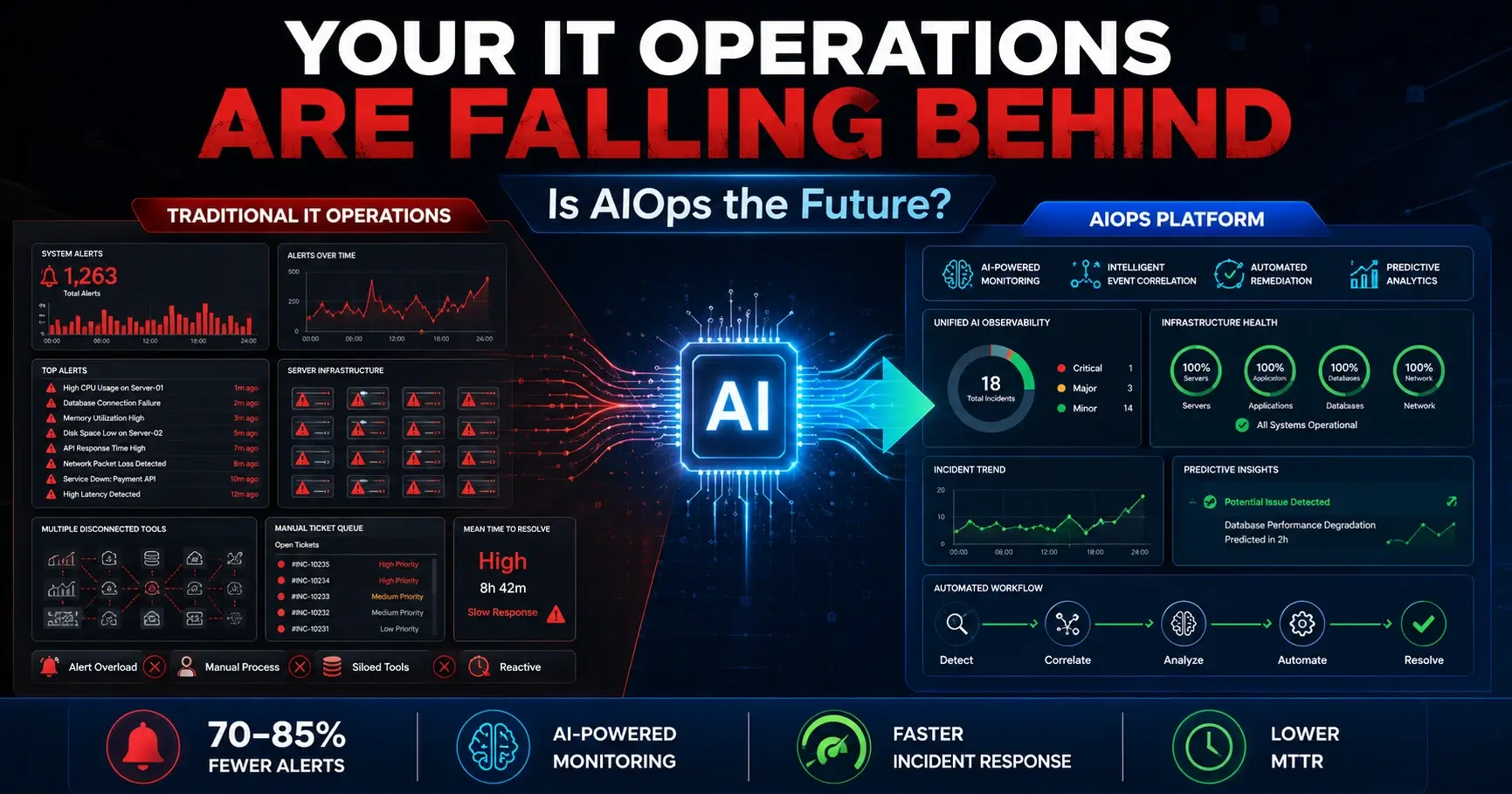
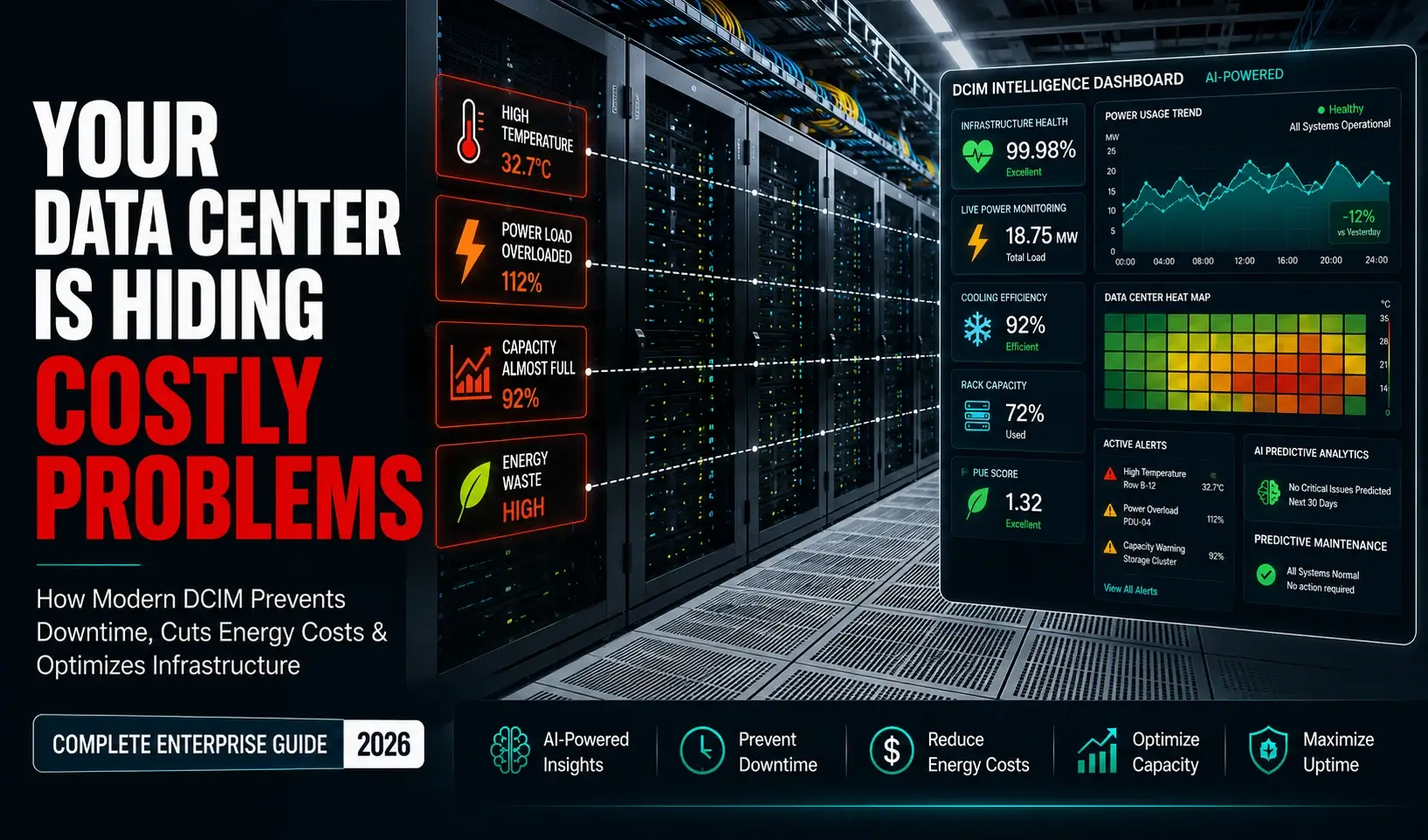
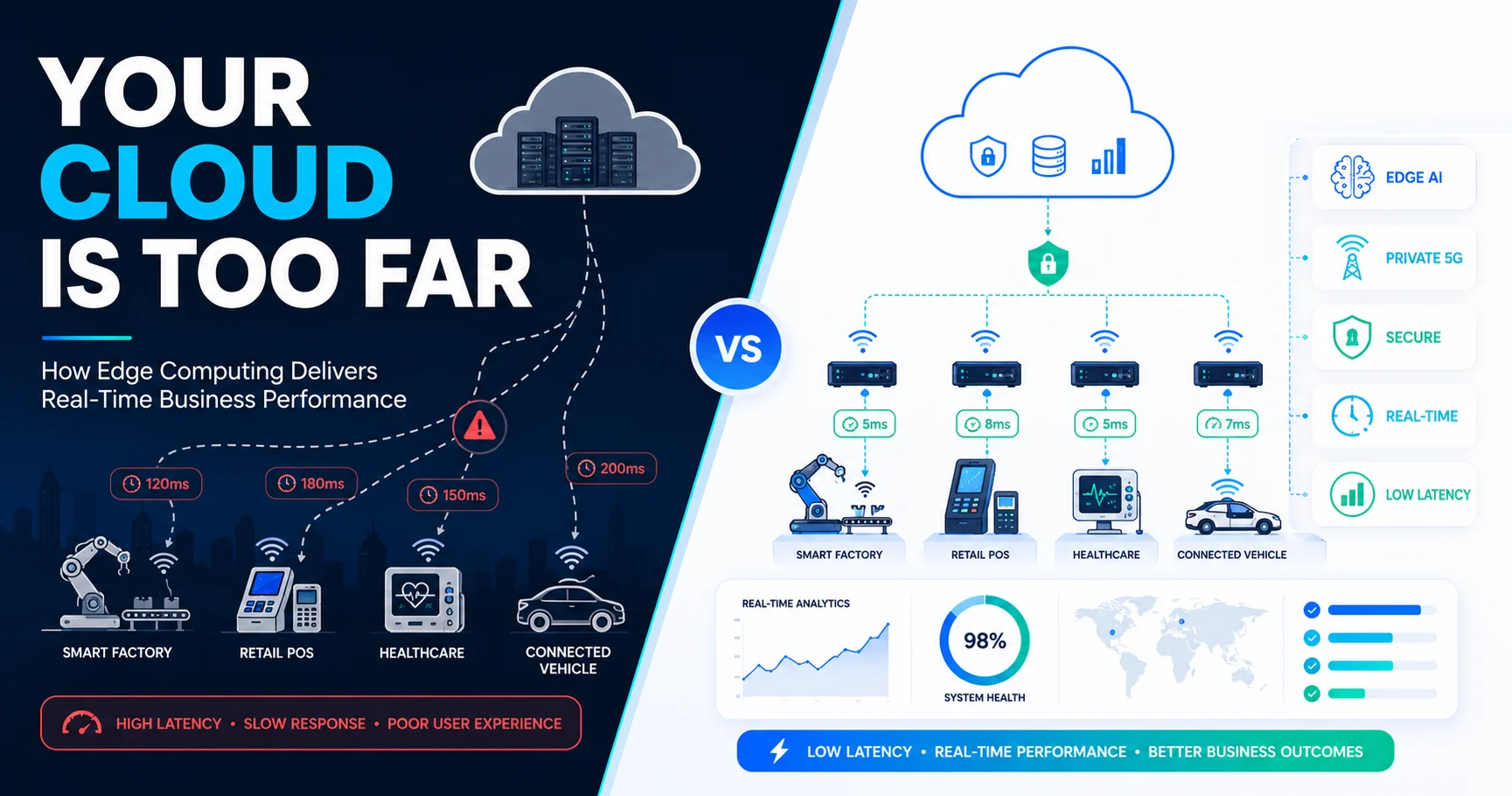

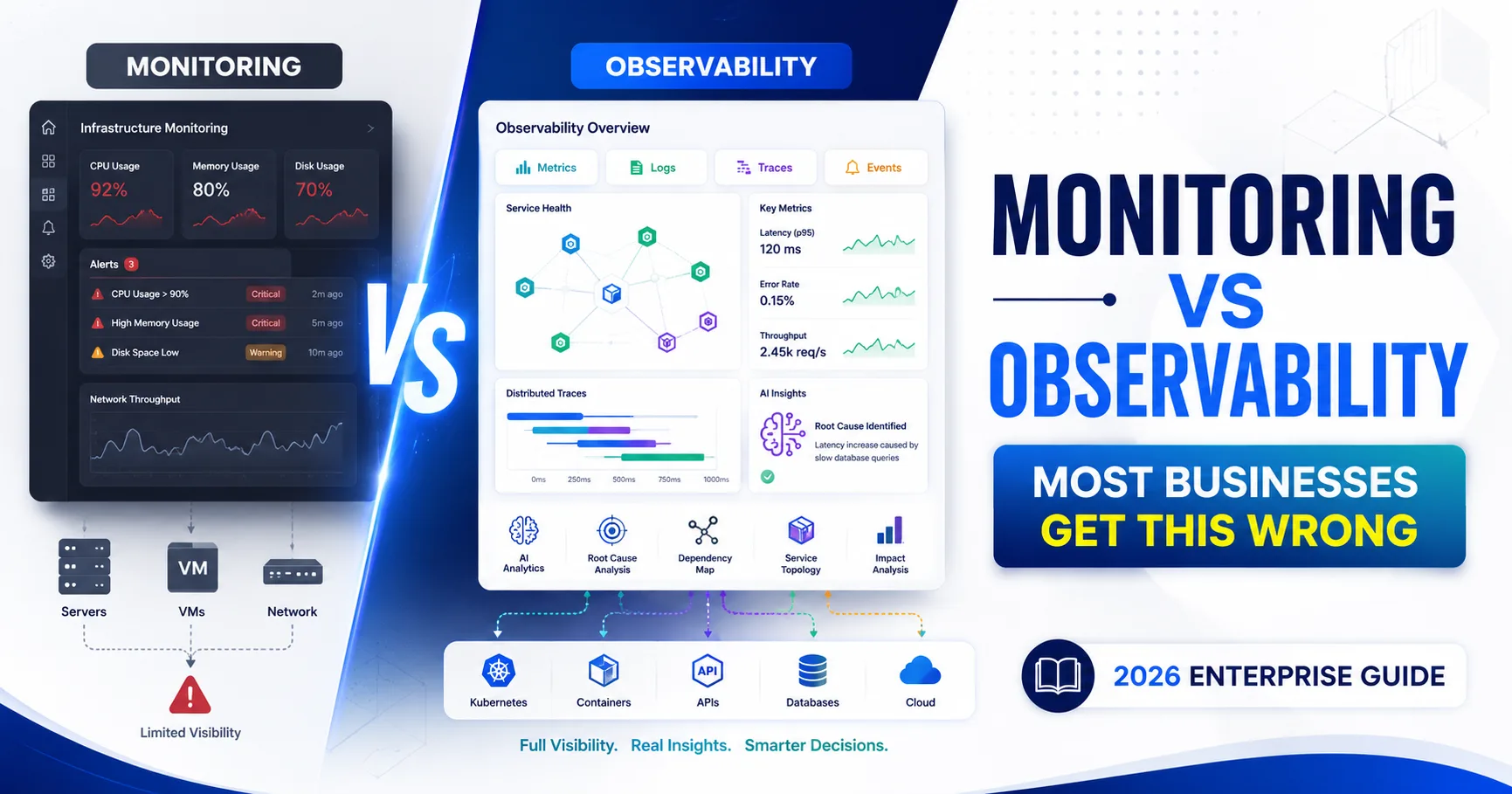
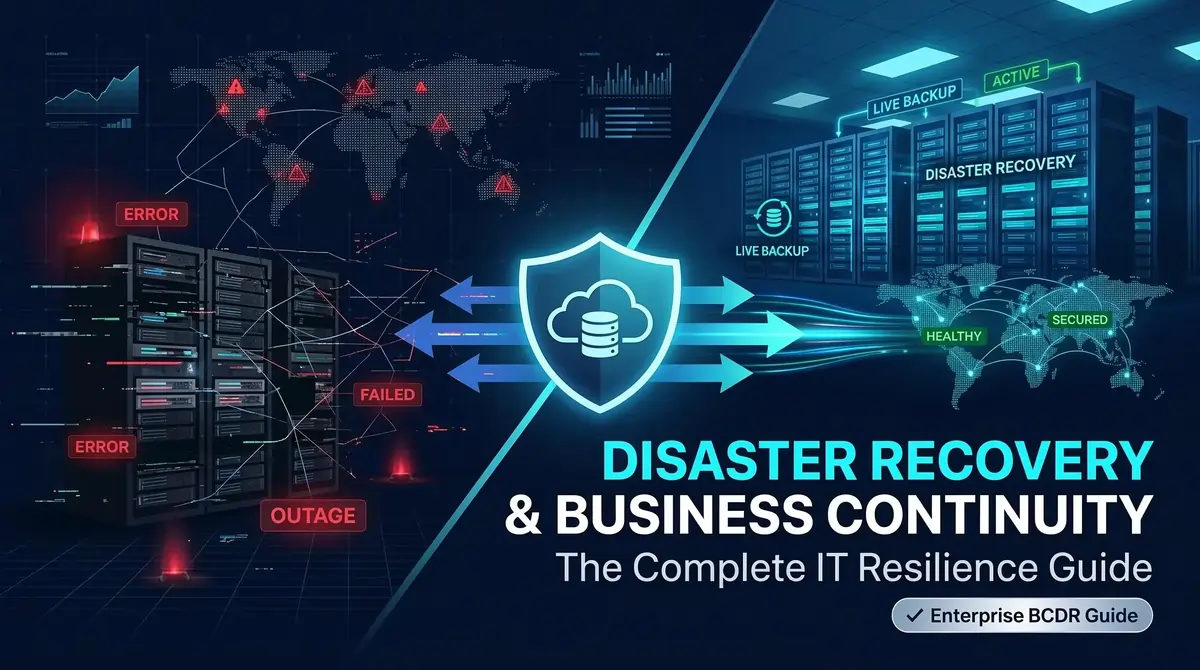

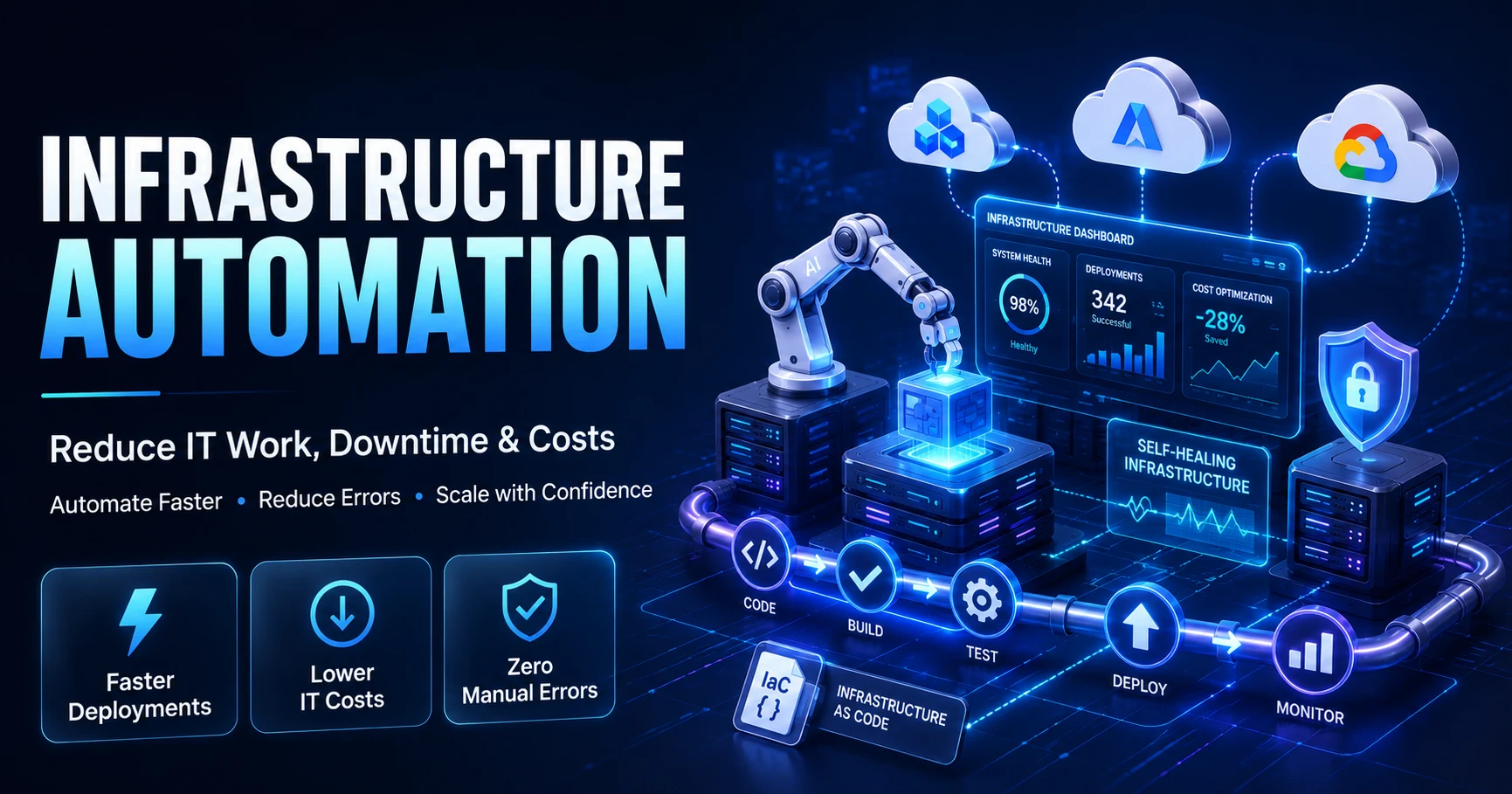

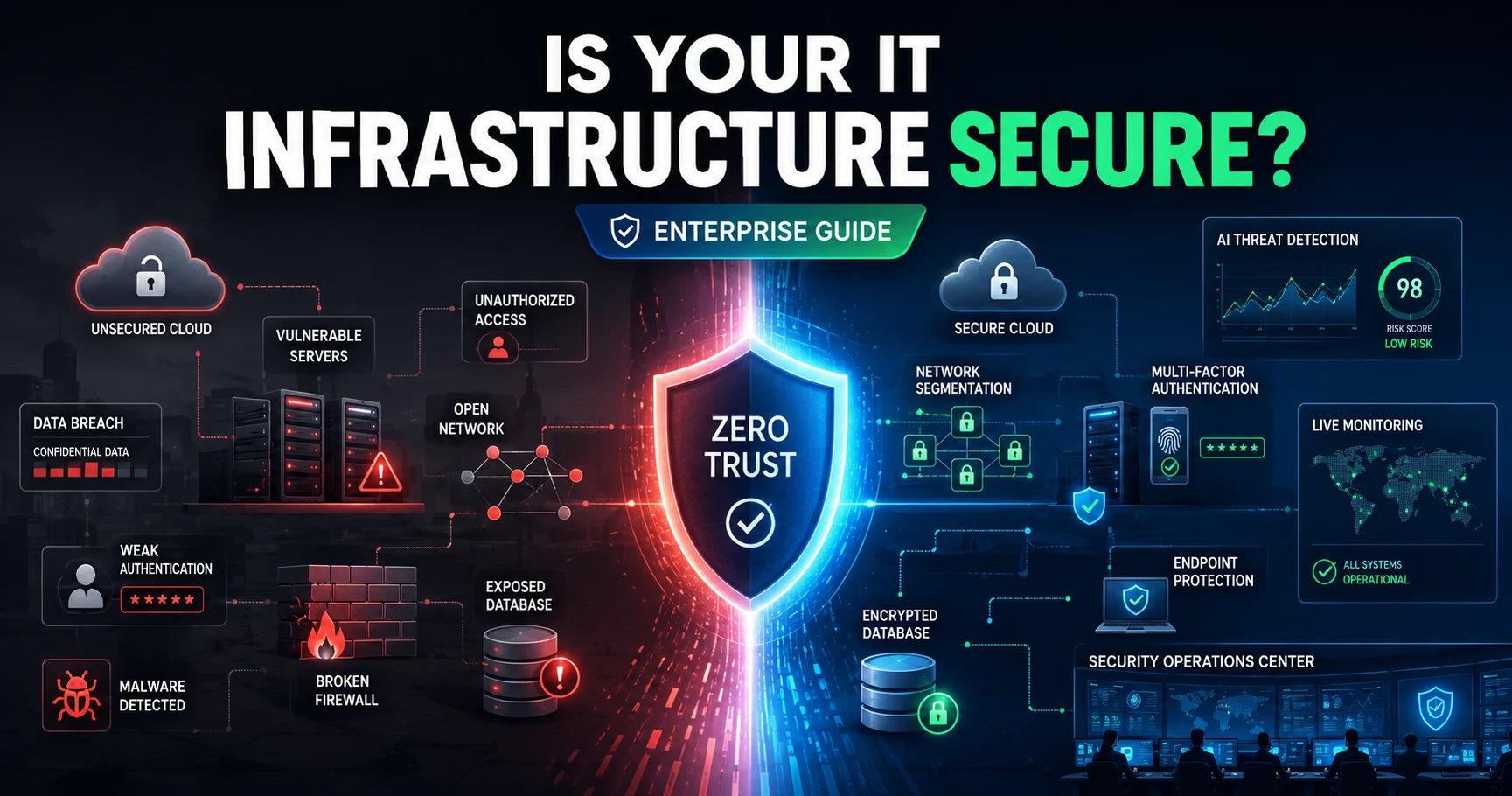
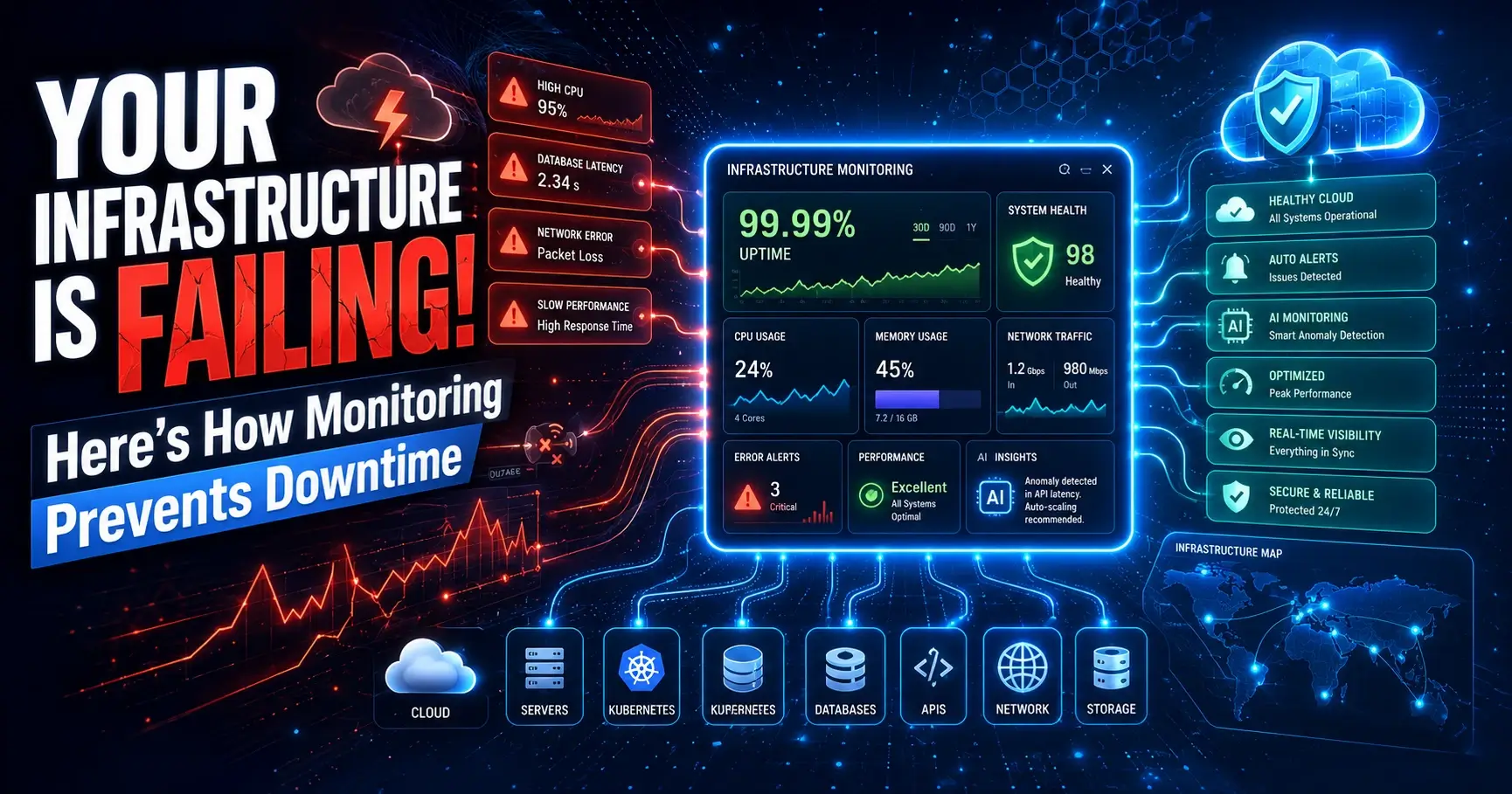














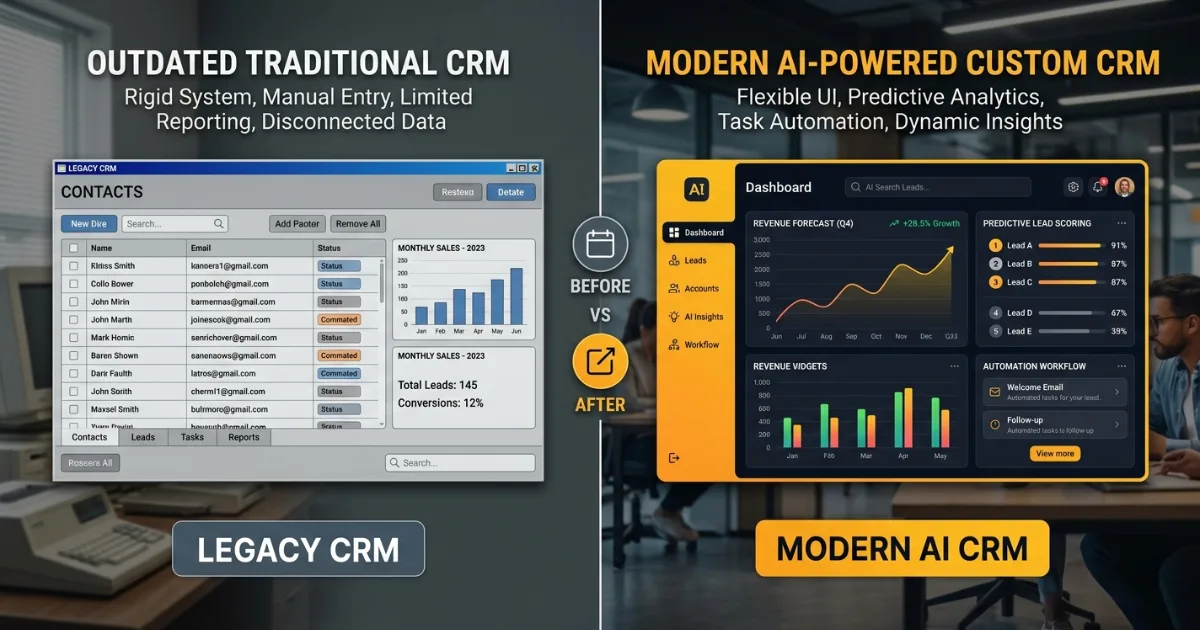
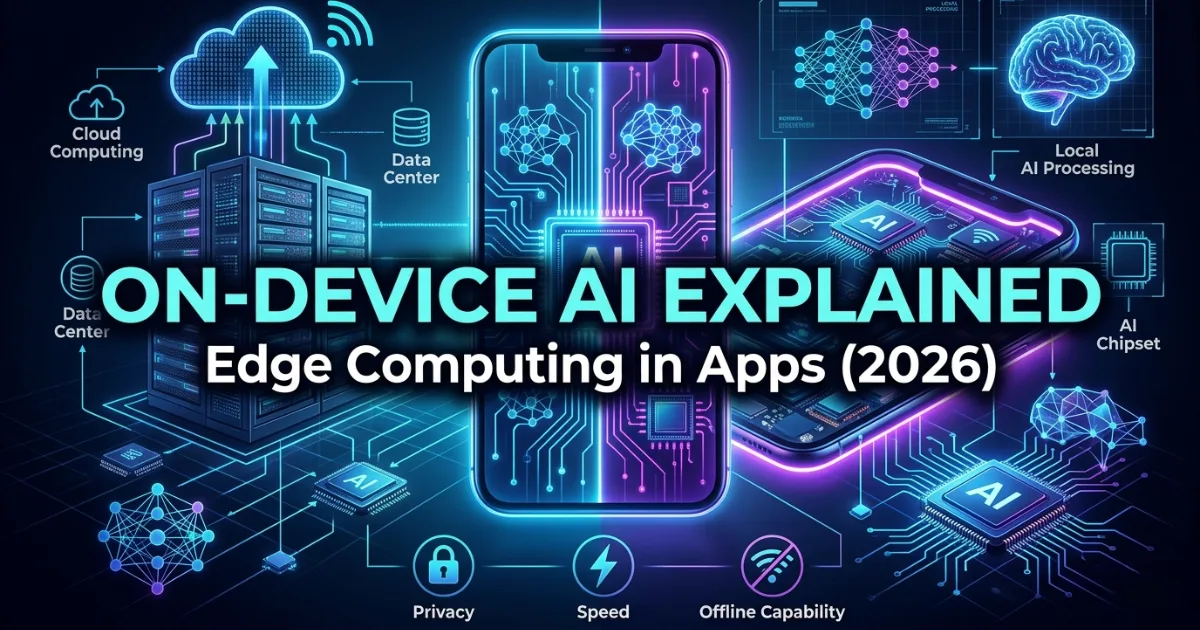


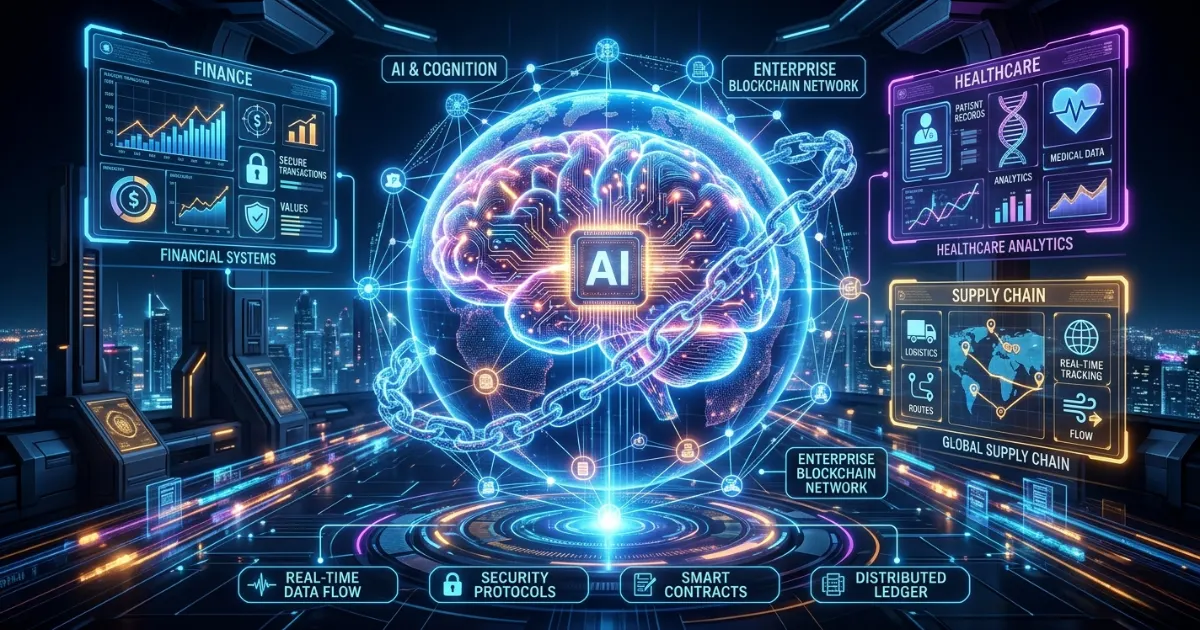
































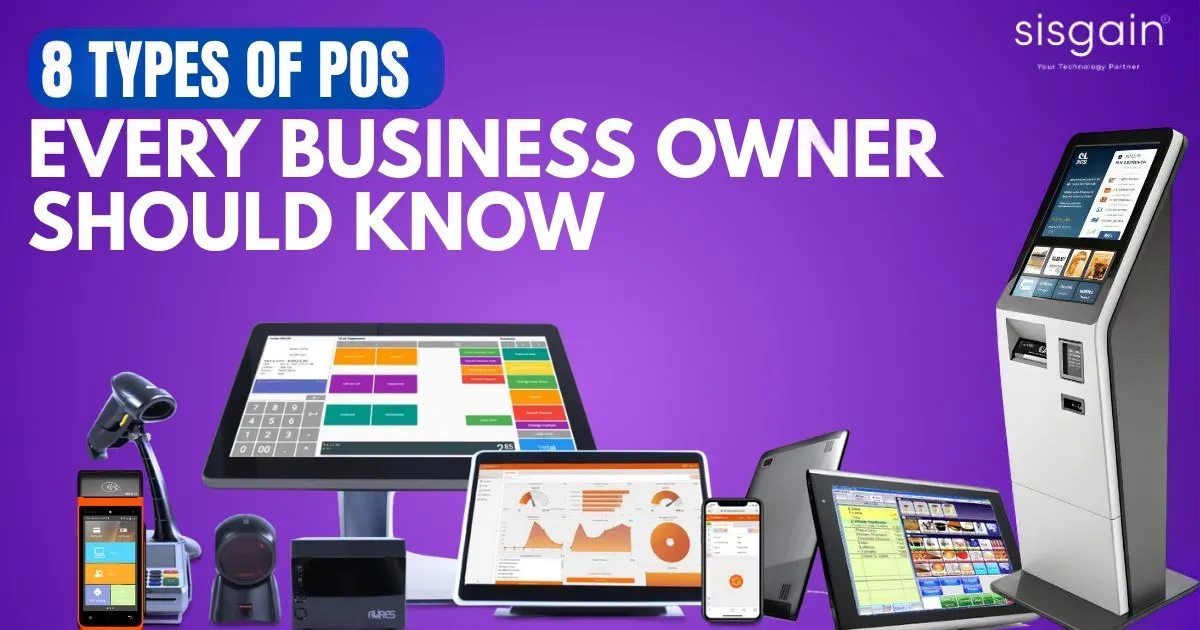



Start Build Your
Next Digital Solution?
Let’s build scalable, future-ready digital solutions tailored to your business goals. Connect with our experienced technology consultants to discuss your vision, strategy, and growth opportunities — with zero obligation and complete transparency.
Get a free consultation and cost estimate for your digital solution
Our expert will contact you within 24 hours. Check your email for confirmation.
Partner with SISGAIN experts to build secure, scalable AI-powered IT Solutions that transform your business operations.









DUQE FREEZONE Quarter Deck, Queen Elizabeth 2, Mina Rashid, Dubai, UAE

100 Consilium Pl Suite 200, Scarborough, ON M1H 3E3, Canada

C-109, Sector 2, Noida, Uttar Pradesh 201301 India
Project quotes, partnerships, implementation
Open roles, referrals, campus hiring