Your One-Stop Repository To Know All About RPM Software

Recent Posts

RPM Software
24 Nov 2025

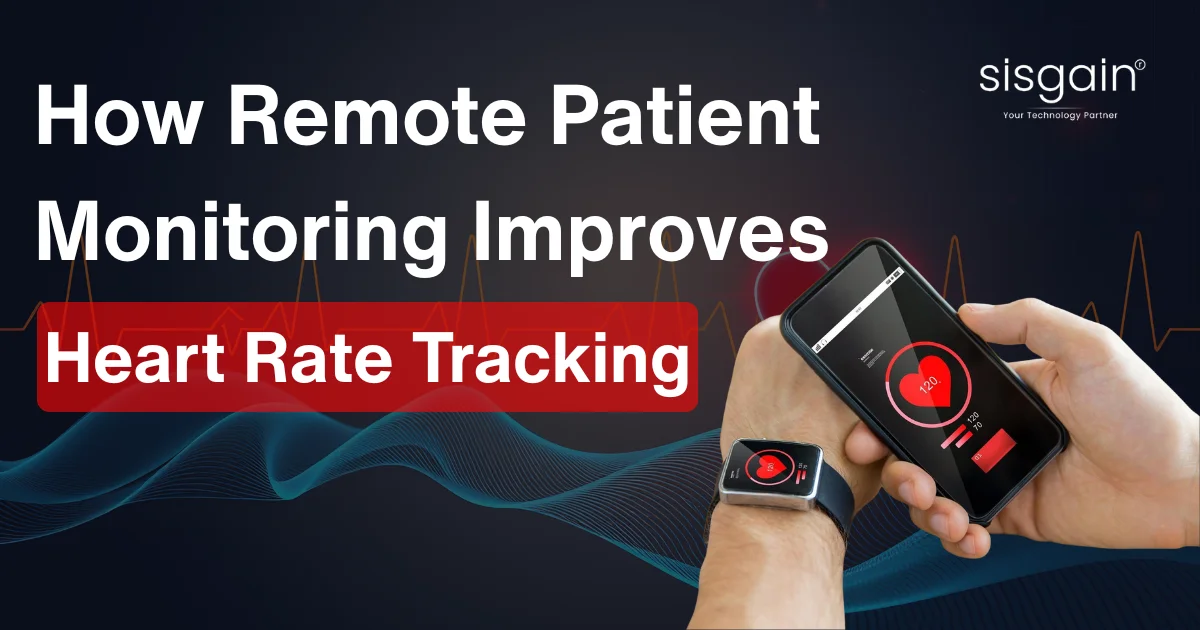
How Remote Patient Monitoring Improves Heart Rate Tracking

Have you ever wondered how many critical heart rate fluctuations go unnoticed between your doctor’s visits? This is where remote patient monitoring (RPM) is revolutionizing cardiac care by offering real-time visibility, continuous analysis, and immediate alerts that traditional monitoring simply cannot provide.Heart rate is one of the most important indicators of cardiovascular health. Monitoring it continuously, accurately, and in real time enables early detection of abnormalities, better management of chronic conditions, and improved decision-making for clinicians. Remote patient monitoring (RPM) has emerged as a breakthrough in this space, providing continuous heart rate visibility without requiring patients to visit clinics frequently. With the rise of remote health monitoring, advanced wearables, and digital tools, heart rate tracking is now more accessible, precise, and proactive than ever.Why Heart Rate Monitoring Is Critical for Cardiac Health?Heart rate patterns reveal essential information about how well the heart is functioning. Whether at rest, during sleep, or under physical or emotional stress, changes in heart rate often indicate underlying conditions such as arrhythmias, atrial fibrillation, heart failure, or hypertension. Traditional monitoring, however, provides only periodic snapshots.Continuous monitoring through technologies like a heart rate tracker, a heart rate tracker watch, or a wrist heart rate tracker allows clinicians to identify abnormalities that may be missed during short clinical visits. When this continuous tracking is integrated into remote health monitoring ecosystems, it supports preventive care, chronic disease management, and emergency detection more efficiently.The Role of Remote Patient Monitoring in Heart Rate TrackingRemote patient monitoring is a technology-enabled system where patient data such as heart rate is collected through digital devices and transmitted securely to healthcare providers. By combining medical-grade sensors, mobile applications, and cloud platforms, RPM makes it possible to monitor a patient’s heart continuously.Modern remote patient monitoring solutions integrate easily with a range of cardiac devices, helping providers gain access to real-time metrics. The combination of rpm software, smart sensors, and patient-friendly wearables ensures continuous data transmission, instant alerts, and preventive care interventions.RPM transforms the traditional approach to cardiac care by providing measurements that reflect real-life scenarios rather than short-term readings obtained in a clinical setting. This helps clinicians diagnose more accurately and treat cardiac issues based on long-term data patterns.How Remote Patient Monitoring Systems WorkRemote patient monitoring systems operate through a coordinated workflow that connects the patient, their monitoring devices, and the healthcare provider in real time. These systems leverage advanced sensors, connectivity technologies, analytics, and patient-facing digital tools to ensure continuous oversight of heart rate data. Below is a detailed breakdown of how the process works:1. Heart Rate Data CollectionThe foundation of the RPM process begins with accurate data collection. Patients use devices such as an activity tracker with heart rate, a heart rate tracker watch, or a wrist heart rate tracker equipped with optical sensors. These sensors use PPG (photoplethysmography) technology, where gentle LED light penetrates the skin and measures fluctuations in blood volume.These fluctuations are then converted into numerical heart rate values, allowing the system to track resting heart rate, heart rate variability, and activity-related changes. Modern activity trackers that track heart rate can also capture additional vitals such as oxygen saturation, calorie burn, and sleep patterns, providing clinicians with a more complete picture of the patient's cardiovascular health.2. Secure Transmission of Health DataOnce collected, the data is transmitted securely to the care team’s monitoring platform. Most devices support multiple communication protocols, including:Bluetooth, for short-range data sync with smartphonesWi-Fi, for direct cloud uploadsCellular networks, for continuous monitoring without dependency on a phoneThis multi-channel approach ensures uninterrupted data flow. Every transmission is fully encrypted to protect patient privacy and comply with healthcare standards such as HIPAA. By maintaining constant connectivity, RPM systems eliminate data gaps and provide clinicians with reliable, real-time insights into the patient’s cardiovascular trends.3. AI-Driven Analytics and Clinical AlertsOnce heart rate data reaches the platform, the remote patient monitoring software begins processing it using machine learning algorithms and predictive models. These intelligent tools evaluate:Sudden spikes or drops in heart rateIrregular rhythmsVariations linked with sleep or physical activityLong-term patterns that may indicate a developing conditionIf the system detects abnormalities such as tachycardia, arrhythmia, or unusually low heart rate, automated alerts are generated for the provider. Advanced RPM software can even triage alerts based on severity, ensuring that critical cases receive immediate attention. This level of proactive monitoring helps clinicians intervene early, reducing hospitalizations and preventing major cardiac complications.4. Provider Dashboard and Clinical ReviewHealthcare providers access a secure online dashboard where all data is aggregated and visualized. The dashboard presents:Hourly, daily, and weekly heart rate trendsAlerts and notificationsAnomalies detected by AIPatient activity levels tracked via devicesComparison charts for baseline vs. current vitalsThese insights enable clinicians to make more informed decisions. For example, if an activity tracker with heart rate shows an increase in resting heart rate over several days, the provider can evaluate potential causes such as stress, medication side effects, or the onset of illness. The dashboard also integrates with EHRs, ensuring that patient records remain up-to-date without manual entry.5. Patient Engagement and Self-MonitoringA key advantage of RPM is its ability to increase patient awareness. Through a heart rate tracker app, patients can view their daily heart rate patterns, receive reminders, track workouts, and get notified when readings fall outside safe limits.This not only enhances their engagement but also encourages healthier behaviors such as regular exercise, hydration, and medication adherence. Many patients find that using a heart rate tracker or wearable helps them visualize progress, stay motivated, and communicate concerns more effectively with their care team.Key Technologies Behind Remote Heart Rate MonitoringRemote heart rate monitoring relies on a sophisticated blend of biomedical sensors, intelligent algorithms, mobile platforms, and secure cloud infrastructures. These technologies work together to convert raw physiological signals into actionable clinical insights. Modern RPM solutions use the same level of precision found in hospital-grade remote patient monitoring devices, making remote care both reliable and scalable. Below is a detailed explanation of the core technologies that enable advanced heart rate tracking:1. PPG (Photoplethysmography) SensorsPPG sensors are among the most widely used technologies in consumer and medical wearables. They are found in devices such as an activity tracker that tracks heart rate, a heart rate tracker watch, and various wrist heart rate tracker devices.These sensors work by shining LED light into the skin and measuring changes in blood volume with each heartbeat. As the heart pumps blood, the amount of reflected light changes, helping the device calculate:Heart rateHeart rate variabilityBlood flow patternsStress and activity intensityPPG technology has grown increasingly accurate thanks to improved optical design, multi-wavelength LEDs, better algorithms, and motion compensation features. As a result, even consumer-grade devices offer near-clinical accuracy during normal daily activities, contributing significantly to the reliability of remote patient monitoring systems.2. ECG/EKG Sensors for Medical-Grade PrecisionWhile PPG sensors are ideal for continuous everyday monitoring, ECG/EKG sensors provide clinical-level diagnostics. These sensors are frequently used in:ECG chest strapsWearable patchesPortable EKG devicesRemote cardiac monitoring toolsUnlike PPG, ECG sensors directly measure the electrical activity of the heart, providing unmatched precision for detecting:ArrhythmiasAtrial fibrillationBradycardia and tachycardiaConduction abnormalitiesThey are essential in remote health monitoring for high-risk cardiac patients because they capture detailed rhythm patterns that optical sensors cannot detect. ECG-based devices also integrate seamlessly with remote patient monitoring solutions, allowing clinicians to access long-term electrophysiological data without requiring in-person visits.3. AI-Powered Analytics and Predictive AlgorithmsArtificial intelligence is the backbone of modern heart monitoring systems. AI tools analyze large volumes of heart rate data captured by devices from an activity tracker with heart rate to more advanced ECG monitors—and turn this data into meaningful insights.AI enhances RPM systems by:Detecting subtle changes in heartbeat intervalsPredicting potential cardiac events before symptoms appearClassifying heart rhythm patterns with high accuracyReducing false alarms through machine learningPowering automated alerts generated by RPM softwareFurthermore, AI models continuously learn from patient-specific data, enabling personalized monitoring. This predictive capability makes RPM systems far more proactive than traditional episodic check-ups.4. Mobile & Cloud Technology for Seamless ConnectivityMobile and cloud ecosystems power the communication layer of remote monitoring systems. Patients use a heart rate tracker app installed on their smartphones or tablets to track metrics, receive notifications, and communicate with their care team.Simultaneously, cloud-based platforms manage:Secure data storageEncrypted communicationMulti-device synchronizationReal-time updates for care providersData sharing across clinical teamsCloud technology ensures that large volumes of heart rate data captured by wearables can be uploaded, analyzed, and viewed instantly. It also supports integration with telehealth platforms, EHR systems, and other digital health solutions. This enables collaborative, patient-centered care where clinicians can make quicker decisions based on up-to-date information.The Power of Integrated RPM TechnologiesTogether, these technologies make remote monitoring extremely reliable and effective. By combining advanced sensors, intelligent analytics, secure cloud infrastructure, and user-friendly mobile applications, RPM systems offer:Continuous, real-time insightsAccurate heart rate trackingImproved early detection of cardiac risksEnhanced patient engagementBetter clinical decision-makingThis integration ensures that both healthy individuals and chronic care patients benefit from consistent, precise, and proactive heart health monitoring—even from the comfort of their homes.Devices Used for Remote Heart Rate MonitoringModern remote heart rate monitoring depends on a wide range of advanced, patient-friendly devices. These tools not only capture accurate physiological data but also ensure seamless integration with digital RPM platforms. Below is a detailed look at the devices most commonly used in remote patient monitoring programs.1. Smartwatches & Fitness TrackersSmartwatches and fitness wearables are among the most widely used devices for remote heart rate monitoring. These act as both an activity tracker with heart rate and a daily wellness companion. Their convenience, affordability, and continuous monitoring capabilities make them ideal for both general users and patients with underlying conditions.These devices can track:Resting heart rate, which offers vital insight into cardiovascular baseline healthSleep-related heart rate trends, helping identify nighttime arrhythmias or stress indicatorsStress tracking, using heart rate variability (HRV) analysisContinuous rhythm monitoring, capturing changes throughout the day—even during workouts or movementThanks to improved optical sensors, motion correction algorithms, and longer battery life, today’s wearables provide clinical-quality insights suitable for RPM environments.2. Medical-Grade ECG PatchesFor patients requiring high clinical precision—such as those with chronic cardiac arrhythmias, post-surgical recovery needs, or high cardiac risk medical-grade ECG patches play a crucial role.These devices:Capture continuous ECG waveformsOffer multi-day to multi-week monitoring without interruptionProvide high-precision, medical-grade readingsIntegrate directly with RPM dashboards for real-time provider reviewBecause ECG patches measure electrical activity rather than optical changes, they are highly accurate for detecting arrhythmias such as AFib, premature beats, bradycardia, and tachycardia. Their seamless integration with RPM systems allows clinicians to receive instant alerts about critical heart rhythm abnormalities.3. Chest Strap Heart Rate MonitorsChest straps are considered one of the most reliable non-invasive tools for ECG-level accuracy. These devices are widely used in cardiac rehabilitation programs, fitness training, and remote monitoring setups that require highly precise data.Key benefits include:Superior accuracy compared to wrist-worn devicesDirect measurement of electrical impulsesIdeal for high-intensity workouts, stress tests, and rehab exercisesBecause chest straps sit close to the heart and remain stable during movement, they excel in both clinical and athletic contexts.4. Biosensors and Multi-Vital Monitoring DevicesBiosensors offer a comprehensive approach to remote patient monitoring by measuring multiple vital signs simultaneously. They are especially valuable for complex or high-risk patients.These devices capture:Heart rateSpO₂ (oxygen saturation)Respiration rateBody temperatureMovement and posture dataMulti-vital biosensors support early detection of severe conditions such as respiratory distress, circulatory issues, cardiac decompensation, and post-operative complications. Their ability to combine multiple physiological signals strengthens the reliability of RPM insights.5. Heart Rate Tracker AppsA heart rate tracker app acts as the communication bridge between the patient and the clinician. These apps are designed to sync seamlessly with various wearable devices such as smartwatches, biosensors, chest straps, and fitness trackers.Features typically include:Instant display of heart rate trendsNotifications and alerts when readings exceed safe thresholdsActivity logs showing how movement affects pulse ratePatient–provider communication toolsThese apps empower patients by giving them continuous access to their heart health data, improving engagement and overall adherence to treatment plans.How RPM Improves the Accuracy of Heart Rate DataTraditional heart monitoring—conducted only during medical visits—often leaves large gaps. Symptoms such as nighttime arrhythmias, stress-induced spikes, or sudden drops in heart rate may go undetected. Remote heart monitoring removes these gaps and provides a full, real-time picture of heart performance.With continuous monitoring and devices like a heart rate tracker watch, clinicians can catch fluctuations the moment they happen, making RPM far more effective than episodic clinic-based readings.Accuracy is significantly improved due to several factors:1. Continuous Data Instead of Single ReadingsUnlike in-clinic checkups, RPM devices collect thousands of data points per day. This: Reveals trendsCaptures rare or sporadic eventsOffers a true representation of daily heart behaviorContinuous data makes diagnoses far more accurate and reliable.2. AI-Supported Pattern AnalysisRPM systems enhance accuracy through advanced analytics. AI assesses:Pattern variationsAbnormal heart rate rhythmsLong-term shifts related to stress, sleep, or medicationsThis reduces false positives and identifies critical issues early.3. Linking Heart Rate Behavior With Activity DataHeart rate readings are enriched when systems also track: StepsSleep qualityBody movementStress markersExercise intensityWhen activity patterns correlate with pulse fluctuations, clinicians can better understand the root cause of irregularities.4. Multi-Sensor Correlation (PPG + ECG)Many RPM systems combine both optical (PPG) and electrical (ECG) data. This hybrid approach delivers:Highly accurate readingsImproved detection of arrhythmiasBetter noise reduction during movementThis multi-tech synergy increases overall reliability.5. Long-Term Heart Rate Storage Through Patient Monitoring SoftwareAll RPM data is stored securely using advanced patient monitoring software. Long-term storage allows providers to: Analyze historical dataCompare past and present heart behaviorIdentify ongoing risksOptimize treatment plansThis historical perspective is invaluable for managing chronic heart conditions.Clinical Benefits of RPM-Based Heart Rate TrackingRemote patient monitoring (RPM) has transformed how clinicians observe cardiovascular function by enabling continuous, real-time heart rate assessment outside traditional clinical environments. This advancement enhances diagnostic accuracy, supports better medical decision-making, and improves long-term patient outcomes. Below are the primary clinical benefits of heart-rate-focused RPM systems.1. Early Detection of Heart ConditionsOne of the biggest advantages of RPM is its ability to catch early warning signs that are often missed during occasional clinic visits. By continuously collecting data through a heart rate tracker, chest strap, smartwatch, or wrist heart rate tracker, RPM enables clinicians to recognize emerging abnormalities long before they escalate.RPM systems help detect:Arrhythmias, including premature atrial or ventricular contractionsTachycardia, when the heart beats too quicklyBradycardia, when the heart beats slower than normalAtrial Fibrillation (AFib), a dangerous irregular rhythm that can lead to strokePost-surgery complications, such as abnormal heart rhythms after cardiac proceduresThese detections are supported by RPM dashboards that send instant alerts, enabling rapid clinical intervention and reducing the risk of cardiac emergencies.2. Effective Chronic Disease ManagementPatients with chronic cardiovascular conditions often require long-term monitoring to prevent deterioration. RPM provides clinicians with continuous streams of heart rate data, helping them monitor conditions such as: HypertensionHeart failureCoronary artery disease (CAD)Post-MI (heart attack) recoveryThis consistent monitoring makes it easier to adjust treatment regimens, track medication adherence, monitor fluid retention, and detect early symptoms of cardiac decompensation. By linking activity levels, sleep patterns, and heart rate trends, RPM provides a holistic view of a patient’s cardiovascular health.3. Reduced Hospital Visits & ReadmissionsOne of the measurable benefits of remote health monitoring is its impact on hospital utilization. By detecting early warning signs and offering continuous oversight, RPM significantly decreases:Unnecessary emergency room visitsRehospitalization rates, especially among heart failure patientsLength of hospital staysCosts associated with repeated inpatient careThis is made possible through swift clinician notifications delivered via remote patient monitoring solutions, enabling intervention before the situation worsens.4. Personalized Treatment PlansPersonalization is at the heart of modern cardiac care. RPM supplies long-term, high-volume heart rate data that gives clinicians deep insight into how a patient’s heart behaves under different circumstances—resting, sleeping, exercising, or experiencing emotional stress.With this level of detail, clinicians can design individualized treatment strategies based on:Baseline rhythm patternsActivity-influenced heart rate changesMedication effectsSleep-related physiological responsesLongitudinal data also enables early trend recognition, allowing physicians to adapt treatment plans proactively rather than reactively.Integration of Heart Rate With Other Vital SignsHeart rate metrics become even more meaningful when correlated with other vitals. Modern RPM systems combine heart rate sensors with technologies that track:Blood pressureOxygen saturation (SpO₂)Sleep cyclesActivity levels and step countThis synergy creates a comprehensive clinical picture.Example of Multi-Vital InterpretationA rise in heart rate combined with low oxygen saturation may indicate early cardiac or respiratory distress.Elevated heart rate during sleep may signal a risk of sleep apnea or arrhythmia.High heart rate paired with high blood pressure can suggest worsening hypertension.These integrated insights form the foundation of advanced remote patient monitoring integration strategies used in modern healthcare environments.Many organizations enhance these capabilities through remote patient monitoring software development that aligns with their clinical workflows and interoperability requirements.Use Cases of Heart Rate Monitoring Through RPMHeart rate tracking through RPM supports a wide range of clinical and lifestyle applications. Below are key use cases where RPM adds significant value.1. Cardiac RehabilitationPatients recovering from a heart attack, cardiac surgery, or stent placement require safe, guided exercise programs. RPM helps clinicians:Track heart rate response during prescribed physical activityReduce risk during at-home rehabilitationAutomate progress tracking and recovery assessmentThis enables safer rehabilitation without requiring daily in-person visits.2. Chronic Disease CareManaging long-term cardiac disease requires constant vigilance. RPM supports:Early detection of symptom escalationMedication adjustment based on heart rate behaviorLong-term trend analysisFaster clinical decision-makingPatients with hypertension or heart failure benefit particularly from this continuous oversight.3. Senior CareElderly patients often struggle with mobility and frequent clinic visits. A wrist heart rate tracker or simple wearable provides:Discreet, continuous monitoringAutomatic alerts for irregular rhythmsActivity tracking for fall-risk assessmentBetter visibility into sleep quality and fatigueRPM thus ensures safer, more comfortable aging at home.4. Post-Surgical MonitoringAfter cardiac surgeries or procedures, patients require close monitoring to catch early signs of complications. RPM:Reduces the need for in-person follow-upsHelps providers monitor heart rate abnormalitiesSupports telehealth-based recoverySpeeds up rehabilitationThis makes postoperative care safer and more efficient.5. Fitness & Lifestyle OptimizationBeyond clinical use, RPM technology supports wellness and fitness goals. Devices like an activity tracker that tracks heart rate help users:Measure calorie expenditureUnderstand exercise intensity zonesOptimize workout performanceTrack heart rate variability (HRV) for stress managementThese insights encourage healthier habits and informed lifestyle decisions.How RPM Enhances Patient EngagementA major reason RPM succeeds is its impact on patient involvement. Instead of being passive recipients of care, patients become active participants.RPM improves engagement through:Mobile dashboards that show real-time heart rate graphsInstant alerts via a heart rate tracker appPersonalized health recommendationsTrend analysis features that help patients understand long-term patternsThis increased involvement boosts adherence to treatments, promotes healthier behavior, and fosters better communication between patients and clinicians.Benefits of Heart Rate RPM for Healthcare ProvidersRPM doesn’t just benefit patients—it also enhances the provider experience by improving workflow, efficiency, and clinical accuracy.Key advantages include:Automated data collection, reducing manual documentationAccurate insights driven by AI, analytics, and real-time monitoringEarly risk detection, allowing preventive interventionBetter resource allocation, reducing clinician burdenEnhanced telehealth capabilities, supporting hybrid care modelsAfter a significant separation, you can incorporate your interlinking keyword:Many of these digital ecosystems are strengthened by scalable healthcare software development services, enabling providers to streamline operations and support large patient populations effectively.Challenges & Considerations in Heart Rate RPMThough RPM is highly effective, successful implementation requires attention to key challenges:Reliable, medical-grade devices to maintain accuracyStable internet connectivity for uninterrupted data transferHigh patient compliance, especially in long-term monitoringStrong cybersecurity frameworks to protect sensitive health dataRegular updates to rpm software to support new devices and standardsHealthcare organizations must also ensure compliance with HIPAA and other regional medical data regulations.Future of Heart Rate Monitoring Through RPMThe future of cardiac RPM is driven by innovation and expanding digital ecosystems. Upcoming advancements will include:Predictive AI algorithms capable of forecasting cardiac events before symptoms occurSmart textiles, such as sensor-embedded clothing for continuous monitoringImplantable micro-sensors for long-term cardiac surveillanceVirtual cardiac clinics, offering 24/7 specialist accessFully connected cloud ecosystems for seamless remote health monitoringWith further separation, your next interlinking keyword fits naturally:Advanced ecosystems will integrate with next-generation telemedicine software development, strengthening virtual cardiac management and real-time clinical collaboration.ConclusionRemote patient monitoring has completely transformed how heart rate data is captured, analyzed, and used in clinical care. With continuous monitoring tools such as a heart rate tracker, heart rate tracker app, activity tracker with heart rate, heart rate tracker watch, and advanced medical devices, RPM delivers deeper insights than traditional care methods. Combined with intelligent remote patient monitoring software, medical-grade sensors, and AI analytics, RPM improves early detection, enables personalized care, and supports better patient outcomes.As a leading technology innovator, SISGAIN continues to empower healthcare organizations with advanced remote health monitoring solutions, intelligent RPM platforms, and scalable digital ecosystems that improve cardiac care delivery. With the ongoing evolution of RPM and digital healthcare, heart rate tracking will become even more accurate, accessible, and life-saving shaping the future of cardiology for years to come.
RPM Software
25 Aug 2025

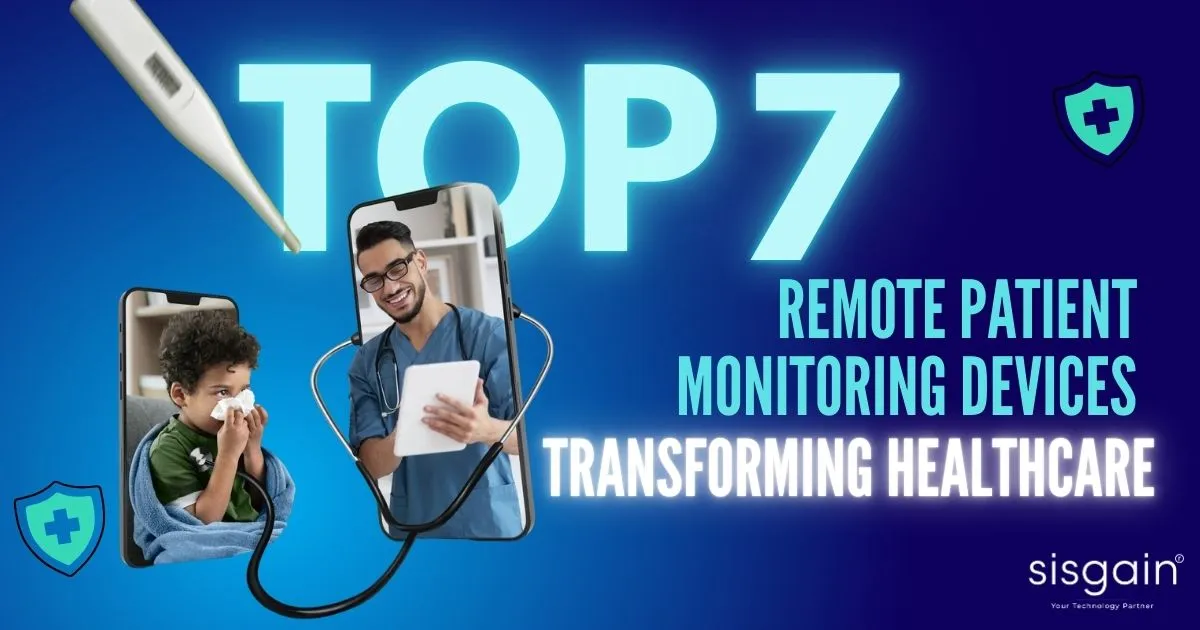
Top 7 Remote Patient Monitoring Devices Transforming Healthcare

Healthcare is going through a digital revolution. From smart wearables to advanced software, technology is now at the center of patient care. One of the most important innovations in this journey is Remote Patient Monitoring (RPM). With the help of Remote Patient Monitoring devices, doctors can track patients’ health conditions outside hospitals. Patients suffering from chronic illnesses like diabetes, hypertension, or heart disease can now be monitored from their homes. This reduces hospital visits, improves patient outcomes, and ensures early detection of serious health issues. Many leading Remote Patient Monitoring companies are developing innovative tools and software to make healthcare more accessible and reliable. In this blog, we’ll explore the top 7 remote patient monitoring devices that are transforming healthcare, along with the role of advanced software solutions in making this system work seamlessly. What is Remote Patient Monitoring? Remote Patient Monitoring is a healthcare approach where medical devices and software collect real-time patient data (such as blood pressure, glucose levels, heart rate, or oxygen saturation) and share it with doctors. The process includes: Patients use Remote Patient Monitoring devices at home. The data is sent securely to Remote Patient Monitoring Software Solutions. Doctors review the data, detect early warning signs, and provide timely care. This combination of devices and software is revolutionizing the way healthcare providers deliver treatment. Why RPM Devices are Important in Healthcare Remote Patient Monitoring (RPM) has become a powerful way to connect doctors and patients beyond hospital walls. By using smart devices and advanced software, healthcare providers can track vital signs in real time, offer timely care, and improve patient outcomes. Here are some key benefits of Remote Patient Monitoring: 24/7 Monitoring: Doctors and care teams can continuously access patient health data, ensuring constant supervision even outside hospitals. Early Intervention: Real-time alerts help identify critical health issues before they turn into medical emergencies. Better Patient Engagement: Patients become more aware of their health and actively participate in their treatment journey. Convenience: Remote monitoring reduces frequent hospital visits, saving both time and effort for patients and caregivers. Chronic Care Management: Ideal for managing long-term conditions like diabetes, hypertension, and COPD, ensuring better control and improved health outcomes. Top 7 Remote Patient Monitoring Devices Transforming Healthcare 1. Blood Pressure Monitors High blood pressure is one of the biggest risk factors for heart disease and stroke. Modern digital blood pressure monitors allow patients to check their readings at home and share them automatically with their doctors. Many devices connect to Remote Patient Software, which records trends and generates reports. This helps healthcare providers make faster and more informed decisions. Benefits: Accurate monitoring of hypertension. Fewer hospital visits for routine checkups. Early detection of heart-related risks. 2. Glucose Monitoring Devices Managing diabetes is easier today thanks to Continuous Glucose Monitoring (CGM) devices. These small sensors track blood sugar levels throughout the day and send data to smartphones or healthcare apps. With integration into EMR and EHR Software Integration, doctors can view historical glucose patterns, adjust treatment, and provide lifestyle guidance. Benefits: Eliminates frequent finger-prick tests. Provides real-time blood sugar alerts. Helps reduce long-term diabetes complications. 3. Heart Rate and ECG Monitors Portable ECG monitors and heart rate trackers are life-saving for patients with heart conditions. Devices can detect irregular rhythms, atrial fibrillation, or early signs of a heart attack. Many Remote Patient Monitoring companies now offer smart ECG devices that connect directly to mobile applications and Remote Patient Monitoring Software. Benefits: Early detection of cardiac abnormalities. Improved post-surgery monitoring. Reduces risk of emergency hospitalizations. 4. Pulse Oximeters Pulse oximeters measure oxygen saturation levels in the blood. During the COVID-19 pandemic, these became one of the most widely used home healthcare remote monitor devices. They are especially useful for patients with respiratory diseases like COPD, asthma, or pneumonia. The data can be shared with doctors via Remote Patient Software for continuous monitoring. Benefits: Detects falling oxygen levels quickly. Helps patients manage lung diseases at home. Prevents unnecessary emergency visits. 5. Smart Weight Scales and BMI Monitors Weight monitoring is crucial for patients with obesity, diabetes, or heart failure. Smart weight scales track weight, BMI, and fat percentage. Data from these devices can be linked with Custom Telemedicine App Development Solution, allowing doctors to guide patients remotely on diet and lifestyle. Benefits: Encourages weight management. Helps doctors track obesity-related risks. Supports heart failure management by monitoring fluid retention. 6. Wearable Fitness Trackers Smartwatches and fitness bands are among the most popular Remote Patient Monitoring devices. They track physical activity, sleep, heart rate, and stress levels. Many advanced trackers even detect falls, making them highly useful for elderly patients. By connecting to Remote Patient Monitoring Software, the data becomes valuable for preventive healthcare. Benefits: Promotes healthy lifestyle habits. Offers long-term health data analysis. Encourages patient participation in healthcare. 7. Smart Thermometers Smart thermometers go beyond traditional fever measurement. They connect to healthcare apps to provide long-term temperature tracking. This is useful for children, elderly patients, or those recovering from infections. Integration with Top Healthcare Software Development Companies solutions makes it easier for hospitals to track multiple patients remotely. Benefits: Detects fever patterns over time. Helps in early diagnosis of infections. Supports home-based pediatric and elder care. How RPM Devices and Software Work Together Devices alone cannot transform healthcare. Their real value comes when they work together with Remote Patient Monitoring Software Solutions. By connecting smart devices with powerful software, doctors and patients can share information in real time and improve care. How the device works is mentioned below: Devices collect real-time patient data: Tools like wearables, blood pressure cuffs, and glucose monitors track important health information continuously. Data is securely transferred to cloud-based software: The collected data is stored safely in the cloud, where doctors can easily access it whenever needed. Doctors receive alerts if readings go beyond safe levels: If the system detects unusual results, it immediately sends alerts to healthcare providers, so they can act quickly. Patients and doctors connect through telemedicine platforms for immediate consultation: Instead of waiting for clinic visits, patients can talk to their doctors online and get timely advice. This smooth connection between devices and healthcare software makes care faster, smarter, and more effective. It not only helps doctors make better decisions but also keeps patients more involved in their own health. Benefits of Remote Patient Monitoring Devices For Patients: More independence and control over health. Cost savings on frequent hospital visits. Quick access to care through telemedicine apps. 24/7 peace of mind with constant monitoring. For Doctors and Hospitals: Real-time access to patient records. Improved chronic disease management. Reduced workload and fewer emergency cases. Efficient use of hospital resources. Challenges in Remote Patient Monitoring Cost of Devices: Some RPM devices may be expensive for patients. Data Privacy Concerns: Patient information must remain secure. Integration Issues: Not all devices easily connect with existing hospital systems. Patient Awareness: Some patients may find it difficult to use advanced devices. Connectivity: Internet access is necessary for remote monitoring. Future of Remote Patient Monitoring Devices The future of RPM is bright. Some upcoming trends include: AI and Predictive Analytics: RPM devices will use artificial intelligence to detect health risks early. Blockchain Technology: Ensures secure sharing of sensitive health data. Wearable Innovations: Smaller and more powerful devices will monitor multiple health parameters. Cloud Healthcare: Hospitals will rely on cloud-based healthcare systems for collaboration. Personalized Medicine: Data from Remote Patient Monitoring Devices will help doctors provide customized care plans. Conclusion The rise of Remote Patient Monitoring devices is changing the way healthcare is delivered. From blood pressure monitors to wearable trackers, these devices give patients more control while helping doctors provide faster and smarter care. By combining advanced Patient Management Solutions, EMR and EHR Software Integration, and Custom Telemedicine App Development Solutions, hospitals can improve patient outcomes, reduce costs, and make healthcare more patient-centered. As more Remote Patient Monitoring companies continue to innovate, the future of healthcare will become more personalized, predictive, and preventive. If your hospital or clinic is planning to adopt digital healthcare solutions, partnering with the Top Healthcare Software Development Companies will ensure you get a reliable, secure, and scalable platform.




Latest Blogs

Connect with our team