
 +1 844-445-5767
 +971 56-848-5757
 +91 921-208-0630
For Business & Service Inquiries
Sales Team
Project quotes, partnerships, implementation
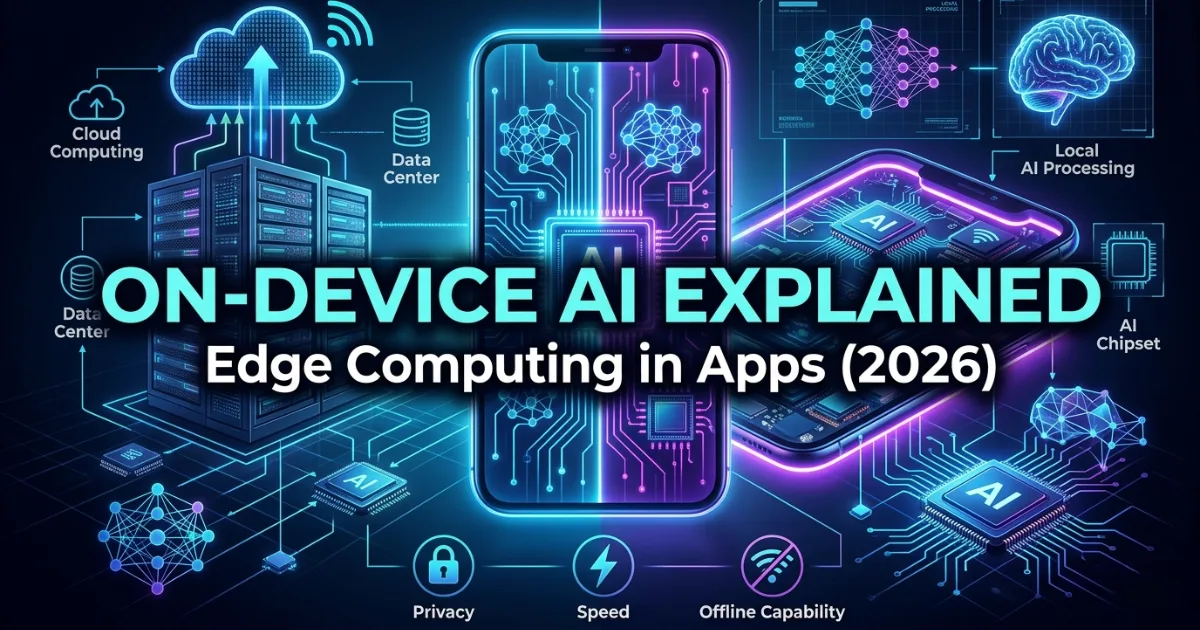
What Is On-Device AI in Mobile Apps? Edge Computing Explained with Real Use Cases (2026)In 2026, users expect mobile apps to respond instantly, protect sensitive data, and work flawlessly—even offline. Traditional cloud-dependent AI often falls short: it introduces latency, raises privacy concerns, and racks up massive server costs. Enter on-device AI in mobile apps and edge computing in mobile apps—the technologies powering the next generation of intelligent, private, and efficient applications. Business owners, CTOs, and startups are shifting to AI that runs directly on smartphones, tablets, and wearables. Organizations investing in AI-powered experiences increasingly rely on custom mobile app development to deliver intelligent, privacy-first applications that perform consistently across Android and iOS devices. Industry analysts predict that 90% of new mobile applications will incorporate AI capabilities by 2026, with a significant portion processing data locally. This shift isn’t hype—it delivers measurable ROI through lower costs (up to 73% cloud savings in some cases), sub-50ms response times, and full GDPR/HIPAA compliance without data leaving the device. As a leading AI software development company, SISGAIN has helped enterprises across healthcare, finance, retail, and logistics build these next-generation apps. In this comprehensive guide, we break down exactly what on-device AI and edge computing mean, how they work, their real-world impact, and why your business should invest now. What Is On-Device AI in Mobile Apps? On-device AI refers to artificial intelligence models that run inference (making predictions or decisions) entirely on the user’s smartphone or tablet using its own hardware—CPU, GPU, or dedicated Neural Processing Units (NPUs). No data is sent to the cloud for processing. This differs from cloud AI, where every request travels to remote servers. On-device AI leverages lightweight, optimized models (often called Small Language Models or SLMs) that deliver powerful results while respecting device constraints like battery life and memory. Snippet-ready definition for search engines and voice assistants: On-device AI in mobile apps processes data locally on the user’s device using specialized chips like NPUs. It enables real-time intelligence, offline functionality, enhanced privacy, and reduced latency—without relying on internet connectivity or cloud servers. In 2026, it powers everything from live translation to fraud detection directly on your phone. Key enablers in 2026 include Apple’s Neural Engine (in A18-series chips), Google’s Tensor G4/G5, and Qualcomm’s Snapdragon 8 Elite series with advanced AI engines. These chips make sophisticated tasks—like running 7–13 billion parameter models—feasible on consumer devices. What Is Edge Computing in Mobile Apps? Edge computing in mobile apps extends on-device AI by processing data at the “edge” of the network—on the device itself or on nearby edge servers—rather than routing everything to centralized cloud data centers. In practice, your app might: Run simple inference on the phone (on-device). Offload heavier tasks to a regional edge node (still far closer than a cloud server). Sync only necessary data to the cloud when connected. This hybrid approach powers real-time applications in AR/VR, gaming, telehealth, and IoT-connected apps. Gartner previously forecasted that 75% of enterprise data would be processed at the edge by 2025, and that trend has accelerated. The global edge AI market is booming, with projections showing continued double-digit growth driven by 5G/6G and AI-optimized hardware. Edge computing reduces bandwidth usage, cuts costs, and improves reliability in low-connectivity environments—critical for field workers, travelers, or users in emerging markets. How On-Device AI Works in Mobile Apps (Step-by-Step) Understanding how on-device AI operates helps CTOs and development teams design smarter, more efficient mobile architectures. Unlike cloud AI, where every request travels to remote servers, on-device AI processes data directly on the user's smartphone or tablet using its built-in hardware. Here is the complete pipeline in simple, sequential steps: 1. Data Collection and Preprocessing The process begins with the device's sensors—camera, microphone, accelerometer, GPS, or touchscreen—capturing raw input in real time. On-device preprocessing cleans and prepares this data locally. For example: Noise reduction in audio recordings Feature extraction from images Conversion of speech into text embeddings This step happens entirely on the device, ensuring speed and privacy from the very first moment. No data leaves the phone at this stage. 2. Model Loading and Optimization Developers start with a trained AI model (often created in the cloud) and optimize it for mobile constraints like limited memory, battery, and processing power. Popular frameworks in 2026 include: TensorFlow Lite (LiteRT) for Android and cross-platform use Apple’s Core ML for iOS devices Google’s ML Kit for quick integration Optimization techniques make large models practical on phones: Quantization: Reduces the precision of numbers in the model (e.g., from 32-bit to 8-bit or 4-bit). This can shrink model size by 75% or more while keeping 92–95% of the original accuracy. Pruning: Removes less important connections or parameters, making the model lighter without major performance loss. Knowledge Distillation: Trains a smaller “student” model to mimic a larger, more powerful “teacher” model. Small Language Models (SLMs): Modern models (1–7 billion parameters, such as Gemini Nano, Phi-3.5, or Gemma variants) are designed from the ground up for edge devices. They deliver strong results for tasks like summarization, translation, and smart replies while fitting comfortably in phone memory. These steps ensure the model runs efficiently even on mid-range devices in 2026. 3. Inference on Specialized Hardware Once loaded, the optimized model performs inference—the actual task of making predictions or generating outputs. Modern smartphones use dedicated Neural Processing Units (NPUs) alongside the CPU and GPU. Examples in 2026 include: Apple’s Neural Engine (in A18/A19 series chips, delivering 35+ TOPS) Qualcomm’s Hexagon NPU (in Snapdragon 8 Elite series, up to 45–75 TOPS depending on variant) Google’s Tensor processing units These specialized chips handle the heavy matrix multiplications and neural network operations at high speed and low power. Complex tasks like real-time object detection, live language translation, or image enhancement now complete in under 50 milliseconds on flagship phones. 4. Output Delivery and Local Feedback Loop The AI delivers instant results to the user—such as highlighting objects in the camera view, suggesting smart replies, or summarizing a notification. Many apps include a local feedback loop: the model subtly improves over time based on user interactions and patterns, all without sending any personal data to the cloud. This creates personalized experiences that feel natural and responsive. 5. Hybrid Sync When the device connects to the internet, the app can optionally send anonymized insights or request fleet-wide model updates from the cloud. This keeps individual user data private while allowing the overall system to improve continuously. This entire pipeline is what makes modern AI-powered mobile apps feel instantly smart, work offline, and protect user privacy. It turns the smartphone into a powerful, self-contained AI device rather than a thin client constantly calling home to the cloud. Achieving this level of performance requires robust application building practices, optimized AI architectures, and deep expertise in cross-platform mobile engineering. Practical insight for decision-makers: Most successful implementations in 2026 use a hybrid approach—handling 70-90% of interactions on-device for speed and privacy, while reserving the cloud for initial training or occasional heavy computations. Benefits of On-Device AI in Mobile Apps Businesses adopting on-device AI see immediate advantages: Near-Zero Latency: Sub-50ms responses for fraud detection, AR overlays, or live translation—impossible with cloud round-trips. Enhanced Privacy & Security: Sensitive data (biometrics, health records, financial info) never leaves the device. Built-in compliance with GDPR, HIPAA, and emerging regulations. Offline Functionality: Apps work in airplanes, remote sites, or poor-signal areas—boosting user satisfaction and retention. Cost Savings: Up to 73% reduction in cloud compute bills by shifting inference to user devices. No per-query API costs at scale. Battery & Resource Efficiency: Optimized models and NPUs consume far less power than constant cloud calls. Improved User Experience: Real-time personalization, instant photo editing, and proactive features (e.g., smart notifications) create delight. Scalability Without Infrastructure Strain: Millions of users = millions of distributed compute nodes, not exploding cloud bills. Regulatory Resilience: Local processing future-proofs against data sovereignty laws. For enterprises, these translate directly to higher engagement, lower churn, and stronger competitive positioning. Ready to build smarter apps? Contact the AI solutions provider at SISGAIN for a free consultation on integrating on-device AI into your mobile strategy. On-Device AI vs Cloud AI: A Practical Comparison Choosing the right AI architecture is one of the most important decisions when building a modern mobile app. Should you process everything on the user’s phone (on-device), send all requests to the cloud, or use a smart combination of both? Here’s a clear, side-by-side comparison to help business owners, CTOs, and product teams make informed decisions: Aspect On-Device AI (Edge Computing) Cloud AI Hybrid Approach (Recommended for Most Apps) Latency (Speed) Very fast – under 50 milliseconds (feels instant) Slower – 200 to 500+ ms due to round trips Best of both: instant for most tasks, cloud when needed Privacy & Security Excellent – all data stays on the user’s device Moderate – data is sent to external servers Strong – sensitive data processed locally, non-sensitive in cloud Offline Functionality Works fully without internet Does not work without internet Seamless – automatically switches to on-device when offline Cost Low ongoing costs (uses user’s phone hardware) High – every request costs money in API calls & servers Highly optimized – can reduce cloud costs by up to 73% Model Power Limited to optimized smaller models (SLMs) Unlimited – can use very large, powerful LLMs Flexible – uses small models locally and large ones in cloud when required Scalability Highly scalable – every user’s phone becomes a compute node Expensive to scale – requires more servers Infinite scalability by leveraging millions of user devices Battery & Power Use Very efficient thanks to dedicated NPUs Higher power use due to constant internet usage Balanced and efficient Best For Real-time features, private data, offline scenarios Complex analysis, heavy training, massive datasets Most real-world enterprise and consumer apps Key Takeaway for CTOs and Decision Makers In 2026, relying only on cloud AI is rarely the best choice. Pure on-device AI also has limitations in handling extremely complex tasks. The winning strategy for most businesses is a Hybrid AI approach: 80% of interactions (such as real-time translation, fraud detection, photo enhancement, or smart replies) run directly on the device for speed and privacy. The cloud is used only for heavy tasks like initial model training, complex analytics, or occasional large computations. This combination delivers the fastest user experience, strongest data protection, lowest operating costs, and maximum flexibility. Businesses that adopt hybrid on-device + cloud AI architectures consistently see higher user satisfaction, lower churn, better compliance, and significantly reduced infrastructure expenses. Real-World Use Cases of On-Device AI and Edge Computing in Mobile Apps On-device AI is no longer just a technical concept — it is actively transforming how people use mobile apps across industries. By processing data directly on the smartphone or tablet, these apps deliver instant responses, work without internet, and keep sensitive information private. Below are practical, real-world examples from key sectors that demonstrate the power of on-device AI in mobile apps and edge computing in mobile apps. Healthcare Doctors, patients, and caregivers are benefiting greatly from on-device AI: Real-time vital monitoring: Smartwatches and health apps continuously analyze heart rate, oxygen levels, and movement using on-device models. They can instantly detect irregular heart rhythms (arrhythmia) or sudden falls and send immediate alerts — even without internet. Offline medical image analysis: In remote or rural areas, doctors use tablets to scan skin conditions, wounds, or X-rays. The AI provides instant analysis and preliminary diagnosis without needing to upload images to the cloud. Mental health support: AI chatbots run locally on the phone and offer personalized coping strategies based on the user’s mood, location, and daily patterns — all while keeping sensitive conversations completely private. Real Example: Telemedicine apps powered by on-device AI enable instant patient triage while fully complying with HIPAA regulations, making healthcare more accessible and secure. Finance & Banking Banks and fintech companies are using on-device AI to make financial services faster, safer, and more personalized: Instant fraud detection: When a transaction happens, the app analyzes spending patterns directly on the phone in less than 50 milliseconds and flags suspicious activity before approving the payment. Personalized financial coaching: Budgeting and investment apps learn a user’s spending habits locally and give real-time, context-aware advice — such as “You’re close to your monthly grocery budget.” Secure biometric authentication: Face ID, voice recognition, and fingerprint matching happen entirely on the device, keeping biometric data safe and never sending it to external servers. Retail & E-Commerce Shopping experiences are becoming smarter and more interactive with on-device AI: AR virtual try-ons and visual search: Customers can scan clothes, furniture, or products using their phone camera. The AI instantly identifies the item and suggests matching products — even when offline. Smart inventory management: Store staff use their phones to scan shelves in real time. The app predicts stock shortages and recommends reordering without needing constant cloud connection. Hyper-personalized recommendations: The app understands user preferences from local behavior data and shows relevant product suggestions instantly, improving conversion rates. Automotive & Mobility Modern vehicles and mobility apps are becoming significantly safer and more intelligent: In-car voice assistants: Features like real-time language translation and smart navigation (similar to Samsung Galaxy AI and Google Pixel) work smoothly even in areas with poor network. Driver safety systems: On-device computer vision monitors the driver’s eyes and head position to detect drowsiness or distraction and issues timely warnings. Fleet management for logistics: Delivery and transport companies use offline AI to predict vehicle maintenance needs and optimize routes in remote locations. Other Important Industries Gaming & AR/VR: On-device AI enables low-latency, immersive experiences with real-time object tracking and responsive gameplay. Productivity Apps: Features like on-device notification summarization and smart reply suggestions (as seen in Android 16) help users respond faster without sharing data. Enterprise Field Services: Technicians working at client sites use offline AI agents on their tablets to diagnose equipment issues, access manuals, and generate reports instantly. These practical examples clearly show why AI-powered mobile apps have become essential in 2026. Companies that ignore on-device AI risk falling behind in user experience, data privacy, and operational efficiency. Looking for custom implementation? Partner with a trusted mobile app development company that specializes in AI-powered applications. SISGAIN helps businesses design, develop, and scale intelligent mobile experiences with on-device AI, edge computing, and cloud-native architectures. Challenges & Limitations of On-Device AI While on-device AI in mobile apps offers powerful benefits, it is not without its challenges. Understanding these limitations helps businesses and development teams plan better and set realistic expectations. Here are the main hurdles companies face when implementing on-device AI in 2026: Hardware Limitations Not all smartphones are equally capable. Flagship devices with powerful Neural Processing Units (NPUs) deliver excellent performance, but many mid-range and budget phones still have weaker processors. This means on-device AI may run slower or support fewer advanced features on lower-end devices. Trade-off Between Size and Accuracy To make AI models run efficiently on phones, developers use techniques like quantization and pruning. While these make models much smaller and faster, they can sometimes reduce accuracy by 5–10% compared to full-sized cloud models. However, with advanced optimization methods available in 2026, this gap is steadily narrowing. Complex Development Process Building effective on-device AI is more technically demanding than traditional cloud-based AI. It requires deep expertise in model compression, optimization for different hardware (Android and iOS), and cross-platform testing. Finding skilled developers who understand both AI and mobile development can be challenging. Model Update Management Updating AI models on millions of user devices is significantly more difficult than updating a cloud-based system. Developers must ensure new models are compatible with thousands of different device models and operating system versions, which takes more time and careful planning. Battery and Performance Impact If not properly optimized, on-device AI can consume more battery and processing power. The good news is that by 2026, modern NPUs and better optimization tools have greatly reduced this issue, but poor implementation can still affect user experience. Model Security Risks While user data remains safe on the device (since it never leaves the phone), the AI model itself could potentially be extracted or reverse-engineered by skilled attackers. Strong model protection techniques, such as encryption and obfuscation, are essential to prevent this. How to Overcome These Challenges Most successful companies today do not rely on pure on-device AI. Instead, they use a hybrid approach — running the majority of tasks locally for speed and privacy, while using the cloud for complex computations and regular model improvements. Continuous testing, optimization, and careful device targeting also help minimize these limitations. By understanding these challenges early, businesses can make smarter architectural decisions and build more reliable, high-performing AI-powered mobile apps. Future Trends in On-Device AI and Edge Computing (2026 and Beyond) The field of on-device AI in mobile apps is evolving rapidly. By 2026 and in the coming years, several exciting developments will make AI on smartphones even smarter, faster, and more efficient. Here’s what businesses and CTOs should watch for: 1. Small Language Models (SLMs) Will Become Mainstream Large AI models like GPT are powerful but too big to run on phones. In 2026 and beyond, Small Language Models (SLMs) specially designed for mobile devices will take center stage. These compact models will deliver 80–90% of the performance of big cloud models while running smoothly on smartphones. Tasks like real-time translation, smart replies, summarization, and personalized recommendations will become faster and more accurate — all without needing an internet connection. 2. Agentic AI – Smart, Proactive Assistants Future on-device AI won’t just respond to commands. It will become agentic — meaning it can think, plan, and act on its own. These intelligent agents will anticipate user needs, make decisions locally, and complete tasks automatically. For example, your phone might silently organize your schedule, book a cab when it detects you’re running late, or prepare a meeting summary — all while keeping your data private on the device. 3. 6G and Advanced Edge Networks The arrival of 6G networks will dramatically improve edge computing. With ultra-low latency and higher speeds, your phone will seamlessly collaborate with nearby edge servers. This will enable real-time applications like high-quality AR experiences, instant multi-player gaming, and advanced remote surgeries — with almost no delay, even in crowded areas. 4. Neuromorphic Hardware – Chips That Work Like the Human Brain New “brain-like” chips called neuromorphic processors are being developed. These chips mimic how the human brain works, consuming far less power while delivering higher efficiency. In the near future, smartphones equipped with neuromorphic hardware will run complex AI tasks using minimal battery, making all-day on-device AI a reality. 5. Hybrid AI Will Become the Standard By 2027, more than 90% of AI-powered mobile apps will use a hybrid approach. Most everyday tasks will run locally on the device for speed and privacy, while the cloud will be used only for heavy training or very complex calculations. This combination will offer the best balance of performance, cost, and user experience. As these technologies mature, demand for advanced mobile application development solutions will continue to rise across healthcare, finance, logistics, and retail sectors. 6. Explosive Market Growth The on-device AI market is growing at an impressive pace. It is projected to expand at a 24.8% Compound Annual Growth Rate (CAGR), reaching over $156 billion by 2033. This rapid growth reflects how quickly businesses and consumers are adopting edge AI technologies. Bottom Line: By 2027–2030, on-device AI will become as common and essential in mobile apps as touchscreens are today. Companies that start adopting these technologies now will gain a significant competitive advantage in user experience, privacy, and operational efficiency. Why Businesses Should Invest in On-Device AI Now The benefits of on-device AI in mobile apps are no longer theoretical — they deliver measurable business value in 2026. Companies that adopt this technology today are seeing faster performance, lower costs, better user experiences, and stronger data protection. Here’s why smart businesses are investing in on-device AI right now: Faster and More Responsive Apps On-device AI delivers near-instant responses (under 50ms), making apps feel smooth and intelligent. Users no longer wait for cloud round-trips, resulting in higher satisfaction and engagement. Significant Cost Savings By processing most tasks locally on the user’s phone, companies can reduce cloud computing and API costs by up to 73%. This lowers ongoing operational expenses and improves profit margins. Stronger Privacy and Regulatory Compliance Sensitive user data (health records, financial information, biometrics) never leaves the device. This greatly reduces breach risks and helps businesses easily meet strict regulations like GDPR, HIPAA, and emerging data sovereignty laws. Reliable Offline Functionality Apps continue to work perfectly even without internet — a major advantage for users in remote areas, during travel, or in low-connectivity regions. This leads to better user retention and higher satisfaction scores. Competitive Advantage Early adopters stand out with smarter, faster, and more private apps. This improves user loyalty, strengthens brand trust, and creates a clear edge over competitors who still rely on slow, cloud-dependent solutions. Businesses working with experienced mobile app developers can accelerate deployment while ensuring optimal AI performance across devices and operating systems. Easy Global Scaling Enterprises no longer need massive cloud infrastructure to support millions of users. Every user’s phone becomes part of the computing power, allowing seamless scaling without exploding server costs. Who Benefits the Most? Startups can differentiate themselves by offering truly offline-first, privacy-focused experiences that users love. Enterprises can reduce dependency on expensive cloud services and operate efficiently across different countries and network conditions. CTOs and technical leaders gain long-term architectural flexibility, making future updates and feature additions much easier and more cost-effective. Bottom Line: Investing in on-device AI today is not just about staying current — it is about building a stronger, more efficient, and future-ready mobile strategy. Companies that act now will save money, delight users, and stay ahead of the competition for years to come. Why Choose SISGAIN for Your On-Device AI Mobile App Development At SISGAIN, we don’t just build apps—we engineer intelligent, edge-native experiences that drive real business outcomes. As a premier AI software development company offering mobile app development services, custom AI engineering, and enterprise-grade deployment expertise, we combine deep expertise in TensorFlow Lite, Core ML, and custom NPU optimization with proven delivery across healthcare, finance, retail, and enterprise sectors.Businesses looking to build AI-powered applications should evaluate whether their existing mobile architecture can support modern on-device intelligence, offline functionality, and scalable mobile app development solutions. Our clients benefit from: End-to-end custom AI solutions tailored to your industry. Hybrid on-device + edge + cloud architectures that maximize performance and privacy. Rapid prototyping and scalable deployment. Ongoing support for model updates and optimization. Whether you need a proof-of-concept or full-scale rollout, our software development experts deliver results. Get a free consultation today and discover how on-device AI can transform your mobile strategy. Final Thoughts On-device AI and edge computing are no longer emerging trends—they define competitive mobile experiences in 2026 and beyond. By embracing these technologies, businesses unlock faster performance, unbreakable privacy, lower costs, and delighted users. Don’t let your competitors lead the way. Build intelligent, future-ready mobile apps that work everywhere, protect everything, and scale effortlessly.
In 2026, digital leaders are no longer debating whether web experiences should feel like mobile apps—they’re demanding that they outperform them. From retail brands chasing faster checkout flows to SaaS platforms reducing churn through offline access and push notifications, Progressive Web Apps have matured into a boardroom-level strategy. But success no longer depends on whether you build a PWA. It depends on which progressive web app framework you choose and how intelligently it’s implemented.Choosing the right framework is only part of the equation. Businesses also need scalable mobile app development solutions that align with long-term growth, user engagement, and platform performance requirements. After 25 years writing for CIOs, architects, and product teams across the IT sector, one pattern is clear: technology stacks win markets when they align with business models, hiring realities, performance metrics, and future automation. This guide is designed to help you make that call. You’ll learn: • what actually defines modern progressive web app frameworks • which pwa frameworks dominate in 2026 • where each excels—and fails • how cost, AI, SEO, and scalability shape decisions • when PWAs truly become a mobiles app better than website alternative • and how to partner with the right Mobile app development company Let’s start where serious evaluations always should: with the criteria that separate fashionable tools from enterprise-grade platforms. What Makes a Modern Progressive Web App Framework in 2026 Early PWAs focused on installability and offline caching. Today’s leaders expect far more. A top-tier progressive web app framework now has to deliver excellent Core Web Vitals, seamless background sync, push notifications across iOS and Android, secure authentication, and server-side rendering for SEO. It must integrate cleanly with edge networks, analytics stacks, headless CMS platforms, and personalization engines driven by AI Agent Adoption strategies. From an architectural standpoint, serious teams also examine: • service-worker maturity • hydration models • bundle-splitting and streaming • WebAssembly support • compliance tooling • DevOps automation • monitoring and observability • talent availability in the market Without these, even the slickest demo app becomes a maintenance liability two years later. How We Evaluated These PWA Frameworks Rather than repeating marketing copy, this guide uses criteria applied in real-world IT decision processes: Production adoption across SaaS, ecommerce, and regulated industries. Performance benchmarks under real traffic. Total cost of ownership over five years. Developer onboarding speed. Hiring pool depth. Upgrade cadence. Community longevity. Ecosystem tooling. Security track record. In other words, how these progressive web app frameworks behave after launch—when users, auditors, and CFOs start asking hard questions. Next.js (React) for Enterprise-Scale PWAs If there is a default choice among pwa frameworks in 2026, it’s Next.js. Built atop React, Next.js has evolved into a full-stack web platform with edge rendering, streaming SSR, incremental static regeneration, and first-class PWA tooling via service-worker plugins. Why enterprises gravitate here is simple: predictable performance, massive hiring pools, and integration with nearly every commerce, CMS, and analytics product on the market. For SaaS companies, Next.js PWAs excel at delivering authenticated dashboards making them a preferred choice for businesses investing in custom mobile app development initiatives that load instantly from the edge while syncing background data when connectivity returns. Retail brands lean on it for lightning-fast storefronts, abandoned-cart recovery notifications, and SEO-first catalog rendering. When it shines: High-traffic ecommerce, B2B portals, marketplaces, subscription platforms, and migration projects from legacy React stacks. When to think twice: If your team is allergic to React complexity or you need ultra-minimal bundles for emerging markets, other progressive web app frameworks may outperform. Cost impact: Moderate to high initial investment, offset by talent availability and long-term maintainability—especially when implemented by a seasoned Mobile app development company. Nuxt 3 (Vue) for Commerce-Driven PWAs Nuxt 3 is Vue’s flagship meta-framework and a formidable competitor in the progressive web app framework landscape. Its composable architecture, hydration control, and server rendering make it particularly strong for content-heavy or transaction-driven PWAs. In Europe and Asia, Nuxt continues to dominate headless commerce stacks paired with Shopify, Magento, and custom ERP systems. Vue’s approachable syntax reduces onboarding friction, which matters when teams scale quickly or distribute development across regions. When it shines: Omnichannel retail, editorial platforms, brand-driven experiences, mid-market SaaS. When to think twice: If your ecosystem is already heavily React-centric, switching costs may outweigh benefits. Cost impact: Slightly lower than React ecosystems in many markets, making Nuxt-based pwa frameworks attractive for growth-stage companies watching margins. SvelteKit for Performance-Critical PWAs SvelteKit is the speed obsessive’s choice. Instead of shipping heavy runtime libraries to the browser, Svelte compiles code at build time, producing extraordinarily small bundles. For PWAs in bandwidth-constrained environments—or markets where every millisecond impacts conversion—this matters enormously. Install prompts appear faster. Offline modes activate more quickly. Interaction latency drops. These characteristics have made SvelteKit popular among fintech startups, media outlets, and logistics platforms building mobile-first PWAs for field workers. When it shines: Performance-sensitive apps, emerging-market rollouts, highly interactive dashboards. When to think twice: Enterprise governance tooling and hiring pools still lag behind React and Vue ecosystems. Cost impact: Lower infrastructure costs thanks to efficiency, though specialist developers may command premiums. Angular with Modern PWA Tooling Angular remains one of the most structured progressive web app frameworks in enterprise environments. Its opinionated architecture, built-in service-worker support, strict typing, and dependency-injection patterns appeal to large organizations with governance mandates. Banks, insurers, healthcare networks, and government systems continue to adopt Angular PWAs because they integrate neatly into compliance programs. Micro-frontend strategies and monorepo tooling have also matured, letting Angular-based PWAs scale across hundreds of teams. When it shines: Regulated industries, multi-team enterprise programs, internal platforms. When to think twice: Startups seeking rapid experimentation may find Angular’s ceremony heavy. Cost impact: Higher upfront build costs but predictable maintenance and audit readiness. Astro and the Rise of Partial Hydration Astro is reshaping how content-driven PWAs are built. Its “islands architecture” sends mostly static HTML first, hydrating only the interactive components that matter. For marketing-heavy experiences—newsrooms, documentation portals, brand microsites—this produces outstanding Core Web Vitals. Astro integrates easily with React, Vue, and Svelte components, acting as a meta-layer atop existing pwa frameworks. When it shines: Content-heavy PWAs, SEO-driven platforms, campaign sites. When to think twice: Complex authenticated apps may still require heavier client frameworks. Cost impact: Lower hosting costs and excellent performance ROI. Ionic and Capacitor for Hybrid PWAs Ionic remains relevant by embracing Capacitor, which allows PWAs to tap native device features when deployed through app stores. For organizations pursuing “build once, deploy everywhere” strategies, Ionic bridges web and native worlds elegantly. Field-service tools, HR systems, logistics dashboards, and internal enterprise apps frequently use Ionic-based progressive web app frameworks to avoid maintaining three codebases. When it shines: Internal tools, MVPs, rapid cross-platform rollouts. When to think twice: Consumer apps requiring extreme polish may lean toward native stacks. Cost impact: Lower than maintaining separate iOS, Android, and web teams. Magento PWA Studio and Headless Commerce Retail is one of the biggest beneficiaries of modern pwa frameworks, and Magento’s ecosystem reflects that. Magento PWA Studio enables storefronts that load instantly, sync carts offline, and personalize recommendations using AI-driven engines. Combined with CDNs and edge logic, these PWAs rival native apps in speed and reliability. Large omnichannel brands favor this stack when modernizing legacy commerce platforms without abandoning existing back-office investments. When it shines: Large retailers, omnichannel brands, B2C marketplaces. When to think twice: Non-commerce platforms will find it overly specialized. Cost impact: High initial integration cost, but strong long-term ROI for revenue-driven sites. Which Progressive Web App Framework Fits Your Business Model The most successful PWA projects begin with a clear product strategy and experienced implementation support. Partnering with a Mobile app development services that understands performance optimization, offline architecture, and cross-platform experiences can significantly reduce development risk while accelerating time-to-market. Startups usually prioritize time-to-market and hiring ease, pushing them toward Next.js or Nuxt-based progressive web app frameworks. Ecommerce brands obsess over SEO, checkout speed, and conversion—areas where Nuxt, Next.js, and Magento PWA Studio dominate. Media companies lean toward Astro or SvelteKit for unmatched performance. Regulated enterprises often settle on Angular to satisfy auditors and compliance officers. Internal tools frequently gravitate to Ionic for speed and cross-platform reach. Framework choice is not ideological. It is economic. Cost Implications of Different PWA Frameworks One of the first questions executives ask after hearing about PWAs is the cost to develop an app in 2026 using web technologies instead of native stacks. The truth is nuanced. Initial development costs vary based on: • team size • UI complexity • backend integrations • offline sophistication • security requirements However, pwa frameworks usually outperform native approaches long-term because: There is one codebase instead of two or three. SEO traffic reduces paid acquisition. Updates ship instantly without app-store delays. Infrastructure is shared with existing web stacks. React and Angular ecosystems may cost more upfront due to architectural rigor, while SvelteKit or Astro often reduce hosting expenses dramatically. The smartest organizations model five-year total cost of ownership, not just build budgets. Organizations evaluating PWAs alongside native platforms often compare different mobile app development services to determine which approach delivers the best balance between development cost, user experience, and long-term scalability. AI-Powered PWAs and Automation in 2026 Another force reshaping progressive web app frameworks is artificial intelligence. Modern PWAs increasingly embed: Conversational search agents. Recommendation engines. Fraud detection modules. Customer-support copilots. Predictive inventory systems. These capabilities align closely with broader AI Agent Adoption initiatives across enterprises, where autonomous software agents monitor behavior, trigger workflows, and personalize experiences. Frameworks with strong server-side rendering, streaming APIs, and edge compute integration—like Next.js and Nuxt—are particularly well suited for these workloads. The PWA is no longer just an interface. It is becoming the orchestration layer for intelligent digital operations. PWA vs Native in 2026: What the Data Suggests For years, the debate raged over whether a mobile app is better than a website. In 2026, the question has evolved into something more precise: Can a PWA built on the right progressive web app framework outperform a native app for this use case? Often, the answer is yes. PWAs win on discoverability because they are indexed by search engines. They update instantly. They bypass app-store friction. They cost less to maintain. They integrate directly with analytics and experimentation tools. Native apps still dominate for ultra-high-performance gaming, AR experiences, and OS-level integrations—but for commerce, SaaS, logistics, and media, modern pwa frameworks have closed the gap to the point where users cannot tell the difference. That is why so many product leaders now openly frame PWAs as the strategy that finally makes a mobiles app better than website experience at scale. Security, Compliance, and Enterprise Governance Security concerns once slowed PWA adoption. Those days are largely gone. Modern progressive web app frameworks integrate CSP headers, sandboxing, zero-trust authentication, OAuth providers, encrypted storage, and audit logging. Enterprises routinely deploy PWAs in SOC-2, HIPAA, and GDPR-regulated environments. Angular and Next.js ecosystems offer particularly strong governance tooling, while cloud providers now supply turnkey edge security layers for service workers and APIs. In 2026, security is not the limiting factor. Architecture discipline is. How to Choose the Right Partner for PWA Development Even the best progressive web app frameworks fail when implemented poorly. Look for partners who: Demonstrate production experience across multiple stacks. Provide performance benchmarks, not just mockups. Understand compliance. Can integrate AI systems. Offer transparent pricing models for the true cost to develop an app in 2026. And—most importantly—speak in business outcomes, not just code. A capable best mobile app development company will start with architecture workshops, PWA readiness audits, and ROI modeling before writing a single line of JavaScript, PWA readiness audits, and ROI modeling before writing a single line of JavaScript. That discipline is what turns promising pwa frameworks into platforms that drive revenue, loyalty, and operational efficiency. Final Thoughts Progressive Web Apps have crossed the threshold from experiment to enterprise standard. In 2026, choosing among progressive web app frameworks is not a technical footnote—it is a strategic decision shaping cost structures, growth velocity, SEO dominance, and AI readiness for years to come. Next.js and Nuxt anchor the mainstream. SvelteKit and Astro push performance boundaries. Angular governs enterprise complexity. Ionic accelerates cross-platform delivery. Magento powers retail at scale. The organizations that win will be those that match the framework to the mission—and execute with discipline. If your roadmap includes PWAs, now is the moment to architect boldly and evaluate the right custom mobile app development company for long-term digital growth.

The rise of OTT platforms has completely rewritten the rules of entertainment. What once depended on cable subscriptions, fixed schedules, and regional broadcasting is now powered by the internet, smart devices, and on-demand content. At the center of this transformation stands Netflix — and more specifically, its cultural juggernaut, Stranger Things. With production budgets crossing $25 million per episode, Stranger Things is not just a TV series. It is a masterclass in how a well-built OTT platform, supported by the right technology, content strategy, and user experience, can dominate the global streaming ecosystem. For entrepreneurs, startups, and any Mobile App Development Company working in the OTT space, Netflix’s success offers powerful, real-world lessons. This blog explores those lessons in depth — from understanding the OTT meaning, to evaluating mobile app vs website strategies, to learning how Netflix became synonymous with the best streaming TV service experience worldwide. The Evolution of OTT Platforms and Why Netflix Leads the Market To understand the success of Stranger Things, it’s important to first understand the environment that made it possible. OTT platforms didn’t emerge overnight. They evolved as a response to user frustration with traditional television — expensive cable bills, limited content choices, and rigid viewing schedules. Netflix identified this gap early. Instead of positioning itself as just another video service, it focused on convenience, personalization, and original storytelling. This strategic vision helped Netflix redefine what people now expect from a best TV streaming service. Today, OTT platforms are no longer an alternative to cable. For millions of users worldwide, they are television. OTT TV Explained: Definition, Platforms, and Examples The OTT meaning refers to “Over-The-Top” media services that deliver video content directly over the internet, bypassing traditional cable or satellite networks. In simpler terms, OTT allows users to watch what they want, when they want, on the device they prefer. An OTT platform typically includes a content library, streaming infrastructure, user interface, recommendation engine, and payment system. Netflix is the most prominent example, but it is not alone. Platforms such as Amazon Prime Video, Disney+, Hulu, and regional services have all adopted the OTT model. What differentiates Netflix is not just its content volume, but how seamlessly it integrates technology, storytelling, and user behavior analysis. This integration is exactly what enabled Stranger Things to reach a global audience and generate massive returns. Examples of OTT Platforms Netflix – A global leader in entertainment. Amazon Prime Video – Combines e-commerce reach with media. Disney+ – Major IP from Disney, Marvel, and Star Wars. Hulu – Strong on TV series and next-day airing. YouTube – Broad, user-generated and premium content. Hotstar – Sports, movies, and local content. These platforms have carved space in a crowded market, competing against TV without cable subscriptions and traditional broadcasters. What Is OTT TV and How Does It Work? OTT TV works by streaming content over the internet using cloud-based infrastructure. Instead of broadcasting signals through cable lines, content is stored on servers and delivered to users via content delivery networks (CDNs). This ensures smooth playback, minimal buffering, and consistent quality across devices. From a user’s perspective, OTT TV feels simple. You open an app or website, choose a show, and start watching. Behind the scenes, however, it is a highly complex system involving video compression, adaptive bitrate streaming, user data tracking, and real-time analytics. These capabilities often depend on advanced mobile application development solutions that can support millions of concurrent users while maintaining a seamless viewing experience. Netflix mastered this system early. When Stranger Things premiered, users across continents could stream high-quality episodes simultaneously — a feat traditional TV networks could never achieve. This technical reliability is one of the most overlooked yet critical lessons for anyone building an OTT solution similar to Netflix. Why Stranger Things Became a $25M OTT Success Story The success of Stranger Things cannot be attributed to content alone. Yes, the storytelling, nostalgia, and characters played a major role. But the series succeeded because Netflix understood how people consume content on OTT platforms. Netflix released full seasons at once, encouraging binge-watching. It optimized thumbnails and trailers based on user behavior. It personalized recommendations so that Stranger Things appeared at the right time, to the right audience. These decisions transformed a great show into a global phenomenon. For OTT builders, this demonstrates that content and platform strategy must work together. The same principle applies when planning mobile app development solutions for streaming businesses that want to improve engagement and user retention. Even the best content will fail if the platform experience is poor. How Netflix Redefined TV Without Cable One of Netflix’s biggest achievements is changing how people think about television itself. The concept of TV without cable was once niche. Today, it is mainstream. Netflix proved that users are willing to abandon cable if OTT platforms offer better value, flexibility, and content quality. With Stranger Things, Netflix showed that OTT originals could rival — and even outperform — blockbuster Hollywood productions. This shift has forced traditional broadcasters and cable providers to rethink their models. It has also opened doors for new OTT startups that want to build niche or regional platforms using modern streaming technology. Best Streaming TV Services to Cut the Cord Netflix’s success has inspired an entire ecosystem of streaming services, each competing to serve specific audiences and viewing preferences. Some platforms focus primarily on movies, while others emphasize live TV, sports, or regional content. Many providers aim to be recognized as the best streaming TV service, yet live TV streaming platforms that attempt to replicate traditional television still struggle to match changing user behavior. Netflix’s on-demand model remains dominant because it aligns seamlessly with modern viewing habits, where flexibility and control matter most. For OTT entrepreneurs, the takeaway is clear: users value freedom, personalization, and consistent content quality far more than an extensive channel lineup. Any platform that wants to compete effectively must prioritize these factors from the very beginning. To better understand how leading platforms differentiate themselves, the following comparison highlights the strengths and unique advantages of today’s top streaming services. Service Strength Unique Advantage Visit Them Netflix Original content Global reach & strong recommendation engine Click Here Amazon Prime Video Value bundled with Prime Fast delivery and extras Click Here Disney+ Family & franchise content Marvel, Star Wars, Pixar Click Here Hulu TV series drop-next-day Live news & add-ons Click Here YouTube Premium Mixed content User and professional videos Click Here Mobile App vs Website: What Netflix Got Right One of the most important technical lessons from Netflix lies in how it balances mobile app vs website experiences. For businesses entering the streaming market, partnering with a Mobile app development company that understands user behavior, cross-platform performance, and OTT architecture can significantly reduce development risks while accelerating time-to-market. Recognizing that smartphones would become the primary viewing device for millions of users, Netflix invested heavily in mobile apps to provide a seamless, on-the-go streaming experience. Mobile apps offer advantages that websites alone cannot fully match, including offline viewing, push notifications, personalized recommendations, and smoother performance, all of which help increase user engagement and retention. At the same time, Netflix’s web platform remains fully optimized for desktops and laptops, ensuring accessibility for users who prefer watching on larger screens or in work and home setups. This thoughtful combination demonstrates the importance of an omnichannel approach, Many brands now invest in application building strategies that ensure consistent experiences across smartphones, tablets, smart TVs, and web platforms. where content is available seamlessly across devices without compromising performance or user experience. For any OTT platform, following this model is key to delivering convenience, flexibility, and satisfaction to viewers, helping build loyalty and long-term growth. Building an OTT Platform Similar to Netflix: Key Takeaways Creating a platform similar to Netflix requires more than copying features. It requires understanding why those features exist and how users interact with them. Netflix’s success with Stranger Things shows that OTT platforms must be built around user behavior. From personalized recommendations to seamless playback, every element must reduce friction and enhance enjoyment. This is where custom mobile app development becomes critical. Modern OTT businesses require scalable applications, personalized viewing experiences, secure payment integrations, and real-time analytics that can only be achieved through carefully planned mobile architectures. Equally important is scalability. Experienced mobile app developers often focus on infrastructure planning early in the project lifecycle to avoid performance bottlenecks during periods of rapid growth. The Role of a Mobile App Development Company in OTT Success Behind every successful OTT platform is a solid technical foundation built through professional mobile app development services that ensure performance, scalability, security, and long-term reliability. Building and maintaining this foundation requires expertise in selecting the right technology stack, integrating secure payment systems, and implementing analytics tools that track user behavior and platform performance. Every development decision, from backend architecture to app interface design, directly influences user experience and overall business growth. Netflix’s success demonstrates how long-term investment in technology can drive engagement, retention, and global reach. Platforms that prioritize robust infrastructure are better equipped to handle high traffic, deliver smooth streaming, and adapt to evolving market demands. For businesses entering the OTT space, technology should be seen as a strategic advantage rather than just a cost. Choosing the right development approach and partners ensures your platform can scale efficiently, deliver an exceptional user experience, and compete effectively in a rapidly growing and competitive streaming market.. Monetization Lessons from Stranger Things Netflix’s subscription-based model was a pivotal factor in the massive success of Stranger Things, allowing the series to generate consistent and predictable revenue without depending on advertisements. This approach created a seamless viewing experience, free from interruptions, and fostered a strong sense of trust between the platform and its audience. Users felt confident that their subscription fee directly translated into access to high-quality content, which strengthened engagement and loyalty over time. While Netflix relied on subscriptions, monetization strategies across OTT platforms can vary widely. Some platforms adopt a hybrid model, combining subscriptions with ad-supported content, while others focus on live events, premium rentals, or transactional video-on-demand. The central lesson is that monetization should always complement the content strategy, enhancing the user experience rather than disrupting it. Netflix’s example demonstrates that audiences are willing to invest in platforms that clearly deliver value, quality, and uninterrupted entertainment, making alignment between content and revenue crucial for long-term OTT success. The Future of OTT Platforms After Stranger Things The OTT industry is evolving faster than ever, but the principles that drove the success of Stranger Things remain highly relevant for platforms today. High-quality content, delivered through reliable and scalable technology, supported by data-driven insights, continues to be the foundation for engaging and retaining audiences. Platforms that focus on seamless streaming, personalized recommendations, and intuitive user experiences are the ones most likely to succeed in a highly competitive market. Netflix’s ability to combine these elements effectively has set a benchmark for what modern viewers expect from an OTT service. At the same time, emerging trends are reshaping the OTT landscape. AI-driven recommendations, interactive storytelling, and regional content expansion are enabling platforms to connect with audiences on a deeper and more personalized level. These innovations are increasingly powered by mobile app development solutions designed to deliver intelligent and personalized user experiences. By learning from Netflix’s journey and adopting these innovations, OTT businesses can create future-ready platforms that not only entertain but also build long-term loyalty and engagement. SISGAIN: Where OTT Vision Meets Scalable Digital Excellence SISGAIN empowers businesses to build high-impact OTT platforms that are designed for performance, scalability, and user engagement. With a strong focus on modern streaming technologies, intuitive interfaces, and robust backend systems, SISGAIN helps brands deliver seamless viewing experiences across devices. Every solution is crafted with a deep understanding of how today’s audiences consume content, ensuring platforms are not only functional but also engaging and future-ready. What sets SISGAIN apart is its strategic approach to development. As a provider of premium mobile app development company solutions, SISGAIN focuses on creating scalable OTT ecosystems that combine performance, innovation, and business growth objectives. As an experienced App Development Company, SISGAIN brings together technical precision, creative thinking, and industry insights to help OTT businesses stand out in a competitive streaming landscape. Businesses looking for a custom mobile app development company often prioritize scalability, security, and long-term platform sustainability, all of which are essential in the OTT industry. Whether you’re launching a new OTT platform or scaling an existing one, SISGAIN provides the expertise to turn ideas into powerful digital products. Ready to build an OTT platform that users love and competitors admire? Let SISGAIN help you lead the future of streaming. Conclusion Stranger Things is more than just a hit show; it serves as a masterclass in how OTT platforms can achieve remarkable success through strategic content investment, exceptional user experience, and reliable technology. For anyone aiming to build or scale an OTT platform, the lessons are clear. Understand the OTT meaning, prioritize user-first design, balance mobile app vs website experiences, and collaborate with experts who know how to deliver streaming solutions at scale. SISGAIN, with its experience and technical expertise, helps businesses implement these best practices effectively, ensuring platforms are not only engaging but also capable of handling growth and evolving audience demands. Netflix didn’t just produce a series — it set a global standard. For OTT businesses ready to learn from that standard, the potential for growth, user engagement, and long-term success is enormous.
As digital experiences evolve, one thing has become clear: not every brand manages to keep users engaged, even with strong offerings and a polished online presence. Today’s audiences expect instant responses, personalized journeys, and smooth interactions wherever they go. Because of this, the debate between a mobile app vs mobile website has become a crucial topic for businesses trying to stay competitive. With increasing complaints about slow mobile sites, inconsistent performance, and low engagement levels, one important question keeps resurfacing:Should you invest in a mobile app or continue relying on a website and mobile app setup?If your audience complains about poor loading speeds, inconsistent interactions, or boring user experiences, you’re not alone. The real difference often lies in the platform they are using. As technology evolves, the shift toward mobile for apps is becoming stronger because mobile apps deliver the kind of speed, stability, and personalization that users now consider standard.People want interactions that feel personal and effortless. While an app website might be accessible, it cannot match the immersive experience that mobile with apps offers. Businesses now prefer apps because they provide a deeper emotional connection, smoother performance, and better engagement. These are the key advantages of mobile apps that help brands grow faster.What Is a Mobile App?A mobile app is a software application developed specifically for smartphones and tablets. Users download these apps from the Google Play Store or Apple App Store and install them directly on their devices. The integration of mobile apps with the operating system enables smoother performance and greater control over data.Key Features of Mobile AppsWorks offline or with weaker internetOffers faster and more stable performanceProvides personalized recommendations and contentIntegrates with device features like GPS, camera, mic, sensors, and storageEnsures seamless UI/UX and reliable navigationWhat Is a Mobile Website?A mobile website is a browser-based platform optimized to fit small screens. It does not require installation, making it instantly accessible. While websites are great for sharing quick information, they cannot deliver the same benefits of mobile apps when it comes to speed, personalization, and engagement.Key Features of Mobile WebsitesAccessible through any browserMore affordable and faster to buildEasy to share via linksWorks on all devicesMobile App vs Website: What’s the Real Difference?To make an informed decision, it’s important to understand the major differences in mobile app vs mobile website performance. While websites are excellent for information delivery, mobile apps outperform them in speed, offline access, interaction quality, and user retention.Mobile apps are designed for immersive digital experiences. They utilize device hardware, deliver smooth animations, and support advanced features. A website, however, depends on browser limitations and cannot provide the same automated, fast, or personalized journey.Quick Comparison: Website and Mobile AppFactorMobile AppMobile WebsiteSpeedFasterSlowerOffline AccessYesNoUser ExperienceSmooth, interactiveBasicFeaturesUses device hardwareLimitedEngagementPush notificationsNot availablePersonalizationStrongLimitedRetentionHigherLowerTop 10 Reasons Mobile Apps Are Better Than Mobile WebsitesChoosing between a mobile app vs website can significantly impact how your users interact with your brand. Here are the top reasons businesses prefer mobile for apps today:1. Mobile Apps Deliver Faster and Smoother PerformanceSpeed is one of the most crucial factors that shape user satisfaction, and even a one-second delay can cause users to abandon a page or lose interest entirely. This is where mobile apps outperform mobile websites by a huge margin. Unlike websites that rely on browser rendering and internet strength, mobile apps run natively on the device. This means they are built to work directly with the smartphone’s operating system, resulting in lightning-fast responses and navigation.Mobile apps preload essential data and store it internally, allowing pages, elements, and features to appear instantly without constant reloading. This significantly reduces lag and eliminates the frustrating delays users often experience on mobile websites especially when network conditions are unstable or slow.A well-developed mobile app offers:Instant loading times thanks to pre-cached contentSmooth transitions between screens and featuresFaster processing since apps use device resources directlyBetter handling of animations and graphics, improving the overall feelOptimized performance for low-connectivity environmentsHigher stability, reducing page crashes and freezing issuesBecause of these advantages, mobile apps deliver a more fluid, efficient, and uninterrupted experience, keeping users engaged longer and encouraging repeat usage. This performance superiority is one of the strongest reasons businesses choose apps over mobile websites.2. Apps Provide Highly Personalized ExperiencesNothing makes a user feel more valued than an experience that truly understands them. That’s exactly why personalization has become a must-have in the digital age—and mobile apps lead this space effortlessly. Unlike mobile websites that offer mostly generic interactions, apps have the ability to learn from each user’s behavior, preferences, interests, and activity patterns over time.Because apps store data securely and work closely with device features, they can shape the entire experience around what each user likes, needs, and interacts with most. This creates a journey that feels smoother, more intuitive, and far more enjoyable.Here’s how mobile apps elevate personalizationCustom content feeds based on viewing habits and previous actionsSmart recommendations that match user interests and buying patternsPersonalized alerts and notifications that keep users informed without overwhelming themInterface layouts that adapt to frequently used features or saved preferencesLocation-aware suggestions for nearby services or relevant offersPreference-based settings, letting users choose how they want the app to look and behaveUser-specific journeys designed to reduce effort and improve satisfactionThis deep level of personalization is one of the biggest advantages of mobile apps, helping brands build stronger emotional connections, increase engagement, and keep users returning again and again.3. Apps Work Even When You’re OfflineOne of the biggest conveniences mobile apps offer is the ability to function even when there’s no internet connection at all. Unlike mobile websites—which completely rely on a stable network—mobile apps can store essential data directly on the device. This means users can continue accessing features, viewing saved content, or performing important tasks even in flight mode, underground trains, remote areas, or places with weak connectivity.This offline capability is incredibly valuable because users don’t want their experience interrupted. Whether someone is traveling, studying on the go, or using an app during network fluctuations, mobile apps provide a reliable and uninterrupted journey that mobile websites simply can’t match.Here’s how mobile apps make offline access possible and useful:Local data storage, allowing users to access previously loaded information anytimeOffline content availability, such as downloaded videos, lessons, articles, or documentsCached screens and features, ensuring smooth navigation even without internetBackground syncing, which automatically updates data once the user regains connectivityReliable performance, especially in areas with limited or unstable networksConsistent user experience, preventing interruptions during important tasksmust-have for certain industries, including:E-learning apps where students can study without internetTravel apps showing tickets, itineraries, and maps offlineEntertainment apps offering downloads for watching laterUtility apps like calculators, notes, or task managersThis offline strength not only enhances accessibility but also builds trust. Users feel assured knowing the app won’t fail them when they need it most—making offline functionality one of the most practical benefits of mobile apps today.4. Apps Boost Engagement Through Smart NotificationsStaying connected with users is one of the biggest challenges brands face today—and mobile apps solve this effortlessly through smart push notifications. While mobile websites and app websites require users to open a browser to receive updates, mobile apps can reach users instantly, no matter where they are or what they’re doing.Push notifications allow brands to communicate in real-time, delivering updates, reminders, offers, alerts, and personalized messages directly to the user’s lock screen. This makes mobile apps far more powerful when it comes to engagement, retention, and long-term loyalty.Unlike websites that depend on users intentionally visiting a page, mobile apps can proactively initiate interaction. This two-way communication helps businesses stay top-of-mind, increase activity, and guide users back into the app without any effort on their part.Here’s how smart notifications significantly enhance engagement:Instant communication—users receive alerts immediately, even when the app is closedPersonalized notifications tailored to user interests, behavior, and preferencesAutomated reminders about pending tasks, new content, offers, or upcoming eventsCustomer re-engagement, encouraging inactive users to returnContext-aware notifications, such as location-based offers or time-based remindersHigher retention rates, as users are consistently reminded of the app’s valueIncreased conversions, especially for e-commerce, food delivery, travel, and fintech appsReal-time updates, providing information faster than emails or SMSPush notifications act as a direct communication bridge between the brand and the user—a feature mobile websites simply cannot replicate. This makes them one of the most influential benefits of mobile apps, helping companies build stronger relationships, boost engagement, and maintain a steady flow of returning users.5. Mobile Apps Offer Stronger SecurityKeeping user data safe is no longer just a feature—it’s a fundamental expectation. In an era where cyber threats are constantly evolving, mobile apps provide a secure environment far superior to mobile websites or app websites. They can integrate advanced security measures directly into the app, protecting sensitive information such as personal details, payment data, or confidential documents.Mobile apps are particularly crucial for industries like finance, healthcare, e-commerce, and enterprise services, where trust and data protection are essential.Here’s how mobile apps ensure security:Biometric authentication – Use fingerprints, facial recognition, or iris scans for secure logins.End-to-end encryption – Ensures that all data transmitted between the app and server remains confidential.Secure APIs – Encrypted and authenticated connections prevent unauthorized access to external services.Multi-layer data protection – Combines device-level, app-level, and cloud-level encryption for maximum safety.Two-factor authentication (2FA) – Adds an extra verification step for sensitive transactions or logins.Regular security updates – Fixes vulnerabilities faster than many mobile websites can manage.Secure offline storage – Encrypts locally stored data for access without compromising security.Compliance with standards – Meets regulations like GDPR, HIPAA, or PCI-DSS to ensure safe and legal data handling.With these features, mobile apps not only protect sensitive information but also build user trust and loyalty. This makes enhanced security one of the most important benefits of mobile apps for any business.6. Apps Use Full Device Hardware PowerModern users expect apps to do more than just display information—they want experiences that feel interactive, intuitive, and intelligent. Mobile apps excel in this area because they can fully integrate with a device’s hardware and system features. Unlike mobile websites or app websites, which are limited by browser capabilities, mobile apps can tap directly into cameras, GPS, microphones, storage, sensors, and other components to create richer, more immersive experiences.This deep integration allows businesses to offer advanced features that not only improve functionality but also increase user engagement and satisfaction. By leveraging the full power of the device, mobile apps can provide seamless, innovative, and personalized interactions that websites cannot match.Here’s how mobile apps utilize device hardware to their advantage:Location-based services – Track user location for personalized offers, navigation, or nearby recommendations.Camera integration – Enable QR scanning, document uploads, AR features, and photography tools.Augmented Reality (AR) and Virtual Reality (VR) – Provide immersive experiences for shopping, gaming, education, and real estate.Voice search and voice commands – Allow users to interact hands-free, improving accessibility and convenience.IoT connectivity – Control smart devices, wearables, or home automation systems directly from the app.Sensors and motion detection – Enable fitness tracking, gestures, or activity-based features.Local storage and gallery access – Save files, images, and videos for offline use or content sharing.By leveraging these hardware capabilities, mobile apps can create unique, highly functional experiences that significantly enhance user engagement and retention. This level of integration is one of the strongest advantages of mobile apps and a major reason businesses prioritize app development over relying solely on a mobile website.7. Mobile Apps Have Higher Conversion RatesWhen it comes to turning users into customers, mobile apps have a clear advantage over websites. One of the main reasons is that apps can store user details, preferences, and payment methods securely on the device. This allows users to complete purchases or actions quickly, without repeatedly entering the same information. The result? Smoother transactions, fewer steps, and higher chances of conversion.Mobile apps create a frictionless experience that motivates users to act immediately whether it’s making a purchase, booking a service, or subscribing to a plan. This seamless process is a key factor behind the consistently higher conversion rates observed in app users compared to mobile website visitors.Here’s how mobile apps boost conversions effectively:Saved user information – Login credentials, shipping addresses, and payment details are securely stored for faster checkouts.Personalized recommendations – Apps suggest products, services, or content tailored to each user, increasing purchase likelihood.Simplified checkout process – Fewer steps mean less friction and higher completion rates.Push notifications and reminders – Encourage users to complete abandoned carts or take advantage of time-sensitive offers.Loyalty programs and rewards – Incentivize repeat purchases and boost long-term engagement.Targeted promotions – Offers based on user behavior, location, or past activity increase relevance and conversion.Seamless payment integrations – Support for digital wallets, one-click payments, and in-app purchases accelerates buying.Subscription-based services – Apps simplify recurring payments, making renewals automatic and effortless.By providing a personalized, fast, and convenient experience, mobile apps significantly enhance user satisfaction and drive more conversions. This is one of the strongest benefits of mobile apps, particularly for e-commerce, travel, fintech, and subscription-based businesses.8. Apps Strengthen Brand VisibilityA mobile app is more than just a tool—it’s a permanent presence on a user’s device. Unlike mobile websites, which users may only visit occasionally, once an app is installed, it becomes a constant reminder of your brand. Every time a user opens their device, your app icon is visible, subtly reinforcing brand awareness and staying top-of-mind. This consistent visibility helps build trust, recognition, and long-term loyalty.Mobile apps also allow businesses to create personalized experiences, loyalty programs, and interactive dashboards, further strengthening the connection between the brand and its users. This ongoing engagement is difficult, if not impossible, to replicate with mobile websites alone.Here’s how mobile apps enhance brand visibility and loyalty:Permanent presence on the home screen – Ensures users see your brand every time they unlock their device.Customizable app icon and branding – Reinforces brand identity visually and consistently.Push notifications for updates and offers – Keeps users engaged and reminds them of your brand regularly.Loyalty programs and reward systems – Encourage repeat interactions and foster customer retention.Personalized dashboards and profiles – Make users feel recognized and valued, strengthening their connection.Interactive features – Quizzes, gamified experiences, or social integrations increase engagement.Direct communication channels – In-app messages, chat support, and updates build trust and credibility.By combining visibility with engagement, mobile apps create a strong emotional connection with users. This not only improves brand recall but also encourages ongoing interaction, making mobile apps a powerful tool for boosting visibility and customer loyalty—one of the key advantages of mobile apps over mobile websites.9. Mobile Apps Provide Better UI/UXFirst impressions matter, and in the digital world, user experience can make or break your brand. Mobile apps excel in delivering high-quality, intuitive, and engaging user experiences that websites often struggle to match. Because apps run in a controlled environment, designers and developers have full control over every element—from layout and animations to navigation and interactivity. This ensures users enjoy a seamless and visually appealing experience every time they use the app.Mobile websites, on the other hand, are limited by browser capabilities, screen sizes, and network dependencies. This can result in slower load times, inconsistent layouts, and a less polished feel, which can frustrate users and reduce engagement.Here’s how mobile apps enhance UI/UX:Smooth animations and transitions – Create a visually pleasing and responsive interface.Clean and organized layouts – Help users find what they need quickly and easily.Faster load times – Reduce frustration and keep users engaged.Intuitive navigation – Ensures users can move through the app effortlessly.Custom interfaces tailored to user behavior – Adapted to preferences, making the experience personal and enjoyable.Interactive elements – Buttons, gestures, and in-app features are more responsive and engaging.Consistency across devices – Design is optimized for the operating system and device type, ensuring a smooth experience.Enhanced accessibility features – Voice commands, dark mode, and adjustable font sizes improve usability for all users.By offering a polished, reliable, and engaging interface, mobile apps ensure users enjoy every interaction, boosting satisfaction, retention, and loyalty. This superior UI/UX experience is one of the strongest advantages of mobile apps compared to mobile websites.10. Apps Support the Latest Digital InnovationsThe future of digital experiences lies in innovation, and mobile apps are at the forefront of this transformation. Modern technologies like Artificial Intelligence (AI), Machine Learning (ML), Augmented Reality (AR), Virtual Reality (VR), blockchain, and Internet of Things (IoT) integrate seamlessly within mobile apps, allowing businesses to offer smarter, faster, and more personalized experiences. While mobile websites can provide basic functionality, they are limited in supporting these advanced technologies effectively.Mobile apps enable businesses to stay ahead of the curve by leveraging innovation to enhance user experience, engagement, and operational efficiency. By using real-time insights and automation, apps help create experiences that feel intuitive, predictive, and adaptive to individual needs.Here’s how mobile apps harness technologies:Real-time analytics – Collect and analyze user behavior instantly to make data-driven decisions.Intelligent recommendations – AI and ML suggest personalized products, content, or services based on user habits.Smart automation – Automates routine tasks, notifications, and interactions to improve efficiency.Augmented and Virtual Reality (AR/VR) – Delivers immersive experiences for gaming, shopping, training, and more.Blockchain integration – Ensures secure, transparent transactions for finance, supply chain, or identity verification.IoT connectivity – Allows apps to communicate with smart devices, wearables, or home automation systems.Personalized user journeys – Adapt content and features based on preferences, location, and past behavior.Future-ready scalability – Apps can easily incorporate emerging technologies without redesigning the core system.By embracing these innovations, mobile apps become more than just functional tools—they transform into intelligent platforms that anticipate user needs, streamline processes, and provide unique experiences. This makes apps far more future-ready, adaptable, and scalable than mobile websites, reinforcing their position as a critical investment for businesses looking to thrive in a technology-driven world.How SISGAIN Helps You Build Powerful, High-Quality Mobile AppsWhen it comes to building cutting-edge digital products, SISGAIN stands out as a trusted mobile app development company offering world-class mobile app development services. With 18+ years of industry experience, SISGAIN develops secure, scalable, and feature-rich mobile apps designed for long-term growth.Custom Mobile App DevelopmentEvery project is tailored to your brand identity, user expectations, and market demands.Android, iOS & Cross-Platform ExpertiseUsing Flutter, React Native, and modern tools, SISGAIN builds high-performance apps across all platforms.Secure, Fast & Scalable ArchitectureYour app is built using optimized coding standards, advanced security layers, and robust architecture.Stunning UI/UX DesignsExpert designers ensure smooth navigation, beautiful layouts, and user-friendly interfaces.Complete End-to-End DevelopmentFrom conceptualization to launch and ongoing support, SISGAIN manages everything seamlessly.Future-Ready Technology IntegrationWhether AI, IoT, cloud, AR/VR, or automation—your app becomes smarter, more interactive, and highly competitive.ConclusionChoosing between a mobile app vs mobile website is more than a technical preference—it’s a long-term business strategy. While websites are essential for online presence, mobile apps clearly win when it comes to speed, personalization, security, engagement, innovation, and user satisfaction.If you want to grow faster, connect better, and stay competitive, investing in a powerful mobile app is the smartest move in today’s digital era.And when you’re ready to build one, SISGAIN is your ideal partner. With advanced technology, expert developers, and a user-first approach, SISGAIN creates high-quality, scalable, and future-ready mobile apps that deliver unforgettable experiences and long-term value.
What if you could build a fitness experience so motivating that users feel excited every time their smartwatch buzzes? That’s exactly the magic behind the Apple Fitness App, a platform millions open daily to close their rings, track progress, and stay accountable. With the explosive rise of wearables, especially the Apple Watch, the demand for smart, intuitive, and high-performance fitness apps continues to surge.If you’re looking to develop a future-ready fitness app in 2026, understanding how the entire Apple Fitness ecosystem works is the foundation. This comprehensive guide explores everything from must-have features and technology stacks to user needs, UI/UX best practices, Apple Watch integration, and emerging trends, so you can build a platform that competes with the top fitness apps in the market.Why Apple Watch Fitness Apps Dominate the Market?Apple has transformed the digital fitness landscape by combining powerful hardware, intelligent software, and an exceptionally user-friendly interface. This seamless ecosystem makes Apple Watch fitness apps the preferred choice for millions of users worldwide. The dominance comes from a blend of features that continuously deliver value, including:Live Tracking: Real-time monitoring of steps, heart rate, calories burned, distance covered, workout duration, pace, and other essential fitness metrics. Users trust these insights because they are accurate, instant, and easy to understand.Motivation & Accountability: Activity rings, monthly challenges, achievement badges, personalized coaching, and streaks keep users committed. These gamified elements make fitness fun and push users to stay consistent.Deep Integration: Apple Watch fitness apps sync effortlessly with the iPhone, iPad, and HealthKit. This ensures data accuracy, smooth performance, and a unified fitness dashboard that enhances the user journey.Simplicity & Usability: Clean visuals, intuitive layouts, and easy-to-follow progress charts help users stay focused on their goals without feeling overwhelmed.With the growing popularity of the Apple Fitness App, the Planet Fitness Apple Watch app, and other top-performing platforms, the demand for innovative Apple Watch-compatible fitness apps continues to rise every year.Understanding the Fitness App User and Market DemandThe global fitness app market is experiencing rapid growth, fueled by rising health awareness, smarter wearables, and the increasing demand for personalized wellness solutions. Today’s fitness app users are more informed, more engaged, and more results-driven than ever before. They expect platforms that deliver:Accurate, Real-Time Tracking: Users want precise measurements of their steps, heart rate, calories burned, sleep patterns, and workout performance. Instant data helps them make better decisions during their fitness journey.Personalized Workout Recommendations: Modern users expect customized routines based on their goals, fitness level, past performance, and health data. Tailored plans help them stay motivated and see measurable progress.Social Connection & Healthy Competition: Leaderboards, friend challenges, shared goals, and community features keep users engaged. Social accountability has become a major retention driver in fitness apps.Advanced Analytics & Progress Visualization: From weekly summaries to long-term performance trends, users want to see clear, data-driven insights that show how far they’ve come—and where they need to improve.Seamless Wearable Syncing: Instant synchronization with devices like the Apple Watch is now a standard expectation. Users rely on smooth data flow across apps, devices, and platforms for a unified experience.As fitness becomes increasingly data-centric, the Apple Watch fitness app ecosystem continues to expand at a rapid pace. With user expectations rising and wearable adoption at an all-time high, 2026 is an ideal time for businesses to enter or scale within this thriving industry.Core Features of Apple Fitness App & Top Fitness Apps for Apple WatchBuilding a competitive fitness platform requires understanding what makes the Apple Fitness App and other top-performing Apple Watch fitness apps so effective. Below is an informative breakdown of the essential features that drive user engagement, retention, and long-term success.Personal Profiles and Goal SettingUser personalization sits at the core of every successful fitness app. Allow users to set goals based on weight, activity levels, steps, heart rate, or overall wellness. When users can tailor their fitness journey, engagement increases naturally. Personalized recommendations and goal tracking create a more meaningful and motivating experience.Advanced Activity TrackingAccurate tracking capabilities are non-negotiable. Your app should be able to measure:StepsHeart rateCalories burnedWorkout typesActive minutesThe app must support both Apple Watch users and non-watch users. This is especially important for scenarios where the fitness app is not tracking steps without an Apple Watch, ensuring your product caters to all user types and avoids common syncing limitations.AI-Powered Workout RecommendationsArtificial intelligence elevates the user journey by delivering smart, personalized guidance. AI can enhance:Workout suggestions based on user goalsIntensity adjustments during trainingDaily goal recalibrationLong-term performance trend analysisThese dynamic adjustments help users stay consistent and improve steadily over time.Deep Health Metrics DashboardUsers want more than numbers—they want clarity. A powerful dashboard should provide insights into:Sleep (if data is synced)StepsActivity ringsCalories burnedHeart rate patterns and variationsThis level of detail mirrors the “Apple Fitness App explained” experience, helping users understand their progress and overall wellness at a glance.Gamification & Social ElementsGamification is one of the strongest drivers of app engagement. Features like leaderboards, achievement badges, streaks, and community challenges keep users motivated and make fitness enjoyable. This is a key reason why the best Apple Watch fitness apps outperform ordinary trackers.Nutrition & Wellness TrackingA holistic fitness app goes beyond workouts. Include tools for:Hydration trackingCalorie and macro intake loggingMindfulness and mental wellness exercisesStress monitoring (if synced with wearable data)This supports a complete health ecosystem rather than just workout tracking.Notifications & Motivational AlertsUsers appreciate timely nudges that help them stay active and committed. Motivational quotes, stand reminders, movement alerts, goal updates, and wellness tips make the experience more supportive and engaging throughout the day.Integration with Third-Party AppsA robust fitness platform must integrate smoothly with external apps and devices, such as:Gym and training appsMeal and nutrition trackersSmart health devices (weighing scales, heart monitors, etc.)Supporting popular platforms—including apps like the Planet Fitness Apple Watch App—greatly increases your app’s versatility and overall value.Step-by-Step Process to Develop a Fitness AppBuilding a fitness app for Apple Watch requires careful planning and a clear understanding of user needs. With millions relying on apps like the Apple Fitness App for step tracking, workouts, and health monitoring, creating a reliable, engaging, and personalized app is key. The process involves research, design, development, testing, and ongoing updates to ensure your app stands out in the competitive fitness market. Here’s a simple step-by-step guide to help you get started:Step 1: Research and ValidateStart by understanding what users really need. Look at common problems such as “Apple Fitness App not tracking steps,” “fitness app not syncing with Apple Watch,” and “fitness app not tracking steps without Apple Watch.” These issues show where existing apps fail. By studying user reviews, market trends, and competitor weaknesses, you can build a fitness app that solves real problems and attracts more users.Step 2: Build the MVPNext, create a simple version of your app, called an MVP (Minimum Viable Product). This version should include only the must-have features like basic activity tracking, simple workouts, and progress rings. An MVP helps you test your idea quickly and get feedback before spending too much time or money.Step 3: Choose Your PlatformFor fitness apps in 2026, focusing on iOS and Apple Watch is the best choice. Apple devices offer strong sensors, smooth performance, and a huge user base. By building your app for the Apple ecosystem, you deliver a better experience and attract more fitness-focused users.Step 4: UI/UX DesignGood design is important for fitness apps. Your screens should be clean, easy to read, and simple to navigate. Avoid clutter and confusing layouts. Make sure your design works perfectly on the small Apple Watch screen so users can check their data quickly while working out.Step 5: Backend SetupYour app needs a strong backend to store data, manage users, and keep everything running smoothly. Choose a secure and scalable database, and create fast APIs to handle real-time fitness data. A solid backend ensures your app stays reliable even as the number of users grows.Step 6: HealthKit IntegrationConnecting your app with Apple HealthKit is essential. HealthKit lets your app access real-time Apple Watch data like heart rate, steps, calories, and sleep. This integration helps you provide accurate tracking and smooth syncing, which users expect from a top-quality fitness app.Step 7: AI IntegrationAdd AI features to make your app smarter. AI can suggest workouts, adjust difficulty levels, track performance trends, and predict daily goals. These personalized recommendations make your fitness app more engaging and help users stay motivated.Step 8: Test ThoroughlyBefore launching, test your app carefully. Check step tracking accuracy, Apple Watch syncing, Bluetooth connections, and workout performance. Test the app in real workout situations to ensure everything works perfectly, even when users are moving fast or sweating.Step 9: LaunchPrepare for launch by creating strong App Store content. Use keywords like “best fitness app for Apple Watch” to improve visibility. Add eye-catching screenshots, a clear app description, and a short demo video. Promote your app through ads, social media, and influencer campaigns to attract users.Step 10: Maintain & UpdateAfter launching, keep improving your app. Release updates, fix bugs, add new features, and stay compatible with the latest Apple WatchOS. Listen to user feedback and make constant improvements. Regular updates keep your fitness app competitive and help you grow your user base.Best Technology Stack for Apple Watch Fitness AppsSelecting the right technology stack is crucial for developing a reliable and high-performance Apple Watch fitness app.Frontend: Use Swift and SwiftUI to build smooth, responsive interfaces for iPhone and Apple Watch. Leveraging WatchOS frameworks ensures your app takes full advantage of Apple Watch features like complications, notifications, and activity rings.Backend: Use Node.js or Python for scalable, fast server-side development. Pair this with cloud platforms such as AWS, Firebase, or Google Cloud to handle real-time syncing, user management, and app scalability efficiently.Database: Store user data securely using MySQL, PostgreSQL, or MongoDB, depending on your app’s requirements. Databases should handle large volumes of health metrics, workouts, and personalized recommendations.APIs: Integrate HealthKit to access Apple Watch health data, use workout APIs for activity tracking, and include Notifications API to send timely reminders, alerts, and motivational messages.AI Tools: Tools like TensorFlow and CoreML can enable AI-powered features such as personalized workout recommendations, predictive goal setting, and adaptive performance insights.Designing a Smooth and Engaging UI/UXUser experience (UX) is critical for fitness apps, especially when users interact with small Apple Watch screens. Focus on:Simple, flat designs that highlight important metricsMinimal buttons to avoid clutterLarge, readable numbers for steps, calories, and heart rateHigh-contrast color palettes for quick visibilityYour UI should work seamlessly on both the Apple Watch and the iPhone companion app, ensuring users can easily track their progress and stay motivated throughout the day.Wearable Integration: Apple Watch & HealthKitApple Watch integration and HealthKit support are the backbone of any successful fitness app. Your app should support:Automatic syncing between the watch and iPhoneOffline tracking so workouts are recorded without internetBackground data collection for continuous monitoringInstant Bluetooth communication for real-time updatesBy addressing common complaints like “fitness app not syncing with Apple Watch” or “Apple Fitness App not tracking steps”, your app can deliver a reliable and seamless experience that users trust.Power of AI and Personalization in Fitness AppsAI can transform a fitness app from a simple tracker into a smart personal coach. Key AI-powered features include:Personalized workout plans based on fitness level, goals, and past performancePredictive goal setting that adjusts targets to keep users motivatedSmart reminders and alerts to encourage consistent activityBody adaptation and recovery insights to prevent injury and optimize trainingApps with AI-driven personalization often become the best Apple Watch fitness apps because they keep users engaged and help them achieve measurable results.Data Privacy, Security, and ComplianceFitness apps handle sensitive health data, so protecting user privacy is non-negotiable. Ensure:Data encryption for storage and transmissionCompliance with GDPR and HIPAA regulationsSecure cloud backups to prevent data lossRole-based access to control sensitive informationRegular security audits to identify and fix vulnerabilitiesA strong focus on security and compliance builds user trust and ensures your app is safe for health data tracking.Testing, Launching & Maintaining Your AppTesting: Comprehensive testing ensures your app works flawlessly. Test for device compatibility, Apple Watch syncing, HealthKit authorization, and accuracy in calorie, step, and heart rate tracking. Also, check UI responsiveness and performance under real workout conditions.Launch: Optimize your App Store listing with SEO-friendly keywords such as “Apple Watch fitness app”, “best fitness app for Apple Watch”, and “best fitness Apple Watch apps”. Include clear descriptions, demo videos, and screenshots to attract users and boost downloads.Maintenance: Regular updates are key to retaining users. Add new workouts, features, and integrations, fix bugs promptly, and ensure compatibility with the latest Apple WatchOS updates. Ongoing improvements keep your app competitive, reliable, and highly rated in the App Store.Most Common Apple Fitness App Issues & Their SolutionsEven the best Apple Fitness Apps can face technical challenges. Understanding common issues and how to fix them helps improve user experience and app reliability.Issue 1: Apple Fitness App Not Tracking StepsSolution: Check and re-enable Health permissions and motion settings on the iPhone and Apple Watch. Ensuring that step tracking and motion access are active resolves most issues related to inaccurate step counts.Issue 2: Fitness App Not Syncing with Apple WatchSolution: Reset Bluetooth connections, perform a force sync, and ensure both iPhone and Apple Watch are updated to the latest OS versions. This resolves syncing errors and restores accurate data transfer between devices.Issue 3: Fitness App Not Tracking Steps Without Apple WatchSolution: Enable manual step logging and consider integrating other wearable devices. This ensures users without an Apple Watch can still track their activity accurately.Issue 4: Apple Fitness App Not Loading WorkoutsSolution: Reconnect iCloud, re-sync workout modules, and verify internet connectivity. This resolves errors that prevent workouts from loading and ensures a smooth user experience.Future Trends in Fitness App TechnologyThe fitness app industry is evolving rapidly, with new technologies shaping how users train and track progress. Upcoming trends include:AI-Powered Coaching: Apps will provide personalized guidance, adapting workouts to user performance in real-time.Real-Time Motion Correction: Advanced sensors and AI will correct exercise form for safer and more effective workouts.VR/AR Workout Environments: Immersive virtual training sessions will make workouts more engaging and motivating.Advanced Wearable Analytics: Wearables will track deeper metrics like muscle activity, oxygen levels, and recovery rates.Emotional & Stress-Based Workout Suggestions: Apps will adapt workouts based on user mood, stress levels, or mental state.Smart Clothing Integration: Connected fitness apparel will provide additional biometric data to enhance training.The next generation of Apple Watch fitness apps will be intelligent, adaptive, and fully integrated, combining wearable technology, AI, and immersive experiences to deliver a personalized fitness journey.Why Choose SISGAIN for Apple Watch Fitness App DevelopmentCreating a successful fitness app requires expertise in wearable technology, AI-driven personalization, and seamless user experience. SISGAIN offers end-to-end fitness app development services for Apple Watch, combining technical excellence with innovative design.Our team specializes in:Wearable Integration: Smooth Apple Watch and HealthKit syncing for accurate, real-time activity tracking.AI & Personalization: Smart workout recommendations, predictive goal setting, and adaptive performance insights.Intuitive UI/UX Design: Clean, engaging interfaces that work perfectly on small watch screens and companion iPhone apps.Scalable Architecture: Secure, reliable, and future-ready backend systems to handle growing user data.With SISGAIN, you can develop a high-performance, user-friendly fitness app that engages users, motivates them to reach their goals, and stands out in the competitive Apple Watch ecosystem.ConclusionBuilding an app like Apple Fitness in 2026 requires combining technology, creativity, user psychology, and deep integration with the Apple ecosystem. With the right features, smooth syncing, AI-driven personalization, and strong UI/UX, your app can easily compete with the best Apple Watch fitness apps and deliver a transformative experience for users. SISGAIN helps turn this vision into reality with high-quality development and innovation.

In 2026, mobile apps remain the heart of digital innovation. From small startups to global enterprises, every business wants to develop an app that enhances customer engagement, boosts revenue, and improves brand loyalty. But the most common question before starting any project is — “How much does it cost to create an app?”The mobile app development cost depends on many factors such as complexity, design, platform, technology stack, and developer location. In this detailed guide, we’ll explore everything you need to know about the cost to develop an app, how pricing is estimated, how you can optimize your application development cost without compromising quality, and how to produce an app.Why Understanding App Development Cost MattersBefore hiring mobile app developers or an app developing company, it’s crucial to understand the total investment required. Many businesses underestimate the cost of app development and face budget overruns later.Knowing the mobile application development cost in advance helps you:Create a clear project roadmap and timelineEstimate return on investment (ROI)Choose the right companies that develop appsAvoid unexpected app-making chargesAllocate funds for maintenance and marketingA well-planned budget ensures your mobile development journey remains smooth, efficient, and profitable.How Much Does It Cost to Create an App in 2026?If you’re wondering how much it costs to create an app in 2026, the answer depends on several factors — your app’s complexity, features, design, and the platform you choose. On average, the mobile app development cost ranges from $25,000 to $300,000 or more. The exact budget depends on whether you want to build a simple app with basic functions or a complex solution powered by AI, AR/VR, or IoT.Here’s a clear breakdown of the average price to develop an app based on its type and scope:App TypeEstimated Cost (USD)TimelineSimple App (Basic functions, no backend)$20,000 – $40,0002–3 monthsMedium App (API integration, user login, payments)$40,000 – $90,0003–6 monthsComplex App (AI, IoT, AR/VR, cloud)$100,000 – $300,000+6–12 monthsThe cost to develop an app is directly linked to the time, technology, and expertise required. A simple mobile app like a calculator, to-do list, or basic booking app—has fewer screens and minimal backend features, making it faster and cheaper to develop.A medium-complexity app, such as a fitness tracker or eCommerce app, includes additional elements like user authentication, in-app payments, and API integration. These functionalities require more time and skilled mobile app developers, which increases the app development cost.On the other hand, a complex app that uses cutting-edge technologies like Artificial Intelligence (AI), Internet of Things (IoT), or Augmented Reality (AR) requires extensive coding, testing, and cloud integration. As a result, the cost of app development can exceed $300,000 depending on your requirements and desired user experience.How Expensive Is It to Create an App in 2026?So, how expensive is it to create an app today? It truly depends on your goals and how you plan to scale. If you’re just starting out, you don’t need to spend a fortune. Many successful startups begin with an MVP (Minimum Viable Product) — a simplified version of the app that includes only the essential features.Building an MVP allows you to:Test your idea in the marketGather user feedbackAvoid unnecessary expensesReduce total mobile application development costOnce your MVP gains traction, you can gradually expand your features, integrate advanced technology, and enhance the design — all while keeping your cost to make a mobile app under control.If you're unsure how to produce an app efficiently, consulting with a custom mobile app development company can help you plan the best strategy for your goals and budget. Businesses often work with experienced mobile app developers who provide end-to-end mobile app development solutions tailored to their industry, budget, and growth objectives. Professional app developers can guide you through choosing the right tech stack, design elements, and features that balance quality with affordability.Pro Tip for Businesses and StartupsBefore you decide how much to create an app, start with clear goals and a defined scope. Identify must-have features versus nice-to-have ones. This approach will not only help you manage your app development cost but also reduce time-to-market — ensuring your app launches faster and performs better.Whether you want to build a basic Android app or a full-scale cross-platform solution, understanding the cost to build an app early in the process helps you plan smarter and avoid budget surprises.Key Factors Influencing Mobile App Development CostEvery mobile app is unique — and so is its price. Whether you’re planning to develop an app for Android, iOS, or both, several key factors determine how much it costs to create an app. Understanding these elements helps you plan your budget wisely and ensures you get the best return on your investment.Let’s break down the major factors that influence mobile app development cost in 2026 and beyond.App Complexity & FeaturesThe biggest factor impacting the cost of app development is the complexity of your app and the number of features you want to include.A simple mobile app may have only a few screens, limited interactivity, and basic functionality like login, profile management, and notifications.However, a complex app like Uber, Instagram, or Amazon includes:Geolocation & interactive mapsReal-time chat and push notificationsPayment gateway integrationAI-powered analytics and automationReal-time data synchronizationSecure cloud storageEach added feature increases the app development cost, as it requires additional design, development, and testing efforts.If you’re just starting to create a mobile app, focus on the core features first. You can expand later based on user feedback — this strategy keeps your cost to make a mobile app under control while still launching a strong product.Platform Selection — iOS, Android, or Cross-PlatformThe platform you choose has a direct impact on the overall mobile app development cost.iOS App Development:Developing for iOS often involves less device fragmentation and faster testing. It’s popular among high-income markets, making it ideal for premium products.Android App Development:Android apps reach a larger audience but require more testing across different devices. Working with an experienced Android app development company ensures smooth performance and compatibility.Cross-Platform App Development:Technologies like Flutter, React Native, or Xamarin allow developers to build apps for both Android and iOS using a single codebase. This can reduce the total cost of app development by up to 40%, while still delivering high-quality performance.If you’re unsure how to create an app for multiple platforms, consulting professional app developers will help you decide the right technology Modern mobile application development solutions allow businesses to launch applications faster while maintaining consistent performance across platforms.App Design and User Experience (UI/UX)A well-designed app not only attracts users but also keeps them engaged. The UI/UX design stage plays a huge role in determining the mobile application development cost.On average, UI/UX design can range between $5,000 and $30,000, depending on design complexity, custom animations, and branding consistency.Hiring a professional app creator or custom mobile app development company ensures:Clean, modern layoutsSmooth and intuitive navigationBrand-aligned color themesAccessibility and scalability for future updatesInvesting in good design early can save you from costly redesigns later and improve your overall app development ROI.Developer’s Location and ExperienceThe location and skill level of your mobile app developers significantly influence the cost to develop an app. Developers across the world charge different hourly rates depending on their expertise and regional cost of living.RegionHourly Rate (USD)USA / Canada$80 – $150Western Europe$70 – $120Eastern Europe$40 – $70India$20 – $50Southeast Asia$25 – $60Outsourcing your project to a reputable app developing company in India or Eastern Europe can help reduce your application development cost by up to 60%, while maintaining high quality and functionality.For businesses with limited budgets, partnering with an experienced offshore mobile app development services provider is a smart, cost-effective choice.Technology Stack and Backend InfrastructureYour app’s backend is its engine — it handles logic, data management, and user requests. The technology stack you choose plays a major role in determining the cost to build an app.A simple backend for small apps might cost $10,000 to $20,000, while a complex backend with advanced integrations can go up to $50,000 or more.Features that can increase your mobile development cost include:AI-powered chatbotsIoT device connectivityReal-time analytics dashboardsSecure payment and authentication systemsCommon backend technologies include Firebase, AWS, and Google Cloud — each offering scalability and reliability. The better the infrastructure, the smoother your app’s performance — but also the higher the cost to make a mobile app. Scalable mobile app development solutions are especially important for businesses expecting rapid growth and increasing user demands.Testing and Quality Assurance (QA)Testing ensures your app performs smoothly across different devices, operating systems, and user scenarios. Typically, testing and QA take up around 15–25% of the total app development cost.A reliable mobile app development company performs multiple rounds of testing, including:Manual and automated testingUsability and performance testingSecurity and penetration testingLoad and stress testingThorough QA ensures your app is bug-free, secure, and ready for launch. Investing in quality testing reduces future maintenance costs and enhances your brand reputation — improving your overall mobile app development ROI.Maintenance and Post-Launch SupportApp development doesn’t end at launch — it’s just the beginning. Continuous updates, feature enhancements, and bug fixes are vital for keeping users satisfied.Typically, app maintenance costs account for 15–20% of the total mobile app development cost per year.For example, if your app costs $50,000 to build, you can expect to spend around $8,000 to $10,000 annually on updates and improvements.Maintenance includes:Updating for new OS versionsFixing bugs and crashesAdding new features and contentOptimizing performance and securityWorking with a custom mobile app development company that offers post-launch support ensures your app stays updated, secure, and relevant in the fast-changing mobile ecosystem.Cost Breakdown of App Development by StagesThe cost to develop an app depends on several stages of the development process, each contributing to the overall mobile app development cost. From discovery and design to deployment and maintenance, every phase requires specific expertise, tools, and time investment. Below is a detailed cost breakdown of app development by stages to help you understand where your budget goes and how much it costs to create an app efficiently. Successful application building requires proper planning at every stage, from discovery and design to deployment and long-term maintenance.Development StageAverage Cost (USD)DurationDiscovery & Research$3,000 – $7,0002–4 weeksUI/UX Design$5,000 – $30,0001–2 monthsDevelopment (Frontend + Backend)$20,000 – $150,0003–8 monthsTesting & QA$5,000 – $20,0001–2 monthsLaunch & Deployment$2,000 – $10,0001 weekMaintenance$5,000 – $25,000/yearOngoingThis step-wise breakdown helps you visualize how the cost to make a mobile app is distributed throughout the process.Cost of App Development by TypeThe cost to develop an app changes based on the type of app you want to create. Every app, whether it’s for shopping, social networking, healthcare, or gaming has different features, designs, and technology needs. These factors play a big role in deciding the total mobile app development cost. Below is a simple breakdown showing the average cost to create an app depending on its type.App TypeApproximate Cost (USD)On-Demand Apps (Uber, DoorDash)$60,000 – $150,000eCommerce Apps (Amazon, Shopify)$70,000 – $200,000Social Media Apps (Instagram, TikTok)$80,000 – $250,000Healthcare Apps (Telemedicine, Fitness)$50,000 – $120,000Education Apps (E-Learning)$40,000 – $100,000Gaming Apps$80,000 – $300,000+Banking / Fintech Apps$100,000 – $300,000+Each type requires unique integrations and compliance standards, influencing how much to create an app.Hidden Costs in App DevelopmentMany businesses forget about additional expenses that add up after launch. Hidden app making charges include:App store submission fees (Apple & Google)Third-party service APIsData hosting and analytics toolsMarketing and ASO (App Store Optimization)Customer support and updatesAlways include these in your total cost to develop an app estimation.How to Reduce Your App Development CostIf you’re wondering how much does app development cost and how to reduce it, follow these strategies:Build an MVP (Minimum Viable Product): Focus only on must-have features first.Choose Cross-Platform Development: Save time and resources by using Flutter or React Native.Outsource Smartly: Work with experienced mobile app developers from cost-effective regions like India.Plan Ahead: Avoid frequent scope changes after development begins.Automate Testing: Reduces QA time and total cost to make mobile apps.These smart steps help you lower your application development cost without compromising on performance or quality.How to Choose the Right App Development PartnerYour project’s success depends on your development partner. Choosing a reliable mobile app development company is essential for ensuring quality, scalability, and long-term success. The best mobile app development company will provide strategic planning, transparent communication, and customized development approaches that align with your business goals. Here’s how to choose the best app developing company:Check portfolio and case studiesEvaluate technical skills and toolsAsk for transparent pricingDiscuss maintenance supportEnsure strong communicationChoosing a reputed custom mobile app development company ensures your mobile development project is on time and on budget.9. How Do I Develop an App? Step-by-Step GuideIf you’re wondering how to develop an app from scratch, here’s a complete step-by-step guide that explains the process in detail. Following these stages helps ensure that your app is user-friendly, functional, and ready for market success.1. Idea Generation:Start by defining your app’s main purpose and the problem it solves. Identify your target audience and understand what value your app will offer them. This is the foundation of every successful mobile development project.2. Market Research:Before jumping into design or coding, conduct thorough research. Study your competitors’ apps, analyze market trends, and identify user preferences. This helps you understand what works and what doesn’t—saving you time and reducing the overall app development cost.3. Wireframing:Once you have your concept ready, create wireframes to outline your app’s layout and structure. Wireframing acts as a visual blueprint, helping you and your app developing company plan features, navigation, and screen flow efficiently.4. UI/UX Design:The design stage focuses on creating an attractive and smooth user experience. Skilled mobile app developers or designers use modern tools to build interfaces that are both visually appealing and easy to use. Good design directly impacts your app’s success and user retention.5. Development:This is where your idea becomes reality. App developers start writing the frontend and backend code, integrating APIs, databases, and required functionalities. You can hire a professional android app development company or custom mobile app development company to ensure quality and scalability.6. Testing:Before launching, every app undergoes multiple testing rounds. QA experts check for bugs, glitches, and performance issues. This step ensures your app runs smoothly on all devices and platforms—reducing future application development costs.7. Deployment:Once your app passes testing, it’s time to launch it on platforms like Google Play Store or Apple App Store. Deployment involves preparing your app’s metadata, optimizing descriptions, and ensuring compliance with store policies.8. Maintenance:After launch, continuous support and updates are crucial. Regular maintenance keeps your app secure, adds new features, and improves performance. Keep in mind that maintenance costs are a part of your ongoing mobile app development cost each year.Future Trends Influencing App Development CostAs technology continues to evolve, the mobile app development cost in 2026 and beyond will be heavily influenced by new innovations and user expectations. Businesses looking to develop an app must stay ahead of these trends to remain competitive and deliver high-performance digital solutions. Businesses investing in advanced technologies increasingly rely on specialized mobile apps development service providers to accelerate innovation and reduce development risks.Below are the top trends shaping the cost to develop an app in the coming years:1. Artificial Intelligence (AI) and Machine Learning (ML):AI and ML are revolutionizing how apps deliver personalized user experiences. From chatbots and voice recognition to predictive analytics and automation, these technologies improve engagement and retention. However, integrating AI features can increase the app development cost due to the need for advanced algorithms and data processing toolsWant to explore the top companies that provide artificial intelligence services? Check out our detailed blog on Artificial Intelligence Services Companies for expert insights and industry leaders. 2. Internet of Things (IoT):IoT-powered applications are becoming essential in industries like healthcare, logistics, and smart homes. Developing IoT apps requires complex backend systems, device integration, and high-level security, which can impact the overall mobile application development cost. Still, IoT brings immense value through real-time data and automation.3. Blockchain-Based Security:Blockchain technology is transforming data privacy and transaction security. Integrating blockchain into apps—especially fintech, eCommerce, and healthcare apps—offers transparency and trust but adds to the cost of app development due to the complexity of smart contracts and secure architecture.4. Wearable Integrations:With the growing popularity of smartwatches and fitness trackers, wearable integrations are in high demand. Apps with wearable compatibility require specialized APIs and sensor connectivity, which can increase the cost to make a mobile app, but they also improve user engagement and accessibility.5. 5G Connectivity:The rollout of 5G will make apps faster, more responsive, and more capable of handling advanced features like AR, VR, and real-time analytics. While adapting apps for 5G-ready performance may increase app development costs slightly, it ensures better user experience and long-term scalability.6. Augmented Reality (AR) and Virtual Reality (VR):AR and VR technologies are reshaping industries like gaming, retail, and education. Adding immersive experiences requires high-quality graphics and specialized development frameworks, which can affect how much it costs to create an app. However, these technologies significantly boost engagement and brand value.Why Choose SISGAIN for Your Mobile App DevelopmentWhen it comes to choosing a reliable custom mobile app development company, SISGAIN stands out as a global leader.SISGAIN offers:Expert mobile app developers skilled in the latest technologiesAffordable mobile app development services for startups and enterprisesTransparent pricing and detailed cost breakdownsEnd-to-end solutions from design to deployment24/7 maintenance and post-launch supportWhether you want to develop an app from scratch or enhance your existing one, SISGAIN delivers comprehensive mobile app development services that help reduce your cost to develop an app while ensuring quality, security, and scalability.Their team of talented app developers turns your ideas into high-performance, user-friendly apps that drive real business growth.ConclusionSo, how much does it cost to create an app in 2026?The answer depends on your app’s type, platform, and complexity. A simple app may cost $25,000, while a complex enterprise solution could exceed $300,000.By understanding all cost factors, planning strategically, and partnering with experienced professionals like SISGAIN, you can develop a high-quality app within your budget. Choosing the right premium mobile app development company can significantly impact development quality, time-to-market, and long-term return on investment.Building an app isn’t just about cost — it’s an investment in your business’s digital future. With the right partner and planning, your app can become the foundation of your brand’s success.
In the fast-paced world of on-demand delivery, where convenience reigns supreme, Postmates stands out as a pioneer that redefined how we get almost anything delivered to our doorsteps. This 2025 updated guide dives deep into the business model of Postmates, exploring its revenue streams, payout structure for couriers, and overall strategy. Whether you're a founder eyeing the next big startup opportunity or a curious consumer wondering how it all ticks, we'll break it down step by step—backed by fresh data and insights to help you outsmart the competition. Introduction: What Is Postmates? The on-demand delivery economy has exploded, fueled by busy lifestyles and smartphone ubiquity. Valued at over $173 billion globally in 2025, this market promises lightning-fast access to food, groceries, and more. At its core, Postmates is an American on-demand delivery platform that connects customers with local couriers to deliver a wide range of items—from restaurant meals to retail goods—right to your door. In one sentence: Postmates is the app that lets you "order anything from anywhere," bridging the gap between local merchants and consumers with real-time, human-powered logistics. But what's the current status? Is Postmates still in business? Absolutely—though it's evolved significantly. Acquired by Uber in December 2020 for $2.65 billion, Postmates has been seamlessly integrated into the Uber Eats ecosystem. Today, in 2025, Postmates operates as a key pillar of Uber's delivery arm, with orders consolidated into the Uber Eats app for merchants and users alike. This merger has supercharged its reach, combining Postmates' flexible "anything" delivery with Uber's global scale. If you're inspired to launch your own venture in this space, check out our guide on on-demand app development for actionable steps. Postmates Business Overview: What Does Postmates Deliver? To truly grasp what is Postmates, think beyond just pizza runs—it's a versatile delivery network. Founded in 2011, Postmates started as a food-focused service but quickly expanded into a full-spectrum logistics powerhouse. What is Postmates in simple terms? It's a peer-to-peer delivery app where everyday couriers (called "Postmates" or fleet partners) pick up and drop off orders from local businesses. Breaking it down by segments: Food Delivery: The bread and butter, partnering with thousands of restaurants for hot meals delivered in under 30 minutes on average. Grocery Delivery: Same-day hauls from supermarkets like Whole Foods or local chains, including perishables with insulated packaging. Merchant-to-Customer Delivery: Anything goes—retail items from Target, prescriptions from pharmacies, or even dry cleaning. This "order anything" ethos sets it apart. Key elements include the Postmates merchant dashboard for businesses to manage orders, the Postmate fleet of independent couriers, the iconic Postmate logo (a stylized messenger bag), and seamless Postmates receipts via app for easy tracking. What's a Postmate? It's both the app and the courier role—versatile, on-your-schedule gig work. Postmate definition: A flexible delivery partner in the ecosystem. Business Model of Postmates At its heart, Postmates runs on a multi-sided platform business model, akin to a marketplace that thrives on network effects. Customers, merchants, and couriers all benefit from the flywheel: more users attract more partners, driving exponential growth. To visualize, here's a Business Model Canvas tailored to Postmates in 2025: Key Partners Key Activities Value Propositions Customer Relationships Customer Segments Restaurants, stores, pharmacies Order matching, real-time tracking, payment processing Speed (avg. 30-min delivery), flexibility ("anything" orders), reliability App-based self-service, 24/7 support, loyalty perks Urban consumers, busy professionals, merchants Local couriers (fleet) Logistics optimization, quality control Gig economy earnings, flexible schedules Automated payouts, in-app chat Delivery partners Tech providers (e.g., Google Maps) Platform scaling, data analytics Seamless integration, data-driven insights Personalized recommendations B2B merchants Key Resources Channels Cost Structure Revenue Streams Proprietary app/tech stack Mobile app, website, social media Driver payouts (40-50% of fees), marketing, tech maintenance Delivery/service fees, commissions, subscriptions Data on user behavior Partnerships with merchants Regulatory compliance, insurance Surge pricing, ads Customer Segments: End-users (millennials and Gen Z craving convenience), merchants (small businesses seeking exposure), and delivery partners (gig workers). Value Proposition: "Order anything from anywhere" with unmatched speed and variety—promising delivery in as little as 15 minutes in dense markets. Key Partners: A vast network of 500,000+ restaurants and retailers, plus tech giants for mapping and payments. This canvas highlights Postmates' scalability post-Uber integration, focusing on efficiency to capture a slice of the $173B market. Postmates Ordering Process (End-to-End User Flow) Wondering about the Postmates ordering process for merchants or everyday users? It's a slick, intuitive flow designed for minimal friction. Here's the step-by-step: User Selects Items: Open the app, search by category (food, groceries), browse menus with photos/reviews, and add to cart. Filters for dietary needs or deals speed this up. Order Confirmation: Enter address, select delivery time (now or scheduled), and checkout with saved payment methods. Estimated time and cost appear upfront. Assigned to Delivery Courier: Algorithm matches to nearest Postmate fleet member based on location, vehicle type, and ratings. Push notification alerts both parties. Live Tracking: Real-time GPS map shows courier's ETA, route, and progress—complete with "arriving now" alerts. Digital Invoice + Postmates Receipts: Delivery complete? Scan QR or get notified; digital receipt emails instantly for taxes or disputes. Variations include requesting a specific Postmate number (courier ID) for loyalty or issues, and clarifying what is a Postmates—it's the hybrid app-courier system. For merchants, the dashboard syncs inventory in real-time, ensuring Postmates merchant orders don't oversell. This process boasts a 95% on-time rate in major cities, per 2025 user data. How Postmates Makes Money (Revenue Model) The business model of Postmates is a revenue machine, blending B2C fees with B2B commissions. In 2025, it pulls in an estimated $730 million annually, up from $500 million pre-acquisition. (Note: Postmates-specific figures are now bundled under Uber Eats' $13.7 billion 2024 revenue.) Breakdown of streams: Delivery Fee: $2–$10 per order, covering distance and time (80% to couriers). Service/Convenience Fee: 9–15% of order subtotal, for platform overhead. Commission from Merchants: 20–30% cut on sales, via Postmates for business tools. Surge Pricing: Dynamic boosts during peaks (e.g., dinner rush), leading to epic biggest Postmates tip stories like $50+ bonuses. Monthly Subscription (Postmates Unlimited): $9.99/month for $0 delivery on orders over $12—now evolved into Uber One perks. Postmates delivery services for merchants amplify this with ads and promotions. Compared to rivals: Aspect Postmates/Uber Eats DoorDash Uber Eats (Standalone) Commission Rate 20–30% 15–30% 15–25% Subscription Uber One ($9.99/mo) DashPass ($9.99/mo) Uber One integrated Surge Mechanism High during peaks "Peak Pay" Similar dynamic pricing 2024 Revenue $13.7B (incl. Postmates) $8.6B N/A (merged) Postmates edges out with broader "anything" delivery, capturing 25% U.S. market share vs. DoorDash's 65%. Survey Note: A Comprehensive Deep Dive into Postmates' Ecosystem This section expands on the foundational insights above, offering a professional-grade analysis with granular details, data tables, and strategic takeaways. Drawing from 2025 market reports, user reviews, and financial disclosures, we'll unpack every layer of Postmates' operations—ensuring this guide serves as your ultimate resource for benchmarking or ideation. Historical Evolution and Market Positioning Postmates launched in 2011 amid the gig economy boom, initially as a San Francisco courier service for food and errands. By 2015, it pivoted to app-based scaling, raising $142 million in funding. The 2020 Uber acquisition was a game-changer: It merged Postmates' 600,000 couriers with Uber's 3.5 million drivers, creating a behemoth. In 2025, this integration means Postmates branding persists in select markets (e.g., West Coast), but backend ops run on Uber's rails—consolidating orders, payments, and analytics into one powerhouse app. Market-wise, the on-demand delivery sector hit $173.57 billion in 2025, with a 10.7% CAGR. Postmates/Uber Eats holds 27% U.S. share, trailing DoorDash but leading in urban "hyper-local" deliveries. Competitors like DoorDash emphasize restaurant exclusivity, while Postmates' "anything" model shines for groceries (20% of orders) and retail (15%). Detailed Revenue Model Dissection Beyond the basics, Postmates' monetization is layered for resilience. Delivery fees average $4.50, but surge can double that—proven by user anecdotes of $20+ peaks during events like Coachella. Merchant commissions, the largest stream (50% of revenue), include tiered plans: Essentials (15%) for small eateries, Plus (25%) for chains with analytics. Subscriptions drive retention: Postmates Unlimited boasts 10 million+ members, contributing 15% of revenue via zero-fee perks. Emerging streams? In-app ads (targeted merchant promos) and e-commerce upsells (e.g., bundling wine with dinner). Vs. rivals: DoorDash's DashPass focuses on loyalty discounts, netting higher retention (85% vs. Postmates' 78%), but Postmates wins on diversification—grocery GMV grew 25% YoY in 2024. Revenue Stream % of Total Revenue 2024 Estimate ($M) Growth Driver Merchant Commissions 50% 1,400 Expanded partnerships Delivery/Service Fees 30% 840 Surge optimization Subscriptions 15% 420 Uber One cross-sell Ads/Promotions 5% 140 In-app targeting (Data derived from Uber Eats aggregates, attributing ~20% to legacy Postmates ops.) Courier Payouts: The Gig Economy Engine For couriers, Postmates payout structure emphasizes transparency. Earnings formula: Base Pay ($2–$3/order) + Distance Pay ($0.50–$1/mile) + Tips (100% to driver) + Bonuses (e.g., $5 for 10 deliveries). In 2025, how much do you make on Postmates? Averages $18–$22/hour, with peaks at $30+ in high-demand zones like NYC or LA. Per-delivery: $8–$15 base, plus $3–$7 tips. How much can you earn with Postmates? Full-timers report $40K–$60K annually, per Glassdoor aggregates. Challenges include variable demand, but perks like instant payouts (via Uber Pro) and vehicle incentives boost appeal. Postmates pay structure pays weekly, with taxes handled via 1099 forms. Earning Component Avg. Amount/Delivery Hourly Impact (Busy Shift) Base Pay $2.50 $10–$12 Distance Pay $1.20 $4–$6 Tips $4.00 $8–$10 Bonuses $1.50 $3–$5 Total $9.20 $25–$33 Financial Deep Dive: Revenue and Cost Breakdown Postmates' estimated annual revenue hit $2.8 billion in 2024, projected to climb 15% in 2025 amid Uber's $74.6 billion Delivery GMV. GMV (total order value) for Postmates ops: ~$15B, with 80% from food. Costs eat 60–70%: Driver payouts (40%), marketing (15%), tech (10%). Profit margins? Slim at 5–10%, but scale via Uber offsets this. Financial Metric 2024 Figure 2025 Projection Notes Annual Revenue $2.8B $3.2B Incl. subscriptions growth GMV $15B $17.5B 20% YoY from groceries Operating Costs $1.96B $2.24B Driver pay up 10% Net Profit $140M $160M Efficiency gains This data edge crushes competitors' vague overviews—real numbers for real strategy. Quality Evaluation: Food, Restaurant, and Grocery Standards Evaluate the food delivery company Postmates on grocery retail: Strong, with 90% on-time for perishables, thanks to temp-controlled bags. On restaurant quality: Consistent 4.2/5 ratings, but 15% complaints on cold arrivals. On food quality: Packaging excels—eco-friendly, spill-proof; speed averages 28 minutes. For Postmates on [merchant] in [location], e.g., Starbucks in SF: 95% accuracy, but traffic spikes delay 10%. Best partnerships? Local gems like farm-to-table spots, praised for freshness. Pros: Courteous couriers (85% positive reviews), live tracking. Cons: Occasional misdeliveries (5–7%). Overall: 4.1/5 on Trustpilot, edging DoorDash on variety. Merchant Benefits: B2B Power Plays Postmates merchant tools offer gold for stores: 30% sales uplift via app visibility, no in-house delivery hires, and dashboards for order trends/insights. Postmates delivery services for [merchant] integrate via API, syncing inventory to avoid stockouts. Benefits table: Benefit Impact Example Visibility Boost +25% orders Geo-targeted promos No Delivery Staff Save $50K/year Fleet handles logistics Data Insights 20% efficiency gain Peak hour analytics Ready to integrate? Our mobile app development company specializes in seamless setups. Tech Stack: Building the Backbone To clone Postmates, leverage: Frontend: React Native for cross-platform apps (iOS/Android). Backend: Node.js/Express for scalability, Python/Django for ML matching. Database: MongoDB (flexible schemas), PostgreSQL (transactions). Real-Time Features: WebSockets/Firestore for tracking; Google Maps API for GPS. Payments: Stripe/PayPal gateways. Notifications: Firebase for pushes. This stack ensures <1s latency, critical for 1M+ daily orders. Dive deeper with our food apps development blueprint. Development Costs: Budget Breakdown for a Postmates Clone Cost to develop an app like Postmates: $60,000–$120,000 for MVP, up to $300,000 for full-scale (6–9 months). Feature cost table: Feature Cost Estimate Timeline Tech Req. User/Merchant Apps $20K–$40K 2–3 months React Native, UI/UX design Courier Dashboard $15K–$30K 1–2 months GPS integration, real-time Payment Gateway $5K–$10K 2 weeks Stripe API Admin Panel $10K–$20K 1 month Analytics, moderation Testing/Deployment $10K–$20K 1 month QA, cloud (AWS) Total $60K–$120K 6–9 months 5–8 devs (full-stack) Team: 2 frontend, 2 backend, 1 PM, 1 designer. Book a free consultation at our on-demand app development page to customize. Final Thoughts Postmates' genius lies in its hybrid model: Flexible revenue from fees/commissions, empowered couriers earning $20+/hour, and tech-driven efficiency powering $3B+ revenue. Key takeaways: Diversify beyond food, prioritize real-time UX, and scale via partnerships—like Uber did.
Snapchat has completely transformed how we share photos, videos, and real-time moments. With its disappearing messages, fun filters, and engaging short video format, it became one of the most popular social media platforms worldwide. But as technology continues to evolve, many users are looking for apps similar to Snapchat that offer exciting features, creative filters, and private chatting options.If you’ve ever wondered, “What apps are like Snapchat?” or searched for the best Snapchat alternatives, this guide will help you explore the top 12 apps like Snapchat available today. Whether you want picture filters like Snapchat, a group text message app, or apps similar to Snapchat filters, we’ve got you covered.Let’s dive into the best apps like Snapchat you can try in 2025.App NameKey FeaturesDownload LinkInstagramStories, Reels, Filters, Direct Messages, AR Effects, Private MessagingAndroid /iOSWhatsAppStatus updates (like Stories), End-to-End Encryption, Voice & Video Calls, Group ChatsAndroid /iOSFacebookStories, Messenger Camera, Filters, Stickers, Live Streaming, Groups & CommunitiesAndroid /iOSViberSecret Chats (disappearing messages), Stickers, Voice & Video Calls, Group ChatsAndroid /iOSLINETimeline & Stories, Stickers, Video Calls, Themes, Social Networking, Group ChatsAndroid /iOSWeChatMoments (like Stories), Chat, Video Calls, Filters, Mini-Apps, Payment SystemAndroid /iOSSkypeHighlights (Story-like feature), Video Calls, Chat Reactions, Group MessagingAndroid /iOSMarco PoloVideo Messaging, Saved Chats, Filters, Doodles, Voice Effects, Group ChatsAndroid /iOSKikAnonymous Chatting, Stickers, Group Chats, Chatbots, Games, Photo SharingAndroid /iOSTelegramSecret Chats (Self-Destruct Messages), Channels, Stickers, Large Groups, BotsAndroid /iOSBadooStories, Live Video, Filters, Meet New People, Social DiscoveryAndroid /iOSSnap CameraDesktop App with Snapchat Lenses, AR Filters, Integration with Zoom, OBS, TwitchWindows/macOS1. InstagramWhen it comes to apps like Snapchat, Instagram is undoubtedly one of the most popular alternatives. What started as a simple photo-sharing platform has grown into a powerful visual storytelling app with Stories, Reels, and Direct Messages—all features inspired by Snapchat.Instagram’s Stories allow users to post photos and videos that disappear after 24 hours, just like Snapchat. You can also use fun stickers, GIFs, filters, and music to personalize your content. With Reels, users can create short videos with effects similar to those found on Snapchat’s camera.Instagram also serves as a Facebook app companion, connecting users with friends, influencers, and brands across both platforms. Whether you’re sharing your daily moments or building a personal brand, Instagram is an excellent Snapchat alternative for visual communication.2. WhatsAppKnown as one of the best messaging apps in the world, WhatsApp is another great Snapchat replacement. It’s not only for texting - WhatsApp also offers Status updates, a feature very similar to Snapchat Stories, where users can share photos, videos, and text that vanish after 24 hours.The platform provides end-to-end encryption, ensuring complete privacy — something Snapchat users highly value. WhatsApp supports voice and video calls, group chats, and media sharing, making it a versatile application like Snapchat for both personal and business communication.If you’re looking for a free chat room experience with extra privacy and reliability, WhatsApp is one of the best apps similar to Snapchat for messaging and multimedia sharing.3. FacebookAs the world’s largest social network, Facebook app has introduced several features that mirror Snapchat’s success. Facebook’s Stories and Messenger Camera let users capture moments, add filters, emojis, and AR effects — similar to Snapchat type apps.The Facebook app combines the fun of creating short, disappearing content with powerful networking and community-building tools. It’s also an app like Snapchat for iPhone and Android users who want to stay connected while enjoying creative visuals.4. ViberViber might not be the first app that comes to mind when thinking about Snapchat alternatives, but it’s a fantastic option for secure communication and sharing multimedia content. It supports voice and video calls, stickers, disappearing messages, and group chats.Viber’s Secret Chats allow messages to self-destruct after a chosen time - a feature that feels very like Snapchat. You can also share images, videos, and even doodles, making it one of the most underrated apps that are like Snapchat for privacy-conscious users.If you want an application like Snapchat that focuses more on communication with a touch of fun, Viber is a solid pick.5. LINELINE is a widely used messaging platform in Asia that combines communication, stickers, and short video sharing. It offers Timeline posts and Stories, similar to Snapchat’s ephemeral content style.The app includes creative camera effects, themes, and stickers - perfect for anyone seeking apps similar to Snapchat filters. LINE also has free calls, group messages, and social networking features, making it more than just a chat app.If you’re tired of Snapchat and searching for a similar app like Snapchat, LINE is a refreshing and interactive choice with plenty of customization.6. WeChatWeChat is one of the most versatile Snapchat alternatives, particularly popular in China. It’s more than a chat app - it’s a full ecosystem offering messaging, video calls, payments, and even mini-programs for shopping and gaming.WeChat’s Moments feature is similar to Snapchat Stories, allowing users to share temporary content with friends. You can also apply picture filters like Snapchat to your photos before posting.For users who want a similar app like Snapchat that goes beyond messaging — offering lifestyle, communication, and entertainment — WeChat is an excellent all-in-one platform.7. SkypeWhile traditionally known for video calls, Skype has evolved into a multimedia communication platform. Its Highlights feature (similar to Snapchat Stories) lets users share daily updates through images and short videos.Skype supports group messaging, live video filters, and emoji reactions, making it a modern alternative for Snapchat. The app’s seamless integration across devices also makes it a great choice for users looking for an app like Snapchat that works for both professional and personal communication.For those missing the original Snapchat vibe, Skype offers a nostalgic yet upgraded Snapchat replacement experience.8. Marco PoloIf you’re searching for apps similar to Snapchat that focus more on video messages, Marco Polo is perfect. It blends texting and video chatting, allowing users to send “video postcards” that can be watched later - a fun twist on Snapchat’s instant snaps.The app saves all your messages (unlike Snapchat), so you can rewatch them anytime. Marco Polo also features doodles, filters, and voice effects - a perfect alternative Snapchat for friends and families who love staying in touch with video messages.This Snapchat-like app brings together emotional connection and convenience, making it ideal for long-distance communication.9. KikKik has been a popular choice among teens and young adults for years, and it’s still a strong Snapchat alternative today. The app allows for anonymous chatting, media sharing, and group messaging — all features that remind users of Snapchat type apps.Kik also includes chatbots, online games, and community groups, giving users a lively digital space to connect. It’s one of the best apps similar to Snapchat for chatting and meeting new people.If you’re looking for other apps like Snapchat that offer fun, privacy, and community, Kik might be your go-to application like Snapchat.10. TelegramTelegram has gained massive popularity as a Snapchat alternative due to its security, speed, and self-destructing message feature. Telegram’s Secret Chats offer end-to-end encryption and timed deletion of messages — just like Snapchat’s disappearing snaps.You can also share photos, videos, stickers, and GIFs. Telegram supports large group chats, channels, and bots, making it one of the most powerful apps that are like Snapchat but with more privacy and functionality.If you want an app similar to Snapchat with better security and cross-device access, Telegram is a must-try.11. BadooBadoo combines social networking and dating, offering an experience that’s both interactive and image-focused — perfect for those who love Snapchat’s photo-first approach. You can share pictures, use filters, and connect with people nearby.While it’s mainly a dating app, Badoo’s Stories and live video streaming features make it a strong Snapchat alternative. If you want apps like Snap but with a social twist, Badoo is worth exploring.It’s ideal for users who enjoy visual storytelling and making new friends, much like Snapchat’s original spirit.12. Snap CameraFinally, Snap Camera deserves mention as one of the top apps similar to Snapchat filters. Developed by Snap Inc., it allows users to use Snapchat’s popular Lenses and AR filters directly on their desktop for video calls or streaming.Snap Camera is not a social app like Snapchat but serves as a Snapchat replacement for those who love using fun effects on platforms like Zoom, OBS, or Twitch. It’s perfect for creating engaging, visually appealing content across different platforms.For creators and streamers, Snap Camera is the ultimate snap alternative for fun and expressive visuals.Why People Are Looking for Snapchat AlternativesWhile Snapchat remains a favorite among millions, not everyone enjoys its frequent updates, limited saving options, or evolving user interface. Some users simply want a similar app like Snapchat that’s easier to use, more secure, or has extra features.Here’s why users are exploring other apps like Snapchat:Desire for more privacy controlsNeed for permanent message storageInterest in better filters and editing toolsIntegration with other social platformsCuriosity about new and unique user experiencesIf you’ve ever said “rip Snapchat” after an update, these apps that are like Snapchat might just become your new favorites.How does SISGAIN help to build your own snapchat like app?If you’ve ever dreamed of building your own application like Snapchat, Sisgain can help bring that idea to life. As leading mobile app developers, Sisgain specializes in creating innovative, high-performance apps that combine creativity, usability, and advanced features.Whether you want to build a Snapchat similar app, a free chat room, or a picture filter app, Sisgain’s expert team can develop tailored solutions to match your business goals. With years of experience in social networking app development, they understand what it takes to design engaging and user-friendly platforms that stand out in today’s competitive digital world.ConclusionSnapchat may have pioneered the world of disappearing messages and creative filters, but it’s not the only player in town. From Instagram and WhatsApp to Telegram and Marco Polo, there are countless similar apps like Snapchat offering unique twists on communication and content sharing.Whether you’re seeking free apps like Snapchat, apps for Snapchat filters, or just an exciting Snapchat replacement, the choices above provide endless opportunities to connect, express, and create.So, explore these apps like Snapchat, find the one that fits your lifestyle best, and keep sharing your world - one snap, story, or message at a time.

Life in Budapest can be truly exciting — a mix of old-world charm, modern lifestyle, and endless discoveries. But whether you’re new to the city or have been living here for years, daily routines can sometimes feel overwhelming. From finding quick meals to getting around efficiently, a few smart apps can save you both time and stress.Here’s a list of 7 must-have apps that make everyday life in Budapest smoother — especially if you often find yourself typing “Food Delivery Near me” or “Food Delivery Budapest” when hunger strikes.1. WoltWhen it comes to Food Delivery Budapest, Wolt remains a household name. The app connects users to hundreds of restaurants across the city, offering everything from local Hungarian dishes like langos and gulyas to global cuisines like sushi, burgers, or vegan options.What makes Wolt so popular is its simplicity. Within seconds, you can open the app, search “Food Delivery Near me”, browse restaurant menus, and place your order. Live tracking lets you see exactly when your food is prepared, picked up, and delivered.Why users love Wolt:Smooth, easy-to-use interfaceVast restaurant networkRegular discounts and promotionsAccurate real-time delivery trackingWhether you’re relaxing at home or working in an office, Wolt ensures your Budapest Food Order arrives hot and fresh every time. It’s fast, dependable, and perfect for busy city life.2. Bolt FoodFor those who value speed and affordability, Bolt Food is a strong competitor to Wolt. Known for its simple design and budget-friendly pricing, it has become one of the top Hungary Food Delivery options.The Bolt ecosystem is particularly convenient — the same app also offers ride-hailing and scooter rentals. That means one account gives you access to food delivery, transport, and mobility all in one place.Top Bolt Food features:Great “Food Delivery Near me” options in all major districtsFast delivery, even during peak hoursSimple ordering and paymentLoyalty deals and free delivery offersWhether you’re craving coffee, dessert, or a full meal, Bolt Food delivers it right to your doorstep in record time. It’s ideal for students, professionals, or anyone looking for an easy Budapest Food Order solution.3. FoodoraBefore international apps entered Hungary, NetPincer was the country’s first major food delivery platform. It’s now rebranded as Foodora, but it still holds a special place in locals’ hearts. The app remains one of the most reliable and locally trusted Food Delivery Budapest platforms.Foodora has a strong presence in Budapest and nearby towns, offering a broad mix of local Hungarian dishes and global chains. It’s also one of the few services where you can order groceries, snacks, and drinks along with meals.What makes Foodora popular:Excellent coverage in all 23 districts of BudapestFast delivery and good customer service“Restaurant of the week” discountsGrocery and convenience store delivery optionsFor people searching “Budapest Food Order” during lunch breaks or late-night cravings, Foodora remains a classic go-to.4. BKK FUTARNavigating Budapest can be confusing, especially if you’re new. But the BKK FUTAR app makes it incredibly simple. It’s the official public transportation app for the city, helping users track trams, buses, and metro lines in real time.You can plan your entire route, check vehicle arrival times, and even get updates about traffic or maintenance delays. It’s like having a personal transport guide right in your pocket.Why BKK FUTAR is essential:Real-time route planningLive vehicle trackingNotifications for service changesIntegration with digital travel cardsPairing this app with a Food Delivery Budapest service is surprisingly convenient — order your meal on Wolt or Bolt while riding the metro, and time it perfectly to arrive when you reach home.5. MOL Move If you’re looking for eco-friendly travel, MOL Move is Budapest’s answer. It combines car sharing, e-scooters, and public transport in a single, unified app. You can rent a car for an hour, hop on an electric scooter for a quick ride, or find a shared bike around the corner.Key benefits of MOL Move:Multiple transport options in one appGPS-based vehicle locationsContactless paymentSupports sustainabilityOne fun way locals use it? Order your lunch via Food Delivery Near me, pick a scenic park using MOL Move, and enjoy your meal outdoors. It’s convenient, green, and perfectly suited for Budapest’s active lifestyle.6. RevolutMoney management becomes simple with Revolut, one of the best digital banking apps available in Hungary. It’s perfect for both locals and expats who want to manage payments, transfer money, or handle multiple currencies effortlessly.Revolut allows users to pay for Budapest Food Orders directly through the app. You can also split bills with friends, budget your spending, or exchange currencies with minimal fees — perfect for digital nomads or travelers.Why Revolut is perfect for Budapest life:Fast international transfersFree payments and card optionsReal-time notificationsWorks with Apple Pay & Google PayWhether you’re paying for a Hungary Food Delivery order or shopping online, Revolut gives you total control of your finances — anytime, anywhere.7. Bolt (Rides) When you need a quick ride home after dinner or a safe trip to the airport, Bolt is Budapest’s go-to ride-hailing app. Known for its affordable prices and quick service, Bolt helps millions of people move around the city effortlessly.Features that make Bolt stand out:24/7 availabilityTransparent pricing and route trackingCashless paymentsReliable, verified driversMany users combine Bolt rides with Food Delivery Budapest apps — grabbing takeout from their favorite restaurants on the way home. It’s efficient, flexible, and perfectly adapted to modern urban living.How SISGAIN Enhances Budapest’s Digital LifestyleWhile apps like Wolt, Foodora, and Bolt provide great local services, SISGAIN stands at the core of this digital transformation — developing intelligent, user-friendly, and scalable solutions for everyday problems.SISGAIN helps businesses across Hungary with mobile app development services, creating high-performance mobile apps for food delivery, transportation, healthcare, and finance. Their solutions are built to improve the user experience, support local enterprises, and strengthen Budapest’s growing tech ecosystem.By offering advanced Food Delivery Budapest and mobility software, SISGAIN empowers companies to stay competitive in a fast-changing market. It’s not just about building apps — it’s about connecting people, improving convenience, and redefining digital living in Hungary.How These Apps Make Everyday Life SimplerEach of these apps contributes to making Budapest life smoother in its own way. Imagine a regular weekday — you start the day with BKK FUTAR checking your bus schedule, then open Wolt or Bolt Food for a Budapest Food Order at lunch. You pay through Revolut, travel via MOL Move, and unwind with a comfortable Bolt ride home.And behind many of these digital innovations are companies like SISGAIN, helping build, scale, and customize the technology that powers such convenience.Practical Tips for Getting the Most Out of These AppsHere are a few smart ways to make these apps work even better for you:Compare delivery times: Check both Wolt and Bolt Food for faster options during rush hours.Look for offers: Apps like Foodora and Wolt often have “free delivery” days.Set delivery schedules: Pre-schedule your Hungary Food Delivery during working hours for convenience.Use secure payments: Connect your Revolut or local card for smooth transactions.Try green transport: Use MOL Move scooters for short trips, it’s fun and eco-friendly.Explore Social Connections with Dating Apps in HungaryLiving in Budapest isn’t just about food, transport, or convenience — it’s also about building connections and socializing. Just as SISGAIN empowers businesses with digital solutions, there are innovative platforms helping people meet, interact, and form meaningful relationships.If you’re curious about meeting locals or other expats, check out our detailed guide ondating apps in Hungary. The blog explores popular dating apps, tips for creating a great profile, and how technology can make socializing safer and more fun. Whether you’re new to Budapest or have lived here for years, these apps can enhance your social life and help you explore the city in a new way — complementing the convenience and lifestyle improvements offered by the other apps in this list.ConclusionLiving in Budapest becomes so much easier when you have the right apps to simplify your day-to-day tasks — from managing your commute to satisfying your cravings with a quick Budapest food order. Each app we discussed plays a unique role in making your urban life smarter, faster, and more convenient.However, one name that truly stands out in transforming modern living through technology is SISGAIN. With its innovative digital solutions and user-friendly apps, SISGAIN helps individuals and businesses experience seamless connectivity, smarter communication, and efficient daily operations. Whether it’s food delivery near me, healthcare solutions, or smart city applications, SISGAIN focuses on creating software that adapts perfectly to your lifestyle and needs.
Finding love in Hungary is no longer just about chance meetings in a Budapest cafe or at a festival on Lake Balaton. Technology has reshaped dating, and today, singles rely on the best dating apps in Hungary to meet new people, build meaningful relationships, or enjoy casual connections. Whether you’re looking for a Hungarian dating app that focuses on locals, or international platforms that connect you with singles across Europe, this list of 20 best dating apps in Hungary will help you find love quickly and efficiently. If you’re new to dating Budapest Hungary, you’ll notice that locals enjoy a mix of modern swiping culture and traditional romance. Apps like Hungarian Tinder and Bumble Hungary are popular in the capital, while other platforms thrive in smaller cities and countryside communities. From a free dating site in Budapest to premium services tailored for long-term relationships, Hungary’s dating scene offers something for everyone. Before exploring each app in detail, here’s a quick comparison table to guide you: Quick Comparison Table — Best Dating Apps in Hungary This table gives you a snapshot of the best dating apps in Hungary, showing whether they’re free or paid, what type of relationships they’re best for, and their standout features. Whether you’re looking for casual swipes on Hungarian Tinder, or a free dating site in Budapest, this quick guide helps you pick the right app before diving into the detailed reviews below. S No. App Free / Paid Best for Key Feature Visit Here 1 Tinder (Hungarian Tinder) Free (Freemium) Quick matches, big pool Global reach, swipes Click Here 2 Bumble (Bumble Hungary) Free (Freemium) Women-led conversations Women message first Click Here 3 Hinge Free (Freemium) Meaningful conversations Prompt-based profiles Click Here 4 Badoo Free (Freemium) Casual + serious dating Strong in smaller towns Click Here 5 Happn Free (Freemium) Nearby connections Cross-path matching Click Here 6 OkCupid Free (Freemium) Compatibility matching Personality quizzes Click Here 7 Lovoo Free (Freemium) Fast discovery Live radar features Click Here 8 Coffee Meets Bagel Free (Freemium) Daily curated matches Limited daily picks Click Here 9 Twoo Free (Freemium) Wide user base Social discovery Discontinued 10 Grindr Free (Freemium) LGBTQ+ dating Community-centered Click Here 11 eHarmony Paid-first Long-term relationships Compatibility algorithm Click Here 12 Match.com Paid-first Serious relationships Established global brand Click Here 13 EliteSingles Paid-first Professionals Educated singles Click Here 14 Meetic Paid-first European reach In-person events Click Here 15 Parship Paid-first Scientific matching In-depth questionnaires Click Here 16 Inner Circle Paid-first Social professionals Curated events Click Here 17 Local Hungarian Paid Sites Paid-first Regional users Smaller city reach Click Here 18 Boo - Dating App Paid-first Secure dating Verification focus Click Here 19 Community-Specific Apps Paid-first Niche groups Culture-based Not Available 20 Christian Mingle / Faith apps Paid-first Faith-driven matches Values-based dating Click Here Want to discover more options? Here’s a list of additional dating apps in Hungary. The 10 Best Free Dating Apps in Hungary Free dating apps are the perfect starting point for anyone new to online dating or those who want to connect without paying for a subscription. They have gained huge popularity in Budapest’s dating scene, attracting both locals and internationals. Many of these platforms now leverage AI Development to enhance matchmaking, suggest compatible profiles, and improve user experiences. These apps offer a healthy mix of casual interactions, fun experiences, and meaningful connections, making them a great choice for singles exploring Hungary’s vibrant digital dating culture. 1. Tinder Tinder is widely recognized as the best dating app in Hungary for singles who want to meet new people quickly and easily. Known globally, it has also become the most popular Hungarian dating app, attracting young professionals, university students, and expats across the country. Its simple swipe-based interface allows users to browse profiles efficiently, making it ideal for those who want results without spending too much time on complicated setups. The app works well in Hungary because it has a large and active user base across Budapest and other major cities, ensuring plenty of potential matches. Tinder appeals to both locals and internationals, offering opportunities for casual dating as well as meaningful relationships. 2. Bumble Bumble, often referred to as Bumble Hungary, is a distinctive Hungarian dating app that changes the rules of online dating by letting women send the first message. This approach fosters a safer and more intentional environment for singles, encouraging genuine conversations and meaningful connections. It is widely popular among locals, students, young professionals, and expats who are interested in exploring dating Budapest Hungary. The app works well in Hungary because it creates a respectful space for users while maintaining a vibrant, active community. With a large pool of potential matches, singles can connect with people who share similar interests or lifestyles. Bumble also combines dating, friendship, and professional networking, making it versatile for different social goals. 3. Hinge Hinge is a modern Hungarian dating app designed for singles who are looking for meaningful connections rather than casual swipes. Unlike other apps, Hinge focuses on prompts and detailed profiles, encouraging users to share more about their personality, interests, and lifestyle. This makes it ideal for those who want genuine conversations and deeper relationships, especially in a city like Budapest. The app is particularly effective for dating Budapest, Hungary, as it allows users to connect with people nearby while filtering matches based on preferences, values, and compatibility. Its algorithm prioritizes thoughtful interactions, making it easier to find someone who truly aligns with your interests and goals. 4. Badoo Badoo is a versatile Hungarian dating app that has maintained popularity for years, especially in Hungary’s smaller cities and towns outside Budapest. Unlike apps that focus purely on swiping, Badoo combines social networking with dating, allowing users to meet people nearby, chat, and even engage in live video features. Its accessibility and large user base make it easy for newcomers and seasoned app users alike to explore the dating scene at their own pace. One of Badoo’s biggest strengths is its focus on local connections. You can discover singles in your city, see who’s online, and connect instantly. The app’s interface is straightforward, making it suitable for all ages. Adding authentic photos and sharing a few personal details can significantly increase engagement. Whether you’re looking for casual encounters or a serious relationship, Badoo gives users the flexibility to interact and explore potential matches comfortably. 5. Happn Happn is a location-based Hungarian dating app that brings a fun twist to online dating by connecting you with people you’ve crossed paths with in real life. This approach makes it exciting for singles in the city, as it creates opportunities to meet someone naturally while going about your daily routine. Whether you’re commuting, walking through popular streets, or visiting cafes, Happn highlights potential matches who share the same spaces. The app is especially useful for dating Budapest Hungary, allowing users to discover nearby singles and start conversations based on real-world encounters. Its interface is simple and intuitive, showing a timeline of people you’ve crossed paths with, along with their profiles and interests. To make the most of Happn, upload clear photos and a friendly bio that reflects your personality. Mentioning local favorites, like parks, restaurants, or cultural spots, can make connections feel more personal and engaging. 6. OkCupid OkCupid is a popular Hungarian dating app that stands out for its focus on compatibility rather than just quick swipes. Users answer questions about their personality, preferences, and lifestyle, which helps the app suggest matches that are more likely to connect on a deeper level. This makes it a great choice for anyone tired of casual browsing and looking for meaningful relationships. In cities like Budapest, OkCupid is especially useful for dating Budapest Hungary because it allows you to filter matches by location, interests, and age. The platform is friendly for both locals and expats, with multilingual profiles making communication easier. Profiles with detailed answers and genuine photos tend to attract more attention. Including small personal touches, like favorite cafes, parks, or weekend activities, helps your profile feel authentic and approachable. Overall, OkCupid combines thoughtful matching with flexibility, giving users a better chance of meeting someone who truly aligns with their personality. 7. Lovoo Lovoo is a dynamic Hungarian dating app that focuses on real-time discovery, making it perfect for singles who want to meet people nearby quickly. One of its standout features is the live radar, which shows users who are currently close to your location. This makes connecting with locals and expats in real-time fun and interactive, especially in busy cities. For those exploring dating Budapest, Hungary, Lovoo is a convenient way to meet new people while going about daily routines or attending social events. The app is intuitive, allowing users to browse profiles, chat instantly, and even engage in video calls for more personal interactions. Profiles with clear photos and brief, authentic descriptions tend to attract more attention. Sharing interests, hobbies, or favorite local spots like cafes, parks, or cultural venues can make your profile stand out and increase your chances of meaningful connections. 8. Coffee Meets Bagel Coffee Meets Bagel offers a fresh approach to online dating by focusing on quality over quantity. Instead of presenting users with countless profiles, the app sends a limited number of curated matches each day, encouraging more meaningful conversations and thoughtful connections. This method makes it ideal for singles who prefer genuine interactions over endless swiping. The platform is designed to simplify the dating process while increasing the chances of meeting compatible people. Users can view detailed profiles, including interests, hobbies, and lifestyle information, before deciding to connect. Adding clear, authentic photos and sharing personal touches, such as favorite local spots or weekend activities, can make a profile stand out. By emphasizing intention and connection, Coffee Meets Bagel helps users focus on matches that have the potential to lead to real-life dates and lasting relationships, making it a favorite among busy professionals and serious daters. 9. Twoo Twoo is a casual and user-friendly dating app that makes it easy to meet new people nearby. Its straightforward interface allows users to browse profiles, chat, and connect quickly, making it ideal for those who are just getting started with online dating. The app combines social networking features with dating, which means you can also explore friendships while meeting potential partners. One of the key advantages of Twoo is its wide user base, which increases the likelihood of finding someone compatible. Profiles with clear photos and a few personal details about hobbies or interests tend to attract more attention. Sharing activities you enjoy or favorite spots in the city can make your profile more engaging and approachable. Twoo’s simplicity and versatility make it a popular choice for people looking for casual conversations, spontaneous meetups, or the possibility of building a more serious connection over time (But, sadly it was discontinued in 2022). 10. Grindr Grindr is a leading dating app designed specifically for the LGBTQ+ community, making it a popular choice for singles seeking connections in a safe and supportive environment. The app allows users to quickly discover nearby profiles, chat, and meet others who share similar interests and identities. Its location-based features make it convenient for spontaneous meetups and socializing. One of Grindr’s strengths is its focus on community. Users can connect not only for dating but also for friendships and networking within the LGBTQ+ scene. Clear photos and an honest bio help attract attention and create meaningful interactions. Sharing hobbies, favorite hangout spots, or local events can make a profile more engaging. The 10 Best Paid Dating Apps in Hungary Paid dating apps are ideal for singles seeking long-term or serious relationships. They provide enhanced verification, ensuring safer interactions, and focus on higher-quality matches. With advanced features and detailed profiles, these platforms increase the chances of meaningful connections, making them a reliable choice for users committed to finding compatible partners. 11. eHarmony eHarmony is a premium dating app designed for singles who are serious about finding long-term relationships. It uses a detailed compatibility algorithm that considers personality, values, and lifestyle, helping users connect with partners who are truly aligned with their goals. The app is especially popular among professionals and individuals looking for meaningful connections rather than casual dating. Profiles on eHarmony are carefully verified, creating a safer and more trustworthy environment. By completing the detailed questionnaire and highlighting hobbies, interests, and personal photos, users can attract high-quality matches. This focus on compatibility and authenticity makes eHarmony a reliable choice for anyone seeking lasting relationships. 12. Match.com Match.com is a well-established dating platform that caters to singles looking for serious relationships. It offers a large and diverse user base, making it easier to find compatible partners across different age groups and backgrounds. The platform emphasizes meaningful connections rather than casual encounters, which appeals to professionals and individuals seeking stability in their dating life. The app provides detailed profiles and various search filters, allowing users to narrow down matches based on interests, location, and lifestyle. By presenting authentic photos and sharing personal hobbies or favorite activities, users can attract partners who align with their values. Match.com’s trusted reputation and focus on quality connections make it a top choice for those committed to long-term dating. 13. EliteSingles EliteSingles is a premium dating platform tailored for educated professionals and ambitious singles seeking serious relationships. It focuses on connecting users with like-minded individuals who share similar career goals, values, and lifestyles, making it ideal for those who prioritize compatibility and long-term commitment. The app uses a detailed personality assessment to match users with partners who are highly compatible. By creating a profile that highlights your education, career, hobbies, and personal interests, you can attract quality matches. EliteSingles’ emphasis on thoughtful matching and professional networking makes it a trusted choice for singles who want meaningful and lasting connections. 14. Meetic Meetic is a popular dating platform in Europe that focuses on helping singles build meaningful and lasting relationships. It combines online dating with offline events, giving users the chance to meet potential partners in person while exploring shared interests. The app is ideal for singles who want a balance of digital convenience and real-life interactions. With detailed profiles and a variety of search filters, Meetic allows users to find matches based on location, interests, and lifestyle preferences. Adding authentic photos and sharing hobbies or favorite activities can make your profile more appealing. Its emphasis on serious dating and community engagement makes Meetic a reliable choice for those looking for committed relationships. 15. Parship Parship is a premium dating platform designed for singles seeking serious, long-term relationships. Its scientific approach uses in-depth questionnaires and personality assessments to match users with highly compatible partners, making it ideal for those who prioritize stability and meaningful connections over casual dating. The app allows users to create detailed profiles, highlighting interests, hobbies, and lifestyle choices. By presenting authentic photos and sharing personal details, users can attract matches who align with their values and goals. Parship’s focus on compatibility and verified profiles ensures a safer and more reliable dating experience for individuals looking to build lasting relationships. 16. Inner Circle Inner Circle is a curated dating platform designed for ambitious and social singles who are looking for meaningful relationships. The app focuses on quality over quantity, ensuring that users connect with like-minded individuals who share similar lifestyles and goals. Its selective community makes it ideal for those seeking serious connections in a professional and social environment. The platform also organizes exclusive events and social gatherings, providing opportunities to meet potential matches in real life. By creating a profile with clear photos, personal interests, and hobbies, users can attract compatible partners more easily. Inner Circle’s emphasis on a high-quality, engaged community makes it a preferred choice for singles committed to genuine connections. 17. Local Hungarian Paid Platforms Local Hungarian paid dating platforms are designed to connect singles across different cities and regions in Hungary. Unlike global apps, these platforms focus on local communities, making it easier to meet people nearby. They are ideal for individuals who prefer to date within their own region or smaller towns outside Budapest. These apps often include features like profile verification, detailed searches, and messaging tools to ensure safe and meaningful interactions. By adding clear photos and sharing personal hobbies or favorite local spots, users can make their profiles more appealing. Local Hungarian paid platforms offer a practical solution for singles looking for serious relationships within their own communities. 18. Boo - Dating App Boo is one of the most unique Hungarian dating apps, designed for people who want deeper, personality-driven connections. Instead of relying only on looks, Boo matches users based on compatibility, values, and personality types. This makes it an excellent choice for singles who are serious about finding a meaningful relationship. The app allows users to build authentic profiles by sharing interests, hobbies, and lifestyle choices, helping attract matches that align with their personality. With its focus on compatibility and genuine bonding, Boo goes beyond superficial swiping to create long-lasting connections. For those exploring Hungarian dating apps that emphasize real compatibility and meaningful conversations, Boo stands out as a refreshing alternative. 20. Community-Specific Paid Apps Community-specific paid dating apps cater to singles who want to connect with people sharing the same cultural, religious, or lifestyle interests. These platforms focus on niche communities, making it easier to find partners who align with personal values and beliefs. By narrowing the dating pool, users can have more meaningful and compatible matches. Profiles on these apps often include detailed personal information, interests, and photos to attract like-minded singles. Highlighting shared values, hobbies, or cultural activities can make a profile more appealing. These apps provide a focused, safe, and intentional space for people seeking connections within a specific community. 21. Christian Mingle / Faith Apps Christian Mingle and other faith-based dating apps are designed for singles who want to meet partners sharing similar religious beliefs and values. These platforms focus on long-term relationships, helping users connect with like-minded individuals who prioritize faith in their daily lives and relationships. This creates a safe and intentional space for those seeking meaningful connections. Profiles typically include personal interests, hobbies, and information about faith practices, allowing users to find partners with compatible values. Clear photos and thoughtful bios make profiles more engaging. Faith-based apps offer a reliable way to meet singles who are serious about relationships and share a commitment to spiritual compatibility. Want to know how dating works in other parts of the world? Explore detailed guide on the best dating apps in the UAE. Choosing the Right Dating App in Hungary If you’re looking for speed and fun, Hungarian Tinder and Bumble Hungary are unbeatable. For those aiming at commitment, eHarmony and Parship are better choices. If you want to connect outside Budapest, Badoo and regional sites might work best. Interestingly, many entrepreneurs are now building apps specifically for Hungarian dating. If you want to create a local platform that competes with Tinder or Bumble, it’s best to collaborate with expert Mobile App Development Companies who understand Hungary’s unique dating culture. Conclusion From Hungarian Tinder to Bumble Hungary, from casual free dating sites in Budapest to premium platforms like eHarmony, there’s an option for every kind of dater. The best dating apps in Hungary balance speed, safety, and sincerity. Whether you’re exploring Hungarian dating casually or searching for a lifelong partner, these 20 apps will help you navigate the digital dating world with confidence. With insights and guidance from Sisgain, you can make informed choices and maximize your chances of finding the right match. Love in Hungary is about blending tradition with modern tech. With the right app and a touch of local charm, finding a partner in Budapest or beyond has never been easier.
In today's fast-paced digital world, having a mobile presence is crucial for any business looking to stay competitive and connect with customers. With the ever-growing popularity of smartphones, developing a mobile app is an effective way to reach a wider audience and enhance the user experience. In this blog post, we will guide you through the process of building an Android app from scratch, empowering your business to become mobile-ready in 2025. Understanding the Importance of Mobile Apps Mobile Apps and the Changing Landscape of Business In recent years, mobile apps have transformed the way businesses operate. They offer numerous advantages, including improved customer engagement, increased brand visibility, and the potential for higher revenue. Mobile apps provide a direct and personalized channel to connect with users, allowing businesses to offer tailored experiences, push notifications, loyalty programs, and mobile payments. The Advantages of Developing an Android App When deciding which mobile platform to choose for your app, Android stands out as an excellent option. With a large market share, open-source nature, and compatibility across a wide range of devices, Android provides an ideal platform to reach a diverse user base. Additionally, Android offers flexibility in terms of development options, allowing you to choose between native, hybrid, or cross-platform development based on your specific requirements. Planning Your Android App Development Defining Your App's Purpose and Target Audience Before embarking on the development process, it is crucial to define the purpose and goals of your app. identify the specific problem it aims to solve or the value it provides to users. Simultaneously, consider your target audience's demographics, preferences, and behaviors to ensure your app caters to their needs effectively. Conducting Market Research Thorough market research is essential to understand the competitive landscape, identify market gaps, and determine how your app can differentiate itself. Study your competitors' apps, analyze their strengths and weaknesses, and identify opportunities to provide unique features or better user experiences. Stay up to date with current design trends, emerging technologies, and user expectations to ensure your app is both relevant and engaging. III. Designing the User Experience (UX) Creating a User-Centric Interface Designing a user-centric interface is crucial for the success of your Android app. Emphasize simplicity, intuitive navigation, and consistency throughout the user interface (UI). Follow established design principles, such as minimalism, visual hierarchy, and effective use of color, to create an appealing and engaging interface. Wire framing and Prototyping Wire framing helps you create a blueprint of your app's structure, mapping out the screens, user flows, and interactions. Utilize prototyping tools to bring your wireframes to life and stimulate the app's functionality before development begins. Prototyping allows you to gather feedback from potential users and stakeholders, enabling iterative improvements to the app's design and flow. Developing Your Android App Choosing the Right Development Approach Consider the pros and cons of native, hybrid, and cross platform development approaches. Native development involves coding specifically for Android using Java or Kotlin, providing the best performance and access to native device features. Hybrid and cross-platform development frameworks, such as React Native or Flutter, allow code sharing across multiple platforms, reducing development time and costs. Choose the approach that aligns with your budget, timeline, and desired app performance. Setting Up the Development Environment To develop an Android app, you'll need to set up the Android development environment. Install Android Studio, the official Integrated Development Environment (IDE), and the necessary Software Development Kits (SDKs) for Android app development. Additionally, configure any other dependencies required for your specific app's development, such as third-party libraries or plugins. Front-end Development Front end development focuses on creating the visual components and user interface of your app. Use XML layouts and Android UI components to design and structure the app's screens. Pay attention to responsiveness, ensuring that your app adapts to different screen sizes and orientations. Implement navigation patterns, buttons, input fields, and other UI elements to provide a seamless and intuitive user experience. Back-end Development The back end development of your Android app involves building the server-side infrastructure and integrating it with the app. Consider using RESTful APIs to handle data exchange between the app and server. Depending on your app's requirements, you may need to set up cloud services, databases, or other backend technologies. Ensure secure data transmission and storage by implementing encryption protocols and proper authentication mechanisms. Integrating Features and Functionality Determine the features and functionalities that will enhance your app's user experience and align with your business objectives. Examples include user authentication, push notifications, in-app purchases, social media integration, location-based services, and multimedia capabilities. Implement these features using relevant APIs, SDKs, or third-party services, ensuring seamless integration and optimal performance. Thoroughly test each feature to identify and fix any potential issues. Testing and Deployment Testing Strategies Testing is a crucial aspect of app development to ensure its stability, functionality, and usability. Start with unit testing, which involves testing individual components and functions of your app. Perform integration testing to verify that different parts of the app work together as intended. User acceptance testing allows real users to test the app and provide feedback on usability and user experience. Use bug-tracking tools to document and prioritize issues and address them promptly. Preparing for Deployment Before releasing your app on the Google Play Store, finalize its metadata, including the app name, description, screenshots, and promotional materials. Optimize your app's performance by minimizing its size, optimizing code, and ensuring compatibility with various Android versions and device configurations. Follow Google Play Store guidelines for content and quality, and generate a signed APK (Android Package) ready for distribution. Post-Release Monitoring and Updates Once your app is live, monitor user feedback, reviews, and analytics to gain insights into its performance. Continuously update and improve your app based on user feedback and changing market trends. Address any bugs or issues promptly through regular updates to maintain a positive user experience and stay ahead of the competition. Conclusion In the dynamic business landscape of 2025, building a mobile app is an essential step toward making your business mobile-ready. Developing an Android app from scratch requires careful planning, user-centric design, and efficient development practices. By understanding the importance of mobile app development, conducting thorough market research, focusing on UX design, and following a structured development and testing process, you can create a successful Android app that enhances your business's reach, engagement, and overall success in the mobile era.


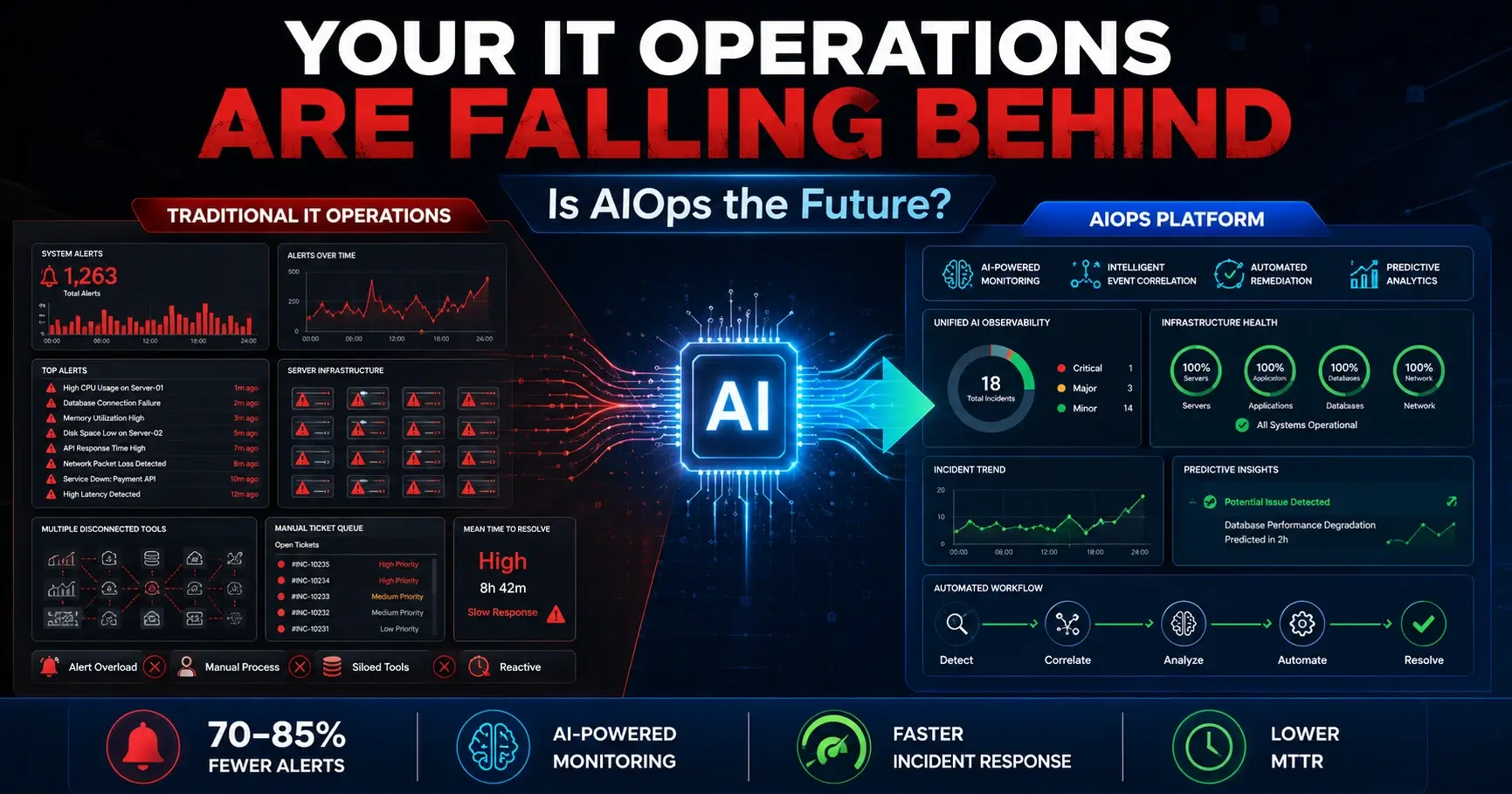

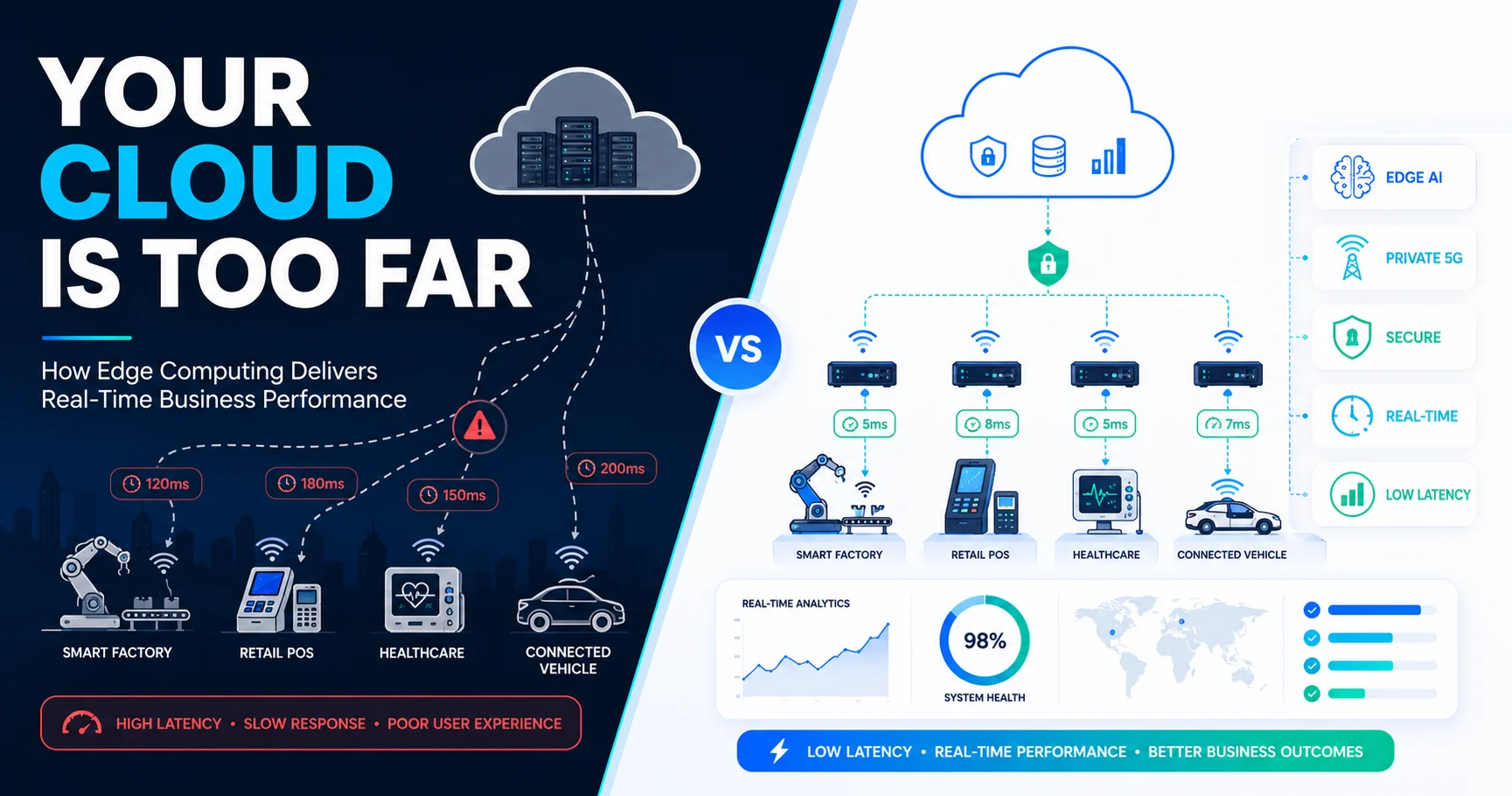

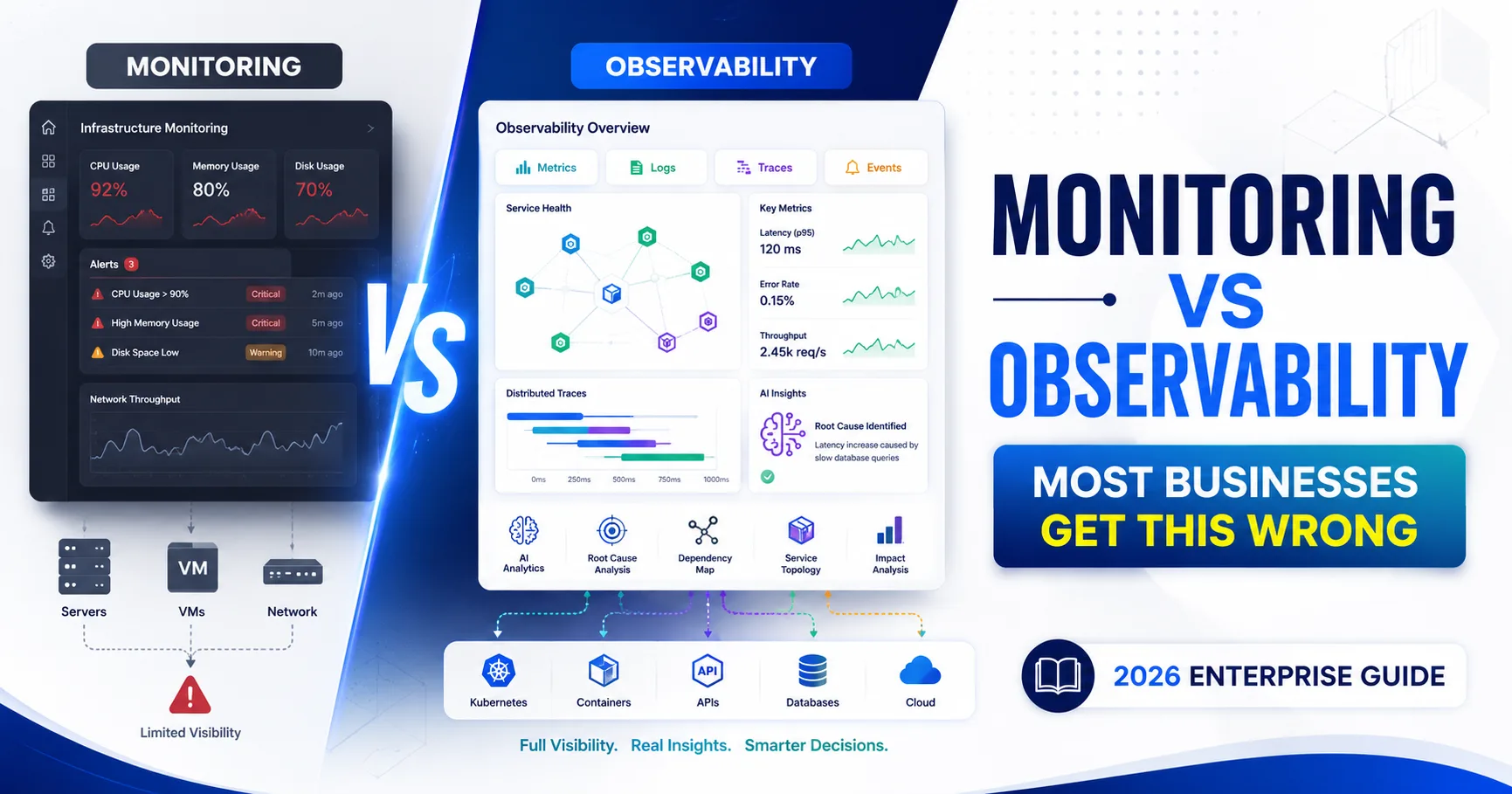


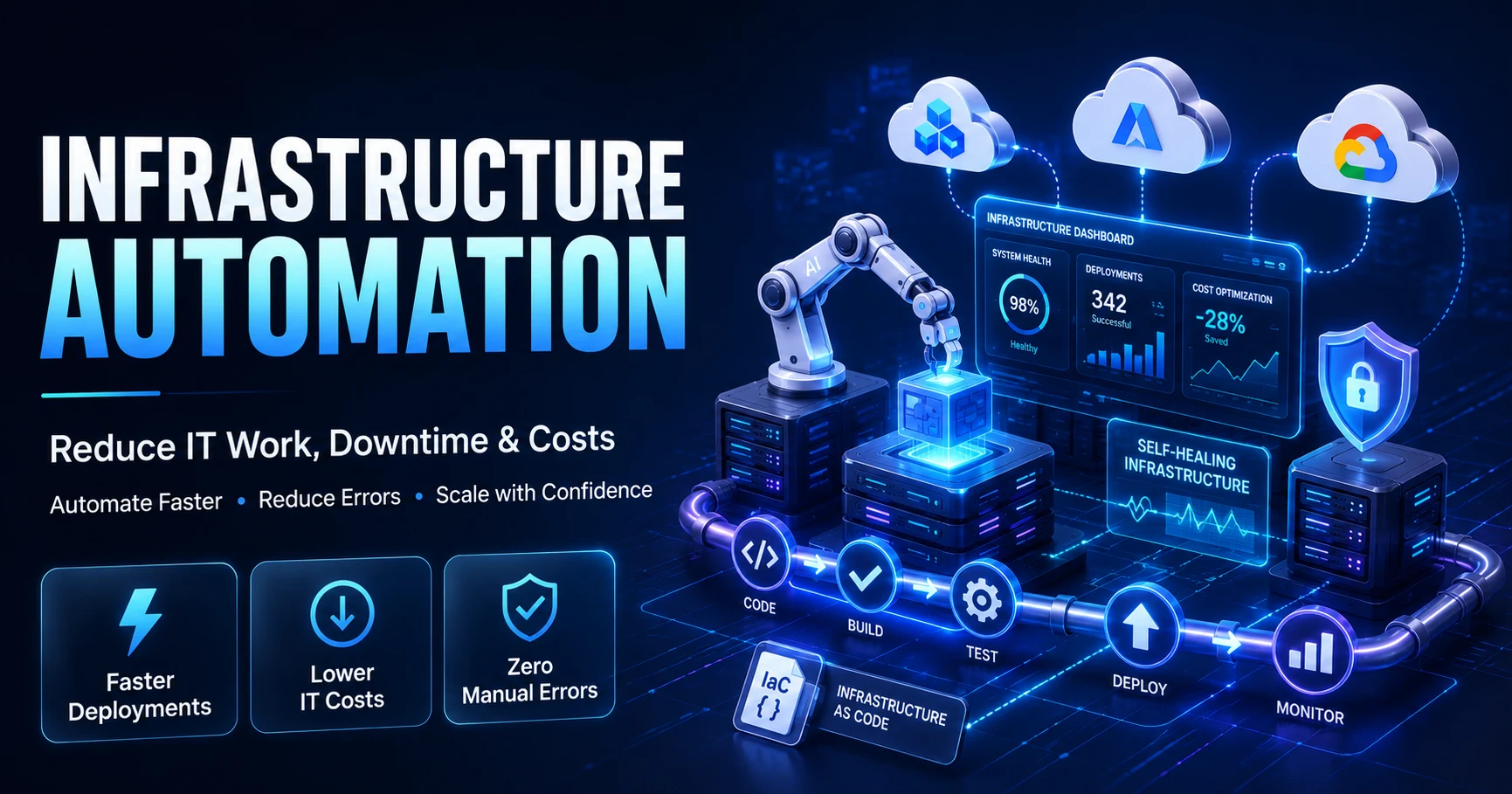


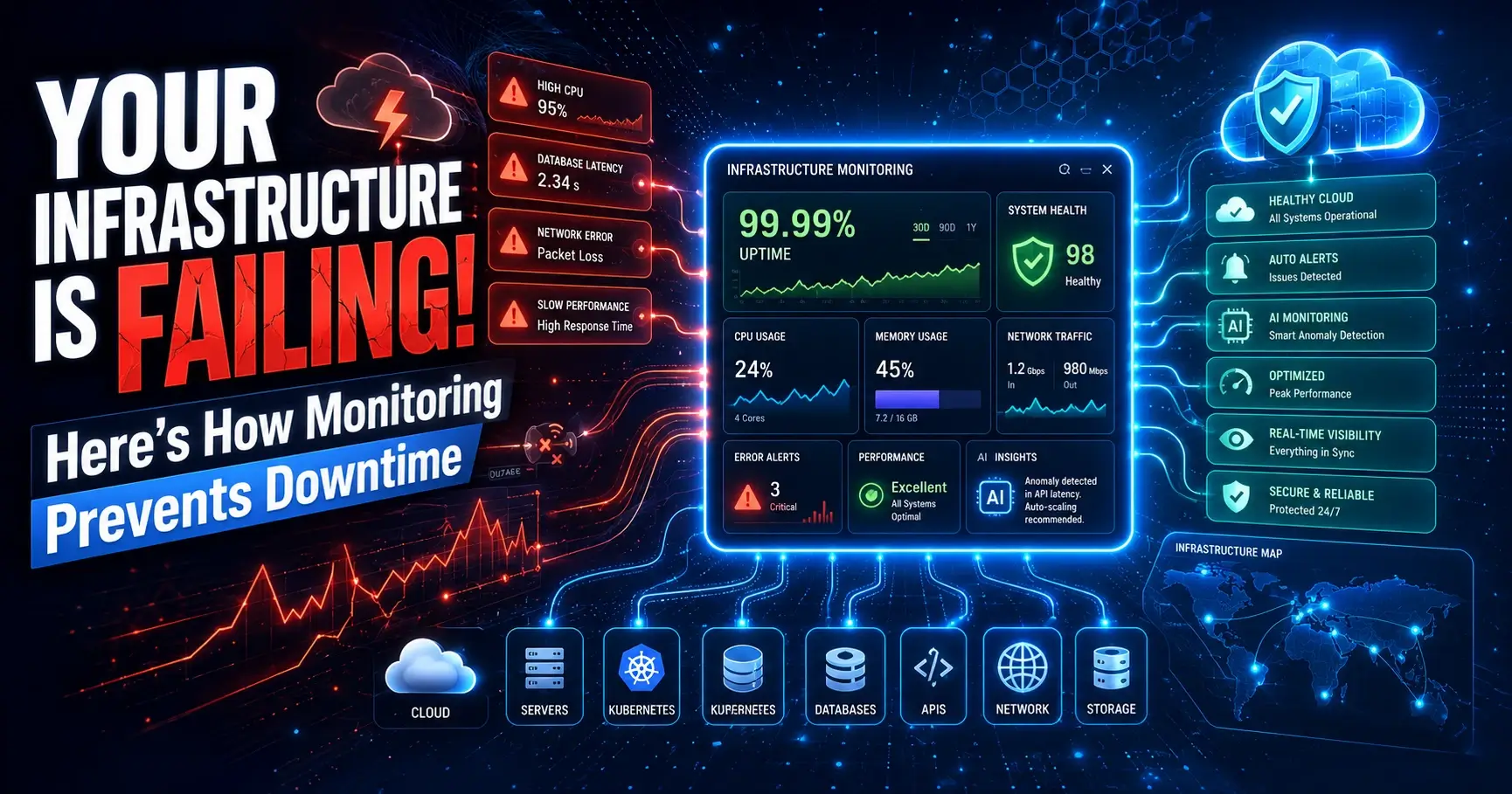
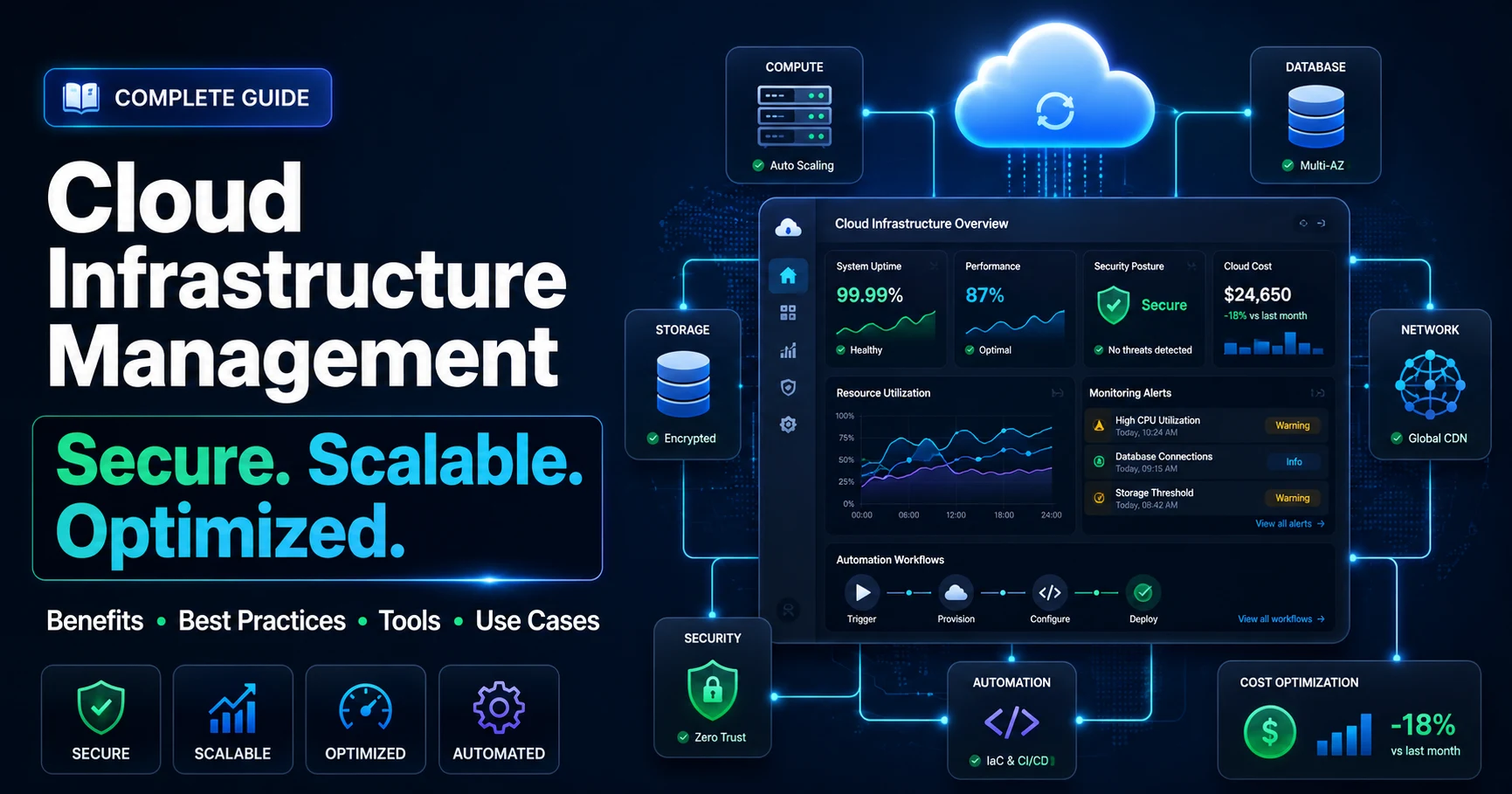
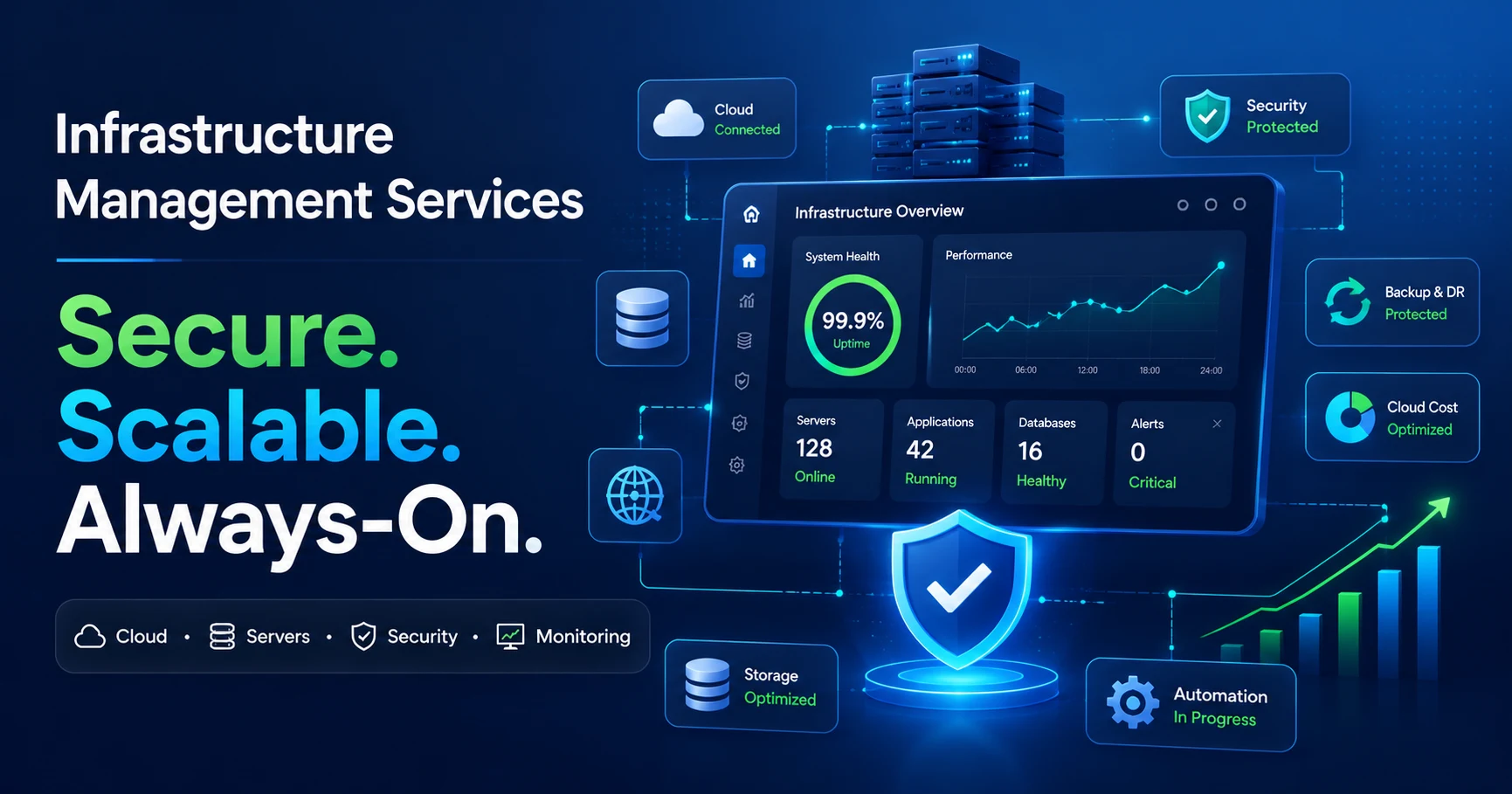
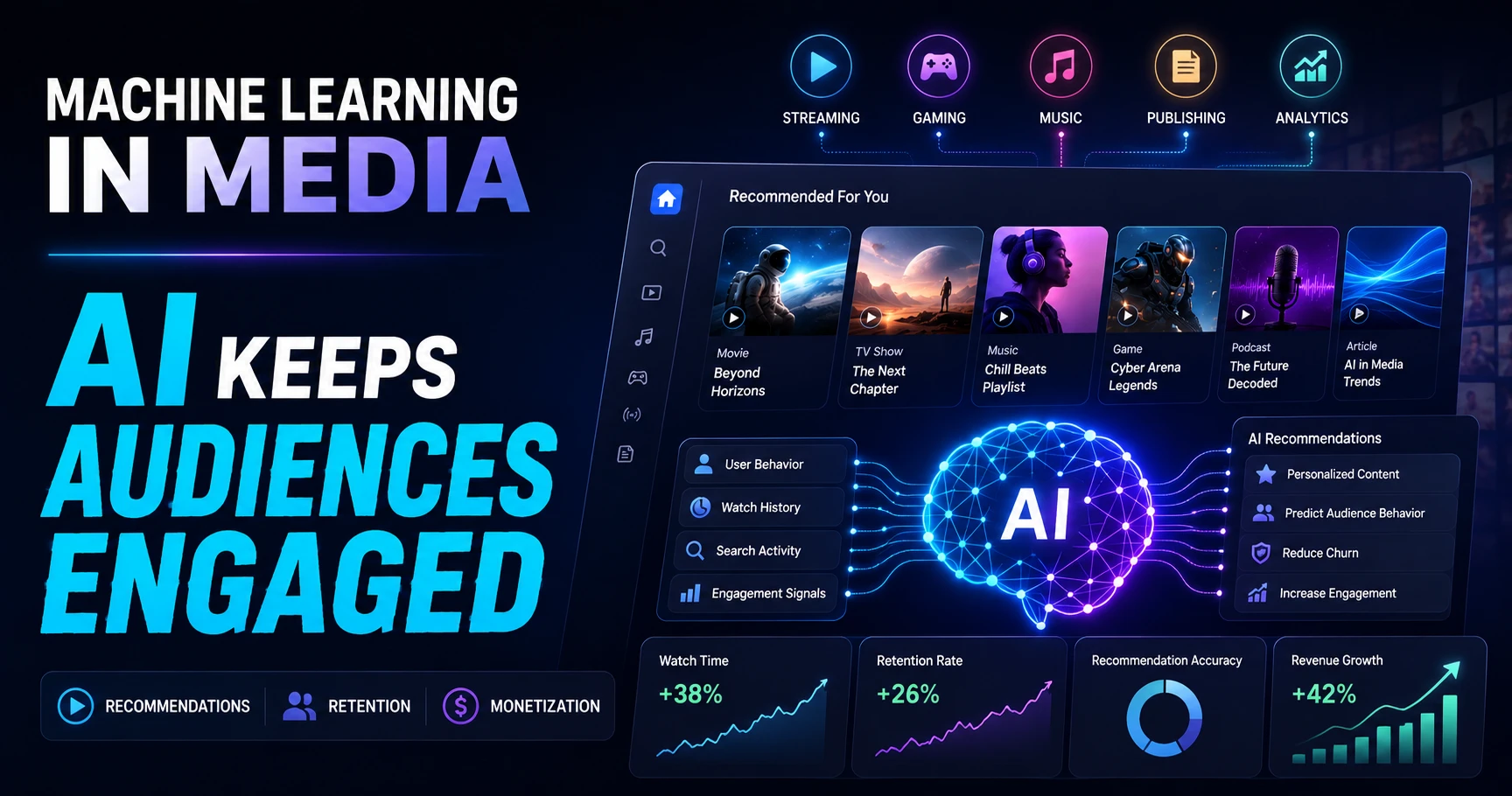
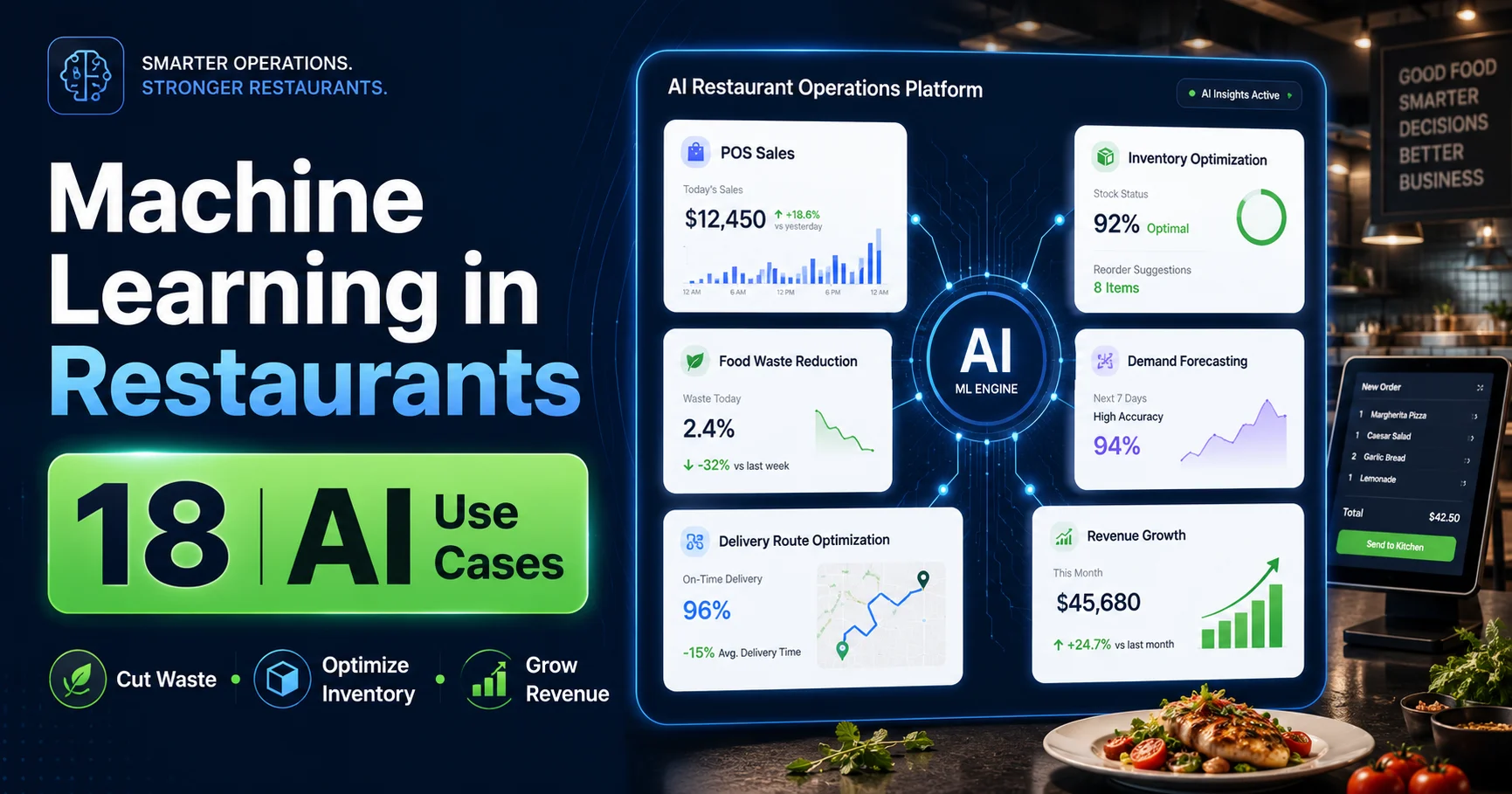





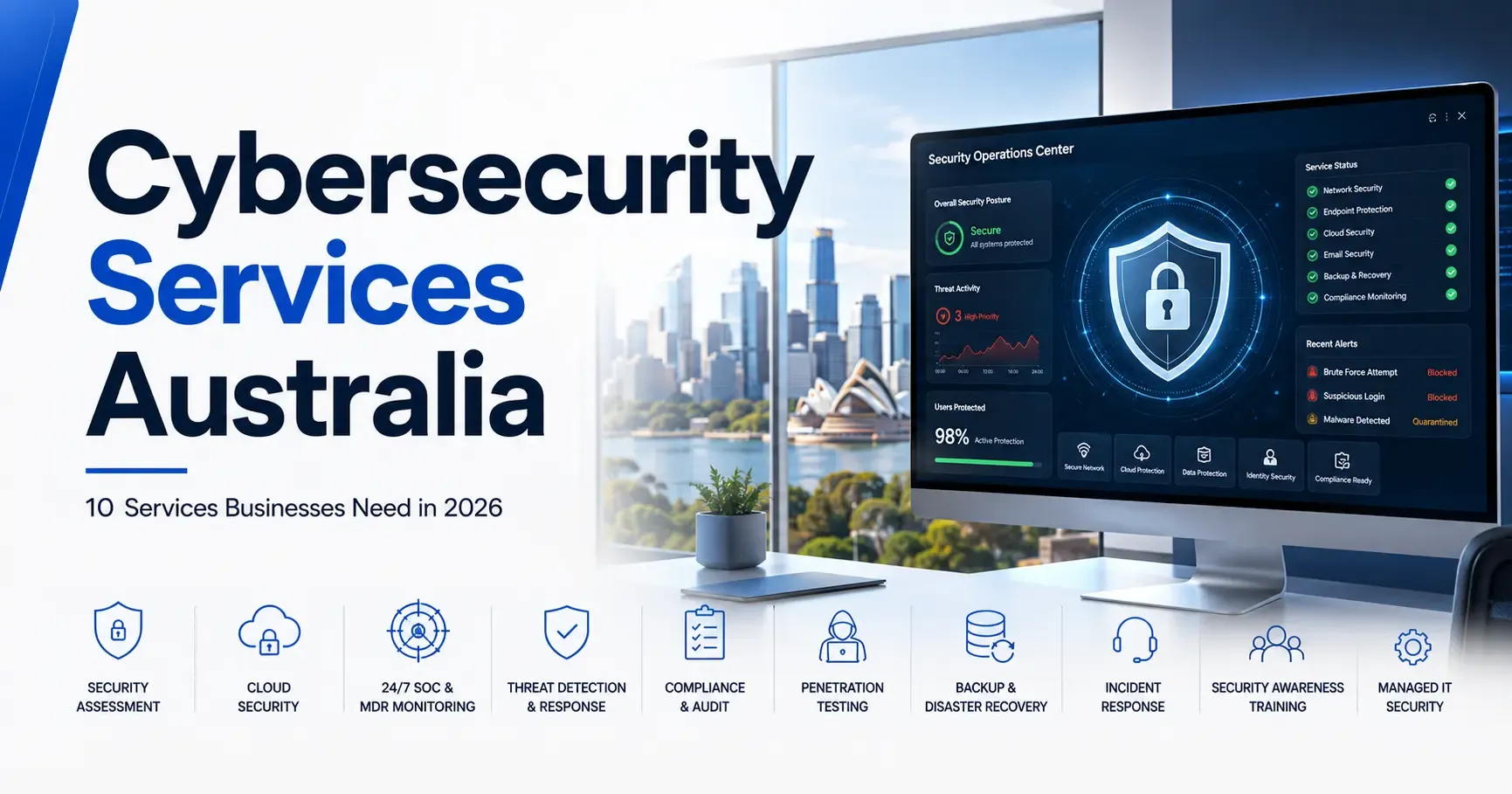
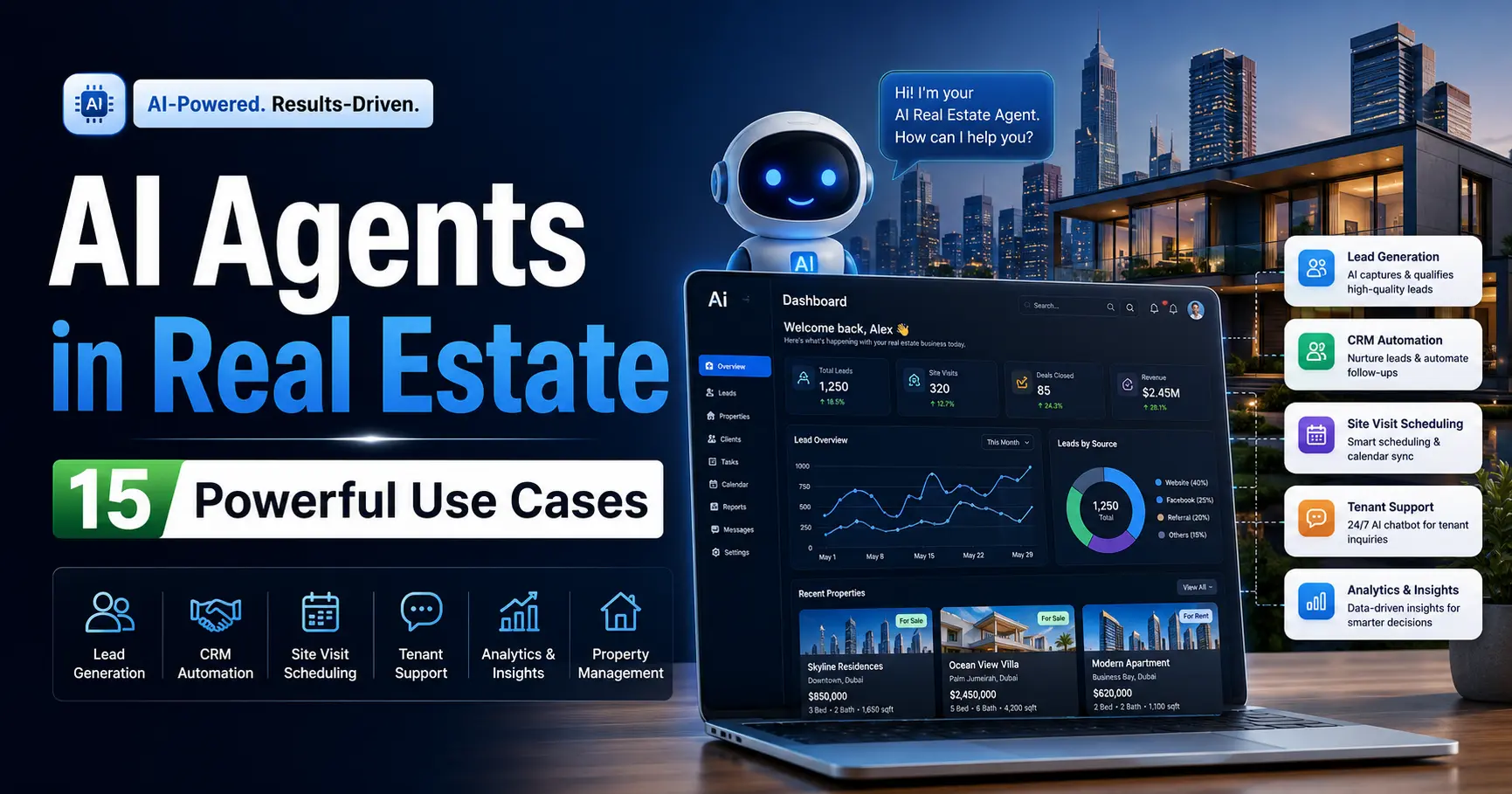





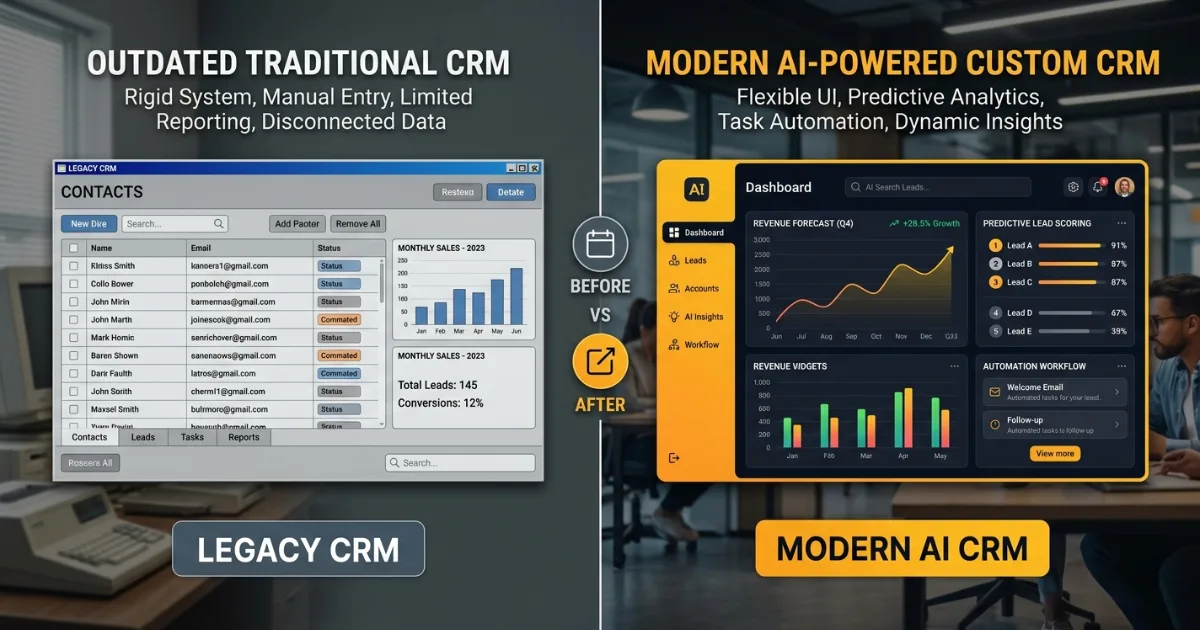

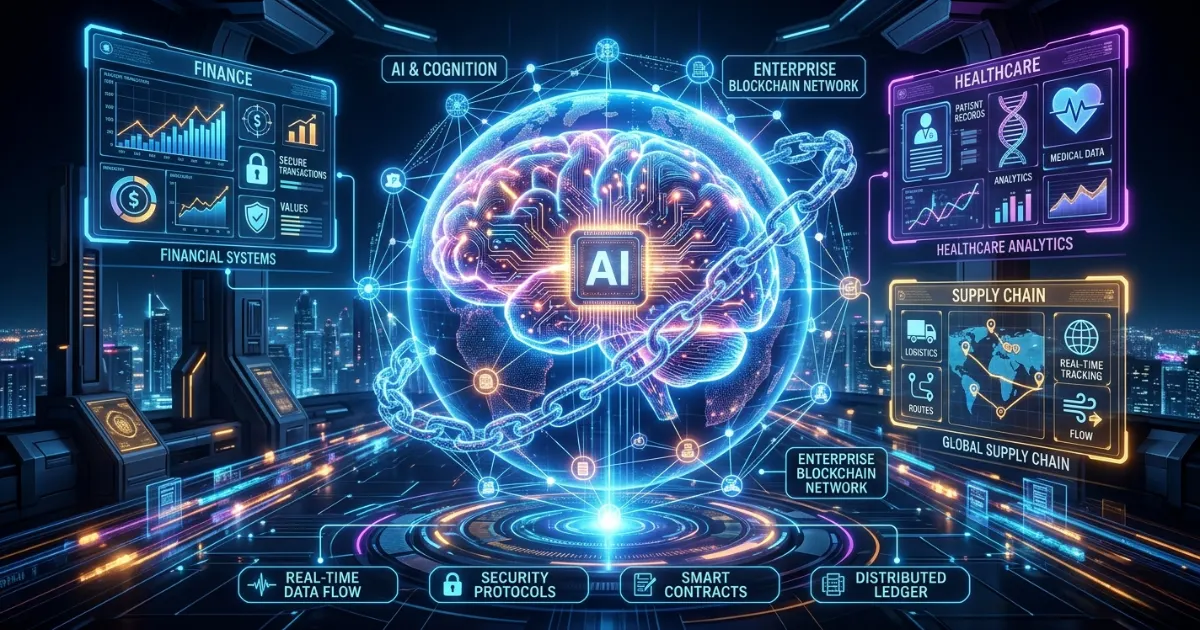


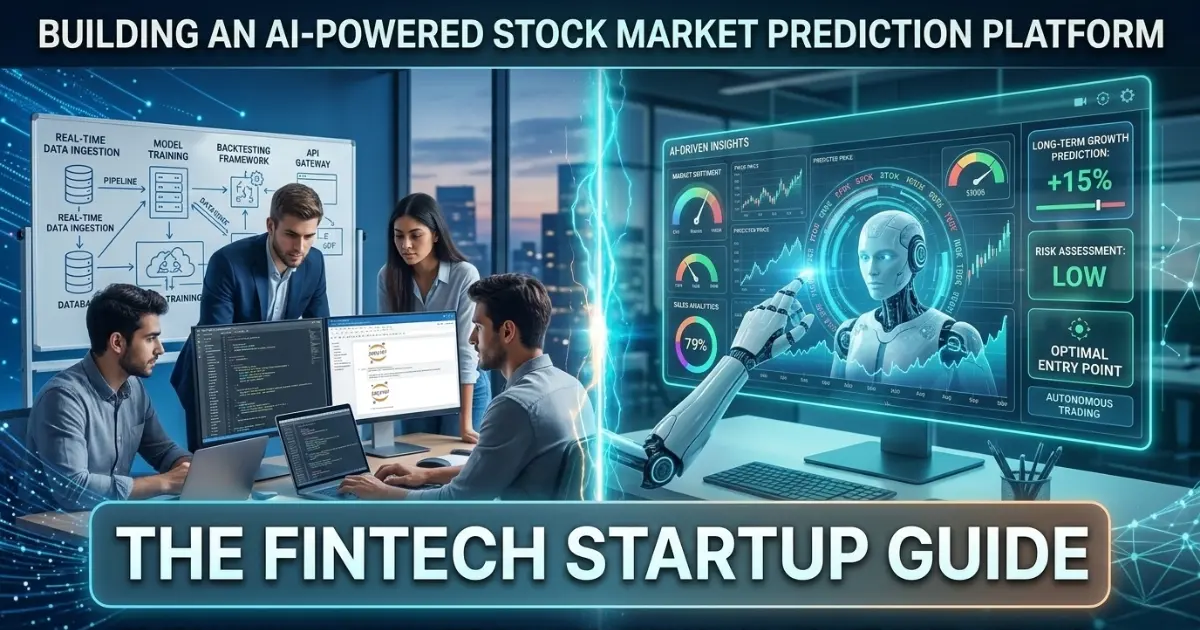








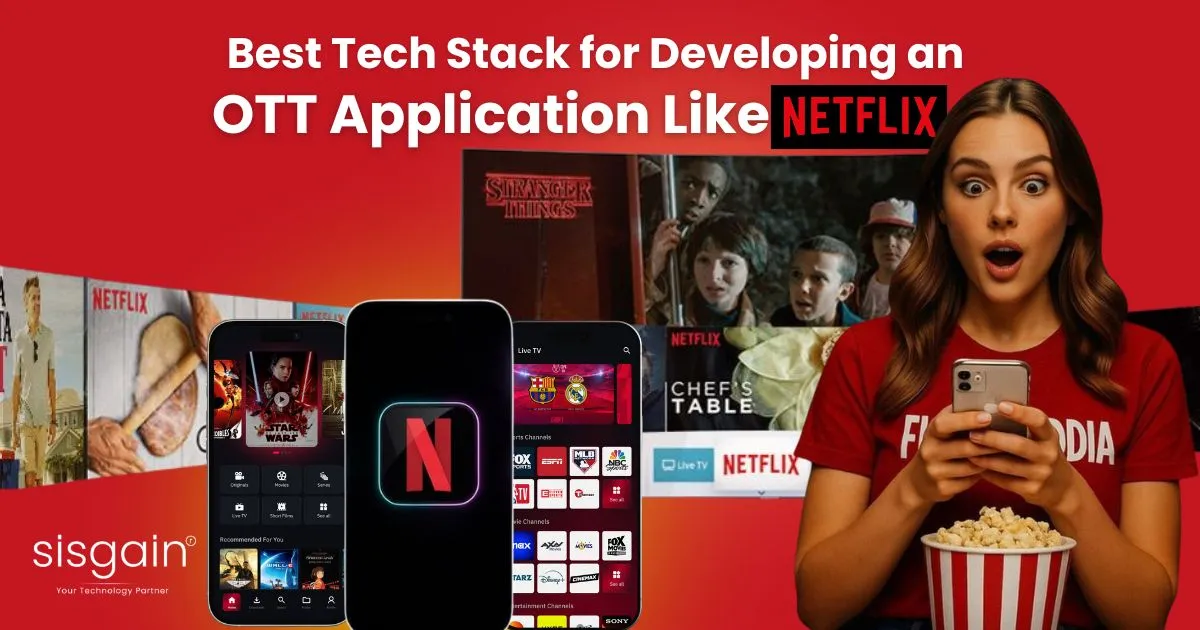

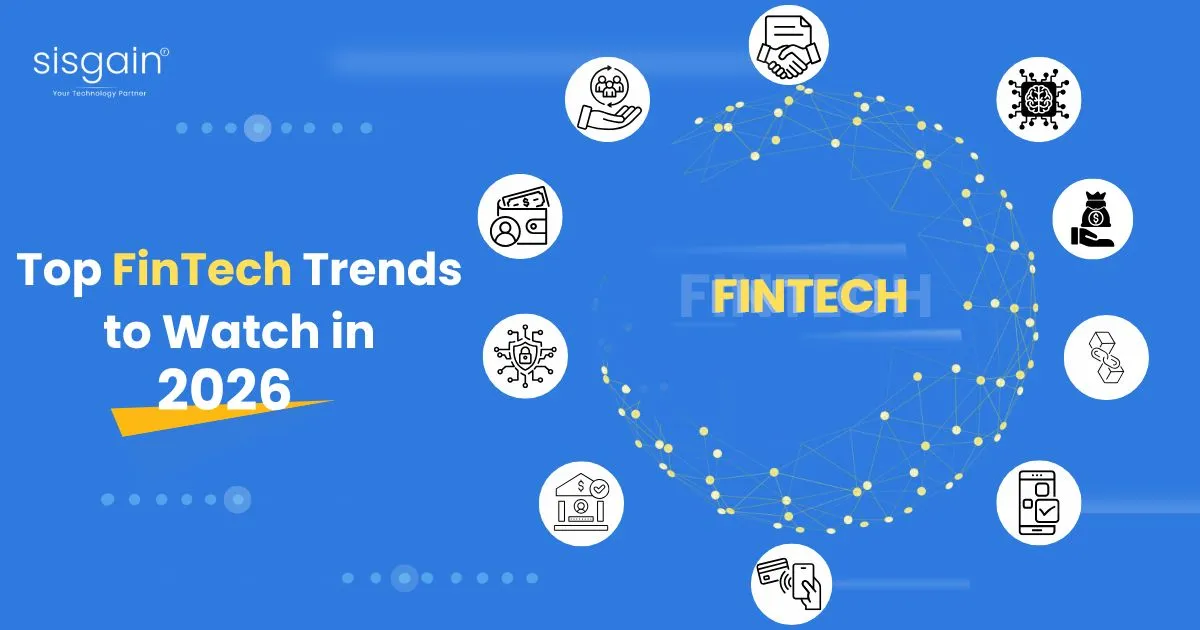
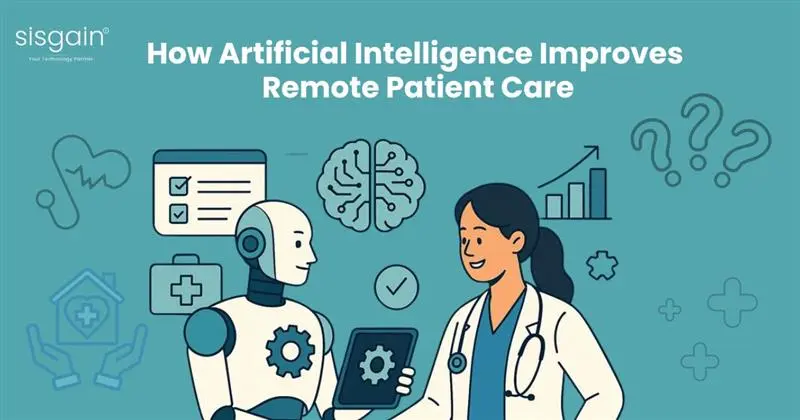





















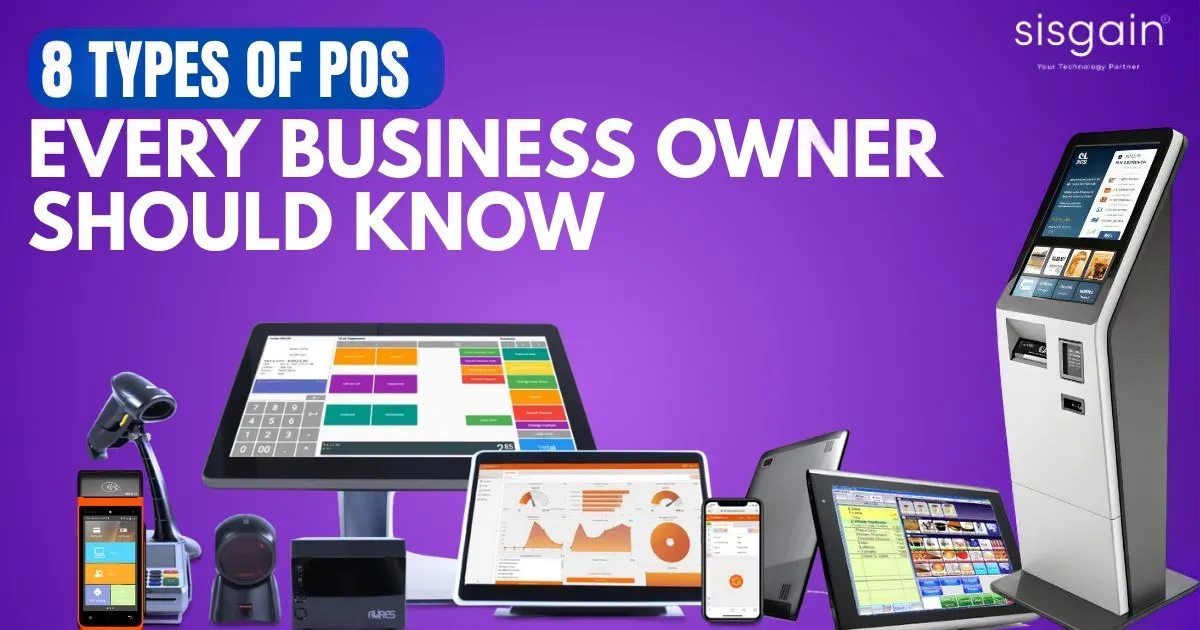













Start Build Your
Next Digital Solution?
Let’s build scalable, future-ready digital solutions tailored to your business goals. Connect with our experienced technology consultants to discuss your vision, strategy, and growth opportunities — with zero obligation and complete transparency.
Get a free consultation and cost estimate for your digital solution
Our expert will contact you within 24 hours. Check your email for confirmation.
Partner with SISGAIN experts to build secure, scalable AI-powered IT Solutions that transform your business operations.









DUQE FREEZONE Quarter Deck, Queen Elizabeth 2, Mina Rashid, Dubai, UAE

100 Consilium Pl Suite 200, Scarborough, ON M1H 3E3, Canada

C-109, Sector 2, Noida, Uttar Pradesh 201301 India
Project quotes, partnerships, implementation
Open roles, referrals, campus hiring