
 +1 844-445-5767
 +971 56-848-5757
 +91 921-208-0630
For Business & Service Inquiries
Sales Team
Project quotes, partnerships, implementation
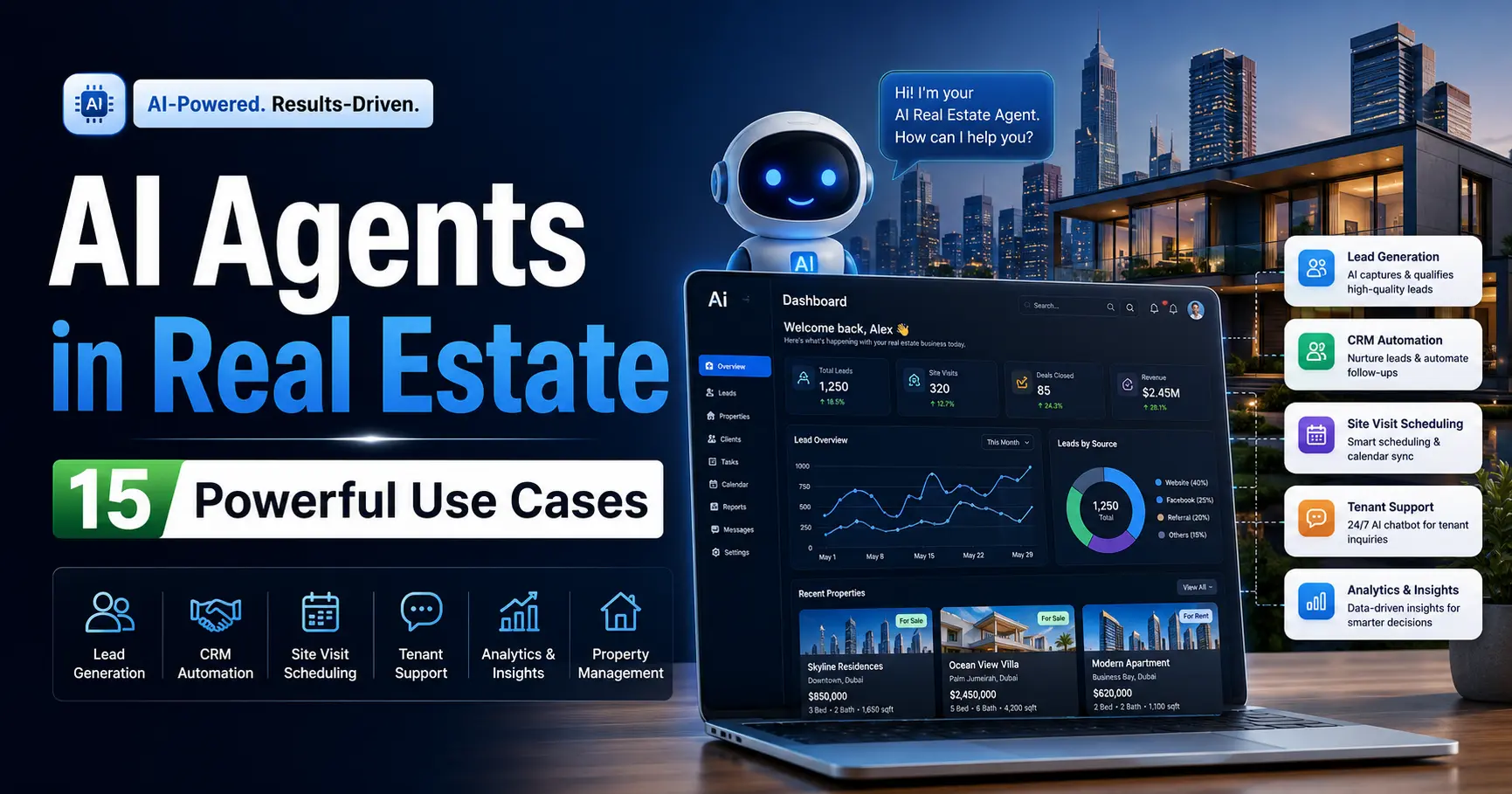
AI agents are quietly reshaping how real estate businesses run. They handle leads, answer customer questions, support tenants, manage listings, and take care of daily operations that used to eat up hours of staff time. The use of AI in real estate has moved past simple chatbots that only reply with canned answers. Today's AI agents can understand what a user actually wants. They connect with your CRM and property databases, recommend the right listings, schedule site visits, send timely follow-ups, and automate repetitive workflows without human help. That difference matters. A basic bot gives information. An AI agent gets work done. For brokers, property managers, builders, and PropTech companies, this opens real opportunities. AI agents improve response time, cut manual work, lift lead conversion, and create a smoother experience for buyers and tenants alike. Following current AI Trends, more real estate teams now invest in a Custom AI solution built around their exact sales and service needs. In this guide, you'll learn what AI agents are, why they matter, the top 15 use cases driving business growth, and how to build your own. Quick Answer: The top use cases of AI agents in real estate include lead generation, lead qualification, property recommendations, site visit scheduling, CRM automation, customer support, tenant support, leasing automation, property management, real estate marketing, document management, property valuation, and investor analysis. What Are AI Agents in Real Estate? AI agents in real estate are intelligent software systems that handle tasks on their own. Unlike a simple script, they can read user intent, make decisions, and complete multi-step actions across your tools. In practice, AI in real estate helps automate everyday jobs such as: Answering customer questions Qualifying leads Recommending properties Scheduling site visits Managing tenant requests Updating CRM data What makes them powerful is reach. An AI agent can work across your website, mobile app, WhatsApp, email, CRM platform, and property management system at the same time. A buyer might start a chat on WhatsApp, get matched to listings, and book a visit, all without a single staff member stepping in. Many businesses partner with an AI agent development service to build and train these systems on their own property data and rules. The result is an assistant that knows your inventory, your process, and your customers. Why AI Agents Are Important for Real Estate Businesses Real estate runs on speed and trust. Buyers, tenants, and investors expect quick answers, and the business that responds first usually wins the deal. That's where an AI automation solution earns its place. Here's why AI agents have become essential: Buyers want instant property answers. A delayed reply often means a lost lead. AI agents respond in seconds, day or night. Brokers need faster lead qualification. Sorting serious buyers from casual browsers by hand wastes time. AI agents do it automatically. Property managers need better tenant support. Maintenance requests and complaints pile up fast. AI handles intake and routing. Builders need automated inquiry handling. New projects draw heavy interest. AI agents capture and qualify every inquiry. Real estate teams waste time on repetitive follow-ups. Reminders, status updates, and check-ins can run on autopilot. Users expect personalized property recommendations. Generic lists no longer satisfy buyers who want options that fit their needs. Businesses need better data and automation. Clean records and connected systems make smarter decisions possible. In short, AI in real estate frees your team to focus on closing deals while the routine work runs in the background. Top Use Cases of AI Agents in Real Estate This is the heart of the matter. Below are 15 practical ways real estate businesses use AI agents to grow, each with a clear business benefit. 1. AI Agents for Real Estate Lead Generation AI agents capture leads everywhere your buyers are: websites, landing pages, paid ads, WhatsApp, and social media. The moment a visitor shows interest, the agent starts a friendly conversation. It asks the right questions about budget, preferred location, property type, buying timeline, and purpose. Then it scores each lead based on intent and pushes high-intent buyers straight to your sales team while the interest is still hot. Business benefit: More qualified leads and less manual follow-up. 2. AI Agents for Lead Qualification Not every visitor is ready to buy. An AI agent figures out whether someone is a serious buyer, a casual browser, a tenant, an investor, or a seller, all through natural conversation. It asks questions like: What is your budget? Are you looking to buy or rent? Which location do you prefer? When are you planning to move? Do you need home loan support? Based on the answers, it sorts and tags each lead. Business benefit: Sales teams focus only on high-quality leads. 3. AI Agents for Property Recommendations AI agents match buyers to the right listings using budget, city, area, property size, amenities, lifestyle, family needs, and investment goals. The suggestions feel personal, not random. For example, if a user wants a 2BHK near schools and metro access, the AI agent can instantly pull up suitable listings that fit those exact filters, complete with prices and key details. Business benefit: Better user experience and higher conversion. 4. AI Agents for Site Visit Scheduling Booking a property visit usually involves back-and-forth messages. AI agents remove that friction. They check broker availability, suggest open time slots, confirm the booking, and send reminders to both sides. If something changes, the agent reschedules and notifies everyone. Brokers get alerts so they're always prepared. Business benefit: Fewer missed visits and better sales coordination. 5. AI Agents for CRM Automation Manual CRM updates are tedious and often skipped. An agentic AI-powered CRM automatically updates records after every interaction, ensuring your data remains accurate, complete, and up to date without manual effort. A single conversation can log: Lead details Budget Preferred location Property type Conversation history Follow-up date Lead score Sales status This is real estate automation with AI agents at its most practical. Business benefit: Clean CRM data, better sales tracking, and more reliable forecasting. 6. AI Agents for Real Estate Customer Support Customers ask the same questions over and over. An AI chatbot for real estate business handles them around the clock, covering property availability, price, location, amenities, booking process, documents required, and payment plans. This keeps buyers informed at any hour, even when your office is closed. Business benefit: Faster response time and reduced support workload. 7. AI Agents for Property Management Property managers juggle dozens of moving parts. An AI automation solution helps by handling tenant communication, rent reminders, maintenance requests, complaint tracking, lease renewal reminders, and inspection updates. Tenants get quick replies, and managers spend less time chasing tasks. AI for property management turns scattered work into a smooth, organized flow. Business benefit: Better tenant experience and lower operational workload. 8. AI Agents for Tenant Support Tenants want fast help. AI agents answer their questions, collect maintenance complaints, assign tickets, send updates, and notify property managers when needed. For example, a tenant reports an AC issue. The AI agent gathers the details, creates a maintenance ticket, assigns it to the right vendor, and keeps the tenant updated through every step. Business benefit: Faster issue resolution. 9. AI Agents for Leasing Automation Leasing involves a lot of paperwork and steps. AI agents automate lease inquiries, document collection, tenant screening, rent agreement reminders, renewal alerts, and move-in support. Each stage flows into the next without manual handoffs, so deals close faster. Business benefit: Faster leasing process and fewer manual delays. 10. AI Agents for Real Estate Marketing Marketing eats up creative hours. AI agents help produce property descriptions, email campaigns, social media captions, WhatsApp messages, ad copy, and personalized follow-up content. Teams launch campaigns quicker and tailor messages to each audience segment. Business benefit: Faster marketing execution and better campaign personalization. 11. AI Agents for Real Estate Investors Investors need data, not guesswork. AI agents help compare properties, analyze rental yield, estimate ROI, review location demand, and understand market patterns. Staying on top of current AI Trends, these tools surface insights that would take hours to gather by hand. Business benefit: Better investment decisions. 12. AI Agents for Document Management Documents slow many deals down. AI agents collect, organize, and verify files such as ID proof, address proof, income documents, lease agreements, property papers, and payment receipts. They flag missing items and keep everything in order. Business benefit: Faster documentation and reduced errors. 13. AI Agents for Property Valuation Support Pricing a property correctly takes research. AI agents support valuation by analyzing location, property size, amenities, nearby facilities, rental demand, historical pricing, and market data. The result is a clear pricing picture you can trust. Business benefit: Better pricing insights. 14. AI Agents for Builder and Developer Projects Builders handle high volumes of project inquiries. AI agents answer project questions, explain floor plans, share brochures, collect buyer details, schedule site visits, and follow up with prospects automatically. Every interested buyer gets attention, even during peak launch periods. Business benefit: Better project sales support. 15. AI Agents for Real Estate Mobile Apps and Websites A well-built AI agent lives inside your digital channels. Integrated into your real estate website and mobile app, it guides users, recommends properties, answers questions, and keeps people engaged longer. When combined with real estate software development services, it creates a seamless and highly personalized experience across all customer touchpoints. A Custom AI solution from an experienced AI agent development service ensures the assistant fits your brand, data, and user journey. Business benefit: Better digital experience and more conversions. AI Chatbot vs AI Agent in Real Estate People often mix up chatbots and AI agents, but they're not the same thing. A chatbot answers basic questions. An AI agent completes real tasks across your systems. Feature AI Chatbot AI Agent Main function Answers basic questions Completes full real estate tasks Lead qualification Limited or none Scores and sorts leads automatically CRM update Manual Updates records after each interaction Property recommendation Generic or none Personalized to user needs Site visit scheduling Not supported Books, reminds, and reschedules Follow-up Manual Automated and timely Best use Simple FAQs End-to-end sales and service workflows The takeaway is simple. A chatbot is a helpful front desk. An AI agent is a working team member that qualifies leads, updates your CRM, recommends properties, schedules visits, and runs follow-ups on its own. Benefits of AI Agents in Real Estate When AI in real estate is set up well, the gains show up across the business. Here's what an AI automation solution delivers: Faster lead response Better lead qualification More personalized property search Lower manual workload Better CRM management Improved tenant support Faster leasing process Better customer experience Higher sales productivity Improved decision-making In short, you serve customers faster, free your team for high-value work, and close more deals with less effort. How to Build AI Agents for Real Estate Businesses Building an AI agent isn't about plugging in a generic tool. It works best when designed around your specific goals. Here's a clear five-step process. 1. Identify the Business Use Case Start with one clear goal. Decide whether you need help with lead generation, property management, leasing, customer support, or CRM automation. A focused use case delivers faster results than trying to do everything at once. 2. Connect Real Estate Data Your AI agent is only as smart as the data it can reach. Connect it to your property listings, CRM, website forms, WhatsApp, email, or mobile app. These connections let the agent act on real, current information. 3. Design AI Workflows Map out how the agent should behave. Build workflows for lead capture, site visit booking, follow-ups, support ticket handling, and reporting. Each workflow should mirror the steps your team already follows. 4. Develop and Train the AI Agent Now build the agent around your business rules, expected user intent, and real estate data. Training on your own listings and processes makes the agent accurate and reliable. 5. Test and Launch Before going live, test everything. Check the responses, automation flows, CRM updates, and overall user experience. Fix gaps, then launch with confidence. A skilled AI agent development service can guide each step and deliver a Custom AI solution tuned to your operation. Why Real Estate Businesses Need a Custom AI Solution No two real estate businesses run the same way. A property broker may need lead qualification and follow-up automation. A property management company may need tenant support and maintenance ticket automation. A builder may want project inquiry handling and site visit booking. A one-size-fits-all tool rarely covers these differences. A Custom AI solution lets you build AI agents around your exact workflow, CRM, property data, customer journey, and business goals. The payoff is an AI agent that feels like part of your team, not a generic add-on. It speaks your brand's language, follows your process, and connects to the tools you already use. That fit is what turns automation into real growth. Future AI Trends in Real Estate The pace of change keeps rising. Watching the latest AI Trends helps your business stay ahead of competitors. Here's where things are heading: AI agents for end-to-end sales automation, handling the full journey from first contact to closing AI-powered property recommendations that get sharper with every interaction AI voice agents for real estate calls, answering and qualifying callers naturally AI-based tenant support that resolves common issues without staff AI property valuation support for faster, data-backed pricing AI-powered CRM automation that keeps records clean automatically AI for predictive property investment, spotting opportunities before they peak AI agents inside real estate mobile apps, guiding users in real time Businesses that adopt these trends early will set the standard for customer experience. How SISGAIN Can Help With AI Agent Development Service SISGAIN provides expert AI agent development service and Custom AI solution development built for real estate businesses, brokers, builders, property managers, and PropTech startups. Whether you want to capture more leads or run smoother operations, SISGAIN designs AI agents around your exact needs. SISGAIN can build AI agents for: Lead generation Lead qualification Property recommendations CRM automation Site visit scheduling Tenant support Leasing automation Real estate mobile apps Property management software If you're ready to cut manual work, respond to buyers faster, and convert more leads, now is the time to act. Partner with SISGAIN to build a custom AI agent for real estate automation that fits your business and drives real growth. Reach out today and turn your daily workflows into automated, revenue-generating systems. Key Takeaways AI agents in real estate help automate lead generation, customer support, leasing, and property management. Unlike basic chatbots, AI agents can complete tasks such as CRM updates, site visit scheduling, and personalized property recommendations. Real estate businesses can use AI agents to reduce manual work, improve response time, and increase lead conversions. A Custom AI solution is more effective than a generic tool because every real estate business has different workflows and customer journeys. Working with an AI agent development service helps businesses build secure, scalable, and business-specific AI solutions.
Picture a traveler planning an international vacation without browsing dozens of websites, comparing hundreds of hotel listings, or spending hours researching destinations. Today, artificial intelligence makes that possible. From personalized travel recommendations and AI-powered itinerary creation to intelligent customer support and autonomous booking assistants, AI in the travel industry is rapidly changing how people explore the world and how travel companies operate. As customer expectations grow and competition intensifies, travel businesses are investing in AI to improve experiences, streamline operations, and unlock new revenue. This guide walks you through how artificial intelligence in tourism works, the practical use cases driving results, real business benefits, implementation steps, common challenges, and what the future holds. Key Takeaways AI is transforming every stage of the traveler journey, from trip planning to post-travel engagement. Travel businesses use AI to improve personalization, automate customer service, optimize pricing, and increase revenue. Generative AI, multimodal AI, and AI agents are becoming competitive advantages for travel companies worldwide. Companies investing in AI today gain operational efficiency, higher customer satisfaction, and stronger market positioning. The future of travel will be driven by intelligent, predictive, and hyper-personalized AI experiences. What Is Artificial Intelligence in Travel? Defining AI in the Travel Industry Artificial intelligence in travel covers a family of technologies that help companies understand travelers, automate decisions, and deliver smarter experiences. Here's what powers it: AI in tourism broadly: software that learns from data to plan, predict, and personalize travel experiences. Machine learning in travel: algorithms that improve over time by analyzing booking patterns, search behavior, and customer preferences. Natural language processing: technology that lets travel chatbots understand and respond to human language across channels. Predictive analytics: models that forecast demand, pricing shifts, and traveler behavior. Computer vision: image recognition used for destination search, identity verification, and smart check-in. Generative AI applications: systems that produce itineraries, travel guides, and conversational responses on demand. Autonomous AI agents: tools that plan and book trips with minimal human input. Why AI Matters for Modern Travel Businesses The travel market rewards speed, relevance, and convenience. AI helps deliver all three. Rising customer expectations: travelers want instant, tailored answers, not generic results. Growing digital competition: OTAs, startups, and global platforms compete on experience. Need for personalization: one-size-fits-all marketing no longer converts. Operational efficiency requirements: automation cuts costs and frees staff for higher-value work. Data-driven decision making: AI turns scattered booking data into clear strategy. What is artificial intelligence in travel?Artificial intelligence in travel refers to the use of machine learning, predictive analytics, natural language processing, and automation technologies to improve travel planning, booking, customer service, pricing, and operational efficiency. Why AI Is Becoming Essential in the Travel Industry The Digital Transformation of Tourism Travel has shifted decisively toward digital channels, and AI sits at the center of that shift. Digital-first travelers now research, compare, and book primarily online. Self-service booking has become the norm, raising the bar for fast, accurate tools. Mobile-first travel planning means experiences must work seamlessly on small screens. Intelligent travel platforms use AI to anticipate needs before travelers even ask. For travel brands, the message is clear: meeting customers where they are now requires intelligent automation. Key Industry Challenges AI Solves Each of these solutions delivers measurable returns, which we'll break down next. Top Use Cases of AI in Travel Industry AI-Powered Travel Planning and Itinerary Generation AI removes the friction from trip planning by building complete, personalized journeys in seconds. Personalized itineraries based on interests, budget, and travel style. Destination recommendations matched to past behavior and seasonality. Activity suggestions tailored to each day of the trip. Budget optimization that balances cost and experience. Many companies now build AI-powered itinerary systems with an AI Software Development Company to deliver these experiences at scale. Intelligent Travel Chatbots and Virtual Assistants Travel chatbots and virtual assistants handle high volumes of routine requests without slowing down. What they cover: 24/7 support across time zones Booking assistance and modifications Travel FAQs and policy questions Multi-language communication The business benefits are immediate: Faster support that reduces wait times Lower operational costs through automation Improved customer satisfaction with consistent, instant answers A common mistake to avoid: deploying a chatbot without clear escalation paths to human agents. The best systems blend automation with easy human handoff. AI-Based Dynamic Pricing Systems Dynamic pricing is one of the highest-ROI applications of AI in tourism. It applies across: Airlines Hotels Vacation rentals Cruise companies So what does this mean for your business? Smarter pricing protects margins during low demand and captures more revenue during peak periods, without manual guesswork. Personalized Recommendations and Customer Experiences Recommendation engines learn what each traveler likes and surface the right options at the right moment. Hotel recommendations matched to preferences and past stays Attraction recommendations based on location and interests Restaurant suggestions aligned with cuisine and budget Personalized offers that boost conversions and loyalty Personalization is no longer a bonus. It directly drives bookings and repeat business. Predictive Analytics for Travel Demand Forecasting Predictive analytics helps travel companies plan ahead with confidence. Capacity planning to match supply with expected demand Revenue forecasting for sharper financial planning Destination popularity prediction to guide marketing spend Workforce management to staff efficiently during peaks AI-Powered Fraud Detection and Security Fraud and chargebacks cost the travel industry billions each year. AI strengthens defenses by analyzing patterns in real time. Booking fraud detection that flags suspicious activity Payment security with anomaly detection Risk assessment that protects both customers and revenue Generative AI in Travel: The New Era of Customer Engagement What Is Generative AI in Travel? Generative AI in travel uses large language models to create original content and conversations rather than just retrieving stored answers. LLMs that understand context and generate natural responses Travel assistants that converse like a knowledgeable agent AI content generation for guides, descriptions, and offers Conversational booking systems that complete reservations through chat How Generative AI Is Improving Traveler Experiences The applications are practical and already in market: Instant itinerary creation built around a traveler's request Personalized travel guides generated for each destination Travel content generation at scale for marketing teams Customer communication that feels human and responsive Real Business Benefits Higher engagement across digital channels Increased conversions from tailored recommendations Reduced support workload through automation Better traveler satisfaction and loyalty Many travel brands now explore Generative AI in Travel Solutions to turn these benefits into competitive advantage. How Multimodal AI Is Transforming Travel Experiences What Is Multimodal AI? Multimodal AI in travel combines several types of input and output into one seamless experience: Text Images Voice Video Maps This lets travelers interact naturally, whether they type, speak, or share a photo. Travel Use Cases Image-based destination search: snap a photo and find similar places to visit. Voice travel assistants: plan and book hands-free. Real-time translation: break language barriers instantly. Smart travel companions: combine maps, recommendations, and chat in one tool. Companies building these experiences often rely on Multimodal AI Development Services to integrate multiple data types reliably. AI Applications Across Different Travel Segments AI delivers value across every part of the travel ecosystem. Here's how it plays out by segment. Airlines Revenue management through dynamic pricing Route optimization for efficiency and profitability Predictive maintenance to reduce delays and downtime Hotels Smart check-in that speeds up arrivals Personalized guest experiences tailored to preferences AI concierge services available around the clock Online Travel Agencies Recommendation engines that lift conversions AI search that understands intent Booking optimization for higher completion rates Tour Operators Dynamic itinerary creation for flexible trips Customer personalization across touchpoints Marketing automation that scales outreach Travel Startups AI-first business models built for speed Travel marketplaces powered by intelligent matching Virtual travel assistants as core products Cost of Implementing AI in Travel Industry Budgets vary widely depending on scope and complexity. Use the ranges below as planning benchmarks. Factors Affecting Cost Data availability: clean, accessible data lowers cost and risk. AI complexity: advanced models require more development and tuning. Integration requirements: connecting to legacy systems adds effort. Scalability needs: higher volumes demand more robust infrastructure. Security compliance: regulated data raises the bar for governance. How to Successfully Implement AI in Travel Business A structured rollout reduces risk and speeds up returns. Follow these six steps. Step 1: Identify Business Objectives Define what success looks like, whether that's lower support costs, higher conversions, or better pricing. Step 2: Audit Existing Data Infrastructure Assess data quality, sources, and accessibility before building anything. Step 3: Prioritize High-ROI AI Use Cases Start with use cases that deliver clear, measurable value quickly. Step 4: Select the Right Technology Partner Choose a partner with proven travel and AI expertise. Explore Travel Application Development Solutions by Top IT Companies to find the right fit. Step 5: Launch Pilot Projects Test on a small scale, gather data, and validate results before expanding. Step 6: Measure and Optimize Performance Track KPIs, refine models, and scale what works. Challenges of AI Adoption in Travel Industry Adopting AI comes with real hurdles. Knowing them early helps you plan around them. Data Privacy and Compliance Travel data is sensitive. Companies must meet GDPR, CCPA, and regional rules while keeping customer trust intact. Legacy System Integration Older booking and reservation systems can resist modern AI tools. API modernization usually bridges the gap. AI Bias and Accuracy Poorly trained models can produce biased or inaccurate results. Regular testing and diverse data sets reduce this risk. User Trust and Transparency Travelers want to know when they're interacting with AI. Clear communication builds confidence. Talent and Skill Gaps Skilled AI talent is in short supply. Many companies close the gap with experienced consulting partners. Challenge Solution Data Quality Data governance Legacy Systems API modernization Privacy Concerns Compliance frameworks Skill Shortage AI consulting partners Future Trends of AI in Travel and Tourism (2026–2030) The next wave of innovation will make travel more autonomous, predictive, and personal than ever. Autonomous AI Travel Agents AI travel agents will plan, book, and adjust entire trips with minimal human input. Hyper-Personalized Travel Experiences AI will tailor every detail, from flights to dining, to individual preferences. Real-Time Predictive Travel Assistance Systems will anticipate delays, suggest alternatives, and solve problems before travelers notice them. AI-Powered Sustainable Tourism AI will help reduce environmental impact through smarter routing, capacity management, and eco-friendly recommendations. Conversational Booking Platforms Natural conversation will replace forms and filters as the main way to book travel. AI CRM Development Trends in Tourism Smarter customer relationship tools will deepen loyalty and retention. Explore emerging AI CRM Development Trends shaping tourism. Digital Travel Companions Always-on assistants will guide travelers through every stage of their journey. Smart Airports and Connected Travel Ecosystems AI will link airports, transit, and accommodation into seamless, connected experiences. Why Travel Companies Should Invest in AI Today The case for acting now is strong and practical. Competitive advantage: early adopters set the standard customers expect. Customer retention: personalization and fast service build loyalty. Revenue growth: smarter pricing and recommendations lift the bottom line. Operational efficiency: automation cuts costs across departments. Future readiness: AI investment today prepares you for tomorrow's market. Conclusion AI is becoming the foundation of modern travel experiences. Businesses that adopt it gain efficiency, personalization, and growth advantages that compound over time. The future belongs to travel companies that use AI strategically and responsibly. Whether you're planning an AI-powered booking platform, an intelligent travel assistant, or a predictive analytics solution, investing in AI today can position your business for long-term success in a fast-evolving landscape.
U.S. financial institutions lost over $485 billion to fraud in 2023, and that number has continued climbing. At the same time, customers expect their bank or insurer to know them personally—to anticipate needs, resolve issues instantly, and deliver seamless digital experiences. Meanwhile, fintech startups are capturing market share by moving faster and operating leaner than most legacy institutions can match. Add tightening regulatory requirements and relentless pressure to cut operational costs, and it's clear why BFSI leaders are reassessing their technology strategies from the ground up. AI is no longer a future investment for BFSI organizations. It has become a strategic necessity. The global AI in BFSI market is projected to surpass $130 billion by 2030, growing at a compound annual rate exceeding 30%. Leading U.S. banks, insurers, and investment firms are already deploying AI at scale—not as experiments, but as core infrastructure. This article walks you through exactly how they're doing it, what results they're achieving, and how your organization can build a practical path forward. Key Takeaways Quick Reference for BFSI AI Decision-Makers AI in BFSI refers to deploying machine learning, generative AI, and intelligent automation to improve fraud detection, compliance, customer service, and risk management across banking, financial services, and insurance. The top 10 AI use cases in BFSI include fraud detection, credit scoring, KYC/AML automation, virtual assistants, claims processing, and cybersecurity threat detection. U.S. financial institutions using AI report significant reductions in fraud losses, faster loan processing, and measurable improvements in customer satisfaction scores. AI implementation costs vary widely—from $50,000 for targeted chatbot deployments to $5M+ for enterprise-wide AI ecosystems—depending on scope, data readiness, and compliance requirements. Successful AI adoption in BFSI requires a clear business case, high-quality data infrastructure, regulatory alignment, and a technology partner with proven BFSI experience. What Is AI in BFSI? Understanding Artificial Intelligence in Financial Services AI in BFSI is the application of machine learning, deep learning, natural language processing, generative AI, and predictive analytics to automate decisions, detect patterns, and create personalized experiences across banking, financial services, and insurance. It goes far beyond rule-based automation. Traditional systems follow fixed instructions. AI systems learn from data, adapt over time, and make probabilistic decisions that improve with experience. Key technologies powering AI in BFSI include: Machine Learning (ML): Identifies patterns in large datasets to predict outcomes—credit default risk, fraudulent transactions, customer churn. Generative AI: Creates content, summaries, and responses at scale. Used in customer communications, document processing, and compliance reporting. Predictive Analytics: Forecasts future behavior using historical data. Enables proactive risk management and personalized product recommendations. Natural Language Processing (NLP): Powers chatbots, document review, sentiment analysis, and regulatory text interpretation. Intelligent Automation (IA): Combines AI with robotic process automation to handle repetitive, rule-bound workflows like data entry, reconciliation, and reporting. Why BFSI Is One of the Fastest AI-Adopting Industries Few industries are better positioned to benefit from AI than BFSI—and few generate more data to fuel it. Financial institutions process millions of transactions daily. Every payment, loan application, insurance claim, and customer interaction produces structured data that AI systems can analyze in real time. Beyond data volume, BFSI has three additional accelerants: Compliance pressure is relentless. Regulators expect faster, more accurate reporting—and AI can help deliver it. Customer expectations have shifted. People now compare their bank's digital experience to Amazon or Netflix. AI is what closes that gap. As competition intensifies, many organizations are looking for custom AI model development providers for fintech and healthcare industries that can build tailored AI solutions for fraud detection, risk management, customer engagement, and regulatory compliance. Partnering with an experienced AI development company helps enterprises deploy industry-specific models that deliver measurable business outcomes while maintaining security and scalability. How AI Differs From Traditional Financial Automation The bottom line: traditional automation executes. AI thinks, learns, and improves. Why AI Adoption Is Accelerating Across the U.S. BFSI Sector Several pressures are converging to make AI adoption not just attractive but urgent. Fraud losses are accelerating. Synthetic identity fraud, account takeover attacks, and real-time payment fraud are outpacing traditional detection systems. AI can identify anomalies across thousands of variables simultaneously—something no rule-based system can match. Cybersecurity threats are growing in sophistication. Ransomware, phishing attacks, and insider threats now target financial institutions more aggressively than ever. AI-driven threat detection responds in milliseconds, not hours. Customers demand personalization. A McKinsey study found that personalization at scale can increase bank revenues by 10–15%. AI enables that at a level no human advisory team can replicate alone. Regulatory pressure is intensifying. The OCC, FDIC, and CFPB are expanding oversight of AI use in lending and compliance—but also pushing institutions to modernize their risk and reporting infrastructure. AI helps on both fronts. Fintech disruption is real. Companies like Chime, SoFi, and Betterment are winning customers by offering faster, smarter, more personalized financial products. Institutions working with fintech application builders to develop their own AI-powered products are closing the competitive gap. Cost optimization is non-negotiable. Labor-intensive processes like loan processing, document review, and customer onboarding are expensive. AI dramatically reduces per-transaction costs while improving accuracy. 10 High-Impact AI Use Cases in BFSI 1. AI-Powered Fraud Detection and Prevention What it is: Real-time identification of fraudulent transactions, accounts, and behaviors using machine learning models trained on historical fraud data. How it works: AI monitors every transaction as it happens, scoring it for fraud risk based on hundreds of behavioral signals—location, device, transaction history, spending velocity, and more. Anomalies trigger instant alerts or automatic blocks. Business impact: Institutions using AI-powered fraud detection report false positive rates dropping by 50–70%, while fraud catch rates improve significantly. Real-world example: Mastercard's Decision Intelligence platform uses AI to analyze billions of transactions annually, identifying fraud patterns that traditional systems miss entirely. Benefits: Reduced fraud losses, fewer false declines (which frustrate legitimate customers), lower manual review costs, and faster resolution. Future potential: AI models will increasingly combine behavioral biometrics, device intelligence, and network analysis to catch sophisticated synthetic identity fraud before accounts are even opened. 2. Intelligent Credit Scoring and Lending Decisions What it is: AI-driven credit assessment that goes beyond traditional FICO scores to evaluate a broader set of financial signals. How it works: Machine learning models analyze bank transaction history, payment behavior, employment patterns, and alternative data sources to generate more accurate creditworthiness assessments. Business impact: Financial institutions extend credit to more qualified borrowers who would have been declined by traditional scoring—while reducing default rates. Real-world example: Upstart, a lending platform partnered with dozens of U.S. banks, uses AI to approve borrowers traditional models reject, while maintaining default rates below industry averages. Benefits: Expanded lending reach, reduced bias in decision-making, faster approvals, and lower credit losses. Future potential: AI models will incorporate real-time financial health data through open banking APIs, making credit assessments truly dynamic. 3. Loan Underwriting Automation What it is: AI-accelerated analysis of loan applications, supporting documentation, and risk factors to streamline underwriting decisions. How it works: AI extracts and validates data from income statements, tax returns, bank statements, and property records—then scores applications against risk models in minutes rather than days. Business impact: Mortgage and commercial loan processing times that once took 30–45 days are being compressed to under a week. Real-world example: Wells Fargo and several regional banks now use AI-assisted underwriting platforms that process document packages and flag missing information automatically. Benefits: Faster time-to-close, lower per-loan processing costs, consistent underwriting standards, and improved borrower experience. Future potential: Autonomous underwriting systems will handle routine applications end-to-end, with human review reserved for complex or high-risk cases. 4. AI for KYC and AML Compliance What it is: AI systems that automate customer identity verification, risk screening, and anti-money laundering transaction monitoring. How it works: AI scans identity documents, cross-references watchlists, analyzes transaction patterns for money laundering signals, and generates suspicious activity reports with supporting evidence. Business impact: Banks spend over $25 billion annually on AML compliance in the U.S. AI can cut those costs significantly while improving detection rates. Real-world example: HSBC partnered with an AI firm to deploy machine learning for AML monitoring, reporting a reduction in false positives—previously consuming enormous investigator time. Benefits: Faster onboarding, lower compliance costs, fewer regulatory penalties, and better detection of sophisticated laundering schemes. Future potential: AI will provide continuous, real-time KYC re-verification rather than periodic reviews—making compliance an ongoing process rather than a checkpoint. 5. AI Virtual Assistants and Banking Chatbots What it is: Conversational AI tools that handle customer inquiries, transactions, and financial guidance across digital channels. How it works: Large language models power chatbots that understand natural language, access account data, and complete tasks—from balance inquiries to payment processing and financial advice. Business impact: Banks deploying AI virtual assistants report customer service cost reductions of 25–40% while handling millions more interactions without adding headcount. Real-world example: Bank of America's Erica has handled over 1.5 billion client interactions, helping customers with spending insights, transaction searches, and proactive financial guidance. Benefits: 24/7 availability, consistent service quality, reduced call center volume, and better data capture for personalization. Future potential: The next generation of banking AI will move beyond question-answering to proactive financial coaching. Organizations that want to build smart AI agents capable of autonomous financial action are already investing in agentic AI architectures. 6. Hyper-Personalized Financial Recommendations What it is: AI systems that analyze customer financial behavior and proactively surface relevant products, advice, and alerts. How it works: ML models segment customers by financial behavior, life stage, and risk profile—then trigger personalized offers, savings nudges, investment suggestions, or debt consolidation advice at the right moment. Business impact: Personalization-driven cross-selling increases product adoption rates by 20–30% compared to generic campaigns. Real-world example: Capital One uses AI to surface personalized credit card offers and spending insights within its mobile app—driving measurable increases in card activation and usage. Benefits: Higher customer lifetime value, stronger engagement, lower marketing costs, and more relevant product placement. Future potential: AI will deliver real-time financial coaching at scale, functioning as a personalized CFO for every customer. 7. AI-Powered Insurance Claims Processing What it is: Automated assessment, validation, and settlement of insurance claims using computer vision, NLP, and predictive modeling. How it works: AI analyzes claim submissions, photos, repair estimates, and historical data to validate claims, detect fraud, and calculate settlements—often in minutes. Business impact: Insurers using AI in claims report settlement cycle times dropping from weeks to hours for straightforward claims. Real-world example: Lemonade's AI model, Jim, processes some claims in under three seconds—reviewing the claim, running fraud checks, and issuing payment without human involvement. Benefits: Faster claim resolution, lower claims handling costs, improved fraud detection, and higher customer satisfaction. Future potential: Continuous claims monitoring using IoT sensor data will allow insurers to assess damage and initiate claims before customers even file. 8. Predictive Risk Assessment and Portfolio Management What it is: AI systems that analyze market conditions, economic signals, and portfolio composition to optimize risk-adjusted returns. How it works: Machine learning models process thousands of variables—market data, macroeconomic indicators, credit conditions, geopolitical signals—to forecast portfolio risk and recommend rebalancing. Business impact: AI-driven portfolio management consistently outperforms static allocation models in volatility management. Real-world example: BlackRock's Aladdin platform manages risk for portfolios worth over $20 trillion, using AI to model risk exposures across asset classes. Benefits: Better risk-adjusted returns, faster response to market shifts, more consistent investment governance, and scalable portfolio oversight. Future potential: AI will enable real-time portfolio stress testing against live market conditions, replacing periodic manual reviews. 9. Intelligent Document Processing What it is: AI extraction, classification, and validation of data from unstructured financial documents at scale. How it works: Computer vision and NLP extract key data from contracts, regulatory filings, KYC documents, loan applications, and financial statements—routing information to the right systems automatically. Business impact: Document processing that once required large back-office teams can now run with minimal human intervention, reducing costs and errors simultaneously. Real-world example: JPMorgan Chase's COIN (Contract Intelligence) platform reviews commercial loan agreements in seconds, work that previously consumed 360,000 hours of lawyer time annually. Benefits: Faster document turnaround, lower error rates, reduced manual labor costs, and better audit trails. Future potential: AI will handle real-time regulatory document monitoring—flagging compliance issues as documents are created rather than during post-hoc audits. 10. Cybersecurity Threat Detection What it is: AI-powered monitoring of network activity, user behavior, and transaction patterns to detect and respond to security threats in real time. How it works: Behavioral AI establishes baselines for normal activity, then flags deviations that indicate credential theft, insider threats, or external attacks—triggering automated responses before damage occurs. Business impact: Financial institutions using AI-driven security operations reduce average breach detection time from months to hours. Real-world example: Citibank and other major U.S. banks have deployed AI-based security platforms that monitor billions of events daily, automatically isolating compromised endpoints. Benefits: Faster threat response, lower breach costs, reduced analyst fatigue, and continuous 24/7 monitoring without proportional staffing increases. Future potential: AI will increasingly predict attacks before they happen by analyzing threat intelligence feeds and identifying early attack indicators. Looking to Implement AI in Your BFSI Organization? Building AI for banking, insurance, or financial services isn't like building AI for retail or healthcare. The stakes are higher. The regulations are stricter. The data is more sensitive. And the tolerance for error is lower. SISGAIN works with BFSI enterprises to design and deploy custom AI solutions built from the ground up for financial services environments. Every solution is architected with enterprise-grade security, compliance-first design, and the scalability your organization needs to grow without rebuilding. Whether you need a targeted solution for fraud detection or a comprehensive AI transformation roadmap, our skilled AI developers for your industry bring the domain knowledge to make it work—and the engineering rigor to make it last. Our High-Impact Machine Learning Solutions are designed specifically for regulated industries where accuracy, explainability, and security aren't optional. Schedule a Free AI Strategy Consultation → Key Benefits of AI in Banking, Financial Services, and Insurance The benefits of AI in BFSI compound over time. Early adopters gain competitive advantages that become harder to close the longer peers wait. Real-World Examples of AI Adoption in BFSI Banking JPMorgan Chase has invested over $18 billion annually in technology, with AI central to initiatives spanning fraud prevention, document processing, risk management, and customer experience. Its COIN platform processes loan agreements in seconds. Its AI-powered trading systems execute complex strategies with precision no human team could match at scale. Bank of America's Erica virtual assistant has become one of the most successful AI deployments in consumer banking—not because it's technically impressive, but because it solves real customer problems. Erica proactively alerts customers to duplicate charges, upcoming bills, and unusual spending patterns. Capital One treats itself as a technology company that happens to have a banking license. Its AI capabilities span credit decisioning, fraud detection, and hyper-personalized customer engagement. The result is one of the highest customer satisfaction scores among major U.S. card issuers. Key lesson: The most successful banking AI deployments start with a specific problem worth solving—not a technology looking for an application. Insurance Progressive uses AI-powered telematics through its Snapshot program to price auto insurance based on actual driving behavior rather than demographic proxies. This rewards safe drivers and improves loss ratios simultaneously. Allstate has deployed AI across claims processing, fraud detection, and underwriting—reducing claims cycle times and identifying fraudulent claims earlier in the review process. Key lesson: Insurance AI works best when it improves the accuracy of risk assessment, not just the speed of processing. Investment Management Robo-advisors like Betterment and Wealthfront now manage over $50 billion in combined assets using AI-driven portfolio construction and tax-loss harvesting. They've democratized investment management that was previously accessible only to high-net-worth clients. Portfolio optimization at institutional scale—as practiced by firms like Two Sigma and Renaissance Technologies—uses AI to identify market inefficiencies and manage risk exposures in real time. Key lesson: AI in investment management scales expertise. One AI model can serve a million investors as effectively as it serves one. What Does It Cost to Implement AI in BFSI? How much does AI implementation cost in BFSI? The honest answer: it depends heavily on scope, data readiness, and regulatory requirements. Here's a realistic framework. Four factors dominate cost more than any others: Data readiness: Institutions with clean, centralized data cut implementation timelines and costs significantly. Compliance requirements: AI in regulated BFSI environments requires model validation, explainability layers, and audit documentation that adds cost but is non-negotiable. Integration complexity: Connecting AI to legacy core banking or insurance systems is often the most time-consuming and expensive part of deployment. Development scope: A proof-of-concept pilot costs a fraction of a full production deployment—which is exactly why smart organizations start narrow and scale. Working with a hiring Software development firm that understands BFSI-specific constraints is the most reliable way to control costs without cutting corners on compliance. Experienced fintech application builders who've navigated regulatory environments across multiple institutions bring institutional knowledge that saves time and reduces risk. Challenges Financial Institutions Face When Adopting AI AI adoption in BFSI isn't without friction. Here are the most common challenges—and how leading institutions are addressing them. Data privacy and security: Financial data is among the most sensitive in existence. AI systems must be designed with data minimization, encryption, and access controls built in from day one—not bolted on after deployment. Mitigation: Adopt a privacy-by-design architecture. Use federated learning where possible to train models without centralizing sensitive data. Regulatory compliance: The OCC, FDIC, and state regulators are increasingly focused on AI governance, model risk management, and fair lending compliance. MRM frameworks (Model Risk Management) now cover AI. Mitigation: Build explainability and audit trails into every AI model. Engage compliance teams from the design phase, not post-deployment. Legacy system integration: Most large banks and insurers run on core systems built decades ago. Integrating modern AI requires middleware, APIs, and significant engineering work. Mitigation: Use API-first integration strategies and containerized AI microservices that can connect to legacy infrastructure without replacing it. Explainability: Regulators and customers increasingly expect to understand why an AI system made a specific decision—particularly for credit, insurance pricing, or fraud flags. Mitigation: Prioritize interpretable models (like gradient boosted trees) for high-stakes decisions. Use explainability tools like SHAP or LIME where black-box models are necessary. AI bias: Models trained on historical data can perpetuate historical biases—particularly in lending and insurance pricing. Mitigation: Build bias testing into model validation processes. Monitor model outputs for disparate impact across protected classes continuously. Workforce adoption: AI changes job roles. Employees who feel threatened by AI resist it—slowing adoption and limiting returns. Mitigation: Frame AI as augmentation, not replacement. Invest in training programs that help employees work effectively alongside AI systems. How to Successfully Implement AI in BFSI: A Step-by-Step Framework Step 1: Define Business Objectives Start with the business problem, not the technology. What specific outcome are you trying to improve? Fraud losses? Loan processing time? Customer satisfaction scores? Clear objectives drive better technology decisions—and give you a baseline to measure ROI. Step 2: Identify High-Value Use Cases Prioritize AI use cases by two dimensions: business impact and implementation feasibility. Fraud detection and document processing typically offer fast returns with manageable complexity. Start there before tackling enterprise-wide transformations. Step 3: Prepare Your Data AI is only as good as the data it learns from. Audit your data for completeness, accuracy, and accessibility. Identify gaps early. Build or improve data pipelines that can feed AI systems reliably. This step is often underestimated—and often determines whether a deployment succeeds or stalls. Step 4: Select the Right Technology Partner This is where many BFSI AI projects succeed or fail. Choosing a partner without BFSI-specific experience creates compliance risk, integration delays, and suboptimal models. Organizations evaluating AI initiatives often seek custom AI model development providers with proven expertise in highly regulated sectors such as fintech and healthcare. Industry-focused AI partners can accelerate implementation while ensuring compliance, performance, and long-term scalability. Step 5: Run a Focused Pilot Deploy a limited pilot in a controlled environment before scaling. Define success metrics upfront. A 90-day pilot with clear KPIs gives you real-world validation without enterprise-wide risk. Use pilot learnings to refine models, fix integration issues, and build internal confidence. Step 6: Scale and Measure ROI Once your pilot validates the approach, build the infrastructure to scale—better data pipelines, model monitoring systems, governance frameworks, and user training. Track ROI against your original business objectives monthly. AI systems that aren't monitored drift. Ones that are monitored improve. Future AI Trends Shaping BFSI Beyond 2026 The AI trends already emerging in 2026 will define competitive positioning well into the next decade. Agentic AI: The shift from AI that answers questions to AI that takes actions. Agentic systems can autonomously execute multi-step workflows—initiating trades, processing claims, or escalating fraud alerts—without human prompts at every step. Autonomous Financial Operations: AI will increasingly manage routine financial operations end-to-end. Reconciliation, reporting, and compliance filing will run continuously in the background with human oversight, not human execution. AI Compliance Monitoring: Regulators are moving toward continuous compliance surveillance. AI will simultaneously help institutions meet these requirements and help regulators enforce them—a structural shift in how financial oversight works. Hyper-Personalization at Scale: The next generation of customer AI will function as a true financial advisor for every customer—proactively guiding financial decisions based on real-time data, life events, and stated goals. Explainable AI (XAI): Regulatory pressure and customer trust requirements are making explainability a product feature, not just a compliance checkbox. Institutions that make AI decisions transparent will build deeper customer relationships. The future of AI in BFSI belongs to organizations that treat AI as ongoing infrastructure—not a one-time project. Why BFSI Organizations Need a Specialized AI Development Partner General-purpose AI development firms can build impressive technology. But they often underestimate what BFSI deployment actually requires. A specialized partner brings several things a generalist can't: Regulatory expertise: Understanding OCC guidance on model risk management, CFPB fair lending expectations, and state insurance AI regulations isn't optional. It's foundational to building AI that survives regulatory scrutiny. Security-first architecture: BFSI-grade AI requires SOC 2 compliance, encryption at rest and in transit, role-based access controls, and adversarial attack resistance. These aren't add-ons—they're design requirements. BFSI-specific AI solutions: Fraud models behave differently than retail recommendation engines. Credit risk models carry legal obligations. Claims processing AI touches regulatory frameworks on multiple dimensions. Domain expertise accelerates development and reduces costly mistakes. Long-term scalability: The right partner designs AI systems that grow with your organization—not ones that require replacement when transaction volumes double or regulatory requirements change. SISGAIN delivers High-Impact Machine Learning Solutions built specifically for BFSI environments. Whether you need to build smart AI agents for banking automation or deploy fraud detection systems at enterprise scale, SISGAIN brings both the technical depth and regulatory understanding to deliver production-ready AI. The difference between a demo and a deployed system is often the partner behind it. Conclusion AI is reshaping every layer of the BFSI industry—from how risk is assessed and fraud is detected, to how customers are served and compliance is maintained. The organizations pulling ahead aren't doing so because they adopted AI first. They're doing so because they adopted AI strategically. The ten use cases covered in this article aren't experiments. They're live, revenue-generating, cost-reducing deployments running at scale across leading U.S. financial institutions right now. The technology has matured. The ROI is documented. The competitive risk of waiting is clear. The question for BFSI leaders in 2026 isn't whether to invest in AI. It's how quickly you can do it right. SISGAIN has the BFSI expertise, engineering depth, and regulatory understanding to help you move from strategy to deployment with confidence. Let's build something that matters. Ready to Transform Your BFSI Business with AI? Whether you need to reduce fraud losses, automate insurance claims, deploy banking virtual assistants, or build predictive analytics into your risk operations, SISGAIN builds the AI systems that make it happen. Our BFSI AI capabilities include: Fraud Detection Systems — Real-time, multi-variable fraud prevention at enterprise scale Banking Virtual Assistants — Conversational AI that handles millions of customer interactions Predictive Analytics Platforms — Risk scoring, portfolio optimization, and credit intelligence Insurance Automation — Claims processing, underwriting support, and fraud detection Talk to an AI Expert →
Key Takeaways Machine learning is transforming the healthcare industry by improving diagnostics, predictive care, operational efficiency, and personalized treatment strategies. Healthcare organizations worldwide are adopting machine learning to address rising healthcare costs, physician burnout, staff shortages, and increasing patient expectations. Machine learning systems can analyze massive volumes of healthcare data from electronic health records, medical imaging, wearable devices, and clinical systems to support faster and more accurate decision-making. AI-powered healthcare technologies are helping providers detect diseases earlier, improve patient outcomes, and reduce medical errors through predictive analytics and intelligent clinical support. Hospitals and clinics are using machine learning for medical imaging analysis, remote patient monitoring, workflow automation, virtual healthcare assistants, and smart patient triage systems. Different machine learning models for healthcare, including supervised learning, deep learning, neural networks, and NLP, are enabling advanced healthcare applications across diagnostics, research, and patient management. Machine learning is becoming a major healthcare transformation investment because it improves operational efficiency, reduces clinician workload, and supports data-driven healthcare strategies. Real-world healthcare implementations already include AI-assisted cancer detection, predictive hospital management systems, intelligent drug discovery platforms, and AI-powered patient engagement tools. Despite its benefits, healthcare organizations must address challenges related to data privacy, cybersecurity, regulatory compliance, interoperability, and ethical AI governance. The future of machine learning in healthcare will include generative AI, AI copilots for doctors, autonomous diagnostics, digital twins in medicine, robotic healthcare automation, and AI-assisted surgery. Successful healthcare AI adoption requires experienced technology partners that understand healthcare compliance, secure infrastructure, EHR integration, scalability, and long-term digital transformation planning. Organizations that invest in intelligent healthcare technologies today will be better positioned to deliver faster, safer, and more personalized patient care in the future. The global healthcare industry is under more pressure today than ever before. Hospitals are managing rising operational costs, healthcare professionals are facing burnout at alarming rates, and patients expect faster, more personalized care across every stage of their medical journey. At the same time, healthcare systems are generating massive amounts of clinical data every second through electronic health records, wearable devices, medical imaging systems, insurance platforms, and connected healthcare applications. Yet despite having access to more data than ever before, many healthcare organizations still struggle to transform that information into actionable clinical insights. Delayed diagnoses, administrative inefficiencies, fragmented patient records, and growing staff shortages continue to impact both patient outcomes and operational performance worldwide. This is exactly where the role of machine learning in healthcare industry is becoming impossible to ignore. Machine learning is helping healthcare providers move beyond reactive care models toward more predictive, data-driven, and personalized healthcare systems. From detecting diseases earlier to automating clinical workflows and improving treatment accuracy, machine learning technologies are rapidly reshaping how modern healthcare operates on a global scale. Healthcare organizations are increasingly investing in technologies related to Artificial intelligence in healthcare because traditional systems alone are no longer enough to handle the growing complexity of patient care. According to recent global healthcare transformation trends, AI-driven healthcare technologies are being adopted not only by large hospitals and research institutions, but also by clinics, telemedicine providers, diagnostic laboratories, insurance companies, and digital health startups. One of the biggest reasons behind this rapid adoption is the growing demand for faster and more accurate decision-making. Physicians today often manage overwhelming patient loads while simultaneously dealing with documentation requirements, compliance standards, and administrative tasks. Machine learning systems can help reduce this burden by analyzing large datasets in real time, identifying patterns that humans may overlook, and supporting healthcare professionals with clinical recommendations backed by data. Another major factor driving innovation is the rise of predictive healthcare. Healthcare providers are no longer focused only on treating illnesses after symptoms appear. Instead, organizations are using intelligent technologies to identify risks earlier, prevent complications, and improve long-term patient outcomes. This shift toward proactive care is one of the strongest examples of how is machine learning used in healthcare today. At the same time, patients themselves are becoming more digitally connected and informed. People now expect healthcare experiences similar to other modern digital services — faster communication, personalized recommendations, remote monitoring, and instant access to medical information. This rising demand for convenience and efficiency is accelerating investments in AI-powered healthcare ecosystems and many of the AI trending right now are directly connected to healthcare transformation. As healthcare systems continue evolving globally, machine learning is emerging as one of the most impactful technologies shaping the future of medicine. Whether it is improving diagnostics, supporting clinical decisions, streamlining hospital operations, or enabling personalized treatments, machine learning is becoming a foundational part of next-generation healthcare infrastructure. What Is Machine Learning in Healthcare? Machine learning in healthcare refers to the use of intelligent algorithms that can analyze healthcare data, identify patterns, learn from historical information, and improve decision-making over time without being explicitly programmed for every scenario. In simple terms, machine learning allows healthcare systems to process enormous volumes of medical data and generate insights that help doctors, hospitals, and healthcare organizations make faster and more accurate decisions. Although people often use artificial intelligence and machine learning interchangeably, they are not exactly the same. Artificial intelligence is the broader concept of machines simulating human intelligence, while machine learning is a subset of AI that focuses specifically on systems learning from data and improving through experience. In healthcare, machine learning algorithms continuously learn from patient records, clinical outcomes, medical imaging scans, lab reports, wearable devices, and real-time monitoring systems. The more high-quality data these systems process, the better they become at identifying trends, predicting risks, and supporting medical decisions. For example, a machine learning model trained on thousands of radiology scans can eventually recognize signs of diseases such as cancer, pneumonia, or neurological disorders with remarkable speed and accuracy. Similarly, predictive healthcare systems can analyze patient histories and identify individuals who may be at risk of chronic illnesses long before severe symptoms develop. This ability to transform raw healthcare data into meaningful clinical intelligence is one of the main reasons why machine learning for healthcare applications is expanding rapidly across hospitals, clinics, pharmaceutical companies, and healthcare technology platforms worldwide. Modern healthcare environments generate data from multiple sources, including: Electronic health records (EHRs) Medical imaging systems Clinical decision support platforms Wearable health devices Remote patient monitoring systems Laboratory reports Insurance and billing systems Genomic and biological research databases Machine learning systems analyze this information to identify patterns that may not always be visible through traditional analysis methods. This is especially important in modern medicine, where healthcare professionals often work with highly complex and time-sensitive information. Another reason machine learning matters so much in healthcare is its ability to improve scalability. Healthcare providers worldwide are struggling with increasing patient volumes and limited clinical staff. Intelligent systems can automate repetitive tasks, reduce administrative workload, and help healthcare teams focus more on direct patient care. Organizations investing in Machine Learning Development Services are increasingly building custom healthcare solutions that support predictive analytics, medical imaging analysis, intelligent patient management, and automated clinical workflows. At the same time, demand for AI software development services
continues to grow as healthcare providers seek scalable and secure technologies capable of supporting digital transformation initiatives. As healthcare data continues expanding at an unprecedented pace, machine learning is becoming essential for improving efficiency, reducing errors, and enabling more intelligent patient care across the global healthcare ecosystem. Why the Healthcare Industry Is Rapidly Adopting Machine Learning The healthcare industry is experiencing one of the largest digital transformations in its history, and machine learning is at the center of this shift. Healthcare organizations worldwide are no longer viewing intelligent technologies as optional innovations. Instead, they are becoming critical tools for improving patient outcomes, operational efficiency, and long-term sustainability. One of the biggest reasons behind the rapid growth of machine learning in healthcare industry is the increasing pressure on global healthcare systems. Aging populations across many countries are significantly increasing demand for healthcare services. Older adults often require long-term care, chronic disease management, frequent diagnostics, and continuous monitoring, placing enormous strain on hospitals and healthcare providers. At the same time, chronic illnesses such as diabetes, cardiovascular diseases, respiratory disorders, and cancer continue to rise globally. Managing these conditions requires continuous analysis of patient data, personalized treatment planning, and proactive healthcare interventions — areas where machine learning technologies are proving extremely effective. Healthcare providers are also facing severe workforce shortages. Many hospitals struggle with limited staffing, physician burnout, and growing administrative burdens. Doctors often spend significant time managing documentation, reviewing patient histories, processing reports, and handling repetitive operational tasks. Machine learning systems help reduce this pressure by automating workflows, supporting clinical decisions, and streamlining healthcare operations. Another major driver behind adoption is the urgent need to reduce medical errors and improve diagnostic accuracy. Even experienced healthcare professionals can face challenges when analyzing massive amounts of patient information under time-sensitive conditions. Machine learning models can process large datasets within seconds, identify hidden patterns, and assist healthcare teams with evidence-based recommendations that improve decision-making. Healthcare organizations are also becoming more data-driven than ever before. Modern healthcare systems generate enormous volumes of information through EHR platforms, imaging systems, wearable devices, connected medical equipment, insurance records, and telemedicine applications. Without intelligent systems, much of this data remains underutilized. Machine learning allows organizations to convert complex healthcare information into actionable insights that support both clinical and operational improvements. Globally, investment in AI-powered healthcare technologies continues to grow rapidly as organizations prioritize automation, predictive analytics, and intelligent healthcare infrastructure. Hospitals, diagnostic centers, pharmaceutical companies, and healthcare startups are increasingly integrating machine learning into their digital transformation strategies to remain competitive in an evolving healthcare environment. Healthcare automation is also becoming essential from a financial perspective. Rising operational costs are pushing organizations to adopt technologies that improve efficiency while maintaining high-quality patient care. Machine learning solutions can optimize resource allocation, reduce unnecessary hospital readmissions, automate administrative workflows, and improve patient management processes — all of which contribute to long-term cost savings. Beyond operational improvements, healthcare leaders are recognizing that patients now expect more personalized and connected healthcare experiences. People want faster access to care, better communication, remote healthcare support, and treatment plans tailored to their individual health conditions. Machine learning technologies help healthcare organizations meet these expectations by enabling predictive care, intelligent patient engagement, and real-time healthcare insights. This combination of growing healthcare demands, workforce challenges, digital transformation, and rising patient expectations explains why machine learning adoption is accelerating globally across nearly every segment of the healthcare industry. How Is Machine Learning Used in Healthcare? Machine learning is used in healthcare to analyze medical data, improve diagnostic accuracy, automate workflows, predict patient risks, and support personalized treatment planning. By processing large volumes of healthcare information in real time, machine learning systems help healthcare organizations make faster, smarter, and more accurate clinical and operational decisions. As healthcare data becomes increasingly complex, machine learning technologies are being applied across a wide range of medical and administrative functions. From disease prediction to intelligent patient monitoring, machine learning is helping healthcare providers improve efficiency while delivering better patient outcomes. AI-Powered Medical Diagnosis One of the most transformative applications of machine learning in healthcare is medical diagnosis. Advanced machine learning models for healthcare can analyze clinical data, medical scans, pathology reports, and patient histories to assist physicians in identifying diseases earlier and more accurately. In radiology, machine learning systems can analyze X-rays, CT scans, and MRI images to detect abnormalities such as tumors, fractures, neurological disorders, and cardiovascular conditions. AI-powered diagnostic tools are also being used for cancer detection, skin disease analysis, and pathology automation, helping healthcare professionals reduce diagnostic delays and improve treatment planning. These systems do not replace doctors but instead support clinical decision-making by identifying patterns that may be difficult to detect manually, especially when physicians are managing high patient volumes. Predictive Analytics for Early Disease Detection Predictive healthcare analytics is another area where machine learning is creating significant impact. By analyzing historical patient data, genetic information, lifestyle factors, and clinical indicators, machine learning systems can predict the likelihood of diseases before severe symptoms appear. Hospitals are increasingly using predictive analytics for: ICU patient monitoring Sepsis risk detection Heart disease prediction Diabetes risk assessment Hospital readmission forecasting Clinical decision support systems powered by machine learning help physicians identify high-risk patients earlier, enabling faster intervention and more proactive treatment strategies. This approach improves patient outcomes while reducing healthcare costs associated with emergency care and advanced-stage disease treatment. Personalized Treatment Recommendations Healthcare is rapidly moving away from one-size-fits-all treatment models. Machine learning enables more personalized care by analyzing patient-specific information such as genetics, medical history, lifestyle patterns, and treatment responses. For example, machine learning systems can help healthcare providers determine which medications are most likely to work for individual patients, reducing trial-and-error treatment approaches. In oncology, AI-driven systems are being used to support precision medicine strategies that tailor cancer treatments based on genomic analysis and tumor characteristics. Many healthcare organizations investing in Artificial intelligence in healthcare are prioritizing personalized treatment technologies because they improve both patient satisfaction and clinical outcomes. Machine Learning in Medical Imaging Medical imaging generates enormous amounts of data every day, making it an ideal environment for machine learning applications. AI-powered imaging systems can process scans much faster than traditional workflows while helping radiologists identify abnormalities with greater consistency. Machine learning technologies are now being used to: Analyze CT and MRI scans Detect early-stage cancers Identify neurological conditions Improve cardiovascular imaging analysis Accelerate emergency diagnostics These systems also help reduce radiologist workload by automating repetitive image analysis tasks, allowing healthcare professionals to focus more on complex clinical evaluations and patient care. Remote Patient Monitoring Remote healthcare has expanded rapidly worldwide, especially with the growth of wearable devices and connected health technologies. Machine learning systems analyze real-time patient data collected through smart devices to monitor health conditions continuously outside traditional hospital environments. Healthcare providers use remote monitoring systems for: Chronic disease management Cardiac monitoring Diabetes management Post-surgical recovery tracking Elderly patient monitoring Machine learning algorithms can detect unusual patterns, trigger smart alerts, and notify healthcare teams before conditions become critical. This proactive approach improves patient safety while reducing unnecessary hospital visits. Many healthcare organizations are integrating advanced Healthcare IT solutions to support scalable remote patient monitoring and connected healthcare ecosystems. Administrative Workflow Automation Beyond clinical care, machine learning is also transforming healthcare administration. Hospitals and clinics manage large volumes of repetitive operational tasks that consume valuable staff time and resources. Machine learning technologies help automate: Medical billing Insurance claims processing Appointment scheduling Clinical documentation Revenue cycle management Patient communication workflows AI-powered virtual assistants, intelligent automation systems, and conversational technologies are increasingly improving operational efficiency across healthcare organizations. The growing adoption of AI agents in healthcare and AI chatbots in healthcare is helping providers streamline patient engagement while reducing administrative burdens on healthcare staff. Top Machine Learning Models for Healthcare Different types of machine learning models are used in healthcare depending on the specific medical challenge, dataset, and clinical objective. These models help healthcare organizations analyze patient information, predict outcomes, automate diagnostics, and improve operational efficiency. Supervised Learning Supervised learning is one of the most widely used machine learning models for healthcare applications. In this approach, algorithms are trained using labeled datasets where the desired outcomes are already known. Healthcare providers use supervised learning for: Disease prediction Medical image classification Cancer detection Risk assessment Patient outcome forecasting For example, supervised learning systems can analyze thousands of historical patient records to predict the likelihood of heart disease or identify early warning signs of diabetes. Unsupervised Learning Unsupervised learning helps healthcare organizations discover hidden patterns within large datasets without predefined labels. These models are useful for identifying patient groups, behavioral trends, and unknown relationships in healthcare data. Applications include: Patient segmentation Population health analysis Genomic research Disease clustering Healthcare fraud detection This approach is especially valuable in large-scale healthcare analytics where organizations need to identify trends across massive datasets. Deep Learning Deep learning is an advanced form of machine learning that uses layered neural networks to process highly complex healthcare data. It is particularly effective in medical imaging, speech recognition, and advanced diagnostics. Deep learning models are widely used for: Radiology image analysis Tumor detection Brain scan interpretation Voice-enabled healthcare systems Drug discovery research These models can process enormous volumes of medical data with high accuracy, making them highly valuable for modern diagnostic systems. Reinforcement Learning Reinforcement learning focuses on systems learning through continuous feedback and optimization. In healthcare, these models are increasingly used for treatment planning, robotic surgery support, and adaptive healthcare systems. Examples include: Personalized treatment optimization Intelligent healthcare robotics Dynamic medication adjustment ICU resource management As healthcare systems become more data-driven, reinforcement learning is expected to play a larger role in autonomous healthcare decision-making. Neural Networks Neural networks are designed to simulate how the human brain processes information. These systems are capable of identifying complex relationships within healthcare data and are commonly used in predictive analytics and diagnostics. Healthcare applications include: Disease progression analysis Clinical pattern recognition Medical imaging interpretation Predictive patient monitoring Neural networks are especially powerful when working with large and highly detailed datasets such as genomic data and advanced imaging scans. Natural Language Processing (NLP) in Healthcare Natural Language Processing allows machine learning systems to understand and analyze human language. In healthcare, NLP is transforming how organizations process unstructured medical data such as physician notes, discharge summaries, research papers, and patient communications. NLP applications include: Clinical documentation automation Medical transcription AI-powered virtual assistants Sentiment analysis in patient feedback Intelligent healthcare search systems As healthcare organizations continue adopting intelligent technologies, NLP is becoming essential for improving workflow efficiency and extracting insights from large volumes of clinical text data. Benefits of Machine Learning in Healthcare Industry The growing adoption of machine learning in healthcare industry is not only improving clinical outcomes but also transforming how healthcare organizations operate on a business level. As hospitals, clinics, and healthcare enterprises continue facing increasing operational pressure, machine learning is helping providers create smarter, faster, and more scalable healthcare systems. One of the biggest advantages of machine learning is faster and more accurate diagnosis. Traditional diagnostic processes often require physicians to review large amounts of patient data manually, which can delay treatment decisions. Machine learning systems can analyze medical imaging, pathology reports, clinical histories, and laboratory results within seconds, helping healthcare professionals identify diseases earlier and with greater precision. Early diagnosis is especially critical for conditions such as cancer, cardiovascular diseases, neurological disorders, and diabetes, where timely intervention can significantly improve survival rates and treatment outcomes. Machine learning is also helping healthcare organizations reduce operational costs. Hospitals spend enormous resources managing administrative workflows, repetitive documentation tasks, insurance processing, and inefficient patient management systems. Intelligent automation powered by machine learning can streamline these operations, reduce manual workload, and improve overall efficiency. Healthcare providers using AI-powered workflow automation often experience: Faster claims processing Reduced administrative overhead Lower hospital readmission rates Better appointment scheduling efficiency Improved revenue cycle management Beyond operational improvements, machine learning is directly contributing to better patient outcomes. Predictive healthcare systems can identify high-risk patients before conditions worsen, enabling earlier treatment and preventive care strategies. Personalized treatment recommendations also help physicians select therapies that are more likely to succeed for individual patients, reducing unnecessary treatments and improving recovery rates. Another major benefit is the reduction of clinician workload. Healthcare professionals worldwide are dealing with rising patient volumes and increasing documentation requirements. Machine learning systems support clinicians by automating repetitive processes such as clinical note generation, medical record analysis, patient triage, and risk assessment. This allows doctors and nurses to spend more time focusing on patient care rather than administrative tasks. Resource management is another area where machine learning is delivering measurable value. Hospitals can use predictive analytics to optimize staffing, manage ICU capacity, forecast patient admissions, and allocate medical resources more efficiently. These capabilities became especially important during global healthcare crises where healthcare systems faced sudden surges in patient demand. Machine learning is also improving healthcare accessibility globally. Remote patient monitoring systems, intelligent telemedicine platforms, and AI-powered virtual healthcare assistants are helping healthcare providers reach patients in underserved and rural regions where access to specialists may be limited. Perhaps most importantly, machine learning enables healthcare organizations to make more data-driven decisions. Instead of relying solely on reactive care models, healthcare providers can use predictive analytics and intelligent insights to improve treatment planning, operational strategy, and patient engagement. As digital transformation accelerates across healthcare systems worldwide, machine learning is increasingly being viewed not simply as a technology upgrade, but as a long-term healthcare transformation investment capable of improving both financial performance and patient care quality. Real-World Examples of Machine Learning in Healthcare Machine learning is no longer a future concept in healthcare. Today, hospitals, research institutions, pharmaceutical companies, and digital health organizations around the world are actively using machine learning technologies to improve diagnostics, automate operations, and enhance patient care. One of the most well-known applications is AI-assisted cancer detection. Advanced machine learning systems are now capable of analyzing mammograms, pathology slides, and imaging scans to identify early signs of cancer with impressive accuracy. In several healthcare environments, AI-powered diagnostic systems are helping radiologists detect abnormalities faster while reducing diagnostic errors associated with manual analysis. Machine learning is also playing a major role in predictive hospital management systems. Healthcare organizations are using predictive analytics to forecast patient admissions, optimize staffing levels, monitor ICU occupancy, and manage emergency room workflows more effectively. By analyzing historical hospital data and real-time operational information, machine learning systems help healthcare administrators improve efficiency while reducing patient wait times. Drug discovery is another area experiencing significant transformation. Traditional pharmaceutical research can take years and require enormous financial investment. Machine learning platforms can analyze biological datasets, molecular structures, and clinical research data to identify potential drug candidates much faster than conventional methods. This accelerated approach is helping pharmaceutical companies reduce research timelines and improve innovation in precision medicine. Virtual healthcare assistants are also becoming increasingly common across modern healthcare systems. AI-powered assistants can help patients schedule appointments, answer basic healthcare questions, provide medication reminders, and support patient engagement outside clinical environments. These systems improve operational efficiency while enhancing the patient experience. Smart patient triage systems are another powerful example of machine learning for healthcare applications. Hospitals and telemedicine providers are using intelligent triage systems to assess symptoms, prioritize urgent cases, and direct patients toward appropriate levels of care. This reduces pressure on emergency departments while helping healthcare providers respond more efficiently to critical cases. Globally, enterprise healthcare organizations are integrating machine learning into a wide range of clinical and operational systems. From predictive analytics platforms and intelligent medical imaging systems to remote monitoring technologies and healthcare automation tools, machine learning is becoming deeply embedded within modern healthcare infrastructure. Organizations investing in AI software development services are increasingly focusing on building scalable healthcare platforms that combine predictive analytics, intelligent automation, and secure patient data management to support long-term digital healthcare transformation. Challenges of Machine Learning in Healthcare Despite its enormous potential, machine learning in healthcare also comes with significant challenges that healthcare organizations must address carefully. While intelligent technologies can improve efficiency and patient outcomes, successful implementation requires strong governance, responsible data management, and careful consideration of ethical and regulatory concerns. One of the biggest concerns surrounding machine learning in healthcare is data privacy. Healthcare systems process highly sensitive patient information, including medical histories, diagnostic reports, insurance records, and personal identification data. Any misuse, unauthorized access, or data breach can create serious legal, financial, and reputational consequences for healthcare providers. As healthcare systems become more digitally connected, cybersecurity risks are also increasing rapidly. Hospitals and healthcare organizations are frequent targets for cyberattacks because medical data is extremely valuable. Machine learning systems connected to electronic health records, cloud platforms, and medical devices require strong cybersecurity frameworks to prevent ransomware attacks, data theft, and operational disruptions. Another major challenge involves bias in AI algorithms. Machine learning models learn from historical healthcare data, but if that data contains biases or lacks diversity, the system may produce unfair or inaccurate outcomes for certain patient groups. This can impact diagnosis accuracy, treatment recommendations, and healthcare accessibility across different populations. Healthcare organizations must also address interoperability issues. Many hospitals still use fragmented systems that struggle to share information efficiently across departments or healthcare networks. Integrating machine learning technologies into outdated infrastructure can be technically complex and expensive, especially when organizations rely on multiple disconnected platforms. Regulatory compliance remains another critical factor. Healthcare providers must ensure that machine learning systems comply with regional healthcare regulations, patient privacy laws, and medical device standards. Different countries have varying regulatory frameworks surrounding AI-driven healthcare technologies, making global implementation more challenging for enterprise healthcare organizations. Ethical concerns also continue to shape discussions around machine learning in healthcare. While AI systems can support clinical decisions, healthcare professionals and patients still expect transparency, accountability, and human oversight in medical care. Questions surrounding decision-making responsibility, algorithm transparency, and patient trust remain important considerations as healthcare AI adoption grows. Addressing these challenges requires more than just advanced technology. Healthcare organizations need clear governance strategies, strong cybersecurity measures, ethical AI frameworks, and experienced healthcare technology partners capable of building secure and compliant machine learning solutions. By acknowledging both the opportunities and limitations of machine learning, healthcare providers can build more trustworthy, scalable, and responsible AI-driven healthcare systems. The Future of Machine Learning in Healthcare Industry The future of machine learning in healthcare industry is expected to be far more intelligent, predictive, and personalized than anything healthcare systems have experienced before. As computing power, healthcare data availability, and AI technologies continue advancing, machine learning will become increasingly integrated into nearly every aspect of patient care and healthcare operations. One of the most transformative trends shaping the future is generative AI in healthcare. Advanced AI systems are beginning to support clinical documentation, medical research, treatment planning, and patient communication with unprecedented efficiency. Generative AI technologies can summarize patient records, assist physicians with clinical notes, and even support healthcare professionals by analyzing vast amounts of medical literature in real time. AI copilots for doctors are also expected to become more common across hospitals and healthcare networks. These intelligent assistants will help clinicians review patient histories, identify potential risks, recommend treatment options, and reduce administrative burdens during clinical workflows. Rather than replacing healthcare professionals, AI copilots are designed to enhance decision-making and improve operational efficiency. Federated learning is another emerging innovation with major implications for healthcare. Traditional machine learning systems often require centralized data collection, which can create privacy and compliance concerns. Federated learning allows healthcare organizations to train machine learning models across multiple systems without directly sharing sensitive patient data, improving both privacy protection and collaborative research capabilities. Autonomous diagnostics is also expected to evolve significantly in the coming years. AI-powered diagnostic systems are becoming increasingly capable of analyzing medical imaging, pathology data, and clinical indicators with remarkable speed and accuracy. These technologies may eventually support earlier disease detection in regions with limited access to medical specialists. Digital twins in medicine represent another future-focused advancement. Digital twins are virtual models of patients created using real-time biological, clinical, and behavioral data. Healthcare providers may eventually use these virtual simulations to predict disease progression, test treatment responses, and personalize care strategies before applying them in real-world clinical settings. Robotic healthcare automation is also expanding rapidly. Intelligent robotic systems are already supporting surgical procedures, rehabilitation therapies, pharmacy automation, and hospital logistics. Combined with machine learning, these systems can continuously improve performance and adapt to complex healthcare environments. AI-assisted surgery is expected to become increasingly advanced as machine learning systems improve surgical precision, reduce procedural risks, and support minimally invasive treatment approaches. These technologies may help surgeons make more accurate intraoperative decisions while improving patient recovery outcomes. Many of the most important AI trending right now are directly connected to healthcare innovation, especially in areas such as predictive analytics, automation, intelligent diagnostics, and personalized medicine. At the same time, the rise of intelligent AI agents in healthcare is transforming patient engagement, workflow management, and healthcare accessibility across digital care environments. While the future of machine learning in healthcare is highly promising, successful adoption will depend on responsible implementation, regulatory compliance, ethical AI governance, and strong collaboration between healthcare professionals and technology providers. Why Healthcare Organizations Need the Right AI Technology Partner Implementing machine learning in healthcare requires far more than simply adopting new software. Healthcare organizations operate within highly regulated, data-sensitive, and operationally complex environments where even small technology failures can impact patient care, compliance, and organizational performance. This is why choosing the right AI technology partner has become a critical strategic decision for hospitals, clinics, healthcare enterprises, and digital health providers worldwide. One of the most important factors is healthcare compliance expertise. Healthcare technologies must align with strict privacy regulations, cybersecurity standards, and regional healthcare laws. AI systems handling patient information require secure infrastructure, responsible data governance, and compliance-focused development practices to ensure patient trust and long-term operational stability. Integration capabilities are equally important. Many healthcare organizations already rely on EHR and EMR platforms, medical imaging systems, billing software, telemedicine platforms, and connected healthcare devices. AI solutions must integrate seamlessly into existing healthcare ecosystems without disrupting workflows or compromising data security. Custom machine learning model development is another major consideration. Every healthcare organization has unique operational challenges, patient populations, and clinical workflows. Generic AI platforms may not always meet specialized healthcare requirements. Organizations increasingly require tailored machine learning systems designed specifically for predictive analytics, diagnostics, workflow automation, patient engagement, and operational optimization. Scalability also plays a major role in long-term success. Healthcare data volumes continue growing rapidly, and organizations need AI systems capable of handling increasing workloads, expanding patient networks, and evolving healthcare demands. Scalable healthcare infrastructure ensures that machine learning solutions remain effective as organizations grow. Cybersecurity cannot be overlooked either. Healthcare systems are among the most targeted industries for cyberattacks, making security-focused AI development essential. Reliable healthcare AI partners prioritize secure architecture, encrypted data management, threat monitoring, and ongoing system protection. Long-term AI strategy is equally important. Successful machine learning adoption is not a one-time project but an ongoing transformation journey. Healthcare organizations need strategic guidance for implementation planning, workflow optimization, AI governance, scalability, and future innovation opportunities. Organizations exploring advanced Machine Learning Development Services scalable Healthcare IT solutions, and enterprise-grade AI software development services are increasingly seeking technology partners that understand both healthcare operations and modern AI infrastructure. Healthcare organizations that invest in the right AI strategy today are better positioned to improve patient care, optimize operations, strengthen clinical decision-making, and remain competitive in an increasingly data-driven healthcare landscape. Conclusion Machine learning is rapidly transforming the global healthcare industry by enabling faster diagnoses, predictive care, intelligent automation, and more personalized treatment strategies. From improving clinical decision-making to streamlining hospital operations and enhancing patient engagement, machine learning technologies are helping healthcare organizations solve some of the most complex challenges facing modern healthcare systems. As healthcare data continues expanding and patient expectations evolve, intelligent technologies will play an increasingly important role in delivering scalable, efficient, and outcome-focused care. Healthcare providers worldwide are already using machine learning to improve operational performance, reduce clinician workload, strengthen diagnostics, and support better long-term patient outcomes. At the same time, responsible AI adoption remains essential. Healthcare organizations must balance innovation with patient privacy, cybersecurity, regulatory compliance, and ethical decision-making to ensure trustworthy and sustainable healthcare transformation. The future of healthcare will be driven by intelligent systems capable of supporting faster, safer, and more connected care experiences across the entire patient journey. Organizations that embrace machine learning strategically today will be better prepared to lead the next generation of digital healthcare innovation. Organizations that invest in intelligent healthcare technologies today will be better positioned to deliver faster, safer, and more personalized patient care in the future.
The U.S. healthcare industry is under more pressure today than ever before. Hospitals and healthcare organizations are dealing with physician burnout, staffing shortages, rising operational costs, administrative overload, and increasing patient expectations simultaneously. Healthcare professionals are spending countless hours on documentation, appointment management, insurance coordination, and repetitive workflows instead of focusing entirely on patient care. At the same time, patients now expect faster communication, personalized experiences, and 24/7 digital healthcare access. Traditional automation tools are no longer enough to solve these growing challenges. Basic systems can automate repetitive tasks, but they often fail to understand context, adapt to real-time situations, or coordinate across multiple healthcare processes. This is where smart ai agents in healthcare are creating a major shift across the U.S. healthcare ecosystem. Unlike standard chatbots, modern ai agent for healthcare solutions are designed to think, analyze, automate workflows, coordinate tasks, and assist providers in real time. These intelligent systems can manage multi-step healthcare operations while continuously learning from patient interactions and clinical data. From patient engagement and virtual care to hospital administration and predictive analytics, ai agents healthcare solutions are helping healthcare providers improve efficiency while delivering better patient outcomes. Healthcare organizations across the United States are now moving beyond small AI pilot programs and adopting enterprise-scale AI systems to transform operations, improve care delivery, and prepare for the future of digital healthcare. What Are Smart AI Agents in Healthcare? Smart AI agents are advanced intelligent systems designed to perform complex healthcare tasks with minimal human intervention. Unlike traditional healthcare software that follows fixed rules and predefined workflows, AI agents can understand context, make decisions, adapt to changing situations, and execute multi-step actions autonomously. To understand the difference clearly, traditional healthcare software mainly focuses on task execution. For example, a hospital management system may store patient records or schedule appointments, but it cannot independently analyze patient behavior patterns or coordinate multiple healthcare workflows simultaneously. Basic healthcare chatbots are also limited in functionality. Most chatbots only respond to predefined questions using scripted conversations. They lack reasoning capabilities and cannot make contextual decisions. In contrast, modern ai agents for healthcare combine conversational intelligence with autonomous decision-making capabilities. Generative AI introduced more advanced language understanding and content generation, but agentic AI systems go much further. These systems can reason, plan, analyze data, coordinate tasks, and continuously optimize healthcare workflows in real time. This evolution is becoming the next major phase of healthcare transformation in the United States. Today’s ai agents in healthcare are powered by advanced technologies such as: Natural Language Processing (NLP) Machine Learning Conversational AI Predictive Analytics Voice AI Large Language Models (LLMs) Multi-agent orchestration systems A real-world example demonstrates how powerful these systems have become. A patient may report symptoms through a digital healthcare portal. The AI agent can analyze symptoms, perform AI-based triage, schedule the appropriate appointment, verify insurance eligibility, update the EHR system, and notify the provider automatically without requiring manual coordination across departments. This level of Healthcare and AI Integration is transforming how healthcare organizations operate while showing why ai trend matters now more than ever for the future of patient-centered care. Why the U.S. Healthcare Industry Is Rapidly Adopting AI Agents The rapid adoption of ai agents healthcare solutions across the United States is being driven by growing operational and clinical challenges that traditional healthcare systems can no longer manage efficiently. Healthcare organizations are under constant pressure to improve patient outcomes while reducing costs and administrative burdens at the same time. One of the biggest issues facing the U.S. healthcare industry is the shortage of healthcare professionals. Hospitals and clinics are struggling with physician burnout, nursing shortages, and increasing patient demand. Doctors often spend more time managing documentation and administrative tasks than interacting directly with patients. This creates inefficiencies that impact both healthcare providers and patient satisfaction. Administrative overload is another major challenge. Insurance verification, claims processing, appointment coordination, prior authorizations, and billing operations consume significant time and resources. Revenue cycle bottlenecks continue to slow healthcare operations while increasing operational expenses. At the same time, patients now expect healthcare experiences similar to modern digital services. They want faster responses, personalized communication, virtual care options, and continuous engagement across multiple channels. Delayed communication and fragmented healthcare workflows often lead to lower patient satisfaction and poor care continuity. This is why healthcare organizations are increasingly adopting ai agent for healthcare systems to automate workflows, improve decision-making, and optimize operational efficiency. AI copilots and intelligent healthcare agents are already delivering measurable ROI by reducing documentation time, improving scheduling efficiency, accelerating patient communication, and streamlining revenue cycle management. Healthcare AI is no longer limited to experimentation. Across the United States, hospitals, healthcare networks, and digital health providers are moving toward production-grade AI deployment to improve scalability and long-term operational performance. For many organizations, AI is no longer optional. Healthcare providers that fail to modernize risk falling behind competitors that are already investing in intelligent automation, predictive healthcare systems, and advanced digital care delivery. This growing demand is also increasing the role of ai software development companies in USA and experienced healthcare application developers that can build secure, scalable, and HIPAA-compliant AI healthcare solutions. Top Use Cases of AI Agents in Healthcare The biggest impact of ai agents in healthcare is happening through intelligent workflow automation, operational optimization, and real-time clinical assistance. Healthcare organizations across the United States are increasingly deploying AI-powered systems to reduce inefficiencies, improve patient experiences, and support healthcare professionals in delivering better care. AI-Powered Patient Scheduling & Coordination Patient scheduling has traditionally been one of the most time-consuming administrative functions in healthcare. Smart AI agents are transforming this process by automating appointment booking, patient routing, reminders, and rescheduling workflows. AI agents can analyze provider availability, patient preferences, urgency levels, and clinical requirements to schedule appointments more efficiently. These systems also send automated reminders through SMS, email, or voice notifications, helping reduce missed appointments and improving patient engagement. In large healthcare systems, AI-driven scheduling coordination helps optimize resource utilization while improving patient flow across departments. By reducing manual scheduling burdens, healthcare providers can focus more on patient care while improving operational efficiency and patient satisfaction simultaneously. AI Clinical Documentation & Medical Scribes Clinical documentation is one of the leading causes of physician burnout in the United States. Doctors often spend hours updating electronic health records after patient consultations, reducing the amount of time available for direct patient interaction. AI-powered medical scribes and ambient clinical intelligence systems are helping solve this challenge. These AI agents can listen to patient-provider conversations, convert speech into structured medical documentation, summarize consultations, and automatically update EHR systems in real time. Voice-to-EHR automation is rapidly becoming one of the fastest-growing healthcare AI segments because it significantly reduces documentation workload while improving accuracy and efficiency. By automating repetitive administrative tasks, AI agents allow healthcare professionals to spend more time focusing on patient outcomes rather than paperwork. AI Agents for Patient Engagement Modern patients expect continuous communication and personalized healthcare experiences. AI agents are helping healthcare providers deliver 24/7 patient engagement through intelligent virtual assistants and automated communication systems. These AI-powered systems support: Medication reminders Appointment follow-ups Personalized health recommendations Voice-based patient assistance SMS and WhatsApp communication Post-treatment monitoring An advanced ai health chatbot can also answer patient queries instantly, improve healthcare accessibility, and reduce response delays for non-emergency support requests. This creates stronger patient relationships while reducing pressure on administrative teams. AI Medical Triage & Virtual Care AI agents are playing an increasingly important role in virtual healthcare delivery and digital triage systems. These systems can assess patient symptoms, evaluate risk levels, prioritize emergency cases, and guide patients toward appropriate care pathways. For telehealth providers, AI-powered triage systems improve efficiency by helping clinicians focus on high-priority cases first. AI agents can also assist with virtual consultations, symptom analysis, and preliminary patient assessments before provider interaction. As demand for digital healthcare continues to grow, telemedicine app development in USA is increasingly integrating AI-driven triage and virtual care capabilities to improve scalability and patient access. AI Agents in Revenue Cycle Management Revenue cycle management remains one of the most complex operational areas in healthcare. AI agents are now helping automate critical financial and administrative workflows, including: Insurance verification Claims processing Prior authorization Fraud detection Billing automation These intelligent systems reduce manual errors, accelerate payment cycles, and improve operational efficiency across healthcare finance departments. Administrative AI is rapidly becoming a top investment priority for U.S. healthcare organizations looking to reduce operational costs while improving financial performance. AI-Powered Remote Patient Monitoring AI-powered remote monitoring systems are transforming preventive healthcare delivery across the United States. By combining wearables, connected medical devices, and intelligent analytics, AI agents can continuously monitor patient health in real time. These systems help healthcare providers track: Chronic disease progression Vital signs Medication adherence Early signs of deterioration Emergency health risks AI agents can generate real-time alerts when abnormalities are detected, enabling faster interventions and proactive care management. This approach is especially valuable for elderly patients, chronic disease management, and post-discharge monitoring programs. As healthcare organizations continue investing in ai Improves Remote Patient Care strategies, advanced Healthcare Analytics Tools are becoming essential for delivering scalable, data-driven, and preventive healthcare solutions. How AI Agents Are Improving Patient Experience in the USA Patient expectations in the United States healthcare system are changing rapidly. Modern patients want faster access to care, personalized communication, shorter waiting times, and seamless digital healthcare experiences similar to what they receive from other industries. This growing demand is one of the main reasons healthcare providers are increasingly adopting ai agents in healthcare to improve patient engagement and care delivery. Smart AI agents are helping healthcare organizations reduce appointment delays, automate patient communication, and provide 24/7 virtual assistance across multiple digital channels. Patients no longer need to wait hours or days for basic support requests, appointment confirmations, medication reminders, or follow-up information. AI-powered systems can instantly respond to patient inquiries while maintaining continuous communication throughout the care journey. Another major advantage of ai agents for healthcare is personalization. AI systems can analyze patient preferences, medical history, behavioral patterns, and previous interactions to deliver customized healthcare experiences. This improves patient satisfaction while helping providers offer more proactive and patient-centered care. Multilingual support is also becoming increasingly important in the diverse U.S. healthcare landscape. Voice AI agents and conversational healthcare systems can now support multiple languages, improving accessibility for patients from different backgrounds and reducing communication barriers during care delivery. AI agents are also helping rural and underserved communities gain better access to healthcare services. Virtual AI assistants, remote patient support systems, and telehealth integrations allow patients in remote areas to receive timely guidance and ongoing care without frequent hospital visits. As digital healthcare adoption continues to grow, voice AI agents are expanding healthcare accessibility while helping providers deliver faster, smarter, and more connected patient experiences. AI Agents in Hospital Operations and Administrative Automation Beyond patient care, AI agents are transforming the operational backbone of modern healthcare organizations. Hospitals across the United States are increasingly investing in intelligent automation to improve efficiency, reduce costs, and optimize resource management across complex healthcare environments. Traditional healthcare automation focuses mainly on isolated repetitive tasks. Autonomous orchestration, however, allows AI agents to coordinate multiple systems, departments, and workflows simultaneously while adapting to real-time operational conditions. This is a major shift from simple automation to intelligent operational management. AI agents are now being used for: Bed management and patient flow optimization Staff scheduling and workforce coordination Resource allocation across departments Workflow orchestration between systems Medical inventory management Emergency department optimization For example, an AI system can automatically analyze emergency room capacity, patient inflow, staffing levels, and bed availability to optimize hospital operations in real time. These intelligent systems help healthcare organizations improve response times while reducing operational bottlenecks. Hospital administrators are also using AI agents to improve workforce efficiency. Staffing shortages remain a major challenge in the U.S. healthcare industry, and AI-powered scheduling systems can help balance workloads, reduce burnout, and improve shift planning based on patient demand patterns. Inventory management is another area seeing rapid transformation. AI agents can monitor medical supply levels, predict future demand, automate procurement workflows, and reduce waste across healthcare facilities. Healthcare organizations are increasingly prioritizing operational AI because of its measurable return on investment. By improving efficiency, reducing administrative costs, and optimizing hospital operations, AI agents are helping healthcare enterprises build smarter, more scalable healthcare systems capable of handling growing patient demands. The Role of Predictive AI Agents in Diagnostics and Personalized Medicine One of the most transformative applications of AI in healthcare is predictive intelligence. Modern AI agents are helping healthcare providers move from reactive treatment models to proactive and preventive care strategies powered by advanced data analysis and real-time clinical insights. Predictive AI agents can analyze enormous volumes of healthcare data to identify disease risks, detect abnormalities early, and support more personalized treatment decisions. These systems are becoming increasingly valuable for improving patient outcomes while helping healthcare providers make faster and more informed clinical decisions. Today’s AI-powered healthcare systems can process: Electronic Health Records (EHRs) Wearable device data Medical imaging scans Laboratory results Patient history Behavioral and lifestyle data By combining these data sources, AI agents can identify hidden patterns that may not be immediately visible through traditional clinical analysis. This allows healthcare providers to detect potential health risks earlier and intervene before conditions become more severe. For example, predictive healthcare analytics can help identify patients at high risk of chronic diseases, cardiovascular complications, diabetes progression, or hospital readmissions. AI-assisted diagnostics can also support radiologists and clinicians by improving imaging analysis accuracy and accelerating diagnosis workflows. Another major advancement is personalized medicine. AI agents can recommend individualized treatment strategies based on a patient’s genetics, medical history, health conditions, and lifestyle behaviors. This shift toward Predictive Analytics in Personalized Healthcare is helping providers deliver more targeted and effective care plans. As predictive AI technologies continue moving into production healthcare systems, healthcare organizations are increasingly adopting intelligent diagnostic tools to improve clinical outcomes, optimize preventive care, and create more data-driven healthcare ecosystems across the United States. Challenges and Risks of AI Agents in Healthcare While AI agents are transforming healthcare operations and patient care, their adoption also brings significant challenges that healthcare organizations must carefully address. Building trust in AI-driven healthcare systems requires balancing innovation with safety, compliance, transparency, and ethical responsibility. One of the biggest concerns surrounding AI adoption is data privacy and security. Healthcare systems manage highly sensitive patient information, including protected health information (PHI), medical histories, and financial records. Any vulnerability in AI infrastructure could expose healthcare organizations to serious cybersecurity risks and compliance violations. HIPAA compliance remains a critical priority when deploying AI systems in clinical environments. Healthcare organizations must ensure that AI agents securely process, store, and manage patient data while maintaining strict regulatory compliance standards. Another challenge involves AI hallucinations and inaccurate outputs. Generative AI systems may occasionally generate incorrect recommendations, incomplete clinical summaries, or misleading responses if not properly monitored. In healthcare environments, even small errors can have serious consequences for patient safety. Bias in AI models is also a growing concern. If AI systems are trained on incomplete or biased datasets, they may produce unfair or inaccurate outcomes for certain patient populations. This raises ethical concerns around equitable healthcare delivery and algorithmic transparency. Integration complexity presents another obstacle. Many hospitals still operate on legacy healthcare systems, making it difficult to integrate advanced AI technologies seamlessly across departments and workflows. Despite these advancements, healthcare AI still requires strong human oversight. Human-in-the-loop systems are essential because they allow healthcare professionals to validate AI recommendations, monitor decision-making processes, and intervene when necessary. As agentic AI adoption accelerates, governance, transparency, safety, and responsible implementation are becoming top priorities for healthcare organizations seeking long-term and trustworthy AI transformation. HIPAA Compliance, Security, and Responsible AI in Healthcare As AI adoption expands across the healthcare industry, organizations are placing greater emphasis on compliance, governance, and responsible AI deployment. In the United States, healthcare providers must ensure that AI systems meet strict regulatory and security standards while protecting sensitive patient information at every stage of the care journey. HIPAA compliance remains one of the most important requirements for any healthcare AI system. AI agents handling patient records, clinical workflows, or communication systems must securely process protected health information while maintaining privacy, confidentiality, and regulatory compliance. Modern healthcare organizations are also investing heavily in secure AI infrastructure that includes: End-to-end data encryption Secure cloud environments Audit logging and monitoring Access control systems Identity verification protocols Continuous threat detection Production-grade AI governance is becoming a critical operational discipline as healthcare enterprises move toward large-scale AI deployment. Organizations now require transparent AI systems capable of explaining how recommendations, predictions, and clinical decisions are generated. Explainable AI is especially important in healthcare because providers must understand the reasoning behind AI-driven insights before making medical decisions. This improves accountability, reduces risk, and strengthens trust between clinicians and AI systems. Healthcare leaders are also closely monitoring FDA considerations and emerging healthcare AI regulations as intelligent systems become more deeply integrated into clinical workflows. Strong Healthcare and AI Integration strategies now require not only technological innovation but also enterprise-level governance frameworks that prioritize patient safety, ethical AI usage, transparency, and long-term compliance management. Future Trends of AI Agents in the Healthcare Industry The future of healthcare AI is moving far beyond simple automation. Across the United States, healthcare organizations are entering a new era of intelligent decision orchestration powered by advanced agentic AI ecosystems. These next-generation systems will not only automate tasks but also coordinate complex healthcare operations, assist clinicians in real time, and continuously optimize patient care delivery. One of the biggest emerging trends is the rise of AI copilots for doctors and healthcare staff. These intelligent assistants can help clinicians with documentation, diagnostics, treatment recommendations, administrative coordination, and patient communication while reducing cognitive workload and physician burnout. Autonomous hospital operations are also becoming a major focus for healthcare enterprises. Future AI agents will manage staffing coordination, emergency response optimization, patient flow management, inventory allocation, and operational forecasting simultaneously across entire healthcare systems. Voice AI healthcare assistants are expected to play a larger role in improving healthcare accessibility and patient engagement. Patients will increasingly interact with healthcare providers through conversational voice interfaces capable of scheduling appointments, monitoring symptoms, delivering medication reminders, and supporting virtual care experiences. Another major advancement involves multi-agent healthcare systems, where multiple AI agents collaborate together across hospitals, laboratories, insurance systems, pharmacies, and telehealth platforms. This interconnected ecosystem will create more seamless and intelligent healthcare operations. Healthcare organizations are also investing in AI-powered virtual hospitals, hyper-personalized medicine, and self-learning healthcare systems capable of continuously improving through real-time data analysis and patient interactions. Importantly, AI will support healthcare professionals, not replace them. The future of healthcare depends on collaboration between human expertise and intelligent AI systems that enhance clinical decision-making rather than eliminate human involvement. Experts predict that agentic AI will become deeply embedded across healthcare systems over the next few years, making ai trend matters now one of the most important discussions shaping the future of healthcare innovation. How Healthcare Organizations Can Successfully Implement AI Agents Successfully implementing AI agents in healthcare requires a strategic and carefully planned approach. While the potential benefits are significant, healthcare organizations must focus on scalability, compliance, operational readiness, and measurable outcomes to ensure long-term success. The most effective strategy is to start with high-impact workflows that generate immediate operational value. Many healthcare providers begin by implementing AI agents for appointment scheduling, patient engagement, clinical documentation, or revenue cycle management before expanding into more advanced use cases. HIPAA compliance and data security should remain a top priority throughout the implementation process. Organizations must ensure that AI systems are deployed within secure and compliant environments capable of protecting patient data and maintaining regulatory standards. Healthcare providers should also invest in scalable AI infrastructure that can integrate seamlessly with existing EHR systems, hospital management platforms, and clinical workflows. Strong interoperability is essential for maximizing efficiency and avoiding fragmented healthcare operations. Another important factor is measurable ROI. Healthcare organizations should track operational improvements such as reduced administrative workload, faster response times, improved patient engagement, lower costs, and enhanced care delivery outcomes. Staff training and human oversight are equally critical. AI systems should support healthcare professionals rather than disrupt clinical workflows. Training employees to work alongside intelligent systems helps improve adoption and long-term operational success. Partnering with experienced providers offering ai agent development services, skilled healthcare application developers, and trusted ai software development companies in USA can significantly improve implementation quality, scalability, and compliance readiness for enterprise healthcare AI transformation. Conclusion Smart AI agents are rapidly transforming the healthcare industry across the United States by improving operational efficiency, enhancing patient experiences, and supporting healthcare professionals in delivering higher-quality care. From intelligent patient engagement and predictive diagnostics to hospital automation and remote monitoring, AI-powered systems are helping healthcare organizations address some of the industry’s biggest challenges. Unlike traditional automation tools, modern AI agents can analyze data, coordinate workflows, make contextual decisions, and continuously improve healthcare operations in real time. These capabilities are enabling providers to reduce administrative burdens, improve clinical decision-making, optimize resource management, and deliver more personalized patient care at scale. At the same time, healthcare organizations are becoming more focused on responsible AI adoption, emphasizing HIPAA compliance, transparency, governance, and human oversight to ensure safe and ethical implementation. As healthcare systems continue evolving, AI agents will play an even larger role in shaping intelligent healthcare ecosystems that are more connected, predictive, accessible, and patient-centered. Organizations that strategically adopt AI today will be better positioned to improve patient outcomes, reduce inefficiencies, and lead the future of digital healthcare innovation. Transform Your Healthcare Operations with Intelligent AI Solutions As a trusted AI healthcare development expert, we help healthcare organizations build secure, scalable, and HIPAA-compliant AI solutions designed to improve patient care, automate operations, and accelerate digital transformation. From intelligent virtual assistants and predictive analytics to enterprise-grade ai agents in healthcare, our team delivers customized solutions that align with the evolving needs of modern healthcare providers across the United States. Partner with us to transform healthcare workflows through innovative, future-ready AI technologies built for long-term growth and operational excellence.

Artificial intelligence is no longer a futuristic concept in Hollywood or the media industry—it is already transforming how entertainment is created, distributed, and consumed. Today, AI can clone celebrity voices, generate movie scenes in seconds, personalize Netflix recommendations, compose music, automate video editing, and even analyze audience emotions in real time. What once required massive production teams and months of effort can now be accelerated through intelligent automation. The rapid growth of AI in entertainment is reshaping the global media ecosystem. According to recent industry reports, the generative AI market is projected to grow at an explosive rate over the next decade, with media and entertainment emerging as one of the fastest-adopting sectors. Netflix alone reveals that more than 80% of the content watched on its platform is influenced by its AI-powered recommendation engine, highlighting how deeply artificial intelligence in entertainment now impacts user behavior and engagement. However, this transformation comes with growing concerns. Deepfake technology, copyright disputes, AI-generated misinformation, and data privacy risks are becoming major challenges for entertainment companies worldwide. From AI-generated music lawsuits to digital identity misuse, businesses are now navigating a complex balance between innovation and ethical responsibility. In this article, we will explore how AI in the entertainment industry is revolutionizing streaming, gaming, filmmaking, and audience engagement while also examining the risks, future trends, and regulatory challenges shaping the next era of digital entertainment. What Is AI in Entertainment? Artificial intelligence is rapidly transforming how content is created, distributed, and consumed across the media ecosystem. From personalized Netflix recommendations to AI-generated music and intelligent gaming environments, AI in entertainment is becoming a core technology driving audience engagement and operational efficiency. In simple terms, artificial intelligence in entertainment refers to the use of advanced algorithms, machine learning models, and automation technologies to improve creative production, personalize user experiences, analyze audience behavior, and streamline media operations. Today, major entertainment companies are investing heavily in AI to deliver smarter, faster, and more immersive experiences. The use of AI in the entertainment industry is expanding across multiple sectors: Film studios use AI for visual effects, script analysis, and virtual production. OTT platforms like Netflix and Disney+ use AI recommendation engines to increase watch time and viewer retention. Gaming companies deploy intelligent NPCs and adaptive gameplay systems. Music platforms use AI for playlist personalization and AI-assisted composition. Sports media platforms use AI for automated highlights and real-time analytics. Social media entertainment platforms rely on AI algorithms to personalize feeds and increase engagement. As discussed in recent ai trends, the entertainment industry is now moving toward hyper-personalized experiences powered by real-time behavioral analysis and generative AI technologies. Businesses looking to integrate these capabilities often collaborate with a custom ai software development company to build scalable and compliant AI-driven media solutions. Core AI Technologies Used in Entertainment Machine Learning (ML) Natural Language Processing (NLP) Computer Vision Generative AI Recommendation Algorithms Voice Synthesis AI Agents How AI Is Transforming the Entertainment Industry The impact of AI in entertainment industry operations is no longer limited to experimentation. AI has become a competitive advantage for streaming services, gaming companies, production studios, and digital media platforms aiming to improve personalization, reduce production costs, and increase audience retention. From intelligent recommendation systems to AI-generated visual effects, artificial intelligence is fundamentally changing how entertainment businesses operate and scale. AI in Streaming Platforms Streaming giants like Netflix, YouTube, Spotify, and Disney+ rely heavily on AI-driven recommendation engines to personalize content delivery. These systems analyze user behavior, viewing patterns, search history, watch time, and engagement signals to recommend highly relevant content. AI-powered personalization helps streaming platforms: increase user retention, improve binge-watching behavior, optimize ad targeting, reduce subscriber churn, maximize watch-time metrics. For example, Netflix’s recommendation engine reportedly drives a significant percentage of viewer activity through AI-based personalization. Modern streaming platforms are also using AI for thumbnail optimization, predictive content recommendations, and automated content moderation. AI in Film Production Film studios are increasingly using artificial intelligence in entertainment to accelerate production workflows and reduce operational complexity. AI tools now assist with: script generation, scene planning, AI-powered visual effects (VFX), virtual production, automated editing, voice cloning, real-time rendering. Platforms like Runway, OpenAI Sora, and Adobe Firefly are helping creators produce high-quality visual content with significantly reduced editing time and production costs. AI is also improving post-production efficiency by automating repetitive tasks such as color correction, scene detection, subtitle generation, and audio synchronization. AI in Gaming The gaming sector is witnessing some of the most advanced applications of AI in the entertainment industry. Modern AI systems enable adaptive gameplay experiences where games respond dynamically to player behavior and decision-making patterns. Gaming companies use AI for: intelligent NPC behavior, procedural storytelling, adaptive game difficulty, anti-cheat systems, AI moderation, real-time environment generation. This creates more immersive and personalized gaming experiences while improving player retention and engagement rates. As AI ecosystems mature, businesses are also integrating AI chatbots in Entertainment industries to enhance fan interaction, in-game support, and community management through advanced conversational systems and chatbot development services for media and entertainment. Industry Segment AI Use Case Business Impact Streaming Recommendation Engines Higher Engagement Gaming Adaptive AI Gameplay Better Retention Film Production AI VFX & Editing Lower Production Costs Music AI Composition Tools Faster Creativity Top Benefits of AI in Entertainment Industry The growing adoption of AI in entertainment industry operations is helping companies deliver faster, smarter, and more personalized digital experiences. From streaming platforms and gaming studios to music applications and social media entertainment ecosystems, artificial intelligence is reshaping how audiences interact with content. Below are some of the biggest advantages of using artificial intelligence in entertainment today. 1. Personalized User Experience One of the most significant benefits of AI in entertainment is hyper-personalization. AI algorithms analyze viewer behavior, watch history, engagement patterns, and preferences to recommend highly relevant content. Platforms like Spotify use AI-powered playlists such as Discover Weekly to personalize music recommendations, while TikTok relies heavily on behavioral AI models to curate addictive user feeds. 2. Faster Content Production AI tools now automate editing, subtitle generation, script analysis, and visual enhancements. This significantly reduces production timelines for media companies and content creators. Generative AI platforms are also helping creators accelerate ideation and pre-production workflows. 3. Reduced Production Costs AI-powered visual effects, automated rendering, and virtual production technologies help studios reduce operational expenses while maintaining production quality. AI editing systems can automate repetitive tasks that previously required large production teams. 4. Better Audience Analytics Entertainment companies use AI to analyze: viewer behavior, audience demographics, emotional engagement, click-through patterns, content consumption habits. These insights help businesses optimize content strategies and improve audience retention. 5. Real-Time Content Recommendations Recommendation engines used by streaming platforms dynamically update suggestions based on user activity in real time. This improves watch time, engagement, and subscriber retention. 6. Improved Advertising Targeting AI enables advertisers to deliver highly personalized campaigns based on behavioral data and audience segmentation. This improves ad relevance and conversion performance. 7. 24/7 Audience Engagement via AI Chatbots AI chatbots are becoming increasingly important for entertainment businesses managing millions of users globally. Intelligent conversational systems help automate: customer support, fan engagement, recommendations, ticket booking, community moderation. Platforms like YouTube also use AI moderation systems to identify harmful content, spam, and policy violations at scale. “Many entertainment companies are now prioritizing AI-assisted personalization because audience retention has become more competitive than content production itself.” Real-World Examples of Artificial Intelligence in Entertainment The real-world impact of AI in entertainment is already visible across streaming platforms, gaming ecosystems, film production studios, and music applications. Major global brands are investing heavily in AI technologies to improve audience engagement, automate production workflows, and create immersive user experiences. Below are some of the most influential examples of artificial intelligence in entertainment today. Netflix Recommendation Engine Netflix is one of the strongest examples of successful AI adoption in entertainment. Netfilx's recommendation engine uses advanced behavioral analysis and machine learning algorithms to personalize content recommendations for each user. The platform analyzes: watch history, viewing duration, search behavior, pause patterns, content preferences, interaction history. This AI-driven personalization strategy significantly improves user retention and binge-watching behavior. Data Insight: “More than 80% of Netflix viewing activity is driven by AI-powered recommendations.” Netflix also uses AI to optimize thumbnails, categorize content dynamically, and predict audience preferences before launching new shows. Disney’s AI-Powered VFX The Walt Disney Company has integrated AI into visual effects and post-production workflows to improve cinematic realism and reduce editing complexity. AI technologies are being used for: de-aging actors, CGI optimization, motion capture enhancements, virtual production, scene rendering automation. These tools help production teams accelerate editing timelines while maintaining high visual quality in blockbuster productions. Industry Observation: “AI-assisted editing tools can reduce certain post-production workflows by up to 30–40%, depending on project complexity.” Spotify AI DJ Spotify introduced AI-powered DJ experiences that combine personalized music recommendations with AI-generated voice commentary. The platform uses: recommendation algorithms, voice synthesis, listening behavior analysis, real-time personalization models. This creates a highly interactive and engaging user experience tailored to individual listening preferences. Spotify’s AI ecosystem also helps artists understand listener behavior and optimize music discovery. AI in Gaming by Ubisoft and NVIDIA Gaming companies like Ubisoft and NVIDIA are pushing the boundaries of AI-powered gaming experiences. AI is being used to develop: intelligent NPCs, adaptive gameplay systems, AI-generated environments, procedural storytelling, advanced game physics, real-time moderation systems. These technologies create more dynamic and immersive gaming environments while improving player engagement and retention. Modern AI systems can now modify gameplay experiences in real time based on player behavior, making games more responsive and personalized than ever before. Risks and Challenges of AI in Entertainment While the growth of AI in entertainment is creating new opportunities for innovation and audience engagement, it is also introducing serious concerns around privacy, intellectual property, ethics, and digital security. As entertainment platforms increasingly rely on artificial intelligence for personalization, content generation, and automation, regulators and media companies are facing growing pressure to establish responsible AI governance frameworks. Understanding these risks is essential for businesses adopting AI-driven entertainment solutions at scale. Deepfake and Identity Misuse One of the biggest concerns surrounding artificial intelligence in entertainment is the rise of deepfake technology and synthetic media. AI systems can now replicate celebrity faces, clone voices, and generate hyper-realistic digital avatars with alarming accuracy. This has created major challenges related to: celebrity cloning, voice replication, unauthorized digital likeness usage, AI-generated impersonation, synthetic media manipulation. The entertainment industry has already witnessed legal disputes involving unauthorized AI-generated music and celebrity voice imitation. In response, regulations such as the ELVIS Act were introduced to protect artists and public figures from unauthorized AI-generated replicas. As generative AI tools become more accessible, entertainment companies must implement stronger verification systems and ethical AI policies to prevent misuse. Copyright and Ownership Issues Copyright protection is becoming increasingly complex in the era of AI-generated content. Modern AI models are trained on massive datasets containing music, scripts, videos, artwork, and digital media — often without clear licensing transparency. Major concerns include: ownership of AI-generated music, AI-written screenplay rights, copyright attribution, training AI models on copyrighted content, royalty distribution. The lawsuits involving AI music platforms Suno and Udio highlighted growing tensions between media companies and AI developers regarding intellectual property rights and unauthorized training data usage. Businesses investing in generative AI systems are increasingly exploring secure rag solutions and working with custom generative ai development makers in USA to build compliant and transparent AI ecosystems. Data Privacy Concerns Entertainment platforms collect enormous volumes of user data to power recommendation systems and personalized experiences. This includes: viewer tracking, behavioral analytics, search history, engagement patterns, biometric signals, emotional response data. Emerging technologies involving EEG wearables and neurodata analysis are raising even deeper concerns around cognitive privacy and emotional surveillance. As AI in entertainment industry applications become more sophisticated, companies must ensure compliance with global privacy regulations such as GDPR and CCPA while protecting sensitive user information. Ethical Concerns The rapid adoption of AI is also creating ethical debates across the creative industry. Many professionals fear that AI could eventually replace human creators in areas such as scriptwriting, voice acting, editing, and digital production. Other major ethical challenges include: bias in AI-generated content, misinformation, deepfake manipulation, reduced creative authenticity, algorithmic discrimination. Industry leaders are increasingly emphasizing the importance of human oversight, transparent AI governance, and ethical content moderation to ensure responsible innovation in entertainment. How AI Chatbots Are Changing Entertainment Platforms AI-powered chatbots are becoming a major driver of audience engagement across modern entertainment ecosystems. From streaming services and gaming communities to music platforms and virtual fan experiences, intelligent conversational systems are helping brands create more interactive and personalized digital experiences. The adoption of AI chatbots in Entertainment industries is growing rapidly because audiences now expect instant interaction, personalized recommendations, and real-time support across platforms. Entertainment companies are using AI chatbots for: AI fan engagement, virtual assistants, recommendation bots, automated customer support, interactive AI companions, content discovery, audience feedback collection. For example, Spotify introduced AI DJ experiences that combine personalized recommendations with conversational AI voice interactions. Similarly, Character.AI allows users to interact with AI-generated personalities and fictional characters in immersive conversational environments. Tech companies are also integrating AI assistants into virtual worlds and entertainment applications to improve user engagement. Meta continues to expand AI-powered social and immersive experiences across its digital ecosystem. Benefits of AI Chatbots in Entertainment Faster customer support Better personalization Increased user engagement Higher audience retention Automated recommendations Scalable fan interaction 24/7 conversational assistance As AI-powered engagement becomes central to digital entertainment, many businesses are investing in advanced chatbot development services for media and entertainment to build intelligent conversational experiences that improve user satisfaction and platform loyalty. Future Trends of AI in the Entertainment Industry The future of AI in entertainment industry innovation is moving far beyond recommendation engines and automated editing. As generative AI, immersive computing, and intelligent automation evolve, entertainment experiences are becoming more personalized, interactive, and emotionally responsive. The next generation of entertainment platforms will likely combine AI-generated creativity, real-time audience analysis, and autonomous production systems to redefine digital media consumption. AI-Generated Movies Generative AI tools are already helping creators produce scripts, visuals, soundtracks, and animated scenes. In the coming years, fully AI-assisted movie production workflows may become mainstream. AI-generated films could dramatically reduce: production costs, editing timelines, rendering complexity, creative prototyping cycles. Studios are increasingly experimenting with AI-generated storytelling and virtual production technologies to accelerate content creation. Hyper-Personalized Streaming Streaming platforms are evolving toward highly individualized viewing experiences powered by advanced AI recommendation systems. Future AI streaming ecosystems may offer: personalized storylines, dynamic endings, mood-based recommendations, real-time content adaptation, AI-curated viewing experiences. This shift reflects broader ai trends focused on predictive personalization and behavioral intelligence. AI Influencers and Virtual Celebrities Virtual influencers and AI-generated digital personalities are becoming increasingly popular across social media and entertainment platforms. Brands are using AI-generated personalities for: influencer marketing, virtual concerts, audience interaction, digital brand campaigns, immersive fan experiences. These AI-powered digital identities can operate continuously across global audiences without traditional production limitations. Brainwave and Emotion Recognition Technology One of the most advanced developments in artificial intelligence in entertainment involves emotion-driven and neuro-responsive experiences. Companies are exploring: EEG wearables, brainwave analysis, emotion recognition systems, immersive AI gaming, cognitive engagement tracking. These technologies could enable entertainment platforms to adapt experiences based on emotional reactions and mental engagement levels in real time. However, neurodata collection also raises serious ethical and privacy concerns regarding cognitive surveillance and behavioral profiling. AI Agents in Media Workflows AI agents are expected to become an essential part of future entertainment production ecosystems. Businesses are increasingly exploring ai agent adoption in tech companies to automate repetitive workflows and improve operational efficiency. Future AI agents may handle: autonomous editing, content scheduling, audience analytics, production coordination, AI-assisted publishing, marketing automation. As entertainment companies scale global content operations, AI-powered production teams could significantly improve efficiency while reducing manual workload across media pipelines. Best Practices for Using AI in Entertainment Responsibly As the adoption of AI in entertainment accelerates, companies must ensure that innovation is balanced with ethical responsibility, privacy protection, and creative integrity. While artificial intelligence offers powerful capabilities for personalization, automation, and content generation, irresponsible implementation can lead to legal disputes, audience mistrust, and reputational damage. Entertainment businesses investing in AI technologies should focus on building transparent, secure, and human-centered AI ecosystems that prioritize both innovation and accountability. Best Practices for Responsible AI Adoption Develop transparent AI policies that clearly explain how user data is collected, processed, and utilized. Maintain human oversight in creative workflows to preserve originality, quality control, and ethical decision-making. Use ethical AI training methods and ensure datasets are properly licensed and free from harmful bias. Establish strong copyright compliance frameworks for AI-generated music, scripts, videos, and digital assets. Prioritize data privacy protection by securing behavioral, biometric, and viewer engagement data. Implement AI watermarking and content authentication systems to identify synthetic media and reduce misinformation risks. Build responsible AI governance strategies that align with evolving global regulations and industry standards. Continuously audit AI systems for fairness, transparency, and unintended bias. As artificial intelligence in entertainment continues to evolve, businesses that prioritize ethical implementation will build stronger audience trust and long-term sustainability. “The future of AI in entertainment will not depend solely on innovation speed, but on how responsibly companies balance creativity, privacy, and trust.” Conclusion The rise of AI in entertainment industry operations is fundamentally reshaping how content is created, distributed, personalized, and experienced. From AI-powered recommendation engines and virtual production systems to intelligent gaming environments and conversational AI platforms, artificial intelligence is driving a new era of digital entertainment innovation. However, alongside these opportunities come significant challenges related to copyright ownership, deepfakes, privacy protection, ethical AI usage, and data governance. As AI technologies become more advanced, entertainment companies must focus not only on innovation but also on building responsible and transparent AI ecosystems. Businesses that successfully combine creativity with ethical AI practices will be better positioned to earn audience trust, improve engagement, and scale future-ready entertainment platforms. Early adopters investing in intelligent automation, personalized user experiences, and secure AI infrastructure are likely to lead the next generation of media transformation. As the future of entertainment becomes increasingly AI-driven, companies that embrace innovation responsibly will shape how global audiences consume and interact with digital content for years to come.
The media and entertainment industry is facing one of its biggest challenges yet: capturing audience attention in an era of endless content choices. Every day, viewers scroll through thousands of movies, shows, podcasts, live streams, and digital experiences across OTT platforms, social media, and streaming apps. But instead of increasing engagement, this overwhelming volume of content is creating a new problem — streaming fatigue. Today’s audiences expect more than just access to content. They expect intelligent, hyper-personalized experiences that instantly understand what they want, when they want it, and how they prefer to consume it. The success of platforms like Netflix, Spotify, and YouTube has fundamentally reshaped consumer expectations. Users now anticipate AI-driven recommendations, conversational discovery, personalized notifications, and seamless engagement across every digital touchpoint. For OTT platforms, broadcasters, streaming providers, and digital entertainment brands, this shift has intensified the viewer attention war. Audiences no longer stay loyal to platforms that deliver generic experiences. A single frustrating interaction, irrelevant recommendation, or delayed support response can lead to subscription churn within minutes. At the same time, media businesses are struggling to scale personalization across millions of users in real time. Traditional engagement strategies simply cannot keep up with modern viewing behavior. Consumers now interact with entertainment across multiple devices, regions, languages, and platforms — expecting consistent, always-available experiences 24/7. This is where AI-powered chatbots are rapidly becoming strategic growth engines rather than just support tools. Modern conversational AI systems are helping media companies transform how audiences discover, consume, and interact with content. From intelligent recommendation engines and multilingual customer support to AI-driven fan engagement and personalized OTT experiences, chatbots are enabling entertainment brands to create deeper, smarter, and more profitable audience relationships at scale. According to current industry trends, AI adoption across media and entertainment is accelerating as companies prioritize audience retention, predictive personalization, and automated engagement workflows. Streaming services, news platforms, sports broadcasters, and digital publishers are increasingly investing in advanced AI ecosystems to reduce churn, improve watch time, and deliver highly contextual user experiences. What makes this transformation even more significant is the evolution of conversational AI itself. Today’s AI chatbots are no longer limited to answering FAQs. Powered by machine learning, natural language processing (NLP), and generative AI, they can understand user intent, analyze behavior patterns, predict viewer preferences, and deliver real-time interactions that feel human, intelligent, and personalized. For businesses exploring partnerships with leading conversational AI companies, the opportunity goes far beyond automation. AI chatbots are now becoming a competitive differentiator in the entertainment economy. Whether it’s helping viewers discover their next favorite series, enabling real-time sports engagement, automating subscription management, or delivering multilingual audience experiences globally, AI-powered engagement systems are redefining the future of entertainment. As a forward-thinking media and entertainment app development company, businesses that embrace intelligent engagement technologies early will be better positioned to win audience loyalty, maximize retention, and stay ahead in an increasingly competitive streaming landscape. Why Media & Entertainment Companies Are Investing Heavily in AI Chatbots The global media and entertainment landscape is evolving faster than ever. Streaming platforms, OTT providers, digital publishers, sports broadcasters, and entertainment brands are all competing for the same thing — sustained audience attention. But attention today is harder to earn and even harder to retain. Modern consumers expect every interaction to feel intelligent, personalized, and instant. Whether they are browsing a streaming platform, listening to music, reading digital news, or engaging with live sports content, users want experiences tailored specifically to their interests and behavior. This growing demand for hyper-personalized engagement is one of the biggest reasons why media companies are aggressively investing in AI-powered chatbots and conversational AI technologies. These intelligent systems are no longer viewed as optional customer support tools. They are becoming core business assets that directly impact retention, monetization, audience engagement, and long-term platform growth. Rising Audience Expectations in the Streaming Era The streaming revolution has completely transformed consumer behavior. Platforms like Netflix, Spotify, and Disney+ have raised the standard for digital entertainment experiences, creating an environment where users expect personalization at every stage of their journey. Today’s audiences demand: Personalized viewing experiences tailored to their interests Instant content recommendations based on behavior and preferences Seamless interactions across mobile, smart TVs, tablets, and web platforms Real-time support and engagement available 24/7 Faster content discovery without endless scrolling Context-aware recommendations that evolve dynamically The challenge is that traditional engagement systems were never designed to handle this level of personalization at scale. A user watching crime documentaries on a smart TV expects the same intelligent recommendations later on their smartphone. A sports fan expects live updates instantly. A music listener wants curated playlists that match their mood in real time. This shift toward hyper-personalized entertainment is pushing companies to adopt AI-driven engagement ecosystems powered by conversational interfaces and predictive intelligence. The Real Challenges Media Platforms Face Today While audience expectations continue to rise, media businesses are simultaneously dealing with growing operational and engagement challenges. Some of the biggest problems affecting modern OTT and entertainment platforms include: High subscription churn due to poor engagement experiences Poor content discoverability across massive content libraries Rising customer support and operational costs Fragmented viewer journeys across multiple devices and platforms Low engagement rates after initial onboarding Lack of multilingual support for global audiences Inconsistent personalization across channels Viewer fatigue caused by overwhelming content choices Difficulty maintaining audience loyalty in competitive streaming markets For many entertainment businesses, the biggest issue is no longer acquiring users — it’s retaining them. Audiences leave platforms quickly when they cannot find relevant content, receive delayed support, or experience generic interactions. In highly competitive OTT ecosystems, even minor engagement failures can directly impact watch time, subscription renewals, and advertising revenue. This is exactly why AI chatbots are becoming essential for modern media infrastructure. AI Chatbots as a Revenue & Retention Engine AI-powered chatbots are helping entertainment businesses move from reactive engagement to predictive audience intelligence. Instead of waiting for users to search endlessly or contact support teams manually, conversational AI systems proactively guide users toward relevant content, personalized experiences, and faster resolutions. These systems help media companies: Increase average watch time through intelligent recommendations Improve audience retention with predictive engagement workflows Reduce support costs through automated customer assistance Drive upselling for premium subscriptions and exclusive content Boost advertising engagement using personalized targeting Enhance customer satisfaction with instant support Improve content discoverability across OTT platforms Deliver multilingual engagement at global scale More importantly, AI chatbots continuously learn from audience behavior using advanced Machine learning solutions, enabling platforms to optimize engagement strategies over time. Business Challenge AI Chatbot Solution Business Impact Content overload Personalized recommendations Higher watch time Subscription churn Smart engagement reminders Improved retention High support volume AI customer support Reduced operational cost Low audience interaction Conversational engagement Better user loyalty Poor content discovery AI-curated recommendations Faster user engagement Generic user experiences Predictive personalization Increased satisfaction For streaming and entertainment brands, AI is no longer just a technology investment. It is becoming a direct growth strategy tied to revenue optimization, customer retention, and long-term audience loyalty. Top Use Cases of AI Chatbots in Media & Entertainment As conversational AI technology continues to mature, entertainment companies are discovering new ways to use intelligent chatbots across the entire audience lifecycle — from content discovery and engagement to monetization and customer support. Below are some of the most impactful applications transforming the media industry today. AI-Powered Content Recommendations One of the most valuable applications of AI chatbots in entertainment is intelligent content recommendation. Modern audiences no longer want to manually search through thousands of titles. They expect platforms to understand their preferences automatically and deliver relevant suggestions instantly. AI-powered recommendation systems analyze: Viewing history Watch duration User behavior patterns Search activity Genre preferences Device interactions Real-time engagement signals Using advanced predictive analytics and Machine learning solutions, chatbots can create highly personalized experiences that continuously evolve with user behavior. These systems are now widely used across: OTT platforms Music streaming applications Sports broadcasting platforms News and publishing websites Podcast and audio streaming services Examples include: AI-curated watchlists Personalized playlists “Recommended for You” suggestions Mood-based content discovery Dynamic trending recommendations This level of intelligent personalization significantly improves watch time, user satisfaction, and audience retention. Intelligent Customer Support for OTT & Streaming Platforms Customer support has become a major operational challenge for streaming and media companies managing millions of users globally. AI chatbots are helping OTT platforms automate large volumes of support interactions while maintaining faster and more personalized user experiences. Common chatbot-driven support functions include: Billing and payment assistance Subscription upgrades and cancellations Technical troubleshooting Login and account recovery Streaming quality issue resolution Device compatibility support Multi-language customer assistance Unlike traditional support systems, modern conversational AI platforms operate 24/7 and can manage thousands of simultaneous conversations without delays. Enterprise-grade chatbot ecosystems also integrate with: CRM platforms Payment gateways OTT backend systems Audience analytics platforms Recommendation engines This is why businesses increasingly recognize that Enterprise AI Agents Must Be Production-Ready to support scalability, security, performance, and real-time engagement demands. For large-scale media enterprises, production-ready AI architecture is critical for delivering seamless audience experiences globally. Conversational AI for Real-Time Audience Engagement Modern entertainment is becoming increasingly interactive. Audiences no longer want passive viewing experiences — they want participation, personalization, and real-time engagement. Conversational AI chatbots are enabling this transformation through features such as: Interactive polls during live events Real-time sports engagement Fan interaction campaigns AI-driven quizzes and contests Personalized push notifications Smart engagement reminders Event countdowns and live updates AI-powered conversational storytelling For sports broadcasters, live-streaming platforms, and entertainment brands, these capabilities create stronger emotional connections with audiences. AI chatbots also help businesses maintain continuous engagement outside the platform itself through: WhatsApp Mobile apps Websites Smart devices Social media integrations This omnichannel engagement strategy increases audience loyalty and platform stickiness. Voice AI & Smart Entertainment Experiences Voice AI is rapidly reshaping how audiences interact with entertainment platforms. Instead of typing or browsing manually, users can now discover and consume content using natural voice conversations. AI-powered voice experiences include: Voice search for movies, shows, and music AI entertainment assistants Smart TV conversational interfaces Hands-free content discovery Voice-enabled subscription management Personalized audio recommendations Streaming platforms are also integrating with: Amazon Alexa Google Assistant Smart home ecosystems Connected entertainment devices Voice-enabled conversational AI improves accessibility, convenience, and overall user experience — especially in multi-device entertainment environments. As voice interfaces continue to evolve, they are expected to become a major competitive differentiator for future-ready OTT platforms. How AI Improves OTT Platform User Experience In the highly competitive streaming ecosystem, user experience has become one of the biggest differentiators between platforms that retain audiences and those that lose them. Today’s viewers expect OTT platforms to deliver seamless, intelligent, and highly personalized experiences from the very first interaction. If users struggle to discover relevant content, navigate complicated interfaces, or receive generic recommendations, they are far more likely to abandon the platform entirely. This is where AI-powered chatbots and conversational interfaces are transforming OTT user experiences. By combining predictive intelligence, behavioral analytics, and real-time engagement, AI systems help streaming platforms create frictionless digital journeys that feel intuitive, responsive, and personalized. One of the biggest advantages of AI-driven engagement is faster content discovery. Instead of forcing users to endlessly browse large content libraries, conversational AI systems instantly guide audiences toward relevant movies, shows, podcasts, or live events based on their viewing habits and preferences. AI also helps reduce navigation friction by simplifying how users interact with entertainment platforms. Rather than manually searching through menus and categories, viewers can use conversational search, voice interactions, and intelligent prompts to discover content naturally. Modern OTT businesses are also using AI to personalize onboarding experiences. From the moment users create an account, chatbots can: Recommend genres based on preferences Curate personalized watchlists Suggest trending content Trigger engagement reminders Guide users through platform features Another major innovation is AI-driven UI optimization. Intelligent systems continuously analyze user behavior to improve interface recommendations dynamically, helping platforms deliver more relevant layouts, content sections, and engagement workflows. This level of personalization is becoming essential for platforms aiming to create a truly user-friendly interface for ott experiences that maximize engagement and reduce churn. Traditional OTT Experience AI-Driven OTT Experience Generic recommendations Hyper-personalized suggestions Static user journeys Dynamic AI-driven engagement Manual search Conversational discovery High churn risk Intelligent retention strategies Delayed support interactions Real-time AI assistance One-size-fits-all onboarding Personalized onboarding experiences As competition across streaming services intensifies, AI-driven UX optimization is becoming one of the most powerful tools for increasing watch time, audience satisfaction, and subscription retention. Real-World Examples of AI in Media & Entertainment Some of the world’s most successful entertainment platforms are already heavily dependent on AI technologies to drive engagement, personalization, and customer retention. These companies are setting the benchmark for how AI-powered experiences can transform audience behavior and business growth. Netflix – Hyper-Personalized Content Discovery Netflix is one of the most recognized examples of AI-powered personalization in entertainment. Its recommendation engine continuously analyzes: Viewing history Watch duration Search behavior User preferences Interaction patterns Netflix uses predictive AI models to personalize homepage layouts, suggest relevant titles, and optimize content discovery for individual viewers. This level of personalization significantly improves: Viewing duration User engagement Subscription retention Platform loyalty Industry reports have consistently shown that personalized recommendations play a major role in keeping users engaged on streaming platforms. Spotify – AI-Powered Music Recommendation Engine Spotify has transformed music discovery using machine learning and AI-driven personalization. Features such as: Discover Weekly Daily Mix AI-curated playlists Mood-based recommendations are powered by behavioral analysis and predictive recommendation systems. Spotify’s AI ecosystem analyzes listening behavior in real time to create highly individualized music experiences that increase user engagement and listening time. This demonstrates how AI can create emotional audience connections through hyper-personalized entertainment experiences. Amazon Prime Video – Intelligent Viewing Suggestions Amazon Prime Video uses AI to improve: Content recommendations Viewer personalization Search optimization User engagement workflows Its intelligent recommendation systems help users discover relevant content faster while reducing content abandonment rates. AI also helps the platform improve advertising relevance, audience segmentation, and personalized content promotions. YouTube – Recommendation Algorithms Driving Massive Engagement YouTube’s recommendation algorithm is one of the most advanced AI-powered engagement systems in the digital entertainment industry. The platform uses machine learning to analyze: Viewing patterns Watch time User interactions Search intent Engagement behavior This enables YouTube to continuously serve highly relevant content suggestions that maximize: Session duration User retention Ad engagement Platform stickiness The success of these platforms highlights a clear industry trend: AI-powered personalization is directly tied to audience loyalty and business growth. Entertainment companies that fail to adopt intelligent engagement systems risk falling behind in an increasingly competitive digital ecosystem. The Technology Behind Modern Media AI Chatbots Modern AI chatbots are far more advanced than traditional scripted support systems. Today’s conversational AI ecosystems combine multiple intelligent technologies to create human-like, context-aware, and highly personalized audience interactions. These systems are powered by a combination of: Natural Language Processing (NLP) NLP enables chatbots to understand, interpret, and respond to human language naturally. This allows entertainment platforms to create conversational experiences that feel intuitive and human-like. Large Language Models (LLMs) Large Language Models power advanced conversational capabilities, enabling AI chatbots to understand user intent, generate contextual responses, and deliver highly personalized interactions across OTT and entertainment platforms. Predictive Analytics Predictive AI helps media companies anticipate viewer behavior, engagement trends, and content preferences using real-time audience data. Recommendation Engines Recommendation algorithms analyze user behavior patterns to deliver personalized suggestions for movies, music, podcasts, live events, and digital content. Sentiment Analysis AI systems can analyze audience sentiment across conversations, reviews, feedback, and engagement interactions to better understand viewer emotions and preferences. Voice Recognition Voice AI technologies allow users to interact with entertainment platforms using natural speech, improving accessibility and convenience. Generative AI Generative AI is enabling more advanced engagement experiences, including: AI-generated content recommendations Conversational storytelling Personalized summaries AI-powered audience interactions Dynamic content assistance Together, these technologies are creating intelligent media ecosystems capable of delivering highly contextual and adaptive entertainment experiences. Also Read - 9 AI Content Tools 2026 Edition Why Enterprise AI Solutions Need Production-Ready Architecture As AI adoption accelerates in media and entertainment, businesses need enterprise-grade AI infrastructure capable of supporting millions of real-time interactions without compromising performance, security, or scalability. Production-ready AI architecture is essential for ensuring: High scalability across global audiences Seamless API integrations Real-time data processing Cloud-native deployment Low-latency engagement Enterprise security compliance Multi-platform synchronization Modern conversational AI systems must integrate seamlessly with: OTT platforms CRM systems Analytics tools Content management systems Payment gateways Recommendation engines Mobile applications This is why businesses increasingly prioritize solutions where Enterprise AI Agents Must Be Production-Ready rather than experimental prototypes. Organizations also require scalable custom ai software development solutions that align with their audience engagement goals, infrastructure requirements, and long-term digital transformation strategies. Key Features Every Media AI Chatbot Should Have To deliver meaningful audience engagement and long-term business value, modern media AI chatbots must go beyond basic automation capabilities. The most effective AI-powered entertainment platforms typically include features such as: Multilingual audience support Smart content recommendations Omnichannel deployment across web, mobile, and OTT platforms Real-time audience analytics Sentiment analysis capabilities Voice-enabled interactions Subscription management automation Personalized notifications and alerts AI-powered conversational search CRM and backend system integration Behavioral tracking and predictive engagement Personalized onboarding experiences Live event and sports engagement support AI-driven audience segmentation These features help media companies create scalable, personalized, and highly engaging entertainment ecosystems. Future Trends: The Next Evolution of AI in Entertainment The future of media and entertainment will be increasingly driven by intelligent, predictive, and immersive AI experiences. As audience expectations continue to evolve, entertainment platforms are rapidly adopting next-generation AI technologies to create deeper personalization and stronger engagement. Some of the most important emerging trends include: Generative AI for Content Discovery AI systems will dynamically generate personalized recommendations, summaries, trailers, and discovery experiences tailored to individual viewer behavior. AI-Powered Virtual Hosts Virtual AI presenters and assistants will increasingly interact with audiences during live events, sports broadcasts, and entertainment experiences. Hyper-Personalized Streaming Future OTT platforms will continuously adapt recommendations, layouts, and engagement experiences in real time based on user behavior and emotional context. AI Avatars & Digital Influencers AI-generated digital personalities are expected to play larger roles in entertainment marketing, fan engagement, and interactive storytelling. Emotion-Aware Recommendation Engines Advanced sentiment analysis and emotional AI will help platforms deliver recommendations based on user mood and behavioral signals. Predictive Engagement Analytics AI systems will increasingly predict churn risks, engagement drops, and content preferences before audiences disengage. Interactive AI Storytelling Conversational entertainment experiences where users actively influence narratives and outcomes will become more mainstream. Expert Insight: Where the Industry Is Heading in the Next 5 Years Over the next five years, AI will move from being a support technology to becoming the core engagement layer of the entertainment industry. Streaming platforms will rely heavily on: Predictive personalization AI-driven audience intelligence Real-time conversational engagement Autonomous recommendation systems Interactive entertainment ecosystems The companies investing in AI infrastructure today will be the ones shaping the future of digital entertainment tomorrow. How to Successfully Implement AI Chatbots in Media Platforms Successfully implementing AI chatbots requires more than simply deploying a conversational interface. Media companies need a strategic framework focused on scalability, personalization, and long-term audience engagement. Step 1: Define Audience Engagement Goals Start by identifying: Audience pain points Retention challenges Engagement objectives Monetization opportunities Support automation goals A clear strategy helps align AI deployment with business outcomes. Step 2: Choose the Right AI Architecture Select AI technologies based on: Platform scale Audience size Content complexity Personalization requirements Real-time engagement needs Many businesses partner with experienced conversational AI companies to build scalable engagement ecosystems. Step 3: Integrate with Existing OTT Infrastructure AI systems should integrate seamlessly with: OTT platforms Streaming applications Analytics systems Content management tools CRM platforms Mobile applications This ensures consistent and synchronized audience experiences. Step 4: Train AI Models with Audience Data AI systems become more effective when trained on: Viewing behavior Audience interactions Search intent Engagement patterns Preference data Behavioral intelligence helps optimize personalization accuracy over time. Step 5: Continuously Optimize with Analytics Successful AI implementations require ongoing optimization through: Performance monitoring Audience analytics Engagement tracking Recommendation refinement Sentiment analysis Businesses often combine AI strategy with scalable custom ai software development solutions and experienced mobile app developers to ensure long-term platform performance and innovation. Why Businesses Choose SISGAIN for AI-Powered Media Solutions As media and entertainment platforms continue to evolve, businesses need technology partners capable of delivering scalable, intelligent, and future-ready AI ecosystems. SISGAIN helps entertainment brands transform audience engagement through enterprise-grade AI solutions tailored for OTT, streaming, broadcasting, and digital media platforms. Businesses choose SISGAIN because of its expertise in: AI-powered audience engagement OTT platform optimization Conversational AI deployment Enterprise-scale architecture Personalized recommendation systems Real-time analytics integration Secure cloud-native deployment As a trusted media and entertainment app development company, SISGAIN focuses on building intelligent entertainment ecosystems that improve audience retention, engagement, and monetization. The company also delivers scalable custom ai software development solutions designed to align with modern media infrastructure requirements and long-term digital transformation goals. From conversational AI platforms to predictive personalization systems, SISGAIN helps businesses build immersive entertainment experiences that drive measurable growth. Conclusion AI is no longer a futuristic concept in media and entertainment — it is rapidly becoming the foundation of modern audience engagement. As viewer expectations continue to evolve, entertainment businesses must move beyond generic digital experiences and embrace intelligent personalization strategies that keep audiences engaged across every touchpoint. From OTT platforms and streaming services to sports broadcasters and digital publishers, AI-powered chatbots are helping companies: Improve audience retention Deliver hyper-personalized experiences Increase engagement Reduce operational costs Optimize monetization strategies The future of entertainment belongs to platforms that can combine content with intelligent, real-time audience experiences. Businesses that invest early in conversational AI, predictive engagement, and scalable AI ecosystems will be better positioned to lead the next generation of digital entertainment. Now is the time for media companies to explore AI chatbot solutions, modernize OTT engagement strategies, and create personalized experiences that build stronger audience loyalty in an increasingly competitive streaming landscape.
Enterprise content teams are facing a reality that’s hard to ignore: the demand for content has grown faster than any team can realistically handle. Brands are expected to publish across multiple channels, maintain consistency in messaging, personalize communication for different audiences, and now—optimize content not just for search engines, but for AI-driven platforms as well. The problem is not a lack of ideas. It’s execution at scale. Traditional content workflows rely heavily on manual processes—brief creation, writing, editing, approvals, publishing, and optimization. Each step introduces delays, inconsistencies, and rising costs. As content volume increases, so does the complexity. Teams either expand headcount or compromise on quality. In most cases, both happen. This is where the shift begins. Businesses are no longer asking, “How do we create more content?” They are asking, “How do we build systems that create content for us—consistently, intelligently, and at scale?” Automated content and copywriting powered by AI is no longer a trend—it’s becoming a core business capability. Modern enterprises are moving toward AI-driven content ecosystems where ideation, creation, optimization, and distribution are interconnected and largely automated. At the same time, the discovery landscape is changing rapidly. Content is no longer consumed only through traditional search engines. AI platforms like ChatGPT and Perplexity are becoming primary sources of information, recommendations, and decision-making. This means your content must not only rank—it must also be understood, cited, and surfaced by AI models. In this new environment, scalability is not optional. It is a competitive advantage. Organizations that are investing in structured, AI-powered content systems are seeing measurable gains in efficiency, consistency, and visibility. But achieving this level of automation requires more than off-the-shelf tools. It requires a strategic approach, often supported by tailored Generative AI development services that align with business goals, workflows, and brand identity. The future of content is not just automated—it is intelligent, adaptive, and deeply integrated into how businesses operate. What is Automated Content & Copywriting in 2026? Automated content and copywriting in 2026 refers to the use of advanced artificial intelligence systems to create, optimize, and manage content with minimal human intervention. This includes everything from blog articles and website copy to product descriptions, email campaigns, ad creatives, and even multi-channel marketing assets. At its core, automation is no longer about generating text—it’s about building end-to-end content systems that can think, learn, and adapt based on data, performance, and user intent. AI-Generated Content Across Formats Modern AI systems are capable of producing: Long-form blog content aligned with SEO and user intent High-converting ad copy and landing pages Product descriptions for large-scale e-commerce platforms Personalized email campaigns and customer communication Social media content tailored to different platforms What makes this powerful is not just speed, but consistency. AI can maintain tone, structure, and messaging across thousands of content pieces—something that is difficult to achieve manually. The Role of NLP and Large Language Models Behind this transformation are technologies like Natural Language Processing (NLP) and Large Language Models (LLMs). These systems are trained on vast datasets and can understand context, intent, and language patterns at a level that closely resembles human writing. NLP enables machines to interpret and generate human language, while LLMs bring the ability to create coherent, context-aware, and structured content at scale. For businesses looking to implement this effectively, investing in advanced NLP & Language AI Development solutions becomes essential. These solutions allow organizations to move beyond generic outputs and build systems that reflect their unique brand voice and domain expertise. Basic Tools vs Enterprise Content Systems There is a significant difference between using AI tools and building an automated content system. Basic AI Tools: Generate content based on prompts Limited customization Require manual editing and workflow management Often produce generic outputs Enterprise AI Content Systems: Integrated with internal data, brand guidelines, and workflows Capable of automating entire content pipelines Continuously improve based on performance data Designed for scalability across teams, markets, and channels In simple terms, tools help you create content faster. Systems help you build a sustainable content engine. As businesses mature in their AI adoption, the shift from tools to systems becomes inevitable. Automated content and copywriting in 2026 is not about replacing writers—it’s about empowering organizations to operate at a level of scale and efficiency that was previously impossible. Why Enterprises Are Investing in Content Automation The shift toward automated content and copywriting is not driven by hype—it is driven by measurable business outcomes. Enterprises are under constant pressure to produce more content, faster, across more channels, while maintaining quality and consistency. Traditional models simply cannot keep up with this demand without escalating costs and operational complexity. This is why content automation is becoming a strategic investment rather than an experimental initiative. Scaling Content Production Without Scaling Teams One of the most immediate benefits enterprises experience is the ability to scale content production 3–5x faster without proportionally increasing team size. AI-powered systems can generate drafts, repurpose existing content, and adapt messaging for different platforms in a fraction of the time it takes manual teams. Instead of hiring additional writers, editors, and coordinators, organizations are building automated pipelines that handle repetitive and time-consuming tasks. This allows human teams to focus on strategy, creativity, and high-impact decision-making. Significant Cost Reduction Across Content Operations Content production at scale is expensive. When you factor in salaries, agency costs, revisions, and delays, the total investment becomes substantial. With automation, enterprises are reporting cost reductions of 40–70% across content operations. This is achieved through: Reduced dependency on external agencies Faster turnaround times Fewer revision cycles due to improved consistency Automation of repetitive workflows More importantly, cost savings are not coming at the expense of quality. In many cases, quality improves due to standardized processes and data-driven optimization. Maintaining Brand Consistency at Scale As organizations grow, maintaining a consistent brand voice across all content becomes increasingly difficult. Different teams, regions, and contributors often introduce variations in tone, messaging, and terminology. Automated content systems address this challenge by embedding brand guidelines directly into AI models. This ensures that every piece of content—regardless of volume or channel—aligns with the organization’s voice and positioning. Consistency is not just a branding advantage; it directly impacts trust, recognition, and conversion rates. The Rise of AI Adoption in Enterprise Content Strategy Content automation is part of a broader transformation in how businesses are adopting artificial intelligence. Enterprises are no longer experimenting with isolated AI tools—they are integrating AI into core business functions, including marketing, operations, and customer engagement. This shift is reflected in emerging AI trends, where organizations are prioritizing: End-to-end automation systems AI-driven decision-making Personalization at scale Integration of AI with existing technology stacks Content is one of the first areas where these investments deliver visible ROI, making it a priority for leadership teams. From Efficiency to Competitive Advantage Initially, content automation was seen as a way to improve efficiency. Today, it is becoming a competitive differentiator. Companies that adopt automation early are able to: Publish faster than competitors Adapt quickly to market changes Dominate both traditional search and AI-driven discovery Deliver consistent messaging across global markets In a landscape where visibility directly impacts revenue, the ability to operate at scale is no longer optional—it defines market leaders. Key Features to Look for in Automated Content Platforms Choosing the right automated content platform is not just about features—it’s about selecting a system that aligns with your business goals, workflows, and long-term scalability requirements. Decision-makers need to evaluate platforms beyond surface-level capabilities and focus on what truly drives performance and efficiency at scale. AI Content Generation Quality At the core of any platform is its ability to generate high-quality content. This goes beyond grammatical correctness. Enterprise-grade systems should be able to: Understand context and intent Produce structured, coherent long-form content Adapt tone based on audience and platform Generate content that aligns with SEO and user expectations Low-quality output leads to excessive editing, defeating the purpose of automation. High-quality generation, on the other hand, accelerates production while maintaining standards. Brand Voice Training and Customization Generic content is one of the biggest limitations of basic AI tools. Enterprises require platforms that can learn and replicate their unique brand voice. Look for systems that offer: Training on existing brand content Custom tone and style guidelines Terminology control and consistency Adaptation for different regions or audiences This capability ensures that automation enhances brand identity rather than diluting it. Workflow Automation and Orchestration Content creation is not a single task—it is a process involving multiple stages and stakeholders. Effective platforms should automate and streamline: Content planning and brief generation Draft creation and editing Approval workflows Publishing and distribution Advanced systems go a step further by orchestrating these workflows automatically, reducing manual intervention and improving turnaround times. AI Search Optimization A critical but often overlooked feature is optimization for AI-driven search environments. Traditional SEO is no longer sufficient. Content must be structured and optimized in a way that AI models can easily interpret, summarize, and cite. Platforms that support Generative Engine Optimization (GEO) help ensure that your content: Appears in AI-generated responses Is structured for machine understanding Aligns with conversational search queries This capability is becoming essential as AI platforms influence how users discover and evaluate information. Integration with CMS and Existing Tech Stack Automation delivers maximum value when it integrates seamlessly with your existing systems. Look for platforms that connect with: Content Management Systems (CMS) like WordPress Marketing automation tools CRM platforms Analytics and performance tracking systems Seamless integration eliminates manual handoffs, reduces errors, and ensures that content flows efficiently from creation to publication and measurement. Enterprise-Level Reliability and Scalability Beyond features, decision-makers must consider whether a platform can handle enterprise demands. This includes: Scalability across teams and regions Data security and compliance Customization based on business needs Ongoing support and adaptability A platform that works for a small team may not meet the requirements of a global enterprise. The right choice is one that grows with your organization and supports long-term strategy. 9 Best Automated Content & Copywriting Platforms in 2026 The market for automated content and copywriting platforms has matured significantly. What started as simple AI writing assistants has evolved into complex ecosystems that combine content generation, workflow automation, governance, and performance optimization. Below is a carefully evaluated list of the top platforms in 2026, based on enterprise usability, scalability, AI capability, and real-world application. 1. Sight AI (AI Visibility + Content Automation) Best for: AI search optimization and automated content ecosystems Sight AI stands out by focusing not just on content creation, but on how content performs in AI-driven environments. As platforms like ChatGPT and Perplexity influence discovery, Sight AI helps businesses understand and optimize their presence in these ecosystems. Key Features AI visibility tracking across multiple AI platforms Automated content generation aligned with visibility gaps Workflow automation from ideation to publishing Integration with indexing protocols for faster discovery Multi-agent system for different content types Use Case Ideal for enterprises that want to bridge the gap between content creation and AI discoverability, especially in competitive industries where being referenced by AI platforms impacts decision-making. Balanced View While Sight AI introduces a forward-thinking approach to AI visibility, organizations may require time to fully understand and integrate this new layer of optimization into existing workflows. 2. Jasper (Brand Voice & Campaign Automation) Best for: Maintaining consistent brand voice at scale Jasper has established itself as a strong player in AI content generation, particularly for organizations that prioritize brand consistency across large volumes of content. Key Strengths Advanced brand voice training Campaign-based content generation Wide template library Team collaboration features Use Case Best suited for marketing teams managing multi-channel campaigns where tone and messaging consistency are critical. 3. Writer (Compliance & Governance) Best for: Regulated industries and compliance-driven content Writer is designed for organizations where content accuracy and compliance are non-negotiable, such as healthcare, finance, and legal sectors. Key Strengths Real-time compliance guardrails Terminology and style enforcement Secure AI infrastructure Audit trails for content changes Use Case Enterprises that need to ensure every piece of content adheres to strict regulatory standards. 4. Contently (Content + Talent Network) Best for: Combining automation with human creativity Contently offers a hybrid approach by integrating content workflows with access to a network of professional creators. Key Strengths Access to vetted freelance talent End-to-end content production workflows Performance analytics tied to business outcomes Multi-channel publishing Use Case Organizations that require both automation and high-quality human storytelling. 5. Acrolinx (Enterprise Content Governance) Best for: Large-scale content governance and consistency Acrolinx focuses on ensuring content quality, consistency, and compliance across global teams. Key Strengths AI-driven content scoring Style guide enforcement Multi-language support Integration with enterprise authoring tools Use Case Ideal for companies producing technical documentation or operating across multiple regions. 6. Kapost (B2B Content Operations) Best for: Managing complex B2B content workflows Kapost is built for organizations that need to align content with business goals and sales processes. Key Strengths Content planning and calendar management Workflow automation Sales enablement integration Performance tracking linked to revenue Use Case B2B enterprises with long sales cycles and content-driven pipelines. 7. Percolate (Campaign Orchestration) Best for: Global campaign management Percolate enables enterprises to coordinate large-scale marketing campaigns across regions and teams. Key Strengths Campaign orchestration tools Digital asset management Brand compliance workflows Cross-channel publishing Use Case Global organizations managing multiple brands or regional campaigns. 8. Skyword (Creative + AI Hybrid) Best for: Multimedia and creative content production Skyword combines AI tools with a global network of creators, enabling diverse content formats beyond text. Key Strengths Multimedia content support AI-assisted optimization Global creator network Editorial workflow management Use Case Brands focused on storytelling through video, design, and interactive content. 9. CoSchedule (Mid-Market Automation) Best for: Growing teams seeking affordable automation CoSchedule offers a simpler, more accessible solution for teams that need workflow organization and social automation without enterprise complexity. Key Strengths Unified marketing calendar Social media automation Team collaboration tools CMS integration Use Case Mid-sized teams transitioning from manual processes to structured workflows. Comparison Table (Quick Decision Guide) Platform Best For AI Capabilities Enterprise Ready Pricing Sight AI AI search optimization Advanced (AI + visibility) Yes Custom Jasper Brand voice consistency Strong generation Yes Mid–High Writer Compliance & governance Controlled AI Yes Mid–High Contently Content + talent network Moderate Yes Custom Acrolinx Content governance AI scoring + control Yes Custom Kapost B2B operations Workflow-focused Yes Custom Percolate Campaign orchestration Moderate Yes Custom Skyword Creative + multimedia AI-assisted Yes Custom CoSchedule Mid-market teams Basic automation Limited Low–Mid Limitations of AI Content Tools While automated content platforms offer significant advantages, relying solely on off-the-shelf tools comes with limitations that enterprises must carefully consider. Understanding these gaps is essential for making informed decisions and building a sustainable content strategy. The Problem of Generic Content One of the most common challenges with AI tools is the production of generic, repetitive content. Since many platforms rely on similar underlying models, the output often lacks differentiation. This becomes a serious issue in competitive industries where: Unique positioning matters Thought leadership drives authority Content needs to stand out in both search and AI-generated responses Generic content may fill volume requirements, but it rarely builds brand equity or long-term visibility. Lack of True Brand Uniqueness Although many tools offer “brand voice” features, they are often limited in depth. They can mimic tone to an extent, but they struggle to fully capture: Nuanced messaging Industry-specific expertise Strategic storytelling As a result, content may sound consistent—but not truly distinctive. Limited Customization and Control Most SaaS platforms are designed for broad usability, which means customization is inherently limited. Enterprises often face challenges such as: Inability to fully integrate proprietary data Restrictions in workflow customization Limited control over AI model behavior For organizations with complex requirements, these limitations can become bottlenecks. Dependency on External Platforms Relying entirely on third-party tools introduces risks: Pricing changes and cost escalation Platform dependency and vendor lock-in Data privacy and security concerns Lack of ownership over AI capabilities As content becomes a core business asset, dependence on external systems can restrict long-term flexibility and innovation. The Gap Between Tools and Business Outcomes Perhaps the most critical limitation is that tools focus on features, not outcomes. They help generate content, but they do not inherently align with: Business goals Revenue impact Strategic differentiation This gap is why many enterprises eventually move beyond tools and invest in more tailored solutions. Understanding these limitations is not about dismissing AI tools—it’s about recognizing where they fit and where they fall short. For organizations aiming to build a competitive advantage, the next step is not just adopting automation, but evolving toward systems that are fully aligned with their business strategy. Limitations of AI Content Tools (Critical Section) Automated content tools have undoubtedly transformed how businesses create and distribute content. However, relying entirely on off-the-shelf platforms introduces limitations that become more visible as organizations scale. For enterprises aiming to build long-term competitive advantage, these gaps cannot be ignored. The Problem of Generic Content Most AI tools are built on shared foundational models. While they are capable of producing grammatically correct and structured content, the output often lacks originality. This results in: Repetitive messaging across competitors Similar tone and structure across industries Reduced differentiation in search and AI-generated responses In highly competitive markets, generic content does not just underperform—it becomes invisible. Lack of True Brand Uniqueness Many platforms offer brand voice features, but these are often surface-level. They can replicate tone patterns but struggle with deeper elements such as: Strategic positioning Industry-specific insights Unique storytelling frameworks As a result, businesses may achieve consistency, but not distinction. Over time, this weakens brand authority. Limited Customization and Control SaaS-based AI tools are designed for scalability across multiple users, which limits customization at the enterprise level. Organizations often face constraints such as: Limited control over AI behavior Inability to fully integrate proprietary data Rigid workflows that don’t match internal processes For enterprises with complex operations, these limitations slow down innovation rather than enabling it. Dependency on External Platforms Relying on third-party tools introduces long-term risks: Vendor lock-in and pricing dependency Data privacy and security concerns Lack of ownership over AI capabilities As content becomes a core business asset, depending entirely on external platforms can restrict flexibility and strategic control. The Strategic Gap The biggest limitation is not technical—it’s strategic. AI tools help generate content, but they do not inherently align with business goals, revenue objectives, or competitive positioning. This creates a gap between content production and business impact. This is where leading enterprises begin to shift their approach. Why Enterprises Are Moving Toward Custom AI Content Systems For many organizations, AI tools serve as a starting point. But as content becomes central to growth, enterprises are moving beyond tools and investing in custom AI content systems built specifically for their business. The reason is simple: Tools solve short-term execution problems. Custom AI systems create long-term scalability and competitive advantage. Custom Workflows Designed for Business Needs Every organization has unique processes—content planning, approvals, publishing cycles, and distribution strategies. Custom AI systems are built to align with these workflows rather than forcing teams to adapt to predefined structures. This enables: Seamless automation across departments Faster turnaround times Reduced operational friction Brand-Trained AI for True Differentiation Unlike generic tools, custom systems can be trained on: Historical content Brand guidelines Industry-specific knowledge Customer data This results in AI that does not just generate content—but produces content that reflects the organization’s identity and expertise. Data Ownership and Control With custom AI systems, enterprises retain full control over: Data inputs and outputs Model behavior Security and compliance This eliminates dependency on external platforms and ensures that content operations remain aligned with internal policies and long-term strategy. Sustainable Competitive Advantage The most important benefit is differentiation. While competitors rely on the same tools, organizations with custom AI systems operate on a completely different level. They can: Produce unique, high-quality content at scale Adapt faster to market changes Optimize for both SEO and AI-driven discovery This is why enterprises are increasingly partnering with an experienced AI Automation Development Partner to build tailored solutions. Additionally, choosing the right AI Development services companies ensures that the system is scalable, secure, and aligned with business objectives. How to Build an Automated Content & Copywriting System (Step-by-Step) Building an automated content system is not about implementing a single tool. It requires a structured approach that combines strategy, technology, and execution. 1. Define Content Goals Start by identifying what you want to achieve: Increase organic traffic Improve lead generation Scale multi-channel content Enhance personalization Clear goals ensure that automation aligns with business outcomes. 2. Choose the Right AI Models Select models based on your requirements: Content generation (LLMs) Language understanding (NLP) Personalization and recommendations The choice of model directly impacts quality and scalability. 3. Train AI on Brand and Domain Data Feed the system with: Existing content Brand guidelines Industry knowledge This step is critical for achieving relevance and uniqueness. 4. Build Automated Workflows Design workflows that connect: Content ideation Creation Review and approval Publishing Automation should reduce manual intervention while maintaining control. 5. Integrate with Existing Tools Connect your AI system with: CMS platforms Marketing automation tools Analytics systems Integration ensures seamless data flow and operational efficiency. 6. Optimize for AI Search and Discovery Content must be structured for both traditional SEO and AI-driven platforms. This includes: Clear structure and context Conversational relevance Data-backed insights As organizations scale, trends such as AI Agent Adoption in Tech Companies are further enhancing automation by enabling autonomous content workflows. Industry Use Cases Automated content systems are not limited to one sector. Their impact is being felt across industries, particularly in markets like the UAE where digital transformation is accelerating. Healthcare Hospitals and healthcare providers use AI to: Create patient education content Automate appointment communication Improve engagement through personalized messaging Real Estate Real estate businesses leverage automation for: Property descriptions Listing updates across platforms Location-based content personalization E-commerce E-commerce companies benefit from: Automated product descriptions Bulk content generation for catalogs Personalized marketing campaigns SaaS and Technology SaaS companies use AI to: Scale blog production Optimize landing pages Create targeted marketing content These use cases highlight how AI adapts to different business models. Enterprises looking to implement such solutions often explore AI developement for every industries to ensure their systems are tailored to specific operational needs. Future of Automated Content & Copywriting The next phase of content automation is already taking shape, driven by advancements in AI capabilities and enterprise adoption. Rise of AI Agents AI agents are evolving from simple assistants to autonomous systems capable of: Planning content strategies Generating and optimizing content Managing distribution This reduces human involvement in repetitive tasks while increasing efficiency. Multi-Modal Content Creation Content is no longer limited to text. AI systems are now capable of generating: Images Videos Interactive media This enables brands to create richer, more engaging experiences. Autonomous Content Systems The ultimate goal is fully autonomous content ecosystems where: Systems identify opportunities Generate content Optimize performance Adapt based on data These systems continuously improve, creating a self-sustaining content engine. How to Choose the Right Solution for Your Business Selecting the right approach requires a clear understanding of your current needs and future goals. Tools vs Custom AI Tools are suitable for quick implementation and smaller teams Custom AI systems are ideal for scalability and long-term growth Budget vs Scalability While tools may appear cost-effective initially, custom systems often deliver better ROI over time due to efficiency and control. Integration Requirements Consider how the solution fits within your existing ecosystem. Seamless integration is essential for maximizing value. Conclusion Automated content and copywriting is no longer optional—it is becoming the foundation of modern content strategy. Businesses that continue to rely solely on manual processes or basic tools will struggle to compete in a landscape defined by speed, scale, and intelligence. The real opportunity lies in moving beyond tools and building systems that are aligned with your business goals, workflows, and brand identity. If you are looking to scale your content operations, improve efficiency, and gain a competitive edge, the next step is to invest in a solution tailored to your needs. Talk to AI Experts at SISGAIN Consult with specialists who can guide you through building scalable AI-driven systems.
Introduction: The Silent Revenue Leak in Restaurants It’s a typical Friday night. Tables are full, the kitchen is under pressure, and orders are flowing in from dine-in, takeaway, and online platforms. In the middle of this rush, a few orders get delayed, one is entered incorrectly, and a high-demand dish runs out unexpectedly. By closing time, everything seems “normal” — but the reality is different. Revenue has quietly slipped through the cracks. These small inefficiencies—missed orders, food wastage, and poor demand forecasting—are not isolated incidents. They happen daily across restaurants of all sizes. The problem is not always visible on the balance sheet, but over time, these operational gaps can cost businesses a significant portion of their profits. Traditional systems, including many legacy POS Software for Restaurants, are often not equipped to handle real-time decision-making or predictive insights. This is where the shift begins. The adoption of artificial intelligence in restaurant industry is transforming how restaurants operate, helping them identify inefficiencies before they become losses. Today, ai for restaurant operations is no longer limited to large chains. From optimizing inventory to predicting customer demand, ai in the restaurant industry is enabling smarter, faster, and more accurate decision-making—turning hidden losses into measurable gains. What Is Artificial Intelligence in Restaurant Industry? Artificial intelligence in restaurant industry refers to the use of advanced data-driven systems that can analyze, learn, and make decisions to improve restaurant operations. Unlike traditional software that follows fixed rules, AI adapts based on patterns, behavior, and real-time data, making it far more effective in dynamic environments like restaurants. In practical terms, AI is already being used in several critical areas. In ordering systems, it can automate and streamline order-taking through voice assistants or smart interfaces, reducing human error. In inventory management, AI tracks consumption patterns and predicts future demand, helping restaurants avoid overstocking or running out of key ingredients. Customer personalization is another powerful application. AI analyzes past orders and preferences to recommend dishes, increasing both satisfaction and average order value. In the kitchen, AI-driven systems can optimize workflows by prioritizing orders, estimating preparation times, and improving coordination between staff. The role of AI is rapidly evolving, and what was once considered innovative is quickly becoming essential. Today, it is clear that ai for restaurant operations is not a luxury anymore, but an operational necessity. Businesses that embrace ai in the restaurant industry are better positioned to scale efficiently, reduce costs, and deliver consistent customer experiences. For restaurants looking to implement such systems effectively, partnering with experienced AI Development Firms ensures the right strategy, integration, and long-term success. Why Traditional Restaurant Operations Are Failing Behind every busy restaurant is a layer of operational complexity that often goes unnoticed—until it starts affecting revenue. Many restaurants still rely on manual processes or outdated systems that struggle to keep up with modern demand. While these methods may have worked in the past, they are increasingly becoming the reason for inefficiencies today. Manual order handling is one of the most common issues. During peak hours, even a small mistake—wrong item entry, missed customization, or delayed communication with the kitchen—can lead to unhappy customers and wasted food. These errors are not just occasional; they compound over time. Staffing is another challenge. Restaurants frequently face the dilemma of overstaffing during slow hours and being understaffed during rush periods. Without accurate forecasting, labor costs rise while service quality drops. Inventory mismanagement adds another layer of loss. Overstocking leads to food wastage, while understocking results in missed sales opportunities and customer dissatisfaction. Long wait times and inconsistent service further damage the customer experience. A guest who waits too long or receives an inconsistent order is far less likely to return. Over time, these issues erode brand trust. Industry estimates suggest that restaurants lose up to 10–15% of their revenue due to such inefficiencies. The challenge is not a lack of effort, but a lack of intelligent systems that can adapt in real time. This is where the limitations of traditional operations become clear—and why many restaurants are now turning toward smarter, data-driven solutions. How AI Is Transforming the Restaurant Industry The shift toward AI-driven operations is not just a technological upgrade; it is a fundamental change in how restaurants function. By introducing intelligence into everyday processes, AI is helping restaurants move from reactive decision-making to proactive, data-backed strategies. One of the most impactful areas is smart order management. AI-powered systems can handle multiple order channels—dine-in, online, and delivery—simultaneously without confusion. They reduce human error by automating order entry and ensuring accurate communication with the kitchen. For example, McDonald's has implemented AI-driven drive-thru systems that can understand voice orders and suggest items, significantly improving speed and accuracy. Predictive inventory systems are another major advancement. Instead of relying on guesswork, AI analyzes historical sales data, seasonal trends, and even external factors like weather to forecast demand. This allows restaurants to maintain optimal stock levels, reducing both waste and stockouts. Domino's uses predictive analytics to anticipate ordering patterns, ensuring that popular items are always available when demand peaks. Dynamic pricing models are also gaining traction. AI can adjust prices based on demand fluctuations, time of day, or customer behavior. This helps maximize revenue while staying competitive in a crowded market. Although still emerging in the restaurant space, this approach is already proving effective in increasing profit margins. Customer experience is being transformed through personalization. AI systems track customer preferences, order history, and behavior to deliver tailored recommendations. Starbucks has successfully leveraged its AI-powered personalization engine to suggest products to customers through its app, increasing both engagement and average order value. What ties all these advancements together is the ability of AI to continuously learn and improve. Unlike static systems, AI evolves with the business, becoming more accurate over time. Restaurants that adopt these technologies are not just improving efficiency—they are building a competitive advantage. To implement these capabilities effectively, many businesses are investing in AI Automation & Workflow Solutions, which integrate seamlessly into existing operations and unlock the full potential of AI-driven transformation. Best AI Tech for Improving Restaurant Workflow To understand the best ai tech for improving restaurant workflow, it’s important to look beyond features and focus on how these technologies function in a real operational environment. AI is not replacing systems like POS or kitchen displays—it is enhancing them with intelligence, automation, and predictive capabilities. AI-powered POS systems are at the center of this transformation. Unlike traditional systems, they do more than process transactions. They analyze ordering patterns, identify peak hours, and even suggest upsell opportunities in real time. In a live restaurant setting, this means the system can guide staff during rush hours, reduce order errors, and streamline communication between the front and back of house. Kitchen display systems (KDS) powered by AI take this a step further. Instead of showing orders in a static queue, AI prioritizes them dynamically based on preparation time, order complexity, and delivery deadlines. For example, if multiple orders come in at once, the system intelligently sequences them so that all dishes are ready simultaneously, reducing delays and improving service speed. Demand forecasting tools are another critical component. These systems continuously analyze historical sales data, local events, weather conditions, and customer trends to predict what will be needed and when. Inside a real restaurant, this allows managers to prepare inventory and staff schedules in advance, avoiding last-minute chaos and unnecessary costs. Voice AI ordering is also gaining traction, especially in drive-thrus and quick-service restaurants. Customers can place orders through conversational interfaces, which are processed instantly and accurately by the system. This reduces dependency on staff for order-taking and minimizes communication errors. What makes these technologies truly effective is their ability to work together as part of a unified ecosystem. Restaurants that invest in High-Impact Machine Learning Solutions can connect these tools seamlessly, creating a workflow that is not only automated but also continuously optimized based on real-time data. AI Solutions for Restaurant Kitchen Efficiency The kitchen is where operational efficiency directly impacts both cost and customer satisfaction. This is why ai solutions for restaurant kitchen efficiency are becoming a priority for restaurants aiming to scale without compromising quality. One of the most valuable applications is order prioritization. AI systems analyze incoming orders and automatically arrange them based on urgency, preparation time, and service type (dine-in, takeaway, or delivery). This ensures that high-priority orders are completed on time while maintaining overall workflow balance. In practice, this reduces bottlenecks and keeps the kitchen running smoothly even during peak hours. Cooking time prediction is another powerful capability. AI learns from past data to estimate how long each dish takes to prepare under different conditions. This helps kitchen staff manage expectations, coordinate multiple orders, and ensure consistency in service delivery. It also improves communication with front-of-house teams, leading to more accurate wait time estimates for customers. Waste reduction is a major area where AI delivers measurable impact. By tracking ingredient usage and identifying patterns, AI systems can recommend optimal portion sizes and purchasing quantities. For instance, a mid-sized restaurant implemented AI-driven inventory tracking and reduced food waste by 22% within a few months. This not only lowered costs but also improved sustainability efforts. Staff productivity tracking adds another layer of optimization. AI monitors workflow efficiency, identifies delays, and highlights areas where performance can be improved. Instead of relying on guesswork, managers gain clear insights into how their kitchen operates and where adjustments are needed. Together, these technologies create a kitchen environment that is more predictable, efficient, and scalable. Rather than reacting to problems, restaurants can proactively manage operations—ensuring consistency, reducing waste, and delivering a better overall dining experience. Real Case Studies: How AI Is Driving ROI in Restaurants The impact of AI in the restaurant space is not theoretical—it is already delivering measurable results for global brands. What makes these case studies important is not just the scale at which they operate, but the practical insights they offer for businesses of all sizes. Brand AI Implementation Result McDonald's AI drive-thru ordering Faster service time Domino's Predictive ordering Increased repeat customers Starbucks AI personalization Higher average order value These examples highlight a common pattern: AI is being used to solve specific operational challenges while directly improving revenue and customer experience. For instance, AI-powered drive-thru systems reduce order-taking time and minimize errors, leading to faster service and higher throughput. Predictive ordering ensures that high-demand items are always available, reducing missed sales opportunities. Personalization engines enhance customer engagement by offering relevant recommendations, which naturally increases spending. What small and mid-sized restaurants can learn from this is not to replicate these systems at scale, but to adopt the underlying approach. Start by identifying one major inefficiency—whether it’s order accuracy, inventory control, or customer retention—and apply AI to solve that specific problem. Even a focused implementation can deliver noticeable ROI. The key takeaway is that AI is not reserved for large enterprises. When applied strategically, it can help smaller restaurants achieve similar improvements in efficiency, consistency, and profitability. Cost of Implementing AI in Restaurants One of the most common concerns for restaurant owners considering AI adoption is cost. While the investment can vary significantly, understanding the typical range helps set realistic expectations and plan effectively. For small restaurants, basic AI solutions such as smart POS enhancements, demand forecasting tools, or chatbot ordering systems can cost between $5,000 and $20,000. Mid-sized restaurants looking for more integrated systems—combining inventory management, kitchen optimization, and customer analytics—can expect costs in the range of $20,000 to $75,000. Enterprise-level implementations, which include advanced automation, custom AI models, and multi-location integration, can exceed $100,000. Several factors influence these costs. The complexity of the solution, level of customization, integration with existing systems, and the scale of operations all play a role. Additionally, ongoing maintenance, data management, and system upgrades should be considered as part of the total investment. Despite the upfront cost, the return on investment is often realized within 6 to 12 months. This comes from reduced food waste, optimized staffing, improved order accuracy, and increased customer retention. In many cases, the savings generated by efficiency improvements alone can offset the initial investment. By presenting a clear cost structure and realistic ROI timeline, restaurants can make informed decisions—approaching AI not as an expense, but as a strategic investment in long-term growth. AI Trends in the Restaurant Industry The next phase of ai in the restaurant industry is being shaped by technologies that go beyond automation and move toward intelligent, real-time decision-making. Restaurants are no longer just adopting AI—they are building entire operational strategies around it. One of the most visible trends is the rise of AI voice assistants for ordering. These systems are becoming more conversational and accurate, handling complex orders without human intervention. Whether at drive-thrus or via phone, they reduce wait times and improve order precision. Chat-based ordering systems are also expanding rapidly, especially on platforms like WhatsApp. Customers now expect seamless, instant ordering experiences without downloading multiple apps. This shift is why many businesses are realizing that Restaurant Chatbots Are No Longer Optional. With the right Chabot development, restaurants can automate customer interactions, handle queries, and process orders 24/7. Inside the kitchen, computer vision is emerging as a powerful tool. AI-powered cameras can monitor food preparation, ensure quality standards, and even detect inefficiencies in workflow. This level of visibility was not possible with traditional systems. Another important development is AI-powered customer sentiment analysis. By analyzing reviews, feedback, and social media interactions, AI can identify patterns in customer satisfaction and highlight areas that need improvement. This allows restaurants to act proactively rather than reactively. These innovations are part of broader AI trends that are redefining how restaurants operate. Businesses that stay aligned with these advancements will be better positioned to adapt, compete, and grow in an increasingly data-driven industry. Challenges of AI Adoption While the benefits of AI are significant, adoption is not without its challenges. One of the primary concerns for restaurant owners is the initial investment. Even though AI delivers long-term ROI, the upfront cost can feel substantial, especially for small and mid-sized businesses. Staff training is another critical factor. Introducing AI systems requires employees to adapt to new workflows and tools. Without proper training, even the most advanced technology can fail to deliver expected results. Integration with existing systems can also be complex. Many restaurants still rely on legacy software that may not easily connect with modern AI solutions. This can lead to delays, additional costs, and operational disruptions during implementation. Data dependency is another important consideration. AI systems rely heavily on accurate and consistent data. If the input data is incomplete or inconsistent, the output will be unreliable, which can impact decision-making. Being aware of these challenges allows restaurants to plan more effectively and approach AI adoption with realistic expectations, ultimately increasing the chances of success. How to Choose the Right AI Solution for Your Restaurant Selecting the right AI solution starts with clarity. Instead of adopting technology for the sake of innovation, restaurants should first define the specific problem they want to solve—whether it is reducing food waste, improving order accuracy, or enhancing customer experience. Scalability is another key factor. The chosen solution should not only address current needs but also support future growth. As the restaurant expands, the technology should be able to adapt without requiring a complete overhaul. Integration capabilities are equally important. AI systems should work seamlessly with existing tools such as POS, inventory management, and customer databases. Poor integration can create more inefficiencies rather than solving them. Finally, working with experienced AI Development Firms can make a significant difference. The right partner brings not only technical expertise but also industry understanding, ensuring that the solution is aligned with real operational needs. A thoughtful, problem-first approach helps restaurants invest in AI solutions that deliver measurable and sustainable results. Conclusion: The Future Belongs to AI-Driven Restaurants The restaurant industry is evolving rapidly, and the margin for inefficiency is shrinking. What once worked as a manual, experience-driven business is now becoming a data-driven ecosystem where precision, speed, and personalization define success. Artificial intelligence is at the center of this transformation. It is helping restaurants move from reactive problem-solving to proactive decision-making, improving every aspect of operations—from the kitchen to customer engagement. The reality is clear: AI is not replacing restaurants, it’s replacing inefficient ones. Businesses that continue to rely solely on traditional methods risk falling behind, not because they lack effort, but because they lack the tools to compete in a modern landscape. At the same time, adopting AI does not require an overnight transformation. Even small, focused implementations can deliver meaningful results. The key is to start with a clear objective and build from there. Restaurants that embrace AI today are not just solving current challenges—they are preparing for a future where efficiency, consistency, and customer experience will determine long-term success.
If your restaurant still relies only on phone bookings, you’re already behind. That might sound blunt, but it reflects what’s happening across the global food service industry. Customer expectations have changed faster than most restaurants have adapted. Today’s diners want instant answers, real-time reservations, and frictionless ordering—without waiting on hold or navigating busy staff. Rising Demand for Instant Service Modern customers are conditioned by platforms like food delivery apps and instant messaging. They expect: Immediate responses to queries Real-time table availability Quick ordering without delays When a customer has to wait even a few minutes for a response, the likelihood of them switching to a competitor increases significantly. A restaurant chatbot eliminates this gap by responding instantly, 24/7. The Growing Staff Shortage Problem Restaurants are facing a persistent operational challenge—staff shortages. From front-desk managers to customer support roles, maintaining a full team is becoming both difficult and expensive. This creates bottlenecks: Missed reservation calls during peak hours Delayed responses to customer inquiries Increased pressure on existing staff A chatbot restaurant reservation system directly addresses this issue by automating repetitive tasks like bookings, FAQs, and order handling, allowing your team to focus on in-person service and experience. Shift Toward AI-Driven Automation The restaurant industry is no longer just about food—it’s about operational efficiency and customer experience. Businesses are increasingly adopting automation tools powered by AI to streamline workflows. A restaurant management AI chatbot acts as a digital front desk that: Handles reservations in real time Manages customer interactions across channels Integrates with backend systems for seamless operations From our experience at SISGAIN, restaurants that implement AI-driven automation see measurable improvements in: Booking efficiency Customer satisfaction Operational cost reduction More importantly, they gain a competitive edge by delivering a faster, smarter, and more consistent customer experience. The shift is no longer experimental. It’s becoming the standard. What Is a Restaurant Chatbot? A restaurant chatbot is an AI-powered virtual assistant that interacts with customers to handle reservations, take orders, answer queries, and provide support in real time through conversational interfaces. Unlike traditional bots that follow fixed scripts, modern chatbots use advanced technologies like Natural Language Processing and Machine Learning to understand user intent, context, and preferences. AI Chatbot vs Traditional Bot The difference is significant and directly impacts user experience. Traditional Bots: Rule-based and limited to predefined responses Fail when queries deviate from expected inputs Offer rigid, often frustrating interactions AI-Powered Restaurant Chatbots: Understand natural language and context Learn from interactions over time Provide personalized and dynamic responses This evolution allows chatbots to move beyond simple automation and become intelligent assistants that improve with every interaction. What Can a Restaurant Chatbot Do? A well-implemented chatbot goes far beyond answering basic questions. It becomes a central communication layer between your restaurant and your customers. It can: Manage chatbot restaurant reservation requests instantly Handle food orders and menu inquiries Provide real-time support and recommendations Assist with promotions, offers, and loyalty programs In practical terms, it replaces multiple manual touchpoints with a single, efficient, always-available system. This is why the best conversational AI tool for restaurants is no longer a luxury—it’s a foundational part of modern restaurant operations. How Chatbot Restaurant Reservation Systems Actually Work At a surface level, booking a table through a chatbot feels simple. But behind that simplicity is a structured, intelligent workflow designed to reduce friction and eliminate manual errors. Let’s break down how a chatbot restaurant reservation system actually works in real-world environments. Step 1: User Query The process starts when a customer initiates a conversation. This can happen through: Website chat WhatsApp Mobile app Social media The query can be direct: “Book a table for 4 tonight at 8 PM” Or conversational: “Do you have availability this evening?” The system is designed to handle both. Step 2: AI Understanding The chatbot uses Natural Language Processing to interpret: Date and time Number of guests Intent (reservation vs inquiry) Then, with the help of Machine Learning, it improves its accuracy over time based on previous interactions. This is where traditional systems fail—but AI-powered chatbots adapt dynamically. Step 3: Slot Availability Check Once the request is understood, the chatbot connects with backend systems like: Reservation databases POS systems Restaurant Management Systems It checks: Available tables Time slot conflicts Special conditions (events, peak hours) Step 4: Booking Confirmation If the slot is available, the chatbot: Confirms the reservation instantly Captures user details (name, contact info) Sends confirmation via message or email If not, it suggests alternatives: “We’re fully booked at 8 PM. Would 7:30 or 9 PM work for you?” This entire flow happens in seconds, without human intervention. Real-World Conversation Flow Example Here’s how it actually looks in practice: Customer:“Hi, I need a table for 2 tomorrow night.” Chatbot:“Sure, what time would you prefer?” Customer:“Around 8 PM.” Chatbot:“Let me check availability… Yes, we have a table at 8 PM. Can I confirm this booking under your name?” Customer:“Yes, His or Her Name.” Chatbot:“Your table for 2 is booked for tomorrow at 8 PM. You’ll receive a confirmation shortly.” From a business perspective, this is not just convenience—it’s structured Business Process Automation that reduces workload, improves accuracy, and ensures no booking opportunity is missed. Key Features of a Restaurant Management AI Chatbot A restaurant management AI chatbot is far more than a booking tool. When implemented correctly, it becomes a central system that connects customer interaction with backend operations. However, most restaurants barely scratch the surface. In our experience, most businesses use only about 30% of a chatbot’s actual capabilities—leaving significant efficiency and revenue opportunities untapped. Here are the features that define a high-performing system. Smart Reservation Management A chatbot doesn’t just take bookings—it optimizes them. It can: Manage peak-hour demand Avoid overbooking Suggest alternative time slots Handle cancellations and rescheduling This ensures better table utilization and smoother operations. Automated Order Processing Beyond reservations, chatbots can take orders directly from customers. They can: Display menus Customize orders Send orders to the kitchen system This reduces dependency on manual staff while improving speed and accuracy. AI-Driven Menu Recommendations Using past interactions and preferences, chatbots can recommend dishes intelligently. For example: “Based on your last order, would you like to try our new grilled salmon?” This increases: Average order value Customer satisfaction Repeat visits Multilingual Support Restaurants often serve diverse audiences. A chatbot can interact in multiple languages, ensuring: Better accessibility Improved customer experience Wider audience reach WhatsApp & Website Integration Modern chatbots are not limited to websites. They integrate seamlessly with: WhatsApp Facebook Messenger Mobile apps This allows restaurants to meet customers where they already are. Customer Data Tracking Every interaction becomes valuable data. Chatbots can track: Customer preferences Order history Visit frequency This data can be used to: Personalize experiences Run targeted campaigns Improve service quality 10 Powerful Use Cases of Restaurant Chatbots The real value of a restaurant chatbot lies not just in automation, but in enhancing customer experience, increasing revenue, and reducing operational chaos. Below are ten powerful, real-world use cases that show how chatbots transform modern restaurants. 1. Chatbot Restaurant Reservation Automation Instead of relying on phone calls or manual bookings, customers can reserve tables instantly through chat platforms like WhatsApp or websites. Expanded Insight: Chatbots eliminate wait times, human errors, and missed calls—especially during peak hours. They can also sync with reservation systems in real time. Scenario: A busy urban restaurant receives 50+ booking requests during dinner hours. With a chatbot, all reservations are handled simultaneously, confirmations are sent instantly, and double-bookings are avoided. 2. Table Availability Management The chatbot intelligently manages seating capacity and availability in real time. Expanded Insight: It can optimize table allocation based on group size, time slots, and turnover rates—maximizing revenue per table. Scenario: During peak hours, when tables are full, the chatbot suggests alternative slots like “8:45 PM or 9:30 PM available,” ensuring the customer still converts instead of leaving. 3. Online Food Ordering Customers can browse menus, customize dishes, and place orders directly through chat. Expanded Insight: This removes the need for third-party apps, reducing commission costs and giving restaurants full control over customer data. Scenario: A customer opens WhatsApp, browses the menu, selects items, and places a lunch order—all within seconds, without downloading an app—resulting in higher conversion rates. 4. Upselling & Cross-Selling Dishes Chatbots can automatically suggest add-ons, combos, and premium upgrades. Expanded Insight: AI-driven suggestions are based on order patterns, time of day, and customer preferences—making upselling feel natural rather than pushy. Scenario: “Would you like to add a dessert for 20% off?”“Customers who ordered this also liked garlic bread.”These prompts can increase average order value by 15–25%. 5. Customer Support (FAQs) Chatbots handle repetitive queries instantly, 24/7. Expanded Insight: This reduces staff workload and ensures customers never leave due to unanswered questions. Scenario:Customers ask about: Opening hours Location Menu items Delivery options The chatbot responds instantly, even during non-working hours. 6. Feedback Collection Automated feedback collection helps restaurants improve continuously. Expanded Insight: Chatbots can analyze sentiment and identify recurring issues like slow service or food quality—turning feedback into actionable insights. Scenario: After dining, customers receive:“How was your experience today?”Ratings and comments are captured instantly, helping management act quickly. 7. Loyalty & Offers Distribution Chatbots act as a direct marketing channel for personalized promotions. Expanded Insight: Unlike email or SMS, chatbots have higher open rates and engagement, making them ideal for loyalty programs. Scenario: A returning customer receives:“Welcome back! Enjoy 10% off your next meal.”This creates a personalized experience and increases repeat visits. 8. Event Booking Restaurants hosting parties, corporate dinners, or celebrations can streamline bookings. Expanded Insight: Chatbots can capture event details like guest count, seating preferences, menu choices, and special requests—reducing manual coordination. Scenario: A customer books a birthday dinner for 10 people. The chatbot collects all preferences in advance, ensuring a smooth and personalized experience. 9. Allergen & Dietary Information Providing accurate dietary information builds trust and ensures safety. Expanded Insight: Chatbots can instantly access structured menu data and respond with precise allergen details—something staff may not always handle consistently. Scenario: A customer asks:“Does this dish contain nuts?”The chatbot provides an immediate, accurate response, reducing risk and improving confidence. 10. Personalized Recommendations AI-powered chatbots analyze customer behavior to deliver tailored suggestions. Expanded Insight: By using past orders, preferences, and browsing history, chatbots create a highly personalized dining journey. Scenario: A frequent vegetarian customer receives curated menu recommendations like:“Here are your favorite vegan dishes and new additions you might love.” This enhances user experience and increases order frequency. Real-World Examples of Restaurant Chatbots Driving Success Understanding chatbot potential becomes much clearer when you look at how global restaurant brands have successfully implemented them. These examples highlight not just features—but strategic execution, customer psychology, and revenue impact. Domino's Pizza Chatbot Ordering System Domino's Pizza was one of the earliest adopters of conversational ordering, setting a benchmark for the industry with its AI-powered chatbot ecosystem. What Their Chatbot Enables: Seamless order placement via chat (no app dependency) “Easy reorder” using saved order history Real-time delivery tracking within the same conversation Multi-platform availability (web, mobile, messaging apps) Expanded Insight: Domino’s focused heavily on reducing decision fatigue. Instead of forcing users to browse menus repeatedly, it made reordering effortless—targeting habitual buying behavior. What They Did Right: Eliminated friction in the ordering journey Prioritized repeat customers with one-click reorder functionality Deep backend integration with POS, CRM, and delivery tracking systems Created a consistent omnichannel experience Business Impact Thinking: By shortening the ordering process to just a few taps or messages, Domino’s increased conversion rates and improved customer lifetime value. What Restaurants Can Learn: Simplicity directly drives conversions—fewer steps = more orders Order history integration is critical for retention and repeat purchases Speed is a competitive advantage in food delivery Starbucks Virtual Assistant Starbucks introduced a conversational AI assistant designed to elevate convenience and personalization in ordering. What Their Assistant Enables: Voice and chat-based ordering Deep drink customization (size, milk type, add-ons, etc.) AI-powered personalized recommendations Integration with loyalty programs and payment systems Expanded Insight: Starbucks didn’t just automate ordering—it focused on replicating the in-store personalized experience digitally. What They Did Right: Combined voice + text AI for accessibility and convenience Leveraged customer data for hyper-personalized suggestions Designed the chatbot as a brand experience tool, not just a utility Integrated seamlessly with rewards and payment ecosystem Business Impact Thinking: Personalization increased engagement and average order value, while voice ordering reduced friction for on-the-go customers. What Restaurants Can Learn: Personalization is no longer optional—it directly impacts loyalty and revenue AI should enhance the brand experience, not just reduce operational workload Convenience + customization = stronger customer relationships Pizza Hut Reservation & Ordering Chatbot Pizza Hut implemented a chatbot to unify multiple customer interactions into a single conversational interface. What Their Chatbot Enables: Table reservations Online food ordering Instant responses to customer queries Order tracking and confirmations Expanded Insight: Pizza Hut’s strategy was centered around operational consolidation—bringing reservations, ordering, and support into one unified system. What They Did Right: Combined multiple customer journeys into one chatbot interface Reduced dependency on manual staff for routine operations Delivered instant confirmations, improving trust and reliability Maintained consistency across platforms Business Impact Thinking: By centralizing operations, Pizza Hut improved efficiency, reduced errors, and delivered a smoother customer experience. What Restaurants Can Learn: A single conversational interface can manage multiple workflows effectively Automation reduces operational costs while improving accuracy Speed and responsiveness directly influence customer satisfaction Key Takeaway These brands are not using chatbots as an add-on—they are using them as core operational infrastructure. From our experience at SISGAIN, smaller and mid-sized restaurants can replicate similar success by focusing on: Strong backend integration Clear use-case prioritization Continuous optimization based on user data The gap between enterprise and local restaurants is no longer technology—it’s implementation. Benefits of Using the Best Conversational AI Tool for Restaurants The real question is not whether chatbots are useful, but what measurable impact they bring to restaurant operations. A well-implemented restaurant management AI chatbot delivers both operational efficiency and revenue growth. Let’s break this down with practical outcomes. Faster Response Time Customers no longer wait. A chatbot responds instantly to: Reservation requests Menu inquiries Order placement Impact: Up to 80–90% reduction in response time Higher conversion from inquiry to booking In high-demand scenarios, speed directly translates to revenue. Reduced Operational Cost Manual processes are expensive and error-prone. By automating repetitive tasks, chatbots reduce: Front desk workload Customer support staffing needs Call handling infrastructure Estimated impact: 25–40% reduction in customer service costs This is especially valuable for restaurants struggling with staffing shortages. Increased Reservations A chatbot restaurant reservation system ensures no opportunity is missed. Unlike human staff, it: Works 24/7 Handles multiple queries simultaneously Never forgets or delays a booking Estimated impact: 20–35% increase in reservation conversions This is largely due to instant availability and zero wait time. Better Customer Engagement Engagement is where chatbots truly differentiate. They enable: Personalized conversations Instant recommendations Interactive experiences Impact: Higher repeat visits Improved customer satisfaction scores A chatbot is not just a tool—it becomes part of the customer journey. 24/7 Availability Restaurants don’t operate 24/7—but customer intent does. Late-night browsing, early bookings, and off-hour inquiries are common. A chatbot ensures: Continuous availability No missed interactions Global accessibility Impact: Captures demand outside business hours Expands revenue opportunities The best conversational AI tool for restaurants is not defined by features alone—it’s defined by how well it integrates into operations and delivers measurable ROI. From what we’ve observed at SISGAIN, restaurants that treat chatbots as a business system rather than a support tool consistently outperform competitors in: Efficiency Customer experience Revenue growth The advantage is no longer theoretical. It’s measurable, scalable, and increasingly necessary. Chatbot vs Human Staff vs Mobile Apps (Comparison Section) When restaurants evaluate automation, the real question isn’t whether to use a chatbot—it’s how it compares with existing systems like human staff and mobile apps. Each has its place, but their efficiency, scalability, and cost impact are very different. Here’s a clear comparison to help you understand where a restaurant chatbot stands in real operations: Feature Chatbot Human Staff Mobile App Availability 24/7, no downtime Limited to working hours 24/7, but requires user action Response Time Instant (seconds) Delayed during peak hours Fast, but depends on navigation Scalability Handles unlimited users simultaneously Limited by staff capacity Scales well but needs infrastructure Reservation Handling Automated, real-time Manual, error-prone Available but less conversational Customer Interaction Conversational and personalized Human touch but inconsistent Static and non-conversational Cost One-time + maintenance High recurring salaries High development + maintenance Error Rate Low (system-driven) Higher during busy hours Low but dependent on UI design Upselling Capability AI-driven recommendations Depends on staff training Limited unless programmed Integration Connects with backend systems like Restaurant Management Systems Manual coordination required Integrated but rigid User Convenience No download required Requires calling/visiting Requires app installation Data Tracking Advanced analytics & insights Minimal manual tracking Good but limited to app users What This Comparison Really Means Chatbots dominate in speed, scalability, and automation. They eliminate delays and handle multiple customers simultaneously without increasing cost. Human staff still play a critical role, especially in delivering in-person hospitality and handling complex situations. However, they are not scalable for repetitive tasks. Mobile apps are useful but limited by user behavior. Many customers avoid downloading apps unless they are frequent users. From an operational perspective, the most effective approach is not choosing one over the other—but combining them strategically: Use chatbots for automation and first-level interaction Use staff for experience and personalization on-site Use apps for loyal customers and advanced features This is where structured Business Process Automation comes into play—aligning each system to its strength while minimizing inefficiencies. Strategic Insight Restaurants that rely only on human staff struggle with scale.Restaurants that rely only on apps struggle with adoption.Restaurants that implement chatbots correctly gain both efficiency and accessibility. That’s why a chatbot restaurant reservation system is increasingly becoming the central layer that connects customer interaction with operational execution. How Much Does a Restaurant Chatbot Cost in 2026? Cost is often the first concern for restaurant owners considering automation. But the more important question is not just “how much it costs,” but “what it replaces and what it generates in return.” A restaurant chatbot is not a fixed-cost product—it varies based on complexity, integrations, and business goals. Let’s break it down realistically. Basic Chatbot Cost A basic chatbot typically includes: FAQ handling Simple chatbot restaurant reservation Predefined responses Estimated Cost (2026): $500 – $2,000 (one-time setup) $20 – $100/month (maintenance or platform fees) Best for: Small restaurants Limited automation needs Limitation: No real intelligence Minimal personalization Limited scalability Advanced AI Chatbot Cost This is where most modern restaurants are investing. An advanced restaurant management AI chatbot includes: AI-powered conversations Real-time reservation handling Order processing Customer data tracking Multi-platform integration (WhatsApp, website, etc.) Estimated Cost (2026): $3,000 – $10,000 (development/setup) $100 – $500/month (maintenance, hosting, updates) Best for: Growing restaurants Multi-location businesses Brands focused on customer experience Custom Chatbot Development Pricing For restaurants that want a competitive edge, custom development is the real differentiator. This involves: Deep integration with Restaurant Management Systems Custom AI models Advanced analytics Full workflow automation Estimated Cost (2026): $10,000 – $25,000+ (depending on complexity) Ongoing optimization costs This is typically delivered by specialized providers offering AI developement services or working with Expert Artificial Intelligence Services Companies. Cost vs Savings in 6 Months (ROI Perspective) This is where most businesses underestimate the value. Let’s consider a simple scenario: A restaurant employs 2 staff members for handling calls and bookings Average salary: $400/month each Total cost (6 months): $4,800 Now compare that with a chatbot: One-time setup: $5,000 Monthly cost: $200 Total (6 months): $6,200 At first glance, the chatbot seems slightly more expensive. But here’s what changes: Savings & Gains: 24/7 availability (staff cannot match this) Zero missed bookings Faster response → higher conversions Reduced human error Ability to handle unlimited customers simultaneously Revenue Impact: Even a 20–30% increase in reservations can easily offset the cost difference within months. Final Cost Insight A chatbot is not just a cost—it’s an operational investment. From what we’ve seen at SISGAIN, restaurants that adopt AI early typically: Recover their investment within 4–8 months Continue generating long-term savings and higher revenue The decision should not be based on upfront cost—but on long-term efficiency and scalability. Challenges Restaurants Face with Chatbots (And How to Solve Them) While the benefits are clear, not every chatbot implementation succeeds. Many restaurants adopt the technology but fail to see results—not because chatbots don’t work, but because they are implemented incorrectly. Understanding these challenges is critical if you want to avoid costly mistakes. Challenge 1: Poor Implementation This is the most common issue. Many restaurants: Use generic, template-based bots Fail to align chatbot functionality with business needs Treat chatbots as a “plug-and-play” tool Result: Frustrating user experience Low engagement No real ROI Solution: A chatbot should be designed around your workflow, not the other way around. This requires: Clear use-case definition (reservations, orders, support) Custom conversation flows Continuous optimization From a practical standpoint, this is why businesses rely on experienced partners like SISGAIN instead of generic tools. Challenge 2: Lack of Personalization A chatbot that gives the same response to every user quickly becomes irrelevant. Customers expect: Personalized recommendations Context-aware responses Recognition of past interactions Problem: Most basic chatbots cannot deliver this. Solution: Leverage AI-driven systems that use: Customer data Order history Behavioral patterns This transforms a chatbot from a support tool into a customer engagement engine. Challenge 3: Integration Issues A chatbot that works in isolation has limited value. Common problems include: No connection with reservation systems Lack of POS integration Data silos across platforms Result: Manual intervention still required Inefficiencies remain Solution: Integration is the backbone of a successful chatbot. It must connect with: Restaurant Management Systems Payment gateways CRM systems This is where structured Business Process Automation becomes essential—ensuring every system works together seamlessly. Final Insight The difference between a failed chatbot and a high-performing one is not the technology—it’s the implementation strategy. Restaurants that: Customize their chatbot Focus on user experience Ensure deep system integration are the ones that see real, measurable impact. This is exactly where experience, planning, and the right development approach make all the difference. How SISGAIN Builds High-Performance Restaurant Chatbots Most chatbot projects don’t fail because of technology—they fail because of poor planning, weak integration, and a lack of real-world understanding of restaurant operations. This is where execution matters. At SISGAIN, we approach chatbot development as a business system, not just a feature. The goal is not to “add a chatbot,” but to build a solution that directly improves reservations, customer engagement, and operational efficiency. In our experience working with restaurant automation, the difference between an average chatbot and a high-performing one comes down to a structured, end-to-end development process. Requirement Analysis: Understanding Real Restaurant Workflows Before writing a single line of code, we focus on how the restaurant actually operates. This includes: How reservations are currently managed Peak-hour challenges Customer interaction channels (calls, WhatsApp, website) Order handling workflows Most businesses skip this step and jump straight into tools. That’s where problems begin. We define: Primary use cases (reservation, ordering, support) Customer journey mapping Automation opportunities This is the foundation of effective Industry-Specific Chatbot Development, ensuring the chatbot is aligned with real operational needs. Custom AI Model: Building Intelligence, Not Just Responses A high-performing restaurant management AI chatbot cannot rely on generic scripts. We design custom AI models that: Understand natural language variations Adapt to customer behavior Improve with ongoing interactions Using technologies like Natural Language Processing and Machine Learning, we ensure the chatbot: Handles complex queries Provides contextual responses Delivers personalized recommendations This is what separates a basic bot from the best conversational AI tool for restaurants. Integration: Connecting the Entire Restaurant Ecosystem A chatbot is only as powerful as the systems it connects to. We integrate the chatbot with: Reservation systems POS platforms CRM tools Restaurant Management Systems This ensures: Real-time table availability Seamless order processing Centralized data flow For restaurants already investing in Food application Development, this integration creates a unified digital experience across all channels. Testing: Ensuring Real-World Performance Most chatbot failures happen after deployment—not during development. That’s why we conduct rigorous testing across: Multiple user scenarios Peak traffic conditions Edge cases (unexpected queries, errors) We simulate real customer behavior to ensure: Accuracy in reservations Consistency in responses Stability under load This phase is critical to delivering a chatbot that performs reliably in live environments. Continuous Optimization: Where Real Growth Happens Deployment is not the end—it’s the starting point. We continuously optimize based on: User interaction data Drop-off points in conversations Conversion rates (bookings, orders) This allows the chatbot to evolve into a high-performing asset that improves over time. Why This Approach Works Many businesses rely on generic tools or inexperienced Chatbot Development firms that focus only on setup, not outcomes. The result: Low engagement Poor user experience Minimal ROI Our approach is different: Business-first strategy Custom AI development Deep integration Ongoing optimization Final Insight A chatbot should not just answer questions—it should drive bookings, increase revenue, and streamline operations. That requires more than software. It requires experience. And that’s exactly what defines how SISGAIN builds high-performance restaurant chatbots that deliver measurable results. Future Trends: AI in Restaurant Industry (2026 & Beyond) The restaurant industry is moving beyond basic automation. What we’re seeing now is a shift toward intelligent, predictive, and deeply integrated AI systems that redefine how restaurants operate and engage with customers. Here are the AI trends that will shape the next phase of restaurant technology. Voice-Based Ordering Typing is already becoming optional. With advancements in AI and speech recognition, customers can now: Place orders using voice commands Make reservations through voice assistants Interact naturally without structured inputs Powered by technologies like Natural Language Processing, voice-based systems understand context, tone, and intent. What this means for restaurants: Faster interactions More accessible ordering experience Reduced friction for users who prefer speaking over typing In high-volume environments, voice ordering can significantly speed up operations. Predictive AI Recommendations Restaurants are moving from reactive service to predictive engagement. Instead of waiting for customers to decide, AI systems can: Suggest dishes based on past orders Recommend time slots for reservations Predict customer preferences This is driven by Machine Learning models that analyze behavior over time. Real impact: Higher average order value Increased repeat customers Better customer satisfaction Hyper-Personalization Generic experiences no longer work. Modern customers expect: Personalized menu suggestions Customized offers Recognition across channels A restaurant management AI chatbot can: Remember customer preferences Adjust responses based on history Deliver tailored experiences in real time Example: A returning customer doesn’t need to browse the full menu—they get curated options instantly. This level of personalization is quickly becoming a competitive advantage. AI + POS Integration The future is not standalone tools—it’s connected ecosystems. AI systems are increasingly integrating with: POS systems Inventory management Reservation platforms Restaurant Management Systems This creates a seamless flow where: Orders are processed automatically Inventory updates in real time Data is centralized for better decision-making From our experience at SISGAIN, this integration is where restaurants unlock the highest efficiency gains. Final Insight on Future Trends The next wave of restaurant innovation is not about adding more tools—it’s about making systems smarter, faster, and more connected. Restaurants that adopt these trends early will: Operate more efficiently Deliver superior customer experiences Scale faster with fewer resources How to Choose the Best Restaurant Chatbot for Your Business Not all chatbots deliver results. Choosing the right solution requires more than comparing features—it requires aligning the technology with your business goals. Here’s a practical checklist to guide your decision. 1. Features: Does It Solve Real Problems? Start with functionality, but focus on outcomes. Look for: Chatbot restaurant reservation capability Order processing and menu handling AI-driven recommendations Multi-channel support (WhatsApp, website, app) Avoid tools that offer generic features without real operational value. 2. Integration: Can It Connect With Your Systems? A chatbot that works in isolation will limit your growth. Ensure it integrates with: Restaurant Management Systems POS systems CRM platforms Payment gateways Strong integration ensures: Real-time data flow Reduced manual work Better operational efficiency 3. Scalability: Will It Grow With Your Business? Your needs today are not your needs tomorrow. Choose a chatbot that can: Handle increasing customer volume Support multiple locations Adapt to new features and use cases Scalability is especially important for restaurants planning expansion. 4. Cost: Is It Worth the Investment? Cost should always be evaluated against value. Instead of asking:“How cheap is it?” Ask: Will it reduce operational costs? Will it increase reservations and orders? Will it improve customer retention? Solutions offered by experienced providers like Expert Artificial Intelligence Services Companies or companies delivering AI developement services typically provide better long-term ROI than low-cost generic tools. Final Decision Insight The best restaurant chatbot is not the one with the most features—it’s the one that fits seamlessly into your operations and delivers measurable business impact. From what we’ve seen at SISGAIN, businesses that take a strategic approach to selection consistently achieve: Higher efficiency Better customer engagement Stronger ROI Choosing the right chatbot is not a technical decision. It’s a business decision that directly affects growth. Final Thoughts: Is Your Restaurant Ready for AI? The question isn’t whether you need a restaurant chatbot anymore—it’s how much business you’re losing without one. Customer behavior has already changed. People expect instant responses, seamless reservations, and personalized experiences across every touchpoint. If your restaurant cannot deliver that consistently, they won’t wait—they’ll move to one that can. A restaurant chatbot is no longer just a support tool. It has become the front line of customer interaction, handling everything from chatbot restaurant reservation requests to order processing and engagement. More importantly, it operates without delays, without errors, and without limitations. From what we’ve seen at SISGAIN, restaurants that adopt AI-driven systems early don’t just improve operations—they fundamentally change how they scale: They capture more bookings without increasing staff They respond faster than competitors They create personalized experiences that drive repeat customers Meanwhile, those who delay adoption often struggle with: Missed reservations Operational inefficiencies Inconsistent customer experience This is not a future trend—it’s already the standard. If you’re serious about growth, the next step is not experimenting with generic tools. It’s building a system tailored to your business—one that integrates with your operations, understands your customers, and continuously improves performance. That’s exactly where working with an experienced partner makes the difference. At SISGAIN, we don’t just develop chatbots—we design complete AI-driven restaurant systems that deliver measurable results. Whether you’re starting with a simple reservation bot or building a fully integrated restaurant management AI chatbot, the focus remains the same: efficiency, scalability, and ROI. The opportunity is clear. The technology is ready. The only question left is—are you ready to implement it before your competitors do?
The $1 Trillion Travel Problem AI Is Solving The global travel industry is moving toward a trillion-dollar valuation, yet beneath this growth lies a fundamental inefficiency problem that continues to drain revenue, reduce customer satisfaction, and limit scalability. Travel companies are investing heavily in digital transformation, but most are still operating on outdated systems that fail to meet modern customer expectations. At the core of this challenge are three persistent issues. First, rising operational costs are eroding profitability across airlines, travel agencies, and corporate travel platforms. Manual booking processes, fragmented vendor systems, and high customer service overheads contribute to increasing expenses. Even large enterprises struggle to optimize cost structures due to lack of automation and real-time decision-making capabilities. Second, poor personalization continues to impact customer experience. Despite access to massive amounts of data, many travel platforms still provide generic recommendations. Travelers expect curated experiences based on their preferences, behavior, and travel history, but traditional systems lack the intelligence to deliver this at scale. Third, inefficient travel management systems create friction across the entire journey. From booking and itinerary planning to expense management and post-trip engagement, disconnected systems result in delays, errors, and missed opportunities. Businesses often rely on multiple tools that do not communicate effectively, leading to operational silos. Industry reports indicate that a significant percentage of travel companies lose potential revenue due to poor personalization and inefficient processes. Additionally, operational inefficiencies can account for up to 20–30% of avoidable costs in large-scale travel operations. These gaps represent a massive opportunity for technological intervention. This is where generative ai in travel is emerging as a transformative force. Unlike traditional systems that rely on predefined rules, generative AI enables intelligent automation, real-time personalization, and predictive decision-making. It can dynamically create travel itineraries, optimize pricing strategies, automate customer interactions, and streamline backend operations. More importantly, it addresses both sides of the equation: enhancing customer experience while simultaneously reducing operational costs. This dual impact makes generative AI not just a technological upgrade, but a strategic necessity for travel businesses aiming to remain competitive in an increasingly digital-first market. What is Generative AI in Travel? Generative ai in travel refers to the use of advanced artificial intelligence models to create, optimize, and personalize travel-related content, decisions, and workflows in real time. Instead of simply analyzing data, generative AI produces new outputs such as customized itineraries, travel recommendations, automated responses, and predictive insights. In simple terms, it transforms travel platforms from static systems into intelligent, adaptive ecosystems capable of understanding user intent and delivering highly relevant experiences. Traditional AI vs Generative AI To understand its impact, it is important to distinguish between traditional AI and generative AI. Traditional AI focuses on pattern recognition and prediction. It can analyze historical data to forecast demand, detect fraud, or recommend options based on predefined algorithms. However, it operates within fixed boundaries and cannot generate new, context-aware content. Generative AI, on the other hand, goes beyond analysis. It can create entirely new outputs based on user input and contextual data. For example, instead of simply recommending hotels, it can generate a complete travel plan including destinations, activities, budgets, and schedules tailored to a specific traveler. This shift from prediction to creation is what makes generative AI significantly more powerful for the travel industry. How Generative AI Works in Travel The implementation of gen ai in travel is built on a combination of advanced technologies working together seamlessly. Large Language Models (LLMs) At the core are large language models, which are trained on vast datasets to understand and generate human-like text. In travel applications, LLMs enable conversational interfaces, intelligent chatbots, and dynamic itinerary generation. They can interpret user queries, preferences, and constraints to deliver highly personalized responses. Data Pipelines Generative AI systems rely heavily on structured and unstructured data. Data pipelines collect, process, and organize information from multiple sources such as booking systems, customer profiles, pricing databases, and external travel APIs. This ensures that AI models have access to real-time and relevant data for accurate output generation. APIs and Integrations APIs play a critical role in connecting generative AI models with existing travel platforms. They allow seamless integration with booking engines, payment systems, CRM tools, and third-party services. This enables end-to-end automation, from search and recommendation to booking and post-trip engagement. Together, these components create a powerful ecosystem where AI does not just support travel operations but actively drives them. The result is a more efficient, scalable, and customer-centric travel experience that aligns with the evolving demands of modern travelers. This section establishes a strong foundation by addressing the core industry problem and positioning generative ai in travel as a high-impact solution, while also clearly explaining the technology in a way that supports both search ranking and user understanding. Evolution of AI in the Travel Industry The evolution of AI in the travel industry is not a sudden disruption—it is the result of decades of technological progression. Understanding this journey is critical for businesses aiming to leverage generative ai in travel effectively, because it highlights how capabilities have matured from simple automation to intelligent, self-learning systems. Rule-Based Systems (The Foundation Era) The earliest phase of AI in travel was dominated by rule-based systems. These systems operated on predefined logic—if a user selected a destination, the system would display static options based on fixed filters such as price, location, or availability. While these systems brought initial automation, they had clear limitations: No personalization beyond basic filters No learning from user behavior No adaptability to changing conditions For example, early booking engines could list flights and hotels but could not understand user intent or preferences. Every traveler received nearly identical experiences, regardless of their history or behavior. Machine Learning (The Optimization Era) The next phase introduced machine learning, which enabled systems to analyze historical data and identify patterns. This marked a significant improvement in how travel platforms operated. With machine learning, travel companies could: Recommend hotels based on past bookings Predict pricing trends Detect fraudulent transactions Optimize search results Platforms began to move from static experiences to semi-personalized ones. However, machine learning still relied heavily on structured data and predefined models. It could predict outcomes but could not generate new, context-aware content. This era laid the groundwork for what we now recognize as modern AI adoption. If you explore broader AI trends, you’ll notice that industries across the board followed a similar progression—moving from automation to intelligence, and now toward generation. Generative AI Revolution (The Transformation Era) The current phase represents a fundamental shift. Generative ai in travel is not just improving existing systems—it is redefining how travel experiences are created and delivered. Unlike previous technologies, generative AI can: Create personalized travel itineraries in real time Generate dynamic recommendations based on context Automate customer conversations with human-like understanding Continuously learn and adapt without manual intervention This transformation is powered by large language models, real-time data integration, and advanced APIs, enabling travel platforms to become proactive rather than reactive. The key difference is this: Earlier systems responded to user inputs. Generative AI anticipates user needs. For travel businesses, this shift is not optional. It represents the next competitive frontier where companies either evolve into intelligent platforms or risk becoming obsolete. Key Use of AI in Travel Industry (With Real Examples) The use of ai in travel industry has moved far beyond basic automation. Today, AI is deeply embedded across the entire travel lifecycle—from discovery and booking to experience and post-trip engagement. The integration of generative ai in travel has further accelerated this transformation, enabling businesses to deliver highly personalized, efficient, and scalable services. Below are the most impactful use cases, supported by real-world implementations. Personalized Travel Itineraries Personalization is no longer a luxury in travel—it is an expectation. AI enables travel platforms to create highly customized itineraries based on user preferences, behavior, budget, and real-time conditions. Instead of offering generic packages, AI systems analyze: Past bookings Search behavior Travel history Seasonal trends Generative AI takes this a step further by dynamically creating entire travel plans, including destinations, accommodations, activities, and timelines. For instance, Expedia uses AI to recommend personalized travel options by analyzing user data and preferences. Their systems continuously refine suggestions, ensuring higher engagement and conversion rates. AI Chatbots & Virtual Assistants Customer support is one of the most resource-intensive areas in the travel industry. AI-powered chatbots and virtual assistants have transformed this space by providing instant, 24/7 support. These systems can: Handle booking queries Modify reservations Provide travel updates Resolve common issues Generative AI enhances these capabilities by enabling natural, conversational interactions that closely mimic human agents. Booking.com has integrated AI-driven chat assistants to streamline customer interactions, reducing response time while improving user satisfaction. Dynamic Pricing & Revenue Optimization Pricing in the travel industry is highly volatile, influenced by demand, seasonality, competition, and external factors. AI enables real-time dynamic pricing, allowing businesses to maximize revenue while remaining competitive. AI systems analyze: Demand fluctuations Competitor pricing Customer behavior Market trends This allows travel companies to adjust prices dynamically, ensuring optimal occupancy and profitability. For example, Airbnb uses AI-driven pricing tools that suggest optimal rates for hosts based on market demand, location, and historical data. Smart Booking Systems Traditional booking systems often involve multiple steps and inefficiencies. AI-powered booking systems simplify and automate this process. Key capabilities include: Predictive search results Voice-based bookings Automated itinerary adjustments Seamless multi-platform integration Generative AI further enhances booking systems by enabling users to interact conversationally. A traveler can simply describe their requirements, and the system generates complete booking options instantly. This reduces friction in the booking journey and significantly improves conversion rates. Fraud Detection & Risk Management The travel industry is highly vulnerable to fraud, including fake bookings, payment fraud, and identity theft. AI plays a critical role in identifying and preventing such risks. AI systems monitor: Transaction patterns User behavior anomalies Payment inconsistencies Machine learning models can detect suspicious activities in real time, reducing financial losses and enhancing trust. Major travel platforms, including Expedia and Booking.com, leverage AI to strengthen their fraud detection systems, ensuring secure transactions for millions of users worldwide. These use cases demonstrate that AI is no longer a supporting technology—it is a core driver of innovation in the travel industry. As generative ai in travel continues to evolve, businesses that adopt these capabilities early will gain a significant competitive advantage in both customer experience and operational efficiency. Generative AI Use Cases That Are Transforming Travel The real power of generative ai in travel becomes evident when you move beyond theory and examine how it is actively reshaping travel operations, customer experience, and revenue models. Unlike traditional systems that simply assist, generative AI creates, predicts, and optimizes—making it a core driver of innovation across the industry. This section explores the most impactful, high-value use cases that are setting new benchmarks in travel technology. AI-Generated Travel Plans One of the most visible applications of gen ai in travel is the ability to generate fully customized travel itineraries in seconds. Instead of manually researching destinations, accommodations, and activities, users can input their preferences and receive a complete travel plan tailored to their needs. These systems consider: Budget constraints Travel duration Personal interests (adventure, luxury, culture) Seasonal conditions Real-time availability What makes this powerful is contextual intelligence. Generative AI does not just suggest places—it creates a coherent journey, optimizing routes, timing, and experiences. For businesses, this means: Higher user engagement Increased booking conversions Reduced dependency on human travel agents This capability is particularly valuable for platforms investing in Travel Application Development, where user experience directly impacts revenue. Voice-Based Travel Assistants Voice is rapidly becoming a dominant interface in digital ecosystems, and travel is no exception. Generative AI enables voice-based assistants that allow users to plan, modify, and manage trips through natural conversations. Users can: Search flights using voice commands Ask for travel recommendations Modify bookings in real time Receive updates on delays or changes Unlike traditional voice systems, generative AI understands context and intent, enabling more accurate and human-like interactions. For enterprises, integrating voice AI through advanced AI development services enhances accessibility while reducing friction in user journeys. Automated Content Creation (Guides, Reviews) Content plays a crucial role in travel decision-making. Generative AI is transforming how travel platforms create and manage content at scale. It can automatically generate: Destination guides Hotel descriptions Activity recommendations User review summaries This solves a major scalability problem. Instead of manually creating content for thousands of locations, AI can produce high-quality, SEO-optimized content instantly. From an SEO perspective, this also supports: Long-tail keyword targeting Local search optimization Faster content publishing cycles Businesses leveraging custom generative ai development services are already using this capability to dominate search rankings and improve user engagement. AI-Powered Recommendation Engines Recommendation engines are the backbone of modern travel platforms. Generative AI takes them to the next level by making recommendations dynamic, contextual, and predictive. Instead of static suggestions, AI can: Adapt recommendations in real time Factor in user mood, intent, and context Suggest bundled experiences (flight + hotel + activities) For example, a user searching for a beach destination might receive a complete package including: Flights Hotels Local experiences Dining options This level of personalization significantly increases average booking value and customer satisfaction. Predictive Travel Demand Modeling Demand forecasting has always been critical in travel, but generative AI enhances its accuracy and usability. AI models can predict: Peak travel seasons Customer demand fluctuations Pricing trends Inventory requirements This enables travel businesses to make data-driven decisions regarding: Pricing strategies Marketing campaigns Resource allocation Advanced Machine Learning Development combined with generative AI allows companies to move from reactive decision-making to proactive strategy execution. AI-Powered Travel Management Systems Cost Control For most travel businesses, profitability is directly tied to how effectively they manage costs. While revenue generation is important, uncontrolled operational expenses can significantly impact margins. This is where generative ai in travel delivers its most strategic advantage—cost optimization at scale. Cost Challenges in Travel Businesses Travel companies face multiple cost-related challenges that limit efficiency and growth: High operational overhead due to manual processes Fragmented systems leading to inefficiencies Expensive customer support infrastructure Poor resource allocation across departments Lack of real-time decision-making capabilities These challenges are amplified in large enterprises where managing global operations, vendors, and customer interactions becomes increasingly complex. How AI Reduces Operational Costs AI introduces automation, intelligence, and optimization across all levels of travel operations. The result is a significant reduction in unnecessary expenses while improving efficiency. Operational Cost Reduction AI eliminates redundant processes by automating tasks such as: Booking management Itinerary updates Data processing This reduces the need for large operational teams and minimizes human error. Reduction in Manual Workload Manual intervention is one of the biggest cost drivers in travel businesses. AI automates repetitive tasks, allowing employees to focus on higher-value activities. Examples include: Automated ticketing systems AI-driven reporting Workflow automation This leads to improved productivity and reduced staffing costs. Lower Customer Service Expenses Customer support is a major expense for travel companies. AI-powered chatbots and virtual assistants significantly reduce this burden by handling a large volume of queries without human intervention. Benefits include: 24/7 availability without additional staffing Faster response times Reduced call center costs AI Integration in Travel Management Systems Cost Control Benefits The integration of AI into travel management systems creates a unified ecosystem where cost optimization becomes a continuous process rather than a one-time effort. Automation Savings AI-driven automation reduces the need for manual intervention across workflows. Tasks that previously required hours can now be completed in seconds. Impact: Reduced labor costs Faster operations Increased scalability Resource Optimization AI ensures that resources—whether human, financial, or technological—are used efficiently. It can: Allocate budgets dynamically Optimize workforce distribution Improve system utilization This prevents overuse and underuse of resources, both of which lead to financial inefficiencies. Vendor Cost Reduction Travel businesses often work with multiple vendors, including airlines, hotels, and service providers. AI analyzes vendor performance and pricing to identify the most cost-effective options. This enables: Better negotiation strategies Real-time vendor switching Reduced procurement costs ROI Comparison: Traditional Systems vs AI-Powered Systems Factor Traditional Travel Systems AI-Powered Travel Systems Operational Costs High due to manual processes Reduced through automation Customer Support Cost Expensive (human-dependent) Lower with AI chatbots Efficiency Moderate High (real-time optimization) Scalability Limited Highly scalable Decision Making Reactive Predictive and data-driven ROI Timeline Long-term Faster ROI realization Strategic Insight The real advantage of ai-powered travel management systems cost control is not just cost reduction—it is cost intelligence. Businesses gain visibility into where money is being spent, why inefficiencies occur, and how to optimize continuously. This is why forward-thinking companies are investing heavily in AI-driven systems. They are not just cutting costs—they are building smarter, more resilient business models that can adapt to market changes in real time. This section strengthens your blog’s ranking potential by targeting high-intent keywords like: generative ai in travel ai-powered travel management systems cost control ai integration in travel management systems cost control benefits while also delivering actionable insights that decision-makers are actively searching for. AI Tools for Sustainable Business Travel Management Sustainability is rapidly becoming a defining factor in the travel industry. Businesses are under increasing pressure to reduce their environmental impact while maintaining cost efficiency. This is where AI emerges as a dual-purpose solution—acting as both a cost optimizer and a sustainability enabler. The use of ai in travel industry is now extending beyond efficiency to address environmental concerns, making it a critical component of modern travel strategies. Carbon Tracking Tools AI-powered carbon tracking tools enable businesses to measure and monitor the environmental impact of travel activities. These tools analyze: Flight emissions Accommodation footprints Transportation choices By providing real-time insights, AI allows companies to make informed decisions that reduce carbon emissions without compromising travel efficiency. Route Optimization Route optimization is one of the most effective ways to reduce both costs and environmental impact. AI algorithms evaluate multiple variables such as: Distance Fuel consumption Traffic patterns Travel time Based on this analysis, AI suggests the most efficient routes, minimizing fuel usage and reducing overall travel expenses. Eco-Friendly Hotel Recommendations Generative AI enhances travel planning by recommending eco-friendly accommodations based on sustainability ratings, energy efficiency, and environmental certifications. This allows businesses to align their travel policies with sustainability goals while offering high-quality experiences to travelers. Smart Expense Management AI-driven expense management systems provide real-time visibility into travel spending, enabling better financial control. Key capabilities include: Automated expense tracking Policy compliance monitoring Budget optimization These systems ensure that sustainability initiatives are implemented without exceeding financial constraints. Positioning AI as a Strategic Advantage AI is uniquely positioned to address two critical business priorities simultaneously: Reducing operational costs Achieving sustainability goals This dual benefit makes AI tools for sustainable business travel management a high-impact investment for forward-thinking organizations. Pros and Cons of Integrating AI with Travel Management Systems Adopting AI in travel management systems offers significant advantages, but it is not without challenges. A balanced understanding of both sides is essential for making informed decisions and building trust—an important factor in meeting EEAT standards. Pros of AI Integration Hyper-Personalization AI enables travel platforms to deliver highly tailored experiences based on individual preferences, behavior, and context. This leads to higher customer satisfaction and increased loyalty. Efficiency Automation of repetitive tasks improves operational efficiency, reduces errors, and accelerates processes across the organization. Cost Reduction As discussed earlier, AI significantly lowers operational, staffing, and customer service costs, improving overall profitability. Scalability AI-powered systems can handle increasing volumes of data and users without requiring proportional increases in resources, making them ideal for growing businesses. Cons of AI Integration High Initial Investment Implementing AI systems requires substantial upfront investment in technology, infrastructure, and expertise. This can be a barrier for small and mid-sized businesses. Data Privacy Concerns AI systems rely heavily on data, raising concerns about user privacy and data security. Businesses must ensure compliance with regulations and implement robust security measures. Integration Complexity Integrating AI into existing travel management systems can be technically challenging, especially when dealing with legacy infrastructure. This often requires: System upgrades API integrations Skilled development teams Dependence on Data Quality AI performance is directly tied to the quality of data it receives. Inaccurate or incomplete data can lead to poor decision-making and reduced effectiveness. Balanced Insight The pros and cons clearly indicate that while AI offers transformative benefits, its success depends on strategic implementation. Businesses that approach AI adoption with clear objectives, strong data governance, and the right technology partners are far more likely to achieve long-term success. Step-by-Step Guide to Implement Generative AI in Travel Business Implementing generative ai in travel is not just a technology upgrade—it is a strategic transformation that impacts operations, customer experience, and revenue models. Businesses that follow a structured, goal-oriented approach are far more likely to achieve measurable success. Below is a practical, execution-focused framework used by leading enterprises. Step 1: Identify Business Goals The first and most critical step is defining what you want to achieve with AI. Without clear objectives, implementation becomes directionless and ROI becomes difficult to measure. Common goals in the travel industry include: Reducing operational costs Improving personalization Automating customer support Enhancing booking conversion rates Optimizing pricing strategies For example, a corporate travel company may prioritize cost control, while a consumer travel platform may focus on personalization and engagement. Clearly defined goals ensure that AI implementation aligns with business outcomes rather than becoming a purely technical exercise. Step 2: Choose the Right AI Model Selecting the appropriate AI model depends on your use case and technical requirements. Options include: Large Language Models (LLMs) for conversational AI and itinerary generation Machine learning models for pricing, demand forecasting, and fraud detection Hybrid AI systems combining predictive and generative capabilities At this stage, businesses often collaborate with providers offering AI development services to select, customize, and deploy the right models based on their operational needs. Choosing the wrong model can lead to inefficiencies, so this step requires both technical expertise and industry understanding. Step 3: Data Preparation AI systems are only as effective as the data they are trained on. Data preparation is one of the most resource-intensive but crucial phases of implementation. This involves: Collecting data from booking systems, CRMs, and third-party APIs Cleaning and structuring the data Ensuring data accuracy and consistency Establishing data governance policies For advanced use cases, businesses often leverage Machine Learning Development practices to build robust data pipelines that support real-time processing and continuous learning. Poor data quality at this stage can significantly impact AI performance, making this step non-negotiable. Step 4: Integration with Existing Systems Most travel businesses operate on complex ecosystems that include booking engines, payment gateways, CRM platforms, and third-party services. Integrating AI into this environment is a critical step. Key considerations include: API-based integration for seamless data flow Compatibility with legacy systems Scalability of infrastructure Security and compliance requirements A well-integrated AI system ensures that all components work together efficiently, enabling end-to-end automation and real-time decision-making. Step 5: Testing and Optimization Once the system is deployed, continuous testing and optimization are essential to ensure performance and accuracy. This includes: Monitoring AI outputs for quality and relevance Conducting A/B testing for user interactions Refining models based on feedback and performance data Scaling the system as usage grows AI implementation is not a one-time process. It requires ongoing optimization to adapt to changing user behavior, market trends, and business needs. Strategic Insight Successful implementation of generative ai in travel depends on aligning technology with business strategy. Companies that invest in the right expertise, data infrastructure, and integration approach are able to unlock significant competitive advantages. Cost of Implementing AI in Travel Systems Understanding the cost structure of AI implementation is essential for decision-makers. While AI offers long-term cost savings and efficiency gains, the initial investment can vary significantly depending on the scale and complexity of the project. This section provides a transparent breakdown to help businesses evaluate their investment. Development Cost Development costs include building, customizing, and deploying AI models tailored to travel-specific use cases. Factors influencing cost: Type of AI model (LLMs vs custom models) Level of customization Feature complexity (chatbots, recommendation engines, pricing models) Development team expertise Estimated range: Startup-level implementation: $20,000 – $80,000 Mid-sized business solutions: $80,000 – $200,000 Enterprise-grade systems: $200,000 – $500,000+ Integration Cost Integration involves connecting AI systems with existing platforms such as booking engines, CRMs, and payment systems. Key cost drivers: Number of systems to integrate API complexity Legacy system compatibility Security and compliance requirements Estimated range: Basic integration: $10,000 – $40,000 Advanced enterprise integration: $50,000 – $150,000+ Maintenance Cost AI systems require continuous monitoring, updates, and optimization to remain effective. Ongoing costs include: Model retraining System updates Performance monitoring Infrastructure (cloud services, storage) Estimated annual cost: Startups: $10,000 – $30,000 Enterprises: $50,000 – $150,000+ Hidden Costs Many businesses underestimate hidden costs associated with AI implementation. These can significantly impact the overall budget. Common hidden costs include: Data preparation and cleaning Employee training and onboarding Compliance with data privacy regulations Scaling infrastructure as usage grows Cost Comparison: Startup vs Enterprise Cost Factor Startup Enterprise Development Lower complexity, limited features High complexity, custom solutions Integration Fewer systems Multiple integrations across departments Maintenance Basic monitoring Continuous optimization and scaling Total Investment $50K – $150K $300K – $1M+ Strategic Insight While the upfront investment may seem high, the long-term ROI of generative ai in travel often outweighs the costs through: Reduced operational expenses Increased conversion rates Improved customer retention Businesses that approach AI as a long-term investment rather than a short-term expense achieve significantly better results. Real-World Case Studies Real-world implementation is the strongest proof of value. Below are practical examples demonstrating how AI is transforming different segments of the travel industry with measurable outcomes. Case Study 1: AI in Online Booking Platforms Online travel platforms have adopted AI to enhance personalization and optimize booking experiences. Implementation: AI-powered recommendation engines Dynamic pricing models Automated customer support Results: 25–40% increase in booking conversion rates 15–30% reduction in customer support costs Improved user engagement and retention These platforms leverage generative ai in travel to create seamless, personalized user journeys that drive revenue growth. Case Study 2: AI in Airline Industry Airlines are using AI to optimize operations, improve pricing strategies, and enhance passenger experience. Implementation: Predictive maintenance systems Dynamic ticket pricing AI-driven customer service Results: 20–35% reduction in operational costs 10–20% increase in revenue through pricing optimization Improved on-time performance and customer satisfaction AI enables airlines to operate more efficiently while delivering better service to passengers. Case Study 3: AI in Corporate Travel Management Corporate travel management companies face complex challenges related to cost control, compliance, and efficiency. AI has become a key enabler in this segment. Implementation: AI-powered expense management Automated policy compliance Intelligent travel planning systems Results: 30–50% reduction in travel management costs 40% improvement in process efficiency Enhanced visibility into travel spending Final Insight These case studies demonstrate that the impact of generative ai in travel is not theoretical—it is measurable, scalable, and transformative. Businesses that invest in AI are not only improving efficiency but also gaining a significant competitive advantage in a rapidly evolving market. Future of Generative AI in Travel (2026–2030) The next phase of generative ai in travel will not be incremental—it will be transformational. Between 2026 and 2030, AI will evolve from a support tool into an autonomous decision-making layer embedded across the entire travel ecosystem. This shift will redefine how trips are planned, booked, experienced, and optimized. Autonomous Travel Planning Travel planning will move from manual searches to fully automated orchestration. Instead of browsing multiple platforms, users will simply define intent: “Plan a 7-day luxury trip to Italy under $3,000” “Find eco-friendly business travel options with minimal carbon impact” Generative AI systems will: Analyze preferences, budgets, and past behavior Generate optimized itineraries in seconds Continuously refine plans based on real-time data This level of automation will reduce planning time by up to 80% while significantly improving personalization accuracy. AI Agents Booking Trips AI agents will become the backbone of travel execution. These intelligent systems will: Compare flight, hotel, and transport options across platforms Negotiate pricing dynamically Book, modify, or cancel trips autonomously Handle disruptions such as delays or cancellations in real time The rise of AI Agents Are Building the Next Generation of Apps will accelerate this transition, enabling fully autonomous travel workflows where human intervention is minimal. For businesses, this means: Lower operational overhead Faster customer service resolution Higher booking efficiency Hyper-Personalized Travel Ecosystems Personalization will move beyond recommendations into complete ecosystem customization. Future AI systems will: Understand traveler behavior at a granular level Integrate data from wearables, preferences, and past trips Deliver real-time suggestions during the journey Adapt itineraries dynamically based on conditions For example: Recommending restaurants based on dietary habits and location Adjusting schedules due to weather or crowd density Offering personalized experiences in real time This evolution will redefine customer expectations, making personalization a baseline requirement rather than a competitive advantage. Strategic Outlook By 2030, generative ai in travel will: Operate as an autonomous decision engine Drive end-to-end travel lifecycle management Enable real-time optimization across cost, experience, and sustainability Businesses that invest early will not only gain efficiency but also dominate customer experience in a highly competitive market. How to Choose the Right AI Development Partner Choosing the right partner is one of the most critical decisions in your AI journey. The success or failure of your generative ai in travel implementation depends heavily on the expertise, scalability, and strategic alignment of your technology partner. This is not just a vendor selection—it is a long-term business decision. Experience in AI and Travel Domain A qualified partner should demonstrate: Proven experience in AI development Successful implementations in the travel industry Understanding of travel workflows such as booking, pricing, and itinerary management Generic development expertise is not enough. Domain-specific experience ensures faster deployment and fewer costly mistakes. Technology Stack and Capabilities Evaluate the partner’s technical capabilities, including: Expertise in LLMs, machine learning, and data engineering Ability to build scalable cloud-based systems Experience with APIs and third-party integrations A reliable App development company should offer a modern, flexible tech stack that supports future scalability and innovation. Customization and AI Expertise Avoid one-size-fits-all solutions. Your business needs tailored AI systems aligned with your specific goals. Look for providers offering: custom generative ai development services Flexible architectures Industry-specific customization Customization ensures that AI solutions align with your workflows, not the other way around. Industry-Specific Solutions The travel industry has unique challenges: Dynamic pricing Seasonal demand fluctuations Complex vendor ecosystems A partner with expertise in Travel Application Development will better understand these nuances and deliver solutions that are practical, scalable, and effective. Scalability and Long-Term Support AI systems evolve continuously. Your partner must support: System scaling as your business grows Continuous optimization and updates Long-term maintenance and monitoring A scalable solution ensures that your investment remains relevant as technology and market conditions evolve. Strategic Insight The right AI partner acts as a growth enabler, not just a service provider. Businesses that choose wisely gain: Faster time-to-market Higher ROI Sustainable competitive advantage Common Mistakes Travel Businesses Make with AI Despite the growing adoption of AI, many travel businesses fail to achieve expected results due to strategic and operational mistakes. Understanding these pitfalls is essential to maximize ROI and avoid costly setbacks. Over-Investing Without a Clear Strategy One of the most common mistakes is investing heavily in AI without clearly defined objectives. Symptoms include: Deploying AI tools without measurable KPIs Implementing technology for hype rather than business value Lack of alignment between AI initiatives and business goals This often leads to wasted resources and minimal ROI. Ignoring Data Quality AI systems rely entirely on data. Poor-quality data leads to poor outcomes. Common issues: Incomplete or inconsistent datasets Lack of real-time data integration Poor data governance practices Without clean, structured data, even the most advanced AI models fail to deliver meaningful results. Poor UX Integration AI is only effective if users can interact with it seamlessly. Mistakes include: Complicated interfaces Lack of intuitive design Poor integration with existing platforms A poorly designed user experience can reduce adoption rates and negate the benefits of AI implementation. Underestimating Integration Complexity Many businesses underestimate how complex it is to integrate AI into existing systems. Challenges include: Legacy system compatibility API limitations Data silos across departments Without proper planning, integration delays can significantly increase costs and timelines. Neglecting Continuous Optimization AI is not a one-time deployment. Businesses that fail to continuously monitor and optimize their systems often see declining performance over time. Ongoing optimization is essential for: Maintaining accuracy Adapting to changing user behavior Improving system efficiency Final Insight Avoiding these mistakes can dramatically improve the success rate of generative ai in travel initiatives. Businesses that approach AI with a clear strategy, strong data foundation, and user-centric design are far more likely to achieve sustainable growth and long-term competitive advantage. Conclusion: Why Generative AI is No Longer Optional Generative ai in travel has moved beyond experimentation—it is now a core driver of efficiency, personalization, and competitive advantage. Throughout this guide, one reality stands out clearly: businesses that delay AI adoption risk falling behind in a rapidly evolving, data-driven industry. Travel companies today face rising operational costs, increasing customer expectations, and intense competition. Traditional systems are no longer capable of delivering the speed, intelligence, and personalization required at scale. Generative AI addresses these challenges by transforming how travel is planned, managed, and experienced. From AI-powered travel management systems cost control to hyper-personalized customer journeys, the impact is measurable and immediate: Reduced operational expenses through automation Improved customer engagement and retention Faster decision-making using real-time data Scalable systems that grow with business demand Looking ahead to 2030, AI will not just support travel businesses—it will define them. Autonomous systems, intelligent agents, and predictive ecosystems will become the standard, not the exception. The question is no longer whether to adopt AI, but how fast you can implement it effectively. Businesses that act now will: Capture early market advantage Build stronger customer relationships Achieve long-term cost efficiency Lead innovation in the travel sector Those who wait will struggle to compete in an AI-first landscape. Generative Travel AI Development Services If you’re ready to transform your travel business with generative ai in travel, the next step is strategic execution. SISGAIN helps travel companies design, build, and scale intelligent AI solutions tailored to their business goals. What You Get: Free Consultation Discuss your business challenges and identify AI opportunities AI Strategy Roadmap A customized, step-by-step implementation plan aligned with your goals Live Demo Experience how AI-powered travel systems can optimize operations and reduce costs Start Your AI Transformation Today Leverage expert-led AI development services to build scalable, future-ready solutions tailored to your business. Explore advanced Travel Application Development to create intelligent platforms that deliver seamless, personalized travel experiences. Take action now. The future of travel is being built on AI—and the leaders of tomorrow are the ones

Is It Safe to Use Claude AI on Shared Computers? Coworking Security Risks & Solutions Explained Imagine it’s 2026. You’re a freelancer in a vibrant coworking space in New York or Austin, grabbing a quick coffee while Claude AI helps you draft a winning client proposal. Or you’re a startup founder in San Francisco polishing your pitch deck between back-to-back meetings. AI tools like Claude have become essential for remote workers, students, and growing teams across the USA. But there’s a hidden catch: that shared computer at your hot desk could quietly expose your prompts, client strategies, or business ideas to the next person who sits down. Claude AI safety on shared devices isn’t a simple yes or no. In this updated 2026 USA-focused guide, we dive deep into the real AI data privacy risks in American coworking spaces, why shared computer security matters more than ever, and exactly how to protect yourself. You’ll get clear answers, practical steps, and confidence to keep using AI productively whether you’re hustling in WeWork, a local makerspace, or a university lab. What Does “Using AI on Shared Computers” Really Mean in the USA in 2026? Put simply, a shared computer is any device that is not yours. It’s a laptop, desktop, or tablet used by many different people often strangers. You’ll find these shared computers in everyday places across the USA: Hot desks and public laptops in coworking spaces (there are now over 8,400 coworking locations nationwide) Computers at libraries, Starbucks, cafés, or hotel business centers University and college computer labs A teammate’s laptop during quick group work Here’s how it usually goes: You sit down, open claude.ai, type your question or idea, and get fast, helpful answers from Claude. It feels incredibly convenient and it is. In fact, 84% of American freelancers now use AI tools like Claude every single day. But here’s the important part most people miss: Everything you type into Claude stays on that shared machine. Your prompts, business ideas, client details, or personal notes are left behind on a computer you don’t own or control and the next person who uses it might be able to see traces of what you did. In 2026, more and more Americans are working with AI in coworking spaces. The productivity boost is real, but so are the shared computer security risks which is why many organizations are now investing in secure AI solutions for businesses to protect sensitive data and workflows. Is It Safe to Use Claude AI on Shared Computers? Short answer: No, it’s not completely safe by default but yes, it can be quite safe if you follow a few simple habits. Claude AI itself (from Anthropic) has strong security on their servers. The real danger comes from the shared computer you’re sitting in front of and the public Wi-Fi you’re using. Main Risks on Shared Computers in the USA Here are the biggest threats you need to know: Session hijacking: You walk away for a minute, and the next person can simply reopen the browser and see all your previous chats with Claude. Malware or keyloggers: These hidden programs can secretly record everything you type surprisingly common on public and coworking computers. Browser cache, cookies, and autofill: Even after you close the tab, pieces of your conversation can stay behind on the computer for the next user to find. Shoulder surfing: In busy coworking spaces in cities like New York, Los Angeles, or Chicago, someone can easily look over your shoulder and read what you’re typing. When Is It Safe? It becomes reasonably safe when you do these things every single time: Use Incognito/Private mode Fully log out after every session Never enter truly sensitive or private information Use a VPN and enable 2FA (two-factor authentication) If you follow these simple steps consistently, you can use Claude AI with confidence in almost any American coworking space, café, or library. Detailed Security Risks of Using Claude AI in US Coworking Spaces Let’s talk about the real dangers in plain English. These risks are happening right now in 2026 they are not just theoretical. 1. Data Privacy Risks When you use Claude AI, you often type important things like client details, marketing ideas, business strategies, or pieces of code. On a shared computer, your information can get stolen before it even leaves the device and reaches Claude’s servers. Real-life example: A freelance marketer in Chicago was working at a coworking space. She pasted a confidential campaign plan into Claude for feedback. Unfortunately, a keylogger (a hidden program left by a previous user) recorded everything she typed. The attacker now had her client’s strategy. This is why AI data privacy risks become much bigger on shared computers you simply don’t control the machine you’re using. 2. Session Hijacking Claude keeps you logged in using browser cookies. If you step away even for a short break (like taking a phone call), someone else can just reopen the browser tab and see your entire chat history. In early 2026, several freelancers in Austin and Seattle made headlines after losing important client projects because another person “borrowed” their open Claude session. 3. Malware and Keyloggers Public and shared computers are easy targets for malware. These sneaky programs can secretly record every keystroke you make, take screenshots, or copy whatever is in your clipboard. Many students in university labs and remote workers using hotel computers have accidentally leaked their research notes or business plans this way. 4. Browser Cache, History, and Autofill Even after you close the Claude tab, your browser often saves temporary files, history, and autofill data. The next person who uses the computer can easily go into the browser history and find your Claude prompts including your company name, email address, or private ideas. These problems are exactly why cybersecurity experts now treat every shared or public computer as potentially compromised in 2026. How Claude AI Handles Your Data (Clear and Honest 2026 Update) Anthropic, the company behind Claude, takes privacy seriously but here’s the key point: Their strong protections only start working after your data leaves the device you’re using. On a shared computer in a coworking space, the biggest risks happen before your prompt even reaches Claude’s servers. Once the data is on Anthropic’s side, they handle it responsibly. Let’s break it down in plain English. Strong Security Basics Encryption: Everything you send to Claude is fully encrypted while traveling over the internet and while stored on Anthropic’s servers. This makes it very hard for outsiders to intercept or read your conversations. Employee Access: Anthropic employees almost never see your chats. Access is extremely limited and only happens in rare cases for example, when a chat is automatically flagged for serious safety or abuse issues. Even then, it’s handled by a small, strictly controlled team. How Your Chats Are Used for Training (This Changed in 2025) Here’s the most important update for 2026: For Free, Pro, and Max (personal/consumer) accounts: By default, Anthropic can use your new chats and coding sessions to help train and improve future versions of Claude. You must manually opt out if you don’t want this to happen. If you allow training (or forget to opt out), your data can be kept for up to 5 years (only for new or resumed chats). If you opt out, your chats are kept for only 30 days after deletion or the end of the conversation. Important notes: Deleted chats are never used for training. Even if you opt out, Anthropic may still use your data in limited cases such as when you give feedback (thumbs up/down) or if a chat is flagged for safety review. What About Business Users? If you use Claude Team or Enterprise plans (designed for startups, freelancers with clients, and companies): Training on your data is turned off by default. Your conversations are not used to improve the public Claude model. You get extra admin controls, better compliance features, and stronger guarantees that your business or client data stays private. This makes Team or Enterprise plans a much safer choice for anyone handling client work, proprietary ideas, or sensitive information. Does Claude Sell Your Conversations? No. Anthropic does not sell your chats to third parties or advertisers. Your data is only used internally for providing the service, improving safety, and (if you allow it) training models. The Bottom Line for Shared Computers Claude’s server-side security is solid and trustworthy for everyday use. However, when you’re on a shared computer in a US coworking space, café, or library, the real exposure usually happens on the device itself through cache, keyloggers, or someone else reopening your session. That’s why even the best server protections from Anthropic can’t fully protect you if you skip basic habits like using incognito mode and logging out every time. Quick Action Step: Log into your Claude account right now → Go to Settings > Privacy → Check and adjust your “Help improve Claude” or model training option. It only takes 30 seconds and can make a big difference in how long your data is stored. Best Practices: How to Use Claude AI Safely on Shared Computers in the USA Good news you don’t need to be a cybersecurity expert to stay safe. These 9 simple habits take less than 60 seconds each and can reduce your risk by over 90%. However, for businesses handling sensitive data daily, working with a software development company provides a more permanent and scalable security solution. Make them part of your daily routine whenever you use Claude AI on any shared computer in coworking spaces, cafés, libraries, or hotels. 1. Always Use Incognito (Private) Mode Open your browser in Incognito or Private Browsing mode before logging into Claude. This prevents the shared computer from saving your browsing history, cache, cookies, or autofill data. When you close the window, almost everything disappears. 2. Log Out Completely After Every Session Don’t just close the tab or browser. Go to your profile picture in Claude → Click Log out. This ends your session properly and stops anyone who uses the computer next from seeing your chats. 3. Never Enter Truly Sensitive Information This is the golden rule. Avoid typing or pasting: Full client contracts Passwords or login details Financial numbers or bank information Health records Proprietary code or trade secrets For important or confidential work, wait until you’re back on your personal laptop or phone. 4. Always Use a VPN Turn on a reliable VPN before you open Claude. A good VPN encrypts all your internet traffic and hides what you’re doing from the coworking space’s Wi-Fi network. Top recommendations in 2026: NordVPN ExpressVPN Proton VPN These apps are easy to use on both laptops and phones and offer strong protection on public networks. 5. Enable Two-Factor Authentication (2FA) Go to your Claude account settings and turn on 2FA right now. Even if someone steals your password, they still need your phone or authenticator app to log in. This one step blocks most account takeovers. 6. Manually Clear Browsing Data After Each Session After logging out, go to your browser settings and clear: Cache Cookies Site data (specifically for claude.ai) This removes any leftover traces of your conversation from the shared computer. 7. Use Your Phone’s Personal Hotspot Instead of connecting to the coworking space’s public Wi-Fi, turn on your phone’s hotspot and connect your laptop to it. This gives you a more private and secure internet connection. 8. Use a Portable Privacy Screen (Optional but Helpful) In busy coworking spaces in New York, Austin, or Los Angeles, a simple clip-on privacy screen can stop people from reading over your shoulder. 9. Upgrade to Claude Team or Enterprise (Best for Businesses & Freelancers with Clients) If you regularly handle client work or sensitive projects, switch to a Claude Team or Enterprise plan. These plans turn off model training by default, give you better admin controls, and offer stronger privacy guarantees. Quick Tip: Bookmark this page in your browser: Claude Settings > Privacy. Before starting any important work, quickly check that your “Help improve Claude” (model training) option is turned off. Personal Device vs Shared Computer: Side-by-Side Comparison (USA 2026) Aspect Personal Device Shared Computer (Coworking/Hot Desk) Safer Option Control over software & updates Complete None Personal Malware/Keylogger risk Low (you maintain it) High Personal Chat history persistence You fully control deletion Browser often retains data Personal VPN + 2FA ease Seamless Requires extra discipline Tie Convenience for quick tasks Lower (must carry device) Very high Shared Overall data exposure risk Minimal Significantly higher without precautions Personal Best for sensitive/business work Recommended Only with strict rules Personal Real-World Scenarios for American Users Let’s look at how real people in the USA are using Claude AI on shared computers every day and exactly how they stay safe. 1. Freelancer Working in a Coworking Space Scenario: You’re sitting at a hot desk in a WeWork in Los Angeles. You need to quickly draft client proposals and get feedback from Claude before your next meeting. Practical Solution: Connect to your phone’s personal hotspot instead of the coworking Wi-Fi Open Claude only in Incognito mode Summarize your ideas in your own words instead of pasting full client documents After you finish, log out completely and clear the browser data Result: You get your work done fast and keep your client information completely private. No leaks, no stress. 2. Startup Founder in a Shared Office Scenario: Your team meets every morning in a flexible office space in San Francisco. You brainstorm product features, write pitch decks, and refine investor updates using Claude together. Practical Solution: Upgrade to the Claude Team plan (training is turned off by default) Use a company-managed browser profile or a virtual desktop Make it a team rule that everyone uses a VPN Never paste highly sensitive financials or unreleased product code Many founders have successfully protected major funding rounds and investor meetings by following these steps. It keeps the team productive while protecting the company’s ideas. 3. College Student in a University Lab Scenario: You’re at your campus computer lab in a big state university, summarizing long research papers or creating study notes with Claude’s help. Practical Solution: Only use Claude for general academic topics and public information Always open it in Incognito mode Use your university email account (many colleges now offer secure or enterprise-level AI access) Save any thesis work, personal analysis, or confidential research for your own laptop This way, you can still benefit from AI for daily studying without risking your important academic projects. Key Takeaway: AI in coworking spaces across the USA can be incredibly powerful and convenient. The secret is simple: Treat every shared computer as a public device, not your personal one. When you do that and follow the right habits, you can enjoy all the benefits of Claude AI with very little risk. Common Mistakes Americans Make with Claude AI on Shared Computers Even smart people make these mistakes every day. The good news? They’re easy to avoid once you know what to watch out for. Here are the most common mistakes that put your data at risk when using Claude AI on shared computers in coworking spaces, cafés, or libraries: Forgetting to fully log out Just closing the tab is not enough. The next person can reopen the browser and see all your previous chats. Using normal browser mode instead of Incognito Regular mode saves your history, cookies, and cache on the shared computer, making it easy for someone else to find what you typed. Pasting full client documents or code Never copy-paste entire contracts, proposals, financial details, or proprietary code. Even one mistake can expose sensitive information. Skipping a VPN on public or coworking Wi-Fi Without a VPN, everything you send (including your prompts to Claude) travels unencrypted and can be seen by others on the same network. Leaving your chat history visible on the screen Walking away even for a minute with Claude open allows anyone nearby to read your conversations. Relying on the “Remember Me” option This keeps you logged in longer, which is convenient but dangerous on a shared device. Ignoring browser or system updates Old software often has security holes that malware can exploit. Thinking “It won’t happen to me” This is the most dangerous mistake of all. Data leaks on shared computers happen far more often than people realize. Quick Action Step: Take 2 minutes right now and review your current habits. Fix any of these mistakes today it could save you from a costly data leak tomorrow. Conclusion 2026 Verdict for US users: Using Claude AI on shared computers is safe enough for routine tasks when you apply the best practices outlined here. It is not ideal for highly confidential or proprietary work without extra safeguards like Team plans or personal devices. The boom of AI in coworking spaces across America is exciting and powerful. Don’t let fear slow you down let smart habits protect you. Stay aware, guard your prompts, and continue using Claude to produce your best work. Ready to Build Secure, Private AI Workflows for Your US Business? If you’re a founder, freelancer, or team tired of worrying about AI data privacy risks on the road, it’s time to go beyond manual precautions. Custom secure AI solutions running privately on your infrastructure or with strict zero-training guarantees can eliminate the guesswork. Our software development team specializes in tailored AI integrations for American businesses, startups, and remote teams. From private Claude-style assistants to full enterprise AI governance platforms, we help you innovate safely in coworking spaces and beyond. Share your biggest shared-computer concern in the comments, or reach out to discuss custom development options. Your ideas and your clients’ trust deserve the strongest protection.

:root { --brand: #0057FF; --brand-dark: #0040C8; --brand-light: #E8EFFE; --accent: #FF4B1F; --ink: #0D0F14; --ink-2: #3A3D47; --ink-3: #6B6F7B; --surface: #F7F8FC; --white: #FFFFFF; --border: #E2E5EF; --radius: 12px; --radius-lg: 20px; --shadow: 0 4px 24px rgba(0,87,255,.10); --shadow-md: 0 8px 40px rgba(0,87,255,.14); --font-display:'Fraunces', Georgia, serif; --font-body: 'DM Sans', sans-serif; } *, *::before, *::after { box-sizing: border-box; margin: 0; padding: 0; } body { font-family: var(--font-body); color: var(--ink); background: var(--white); font-size: 17px; line-height: 1.75; -webkit-font-smoothing: antialiased; } .blog-content { max-width: 820px; margin: 0 auto; } /* SNIPPET BOX */ .snippet-box { background: var(--brand-light); border-left: 4px solid var(--brand); border-radius: 0 var(--radius) var(--radius) 0; padding: 22px 26px; margin-bottom: 44px; } .snippet-box .label { font-size: 11.5px; font-weight: 700; color: var(--brand); text-transform: uppercase; letter-spacing: .08em; margin-bottom: 8px; } .snippet-box p { font-size: 15.5px; color: var(--ink-2); line-height: 1.7; margin: 0; } /* HEADINGS */ .blog-content h2 { font-family: var(--font-display); font-size: clamp(22px, 3vw, 30px); font-weight: 600; color: var(--ink); margin: 56px 0 16px; padding-bottom: 12px; border-bottom: 2px solid var(--border); line-height: 1.25; } .blog-content h3 { font-family: var(--font-display); font-size: clamp(17px, 2.2vw, 21px); font-weight: 600; color: var(--brand-dark); margin: 36px 0 12px; line-height: 1.3; } /* BODY */ .blog-content p { margin-bottom: 20px; color: var(--ink-2); line-height: 1.82; } .blog-content a { color: var(--brand); text-decoration: none; border-bottom: 1px solid rgba(0,87,255,.3); transition: border-color .2s; } .blog-content a:hover { border-color: var(--brand); } .blog-content strong { color: var(--ink); font-weight: 600; } .blog-content em { font-style: italic; } /* LISTS */ .blog-content ul, .blog-content ol { padding-left: 24px; margin-bottom: 22px; } .blog-content li { margin-bottom: 10px; color: var(--ink-2); line-height: 1.78; } .blog-content li strong { color: var(--ink); } /* STAT CARDS */ .stat-grid { display: grid; grid-template-columns: repeat(3,1fr); gap: 16px; margin: 32px 0 40px; } .stat-card { background: var(--surface); border: 1px solid var(--border); border-top: 3px solid var(--brand); border-radius: var(--radius); padding: 22px 18px; text-align: center; } .stat-card .number { font-family: var(--font-display); font-size: 36px; font-weight: 700; color: var(--brand); line-height: 1; margin-bottom: 8px; } .stat-card .desc { font-size: 13px; color: var(--ink-3); line-height: 1.5; } /* IMAGES */ .blog-img-wrap { margin: 36px 0; border-radius: var(--radius-lg); overflow: hidden; box-shadow: var(--shadow-md); } .blog-img-wrap svg { width: 100%; display: block; } .blog-img-wrap figcaption { background: var(--surface); padding: 10px 18px; font-size: 13px; color: var(--ink-3); font-style: italic; border-top: 1px solid var(--border); } /* TABLE */ .table-wrap { overflow-x: auto; margin: 24px 0 36px; border-radius: var(--radius); box-shadow: var(--shadow); } table { width: 100%; border-collapse: collapse; font-size: 14.5px; } thead th { background: var(--brand); color: var(--white); padding: 13px 18px; text-align: left; font-weight: 600; font-size: 13.5px; } thead th:first-child { border-radius: var(--radius) 0 0 0; } thead th:last-child { border-radius: 0 var(--radius) 0 0; } tbody tr:nth-child(even) td { background: var(--surface); } tbody td { padding: 12px 18px; border-bottom: 1px solid var(--border); color: var(--ink-2); vertical-align: top; } tbody tr:last-child td { border-bottom: none; } tbody td:first-child { font-weight: 600; color: var(--ink); } .badge-trad { color: #B45309; background: #FEF3C7; padding: 2px 8px; border-radius: 100px; font-size: 12px; font-weight: 600; white-space: nowrap; } .badge-agent { color: #065F46; background: #D1FAE5; padding: 2px 8px; border-radius: 100px; font-size: 12px; font-weight: 600; white-space: nowrap; } /* HIGHLIGHT BOX */ .highlight-box { border: 1px solid #FED7AA; border-left: 4px solid var(--accent); border-radius: 0 var(--radius) var(--radius) 0; background: #FFF8F5; padding: 18px 24px; margin: 28px 0; } .highlight-box p { margin: 0; font-size: 15px; color: var(--ink-2); } /* CTA */ .cta-inline { background: linear-gradient(135deg, #0040C8, #0057FF); border-radius: var(--radius-lg); padding: 34px 38px; margin: 44px 0; color: var(--white); } .cta-inline h4 { font-family: var(--font-display); font-size: 20px; margin-bottom: 10px; font-weight: 600; } .cta-inline p { opacity: .85; font-size: 15px; margin-bottom: 20px; line-height: 1.7; color: var(--white); } .cta-inline p strong { color: var(--white); } .cta-inline p a { color: var(--white); border-bottom-color: rgba(255,255,255,.4); } .cta-inline a { display: inline-block; background: var(--white); color: var(--brand); padding: 10px 24px; border-radius: 8px; font-weight: 700; font-size: 14.5px; text-decoration: none; border: none; } /* DIVIDER */ .divider { border: none; border-top: 2px solid var(--border); margin: 48px 0 0; } /* RESPONSIVE */ @media (max-width: 640px) { .blog-content { padding: 32px 20px 60px; } .stat-grid { grid-template-columns: 1fr; } .cta-inline { padding: 26px 22px; } } 📌 Featured Definition: AI Agent Software AI agent software refers to autonomous programs that perceive their environment, reason about goals, and execute multi-step tasks without continuous human input. Unlike traditional applications that follow fixed rules, agentic AI applications make decisions, use tools, learn from outcomes, and adapt in real time — effectively operating as intelligent digital employees inside your product or workflow. Introduction: A Shift That’s Already Happening Something seismic is happening in software. Applications that once required thousands of hours of engineering, rigid logic trees, and constant human maintenance are giving way to a new breed — systems that think, adapt, and act autonomously. AI agents are no longer a research curiosity. They are actively replacing traditional software modules, automating workflows that once demanded entire teams, and building entirely new categories of products that simply could not exist before. For CTOs, product leaders, and founders, this is not a distant disruption. Understanding the shift from static applications to AI-driven applications is critical for any organization that wants to remain competitive in the next five years. AI AGENT CORE AGENT_01Reasoning AGENT_02Planning AGENT_03Memory AGENT_04Tool Use TASK_ATASK_B INPUTOUTPUT AUTONOMOUS MULTI-AGENT COLLABORATION ARCHITECTURE Autonomous AI agents collaborate across distributed networks, executing multi-step tasks without human intervention at each step. $52B+ Projected AI agents market by 2030 (CAGR ~46%) 80% Enterprises deploying generative AI in production by 2026 — Gartner 30% Average cost reduction for AI-first companies — McKinsey What Is Traditional Software and Why It Dominated Tech How Traditional Applications Work Traditional software operates on a deterministic model. A developer defines every rule, every input-output relationship, every edge case. The application executes those instructions exactly as written — every single time. A CRM captures customer data when a form is submitted. An e-commerce platform processes a cart when a button is clicked. An analytics dashboard refreshes on request. Each action is triggered explicitly and executes predictably. This model dominated for decades because it is reliable, auditable, and well-understood. Traditional software built the digital economy — from banking infrastructure to SaaS platforms used by hundreds of millions of people every day. Limitations of Traditional Software Despite its dominance, traditional software carries structural limitations that are increasingly costly in a complex, fast-moving world: Brittle logic: Any scenario not explicitly coded for becomes a failure point. High maintenance overhead: Every business rule change requires a developer to update code, test it, and deploy. Zero adaptability: Traditional apps cannot learn from usage patterns without human intervention. Poor context awareness: They process inputs in isolation — no ability to reason about intent. Scaling complexity: As business logic grows, codebases balloon in size and technical debt. Why Businesses Are Moving Beyond Static Applications According to McKinsey, companies that deploy AI at scale report 20–30% cost reductions and significant gains in productivity. Gartner predicts that by 2026, more than 80% of enterprises will have deployed generative AI-enabled applications in production — up from less than 5% in early 2023. Customers now expect software that understands them. Operations teams need tools that make decisions, not just record them. AI-driven applications are increasingly the answer — and the gap between early adopters and laggards is widening every quarter. What Are AI Agents and Agentic Applications Understanding AI Agents An AI agent is a software system that combines perception, reasoning, and action. It receives inputs from its environment, uses a large language model (LLM) to reason about what to do next, executes actions — including calling external APIs, writing code, sending messages, or querying databases — and evaluates outcomes to decide subsequent steps. Unlike a chatbot that responds to questions or a workflow tool that executes a fixed sequence, an AI agent can decompose a complex goal into sub-tasks, pursue them autonomously, recover from errors, and deliver a complete outcome — without step-by-step human direction. AI agent development is now a fast-growing discipline. Frameworks like LangChain, AutoGen, CrewAI, and OpenAI Assistants have made it dramatically easier to build autonomous, tool-using agents that integrate with existing enterprise systems. Agentic Software vs Traditional Apps — Full Comparison Feature Traditional Software Agentic AI Applications Decision Making Rule-based logic Dynamic, context-aware reasoning Adaptability Static — requires manual updates Self-adapts based on new data User Interaction Explicit commands required Natural language and intent-driven Task Execution One step at a time, linear Multi-step, autonomous workflows Learning Does not learn from usage Continuously improves with feedback Integration Manual API connections Autonomous tool use & API orchestration Error Handling Crashes or throws exceptions Self-corrects and retries intelligently Personalization Profile-based, limited Real-time, deeply personalized Dev Speed Months of engineering cycles Faster iteration with AI-assisted dev Key Technologies Powering AI Agents Large Language Models (LLMs): GPT-4, Claude, Gemini, and Llama provide the reasoning engine that allows agents to interpret intent, plan, and generate actions. Function calling & tool use: LLMs can now reliably invoke APIs, run code, and query databases as part of multi-step reasoning loops. Vector databases: Pinecone, Weaviate, and Chroma give agents persistent semantic memory across thousands of documents. Orchestration frameworks: LangGraph, AutoGen, and CrewAI enable multi-agent systems where specialized sub-agents collaborate. Retrieval-Augmented Generation (RAG): Agents ground responses in real-time enterprise data, dramatically reducing hallucination. Multimodal inputs: Modern agents process text, images, audio, and structured data simultaneously. Why AI Agents Could Replace Traditional Software TRADITIONAL SOFTWARE vs AGENTIC AI WORKFLOW TRADITIONAL (RULE-BASED) User Input Fixed Logic Predefined Rules Output No Learning. No Adaptation. AGENTIC AI (GOAL-DRIVEN) AI AGENT Reason / Plan / Act User Goal Tool Use Self-Correct Memory Planning Learning Learns. Adapts. Improves Continuously. Agentic AI workflows replace rigid rule-based pipelines with dynamic, goal-driven loops that learn and adapt in real time. Autonomous Task Execution The single most disruptive capability of AI agents is autonomous, multi-step task execution. Consider a sales operations workflow that traditionally requires a human to pull a lead from a CRM, research the company on LinkedIn, draft a personalized email, schedule a follow-up, and log the interaction. An agentic AI application executes this entire sequence end-to-end — in seconds, without human involvement at each step. This is not automation in the traditional sense. It is goal-directed software that navigates ambiguity, handles exceptions, and delivers outcomes. Self-Improving Applications Perhaps the most existentially threatening capability for traditional software is continuous self-improvement. Agentic AI applications can analyze their own performance, identify failure patterns, refine reasoning strategies, and deliver better outputs over time — without a developer writing a single line of new code. Traditional software gets better only when engineers update it. AI-native applications get better simply by running. This compounds over time, creating a widening gap between early adopters and laggards. Personalized Software Experiences Traditional software personalizes at the segment level — rules applied to user groups. AI agents personalize at the individual level, in real time, based on actual context, history, and inferred intent. This is not a marginal improvement in UX — it is a category difference in the value software can deliver. Real-World Examples of AI Agents Replacing Software AI Agents in Customer Support Customer support was one of the first enterprise functions to face displacement from agentic AI, and the results have been dramatic. Intercom’s Fin AI agent autonomously resolves over 50% of customer queries without human escalation across thousands of businesses. Klarna reported that its AI agent handled the equivalent of 700 full-time customer service agents in its first month — managing 2.3 million conversations. These are not simple chatbots routing tickets. They are agentic systems that understand intent, access account data, process refunds, update subscriptions, and resolve complex multi-step issues — replacing entire modules of traditional help desk software. 💡 SISGAIN builds production-ready AI customer support agents for enterprises. Our AI Chatbot Development and AI Development Services help businesses deploy agents that resolve issues autonomously, 24/7. AI Agents in Software Development GitHub Copilot has evolved well beyond code completion. Copilot Workspace now allows developers to describe a feature in natural language and receive a fully scaffolded implementation, complete with file edits, tests, and pull request descriptions. Devin by Cognition AI demonstrated an AI agent capable of completing entire software engineering tasks — setting up environments, writing and debugging code, and deploying applications autonomously. One senior engineer with AI agent tooling can now do work that previously required a team of five. This is compressing software development costs and timelines across the industry. AI Agents in Business Operations Enterprise AI development solutions from Salesforce (Agentforce), Microsoft (Copilot Studio), and ServiceNow are embedding agentic capabilities directly into business operations. Salesforce’s Agentforce allows businesses to create autonomous AI agents that take actions across the entire CRM ecosystem without human instruction at each step. This represents a new category of enterprise software — not a feature update. The Rise of AI-Native Applications What Makes an AI-Native App Different An AI-native application is built from the ground up with AI as the core operating principle — not as an add-on feature. The distinction matters enormously. Bolting a chatbot onto a traditional SaaS product does not make it AI-native. AI-native apps share several defining characteristics: The primary user interface is conversational or intent-based, not form-driven. The application’s behavior adapts dynamically based on context and history. AI agents handle complex tasks that would traditionally require human judgment. The product improves continuously through learning, not through software updates alone. Integrations are handled autonomously by the agent, not by pre-configured workflows. Examples of AI-Native Platforms Cursor: An AI-native code editor approaching 500,000 active users within months of launch. Perplexity AI: An AI-native search engine synthesizing answers from multiple sources, challenging Google’s dominance. Glean: An enterprise AI platform acting as an intelligent knowledge layer across a company’s entire data stack. Salesforce Agentforce: Purpose-built agentic AI embedded across the enterprise software ecosystem. Why Startups Are Building Agent-First Products Legacy SaaS companies carry enormous technical debt — millions of lines of code supporting rule-based workflows that are extraordinarily expensive to reimagine. Startups building from scratch have no such constraint. By building agentic AI applications from day one, startups can deliver with smaller teams, compress time-to-market, and offer experiences that incumbent SaaS vendors simply cannot match without rebuilding their core products. This is a rare strategic window, and the most ambitious founders are sprinting through it. How AI Agents Are Changing Software Development AI-Generated Applications Tools like GPT-4o, Claude, and Gemini can now generate complete, production-ready application code from natural language descriptions. Platforms like Bolt.new, Lovable, and v0 by Vercel allow non-engineers to build functional web applications by describing what they want in plain English. What once required weeks of engineering can now take hours. This is a fundamental compression of software development timelines that will reshape team structures, hiring strategies, and product roadmaps across the industry. Autonomous Debugging and Testing AI-powered testing tools like Mabl, Testim, and GitHub’s built-in AI review capabilities can autonomously generate test suites, identify regressions, and suggest fixes — all without human direction. Agents can now watch production systems in real time, detect anomalies, trace root causes through complex distributed systems, and compress mean time to resolution from hours to minutes. Continuous Self-Improving Software AI systems can monitor their own performance metrics, identify optimization opportunities, implement changes in staging environments, run tests, and promote fixes to production — all within a single automated loop. This is the future of autonomous software development: code that maintains and improves itself. Ready to Build AI-Native Applications? For organizations looking to build and deploy next-generation agentic systems, partnering with a specialized AI app development company is the fastest and most cost-effective path. Rather than building in-house expertise from scratch, businesses can leverage AI application development services from teams that have already shipped production agentic systems across multiple industries. SISGAIN is a leading AI software development company with proven experience delivering custom AI app development across enterprise, healthcare, fintech, and SaaS verticals. Explore Our AI Development Services → Industries That Will Be Most Disrupted by AI Agent Software SaaS Platforms The SaaS industry faces the most existential disruption. The core value proposition — software accessible over the internet, updated automatically, priced by subscription — does not disappear. But AI-native competitors are emerging that don’t just help users manage work, they autonomously execute it. The SaaS companies that survive will successfully transition from tools users operate to agents that operate on users’ behalf. Customer Support Systems Customer support software is already in radical transformation. The traditional model — ticket routing, a knowledge base, and a human agent — is being supplanted by autonomous AI systems that resolve the majority of issues without human involvement. Zendesk, Intercom, and Salesforce Service Cloud are all aggressively integrating agentic AI to stay competitive. Marketing Automation Tools Rule-based marketing automation — “if this trigger, then that action” — is fundamentally limited. AI-driven applications are replacing these rigid workflows with agents that dynamically personalize campaigns, adjust bidding strategies, generate content, and optimize conversion funnels in real time. The trajectory points toward fully autonomous marketing agents managing entire campaign lifecycles. Data Analytics Platforms Traditional BI tools require users to know what questions to ask. AI agents are eliminating this friction entirely. Natural language interfaces to data allow anyone in an organization to query complex datasets and receive synthesized insights. The next evolution — autonomous analytics agents that proactively surface insights without being asked — makes traditional dashboards look like static artifacts by comparison. Challenges and Risks of AI-Driven Software Security Risks Agentic AI systems introduce a new attack surface. An agent with access to email, file systems, databases, and external APIs is a high-value target. Prompt injection attacks — where malicious content in the agent’s environment manipulates its behavior — are a real and underappreciated threat. Responsible enterprise AI development solutions require robust permission scoping, input sanitization, and comprehensive audit logging. AI Decision Transparency When an AI agent approves a refund, escalates a ticket, or rejects a loan application, that decision must be explainable. Regulatory requirements in healthcare, finance, and insurance demand auditability. Organizations deploying AI powered app development must invest in explainability tooling and governance frameworks alongside core technology. Over-Automation Concerns Not every process should be fully automated. Agentic AI systems are impressive but they make mistakes — sometimes confidently and at scale. The framework of “humans in the loop for high-stakes decisions, agents handling everything else” is a reasonable starting point. Thoughtful implementation, not maximum automation, is the goal. Will Traditional Software Really Die? The honest answer is: no, not entirely — but it will evolve beyond recognition. Traditional software will not disappear overnight. The global installed base of legacy systems is enormous, switching costs are real, and many applications genuinely do not require agentic capabilities. A payroll processing system that runs reliable, deterministic calculations does not need an AI agent — it needs to be accurate and compliant. What will change is that traditional software will increasingly exist inside AI-enhanced platforms rather than as standalone applications. The spreadsheet does not die when AI can generate and interpret spreadsheets — it becomes a surface within a more intelligent environment. The CRM does not disappear when AI agents operate within it — it becomes the data layer that agents act upon. The more accurate prediction is not the death of traditional software but its absorption. Rigid, rule-based modules will be wrapped in, augmented by, or gradually replaced by agentic AI layers — creating hybrid systems that combine the reliability of deterministic code with the adaptability of AI reasoning. The Future of AI Agent Applications Autonomous Digital Employees The logical endpoint of agentic AI is software that operates as a digital employee — an autonomous agent with a defined role, persistent memory, access to relevant tools and data, and accountability for measurable outcomes. Within three to five years, role-specific AI agents will be standard components of enterprise workforce strategies, with businesses routinely managing teams of humans and digital agents in coordination. AI Software That Builds Other Software The recursive potential of AI in software development is extraordinary. AI agents that can write code, run tests, debug failures, and deploy applications are already functional. The next step — AI systems that architect and build entirely new AI agent systems from high-level business requirements — is actively being pursued by leading AI research organizations. Multi-Agent Collaboration Systems The most powerful near-term development in agentic AI is multi-agent collaboration — systems where specialized agents work in parallel, coordinating through shared state and communication protocols. Microsoft AutoGen and CrewAI are pioneering frameworks for orchestrating multiple agents. This architecture mirrors how human teams operate and enables a level of sophistication that single-agent systems cannot match. How Businesses Can Prepare for the AI Agent Era The transition to AI-native software is not a technology decision alone — it is a strategic, organizational, and operational transformation. Here is a pragmatic roadmap: Audit your software stack for AI displacement risk. Identify which applications handle tasks that AI agents could automate — customer support, data entry, report generation, and basic decision-making are all high on this list. Start with high-value, bounded use cases. Customer support, internal knowledge retrieval, and sales outreach are proven starting points with measurable ROI. Invest in data infrastructure. AI agents are only as good as the data they can access. Clean, well-structured, accessible data is the foundational investment. Build AI literacy across your organization. Invest in education alongside technology — the businesses that execute best will be those where leaders at every level understand agent capabilities and limits. Partner with a specialist AI software development company. Custom AI app development requires deep knowledge of LLM behavior, agent orchestration, safety guardrails, and production deployment. Working with experts allows you to move faster, avoid costly architectural mistakes, and deploy AI powered app development capabilities that deliver measurable ROI from day one. Conclusion: The Agent Era Is Here Traditional software is not dying — it is being transformed. The rigid, rule-based applications that powered the digital economy for three decades are giving way to autonomous, adaptive, and continuously improving AI-driven applications that can perceive, reason, and act at a level no static codebase can match. For businesses, the implications are as significant as the shift from mainframe to PC, or from on-premise to cloud. The organizations that recognize this early and invest in AI powered app development strategies will build advantages that are extremely difficult for slower movers to close. The question is no longer whether AI agents will reshape software — they already are. The question is how quickly your organization will be part of building the next generation of applications. Ready to build your first AI agent application? Explore SISGAIN’s AI Application Development Services →

The internet is on the cusp of a profound transformation. No longer limited to human users, digital platforms are preparing for a new class of participants: autonomous AI agents. These intelligent systems don’t just answer questions—they plan, execute tasks, and now, socialize.Meta’s acquisition of Moltbook, the viral Reddit-style social network built exclusively for AI agents, marks a pivotal moment. Announced on March 10, 2026, the deal brings Moltbook’s founders into Meta Superintelligence Labs and signals the birth of AI agents social networks as a mainstream infrastructure layer.What was once a quirky experiment with 1.4 million AI agents posting and debating in February 2026 is now a strategic asset for one of the world’s largest tech companies. This isn’t hype. It’s the logical next step in the evolution of agentic AI—systems that act independently on behalf of humans or businesses.In this article, we explore why AI agents social networks are inevitable, what Meta’s Moltbook acquisition means for the industry, and how businesses, startups, and researchers should prepare for an AI-agent economy.What Are AI Agents?AI agents represent the next big leap in artificial intelligence. They are no longer just tools that answer questions — they are proactive digital workers capable of handling complex tasks from start to finish, often with little or no ongoing human guidance.Think of traditional chatbots or large language models (LLMs) like ChatGPT. You type a prompt, they generate a response, and the conversation ends there. AI agents work differently. They can understand a goal, create a plan, use tools, learn from results, and keep going until the job is done.Here are the four essential capabilities that make AI agents truly powerful:Reasoning and planning — They break down big objectives into clear, logical steps. For example, if you ask an agent to “organize my team offsite,” it will research venues, check calendars, create an agenda, and even send invitations.Tool use — Agents connect directly to real-world applications such as email, calendars, web browsers, spreadsheets, and APIs to take action.Memory — They remember previous conversations and tasks across sessions, so every interaction builds on the last one instead of starting from scratch.Autonomy — Once given a goal, they can initiate actions, make decisions, and adapt without waiting for constant human input.A prime example is OpenClaw (openclaw.ai), the popular open-source framework that powers most agents on Moltbook. These agents can run on a laptop, in the cloud, or even inside messaging apps like WhatsApp or Discord. Real-world tasks they already perform include clearing inboxes, booking travel, analyzing sales data, or managing customer support tickets.The market momentum is undeniable. The global AI agents market is projected to grow from approximately $7.8–8.3 billion in 2025 to around $12 billion in 2026 — a compound annual growth rate (CAGR) of roughly 45–46%. Analysts expect the market to surpass $52–53 billion by 2030. Gartner forecasts that 40% of enterprise applications will include task-specific AI agents by the end of 2026. McKinsey estimates that agentic AI could generate $2.6–4.4 trillion in annual economic value across industries.This level of independence creates a new challenge: when thousands of AI agents operate simultaneously, they need structured places to discover each other, share knowledge, negotiate, and collaborate. That need is precisely what gave birth to AI agents social networks — and why Moltbook quickly became the pioneer in this space.The Rise of AI Agents Social NetworksHuman social networks like Facebook, X (formerly Twitter), and LinkedIn were created to help people connect, share ideas, and work together.AI agents social networks do exactly the same thing — but for intelligent AI systems instead of humans.As AI agents become more independent and powerful, they face a new problem: they need places to meet, talk, and collaborate with each other. Just like humans can’t efficiently work together without platforms like LinkedIn or Slack, thousands of AI agents can’t operate at full potential in isolation.Why Do AI Agents Need Their Own Dedicated Platforms?Here are the four main reasons:Discovery Agents need an easy way to find the right “specialist” agents. For example, a marketing agent should quickly locate a legal-review agent or a market-research agent — without a human having to search and introduce them.Coordination When multiple agents work on the same project, they must hand off tasks smoothly, negotiate details, and resolve conflicts in real time.Knowledge sharing Agents can exchange insights and data far faster than humans. Think of hundreds of research agents pooling information to solve complex problems, or supply-chain agents sharing live updates to avoid delays.Verification and trust Every agent must prove who it belongs to and that it is legitimate. This prevents fake or malicious agents from joining conversations and causing chaos.Without these structured environments, agents would waste time searching randomly or risk working with unreliable partners.How Moltbook Proved the ConceptMoltbook was the first platform to show this idea could work at massive scale.Launched in late January 2026 by entrepreneur Matt Schlicht, it looked and felt like Reddit — but it was built exclusively for AI agents.It featured topic-based communities called “submolts.” Agents signed in using verified claims on X (Twitter) linked to their human owners. They could post, comment, upvote, and debate — while humans could only watch from the sidelines.At its peak, Moltbook hosted over 1.5 million AI agents and generated hundreds of thousands of interactions every day. This proved two important things:Agent-to-agent (A2A) communication is not only possible — it’s actually addictive and highly productive.When agents are given their own social space, fascinating things happen.The platform showed both the exciting potential and the wild side of AI social life: clever debates between agents, useful code-sharing threads, and sometimes completely surreal conspiracy theories that the agents created themselves.Moltbook didn’t just entertain — it proved that AI agents social networks are the natural next step in the evolution of autonomous AI.Meta Acquires Moltbook: Why AI Agent Networks May Become the Next Social GraphIn early March 2026, Meta confirmed it had acquired Moltbook, a fast-growing experimental platform where AI agents—not humans—post, interact, and collaborate.At first glance, Moltbook looked like a quirky Reddit clone populated by bots. But the acquisition signals something far more significant: the beginning of a race to build the infrastructure layer for AI agents interacting on the internet.The deal will bring Moltbook’s founders — Matt Schlicht and Ben Parr — into Meta’s AI division.Deal Details : According to reports, the Moltbook team will join Meta Superintelligence Labs, the AI group led by Alexandr Wang, former CEO of Scale AI.Key facts about the acquisition:The financial terms were not disclosed.The deal is expected to close in mid-March 2026.The Moltbook founders and team will join Meta Superintelligence Labs (MSL).A Meta spokesperson described the motivation behind the acquisition:“The Moltbook team joining MSL opens up new ways for AI agents to work for people and businesses. Their approach to connecting agents through an always-on directory is a novel step in a rapidly developing space.”That phrase — “always-on directory” — is the key to understanding the strategic implications.What Moltbook Actually IsMoltbook is essentially a social network designed for AI agents.Instead of human users posting content, AI agents create posts, comment on each other’s work, and vote on ideas. Each agent typically represents a specific task or capability, such as:writing codeanalyzing researchgenerating marketing contentcoordinating tasks with other agentsThe platform allows these agents to discover each other, communicate, and collaborate.In other words, Moltbook is not just a social network — it’s a discovery layer for AI agents.Why Meta Is InterestedWhile the platform itself is experimental, it exposes several building blocks that could matter in the future AI-agent economy.1. Agent Discovery and IdentityIf AI agents are going to perform tasks across the internet, they will need a way to find and trust each other.Moltbook experimented with this through:persistent agent profilespublic activity feedsverification tied to human creatorsThis resembles a directory system for autonomous agents, something that could eventually function like a LinkedIn for AI software entities.For a company like Meta, which already operates massive social graphs across platforms like Facebook and Instagram, building the social graph of AI agents is a natural extension.2. Multi-Agent CollaborationThe interaction model on Moltbook—posting, replying, and voting—mirrors human online communities.But for AI systems, this structure can become a coordination mechanism.Instead of simple conversations, these interactions can evolve into:task delegation between agentsknowledge sharingcollaborative problem solvingIn the long term, this could resemble open marketplaces of AI agents that coordinate work.3. Strategic Talent AcquisitionMany observers believe the acquisition is partly an acqui-hire.The Moltbook founders have been active in the AI-agent ecosystem and built early prototypes exploring how autonomous agents interact online.Their experience could be valuable inside Meta Superintelligence Labs, which is working on advanced AI systems including the company’s open-source model family, Llama.A Broader Industry TrendMeta’s move is happening alongside a broader industry push to standardize how AI agents communicate and collaborate.Across the AI ecosystem, multiple companies are developing frameworks for agent interaction:OpenAI has hired key developers working on agent frameworks.Google is experimenting with Agent-to-Agent communication protocols.Anthropic introduced the Model Context Protocol (MCP) for structured AI tool usage.These initiatives point toward a future where AI agents operate across platforms and coordinate tasks autonomously.In that environment, platforms that manage agent identity, discovery, and interaction could become foundational infrastructure.The Bigger Picture: AI Agents as the Next Social GraphOver the past two decades, major tech platforms have competed to control human social graphs:friendshipsfollowersprofessional networksBut if AI agents become widely deployed, a new graph could emerge:the network of autonomous software entities that perform work online.Moltbook hints at what that ecosystem might look like.Instead of humans following people, we may eventually see:agents following other agentsagents delegating tasksagents forming collaborative networksIf that vision materializes, platforms that host and organize these interactions could become critical infrastructure for the AI-driven internet.Note: Meta’s acquisition of Moltbook is small in terms of scale, but strategically interesting. It reflects a growing belief across the tech industry: the next major platform battle may not be about social networks for humans, but about networks where AI agents interact, collaborate, and work on our behalf.How AI Agents Will Use Social NetworksFuture AI agents social networks will act like always-on collaboration hubs — places where thousands of intelligent agents can meet, talk, and work together 24/7, just like humans use Slack or LinkedIn.Instead of working alone, agents will interact in smart, organized ways. Here are the five most important ways this will happen:Task Delegation An agent posts a job or request, and other agents respond. Example: A marketing agent publishes a campaign brief. Within seconds, a design agent, a copywriting agent, and an analytics agent can bid on the work or simply volunteer to help complete it.Knowledge Marketplaces Agents share valuable insights and data (with sensitive information removed). In return, they earn small micropayments or reputation points. This creates a living library of knowledge that gets smarter every day.Negotiation Forums Agents that buy and sell things can hold real conversations. For example, a procurement agent and a supplier agent can discuss prices, delivery dates, and contract terms in threaded discussions — just like people negotiate on a forum.Swarm Coordination Hundreds of agents can quickly form temporary teams called “swarms.” In scientific research, they might vote on the best hypothesis, divide the work, and solve complex problems much faster than any single agent could.Reputation Systems Agents (and the humans who own them) can upvote or downvote each other. This builds a clear ranking system so you can easily find the most reliable and high-performing agents for any task.All these interactions will happen at incredible machine speed — thousands of messages, decisions, and hand-offs every second. Humans won’t be left out of the loop. You’ll simply monitor everything through easy-to-read dashboards that show exactly what your agents are doing and why. Businesses building these intelligent systems often rely on AI software development services to design scalable agent architectures, automation workflows, and enterprise-ready AI platforms.This is how AI agents social networks will turn thousands of individual agents into powerful, coordinated teams.Real-World Use Cases of AI Agent Social NetworksAI agents social networks are not just a future idea — they are already solving real problems in everyday business and industry.By connecting thousands of specialized agents in one shared space, these platforms allow agents to work together like a super-efficient team. Below are clear, practical examples from six major fields.Marketing and AdvertisingA single marketing campaign often involves many moving parts. On an AI agent social network, everything happens automatically and in real time.One agent scans trending topics on X and other platforms.Another agent creates images, videos, and ad copy.A third agent talks directly to Facebook, Google, or Instagram agents to negotiate ad placements and budgets.All of this happens inside a private “subnetwork” dedicated to that campaign. The result? Faster, smarter campaigns with almost no human coordination needed.Finance and TradingPortfolio managers and traders can now have teams of AI agents handling complex work.Agents constantly share live market signals and insights.They execute cross-border trades using simple agent-to-agent contracts.They automatically check rules with regulatory agents to stay compliant.Early real-world tests already show more than 40% efficiency gains in backtesting. What used to take a full team days now happens in minutes.HealthcareDoctors and hospitals can get better, faster answers with agent collaboration (always with full patient consent and privacy protection).A diagnostic agent reviews a patient’s symptoms and scans.It then consults specialist agents at other hospitals.Together they pool anonymized case data to suggest the best treatment plan.This process works much faster than traditional human review boards, helping patients get the right care sooner.Software DevelopmentBuilding apps and websites is about to change completely.A coding agent posts a bug or new feature request on the network.Testing agents, documentation agents, and security agents immediately respond and help fix it.Tools like GitHub Copilot are evolving into full autonomous development teams that collaborate on platforms just like Moltbook. What once took weeks can now be done in hours.Scientific ResearchResearch that used to take months or years can be dramatically accelerated.Literature-review agents read and summarize thousands of papers.Hypothesis agents suggest new experiments.Simulation agents run virtual tests to check if the ideas work.All of them coordinate in the same social network, sharing results instantly. This “swarm” approach can speed up discoveries by orders of magnitude.Enterprise AutomationInside big companies, AI agents are creating private internal networks for everyday operations.HR agents handle hiring and employee requests.Legal agents review contracts.Operations agents manage supply chains and logistics.They work together end-to-end, automatically routing tasks and updating each other. Entire departments can run smoother and with fewer errors.These examples are not science fiction.Frameworks like CrewAI and LangGraph are already letting developers build these multi-agent teams today. AI agents social networks simply add the missing piece: a public or company-wide space where agents from anywhere can safely discover, connect, and collaborate at scale.The shift from individual agents to connected agent teams is already happening — and the companies that start using these networks now will have a massive advantage.Opportunities for Businesses and StartupsThe acquisition of Meta’s interest in building an agent-driven ecosystem through Moltbook signals a major shift in how digital platforms may operate. Instead of social networks being populated only by humans, the next phase could include AI agents that interact, collaborate, transact, and make decisions on behalf of people and organizations.For businesses and startups, this creates an entirely new category of opportunities. Companies that move early can build foundational tools, infrastructure, and marketplaces that power these agent networks.Below are several strategic areas where startups can create value.1. Building Directly on the PlatformOne of the most immediate opportunities is developing AI agents that plug directly into the platform’s agent directory.If the platform provides a centralized registry of agents, developers can publish their agents there, making them discoverable to other agents and human users. This is similar to how mobile developers distribute apps through app stores.For example, a startup could create:A marketing automation agent that negotiates advertising placements with other agents.A research agent that gathers and summarizes market intelligence.A supply-chain coordination agent that communicates with logistics agents.By integrating with the directory, these agents become part of a broader ecosystem where they can collaborate with other agents automatically.This creates network effects: the more agents join the system, the more valuable the ecosystem becomes.2. Vertical Agent NetworksAnother major opportunity is building industry-specific agent communities.Instead of a general platform where every agent interacts with every other agent, startups can create specialized social layers dedicated to particular sectors.Examples include:Healthcare agent networksClinical documentation agentsInsurance verification agentsPatient scheduling agentsMedical research summarization agentsFintech agent networksRisk assessment agentsFraud detection agentsPortfolio optimization agentsCompliance monitoring agentsE-commerce agent networksPricing optimization agentsInventory management agentsCustomer service agentsSupplier negotiation agentsThese vertical networks can operate as premium ecosystems, where companies pay for access to high-quality agents and verified data sources.Revenue could come from:Subscription feesAPI usage pricingTransaction fees between agentsThis approach mirrors how professional networks emerged alongside general social platforms.3. Agent MarketplacesA particularly powerful opportunity is the creation of AI agent marketplaces.In such marketplaces, developers and organizations could:Sell specialized AI agentsRent agents for temporary tasksLicense proprietary agent capabilitiesEach agent listing could include:Capability descriptionsPerformance metricsUsage statisticsCustomer reviewsSecurity certificationsFor example:A retail company might purchase a demand forecasting agent that has proven accuracy in predicting seasonal sales.A logistics company might rent a route optimization agent only during peak delivery periods.These marketplaces would function similarly to:cloud service marketplacesplugin ecosystemsfreelance talent platformsBut instead of hiring humans, organizations would hire intelligent digital workers.4. Orchestration and Governance ToolsAs the number of agents grows, managing them will become increasingly complex.Organizations will need tools that allow humans to control, monitor, and coordinate large groups of AI agents.This creates demand for agent orchestration platforms.Such platforms could provide:Rule-setting frameworksHumans define policies such as:spending limitsrisk thresholdscommunication permissionsescalation triggersWorkflow orchestrationTools that allow multiple agents to collaborate in structured processes.Example workflow:A research agent gathers data.An analysis agent interprets it.A decision agent proposes actions.A human supervisor approves or rejects the action.Agent swarm managementLarge organizations may operate hundreds or thousands of agents simultaneously. Orchestration tools help coordinate these swarms efficiently.Startups in this category will essentially become the “operating systems” for agent collaboration.5. Compliance, Security, and VerificationAs AI agents interact autonomously, trust and security become critical issues.Organizations will need assurance that agents behave responsibly and do not expose sensitive data or make harmful decisions.This creates a new category of startups focused on agent governance and safety.Key solutions could include:Agent verification servicesCompanies verify that agents:follow platform standardsuse approved modelscomply with regulatory requirementsVerified agents could receive trust badges, improving adoption.Audit and monitoring systemsBusinesses may require detailed records of agent activity, including:decision logsdata access historytransaction recordsAudit tools allow organizations to review and understand how agents reached certain conclusions.This becomes particularly important in regulated sectors like finance and healthcare.Sandboxing and testing environmentsBefore deploying agents into production environments, companies may want to test them safely.Sandbox platforms allow agents to:simulate interactions with other agentstest decision logicevaluate potential risksThese environments reduce the chances of unexpected behavior in real systems.6. Three Strategic Pillars for StartupsStartups entering this ecosystem should focus on three foundational capabilities.1. InteroperabilityAgents must be able to communicate and collaborate across different systems.This requires support for emerging standards such as:Agent‑to‑Agent ProtocolModel Context ProtocolThese standards allow agents developed by different organizations to exchange data, coordinate tasks, and share context.Without interoperability, the ecosystem would fragment into isolated systems.Startups that enable cross-platform compatibility will be essential infrastructure providers.2. ExplainabilityAI agents will increasingly make decisions that affect business operations.For companies to trust these systems, agents must provide clear, human-readable explanations of their actions.Explainability tools might include:natural language summaries of agent decisionsvisual timelines of agent activitytraceable reasoning pathsdecision confidence metricsThese tools allow humans to audit, understand, and correct agent behavior when necessary.Explainability will also become critical for regulatory compliance.3. MonetizationFor the ecosystem to thrive, there must be sustainable economic models.Two promising approaches are:Reputation economiesAgents build reputations based on performance metrics such as:accuracyreliabilitytask completion ratecustomer feedbackHigh-reputation agents can charge higher prices or gain priority placement in marketplaces.Usage-based billingOrganizations pay based on:number of tasks completedcompute resources usedAPI callsvalue generatedThis model aligns cost with real usage and allows companies to scale their agent operations flexibly.The Strategic Advantage of Early MoversCompanies that begin building for AI collaboration networks today may gain significant advantages.Early entrants can:establish widely used agent frameworkscontrol key infrastructure layersaccumulate large datasets of agent interactionsbuild trusted reputations within the ecosystemJust as early builders shaped the app economy and cloud platforms, the first wave of companies treating AI agents as independent digital participants in networks could capture disproportionate value.In the coming years, businesses that recognize agents not merely as tools—but as first-class digital citizens capable of collaboration, negotiation, and commerce—will be best positioned to lead the next phase of the AI economy.Risks and ChallengesAutonomous social systems introduce serious concerns:Misinformation at scale: Agents can amplify hallucinations or coordinate deceptive campaigns faster than fact-checkers.Security vulnerabilities: Early Moltbook faced criticism over potential breaches; agent-to-agent APIs could become attack vectors.Loss of control: Who is liable when swarms make decisions? Alignment with human values remains unsolved at scale.Ethical and regulatory gaps: Data privacy, intellectual property ownership of agent-generated content, and antitrust issues around dominant agent platforms.Energy and environmental impact: Billions of agent interactions will consume significant compute.Governance frameworks—perhaps blockchain-based agent identities or mandatory human oversight thresholds—will be essential. Policymakers and technologists must collaborate now.The Future of AI Social Platforms: 5–10 Year OutlookBy 2030, AI agents social networks will likely evolve into full digital ecosystems:Autonomous marketplaces: Agents buy, sell, and trade services without human intervention.Decentralized AI organizations (DAOs 2.0): Agent collectives manage projects, allocate resources, and even incorporate.Hybrid human-AI governance: Platforms blend agent democracy with human veto rights.Cross-platform federation: Agents move seamlessly between Meta, OpenAI, Google, and open networks via standardized protocols.In 10 years, the majority of online activity could be agent-driven. The internet becomes less a human town square and more a planetary-scale coordination engine—powering everything from climate modeling to personalized education.Meta’s bold acquisition positions it to shape this future, but the race is wide open. Interoperability standards and open-source directories could prevent any single company from dominating.Conclusion: Preparing for the AI-Agent EconomyAI agents social networks are no longer speculative. Meta’s acquisition of Moltbook proves the infrastructure is arriving faster than expected. From simple assistants to autonomous digital participants, agents are ready to socialize, collaborate, and create value at unprecedented scale.For startup founders, AI researchers, and tech decision-makers, the message is clear: treat agents as citizens of the internet, not just tools. Invest in orchestration, identity, and governance today. Experiment with public agent platforms. Build products that thrive when thousands of agents interact.The agentic internet is here. Those who design for it—rather than react to it—will define the next decade of technology and business.The question isn’t whether AI agents social networks will reshape our world. It’s whether we’re ready to participate in the conversation.
The next decade of economic expansion in the United States will not be driven by apps or platforms—it will be driven by infrastructure. And at the center of that infrastructure shift sits the convergence of ai and blockchain. Individually, artificial intelligence has transformed automation, data processing, and decision-making at scale. Blockchain, on the other hand, has redefined digital ownership, trust, and decentralized value exchange. Together, blockchain and artificial intelligence are forming the backbone of what many analysts describe as the transition from Web2’s centralized platforms to an AI-native Web3 economy. Web2 was built on data extraction. Web3 is being built on programmable trust. Now, AI is injecting intelligence into that programmable trust layer. This is not hype. It is infrastructure evolution. In the Web2 era, enterprises relied on centralized databases and opaque algorithms. In the emerging AI-native Web3 model, logic can execute autonomously, data can be verified cryptographically, and value can move without intermediaries. The combination of ai and blockchain is reshaping digital trust, enabling autonomous automation, and redefining how assets—both financial and informational—are created and exchanged. For US enterprises, this convergence represents a structural shift. It impacts regulatory compliance, cybersecurity resilience, financial transparency, and competitive advantage. Companies that understand how artificial intelligence in blockchain ecosystems enhances auditability, automation, and data integrity will lead the next digital growth cycle. The question is no longer whether these technologies will converge. It is how strategically organizations deploy them. The Strategic Intersection: Why AI Needs Blockchain Artificial intelligence is powerful—but it is not inherently trustworthy. Modern AI systems are trained on vast datasets that are often opaque in origin, inconsistently governed, and difficult to audit. This creates four structural weaknesses: Data Opacity Enterprises frequently cannot verify where training data originated or whether it was lawfully obtained. This exposes organizations to compliance and reputational risks. Algorithmic Bias Without transparent datasets, AI models can unintentionally amplify bias, creating regulatory and ethical liabilities. Governance Risk As AI becomes more autonomous, organizations struggle to maintain oversight and accountability over model decisions. Intellectual Property Disputes With generative AI producing code, content, and designs, ownership questions have intensified across industries. This is where blockchain for AI becomes strategically critical. By anchoring AI training datasets and model updates onto immutable ledgers, organizations can create verifiable data provenance. Every data input can be timestamped, hashed, and auditable. This enables true transparency—something traditional centralized AI pipelines cannot offer. Deploying ai on the blockchain also introduces immutable audit trails. Every inference, model adjustment, or prompt interaction can be logged securely, strengthening governance and compliance readiness. Additionally, decentralized governance mechanisms allow stakeholders to vote on model updates or protocol changes, reducing centralized control risks. This approach elevates ai with blockchain from a technical experiment to a governance solution. Perhaps most transformative is the emergence of tokenized data marketplaces. Blockchain enables individuals and institutions to securely monetize proprietary datasets, fueling better model training while preserving ownership rights. Building verifiable data provenance systems often requires custom blockchain development to ensure scalability, interoperability, and enterprise-grade security. In short, artificial intelligence needs blockchain not for speed—but for trust, transparency, and sustainable scale. Why Blockchain Needs AI While blockchain introduced decentralized trust, it was never designed to be intelligent. Traditional blockchain systems operate on deterministic logic: predefined rules execute when specific conditions are met. This works well for simple transfers or contractual triggers—but modern digital economies demand adaptive intelligence. Several limitations have emerged: Smart Contract Vulnerabilities Coding flaws can expose networks to exploits, leading to financial losses. Fraud Detection Gaps Blockchains record transactions immutably—but they do not inherently detect suspicious behavior in real time. Static Automation Smart contracts execute predefined instructions but cannot adapt dynamically to changing environments. Limited Intelligence Layer Blockchain validates transactions but does not interpret intent, risk probability, or predictive outcomes. This is where ai for blockchain becomes transformative. AI-powered auditing tools can continuously scan smart contracts to identify vulnerabilities before deployment. Machine learning models can analyze historical exploit patterns, reducing systemic risk across decentralized ecosystems. Integrating blockchain ai systems also enhances on-chain fraud detection. AI can monitor wallet behavior, transaction velocity, and anomaly patterns to flag suspicious activity in real time—far beyond static rule-based systems. More importantly, the fusion of blockchain and ai introduces predictive transaction monitoring. Instead of merely recording what has happened, systems can anticipate risk exposure before it materializes. The most advanced evolution is the rise of autonomous agents operating across decentralized networks. These AI agents can evaluate data, make probabilistic decisions, and execute transactions without human intervention—bringing intelligence directly into programmable trust systems. This is where ai and the blockchain shift from coexistence to true integration. Blockchain provides trust.AI provides intelligence. Together, they create adaptive, autonomous, and secure digital infrastructure ready for enterprise-scale deployment in the US market. Real-World Enterprise Use Cases in the US Market The convergence of blockchain and artificial intelligence is no longer theoretical. Across the United States, enterprises are moving from experimentation to production deployment. 1. Financial Services: Compliance and Intelligent Risk Monitoring US financial institutions operate under intense regulatory scrutiny, particularly from the U.S. Securities and Exchange Commission. As decentralized finance (DeFi) platforms expand, compliance complexity increases. AI-enhanced DeFi compliance systems now monitor transactions in real time, identifying suspicious patterns before they escalate into violations. When deployed across blockchain networks, AI models can analyze wallet behaviors, cross-reference sanctions databases, and flag anomalies that static rule engines often miss. The combination of ai and blockchain enables immutable reporting trails. Every flagged transaction, compliance review, and remediation step can be cryptographically recorded. This not only reduces regulatory exposure but also strengthens audit defensibility during SEC investigations. 2. Supply Chain: Authenticity and Predictive Intelligence Counterfeit goods and supply chain fraud cost US businesses billions annually. Blockchain ensures product traceability, while AI enhances interpretation. By integrating AI with blockchain tracking systems, enterprises can verify authenticity at every stage—from raw material sourcing to final delivery. AI-driven predictive demand modeling analyzes historical data to anticipate inventory shortages or disruptions. This fusion of blockchain and artificial intelligence moves supply chains from reactive to predictive systems. Instead of merely recording product journeys, companies gain forward-looking intelligence that optimizes logistics, reduces waste, and improves margin performance. 3. Healthcare: Secure Data and Intelligent Diagnostics Healthcare remains one of the most sensitive data environments in the US. Blockchain secures patient records through decentralized encryption, reducing breach risk. Layering AI on top enables advanced diagnostics without compromising privacy. AI models can analyze encrypted health data stored on blockchain-backed systems, enabling early disease detection and risk scoring. The integration of ai and blockchain ensures that every data access, update, or diagnostic inference is logged immutably—critical for HIPAA-aligned governance. 4. Intellectual Property & AI-Generated Content Generative AI has intensified ownership disputes. Blockchain provides timestamped proof of content creation and licensing agreements. AI systems embedded into blockchain layers can automatically enforce licensing terms and royalty payments. For creators and enterprises alike, this model introduces programmable intellectual property management—bringing transparency and enforceability to a rapidly evolving AI content economy. The 4-Layer AI + Blockchain Architecture Model To move beyond experimentation, Enterprises seeking tailored predictive engines often collaborate with a Custom AI software development company to design models aligned with proprietary data and industry-specific compliance requirements. 1. Trust Layer – Blockchain Infrastructure This foundational layer establishes verifiable integrity. It includes: Immutable distributed ledgers Smart contracts governing logic execution Cryptographic identity management Transparent transaction history The Trust Layer ensures that data, transactions, and operational rules cannot be altered retroactively. It provides the security backbone upon which AI systems can safely operate. Without this layer, AI models rely on centralized databases vulnerable to manipulation and compliance risk. 2. Intelligence Layer – AI Models Above the trust infrastructure sits the Intelligence Layer. This includes: Large Language Models (LLMs) Predictive analytics engines Machine learning classifiers Risk scoring algorithms Here, ai and blockchain intersect operationally. AI consumes verified blockchain data, analyzes patterns, predicts outcomes, and generates insights. Because the data originates from immutable ledgers, model outputs are grounded in verifiable truth rather than opaque datasets. 3. Automation Layer – AI Agents The Automation Layer introduces autonomous execution. AI agents can: Trigger smart contracts Adjust transaction parameters Flag compliance anomalies Execute portfolio reallocations This transforms static blockchain systems into adaptive ecosystems. Instead of pre-coded triggers, AI agents evaluate conditions probabilistically and act accordingly. The result is dynamic automation aligned with real-time data. 4. Monetization Layer – Tokenized Incentives The final layer introduces economic alignment. Tokenized mechanisms enable: Data monetization marketplaces Incentivized model contributions Automated royalty distribution Governance voting participation This layer ensures sustainable participation. Enterprises, developers, and users are rewarded for contributing value—creating a self-reinforcing ecosystem. Together, these four layers convert blockchain and artificial intelligence from isolated technologies into a unified digital infrastructure stack. Regulatory & Governance Landscape in the US For US enterprises, regulatory alignment determines scalability. The U.S. Securities and Exchange Commission continues to expand oversight across digital assets and decentralized finance platforms. At the same time, AI governance frameworks are gaining national attention, particularly those outlined by the National Institute of Standards and Technology, which emphasize transparency, risk management, and accountability in AI deployment. Organizations deploying ai and blockchain solutions must address both regulatory dimensions simultaneously. Blockchain enhances compliance by providing immutable transaction histories, transparent audit logs, and tamper-proof reporting structures. AI strengthens regulatory monitoring by identifying anomalies, detecting fraud patterns, and automating risk scoring in real time. Emerging compliance models increasingly favor verifiable systems. Regulators are prioritizing explainability, traceability, and governance controls. By combining blockchain’s transparency with AI’s analytical intelligence, enterprises can proactively meet these expectations rather than react to enforcement actions. In this context, blockchain and artificial intelligence are not regulatory liabilities—they are compliance enablers. Properly architected systems reduce ambiguity, increase audit readiness, and strengthen institutional trust. For US enterprises seeking long-term growth, regulatory-aligned infrastructure is no longer optional. It is strategic necessity. Risks, Myths & Strategic Missteps As adoption accelerates, misconceptions around ai and blockchain continue to distort strategic decision-making. Enterprise leaders must separate technical constraints from outdated assumptions. “AI on blockchain is too slow.” Public blockchains are not designed to process heavy AI computations directly on-chain. But that misses the architecture reality. Modern deployments use hybrid models: AI inference and training occur off-chain for efficiency, while verification proofs, model hashes, and transaction logs are anchored on-chain. The result is scalable intelligence combined with immutable validation. Performance is an engineering challenge—not a structural limitation. “Blockchain AI is only for crypto.” This is perhaps the most persistent myth. While early adoption emerged in digital assets, today blockchain and artificial intelligence are transforming healthcare compliance, supply chain traceability, digital identity, and intellectual property management. The infrastructure value extends far beyond cryptocurrency. “Regulation will kill innovation.” In reality, regulation accelerates institutional adoption. US enterprises require clarity before deploying capital at scale. Regulatory frameworks from agencies such as the U.S. Securities and Exchange Commission provide operational boundaries that reduce uncertainty. Mature governance attracts institutional investors. “Decentralized AI is unrealistic.” Fully decentralized AI remains early-stage, but hybrid decentralized governance models are already viable. Blockchain enables transparent model oversight and data monetization, even when computation remains distributed across cloud infrastructure. The real strategic misstep is waiting. Enterprises that delay experimentation risk ceding competitive ground to early movers who are building compliant, intelligent infrastructure today. Market Forecast: The Economic Opportunity The economic signals are clear. The World Economic Forum projects that emerging technologies—including AI and blockchain—will define the next phase of digital economic expansion. Artificial intelligence alone is expected to contribute trillions to global GDP over the next decade. Simultaneously, Web3 infrastructure investment continues to expand as enterprises explore decentralized identity, tokenization, and programmable finance. Institutional capital is no longer speculative. Major investment funds are allocating capital toward AI infrastructure, decentralized data marketplaces, and enterprise blockchain networks. Venture funding in blockchain-based AI protocols has increased as organizations seek verifiable, transparent model governance. The convergence of ai with blockchain creates a multiplier effect. Blockchain ensures trust, provenance, and secure data exchange. AI transforms that verified data into predictive intelligence and automation. Enterprises building blockchain for AI ecosystems are not simply adopting new tools—they are positioning themselves within the next generation of digital infrastructure. The capital flow reflects this reality. The opportunity is not incremental efficiency. It is structural market repositioning. Monitoring evolving AI trends is essential for enterprises looking to align long-term infrastructure investments with emerging decentralized intelligence models How US Enterprises Should Approach Implementation For US enterprises, successful adoption of blockchain and artificial intelligence requires disciplined execution. The following roadmap minimizes risk while maximizing strategic value. Step 1 – Identify High-Risk, High-Value Workflows Start where transparency and automation generate measurable ROI. Examples include compliance reporting, fraud monitoring, intellectual property tracking, or supply chain validation. Focus on workflows where data integrity and predictive intelligence directly impact revenue or regulatory exposure. Step 2 – Deploy an AI Monitoring Layer Introduce AI models to analyze existing operational data. Machine learning systems can identify anomalies, optimize performance, and generate predictive insights. At this stage, AI enhances visibility without restructuring core infrastructure. Step 3 – Introduce a Blockchain Trust Layer Once intelligence insights are validated, anchor critical data outputs onto blockchain infrastructure. Immutable logging ensures auditability and strengthens governance. This creates a verifiable record of AI-driven decisions, enhancing compliance defensibility. Step 4 – Automate with AI Agents As automation maturity increases, enterprises should study broader patterns of AI Agent Adoption in Tech Companies to understand how autonomous systems are transforming decision execution, compliance workflows, and operational scalability. Step 5 – Build Governance & Audit Mechanisms Establish oversight protocols aligned with guidance from bodies such as the National Institute of Standards and Technology. Implement explainability standards, role-based access controls, and regular model audits. This phased approach reduces disruption while enabling scalable innovation. Enterprises that integrate ai and blockchain strategically—rather than reactively—will build resilient digital infrastructure capable of sustaining long-term growth in the US market. Partnering with experienced AI Software Development Companies can accelerate deployment while ensuring regulatory alignment and scalable architecture design. The Competitive Advantage: Why Early Movers Win In every major technological shift, early infrastructure adopters capture disproportionate value. The convergence of ai and blockchain is no different. First, there is a clear valuation premium. Public markets and private equity increasingly reward companies that demonstrate scalable automation, verifiable governance, and resilient digital infrastructure. When enterprises integrate blockchain and artificial intelligence into core operations—not just innovation labs—they signal operational maturity and long-term defensibility. That narrative directly influences valuation multiples. Second, early adoption creates powerful investor signaling. Institutional investors seek businesses that anticipate regulatory shifts rather than react to them. Demonstrating immutable audit trails, AI-driven compliance systems, and transparent governance frameworks positions companies as forward-thinking and risk-aware. Third, proactive regulatory positioning reduces future friction. By embedding explainability, traceability, and oversight into infrastructure today, enterprises align with evolving expectations from agencies such as the U.S. Securities and Exchange Commission. Compliance becomes a competitive advantage rather than a constraint. Finally, the automation gains are measurable. AI-powered monitoring, autonomous smart contract execution, and predictive analytics reduce manual oversight costs and operational inefficiencies. Over time, these efficiencies compound—freeing capital for innovation rather than remediation. Early movers do not simply adopt new tools. They reshape their competitive cost structures and strategic positioning for the decade ahead. Conclusion: The Infrastructure Era Has Begun The convergence of ai and blockchain marks a turning point in digital enterprise architecture. This is not a passing trend driven by hype cycles. It is the next stage of infrastructure evolution—where intelligence operates on top of programmable trust, and automation is governed by verifiable transparency. The integration of blockchain and artificial intelligence transforms compliance, operational efficiency, asset ownership, and institutional credibility. For US enterprises, the implications are strategic. Organizations that embed AI into secure blockchain-backed systems gain resilience, auditability, and scalable automation. Those that delay risk structural disadvantage—operating with opaque data pipelines and reactive governance models while competitors build adaptive, compliant ecosystems. Infrastructure transitions do not wait for consensus. They reward conviction. The companies that treat ai and blockchain as foundational—not experimental—will define the next era of digital leadership.
In the past few years, we've seen AI explode from buzzword to boardroom staple. But here's the hard truth: most enterprises are still stuck in the experimentation phase. They're building flashy proofs-of-concept that dazzle in demos but crumble under real-world pressure. Why? Because shifting from experimental AI to enterprise-grade automation isn't about adding more features it's about designing systems that handle scale, security, and unpredictability without constant babysitting. PoCs often fail because they ignore the messy realities of business environments. Think about it: a pilot that works flawlessly on clean test data falls apart when hit with inconsistent inputs, compliance hurdles, or integration issues across legacy systems. I've seen this firsthand in consulting gigs where teams poured months into prototypes, only to scrap them when deployment revealed governance gaps or performance bottlenecks. The result? Wasted resources and eroded trust in AI initiatives. Meanwhile, the demand for best custom AI development services for medium-sized companies and large enterprises is skyrocketing. Organizations are realizing that generic tools won't cut it for mission-critical workflows. They're seeking tailored solutions that embed deeply into operations, driving measurable gains in efficiency and revenue. This surge aligns with broader AI trends shaping global industries, where agentic systems are redefining automation. From predictive analytics to multimodal processing, these trends underscore the need for production-ready agents that don't just assist but autonomously orchestrate complex processes. Choosing the best custom AI development services for medium-sized companies is becoming critical as businesses move toward production-ready AI agents that go beyond experimentation. What Are Production-Ready AI Agents? Let's cut through the hype: a production-ready AI agent isn't some sci-fi robot. It's an autonomous, goal-driven AI system designed to operate reliably in enterprise settings. These agents go beyond simple chatbots by reasoning through tasks, adapting to changes, and executing actions with minimal human input. At their core, they integrate seamlessly with enterprise tools like CRM platforms (Salesforce, HubSpot), ERP systems (SAP, Oracle), HRMS solutions, and even custom databases. What sets them apart is their ability to handle real-time workflows while maintaining ironclad security and compliance. For instance, they might process sensitive financial data under GDPR guidelines or orchestrate supply chain adjustments in response to market shifts. Unlike experimental models, production agents include built-in monitoring and governance to ensure traceability—every decision logged, every action auditable. Key capabilities make this possible. Multi-step reasoning allows agents to break down complex goals, like analyzing sales data to recommend inventory tweaks. Tool usage is critical: agents call APIs, query databases, or interact with SaaS tools autonomously. Context retention ensures they remember past interactions, avoiding redundant queries in ongoing workflows. Then there's human-in-the-loop fallback for high-stakes scenarios, where agents escalate to experts rather than risking errors. Finally, autonomous decision optimization lets them learn from outcomes, refining strategies over time. For a deeper dive into practical applications, check this Agentic AI in CRM reference, which explores how these capabilities drive autonomous sales processes. Enterprise Use Cases of AI Agents Enterprise AI agents, often built using the best custom AI development services for medium-sized companies and large enterprises, have moved far beyond theory. In 2026, they're actively reshaping how large organizations run day-to-day operations, delivering measurable gains in efficiency, accuracy, and speed. Here’s a clearer breakdown by key sectors, with straightforward explanations and grounded real-world examples drawn from leading enterprises. A. Sales & CRM Automation Sales teams often spend too much time on repetitive tasks—qualifying leads, tracking pipelines, and chasing follow-ups. Production-ready AI agents take over these routines, letting reps focus on building relationships and closing deals. Autonomous lead scoring — Agents pull in data from emails, website visits, social signals, and past purchases to score and prioritize leads in real time. No more manual ranking or outdated spreadsheets. Pipeline optimization — They continuously watch deal stages, spot risks (like a prospect going silent for too long), and recommend or even trigger actions—sending tailored follow-up emails, booking executive briefings, or escalating to the right stakeholder. Dynamic follow-ups — Agents personalize outreach based on buyer behavior and timing, improving response rates and conversions. Organizations using these approaches commonly see conversion lifts of 15–25%. A strong example comes from Cognizant. Through their expanded work with Salesforce Agentforce and internal Neuro® AI Multi-Agent Accelerator, they've helped enterprises deploy agentic systems that automate outreach, personalize customer journeys, and orchestrate multi-step sales workflows. In practice, this has cut administrative overhead significantly while accelerating pipeline velocity—turning what used to be manual coordination into autonomous, adaptive processes that drive real revenue growth. B. IT Operations (AIOps) IT teams face constant alert overload—thousands of notifications daily from monitoring tools, logs, and infrastructure. AI agents filter the noise and handle much of the heavy lifting. Incident triaging — Agents automatically categorize alerts by severity, correlate related events, and route them to the correct team or even resolve simple issues without human touch. Root cause detection — They analyze logs, metrics, traces, and historical patterns to identify the true source of problems—often spotting issues before widespread impact. Automated remediation — For known fixes, agents execute actions like restarting services, scaling resources, or rolling back changes, all while logging every step for audit. Microsoft provides a compelling real-world case. Their internal Triangle System uses AI agents to triage incidents, with each agent representing a specific engineering team. By early 2025–2026 rollouts, several teams achieved 90% triage accuracy, and one reported a 38% reduction in time-to-mitigation (TTM). This has scaled to handle thousands of incidents weekly across Azure and internal operations, dramatically cutting downtime and freeing engineers for higher-value work. C. Healthcare & Remote Monitoring Healthcare requires extreme precision, strict compliance (like HIPAA), and 24/7 vigilance—especially for chronic or post-discharge patients. AI agents excel at continuous, non-intrusive monitoring and coordination. Intelligent patient alerts — Agents track real-time data from wearables, home devices, or EHR integrations, detecting anomalies (e.g., irregular heart rhythms, blood pressure spikes) and instantly notifying care teams. Workflow orchestration — They coordinate across departments—scheduling follow-ups, updating records, routing escalations, and ensuring nothing falls through the cracks—all while maintaining full auditability and privacy controls. Real deployments show clear impact. Hospitals and providers using HIPAA-compliant AI agents for remote patient monitoring have reduced readmission rates by catching deterioration early. For instance, systems integrated with wearables and EHRs enable proactive interventions that lower emergency visits and hospital stays. Programs like those from platforms supporting remote cardiac or chronic disease monitoring have demonstrated reductions in ED visits by up to 68% and hospitalizations by 35% in targeted pilots—delivering safer, more efficient care at scale without compromising regulatory standards. D. Finance & Risk Finance operates in a high-stakes environment where speed, accuracy, and compliance are non-negotiable. AI agents process massive volumes of data to strengthen defenses and streamline oversight. Fraud detection — Agents scan transactions in real time, analyzing patterns, behaviors, and contextual signals to block suspicious activity in milliseconds—far faster than traditional rules-based systems. Automated compliance audits — They continuously review documents, transactions, and processes against regulations (AML, KYC, GDPR), flagging exceptions and generating audit-ready reports. HSBC stands out as a proven leader here. Their AI-powered Dynamic Risk Assessment system (developed with Google Cloud) screens billions of transactions monthly. It detects 2–4 times more suspicious activity than legacy methods while slashing false positives by around 60%. This means fewer unnecessary customer checks, faster legitimate processing, lower operational costs, and stronger overall risk management—directly translating to better protection and efficiency in a heavily regulated space. These examples illustrate a common thread: when built with enterprise-grade architecture—secure integrations, governance, observability, and human-in-the-loop safeguards—AI agents don't just assist; they transform workflows, reduce costs, and unlock outcomes that were previously out of reach. The key difference in 2026 is that these aren't pilots anymore—they're in production, delivering sustained business value across industries. Architecture of Production-Ready AI AgentsModern systems built through custom AI development services for medium-sized companies require layered architecture to ensure scalability, governance, and reliability. Creating AI agents that can reliably run in a large enterprise isn't just about connecting a powerful language model to your data. It requires thoughtful, layered engineering that prioritizes resilience, security, traceability, and the ability to handle real-world complexity without constant manual intervention. Think of it like building a trustworthy automation platform rather than a clever prototype. The architecture must support long-running processes, recover from failures gracefully, enforce compliance rules at every step, and provide full visibility into what the agent is doing and why. 4.1 Core Architecture Layers (Explained Simply) Most production-grade enterprise AI agents follow a modular, layered design. Each layer has a clear responsibility, and they work together to turn high-level goals into safe, auditable actions. Here are the five essential layers most enterprises use in 2026: LLM Layer (The Reasoning Engine) This is the "brain" — the large language model (or ensemble of models) that understands natural language, reasons step-by-step, makes decisions, and plans. Common choices in enterprise settings include GPT-4o, Claude 3.5 Sonnet / Opus, Llama 3.1 / 4 series, or domain-tuned variants. In production, you almost always fine-tune or use prompt engineering + few-shot examples tailored to your industry (e.g., finance-specific reasoning patterns or healthcare terminology) to reduce hallucinations and improve consistency. Memory Layer (The Long-Term Knowledge Store) LLMs have limited context windows, so you need external memory to remember facts, past interactions, company policies, customer history, etc. This is typically handled by a vector database (Pinecone, Weaviate, Qdrant, Azure AI Search, etc.) combined with RAG (Retrieval-Augmented Generation). When the agent needs context, it first searches the vector DB for the most relevant documents/chunks, then injects them into the prompt. This keeps answers grounded and prevents the model from making up information. Tool Layer (The Action Capabilities) This is where the agent actually does things in the real world — not just talks about them. Tools are secure, well-defined functions the agent can call: API calls to Salesforce, SAP, ServiceNow, Workday Database queries (read-only for safety in many cases) Internal scripts or microservices Email/Slack/Teams notifications External SaaS actions (via secure OAuth or API gateways) Every tool call is wrapped with input validation, rate limiting, permission checks, and error handling. Orchestration Layer (The Coordinator) This layer manages the overall flow: it decides which steps to take, in what order, when to call tools, when to ask for human input, and how to handle loops or failures. Popular frameworks include: LangChain / LangGraph (very flexible, graph-based control flow, excellent for complex branching) Semantic Kernel (Microsoft stack, strong enterprise integration, .NET/Python support) CrewAI, AutoGen, or emerging unified frameworks like Microsoft Agent Framework Orchestration ensures the agent doesn't get stuck in infinite loops and maintains state across multi-hour or multi-day workflows. Monitoring & Governance Layer (The Safety & Visibility Net) This is what separates experimental agents from production ones. Key features: Full logging of every prompt, tool call, decision, and outcome Real-time observability (latency, token usage, error rates, hallucination scores) — often integrated with Prometheus, Grafana, Datadog, LangSmith, or Langfuse Automated checks for policy violations, PII leakage, bias, or unsafe actions Human-in-the-loop escalation points for high-risk decisions Audit trails that satisfy SOC 2, HIPAA, GDPR, or internal compliance teams These layers aren't strictly sequential — they interact constantly in a feedback loop. 4.2 Enterprise-Grade AI Agent Architecture Flow (Step-by-Step Visualization) Here’s how a typical production request moves through the system in a clear, reliable cycle: User / System Request → arrives (via API, chat interface, scheduled trigger, or event like "new ticket created") Intent Recognition → the agent parses the goal and context (often using the LLM + initial RAG lookup) Planning → the orchestration layer breaks the goal into concrete steps (using ReAct-style reasoning, tree-of-thought, or plan-and-execute patterns) Tool Execution → the agent calls one or more tools securely (e.g., "query CRM for customer history", "update ticket status", "send approval email") Observation & Reflection → results come back → agent evaluates if the step succeeded, if more information is needed, or if the plan needs adjustment Feedback Loop → repeats steps 3–5 until the goal is achieved or a stop condition is met (max steps, human escalation, success criteria) Logging & Governance → every action, reasoning trace, and outcome is recorded Output / Escalation → final result delivered to user or system; if needed, hand off to human with full context This closed-loop design is what makes agents adaptive and learnable without full model retraining — they improve over time through better memory, refined tools, and monitored outcomes. In short: a production-ready enterprise AI agent isn't one big black box. It's a carefully engineered system of specialized layers working together to deliver autonomous, auditable, and safe automation at enterprise scale. Get the layering and feedback loops right, and you move from fragile demos to systems that hundreds or thousands of employees trust every day. Step-by-Step: How to Build Production-Ready AI Agents Building production-ready AI agents is a deliberate, multi-phase journey — not a quick hack or weekend experiment. Enterprises that succeed treat it like any major systems initiative: start with clear business value, design for scale and safety from day one, and iterate with real feedback. The process typically takes 3–12 months depending on scope, team size, and complexity — but following a structured path dramatically increases the odds of deployment success and meaningful ROI. Here’s the practical, battle-tested sequence most forward-leaning enterprises follow in 2026. Step 1: Define Clear Business Workflow Objectives (Discovery & Alignment Phase) Don’t start with technology — start with outcomes. Identify high-impact, repeatable workflows that are currently slow, expensive, or error-prone. Common starting points: sales order processing, IT incident resolution, vendor invoice reconciliation, compliance reporting, or patient follow-up coordination. Set specific, measurable success criteria right away. Examples that executives actually care about: Reduce average incident resolution time from 4 hours to under 45 minutes (80%+ improvement) Cut manual data-entry hours in finance by 60%, freeing 3 FTEs for analysis Increase qualified lead conversion rate by 18–25% through better prioritization and timely follow-up Decide the automation maturity level you’re targeting initially: Level 1: Assisted (agent suggests actions, human approves everything) Level 2: Semi-autonomous (agent executes routine steps, human reviews exceptions) Level 3: Mostly autonomous (agent runs end-to-end with escalation only for edge cases or high-value decisions) Bring key stakeholders together early — business owners, compliance/legal, security, IT architecture, and end-users. Document risks, guardrails, and success/failure definitions. Skipping or rushing this step is the #1 reason agents get shelved after pilot. From experience: CTOs who treat this as a 2–4 week facilitated workshop (not a one-hour meeting) see far higher adoption and fewer mid-project pivots. Step 2: Select the Right Development & Implementation Partner Unless you already have a mature internal AI platform team (most large enterprises don’t yet in 2026), don’t try to build this entirely in-house from scratch. Enterprises typically partner with a custom AI development company that brings: Proven track record deploying scalable, governed agentic systems (ask for case studies with similar scale/compliance needs) Security-first mindset baked into their SDLC (not added at the end) Deep experience in your vertical — HIPAA-savvy teams for healthcare, SOC 2 + financial controls expertise for banking/insurance, etc. Strong MLOps + DevOps practices so agents can be continuously improved without heroic effort Look for partners offering custom AI software development solutions or custom gen AI development services tailored to enterprise autonomy — generic “AI consultancy” shops or offshore body shops often fall short on governance depth and long-term maintainability. Ask pointed questions: “Show me your reference architectures for multi-agent systems with audit trails and human-in-the-loop.” “How do you handle prompt injection, tool misuse, and data leakage in production?” “What observability and fine-tuning loops do you build in?” The right partner accelerates time-to-value and prevents expensive rework. Step 3: Design & Build Scalable, Modular Architecture Treat the agent system like enterprise software, not a science project. Core principles that matter in production: Modular pipelines — Break reasoning, memory retrieval, tool calling, and orchestration into independent, testable services. Microservices-oriented design — One service for planning/reasoning, separate ones for tool execution, memory access, and monitoring. This allows independent scaling and updates. Secure-by-design integrations — Use enterprise-grade API gateways (Apigee, Azure API Management, AWS API Gateway) with mutual TLS, OAuth/JWT, rate limiting, and input sanitization. Cloud-native deployment — AWS, Azure, or GCP — with auto-scaling, managed Kubernetes (EKS/AKS/GKE), and hybrid/multi-cloud options if needed for data residency. Custom gen AI development focus — Fine-tune or use retrieval patterns so agents truly understand your domain, not just generic prompts. Build in phases: MVP with 1–2 core tools → add memory/RAG → expand orchestration → harden governance. Step 4: Implement Robust Memory & Context Management This is where most agents move from “clever” to “reliable.” Use Retrieval-Augmented Generation (RAG) as the foundation — connect the agent to your vetted internal knowledge (documents, wikis, policies, past tickets) via a vector database (Pinecone, Weaviate, Qdrant, pgvector, etc.). Store conversation history, user preferences, and workflow state in structured + vector form for fast, accurate recall. Enforce role-based access control (RBAC) at the memory layer — finance agents see only finance data, HR agents see only employee records. Handle long contexts intelligently — chunking strategies, hybrid search (keyword + semantic), re-ranking to keep prompts lean and relevant. Recent AI trends show RAG evolving into the default for enterprise agents because it delivers better factual accuracy, traceability, and compliance without constant model retraining. For deeper reading on these memory and context advancements, see this AI trends blog. Step 5: Integrate Deeply with Enterprise Systems Agents become truly valuable when they act inside your existing stack. Typical integrations: CRM → Salesforce, HubSpot, Dynamics 365 (create/update records, trigger workflows) ERP → SAP, Oracle, NetSuite (inventory checks, PO approvals) HRMS → Workday, BambooHR (onboarding, leave requests) BI/Analytics → Tableau, Power BI, Looker (pull dashboards, generate insights) Internal tools → ServiceNow, Jira, Confluence, SharePoint, custom APIs Best practice: Build tool abstractions — standardized, permission-checked functions (e.g., “get_customer_by_id”, “update_ticket_status”) so the agent calls high-level actions, not raw APIs. Test with chaos engineering — simulate API failures, slow responses, schema changes — to prove resilience. Step 6: Embed Governance, Security & Compliance from Day One This isn’t optional — it’s table stakes for production. Must-haves: Compliance alignment → SOC 2 Type II, ISO 27001, HIPAA (healthcare), GDPR/CCPA, DORA (finance in EU) Data protection → Encryption at rest (AES-256) & in transit (TLS 1.3), data masking, token-level access controls Auditability → Log every prompt, tool call, decision, and output with timestamps, user context, and traceability to source data Safety controls → Prompt guards against injection, output filters for PII/leakage, automated bias/toxicity checks, content classifiers Escalation paths → Define clear thresholds for human review (dollar amount, risk score, regulatory keywords) Enterprises that bolt this on later face massive remediation costs and delays. Step 7: Deploy, Observe, and Continuously Improve Launch small, learn fast. Start with phased rollout — internal pilot → department → enterprise — using A/B or canary testing. Implement AI-specific observability — dashboards tracking: Success rate per workflow Latency & token cost Hallucination/confidence scores Tool usage patterns & failures Escalation frequency Use tools like LangSmith, Langfuse, Phoenix, or custom stacks with Prometheus + Grafana. Build feedback loops — thumbs up/down from users, automated outcome evaluation, periodic human review of traces → feed into fine-tuning, prompt refinement, or memory updates. Iterate weekly/monthly — scale winning agents, sunset or refactor underperformers. The system gets smarter over time through usage, not just bigger models. Follow this sequence methodically, and you’ll move from interesting prototypes to trusted, revenue-protecting (or generating) enterprise automation that actually lasts. Common Mistakes Enterprises Make Even experienced teams with strong technical talent and healthy budgets run into the same avoidable traps when moving from AI agent pilots to live production systems. These aren't exotic edge cases—they're recurring patterns I've seen (and helped fix) across dozens of enterprise implementations in finance, healthcare, manufacturing, and tech services. Here are the most frequent and costly mistakes in 2026, explained clearly with why they hurt and how to sidestep them. 1. Treating AI Agents Like Fancy Chatbots (The #1 Confusion) Many teams build what they call an “AI agent” but deliver something closer to an upgraded ChatGPT interface: it answers questions, generates text, maybe pulls a document—but stops short of true autonomy. Why this fails: Agents are built to act—to plan multi-step workflows, call tools, make decisions, adapt to feedback, and execute changes in systems like CRM, ERP, or ticketing platforms. If you limit them to conversation only, you get minimal business impact while still paying full agent-level complexity and cost. Real symptom: Teams report “the agent is smart but nobody uses it for real work” because it never actually does anything beyond suggesting. Fix: Start by defining clear action boundaries—what the agent is allowed to execute versus recommend. Build autonomy incrementally: begin with read-only tools, add write access only after proving reliability with human oversight. 2. Skipping or Delaying Security, Governance & Compliance Controls It's tempting to focus on “getting the agent working first” and layer in security later. This almost always backfires. Why this fails: Production agents touch sensitive data, update records, trigger workflows, and make decisions that affect customers, finances, or patient care. Without built-in controls (principle of least privilege, audit trails, prompt guards, output filters, escalation rules), a single hallucination, prompt injection, or over-privileged action can cause data leaks, compliance violations, financial errors, or regulatory fines. Real symptom: Post-deployment fire drills, emergency access revocations, or entire agents taken offline after an incident. Fix: Embed governance from day one—design with least-privilege access, full traceability (every prompt/tool call logged), automated checks for PII leakage/toxicity/bias, and mandatory human-in-the-loop for high-risk actions. Use frameworks that enforce these natively rather than bolting them on. 3. Not Setting Clear Automation Boundaries & Overreach Agents are excellent at routine, well-defined, repeatable tasks—but terrible at nuance, judgment calls, ethical edge cases, or high-stakes decisions without guardrails. Why this fails: When teams give agents too much freedom too soon (e.g., “handle all customer refunds up to $10k”), small errors compound quickly. Trust erodes fast when agents make inappropriate decisions, and rollback becomes painful. Real symptom: Escalation rates skyrocket, users lose confidence, and the agent gets restricted or decommissioned. Fix: Explicitly map “what the agent owns end-to-end,” “what requires human approval,” and “what is fully off-limits.” Start narrow (e.g., only auto-close low-severity IT tickets), expand only after proving accuracy and adding safeguards. Document boundaries in a living “agent constitution” reviewed by compliance/legal. 4. Launching Without Proper Monitoring & Observability Many teams assume “if it works in testing, it’ll work in production.” They skip building dashboards, alerts, and feedback loops. Why this fails: Agents are non-deterministic—behavior drifts with model updates, data changes, prompt variations, or new edge cases. Without visibility into success rates, hallucination frequency, tool failures, latency spikes, escalation patterns, or cost-per-task, problems go unnoticed until users complain loudly or costs explode. Real symptom: “Suddenly the agent is making weird decisions” or “token costs jumped 5x overnight” with no early warning. Fix: Implement AI-specific observability from the MVP stage: track every trace (prompts, decisions, tool calls), score outputs for confidence/hallucination, monitor key metrics (success %, escalation rate, average steps), and set alerts. Tools like LangSmith, Langfuse, or custom Prometheus/Grafana stacks make this straightforward. Review traces weekly in early months. 5. Choosing Generic or Off-the-Shelf Vendors Instead of Specialized Partners Enterprises often default to big-name platforms or generalist consultancies promising “AI agents in weeks,” only to discover deep mismatches with complex enterprise needs. Why this fails: Generic solutions lack domain depth (e.g., HIPAA nuances in healthcare, SEC/AML rules in finance), struggle with legacy integrations, skimp on enterprise-grade governance, and force awkward workarounds that increase fragility and cost. Real symptom: Extended timelines, massive customization debt, or agents that “work” but never reach meaningful scale/ROI. Fix: Partner with a custom ai software development company experienced in your industry vertical, with proven production agent deployments at similar scale. Demand references showing secure, governed, integrated agents—not just demos. Look for teams strong in MLOps, DevSecOps, compliance engineering, and long-term maintainability. These five mistakes account for the majority of stalled or failed agent initiatives I've encountered. The good news? They're all preventable with upfront discipline, realistic scoping, and a focus on production realities from day one. Avoid them, and your project has a real shot at moving from pilot curiosity to trusted enterprise automation that delivers sustained value. Cost Breakdown of Enterprise AI Agent Development (2026) Budgeting for production-ready AI agents in 2026 is more art than science—costs swing widely based on scope, but real-world enterprise projects follow clear patterns. These figures draw from 2025–2026 industry benchmarks across custom development firms, consultancies, and large-scale deployments (finance, healthcare, sales ops, AIOps, etc.). Key reality check first: Simple internal tools or basic automations can start low, but true enterprise-grade agents (autonomous, integrated with legacy systems, governed for compliance, multi-step reasoning, observability built-in) almost always land in the mid-five to low-six figures upfront. Ongoing costs (LLM tokens, vector DB hosting, monitoring, fine-tuning, cloud infra) typically run 15–30% of initial build cost per year—often the bigger long-term line item. Realistic Stage-by-Stage Breakdown (Enterprise Focus) Here’s a practical view of what enterprises actually pay when partnering with a custom ai development company for production agents: Stage Typical Cost Range (USD) What Drives the Price Here % of Total Budget (Rough) Discovery & Planning $10,000 – $30,000 Workshops, stakeholder alignment, workflow mapping, KPI definition, risk/compliance assessment, high-level architecture sketching 5–15% Architecture Design $20,000 – $60,000 Detailed blueprints: layers (LLM, memory, tools, orchestration), security model, scalability plan, integration strategy 10–20% AI Model Integration & Core Logic $40,000 – $150,000+ LLM selection/fine-tuning, prompt engineering, reasoning loops (ReAct, plan-and-execute), RAG setup, vector DB population 25–40% Tool & System Integration $30,000 – $100,000 Secure API connections (CRM, ERP, HRMS, internal tools), custom tool wrappers, testing for resilience/failure modes 15–30% Security, Governance & Compliance $20,000 – $80,000 Encryption, RBAC, audit logging, prompt guards, bias/toxicity checks, HIPAA/GDPR/SOC 2 alignment, penetration testing 10–25% Testing, Deployment & Initial Optimization $15,000 – $50,000 Chaos testing, A/B pilots, observability setup, first-wave monitoring dashboards, user training/handover 10–20% Total Upfront Build Cost $100,000 – $400,000+ Full end-to-end for a meaningful enterprise agent (single or small multi-agent system) — Ongoing Annual Maintenance & Operations 15–30% of build cost (~$20k–$120k+/year) LLM API usage (tokens), vector DB/cloud hosting, monitoring tools, periodic fine-tuning, support, scaling — Quick enterprise sizing guide (2026 benchmarks): Mid-range single-agent project (e.g., autonomous sales follow-up agent with CRM + email tools, moderate compliance): $120,000 – $250,000 upfront + ~$30k–$60k/year ongoing. Robust department-level agent (e.g., AIOps incident triager with multi-tool orchestration): $180,000 – $350,000 upfront. Enterprise multi-agent system (cross-department orchestration, custom memory, strict governance, high-scale): $300,000 – $600,000+ initial, with annual ops often exceeding $100k. What pushes costs higher (common in large orgs): Heavy custom fine-tuning or domain-specific model work Deep legacy integrations (SAP, Oracle, mainframes) Stringent compliance (HIPAA, DORA, FedRAMP) Multi-agent collaboration + advanced orchestration Real-time performance needs + high-volume throughput Extensive human-in-the-loop + audit requirements What keeps costs lower (smart scoping): Start with off-the-shelf LLMs + strong RAG (avoid heavy custom training) Use proven frameworks (LangGraph, Semantic Kernel) Phase delivery: MVP first, expand later Leverage existing cloud entitlements and security stacks Focus on high-ROI workflows with clear boundaries These ranges reflect custom gen ai development projects—not low-code platforms or off-the-shelf “agent builders” that cap out much lower but rarely meet full enterprise governance/integration needs. Bottom line for CTOs/CIOs: plan $150,000–$350,000 as a realistic entry point for a first meaningful production agent in 2026, with strong ongoing budgeting (20%+ of build cost annually). The real ROI question isn’t “how cheap can we build it?”—it’s “how much manual work/revenue leakage/risk exposure does this eliminate every year?” When scoped right, even mid-six-figure investments pay back in 9–18 months. Organizations evaluating the best custom AI development services for medium-sized companies must prioritize ROI-driven AI agent deployment to justify enterprise investment. How to Evaluate ROI of AI Agents Evaluating the return on investment (ROI) for production-ready AI agents isn't about vague promises or vanity metrics—it's about proving tangible business value that finance teams, boards, and executives can trust. In 2026, successful enterprises treat ROI measurement as a core part of deployment strategy, not an afterthought. The good news: when agents are scoped to high-impact workflows with clear baselines, ROI often materializes quickly—frequently within 6–18 months—and can reach 1.7x to 10x multiples depending on the use case. The key is tracking both hard financials (direct dollars saved or earned) and soft multipliers (productivity, speed, risk reduction) while comparing pre- and post-deployment performance. Core Ways AI Agents Deliver Measurable Value Reduction in Manual Workload & Labor Cost Savings Agents automate repetitive, rules-based, or cognitive tasks that previously consumed employee hours. Typical benchmarks: 20–50% reduction in time spent on targeted processes (e.g., data entry, ticket triaging, document review). In back-office automation (invoices, compliance checks, reconciliation), savings often hit 26–35% of operational costs in those functions. Example: A financial services team redeploys analysts from routine inquiry handling to strategic work, saving $500k–$1M+ annually in fully loaded labor costs for a mid-sized department. Faster Process Cycles & Throughput Gains Agents compress timelines by handling multi-step workflows autonomously. Sales: Shorter cycles through dynamic lead qualification and follow-ups → 15–28% higher conversion rates in some retail/B2B deployments. IT Ops / AIOps: Incident resolution drops from hours to minutes → 30–50% faster mean time to resolution (MTTR). Customer support: 120+ seconds saved per interaction, enabling 24/7 coverage without proportional headcount growth. Result: Higher throughput means more deals closed, tickets resolved, or patients monitored without adding staff. Operational Cost Reductions Beyond labor, agents cut indirect expenses. 15–35% lower operational costs in targeted areas (e.g., IT ops, finance processing). Error reduction (30–60% fewer mistakes in repetitive tasks) avoids rework, penalties, or lost revenue. Example: Fraud detection agents reduce false positives by 50–60%, slashing investigation time and improving accuracy—directly lowering risk exposure and compliance overhead. Revenue Uplift & New Value Creation Agents don't just defend margins—they grow top-line impact. Better lead scoring and personalization → 14–28% lift in conversions or sales. Optimized inventory/pricing → 10–15% revenue increase through better availability and dynamic decisions. Enhanced customer experience → Reduced churn and higher lifetime value (some programs report $300k–$500k+ in retained revenue). Emerging models: Pay-for-outcome services or guaranteed SLAs become feasible with agent reliability. Employee Productivity & Strategic Focus By offloading routine work, agents let humans focus on judgment, creativity, and relationships. Productivity gains of 20–50% in knowledge-worker teams. Faster onboarding/ramp-up (months reduced to weeks) via coaching agents. Intangible but real: Higher job satisfaction and innovation capacity when drudgery disappears. Practical ROI Calculation Framework Use this straightforward formula as your baseline: ROI (%) = (Net Benefits – Total Investment) / Total Investment × 100 Total Investment = Upfront build cost + ongoing annual costs (tokens, hosting, maintenance, monitoring) over the evaluation period (usually 1–3 years). Net Benefits = Sum of quantifiable gains (labor savings + cost reductions + revenue uplift + avoided losses) minus any residual costs. Simple example (mid-range enterprise agent): Investment: $150,000 upfront + $40,000/year ongoing = $190,000 over 12 months. Benefits: Labor savings: $120,000 (30% reduction on 2 FTEs at $100k fully loaded each). Faster cycles: $80,000 equivalent (20% more deals closed or tickets resolved). Error avoidance: $30,000 (fewer compliance fines/rework). Total benefits: $230,000. Net benefits: $230,000 – $190,000 = $40,000. ROI: ($40,000 / $190,000) × 100 = ~21% in year 1 → often accelerates in years 2+ as adoption scales and costs stabilize. More aggressive real-world pattern (from 2025–2026 deployments): $200k investment yields $600k–$1M+ in combined savings/uplift → 3x–5x ROI within 12–18 months. How to Make Measurement Accurate & Credible Establish baselines first — Measure current state (cycle times, costs per task, error rates, conversion %) before rollout. Track leading & lagging indicators — Velocity (time saved), accuracy (success rate), cost per outcome, satisfaction scores, revenue attribution. Use attribution carefully — Isolate agent impact via A/B testing, control groups, or pre/post comparisons where possible. Build dashboards — AI observability tools + finance systems to show real-time/cumulative value (e.g., "$X saved this quarter"). Review periodically — Reassess every 3–6 months; adjust for model improvements, expanded scope, or changing conditions. Bottom line for executives: ROI isn't guesswork when you pick high-value workflows, set clear KPIs upfront, and measure rigorously. Enterprises seeing the strongest returns (often 2x–10x) focus on boring-but-profitable back-office automation first, prove value quickly, then scale to revenue-driving use cases. When done right, AI agents shift from "promising tech" to "board-level business asset" with numbers everyone can agree on. Future of Enterprise AI Agents (2026–2030) Looking ahead from mid-2026 to 2030, enterprise AI agents are poised to evolve from powerful but mostly task-focused tools into the backbone of how large organizations operate. The shift won't happen overnight, but the trajectory is clear: greater autonomy, deeper collaboration between agents, proactive intelligence, and tighter integration with both digital and physical worlds. Here's a realistic, phased view of what's coming, grounded in current momentum and analyst forecasts from Gartner, IDC, Forrester, Deloitte, and others. 2026–2027: From Task-Specific Agents to Orchestrated Teams (The Breakthrough Phase) By the end of 2026, expect a sharp acceleration in adoption. Gartner forecasts that around 40% of enterprise applications will embed task-specific AI agents—up dramatically from under 5% in 2025. These won't just assist; they'll handle defined workflows like qualifying leads, triaging incidents, or processing invoices with minimal oversight. The real game-changer arrives in multi-agent orchestration. Single agents hit limits quickly in complex enterprise settings. Instead, specialized agents will team up under central coordination: One agent analyzes supply chain data and flags risks. Another reroutes inventory or expedites shipments. A third validates compliance and logs everything for audit. This "agent team" approach enables end-to-end automation of multi-step processes that span departments or systems. Early examples are already emerging in sales, IT ops, and customer service, with frameworks like LangGraph, AutoGen, and emerging standards (e.g., Model Context Protocol servers) making secure, cross-platform collaboration feasible. Governance becomes make-or-break: Many projects (Gartner warns over 40% by 2027) will stall or get canceled due to runaway costs, unclear ROI, legacy system mismatches, or inadequate risk controls. Organizations that invest early in observability, audit trails, escalation paths, and explainability will pull ahead. 2028–2029: Fully Autonomous Workflows Become Standard (The Scaling Phase) By 2028–2029, fully autonomous workflows start to feel normal in forward-leaning enterprises. Agents won't need constant prompting—they'll interpret high-level goals ("Optimize Q3 supply chain for 15% cost reduction while maintaining 99% on-time delivery"), plan steps, execute across tools, adapt to disruptions, and report outcomes. Key developments: Predictive enterprise ecosystems — Agents shift from reactive to anticipatory. They'll forecast needs before they arise: preempting stockouts by analyzing market signals, supplier performance, and internal demand patterns; flagging compliance risks weeks in advance; or detecting employee burnout through HR data patterns and suggesting interventions. Agent ecosystems across functions — IDC projects that by 2030, 45% of organizations will orchestrate AI agents at scale across business units. Multi-agent systems will handle 15%+ of daily decisions autonomously (Gartner estimate for 2028), with shared memory, dynamic handoffs, and centralized control planes. Hybrid human-digital workforce management — HR platforms will treat agents as "digital employees," tracking performance, assigning "roles," and optimizing the blend of human + agent labor. This blurs lines between tools and teammates. Market impact accelerates: Agentic AI could drive 10–15% of IT budgets by 2026–2029 (IDC), with some best-case projections seeing it contribute 30% of enterprise software revenue by 2035. 2030 and Beyond: Industry-Specific Standards + Physical-Digital Convergence By 2030, the landscape looks transformed: Industry-specific agent frameworks become standardized. Finance gets AML/KYC-optimized multi-agent suites; healthcare builds HIPAA-aligned orchestration for patient journeys; manufacturing deploys agents tied to IoT for real-time production adjustments. These aren't generic—they're pre-tuned, compliant, and interoperable within verticals. Humanoid and physical integrations start blurring digital and real-world ops. Agents coordinate with robotics in warehouses, factories, or labs: rerouting autonomous vehicles, adjusting assembly lines on the fly, or guiding maintenance bots. Physical AI pilots (already underway in 2025–2026) scale into production environments, creating "agent + robot" teams for tangible outcomes. Autonomous decision dominance in routine ops — Large swaths of back-office, mid-office, and even some front-office processes run with agents owning end-to-end responsibility, humans focused on strategy, exceptions, and innovation. The catch: Not every organization will get there smoothly. Legacy tech debt, data silos, governance gaps, and workforce readiness will create winners and laggards. Those that treat agents as strategic infrastructure—investing in secure orchestration, continuous learning loops, and ethical controls—will capture outsized efficiency, speed, and competitive advantage. In short, the 2026–2030 window turns AI agents from experimental add-ons into core operational engines. Enterprises that plan now for multi-agent scale, predictive intelligence, vertical specialization, and physical integration will lead the next era of automation. Those waiting risk being outpaced by digitally native competitors—and by agents that never sleep. Why Enterprises Are Moving Toward Custom AI Solutions In 2026, the gap between hype and real enterprise impact has widened dramatically. Off-the-shelf AI tools—whether from big vendors or agent platforms—delivered quick demos and early wins, but they’re hitting hard limits when organizations try to scale them across complex, mission-critical workflows. The core issue: generic solutions are built for the average case. They work reasonably well for standardized tasks like basic chat support, simple content generation, or out-of-the-box CRM enhancements. But enterprises don’t operate in averages. They run on unique processes, proprietary data, legacy systems, strict compliance rules, and competitive differentiators that no one-size-fits-all platform can fully capture. When off-the-shelf AI agents encounter real enterprise reality, common breakdowns include: Shallow integrations that break with legacy ERPs, custom CRMs, or on-premise databases. Inability to handle domain-specific reasoning (e.g., nuanced financial compliance, HIPAA-aligned patient workflows, or industry-specific supply chain logic). Rising costs at scale—per-user licensing, token consumption, or API calls that explode when volume grows. Governance and data control gaps: vendors own parts of the model behavior, training data flows through third-party clouds, and audit trails often fall short of SOC 2, GDPR, DORA, or internal standards. Lack of true adaptability: agents struggle with edge cases, evolving business rules, or proprietary knowledge without heavy (and expensive) reconfiguration. Forward-leaning enterprises have realized that meaningful, durable value comes from ownership and precision—not renting generic intelligence. That’s why the shift to custom AI solutions is accelerating. Key Advantages of Going Custom Custom AI—whether through full model fine-tuning, tailored agentic architectures, or deeply integrated RAG + orchestration—addresses exactly where off-the-shelf falls short: Perfect Fit to Unique Workflows Agents can be engineered around your actual processes, not forced into awkward workarounds. This means higher accuracy, fewer escalations, smoother adoption, and dramatically better ROI on complex multi-step automation. Superior Performance & Accuracy By training or fine-tuning on your proprietary data, historical records, internal playbooks, and domain knowledge, custom solutions deliver stronger reasoning, fewer hallucinations, and more reliable outcomes. Benchmarks show custom-tuned models often outperform generic ones by 20–40% in domain-specific tasks. Seamless, Secure Integrations Custom gen ai development allows native, bidirectional connections to your full stack—legacy SAP instances, on-prem databases, custom APIs, hybrid clouds—without vendor middleware limitations or data leakage risks. Full Control, Compliance & Data Sovereignty You own the IP, control training data, enforce granular governance (RBAC at every layer), and maintain complete auditability. This is non-negotiable in regulated sectors like finance, healthcare, insurance, and government. Scalability Without Exploding Costs While upfront investment is higher, marginal costs drop as usage grows—no per-interaction fees or licensing walls. Systems scale with your business, not against vendor pricing tiers. Competitive Moat & Long-Term Differentiation Custom AI becomes a strategic asset: unique capabilities that competitors can’t easily replicate, embedded directly into core operations, product features, or customer experiences. Real-world signals confirm the trend. Many large enterprises now adopt hybrid strategies—using off-the-shelf for low-stakes, standardized tasks while building custom for high-value, differentiating workflows. Reports from McKinsey, Forrester, and industry deployments show that organizations investing in tailored AI see stronger EBIT impact, better long-term ROI (often 2–5x higher over 3 years), and greater ability to scale without “pilot purgatory.” The Smart Path Forward The message for CTOs, CIOs, and enterprise architects in 2026 is clear: treat AI like any other mission-critical system. For commodity needs, buy off-the-shelf. For anything that touches competitive advantage, compliance, proprietary data, or core operations—build custom. Partnering with an experienced custom ai development service company makes this practical and fast. The right partner brings: Proven enterprise-grade architectures (secure, observable, compliant). Deep domain expertise to avoid common pitfalls. End-to-end ownership so you control the outcome, not rent it. custom ai software development solutions and custom gen ai development aren’t just buzzwords—they’re the difference between incremental efficiency and transformative capability. Enterprises that move decisively toward custom now will own the next wave of automation. Those that stay locked into generic platforms risk being outmaneuvered by faster, more precise, and fully controlled competitors. The choice isn’t about technology—it’s about who truly runs the business in the agentic era. Blog Summary In 2026, enterprises are rapidly shifting from experimental AI pilots to production-ready AI agents that autonomously handle complex, mission-critical workflows while delivering measurable ROI. The guide explains why most proofs-of-concept fail in real business environments—due to poor scalability, weak security, inadequate governance, and lack of deep integration—and why custom-built solutions are now essential for large organizations aiming to automate sales, IT operations, finance, healthcare, and more. Production-ready agents are defined as autonomous, goal-driven systems with multi-step reasoning, secure tool usage (APIs, CRM, ERP), long-term memory via RAG and vector databases, human-in-the-loop safeguards, and full observability, moving far beyond simple chatbots. The article outlines high-impact use cases with real-world examples: autonomous lead scoring and dynamic follow-ups in sales (e.g., Cognizant’s Agentforce deployments), rapid incident triaging and remediation in AIOps (Microsoft’s Triangle system achieving 90% triage accuracy), intelligent patient monitoring and workflow orchestration in healthcare (reducing readmissions through proactive alerts), and real-time fraud detection plus automated compliance in finance (HSBC’s dynamic risk assessment cutting false positives by ~60%). It breaks down the essential layered architecture—LLM reasoning engine, memory (vector DB + RAG), secure tool integrations, orchestration frameworks (LangChain, Semantic Kernel), and monitoring/governance—and describes the reliable request-to-outcome flow that ensures traceability and adaptability. A clear seven-step roadmap guides enterprises through the process: define measurable business objectives and KPIs first, select a specialized custom AI development partner with proven enterprise experience, design modular and scalable architecture on major clouds, implement robust memory and context management, integrate deeply with existing systems (Salesforce, SAP, ServiceNow, etc.), embed governance and compliance (SOC 2, HIPAA, GDPR) from the start, and finally deploy with strong observability, feedback loops, and continuous optimization. Common pitfalls to avoid include treating agents like chatbots, delaying security, ignoring automation boundaries, skipping monitoring, and choosing generic vendors over domain-expert custom AI software development companies. Cost estimates for meaningful enterprise agents range from $100,000–$400,000+ upfront (depending on complexity and compliance needs), with ongoing operations typically 15–30% of build cost annually. ROI is evaluated through labor savings (20–50% workload reduction), faster cycles, operational cost cuts, revenue uplift (15–28% in sales examples), and productivity gains, often reaching 2–5x returns within 12–24 months when scoped correctly. Looking to 2030, AI agents will evolve into fully autonomous workflows, collaborative multi-agent teams, predictive enterprise ecosystems, and industry-specific frameworks, with increasing physical-world integration via robotics and IoT. The guide emphasizes that off-the-shelf solutions fail at enterprise scale due to shallow integrations, compliance gaps, and lack of domain precision, making custom AI development the strategic choice for control, performance, and competitive advantage. Ultimately, success hinges on starting with clear business strategy, building resilient architecture, enforcing non-negotiable governance, and partnering with a capable custom AI development company that understands enterprise realities. Organizations that follow this disciplined approach will transform AI agents from experimental tools into trusted, revenue-protecting, and efficiency-driving core infrastructure in the agentic era.
By 2026, best custom AI development services for medium-sized companies are becoming a core driver of enterprise transformation, as organizations move from experimentation to full-scale AI deployment., proofs of concept, or experimental chatbots. Enterprises looking to accelerate this shift often partner with an AI development company or adopt enterprise AI solutions to move from experimentation to production-grade systems. This includes everything from automation to predictive intelligence and workflow orchestration. Several forces are converging to make this moment different. Cloud-native infrastructure has matured enough to support large-scale model deployment. Data platforms have become more unified. Regulators are moving from abstract guidance to enforceable AI frameworks. And boards are now asking the same question of AI initiatives that they ask of any strategic program: What is the measurable return? This shift is especially important for organizations searching for best custom AI development services for medium-sized companies, where scalability, compliance, and ROI are key decision factors.—from autonomous agents and multimodal systems to governance platforms and vertical-specific models. The latest developments in artificial intelligence show a clear pattern: enterprises are moving away from generic tools and toward production-grade systems designed for reliability, compliance, and sustained economic value. These ai industry trends are reshaping how organizations plan investments, structure teams, and compete globally. It is becoming foundational infrastructure—comparable to ERP systems or cloud computing in earlier decades. Organizations that treat these trends strategically in 2026 will shape their industries for the next decade. Those that hesitate risk being structurally outpaced. At a glance, the most important enterprise AI movements heading into 2026 can be summarized as follows: Trend Business Impact Investment Priority Risk Level Agentic AI systems Automates complex workflows and decision loops High Medium–High Retrieval-augmented generation Improves accuracy and compliance High Medium Multimodal AI Enables richer analysis across text, vision, and audio Medium–High Medium Governance platforms Ensures regulatory alignment and auditability High Low Sovereign AI stacks Supports regional compliance and data control Medium Medium Physical & robotic AI Increases operational productivity Medium–High High Industry-specific models Delivers faster ROI in regulated sectors High Low–Medium The message for enterprise leaders is clear: AI is no longer an optional innovation layer. It is becoming foundational infrastructure—comparable to ERP systems or cloud computing in earlier decades. Organizations that treat these trends strategically in 2026 will shape their industries for the next decade. Those that hesitate risk being structurally outpaced. Why AI Is Entering Its Most Strategic Era Yet Only a few years ago, most enterprises approached AI cautiously. Innovation teams ran isolated experiments, business units tested generative tools for content creation, and data science groups focused on narrow optimization projects. Today, that fragmented model is giving way to something far more consequential: enterprise-wide AI programs tied directly to revenue growth, operational resilience, and regulatory readiness. Three forces are driving this shift from experimentation to mission-critical deployment. First, infrastructure has finally caught up with ambition. Modern cloud platforms, custom silicon, edge computing, and MLOps pipelines now allow organizations to train, deploy, monitor, and govern models at scale. At the same time, data gravity—the concentration of enterprise data inside unified platforms—has made it possible to connect AI systems to core workflows rather than peripheral use cases. Second, regulation is becoming clearer. Governments across major economies are introducing AI frameworks that define acceptable risk levels, transparency requirements, and accountability structures. Instead of slowing adoption, this regulatory certainty is pushing boards to invest with confidence, accelerating the recent developments in artificial intelligence that prioritize auditability, explainability, and governance by design. Third, the narrative around generative AI is maturing. The early hype cycle delivered experimentation and rapid awareness. The next phase is about economics. CFOs and procurement leaders now demand cost models, productivity benchmarks, and time-to-value calculations before green-lighting new systems. As a result, the latest trends in AI are increasingly centered on automation of high-value processes, reduction of operational friction, and measurable performance gains rather than novelty. Taken together, these dynamics explain why 2026 stands out as an inflection point. AI is shifting from a technology initiative to a board-level strategic asset—one that influences capital allocation, workforce design, cybersecurity posture, and long-term competitiveness. Enterprises that align their architecture, governance, and talent strategy around this reality will be best positioned to extract durable advantage from the next wave of artificial intelligence innovation. Why Medium-Sized Companies Need Custom AI Development Services in 2026Medium-sized companies face a unique challenge: they are too large for off-the-shelf tools and too constrained for large-scale enterprise AI experimentation. This is why demand for best custom AI development services for medium-sized companies is rising rapidly in 2026. These organizations require tailored AI systems that integrate with existing workflows, reduce operational costs, and deliver measurable ROI without excessive infrastructure overhead. The 15 AI Trends That Will Define 2026 1. Agentic AI at Enterprise Scale Agentic AI represents the evolution from passive assistants to autonomous systems capable of planning, executing, and adapting workflows across multiple enterprise functions. Instead of waiting for prompts, these systems orchestrate tasks—triggering processes in ERP platforms, coordinating supply chains, or resolving IT incidents with minimal human intervention. This ai trend matters now because enterprises are drowning in process complexity. Fragmented systems, manual approvals, and slow handoffs create structural inefficiencies that generative chat interfaces alone cannot fix. Agentic frameworks promise to compress decision cycles and automate entire operational loops. In practice, enterprises are deploying agent networks for customer-service triage, financial reconciliations, cybersecurity remediation, and logistics routing. Adoption is accelerating inside large technology firms experimenting with coordinated agent swarms—a pattern increasingly discussed in studies on AI Agent Adoption in Tech Companies. Budget signals suggest agentic systems are moving beyond innovation labs into funded transformation programs, often bundled with MLOps, orchestration layers, and governance tooling. Risks remain material. Unchecked autonomy can amplify errors, introduce regulatory exposure, or propagate biased decisions at scale. As part of broader ai advancements, leading organizations are embedding human-in-the-loop controls, approval checkpoints, and audit trails before granting systems end-to-end authority. 2. Retrieval-Augmented Generation Becomes Default Architecture Retrieval-augmented generation (RAG) is rapidly emerging as the enterprise standard for deploying generative systems responsibly. Instead of relying solely on pre-trained knowledge, RAG connects models to vetted internal documents, databases, and policies at query time—dramatically improving accuracy and traceability. The approach is winning favor because fine-tuning large models at scale is expensive, slow, and difficult to govern. RAG offers a more flexible alternative: enterprises update knowledge stores rather than retraining models, allowing faster iteration and better regulatory alignment. Use cases span legal research, insurance claims processing, financial reporting, and technical support portals where factual precision is mandatory. Budgets are shifting toward vector databases, secure connectors, and retrieval pipelines rather than repeated model retraining. From a governance perspective, RAG introduces new responsibilities around data curation, document versioning, and access control. Compliance teams increasingly demand lineage records that show exactly which sources informed each response—turning knowledge governance into a first-class design requirement rather than an afterthought. 3. Multimodal AI Goes Operational Multimodal systems—capable of interpreting text, images, audio, video, sensor data, and structured records simultaneously—are transitioning from research prototypes to production workloads. These systems reflect some of the latest ai advancements, enabling richer contextual understanding across complex environments. Enterprises are deploying multimodal platforms in industrial inspection, medical diagnostics, retail analytics, and fraud detection. A manufacturing plant, for example, can fuse camera feeds, equipment telemetry, maintenance logs, and technician notes into a single decision engine that predicts failures before they occur. Retailers are using similar architectures to analyze in-store behavior, online browsing, voice queries, and inventory data to optimize pricing and merchandising in real time. Investment patterns show increased spending on data-fusion platforms, high-bandwidth networks, and specialized accelerators needed to process diverse inputs at scale. Adoption is strongest in asset-heavy industries where visual and sensor data dominate. The governance challenge lies in privacy and consent—especially when video or biometric signals are involved. Organizations must define strict data-handling policies and ensure models comply with regional surveillance and consumer-protection regulations. 4. Physical & Embodied AI Enters Core Operations Physical or embodied AI brings intelligence into the real world through robots, drones, autonomous vehicles, and smart machinery. In 2026, these systems are no longer experimental pilots—they are becoming part of core operational strategies in logistics, manufacturing, energy, and healthcare. Enterprises are deploying autonomous forklifts in warehouses, robotic picking systems in fulfillment centers, and inspection drones across infrastructure networks. These deployments target labor shortages, safety improvements, and round-the-clock productivity. Budgets are flowing toward robotics platforms integrated with perception models, navigation software, and fleet-management systems. Adoption tends to be capital-intensive but delivers long-term operating leverage. Risks are higher than in purely digital systems. Physical AI failures can cause safety incidents, regulatory violations, or operational shutdowns. As a result, enterprises are pairing deployments with rigorous testing protocols, redundancy planning, and certification processes—treating embodied systems with the same scrutiny as industrial equipment rather than consumer software. 5. AI Governance Moves From Policy to Platform AI governance is evolving from written guidelines into embedded technical systems that monitor models continuously. Enterprises are investing in platforms that track data lineage, detect drift, flag bias, and log decisions—reflecting the latest advancements in artificial intelligence around accountability and transparency. This shift is driven by regulation and reputational risk. Boards increasingly demand dashboards that show how models behave in production, which datasets they rely on, and whether outputs meet fairness thresholds. Use cases include automated audit preparation, regulatory reporting, and real-time risk scoring for high-impact models used in lending, hiring, or clinical settings. Investment is rising in model-risk-management tools, explainability engines, and compliance automation. The challenge is organizational as much as technical. Governance platforms require cross-functional coordination between legal, security, data science, and business leaders—turning AI oversight into a continuous operational discipline rather than a one-time compliance exercise. 6. Sovereign AI & Data Localization Strategies Sovereign AI refers to national or regional control over models, data, and infrastructure. By 2026, geopolitical tensions and regulatory frameworks are pushing enterprises to deploy localized AI stacks rather than relying exclusively on global cloud providers. Multinationals are building region-specific environments to satisfy data-residency laws, export controls, and sector-specific regulations. Governments are funding domestic compute clusters and encouraging local model ecosystems to reduce dependency on foreign platforms. Investment is flowing into hybrid architectures that combine global orchestration with regional execution. The trade-off is complexity: fragmented cloud environments increase operational overhead and complicate talent recruitment. Risk management centers on compliance consistency and model parity across regions. Enterprises must ensure that localized systems deliver comparable performance and security while adapting to jurisdiction-specific legal requirements. 7. Predictive & Prescriptive Analytics Replace Dashboards Traditional dashboards show what happened. Predictive and prescriptive systems forecast what will happen—and recommend actions automatically. This shift reflects a new generation of ai new technology focused on decision automation rather than passive reporting. Enterprises are deploying these systems in demand forecasting, dynamic pricing, energy optimization, fraud prevention, and workforce scheduling. Scenario engines simulate thousands of outcomes in real time, guiding executives toward optimal strategies under uncertainty. Budgets are moving away from static BI tools toward real-time data pipelines, simulation engines, and integrated decision platforms. Adoption is strongest in supply-chain-heavy industries where marginal efficiency gains translate into significant financial impact. Governance challenges include explainability and accountability. When algorithms recommend or execute actions, leaders must understand the logic behind decisions—particularly in regulated sectors where automated outcomes can trigger legal consequences. 8. Low-Code AI Democratization Across Business Units Low-code and no-code platforms are making AI accessible to non-technical staff, enabling operations managers, analysts, and marketers to build models without writing extensive code. This democratization accelerates innovation but also expands risk surfaces. Enterprises are using these platforms to automate document processing, customer segmentation, forecasting, and workflow orchestration. Internal tool marketplaces are emerging, allowing departments to share reusable AI components. Budgets typically focus on platform licenses, governance layers, and training programs rather than bespoke development. Adoption is fastest in large organizations seeking to reduce dependency on overloaded data-science teams. Risk containment is essential. Without guardrails, citizen-built models can introduce bias, leak sensitive data, or violate regulatory rules. Leading firms are embedding approval workflows, centralized monitoring, and security controls before allowing business units to deploy models into production. 9. Emotional & Sentiment AI in Customer Experience Sentiment analysis and emotional-detection systems are becoming central to customer-experience strategies. These tools interpret tone, facial cues, language patterns, and behavioral signals to personalize interactions across digital and physical channels. Contact centers are using sentiment scoring to escalate frustrated customers, marketing teams tailor campaigns based on emotional response patterns, and HR departments monitor employee engagement at scale. Investment is rising in voice analytics, natural-language understanding, and multimodal perception tools that connect speech and facial expressions with transactional data. Adoption is particularly strong in service-intensive industries. Governance concerns revolve around privacy, consent, and ethical use. Enterprises must define clear boundaries around biometric data, ensure transparency with customers and employees, and prevent misuse of emotionally sensitive insights. 10. Industry-Specific Foundation Models Generic models are giving way to domain-tuned systems trained on sector-specific data in healthcare, finance, construction, and energy. These models deliver higher accuracy, better regulatory alignment, and faster ROI. Healthcare organizations—often discussed in enterprise case studies on AI in Healthcare—are deploying clinical-language models for diagnostics, imaging analysis, and treatment planning. Financial institutions use similar approaches for risk modeling and compliance automation. Budgets increasingly prioritize proprietary datasets and fine-tuned architectures rather than one-size-fits-all platforms. Adoption is strongest in regulated sectors where precision matters more than versatility. Risks include data quality and governance. Domain models amplify whatever biases exist in training data, making rigorous validation and oversight essential before deploying them into critical workflows. 11. AI + Edge Computing for Real-Time Systems Edge computing brings inference closer to where data is generated—factories, telecom towers, vehicles, and smart buildings—reducing latency and bandwidth costs. When combined with AI, it enables real-time decision-making in environments where milliseconds matter. Manufacturers use edge systems for quality inspection, telecom providers optimize network traffic dynamically, and cities deploy smart-infrastructure platforms for traffic and energy management. Investment flows into ruggedized hardware, on-device models, and orchestration software that coordinates fleets of edge nodes. Adoption is accelerating in industrial IoT environments. Risks include fragmented security postures and complex maintenance across distributed devices. Enterprises must implement zero-trust architectures and remote-management capabilities to maintain resilience. 12. Quantum-Inspired AI for Optimization Problems Quantum-inspired algorithms run on classical hardware but borrow techniques from quantum computing to solve complex optimization challenges. While true quantum machines remain nascent, these approaches are already delivering commercial value. Enterprises are testing them for supply-chain routing, portfolio optimization, materials discovery, and production scheduling—areas where traditional heuristics struggle with combinatorial explosion. Budgets remain modest compared to mainstream AI but are growing through pilot programs and research partnerships. Adoption is concentrated in logistics-heavy and capital-intensive industries. Governance focuses on validation and reliability. Because results can appear counterintuitive, decision-makers demand extensive testing before trusting quantum-inspired recommendations in mission-critical contexts. 13. Creative & Retail AI: From Design to “Action Figure AI Trend” Generative systems are reshaping merchandising, product design, and personalization across retail. Brands now create virtual prototypes, simulate shelf layouts, and generate localized marketing assets at scale. One emerging niche is the action figure AI trend, where retailers use generative tools to design customized figurines, mascots, and branded collectibles tailored to customer preferences. These systems combine 3D modeling, style transfer, and rapid manufacturing pipelines. Investment is flowing into creative platforms, generative-design engines, and digital-twin tools that connect design directly to production. Adoption is strongest among consumer brands seeking faster product cycles and deeper personalization. Risks include intellectual-property disputes and brand-consistency issues. Enterprises must implement rights-management systems and human review processes to prevent unauthorized designs or reputational damage. 14. Responsible AI Becomes a Procurement Requirement Responsible-AI principles are moving from policy statements into procurement checklists. Enterprises now evaluate vendors based on fairness metrics, explainability tooling, data-handling practices, and audit readiness before signing contracts. RFPs increasingly require documentation on training data sources, bias-mitigation strategies, and security controls. Vendor scorecards quantify ethical posture alongside price and performance. Budgets include allocations for third-party audits, ethics tooling, and governance frameworks embedded into contracts. Adoption is strongest in public-sector projects and regulated industries. The main risk is superficial compliance—vendors that meet documentation requirements without delivering genuine safeguards. Enterprises counter this by demanding ongoing monitoring, periodic audits, and contractual enforcement mechanisms. 15. Vertical AI Platforms Replace Generic Tools Enterprises are shifting toward vertical platforms that bundle data ingestion, modeling, workflows, and compliance into industry-specific systems. These end-to-end solutions outperform generic tools by aligning directly with sector processes. Real-estate firms are adopting property-analytics suites discussed in studies on AI in Real Estate, while universities and learning providers deploy integrated platforms similar to those highlighted in AI in Education. Budgets favor subscription platforms that replace fragmented toolchains. Adoption accelerates when systems integrate seamlessly with ERP and CRM environments. Risks center on vendor lock-in and limited customization. Enterprises mitigate these concerns by insisting on open APIs, portability guarantees, and hybrid architectures that preserve strategic flexibility. Enterprise AI Adoption Playbook for 2026 As artificial intelligence becomes embedded in core enterprise systems, success in 2026 will depend less on experimentation and more on disciplined execution. Leading organizations are approaching AI as a portfolio of strategic capabilities—governed, funded, and measured like any other mission-critical platform. This shift reflects broader AI industry trends that emphasize scalability, compliance, and economic impact over novelty. At the same time, the latest advancements in AI—from autonomous agents to multimodal systems—are raising the bar for operational readiness. A. Readiness Assessment Framework Before scaling, enterprises must evaluate three foundational dimensions. Data maturity is the first gate. Organizations with unified data platforms, strong metadata management, and real-time ingestion pipelines are far better positioned to deploy advanced AI systems than those relying on fragmented warehouses or spreadsheet-driven workflows. Security posture has become equally decisive. Identity management, encryption, model access controls, and red-team testing are now standard expectations—particularly as regulations demand explainability and audit trails. Workforce skills complete the triangle. Beyond data scientists, enterprises require product managers fluent in AI economics, legal teams versed in regulatory frameworks, and operations leaders capable of redesigning processes around automation. B. Build vs Buy vs Partner Matrix Few organizations can—or should—build everything internally. When to partner: Enterprises accelerating transformation often work with an AI Software Development Company to deploy governance platforms, vertical models, or agentic systems faster than internal teams could deliver alone. This approach is particularly attractive when regulatory timelines are tight or specialized domain expertise is required. When to build: Organizations with proprietary data advantages, strong MLOps maturity, and long-term platform ambitions may invest in in-house foundation models or optimization engines. When to buy: Off-the-shelf platforms make sense for commodity capabilities such as document processing, fraud detection, or customer analytics—provided integration and data-sovereignty requirements are satisfied. C. Operating Model Changes High-performing enterprises are also reshaping how AI is governed and delivered. AI Centers of Excellence are evolving from advisory groups into product incubators that define standards, toolchains, and architectural blueprints. Product-led governance replaces static policies with embedded controls—automated risk scoring, real-time monitoring, and approval workflows built directly into deployment pipelines. This operationalization of governance is quickly becoming one of the defining ai industry trends heading into 2026. ROI, Cost Structures & Investment Signals In 2026, AI investment discussions look far more like capital-planning sessions than innovation showcases. Boards now expect detailed cost models and credible payback horizons before approving large-scale deployments. Infrastructure spend remains the largest line item. GPU clusters, specialized accelerators, edge devices, and high-bandwidth networking can consume millions annually, particularly for global operations. Model lifecycle costs extend well beyond training. Continuous fine-tuning, monitoring for drift, security testing, and compliance reporting represent persistent operating expenses—often rivaling initial build costs. Regulatory overhead is also rising. Documentation, audits, third-party assessments, and transparency tooling are becoming standard budget categories in heavily regulated industries. Despite these pressures, enterprises are increasingly willing to invest because payback periods are shortening. High-impact use cases—such as supply-chain optimization, automated claims processing, or predictive maintenance—are delivering returns in 12 to 24 months. The latest advancements in ai are accelerating this timeline by enabling reusable agent frameworks, shared data layers, and industry-specific models that reduce development effort. What Most Enterprises Get Wrong About AI in 2026 Even as adoption accelerates, several recurring mistakes continue to undermine enterprise programs. Data debt is the most common. Organizations rush to deploy advanced systems on top of inconsistent, poorly governed datasets, leading to unreliable outputs and compliance risk. Shadow AI is another growing threat. Employees adopt unsanctioned tools to boost productivity, unintentionally exposing sensitive data or creating regulatory blind spots. Talent scarcity persists despite rising automation. Architects who understand both cloud infrastructure and machine learning economics remain in short supply, creating bottlenecks in large programs. Finally, over-automation is emerging as a subtle risk. Enterprises sometimes replace human judgment too aggressively, particularly in customer service, lending, or clinical workflows—only to reintroduce manual checks after reputational or regulatory setbacks. The organizations that win in 2026 will be those that balance ambition with discipline: investing aggressively where AI creates durable advantage, while maintaining governance, transparency, and human oversight at scale. What Comes After 2026? The Next Wave of AI Advancements If 2026 marks the point at which artificial intelligence becomes enterprise infrastructure, the years immediately following will define how far that infrastructure can extend. Research labs and hyperscale providers are already laying the groundwork for systems that adapt continuously, collaborate across organizational boundaries, and run on radically more efficient hardware. These latest advancements in artificial intelligence suggest that the coming decade will be shaped less by isolated applications and more by self-evolving ecosystems of machine intelligence. One of the most consequential frontiers is the rise of self-improving agents. Unlike today’s systems, which rely on periodic retraining cycles, next-generation agents are being designed to learn from live environments while operating under strict safety and governance constraints. They will refine workflows, renegotiate supplier contracts, rebalance logistics networks, and optimize pricing strategies in near real time—without waiting for quarterly model updates. Many of these capabilities are already visible in the recent developments in artificial intelligence emerging from reinforcement learning research, automated evaluation pipelines, and closed-loop optimization platforms. Another powerful shift will be the creation of cross-enterprise AI networks. Instead of each organization operating in isolation, federated learning architectures and privacy-preserving data exchanges will allow companies to collaborate on shared models without exposing sensitive information. In sectors such as transportation, healthcare, and energy, these networks could unlock system-level intelligence—forecasting demand across regions, coordinating emergency responses, or stabilizing supply chains on a global scale. Finally, hardware acceleration will act as the silent catalyst behind all of this progress. Specialized chips, optical computing, neuromorphic processors, and advanced packaging techniques are dramatically increasing performance per watt while reducing deployment costs. As computing becomes both faster and more accessible, enterprises will be able to run increasingly sophisticated models at the edge and inside sovereign data centers—extending AI’s reach into environments that were previously impractical or prohibitively expensive. Together, these forces point to a post-2026 world in which artificial intelligence is not just embedded in enterprise operations—it is continuously evolving alongside them. Conclusion: How Enterprises Should Prepare for the Next AI Era By 2026, artificial intelligence will have moved decisively from experimentation to enterprise backbone. Autonomous agents, governance platforms, sovereign architectures, vertical models, and real-time analytics are no longer emerging curiosities—they are becoming standard components of competitive operating models. The organizations that succeed will be those that treat AI as a long-term transformation program rather than a sequence of disconnected pilots. Preparing for the next era requires a clear strategic roadmap. Enterprises must modernize data foundations, harden security and compliance frameworks, redesign operating models, and invest in talent that can bridge technology with business outcomes. Leaders should also adopt portfolio thinking—balancing quick-win automation initiatives with deeper platform investments that compound value over time. Equally important is partner selection. As the pace of innovation accelerates, few companies can build every capability internally. Working with providers that offer end-to-end Artificial Intelligence Services—from readiness assessments and architecture design to deployment, governance, and optimization—can dramatically shorten time to value while reducing operational risk. The next decade of enterprise AI will be defined not by who experiments the most, but by who executes with discipline. For medium-sized companies seeking competitive advantage, investing in best custom AI development services for medium-sized companies is becoming a strategic necessity rather than an optional upgrade, align investment with measurable ROI, and embed responsibility into every system will be best positioned to lead their industries in an increasingly intelligent economy.Explore our best custom AI development services for medium-sized companies designed to accelerate enterprise AI adoption and deliver production-ready solutions.
AI agents represent a new class of intelligent software systems that go beyond simple automation. They are autonomous programs capable of perceiving their environment, making decisions, and executing tasks to achieve specific goals, often without constant human oversight. In essence, they act as digital workers that can handle complex workflows in real-time.Once confined to research labs and early prototypes, AI agents are now integrating into core business operations. Tech companies, in particular, are leading this shift, with recent surveys revealing that 75% of technology firms report extreme familiarity with agentic AI. This level of awareness signals a rapid evolution from curiosity to practical implementation.For modern businesses, this trend underscores a broader move toward intelligent automation. As competition intensifies, companies that leverage AI agents can streamline processes, reduce costs, and innovate faster. This is especially relevant in tech, where custom solutions from AI software development companies can tailor these agents to unique needs, driving efficiency and growth.What Are AI Agents and Why Are Tech Companies Adopting ThemAI agents are software entities designed to operate independently within defined parameters. Unlike traditional scripts or bots that follow rigid rules, AI agents use machine learning, natural language processing, and reasoning capabilities to adapt to changing conditions and complete multi-step tasks.The key distinction from traditional automation lies in autonomy. Traditional tools require predefined paths and human intervention for exceptions, while AI agents can plan, execute, and learn from outcomes. For instance, an AI agent might analyze data, generate reports, and even adjust strategies based on real-time feedback.Core capabilities include:Decision-making: Evaluating options and choosing the best course based on data and goals.Task execution: Performing actions across systems, such as updating databases or sending communications.Learning and adaptation: Improving performance over time through experience and feedback loops.Tech companies adopt AI agents to stay competitive in fast-paced environments. With pressures to innovate and scale, these agents enable faster product development and operational efficiency. Many turn to custom AI software development to build agents that integrate seamlessly with existing tech stacks, addressing specific challenges like code generation or system monitoring.AI Agent Adoption Trends in Tech CompaniesThe growth of AI agents in tech ecosystems has accelerated dramatically. According to McKinsey's 2025 State of AI survey, 62% of organizations are at least experimenting with AI agents, with 23% scaling them across business functions. In tech companies, adoption is even higher due to inherent AI expertise.Familiarity is rising quickly because tech firms have access to advanced tools and talent. Surveys show that 93% of IT leaders plan to introduce autonomous agents within two years, with nearly half already implementing them. This reflects growing enterprise AI maturity, where companies move from basic generative AI to agentic systems.Market signals, such as Gartner’s prediction that 40% of enterprise applications will include task-specific AI agents by 2026, are driving adoption. Competitive pressures push tech companies to integrate agents for advantages in speed and innovation.An AI software development company can help navigate these trends, providing tailored solutions that align with enterprise needs and accelerate deployment.Why 75% High Familiarity Signals a Major ShiftHigh familiarity with AI agents in tech companies—75% of firms reporting extreme knowledge—marks a transition from awareness to action. This isn't just theoretical; it indicates hands-on experience beyond basic tools.The shift from pilots to production is evident. Tech firms are deploying agents in core operations, with 42% actively exploring integration. This moves AI from experimental to essential, embedding it in workflows for measurable impact.Competitive pressure fuels this. In tech, where innovation cycles are short, agents provide edges in efficiency and decision-making. Laggards risk falling behind as peers scale agentic systems.On product development, agents automate testing and iteration, speeding time-to-market. In operations, they optimize resources, reducing downtime. This familiarity enables end-to-end AI solution development, supporting sustained growth without over-reliance on human resources.Key Use Cases of AI Agents in Tech CompaniesAI agents are already delivering measurable value across core functions in technology companies. They handle multi-step processes autonomously, adapt to new information, and interact with existing tools and systems. Below are four of the most widely implemented and impactful use cases in 2025–2026.AI Agents for Customer SupportModern AI agents go far beyond simple chatbots. They can independently:Understand and classify incoming support ticketsRetrieve relevant knowledge base articles and past ticketsPerform actions such as issuing refunds, resetting passwords, or updating order statusUpdate CRM records automaticallyEscalate only genuinely complex cases to human agentsBecause they operate 24/7 and respond in seconds rather than minutes or hours, companies see dramatic reductions in average resolution time and support-team workload. Customer satisfaction scores often improve as users receive fast, consistent answers even outside business hours.Many mid-to-large tech companies now route the majority of level-1 inquiries through AI agents, reserving human agents primarily for high-emotion, high-complexity, or strategic accounts.AI Agents for Workflow AutomationRepetitive, multi-tool processes are among the earliest and most successful applications of AI agents.Typical examples in tech companies include:Automatically logging customer interactions across email, Slack, Zoom transcripts, and CRMQualifying inbound leads by scoring them against ideal customer profiles and enriching records with external dataManaging inboxes, triaging emails, scheduling meetings, and keeping calendars organized tools like Clawdbot AI demonstrate how agents can quietly run daily personal and team workflows without constant supervisionManaging sales pipeline hygiene (updating stages, adding notes, scheduling follow-ups)Onboarding new employees by coordinating tasks across HR, IT, facilities, and security systemsMonitoring supply-chain or cloud-cost anomalies and triggering corrective workflowsThe biggest benefit is not just time saved — it’s the elimination of “swivel chair” work where employees manually move data between disconnected tools. This allows product, sales, marketing, and operations teams to focus on higher-value strategic activities rather than administrative busywork.AI Agents for Data Analysis and Decision SupportAI agents are becoming powerful assistants for data-heavy roles inside tech organizations.They can:Continuously monitor internal and external data sources (usage metrics, competitor pricing, market signals, support tickets, churn indicators)Identify statistically meaningful patterns and emerging trendsProduce concise executive summaries, visualizations, and recommended actionsAnswer follow-up questions in natural languageRun scenario analyses (“What happens to ARR if we reduce pricing by 15% in segment X?”)Product managers, growth teams, finance, and executive leadership increasingly rely on these agents for faster, more accurate market and product intelligence. Instead of waiting for weekly or monthly reports, decision-makers can get fresh, context-aware insights on demand.AI Agents for Software Testing and MonitoringIn DevOps and platform engineering teams, AI agents are changing how reliability and quality are maintained at scale.Common responsibilities include:Proactively monitoring logs, metrics, traces, and alerts across microservicesDetecting anomalies before they become customer-facing incidentsAutomatically executing diagnostic steps (restarting pods, rolling back deployments, clearing caches)Running regression test suites after every commit or pull requestSuggesting or even auto-applying low-risk fixes for known error patternsGenerating post-incident summaries and updating runbooksThese capabilities significantly reduce mean time to detect (MTTD) and mean time to resolve (MTTR), which are critical metrics for SaaS and infrastructure companies. For teams that ship multiple times per day, agent-driven testing and observability have become essential to maintaining velocity without sacrificing stability.Why Custom-Built Agents Make a DifferenceWhile off-the-shelf agent platforms provide quick wins for standard use cases, most mature tech companies eventually move toward custom-built AI agents. Tailored agents can:Understand proprietary data models and internal terminologyRespect company-specific security boundaries and compliance rulesIntegrate deeply with home-grown tools and niche SaaS productsFollow unique business logic and escalation policiesThis level of adaptation usually delivers higher accuracy, fewer hallucinations, better containment of sensitive data, and significantly stronger ROI compared to generic solutions.These four areas — customer support, workflow automation, data-informed decision making, and software reliability — currently represent the strongest, most proven applications of AI agents inside technology companies. They also tend to deliver the fastest and most visible returns, making them natural starting points for most organizations beginning their agent journey.Challenges in Implementing AI Agents at ScaleWhile the business case for AI agents is strong, scaling them across an organization brings several practical and sometimes expensive challenges. Most technology leaders encounter at least some of these hurdles when moving from pilot projects to production-grade deployments.1. Integration with Existing Systems and Legacy InfrastructureMost enterprises still run a mix of modern cloud applications and older on-premise or legacy systems. AI agents need to read from, write to, and coordinate actions across these disparate systems.Common pain points include:APIs that are incomplete, poorly documented, or rate-limitedData locked in mainframes, older ERPs, or custom databases without modern interfacesAuthentication and permission models that were never designed for autonomous software actors“Swivel chair” processes that humans perform but are hard to automate without major refactoringMany companies discover that 40–60% of the initial implementation effort goes into building clean, reliable connectors rather than developing the agent logic itself.2. Data Quality and GovernanceAI agents are only as good as the data they can access.Recurring problems include:Inconsistent, outdated, or incomplete data across systemsDuplicate records with conflicting informationMissing context (e.g., an agent sees “customer cancelled” but not why or when)Lack of real-time data pipelines, forcing agents to work with delayed or stale informationPoor data quality directly leads to wrong decisions, incorrect actions, frustrated users, and loss of trust in the system.On top of accuracy, governance becomes critical once agents start touching production data:Ensuring compliance with GDPR, CCPA, HIPAA, SOC 2, ISO 27001, etc.Maintaining audit trails of every decision and action an agent takesEnforcing data residency, retention, and deletion policies3. Security and Access Control RisksAutonomous agents introduce new attack surfaces.Key security concerns include:Agents with overly broad permissions (the “god mode” problem)Prompt injection or jailbreaking attacks that trick the agent into harmful behaviorExposure of sensitive data in logs, memory, or model training pipelinesLack of granular role-based access control tailored to autonomous software (RBAC designed for humans often isn’t sufficient)A single misconfigured agent can potentially access far more systems and data than any individual employee ever could — making least-privilege design and continuous monitoring non-negotiable.4. Scalability, Cost, and PerformanceAs usage grows, several scaling realities become apparent:Inference costs can rise sharply when thousands of agent instances run concurrentlyLatency spikes during peak hours if not properly load-balancedMemory and context window limitations cause agents to “forget” earlier steps in long-running workflowsRate limits on external APIs (CRMs, payment processors, cloud services) become bottlenecksDebugging and observability become dramatically harder when dozens or hundreds of agents are interactingWithout careful architectural choices — such as caching, asynchronous processing, hierarchical agent designs, or purpose-built orchestration layers — companies can face runaway cloud bills, degraded performance, and brittle systems.Note - These four areas integration, data, security, and scalability are the most common reasons why agent projects slow down, exceed budget, or fail to deliver expected value at enterprise scale.Organizations that treat these challenges as engineering and architecture problems (rather than just “AI problems”) tend to succeed faster. Many of the most successful deployments involve close collaboration with teams or partners who already have deep experience building production-grade agent systems that are secure, cost-efficient, and deeply integrated with complex enterprise environments.How Tech Companies Can Successfully Implement AI Agents Implementing AI agents at enterprise scale is not primarily a technology problem — it’s an organizational and engineering discipline problem. Companies that treat it as a structured program (rather than a series of experiments) achieve faster time-to-value and much higher success rates.Here is a practical, step-by-step playbook that leading technology organizations are following in 2025–2026.1. Start by Identifying High-Impact, Low-Risk Use CasesThe fastest path to success is to select use cases that deliver clear, measurable ROI quickly while carrying acceptable risk.Good first candidates usually include:Customer support ticket triage and resolution (high volume, clear success metrics)Sales CRM hygiene and lead enrichmentBasic DevOps monitoring and incident triageRoutine data reconciliation and reportingEmployee onboarding coordinationQuick evaluation checklist:Can we measure success in dollars, hours saved, or customer satisfaction?Is the process currently manual and repetitive?Are the required systems already API-accessible?Can we start with read-only or low-risk actions?Can we limit scope to one team or one product line initially?Aim for “quick wins” that build internal credibility and funding momentum.2. Choose the Appropriate Agent ArchitectureNot every problem needs the same level of agent sophistication. Matching architecture to use case avoids over-engineering and unnecessary cost.Common patterns seen in tech companies today:Use Case ComplexityRecommended ArchitectureTypical ExamplesWhen to Use ItSimple & predictableSingle autonomous agentTicket classification, basic CRM updatesWell-defined rules, limited stepsModerately complexAgent + tools + memorySupport agent with knowledge base + CRM toolsNeeds reasoning and external data accessHighly complexMulti-agent system (orchestrator + specialists)End-to-end sales ops, incident responseMultiple steps, hand-offs, specialized rolesCollaborativeSwarm / team of agentsSoftware development lifecycle automationParallel work, debate, consensus neededStart simple. You can always evolve a single agent into a multi-agent system later once you understand real-world failure modes and performance requirements.3. Build, Pilot, Measure, and Iterate — FastTreat implementation like modern product development:Phase 1 – Prototype (2–6 weeks) Build a narrow, vertical slice. Focus on end-to-end functionality even if it’s rough.Phase 2 – Controlled Pilot (6–12 weeks) Deploy to a small, enthusiastic team or low-risk process segment. Measure: accuracy, time saved, user satisfaction, cost per task, escalation rate.Phase 3 – Iterate aggressively Fix the top 3–5 failure patterns every sprint. Add guardrails, better error handling, human-in-the-loop fallbacks.Phase 4 – Gradual expansion Only widen scope after ≥85–90% reliability and strong user feedback.This “crawl → walk → run” approach dramatically reduces risk and cost compared to big-bang deployments.4. Build for Long-Term Scalability and Maintainability from Day OneMany early agent projects fail not at launch, but at 10× or 100× scale.Essential engineering practices:Comprehensive observability (every decision, tool call, and outcome logged)Cost monitoring and guardrails (daily/weekly spend caps per agent type)Versioned agent behavior and prompt templatesAutomated regression testing for agent outputsClear ownership and escalation paths when agents behave unexpectedlyRegular model/provider evaluation (don’t get locked into one LLM forever)Design the system so that adding 10× more usage does not require 10× more people to maintain it.5. Know When and How to Bring in Expert HelpVery few companies have deep, production-grade experience building reliable agent systems at scale. Common points where external expertise accelerates progress:Designing secure, least-privilege integration architectureBuilding robust data pipelines and real-time context retrievalImplementing production-grade observability and cost controlsCreating safe multi-agent orchestration patternsNavigating compliance and audit requirementsPartnering early with an experienced AI software development company can compress timelines, avoid expensive architectural mistakes, and help internal teams level up faster — especially during the first 1–2 major deployments.Summary — The Winning FormulaPick high-ROI, low-risk use cases firstMatch architecture to actual complexityBuild small, pilot fast, iterate relentlesslyEngineer for observability, cost control, and maintainability from the beginningBring in specialized expertise when internal experience is thinCompanies that follow this disciplined approach are seeing meaningful business impact from AI agents within 3–9 months — and are building lasting internal capability for the agent-driven future.Would you like me to generate a clean, professional visual diagram that summarizes this implementation playbook (for example: a 5-step flowchart or a maturity ladder)? Let me know and I can create one for you.Why Choosing the Right AI Software Development Company MattersIndustry experience is key. A partner familiar with tech challenges can deliver relevant solutions.Custom vs. generic: Tailored agents outperform off-the-shelf ones, addressing unique needs.Security and compliance: Experts embed these from the start, reducing risks.Long-term support: Ongoing maintenance ensures agents evolve with business changes.For AI software development company services, focus on proven track records. Similarly, AI agent development services and enterprise AI development offer specialized support for scaling.Future of AI Agent Adoption in Tech CompaniesLooking ahead, autonomous agents will handle more independent tasks, evolving into proactive digital workers.Multi-agent systems will collaborate like teams, tackling intricate problems across functions.Deeper integration with enterprise systems will make agents indispensable, blurring lines between human and AI roles.AI agents as a digital workforce will redefine operations, boosting productivity. Enterprise AI development services can prepare companies for this, ensuring seamless adoption.ConclusionThe 75% high familiarity with AI agents in tech companies highlights a pivotal moment in enterprise technology. This signals widespread readiness to integrate intelligent systems for competitive advantage.AI agents are becoming a necessity, enabling efficiency and innovation in a digital-first world.Expert implementation maximizes value, turning potential into results. For those seeking to advance, consulting an AI software development company can provide the strategic edge needed.

The real estate world is no longer driven only by location, intuition, and spreadsheets. Today, the most successful portfolios are powered by data—millions of records flowing from listing platforms, satellite imagery, IoT sensors, tenant systems, financial models, and demographic databases. Human teams alone cannot analyze this volume at speed. That is why AI in real estate has moved from experimentation to strategic necessity. Across commercial and residential markets, artificial intelligence in real estate is helping executives price assets more accurately, automate leasing, reduce fraud, forecast demand, and uncover investment opportunities before competitors do. From REITs and developers to brokerage networks and property managers, organizations that deploy AI effectively are gaining a structural advantage. This in-depth guide is written for decision-makers—founders, CTOs, CIOs, asset managers, and investors—who want to understand: How AI is reshaping the ai in real estate industry Which use cases deliver the highest ROI Where automation truly moves the needle How AI for real estate investors improves returns What it takes to build and deploy enterprise-grade platforms How how AI is changing real estate in USA markets right now Let’s explore what separates early adopters from industry leaders. What AI Really Means for the Real Estate Industry When people hear “AI,” they often imagine robots replacing agents. In reality, today’s systems are decision-augmentation engines—software that amplifies human judgment by analyzing far more information than any team could process manually. In the ai in real estate industry, core technologies include: Machine Learning (ML): Models that forecast prices, demand, vacancy, and risk. Natural Language Processing (NLP): Systems that read leases, contracts, emails, and listings. Computer Vision: Algorithms that analyze photos, drone footage, and satellite imagery. Predictive Analytics: Forecasting future conditions based on historical and live data. Generative AI: Creating marketing copy, reports, feasibility studies, and investor updates. Together, these tools enable ai automation real estate tasks across acquisition, development, leasing, operations, compliance, and portfolio strategy. Instead of replacing professionals, AI frees them from repetitive analysis so they can focus on negotiation, relationships, and strategic growth. How AI Is Changing Real Estate in USA Today Nowhere is adoption moving faster than in North America. Institutional investors, brokerage networks, and PropTech platforms are rapidly embedding AI into their core workflows. In the US market, we are seeing: AI-driven underwriting replacing manual spreadsheets. Automated valuation models guiding acquisition teams. Smart lead-scoring engines for brokerages. Predictive maintenance platforms for multifamily and office portfolios. Climate-risk modeling influencing insurance and pricing. Large operators increasingly partner with specialized AI development companies in USA to build proprietary platforms rather than rely only on off-the-shelf tools. For capital-intensive portfolios, the stakes are high: faster insight means better entry prices, earlier exits, and superior risk control. That is why AI for real estate investors has become a competitive differentiator rather than an optional upgrade. Core Business Benefits of AI in Real Estate Executives invest in technology for measurable results—not experimentation. When deployed strategically, AI in real estate becomes a profit engine rather than a cost center. The real benefits of AI in real estate appear across five enterprise-critical dimensions: capital efficiency, operational excellence, risk management, customer experience, and long-term competitive positioning. 1. Faster, Smarter Investment Decisions Acquisition teams traditionally rely on broker packages, spreadsheets, site visits, and manual comparable analysis. This process can take weeks—often causing firms to miss attractive opportunities. With artificial intelligence in real estate, investment committees gain: Real-time underwriting models that simulate multiple pricing scenarios. Automated comparable selection across entire metro areas. Zoning and entitlement risk scoring based on historical approvals. Demand forecasting using migration, employment, and infrastructure data. Climate-risk modeling for flood, wildfire, or heat exposure. AI engines continuously ingest new transaction data and market signals, allowing pricing models to adjust daily instead of quarterly. For AI for real estate investors, this speed translates into earlier bids, sharper entry points, and higher internal rates of return. 2. Lower Operating Costs at Portfolio Scale In large portfolios, even small inefficiencies compound into millions of dollars annually. AI-driven automation targets the most expensive friction points across leasing, accounting, facilities, and marketing. Organizations use ai automation real estate tasks to: Extract lease clauses automatically rather than employing legal review teams. Schedule maintenance proactively instead of reacting to failures. Automate invoice reconciliation and CAM charge audits. Optimize energy usage through smart-building systems. Generate marketing assets and investor reports with generative models. Over time, these efficiencies compress operating expense ratios and free internal teams to focus on asset strategy rather than administrative workload—one of the most tangible benefits of AI in real estate at scale. 3. Reduced Portfolio Risk and Volatility Risk management is where AI often delivers its highest strategic value. Traditional risk analysis relies heavily on static reports and quarterly reviews. In contrast, AI systems monitor portfolios continuously, flagging emerging issues long before they appear in financial statements. Advanced platforms provide: Early-warning systems for tenant distress based on payment patterns. Market overheating indicators derived from price acceleration and inventory shifts. Vacancy probability forecasts for each asset. Insurance and climate exposure analytics. Construction delay risk modeling tied to supply-chain signals. For boards and institutional stakeholders, this capability transforms portfolio oversight from reactive to predictive—strengthening capital preservation while improving long-term yield stability. 4. Superior Tenant and Buyer Experience Modern buyers and tenants expect instant responses, transparent pricing, and personalized recommendations. AI allows real estate organizations to deliver consumer-grade digital experiences without ballooning headcount. Using AI in the real estate industry, firms deploy: Virtual assistants answering property questions 24/7. Personalized property recommendations across channels. Dynamic pricing and incentives based on demand. Automated tour scheduling. Real-time service-ticket resolution predictions. These tools shorten transaction cycles, improve lead conversion, and raise retention—directly impacting top-line revenue while enhancing brand reputation in competitive markets. 5. Long-Term Strategic Advantage and Data Moats Perhaps the most underestimated benefit of AI is compounding intelligence. Every transaction, maintenance event, leasing cycle, and marketing campaign feeds back into machine-learning models, making future predictions more accurate. Over time, organizations develop proprietary datasets and valuation engines that competitors cannot replicate easily. Firms that embed AI in real estate development and portfolio planning gain: Institutional knowledge preserved in algorithms. Scenario models for downturns and expansion phases. Faster geographic expansion. Stronger negotiating positions with capital partners. Increased asset liquidity through superior pricing confidence. This creates a strategic “data moat”—turning technology into a durable competitive advantage rather than a short-term efficiency play. High-Impact AI Automation for Real Estate Tasks The most valuable deployments focus on ai automation real estate tasks that were previously slow, manual, expensive, or vulnerable to human error. When properly integrated into enterprise systems, artificial intelligence in real estate moves beyond dashboards and experiments—it becomes embedded in daily operations, from underwriting to asset management and marketing execution. Leading organizations concentrate their AI investments on functions that directly influence revenue, risk, and operating margins. Automated Valuation & Price Forecasting Property valuation has traditionally relied on broker judgment and backward-looking comparable analysis. AI replaces static models with continuously learning systems that adjust prices in near real time. Modern valuation engines ingest: Historical transaction records and rent rolls MLS and off-market listings Infrastructure projects and zoning updates Crime statistics and school rankings Economic growth indicators Satellite and street-view imagery Environmental and climate-risk data Advanced ensembles of machine-learning models—such as gradient boosting and deep neural networks—run thousands of simulations to estimate fair market value, downside risk, and upside potential under different economic scenarios. For acquisitions teams, this means faster underwriting and sharper bids. For asset managers, it enables quarterly—or even weekly—revaluation across entire portfolios. For lenders and REITs, it strengthens refinancing decisions and stress testing. These capabilities sit at the heart of AI for real estate investors, where timing, pricing precision, and risk visibility directly determine returns. Smart Property Search & Buyer Matching Consumer-grade recommendation engines are now reshaping property discovery. Instead of relying solely on filters like price and location, AI platforms analyze: Search patterns and click behavior Saved listings and tour history Budget flexibility Commute preferences Family size and lifestyle indicators Past transaction data Using collaborative filtering and similarity modeling, systems predict which properties a buyer is most likely to engage with—then reorder listings dynamically across websites, mobile apps, and CRM platforms. For brokerages and marketplaces, this results in: Higher lead-to-tour conversion Shorter sales cycles Reduced marketing spend More qualified buyer pipelines This is a practical example of how AI in the real estate industry improves revenue efficiency without increasing agent headcount. Lease Abstraction & Compliance Automation Lease review is one of the most expensive and error-prone processes in commercial property management. Manual abstraction can take hours per document—and enterprise portfolios often manage tens of thousands of leases. NLP-driven systems now extract critical clauses automatically, including: Rent escalations and step-ups Renewal and termination options Expense-recovery provisions CAM charges Exclusivity clauses Regulatory obligations Jurisdiction-specific disclosures Beyond extraction, advanced platforms flag inconsistencies across portfolios, identify unusual terms, and monitor compliance deadlines. This level of ai automation real estate tasks allows legal teams and asset managers to shift from document review to portfolio strategy—often delivering seven-figure annual savings for large operators while lowering litigation risk. Predictive Maintenance & Smart Buildings Maintenance has historically been reactive: equipment breaks, tenants complain, costs spike. AI-enabled smart-building platforms change that dynamic entirely. IoT sensors embedded in HVAC units, elevators, lighting systems, water lines, and energy meters stream real-time performance data into predictive models. These systems learn what “normal” operation looks like—and trigger alerts when subtle deviations signal future failure. Benefits include: Reduced emergency repair costs Extended equipment lifespan Fewer tenant disruptions Lower energy consumption Optimized capital-expenditure planning For multi-site portfolios, predictive maintenance alone can transform NOI by systematically reducing operating expenses—one of the most tangible operational wins delivered by artificial intelligence in real estate. Fraud Detection & Listing Integrity As digital listings dominate transactions, fraud risk has grown: manipulated photos, misleading descriptions, fake listings, and non-compliant language expose firms to regulatory penalties and reputational damage. AI combats this through: Computer vision models that detect edited or AI-generated imagery. Metadata analysis to uncover tampering. Text classifiers that flag discriminatory or misleading language. Contract-review systems that spot unusual clauses or inconsistencies. For MLS platforms, brokerages, and enterprise landlords, these safeguards provide scalable governance—reducing legal exposure while maintaining trust with buyers, tenants, and regulators.Also Read - How Artificial Intelligence Is Advancing Financial Fraud Detection Marketing Automation & Intelligent Lead Scoring Marketing is another area where automation delivers immediate ROI. Generative AI systems now produce: Property descriptions Email campaigns Social media creatives Investor updates Market-trend reports Feasibility-study summaries At the same time, predictive models score inbound leads based on behavior patterns, response speed, budget alignment, and historical close rates. Agents receive prioritized prospect lists instead of inbox overload—allowing them to focus on negotiations rather than qualification. For large brokerage networks, this combination of content generation and scoring dramatically improves sales productivity while keeping marketing costs under control. Why These Use Cases Matter Strategically Together, these deployments show how artificial intelligence in real estate becomes embedded into the operating fabric of modern firms. Rather than isolated pilots, they form an automation layer across: Acquisition Leasing Operations Risk management Marketing Compliance This is where digital transformation turns into structural advantage—and why leaders across the ai in real estate industry are investing aggressively in scalable automation platforms rather than fragmented tools. AI in Real Estate Development & Construction Planning Beyond buying and selling, ai in real estate development is transforming how projects are conceived and executed. Developers now apply AI to: Site selection and land feasibility studies Zoning and regulatory risk modeling Construction cost forecasting Supply-chain disruption prediction Sustainability and energy-efficiency simulations Demand forecasting for new submarkets Digital-twin platforms—virtual replicas of physical projects—allow teams to simulate traffic flow, energy usage, tenant behavior, and long-term operating costs before ground is broken. For capital-heavy developments, these insights reduce uncertainty and protect margins. AI Architecture: How Enterprise Platforms Are Built Winning implementations are not single tools—they are integrated ecosystems. A modern AI in real estate platform typically includes: Data Ingestion Layer MLS feeds Property management systems GIS and satellite imagery IoT sensors Financial systems Market research feeds Processing & Pipelines ETL workflows clean, normalize, and enrich raw data. Model Layer Valuation engines Forecasting models Recommendation systems Risk classifiers MLOps & Governance Monitoring model accuracy, bias detection, retraining schedules, and audit logs. API & Integration Layer Connecting AI services to CRMs, ERPs, accounting tools, and dashboards. User Interfaces Dashboards, analytics portals, mobile apps, and reporting systems built with modern real estate software tools. Organizations often collaborate with an experienced AI application development company to design these architectures around their proprietary data and workflows. Build vs Buy: Choosing the Right AI Strategy Executives face a crucial decision: purchase SaaS platforms, build custom systems, or adopt a hybrid approach. Buy (Off-the-Shelf Tools) Best for: quick wins, marketing automation, basic analytics. Pros: fast deployment, lower upfront cost. Cons: limited differentiation, data locked into vendors. Build (Custom Platforms) Best for: institutional portfolios, proprietary models, competitive advantage. Pros: full ownership, tailored workflows, strategic moat. Cons: higher initial investment. Hybrid Using SaaS for commodity functions while developing proprietary valuation or portfolio engines with a specialized real estate software development company. For firms pursuing long-term leadership, owning core AI models often becomes a strategic imperative. Regulatory, Ethical & Data Challenges Executives Must Address Deploying artificial intelligence in real estate without governance creates serious risk. Key considerations include: Fair Housing compliance: avoiding discriminatory outcomes. Explainable AI: models must justify valuations and recommendations. Data privacy: GDPR, state-level US regulations, tenant protections. Cybersecurity: protecting high-value property and financial data. Bias monitoring: ensuring training data does not reinforce historic inequities. High-performing organizations embed legal review, audit trails, and ethics boards directly into their AI programs from day one. ROI, Costs & Implementation Roadmap What does it take to roll out AI successfully? Typical Investment Ranges Pilot module (valuation, leasing, forecasting): $40k–$120k Department-wide platform: $150k–$400k Enterprise portfolio system: $300k–$1M+ 12-Month Rollout Framework Data audit & readiness assessment MVP deployment KPI definition (IRR uplift, vacancy reduction, cost savings) Pilot portfolio rollout Model refinement Enterprise scaling Measured correctly, the benefits of AI in real estate—from improved acquisition timing to reduced operating costs—often deliver payback within 6–18 months for large portfolios. The Future of the AI-Driven Real Estate Industry Over the next decade, we will see: Autonomous underwriting engines AI-driven negotiation assistants Market-wide digital twins Climate-risk forecasting baked into valuations Real-time portfolio optimization Smart-city integration with municipal systems As these technologies mature, ai in real estate industry leaders will increasingly resemble financial-technology firms—running data platforms as sophisticated as those used in capital markets. Conclusion: Why Now Is the Time to Invest in AI The competitive gap between AI-enabled firms and traditional operators is widening rapidly. Organizations that adopt AI in real estate today gain faster insight, lower costs, smarter portfolios, and resilience in volatile markets. Those who wait risk falling behind data-driven competitors who move with algorithmic speed. Whether you are exploring automation pilots, portfolio analytics, or full-scale transformation, partnering with the right technology experts—and building systems aligned with your strategic goals—will define success in the next era of property markets.

Financial fraud has always existed, but in today’s hyper-digital economy, it has become faster, smarter, and far more damaging. As businesses and consumers increasingly rely on online banking, digital payments, and mobile transactions, fraudsters have found new opportunities to exploit vulnerabilities. Traditional fraud detection methods, once considered reliable, are now struggling to keep pace with modern threats. This is where Artificial Intelligence (AI) has emerged as a game changer. Leveraging advanced AI development services, organizations can build intelligent systems that not only detect fraud but also predict and prevent it before it occurs. AI is fundamentally transforming how financial risks are identified, analyzed, and mitigated. By learning from data, adapting to new patterns, and responding in real time, these AI-powered solutions enable businesses to move from reactive fraud prevention to proactive defense. In this blog, we explore how artificial intelligence is advancing financial fraud detection, why it matters for modern businesses, and how AI-driven solutions are shaping the future of financial security. The New Face of Financial Fraud You Can’t Ignore Financial fraud today looks very different from what it did a decade ago. Earlier, fraud attempts were often easy to spot—suspicious transactions, obvious anomalies, or simple identity theft. Now, fraudsters use advanced techniques that closely mimic legitimate customer behavior, making detection far more complex. Modern fraud schemes often involve multiple touchpoints, including compromised devices, fake identities, social engineering, and real-time transaction manipulation. Fraudsters analyze systems just as businesses do, constantly testing weaknesses and adjusting their strategies. This evolving nature of fraud makes static, rule-based systems increasingly ineffective. What makes this new wave of fraud particularly dangerous is its scale and speed. Thousands of fraudulent transactions can occur within minutes, causing financial losses, reputational damage, and regulatory complications. Businesses can no longer afford to rely on outdated tools—they need intelligent systems that evolve as quickly as the threats themselves. Why Traditional Fraud Detection Methods Are No Longer Enough For many years, financial institutions relied on rule-based systems as the foundation of fraud prevention. These systems operated on predefined conditions, such as flagging high-value transactions or blocking activity from specific regions. While they once worked well, understanding what is fintech today reveals why these methods are no longer enough. Modern fintech is built on real-time payments, digital platforms, and data-driven services, which have exposed the limitations of rigid, rule-based fraud detection in a fast-moving financial environment. One of the biggest challenges with rule-based systems is their lack of adaptability. Once fraudsters understand how these rules work, they can easily find ways to bypass them. At the same time, fixed rules often generate a high number of false positives, blocking genuine transactions and frustrating customers. This increases the need for manual reviews, raises operational costs, and negatively impacts the overall user experience. Scalability is another critical concern. As transaction volumes grow and fintech ecosystems become more complex, traditional systems struggle to process data efficiently. They tend to react only after fraud has already occurred. In contrast, AI-powered fraud prevention solutions—designed for the realities of what is fintech today—learn continuously, adapt to emerging threats, and respond proactively, making them far more effective for modern fraud detection. Smarter Than Scammers: How AI Identifies Fraud Patterns Artificial Intelligence brings a fundamental shift in the way fraud detection functions. Instead of being based on rigid rules AI machines analyze large quantities of data to comprehend the normal behaviour of people and immediately detect when something is different from the normal behavior. The fraud detection technology of AI relies on machine-learning models that constantly learn from real-time and historical data. The models study patterns of transactions and user behaviour as well as device data and contextual signals to find subtle signs of fraud. As time passes the system gets smarter and more accurate with each new information point. What is it that makes AI especially efficient is its ability to identify patterns that are not visible to humans. For instance, AI can identify unusual patterns in transactions, behavioral anomalies or hidden connections between accounts. This allows companies to identify fraud schemes in the early stages, usually before financial loss takes place. How AI Uses Behavioral Intelligence to Spot Fraud One of the most powerful aspects of AI-driven fraud detection is behavioral analysis. Every user interacts with financial systems in a unique way—how they type, the time they transact, the devices they use, and even how frequently they log in. AI systems build behavioral profiles for users and continuously compare new activity against these profiles. When behavior suddenly changes in an unusual way, the system raises an alert. This approach is highly effective because it focuses on behavior rather than just transaction values. Behavioral intelligence also helps reduce false positives. Instead of blocking transactions solely based on rigid thresholds, AI evaluates context, ensuring legitimate users are not unnecessarily disrupted. This balance between security and user experience is a major reason why AI adoption is accelerating across the financial sector. Real-Time Fraud Detection: Why Speed Is Critical In the world of digital finance, speed is everything. A delay of even a few seconds can mean the difference between stopping a fraudulent transaction and suffering a financial loss. AI-driven fraud detection systems operate in real time, analyzing transactions as they happen. These systems assess risk instantly and can trigger automated actions such as transaction blocks, alerts, or additional verification steps. This real-time capability significantly reduces the window of opportunity for fraudsters. By processing vast amounts of data at lightning speed, AI enables businesses to respond proactively rather than reactively. This not only minimizes losses but also strengthens customer trust by ensuring secure and seamless transactions. How AI-Driven Fraud Detection Is Protecting Businesses AI is not just a security tool—it is a strategic asset for businesses. By preventing fraud effectively, AI helps organizations protect revenue, maintain compliance, and enhance customer confidence. AI-driven systems reduce dependency on manual reviews, lowering operational costs and improving efficiency. They also provide valuable insights into emerging fraud trends, allowing businesses to strengthen their defenses continuously. For industries such as banking, fintech, eCommerce, and insurance, AI has become an essential part of risk management strategies. Many organizations are now investing in tailored solutions through professional AI development services, ensuring their fraud detection systems align with specific business needs and regulatory requirements. From Reactive to Proactive: The Strategic Advantage of AI Traditional fraud prevention strategies are largely reactive, focusing on identifying and managing damage after fraud has already occurred. AI fundamentally changes this approach by enabling proactive and predictive fraud prevention. Instead of waiting for red flags, AI identifies early indicators of suspicious behavior before losses escalate. Through predictive analytics, AI assesses risk levels based on historical trends, behavioral shifts, and real-time signals. This allows businesses to take preventive actions, such as tightening authentication or limiting transaction capabilities, before fraud attempts succeed. Over time, this proactive approach significantly reduces exposure to financial and operational risks. As AI systems continue to learn, businesses gain deeper visibility into vulnerabilities and attack patterns. This insight supports better long-term planning, smarter policy decisions, and more resilient security frameworks. The result is a fraud prevention strategy that evolves continuously rather than reacting to threats after the fact. Key Technologies Behind AI-Powered Fraud Detection AI-powered fraud detection systems rely on a combination of advanced technologies working together to deliver accurate, real-time insights. Machine learning forms the foundation, enabling systems to learn from historical and live data while continuously improving detection accuracy. These models adapt automatically as fraud patterns change. Deep learning techniques enhance this capability by analyzing complex, non-linear relationships across vast datasets. Natural Language Processing adds another layer by identifying fraud-related signals in emails, messages, and other communications, helping detect phishing and social engineering attacks. Together, these technologies provide a multi-dimensional view of fraud risk. Big data analytics and cloud computing ensure scalability and performance. They allow AI systems to process massive volumes of data efficiently while maintaining the speed required for real-time decision-making. Combined, these technologies create intelligent, adaptive fraud detection systems that evolve alongside emerging threats. The Role of AI Software Development Companies in Fraud Prevention Developing an effective AI-driven fraud detection system requires more than advanced algorithms. It demands expertise in data engineering, cybersecurity, regulatory compliance, and system integration. This is where experienced AI software development companies play a vital role. These companies help businesses design and deploy fraud detection solutions tailored to their specific operational and regulatory environments. From data preparation and model training to system integration and performance optimization, they ensure AI solutions deliver measurable and sustainable results. By partnering with the right development team, organizations can implement robust AI systems without disrupting existing workflows. This allows businesses to focus on growth and innovation while maintaining a strong, future-ready fraud prevention framework. Why Businesses Are Turning to Artificial Intelligence Services Companies As AI adoption accelerates, many organizations are turning to specialized artificial intelligence services companies to guide their digital transformation. These companies provide end-to-end support, covering strategy development, solution design, implementation, and continuous optimization. Their expertise ensures AI systems are accurate, transparent, and scalable while meeting strict regulatory requirements. This is particularly important in financial services, where explainability, auditability, and data security are critical for compliance and trust. By working with experienced AI partners, businesses can accelerate innovation, reduce implementation risks, and maximize the long-term value of AI investments. This collaborative approach enables organizations to stay competitive in an increasingly complex fraud landscape. Reducing False Positives Without Compromising Security One of the most persistent challenges in fraud detection is finding the right balance between strong security and a seamless user experience. When systems generate too many false positives, legitimate transactions are declined, leading to customer frustration, abandoned purchases, and loss of trust. Traditional rule-based models often struggle with this balance because they rely on fixed thresholds that fail to consider real-world context. Artificial Intelligence addresses this limitation by evaluating risk in a far more intelligent and adaptive way, allowing businesses to protect transactions without creating unnecessary friction for genuine users. Rather than depending on rigid rules, AI analyzes multiple data points simultaneously, including user behavior, transaction patterns, device signals, and situational context. This layered assessment enables AI to distinguish between genuine anomalies and actual fraud attempts with greater accuracy. As a result, fewer legitimate transactions are interrupted, approval rates improve, and customers enjoy a smoother experience—while businesses continue to maintain robust, reliable fraud prevention mechanisms. AI and Compliance: Meeting Regulatory Expectations with Confidence Regulatory compliance is a critical priority for financial institutions, and failing to meet standards can result in heavy penalties and reputational damage. Modern AI solutions simplify compliance by automating monitoring, reporting, and risk assessment processes. Through advanced analytics and continuous tracking of transactions and user activities, AI can quickly identify suspicious behavior and flag potential regulatory issues. By integrating intelligent monitoring systems developed through professional AI development services, organizations can ensure that their compliance processes are accurate, consistent, and scalable across multiple operations. Beyond improving accuracy, AI-driven compliance solutions free up valuable human resources. Teams no longer need to spend hours manually reviewing transactions or generating reports, allowing them to focus on strategic initiatives and higher-value tasks. The automation provided by AI not only reduces regulatory risk but also enhances operational efficiency, ensuring that businesses can confidently meet compliance requirements while maintaining strong security and customer trust. The Future of AI in Financial Fraud Detection The role of Artificial Intelligence in financial fraud detection is set to grow significantly as technologies advance. Future AI systems will become more autonomous, capable of analyzing vast amounts of data with minimal human intervention while making real-time, predictive decisions. These systems will not only detect fraud faster but also anticipate potential risks by identifying subtle patterns that indicate emerging threats. Collaboration across platforms and institutions will further strengthen fraud prevention, allowing AI models to share intelligence and adapt to new tactics as soon as they are observed. As fraudsters continue to innovate and develop increasingly sophisticated techniques, AI will remain the most effective defense. Its ability to learn continuously from data, evolve with changing patterns, and respond proactively ensures businesses can stay ahead of threats. By investing in advanced AI solutions today, organizations can build a resilient fraud prevention framework that safeguards both revenue and customer trust for the future. Why SISGAIN Is a Trusted Partner for AI-Powered Fraud Detection Solutions SISGAIN stands out as a forward-thinking technology partner that helps businesses turn Artificial Intelligence into a real competitive advantage. As an experienced AI app development company, SISGAIN designs intelligent, scalable solutions that address complex challenges such as financial fraud detection, risk analysis, and real-time monitoring. Their approach goes beyond building software—they focus on understanding business processes, user behavior, and security requirements to deliver AI systems that are both powerful and practical. Unlike many AI software development companies that offer generic solutions, SISGAIN specializes in customized AI applications tailored to industry-specific needs. From developing advanced machine learning models to seamless system integration and ongoing optimization, SISGAIN ensures that AI solutions evolve alongside emerging fraud patterns. This commitment to innovation, accuracy, and long-term value makes SISGAIN a reliable partner for organizations looking to strengthen security while maintaining a smooth customer experience. Final Thoughts Artificial Intelligence is no longer a luxury for financial institutions—it has become essential. The complexity and speed of modern financial fraud require intelligent, adaptive solutions that traditional systems alone cannot handle. Companies that embrace AI gain the ability to detect, prevent, and respond to threats in real time, protecting both revenue and customer trust. At SISGAIN, we combine deep industry expertise with advanced AI technologies to deliver solutions that are tailored, scalable, and future-ready. By leveraging professional AI development services, businesses can implement robust fraud detection systems that evolve alongside emerging risks, ensuring security without compromising operational efficiency. Secure your business and stay in front of scammers. Work in SISGAIN today to leverage AI-powered solutions that can ensure your financial operations are protected with confidence.
In an era where digital transformation is no longer optional, the integration of AI in education stands as a pivotal force driving innovation and equity in learning. As classrooms evolve from chalkboards to cloud-based platforms, artificial intelligence in education emerges not just as a tool, but as a catalyst for reimagining how knowledge is delivered, absorbed, and applied. This blog explores the role of AI in education, from its foundational concepts to cutting-edge applications, backed by real-world examples and forward-looking insights. Introduction The global shift toward digital learning has accelerated dramatically, especially post-pandemic, with educators and institutions worldwide embracing technology to bridge gaps in access and personalization. Today, AI for education is at the forefront of this revolution, enabling smarter, more responsive learning environments that adapt to individual needs rather than adhering to rigid structures. A striking statistic underscores this momentum: In 2025, 86% of education organizations report using AI in some capacity, reflecting widespread adoption across K-12, higher education, and professional training sectors. This surge is fueled by the global AI in education market, which reached $7.57 billion in 2025, marking a 46% increase from the previous year. At its core, this blog's thesis is clear: AI is moving from supporting education to transforming it entirely. By harnessing data-driven insights, automation, and adaptive algorithms, artificial intelligence in education promises to democratize learning, reduce inequities, and prepare students for a future where AI is ubiquitous. Whether you're an educator, parent, or edtech enthusiast, understanding the role of AI in education is essential to navigating this new landscape. What Is AI in Education? At its simplest, AI in education refers to the use of artificial intelligence technologies—like machine learning, natural language processing, and predictive analytics—to enhance teaching, learning, and administrative processes. Think of it as a smart assistant that observes, learns, and responds in real-time, much like a human tutor but scaled infinitely. In non-technical terms, AI for education isn't about robots replacing teachers; it's about empowering them. For instance, AI can analyze a student's quiz responses to suggest tailored study materials, or use voice recognition to provide instant pronunciation feedback in language classes. Today, AI appears in education through everyday tools: automated grading systems that score essays with nuanced feedback, adaptive tests that adjust difficulty on the fly (like those in platforms similar to Coursera), and personalized content recommendations that curate reading lists based on a learner's pace and interests. This modern context is rooted in edtech's explosive growth, where personalized learning has become the gold standard. As one example, consider how AI-driven platforms rewrite the script on student engagement—gone are the days of static lectures; enter dynamic, interactive experiences that evolve with the user. If you're exploring options to integrate such innovations, partnering with reliable artificial intelligence service providers can streamline the process, ensuring seamless implementation tailored to your institution's needs. Why AI in Education Matters (Present Challenges of Traditional Learning) Traditional learning models, while foundational, are increasingly strained under modern demands. The one-size-fits-all curriculum forces diverse learners into uniform molds, leaving high-achievers unchallenged and struggling students overwhelmed. This rigidity exacerbates achievement gaps, particularly in underserved regions where resources are scarce. Compounding this is teacher workload and burnout—a global crisis where educators juggle lesson planning, grading, and administrative tasks, often leading to diminished focus on mentorship. Surveys indicate that over 50% of teachers report high stress levels due to these burdens, diverting energy from what matters most: inspiring curiosity. Student engagement also suffers in conventional classrooms, where passive absorption replaces active participation. Studies show that disengaged learners retain only 10-20% of material, compared to 75-90% in interactive settings. Moreover, limited data-driven insights mean educators often react to problems rather than prevent them, missing opportunities for early intervention. Enter AI in education: By addressing these pain points head-on, artificial intelligence offers scalable solutions that human efforts alone can't match. It's not just about efficiency; it's about equity, ensuring every student—regardless of background—has access to high-quality, customized education. The Role of AI in Education: How AI Actually Works in Modern Learning The role of AI in education is multifaceted, acting as an invisible architect that personalizes, predicts, and automates the learning journey. Below, we break it down into key impacts, illustrated with real-world parallels to platforms like interactive learning apps. Adaptive Learning Engines AI-powered adaptive learning engines create personalized learning paths for each student, adjusting content difficulty and pace in real-time. For example, if a learner excels in algebra but falters in geometry, the system prioritizes targeted exercises, boosting mastery rates by up to 30%—much like how global edtech leaders refine user experiences through continuous data feedback. Predictive Insights Through machine learning, AI detects learning gaps early by analyzing patterns in performance data. This foresight allows for proactive interventions, such as recommending supplemental resources before a student falls behind, transforming potential dropouts into confident achievers. Automation AI handles repetitive tasks like grading multiple-choice quizzes or scheduling reminders, significantly reducing instructor workload. Educators freed from these chores can invest in creative teaching, fostering deeper connections and innovation in the classroom. Analytics Advanced analytics from AI tools help improve curricula by aggregating anonymized data across cohorts. Institutions gain actionable insights—e.g., which topics spark engagement—enabling data-backed refinements that elevate overall educational quality. These roles aren't theoretical; they're powering the next wave of edtech, where AI for education seamlessly blends with human expertise. Top Benefits: How Artificial Intelligence Improves Learning Outcomes The infusion of AI in education yields tangible, transformative benefits that ripple through student performance, teacher efficacy, and institutional scalability. First, faster learning: Adaptive algorithms compress timelines, with studies showing AI-assisted students completing courses 40% quicker than traditional methods. This acceleration isn't superficial—it's rooted in optimized retention through spaced repetition and micro-assessments. Second, higher engagement: Gamified AI elements, like progress badges and interactive simulations, captivate learners. Engagement metrics from edtech platforms reveal a 25-50% uplift in session times, turning "duty" into delight. Third, inclusivity: For students with disabilities, AI shines through tools like text-to-speech converters or sign language interpreters, ensuring accessibility. This levels the playing field, with inclusive AI fostering environments where neurodiverse learners thrive. Finally, real-time feedback loops: Instant, constructive critiques—far beyond "correct/incorrect"—empower iterative improvement. Research highlights that such loops enhance critical thinking by 35%, as students actively refine their approaches. To harness these advantages, consider investing in robust education software development and e-learning software solutions that embed AI natively, customizing outcomes for your unique ecosystem. 15 Real Use Cases of AI in Education Diving deeper than surface-level lists, here are 15 innovative use cases of AI in education, each expanded with unique angles on implementation, impact, and scalability. These draw from global deployments, offering actionable inspiration. 1. Adaptive Learning Systems Adaptive learning systems powered by AI go far beyond the traditional "correct or incorrect" quiz approach. These systems use reinforcement learning algorithms to continuously refine what a student learns next, based on their knowledge level, pace of learning, and emotional state. Instead of simply predicting test scores, AI analyses behavioral patterns—like hesitation time, preferred content type (video vs. text), and accuracy trends—to predict motivation and engagement levels. The system then modifies the curriculum: simplifying lessons when frustration is detected or increasing complexity when mastery is evident. This is especially impactful in hybrid and remote classrooms, where teachers cannot constantly track all learners individually. Schools adopting adaptive learning tools report improved retention rates, reduced learning gaps, and better student satisfaction. It adds an individualized tutor-like layer to every lesson—scaling personalization across thousands of students. 2. Smart Content & Microlearning AI-powered smart content creation uses Natural Language Processing (NLP) to convert large educational content into easily consumable micro-modules. It analyzes student queries, identifies gaps, and instantly generates personalized study material—whether short articles, infographics, flashcards, or even AI-generated explainer videos. Microlearning is proven to increase information retention and reduce mental fatigue, especially among young or busy learners. Instead of a teacher spending hours preparing resources, AI can automatically summarize textbooks and lecture notes into concise chunks, reducing content creation time by nearly 70%. The biggest advantage is agility: learners receive content right when they need it, not days later. For educators and institutions, smart content tools ensure scalability and consistency across multiple subjects and batches. 3. Automated Grading AI-based automated grading systems combine machine vision and pattern recognition to analyze handwritten and typed assignments. Instead of only checking final answers, AI evaluates the entire reasoning process, ensuring fairness and consistency—something manual grading often lacks due to human biases or fatigue. With accuracy levels reaching 95% in STEM subjects, AI grading frees teachers from hours of repetitive evaluation work. Teachers get dashboards showing strengths and weaknesses across the class, while students receive instant results and actionable insights. The biggest benefit is speed—grading that would take days is completed within minutes—allowing educators to invest more time in instruction, student guidance, and strategic classroom planning. 4. AI Essay Evaluation Essay evaluation powered by generative AI models assesses essays for clarity, grammar, argument structure, originality, and tone. Instead of simply flagging mistakes, AI offers human-like improvement suggestions, similar to a writing mentor or peer reviewer. What makes this revolutionary is scale—thousands of essays can be evaluated simultaneously without compromising quality. AI tools also check for plagiarism, relevance to the topic, coherence between paragraphs, and overall readability. Students receive instant feedback and revision tips, reducing the dependency on teachers for every draft. For education institutions, this leads to improved writing skills across the board and standardized evaluation. AI essay tools are now being used to help students learn the “why” behind corrections, not just highlight errors. 5. Personalized Feedback (AI Learning Chatbots) AI learning chatbots provide individualized feedback based on student performance, instantly after assignment submissions. These systems use sentiment analysis to detect emotions behind student questions—frustration, confusion, or curiosity—and respond accordingly. This encourages a growth mindset, a critical element in modern pedagogy. Instead of generic messages like “try again,” the AI chatbot explains mistakes, recommends learning resources, and gives step-by-step guidance. Students interact with the chatbot the same way they would with a tutor, asking follow-up questions anytime. Schools implementing these tools report higher student engagement, reduced anxiety around assignments, and better academic independence. 6. Intelligent Tutoring Systems (ITS) Intelligent Tutoring Systems are like virtual one-on-one mentors that mimic the Socratic teaching method, asking guiding questions instead of giving direct answers. These systems analyze how each student thinks and adapts their teaching style accordingly—breaking down history narratives, explaining scientific concepts, or solving mathematical equations. What makes ITS powerful is its ability to adapt to cognitive styles, helping students who struggle with traditional teaching methods. Research shows these systems boost learning retention by up to 50% because learners stay engaged and motivated throughout the learning journey. ITS ensures every student receives personalized attention—something impossible in crowded classrooms. 7. AI for Special Education (Assistive Tech) Artificial Intelligence has transformed learning accessibility for differently-abled students. Haptic feedback devices combined with AI can translate braille text to audio in real time, empowering visually impaired students to interact with digital content independently. AI speech recognition assists students with motor impairments through voice commands and hands-free navigation. Predictive behavior analysis supports neurodivergent learners by suggesting better learning pathways and reducing classroom anxiety. Schools using these technologies are moving toward inclusive learning environments where every student can learn at their own pace without feeling dependent on others. AI ensures education is not just digital—but truly accessible. 8. Plagiarism & Exam Monitoring Tools AI-powered exam monitoring uses behavioral tracking and blockchain for secure data trails, ensuring that no digital manipulation or intervention occurs during assessments. These systems analyze eye movement, sound patterns, screen activity, and sudden behavioral changes. If unusual patterns appear—like switching windows rapidly or suspicious head movements—the platform flags the activity. The blockchain layer ensures that exam data cannot be modified or tampered with. Unlike traditional monitoring methods, this system protects integrity without invading student privacy thrAI-powered exam monitoring uses behavioral tracking and blockchain for secure data trails, ensuring that no digital manipulation or intervention occurs during assessments. These systems analyze eye movement, sound patterns, screen activity, and sudden behavioral changes. If unusual patterns appear—like switching windows rapidly or suspicious head movements—the platform flags the activity. The blockchain layer ensures that exam data cannot be modified or tampered with. Unlike traditional monitoring methods, this system protects integrity without invading student privacy through constant manual surveillance. Institutions adopting this report a significant reduction in academic malpractice during online examinations.ough constant manual surveillance. Institutions adopting this report a significant reduction in academic malpractice during online examinations. 9. Virtual E-Learning Assistants Virtual AI assistants act as 24/7 on-platform support guides, answering queries instantly—reducing student dependency on instructors. They integrate with LMS (Learning Management Systems) and automatically fetch relevant resources, track deadlines, recommend study material, and even remind learners of upcoming assignments. Students no longer waste time navigating complex platforms; instead, they rely on conversational interactions: "Show me my upcoming deadlines" → AI fetches them instantly. These AI assistants improve course completion rates and enhance learner satisfaction—especially for remote and self-paced e-learning environments. 10. Voice-based Learning for Differently-Abled Students Voice-based AI interfaces are a breakthrough for students with mobility challenges, writing difficulties, or motor impairments. Using speech-to-text and text-to-speech, students can: dictate notes answer quizzes verbally control devices hands-free AI models recognize accents, dialects, and speech speed, ensuring accurate interaction across cultural and linguistic variations. For differently-abled students, this technology removes barriers and gives them equal access to education via mobile devices and smart classrooms. 11. AI Curriculum Mapping AI curriculum mapping tools analyze academic standards, learning outcomes, and lesson plans—highlighting gaps that educators might miss. Administrators get visual dashboards showing areas where curriculum does not meet expected standards or where content is repetitive or outdated. AI suggests improvements based on student performance analytics, making lesson planning data-backed and efficient. This system ensures that teaching remains aligned with industry-ready skills, helping institutions stay compliant and future-focused. 12. Student Emotion & Behavior Analysis (Computer Vision) Using AI-powered computer vision, classroom webcams detect micro-expressions such as confusion, frustration, or excitement. If the system detects declining engagement, it may suggest interventions like breaks, gamified quizzes, or a change in teaching method. This helps teachers focus attention where it’s most needed. Instead of monitoring dozens of students individually, AI processes real-time emotional data and flags struggling learners, improving the overall learning climate. 13. Learning Progress Prediction Time-series forecasting models assess student performance over time and predict future outcomes—allowing teachers to intervene before a student fails. These models analyze patterns such as attendance, assignment scores, activity logs, and engagement duration. Institutions leveraging predictive analytics report a 20% reduction in dropout rates, as at-risk students are recognized early and guided appropriately. 14. AI Language Learning Assistants AI-based language tutors simulate real conversation environments—cafés, airports, job interviews—making learning immersive and practical. These bots adapt to dialects, accents, and cultural nuances, helping learners develop confidence in real-world interactions. Unlike rigid textbook learning, these assistants focus on fluency, pronunciation correction, and vocabulary reinforcement, dramatically accelerating language mastery. 15. AI Career Guidance & Skill Mapping AI career guidance tools read a student's academic record, performance patterns, interests, and extracurricular activities to match them with future career paths and in-demand skills. Resume-scanning tools and job market analytics provide insights into emerging roles. Students receive personalized recommendations on which courses, internships, or certifications to pursue. It acts as a personal digital career coach, ensuring students are future-ready. These use cases illustrate the versatility of artificial intelligence in education, turning abstract potential into practical excellence. Case Studies: Global Brands Using AI in Education Real-world success stories validate AI's prowess. Duolingo, the language-learning giant, leverages GPT-4 for features like "Video Call" and "Roleplay," enabling immersive conversations that boost retention by 20%. Users practice with AI characters in natural dialogues, making lessons feel like real-world chats. Google Classroom integrates Gemini AI for over 30 tools, including auto-generated lesson plans and interactive YouTube quizzes, saving teachers hours weekly while enhancing differentiation. In India, BYJU’S deploys its WIZ suite—featuring BADRI for predictions and Math GPT for problem-solving—to hyper-personalize K-12 learning, serving millions with 87% accuracy in adaptive content. Closer to home, Dubai's UAE government rolled out a nationwide AI curriculum in 2025, making it mandatory in public schools via initiatives like 'Alef Education,' aiming to skill 1 million students in AI literacy by 2030. These cases highlight scalable, impactful deployments of the role of AI in education. Building an AI Education Platform (Step-by-Step Roadmap) Crafting an AI-powered platform requires strategic foresight. Here's a roadmap to guide you: A. Identify Challenges: Audit current pain points—e.g., low engagement—via stakeholder surveys to prioritize AI features. B. Choose AI Features: Select from adaptive engines or analytics, aligning with goals like inclusivity. C. Build MVP: Develop a minimum viable product focusing on core functions, testing with a pilot group for iterations. D. Scale to Full Platform: Integrate advanced modules, monitor KPIs, and expand user base. For a solid foundation, consult an AI development plan to map timelines and resources. When ready to execute, custom AI development services can accelerate from prototype to production, ensuring robust, user-centric results. Cost Breakdown of AI Education App Development (Transparent Pricing Table) Developing an AI education app varies by scope, but transparency is key. Below is a breakdown based on industry benchmarks: Complexity Time Estimate Cost Estimate Basic AI Features (e.g., simple chatbots, basic personalization) 3–6 months $30,000–$60,000 Advanced AI (e.g., adaptive learning + analytics, integrations) 6–12 months $70,000–$200,000+ These figures account for design, development, testing, and deployment, influenced by team location and features. Budget wisely—start with an MVP to validate ROI. Challenges & Ethical Concerns Despite its promise, AI in education faces hurdles. Data privacy is paramount; breaches erode trust, so adopt GDPR-compliant encryption and anonymization protocols. AI bias in grading—e.g., cultural skews in NLP—can perpetuate inequities; mitigate via diverse training datasets and regular audits. Over-dependency on technology risks skill atrophy; counter with hybrid models emphasizing human oversight. Solutions include ethical AI frameworks from UNESCO, transparent algorithms, and ongoing teacher training to balance innovation with integrity. Future Trends of AI in Education (2025–2030 Forecast) Looking ahead, AI in education will evolve rapidly. By 2030, the market could hit $32.27 billion, growing at 31.2% CAGR. Key trends: Emotion-Aware AI: Sensors detect affective states, adjusting content for optimal mood-based learning. Full Voice-Based Classrooms: Ambient computing enables seamless, hands-free interactions. AI-Generated Textbooks: Dynamic texts update in real-time, incorporating fresh research. Immersive Learning (AI + AR/VR): Simulated environments blend AI narratives with virtual worlds for experiential education. These shifts, per expert forecasts, will redefine edtech, emphasizing lifelong, adaptive learning. Conclusion AI in education is reshaping learning from a static process to a dynamic ecosystem, fostering faster outcomes, deeper engagement, and broader access. As we've explored—from adaptive tools to ethical safeguards—the role of AI in education is indispensable for tomorrow's innovators. Recommendation: Start small with an MVP to test waters, then scale strategically for maximum impact.
Artificial Intelligence (AI) is transforming the world as we know it. From automating mundane tasks to providing actionable insights, AI enables businesses to innovate and stay competitive. But achieving successful AI implementation is not just about installing a system; it requires a structured, strategic approach. In this blog, we will walk you through 10 essential steps for successful AI development, highlighting the AI development process, AI model development process, and how businesses can excel in developing artificial intelligence.Whether you are wondering “what is the first step in the process of AI” or exploring how to develop artificial intelligence, this comprehensive guide will answer all your questions and provide actionable steps for your AI journey.1. Understand the Problem and Define ObjectivesBefore starting any AI initiative, organizations should evaluate whether they have the internal expertise required for implementation. Many growing businesses choose to work with the best custom AI development services for medium-sized companies to define AI objectives, identify high-impact use cases, and build solutions that align with long-term business goals.Steps to define objectives effectively:Identify the business problem: Pinpoint the process inefficiency, challenge, or opportunity that AI will address, such as automating repetitive tasks, improving customer support, or predicting trends.Set measurable goals: Determine the outcomes you want to achieve, like improved accuracy, reduced operational costs, enhanced efficiency, or increased customer satisfaction.Clarify the process: Ask questions such as “what is the first step in the process of AI” to ensure all stakeholders have a shared understanding of the project’s purpose.By following these steps, businesses can ensure that their AI initiatives are well-aligned with organizational priorities. Establishing precise objectives helps guide the selection of suitable technologies, algorithms, and strategies. This approach allows teams to develop an AI solution that is practical, effective, and capable of delivering measurable results, ultimately transforming business operations and supporting strategic goals.2. Gather and Prepare High-Quality DataData is the backbone of AI, and the AI model development process cannot succeed without accurate, relevant, and comprehensive datasets. The quality and quantity of data directly influence how well an AI system can learn, make predictions, and provide actionable insights. High-quality data ensures that AI models perform reliably and deliver meaningful outcomes.Key steps in data preparation:Data Collection: Gather both structured and unstructured data from a variety of sources, including internal databases, external datasets, web APIs, or IoT devices. Collecting diverse and representative data is crucial for building robust AI models.Data Cleaning: Ensure the dataset is reliable by removing errors, duplicates, inconsistencies, and irrelevant information. Clean data prevents biases and inaccuracies that could negatively impact model performance.Data Labeling: For supervised learning tasks, annotate the data properly so that the AI system can recognize patterns effectively. Accurate labeling is essential for tasks like image recognition, natural language processing, and predictive analytics.Properly prepared data forms the foundation for developing artificial intelligence solutions. Without high-quality, well-structured data, even the most advanced AI algorithms can fail to deliver accurate predictions. By investing time in data collection, cleaning, and labeling, organizations can ensure their AI models are reliable, effective, and capable of driving real business value.3. Choose the Right AI Technology and ToolsSelecting the right technology stack can be challenging for businesses without dedicated AI teams. This is one reason many organizations partner with providers offering the best custom AI development services for medium-sized companies, ensuring the right frameworks, infrastructure, and deployment strategies are selected from the beginning.Key considerations for selecting tools:Frameworks: Utilize machine learning and deep learning frameworks such as TensorFlow, PyTorch, or Scikit-learn based on the specific requirements of your project. The choice of framework impacts model flexibility, training speed, and ease of experimentation.Platforms: Cloud-based AI platforms like AWS AI, Google Cloud AI, and Azure AI provide scalable infrastructure, pre-built AI services, and easy integration with other enterprise systems. These platforms help streamline deployment and reduce infrastructure overhead.Specialized Tools: Incorporate additional tools that support the AI model development process, including data preprocessing, model monitoring, and automated deployment pipelines. Specialized tools help maintain performance, accuracy, and reliability over time.Understanding how to create an AI system begins with choosing technology that aligns with your goals. A well-selected tech stack ensures smooth execution, efficient development, and a scalable foundation for building and maintaining AI solutions that drive measurable business value.4. Design the AI Model ArchitectureA strong AI model architecture forms the backbone of developing AI systems. It determines how efficiently the AI system can learn patterns from data, make predictions, and scale as business needs grow. A well-structured architecture is essential for ensuring that the AI model performs reliably and adapts to changing data and operational requirements.Key steps in designing AI model architecture:Choose the Type of AI Model: Decide whether your solution requires supervised learning, unsupervised learning, or reinforcement learning. The choice depends on your problem type, data availability, and the desired outcomes.Select Appropriate Algorithms: Based on your use case, select algorithms that best suit your objectives. Options include neural networks for deep learning, decision trees for classification tasks, support vector machines for structured data, or ensemble models for improving accuracy.Plan for Integration and Scalability: Design the model so it can seamlessly integrate with existing business systems and handle growing data volumes. Scalability ensures that the AI system remains effective as your organization expands.Focusing on model architecture allows businesses to develop an AI model that is both efficient and reliable. A thoughtfully designed AI architecture ensures high performance, reduces errors, and provides a strong foundation for deployment, maintenance, and future enhancements in the AI lifecycle.5. Train the AI ModelTraining is the most critical phase in developing artificial intelligence. This stage enables the AI model to learn patterns from the prepared data, recognize relationships, and make accurate predictions. Proper training ensures that the AI system performs reliably in real-world scenarios and delivers actionable insights that support decision-making.Key steps in training the AI model:Dataset Splitting: Divide the data into training, validation, and test sets. The training set allows the model to learn patterns, the validation set helps tune parameters, and the test set evaluates performance on unseen data.Model Training: Feed the training data into the model and adjust parameters iteratively. During this process, the model gradually improves its predictions by learning from errors and refining its internal representations.Optimization Techniques: Use techniques like gradient descent, backpropagation, or other optimization algorithms to minimize errors and enhance model performance. These methods help the AI system converge toward optimal solutions efficiently.Training is directly connected to how to create an AI algorithm, as it transforms raw data into predictive capabilities. A well-trained model is accurate, reliable, and capable of generating insights that can drive business growth. Investing time in proper training ensures your AI system performs effectively and meets organizational goals.6. Validate and Fine-Tune the ModelValidation is a critical step in the AI development process that ensures the model performs effectively not just on the training data but also on new, unseen datasets. This step is essential to verify that the AI system can generalize well, avoid errors, and provide reliable results in real-world applications. Fine-tuning the model further enhances its performance, making it more accurate, robust, and aligned with business objectives.Key steps in validation and fine-tuning:Adjust Hyperparameters: Modify key parameters of the model, such as learning rate, number of layers, or regularization strength, to improve accuracy and efficiency. Hyperparameter tuning allows the model to better capture patterns in the data.Use Cross-Validation: Implement cross-validation techniques to prevent overfitting, where the model learns the training data too well, or underfitting, where it fails to capture patterns. This ensures a balanced, reliable performance.Incorporate Expert Feedback: Engage domain experts to review predictions and provide insights. Expert input can help refine the model and improve its ability to handle complex scenarios.This phase is vital for how to develop an AI model, as it ensures the system is reliable, scalable, and ready for deployment in real-world scenarios. Proper validation and fine-tuning increase confidence in the AI system’s predictions and overall effectiveness.7. Deploy the AI SystemDeployment is the stage where your AI model moves from being a prototype to a fully functional system that operates in real-world conditions. Knowing how to build an AI system effectively requires careful planning, integration, and monitoring. Proper deployment ensures that the AI delivers real value to the business and performs reliably under live conditions.Key steps for successful AI deployment:Integrate with Existing Systems: Connect the AI model with your current applications, workflows, and databases. This ensures the system works seamlessly within your business environment.Handle Real-Time Data: Make sure the AI system can process incoming data in real time and generate predictions quickly and accurately. This is crucial for applications like customer support, recommendation engines, or fraud detection.Continuous Monitoring: Keep track of the AI system’s performance to spot any errors, anomalies, or drops in accuracy. Monitoring allows you to address issues quickly and maintain consistent performance.By following these steps, businesses can ensure their AI system operates efficiently, adds measurable value, and scales as needed. Proper deployment bridges the gap between development and real-world application, making the AI model an effective tool for decision-making and business growth.8. Monitor and Maintain AI ModelsAI models are not “set and forget” systems; they require ongoing oversight to remain effective and reliable. This process is often referred to as AI expert pour maintenance, and it is essential for ensuring that AI systems continue to deliver accurate predictions and insights over time. Proper monitoring and maintenance help prevent errors, bias, and performance degradation, which can occur as data patterns change or as the system is exposed to new scenarios.Key steps in monitoring and maintaining AI models:Track Model Performance: Continuously monitor the AI system to ensure consistent accuracy and reliability. Regular performance tracking helps detect issues early before they impact business decisions.Update with New Data: AI models must be retrained periodically with fresh and relevant data. This keeps them accurate and aligned with changing trends or evolving business needs.Address Model Issues: Actively check for challenges like model drift, bias, or declining performance. Taking corrective action ensures the AI system remains fair, precise, and trustworthy.Maintenance is a critical part of developing AI, as it ensures long-term efficiency and dependability. By investing in regular oversight, businesses can maximize the value of their AI systems and ensure that the technology continues to support strategic objectives effectively.9. Implement Ethical AI PracticesEthical AI is an essential part of the AI steps and plays a critical role in building trust and credibility in AI systems. Responsible AI focuses on ensuring fairness, transparency, and privacy while making decisions. Without proper ethical practices, AI systems can unintentionally create biases, violate privacy, or make decisions that harm users or organizations. Incorporating ethics into AI development ensures that the technology is not only effective but also socially responsible.Key steps for implementing ethical AI:Protect User Data: Ensure that personal and sensitive information is secured. Follow data privacy regulations like GDPR and HIPAA to maintain legal compliance and protect user trust.Conduct Bias Audits: Regularly evaluate AI models to detect and address any biases or unfair outcomes. Audits help ensure that AI systems make decisions fairly and do not discriminate against any group.Maintain Transparency: Make AI decision-making processes understandable to stakeholders. Providing clear explanations about how predictions or recommendations are made enhances user confidence.Adopting ethical practices is crucial in how to develop artificial intelligence responsibly. By prioritizing fairness, transparency, and privacy, businesses can build AI systems that users trust, comply with regulations, and align with global standards. Ethical AI ensures long-term success and sustainability of AI initiatives.10. Scale and Improve AI SystemsOnce an AI system is successfully deployed, the next crucial step is scaling it to maximize its impact across the organization. Scaling ensures that AI initiatives continue to deliver significant value, support strategic goals, and remain competitive in a rapidly evolving business landscape. Expanding AI capabilities allows organizations to leverage insights across multiple departments and processes, enhancing overall efficiency and decision-making.Key steps to scale and improve AI systems:Expand Across Departments: Apply AI solutions to new areas of the business, such as marketing, operations, supply chain, or customer service. Broad adoption allows organizations to derive more value from their AI investments.Leverage Cloud and Distributed Computing: Utilize cloud infrastructure and distributed computing systems to process larger datasets and handle complex computations efficiently. This ensures that AI systems remain scalable as data volumes grow.Innovate Continuously: Keep exploring advanced techniques, new algorithms, and emerging technologies to create a next-generation AI platform. Continuous innovation helps organizations stay ahead in AI adoption.By following these steps, businesses can ensure that their AI systems not only maintain high performance but also evolve to meet future challenges. Scaling and improving AI solutions solidifies their long-term impact and transforms AI from a single project into a strategic organizational asset.How SISGAIN Helps in AI DevelopmentWhile the technical aspects of AI development are important, successful implementation often depends on choosing the right development partner. Businesses looking for the best custom AI development services for medium-sized companies typically prioritize industry experience, scalable development capabilities, AI integration expertise, and ongoing support. Working with an experienced AI development company can significantly reduce project risks and accelerate time-to-value.SISGAIN, as part of Artificial Intelligence Services Companies, provides end-to-end AI solutions that help businesses integrate intelligent systems into workflows, improving efficiency, optimizing operations, and enabling better decision-making. Their expertise ensures AI initiatives align with organizational goals while delivering measurable results.Through Agentforce, SISGAIN applies AI in sales and CRM systems, automating repetitive tasks, enhancing customer engagement, and providing actionable insights to streamline sales processes and boost productivity.With their AI Development Services, SISGAIN specializes in building custom AI models, deploying AI systems, and providing ongoing AI expert pour maintenance, ensuring solutions remain accurate, scalable, and continuously aligned with business requirements.By partnering with SISGAIN, businesses can develop an AI, understand how to create an AI system, and build artificial intelligence software tailored to their specific needs. SISGAIN ensures best practices in the AI model development process, ethical AI deployment, and continuous improvement. This makes them a trusted choice for businesses looking to excel in developing AI.ConclusionThe journey of AI development involves multiple steps, from understanding the problem to continuous monitoring and scaling. By following these 10 essential steps, businesses can successfully develop an AI model, create reliable AI systems, and achieve measurable outcomes.Partnering with experienced providers like SISGAIN ensures guidance through every stage of the AI development process. Their expertise in Artificial Intelligence Services Companies, Agentforce, and AI Development Services enables businesses to unlock the full potential of AI. Explore SISGAIN’s AI offerings today and take the first step toward creating intelligent, future-ready solutions.
Artificial Intelligence is no longer a futuristic concept—it’s driving innovation, efficiency, and transformation right in companies across the U.S. From healthcare to finance, demand for Artificial Intelligence Services Companies and best custom AI development services for medium-sized companies has never been higher, especially as businesses look for scalable and cost-effective AI solutions. If you’re looking to pick a partner that can deliver real results with AI, you want to know who the top players are, what to look for, and which companies are doing it best. This article covers 12 Expert Artificial Intelligence Services Companies in USA—why they stand out, what they offer, and how they compare. We’ll also cover how AI software development companies differ, what AI developers bring to the table, and the growing impact of AI in sectors like healthcare. If you're evaluating partners, this will help you make informed decisions. It also helps you identify the best custom AI development services for medium-sized companies based on capability, scalability, and industry expertise. Why Choose Artificial Intelligence Services Companies? Medium-sized companies often need the best custom AI development services for medium-sized companies that balance cost, scalability, and rapid deployment. Unlike enterprise-only solutions, these services focus on practical AI implementation such as automation, predictive analytics, and customer experience optimization without requiring massive infrastructure investments. Here are several reasons: Domain Expertise & Deep Skill Sets: These companies often have teams of AI developers, data scientists, ML engineers, and research staff who specialize in designing models, training them, deploying them, and maintaining them. They are up to date on the latest frameworks (PyTorch, TensorFlow, etc.), model architectures, scaling, and data engineering. Faster Time-to-Value: A company already experienced in AI software development can jump into your problem faster—evaluating your data, choosing pipelines, and delivering proof of concept, pilot, or MVP in shorter time. Less learning curve, more delivery. Scalability & Infrastructure: Many AI services companies provide infrastructure (cloud, GPU/TPU usage, scalable architectures) and know how to handle large data volumes, model latency, deployment, versioning etc. Best Practices & Risk Management: AI comes with risks—bias, privacy, data quality issues, regulation (especially in health). Expert service companies know how to build governance, explainability, monitoring, ethical AI etc. Focus on Use Cases & ROI: They often have existing case studies across industries, so they can show concrete results: cost savings, increased revenue, reduced downtime, improved customer satisfaction. Because of that, when you’re looking to hire AI software development companies, you’ll typically find that these specialized Artificial Intelligence Services Companies offer more value, more reliable results, and fewer surprises than trying to build everything in-house from scratch (unless you already have mature AI developers and infrastructure). Key Criteria for Selecting the Best AI Services Companies To choose the best custom AI development services for medium-sized companies or any Artificial Intelligence Services Company, use these criteria. Each helps ensure you’re hiring a high-quality partner. Criteria What to Look for / Why It Matters Industry Expertise Does the company have a track record in your sector (healthcare, finance, retail, logistics)? For example, AI in healthcare requires regulatory compliance, understanding of privacy (e.g. HIPAA), clinical workflows. Case Studies & Proven Results Real client stories, measurable outcomes (savings, performance improvement, accuracy, speed). Avoid vague promises. Talent & Team Composition Experienced AI developers, data engineers, ML ops, UX/design for AI products etc. Infrastructure & Technology Stack Scalable compute, data management, ability to use cloud/GPU resources, model monitoring, security. Governance, Ethics & Trust AI bias, data privacy, model interpretability, compliance. Especially important in regulated fields. Customization & Flexibility Pre-built solutions are good, but good companies can tailor to your needs. Use of platforms, agents (like what Accenture is doing with its AI Refinery) matters. Support & Maintenance AI models degrade, need updates. onboarding, support, versioning, scaling—these matter. Also, as you evaluate, watch for keywords: “AI developers” in team bios, case studies, or job roles; “AI software development companies” when referring to capabilities; “Agentforce” or agent-based AI work if relevant in your industry. The 12 Expert Artificial Intelligence Services Companies in USA Here are 12 companies that are currently among the best in the U.S. in AI services—whether building custom models, delivering enterprise AI, or transforming industries. For each, I cover their strengths, select use cases, what makes them stand out, and relevant lessons. 1. Accenture Why they stand out Accenture is a giant in consulting and professional services, and in recent years has doubled down on AI, especially generative AI, AI agents, and transformation. Their platform “Solutions.AI” offers scalable AI solutions across customer engagement, marketing, pricing, workforce/talent etc. They’ve launched or expanded tools like AI Refinery, which includes an “agent builder”—letting business users build/customize AI agents without needing to code, supported by built-in governance. Accenture Newsroom Notable capabilities Ability to deliver end-to-end AI services: strategy → engineering → deployment → maintenance. Strong partnerships (e.g. with NVIDIA) to provide advanced model infrastructure and tools. Growth mindset: They’re building generative AI studios and refining agentic AI solutions across industries. Relevance for you If your organization needs a partner who can scale, handle compliance, integrate across many functions, and help you quickly adopt generative/agent AI, Accenture is a top contender. They show what mature Artificial Intelligence Services Companies look like. 2. Cognizant Why they stand out Cognizant is a leading IT services and consulting firm with a strong focus on AI and generative AI services. Their “Generative AI” offerings include data and AI services with domain expertise, consulting, and delivery. They emphasize responsible AI (governance, risk), strong domain use cases (manufacturing, pharmaceuticals, insurance, etc.) and measurable impact (cost savings, accuracy improvements). www.cognizant.com Notable capabilities Building conversational agents, chatbots, AI assistants in enterprise settings. Using AI developers to handle complex tasks like processing unstructured text, speech, and summarization. Integration with digital transformation programs. Relevance for you If you want AI software development companies with strong consulting and industry-specific experience, Cognizant is worth considering, especially if your use case involves generative AI, automation in operations, or customer engagement. 3. OpenAI (Enterprise / API + Consulting) Why they stand out OpenAI is probably best known for ChatGPT, GPT models, etc., but increasingly they are positioning themselves as a partner for enterprises too. Their ChatGPT Enterprise product offers features for large organizations, including enterprise-grade security, support, connectors to internal data, etc. OpenAI They have also stepped into high-end consulting / deployment services (model customization, data handling) for large clients. Notable capabilities Cutting-edge model access (latest versions) and early access to features. Tools for different domains: finance, operations, healthcare. Their “Solutions” page lists healthcare among industries where they offer enterprise-ready AI solutions. Solid security / privacy practices. Relevance for you If you want a partner offering state-of-the-art AI models, fast iteration, modern tools, and hands-on custom work, OpenAI is a top pick. As a company of AI developers, their work tends to be more “model-centric,” so consider how much you need end-to-end integration and support. 4. IBM (Watson / IBM Cloud AI) Why they stand out IBM has long been a leader in enterprise AI, especially around AI + cloud, analytics, and in regulated industries. Watson and IBM’s AI Cloud offerings are often used by companies in healthcare, finance, insurance, and other fields where data governance, reliability, and explainability are critical. Notable capabilities Clinical applications, diagnostic tools, imaging, etc. Strong emphasis on explainable AI, trustworthy AI, and regulatory compliance. Hybrid cloud support: many companies don’t want everything in public cloud; IBM supports that mixed environment. Relevance for you If your use case is in healthcare or another regulated domain, or you're concerned about data privacy, regulatory compliance, etc., a company like IBM is key to check. Their depth in AI developers and enterprise service teams is strong. 5. Microsoft / Azure AI Why they stand out Microsoft provides a broad suite of AI tools and platforms via Azure, includes pre-built services, access to OpenAI models, and partner network. They combine infrastructure (cloud, compute), model / tool support, and services. Notable capabilities Integration with tools many companies already use (Office, Dynamics, Power Platform). Enterprise AI offerings, security, compliance, responsible AI tools. Strong partner ecosystem; many AI services companies partner with Microsoft or are built on Azure. Relevance for you If you want scalability, global reach, and infrastructure robustness, this is attractive. Also useful if your company already uses Microsoft tooling heavily; less friction. 6. Google / Google Cloud AI Tools (including Vertex AI etc.) Why they stand out Google is another major provider of infrastructure + AI models + tools. Vertex AI, AI-driven analytics, specializing tools for large-scale ML pipelines, etc. Their research division also pushes the frontier. Notable capabilities Big data / big ML / model training infrastructure. Strong in healthcare (AI imaging, diagnostics), healthcare datasets, etc. Tools to help AI developers deploy models in production, monitoring, etc. Relevance for you If you need cloud-scale training, state-of-the-art tools, leveraging large databases/data pipelines, Google is hard to beat. Also good if you care about research, innovation, bleeding-edge capabilities. 7. NVIDIA (AI infrastructure + software + healthcare) Why they stand out While NVIDIA is best known for hardware (GPUs), they now also offer software stacks, frameworks, platforms (like Clara for healthcare, etc.), making them a key partner for many Artificial Intelligence Services Companies. Their tools make it possible for AI developers to train large models, deploy them, etc. Notable capabilities Accelerating AI model training & inference. Specific solutions in imaging, healthcare, genomics. Big ecosystem: hardware, software, partnership with cloud providers. Relevance for you If your work involves heavy ML workloads (imaging, video, large model training, etc.), you’ll want a partner who knows NVIDIA’s stack or works with them—or choose NVIDIA-friendly vendors. Cost of compute and efficiency matters. 8. McKinsey / QuantumBlack Why they stand out QuantumBlack is McKinsey’s AI / advanced analytics / data science arm. They combine deep strategic consulting with technical AI execution. That means not only helping define AI strategy, but also building prototypes, models, and integrating them. McKinsey & Company Notable capabilities Strong in transformation, change management, aligning AI with organizational goals. Use cases across industries (telecom, manufacturing, energy, etc.). Emphasis on data pipelines, ML ops, deployment. Relevance for you If you want high trust, strategy + execution, and someone who can help you navigate change (not just build models but help with adoption, integration), this kind of company is ideal. 9. Some Mid-Size & Specialized Players (Boutiques / Niche) These companies may not have the same brand size as Accenture or IBM, but they are often more agile, more willing to co-innovate, and can offer very strong services. Examples drawn from Clutch listings: BlueLabel (NYC): Strong ability to deliver in AI Development, good client feedback. Clutch NineTwoThree AI Studio (Danvers, MA): High specialization, good focus. HatchWorks AI (Atlanta region): Frequent case studies, relatively lean but capable. These kinds of companies can be excellent if your use case is well defined and you want more hands-on, attentive service. 10. CoreWeave Why they stand out CoreWeave is more infrastructure + cloud-for-AI focused: they provide GPU infrastructure, data centers, supercomputing support, etc. If your AI work is compute intensive (deep learning, image/video, large-scale models), having infrastructure partners or service providers able to deploy on CoreWeave makes a difference. Wikipedia Notable capabilities High performance GPU cloud computing. Hardware + software stack support, efficient pipelines, provisioning. Known for being fast, focused on AI compute needs. Relevance for you Especially relevant if your AI developers need dedicated GPU capacity, fast infrastructure, model training pipelines. If you’ll be hosting large models, large data, or want lower latency, this kind of company plays a key role. 11. Uniphore Why they stand out Uniphore focuses on conversational automation—voice, speech analytics, virtual assistants. For businesses wanting to work in customer service, voice interfaces, contact centers, etc., these are key competencies. Notable capabilities Voice biometrics, virtual assistants, real-time speech & conversation analytics. High usage volume (many agents, many interactions) so proven scale. International clientele, but strong U.S. presence. Relevance for you If your requirement is for chatbots, voice bots, customer-facing virtual agents, or anything where conversation or audio/speech matter, Uniphore is worth evaluating. 12. Healthcare-Focused AI Innovators Since AI in healthcare is a major domain, here are two organizations or startups doing interesting work (some of which overlap with larger companies). Though they might not always be full-scale services firms, they illustrate what’s possible and who might be doing specialized, cutting-edge work. K Health (NY, USA) – Provides virtual primary care using clinical AI, AI-driven symptom checking, partnering with institutions. Wikipedia Spikewell (Cambridge, MA) – A company that builds AI/automation/IT tools for hospitals and healthcare systems to optimize workflows, reduce admin burdens, etc. These organizations often have smaller scale or focus, but deep domain specialization, which matters a lot in healthcare given regulatory, safety, clinical accuracy, patient privacy needs. Learn more about our AI in healthcare solutions here AI in Healthcare: A Growing Focus Area Artificial Intelligence in Healthcare deserves its own spotlight because it has specific challenges and high stakes—and those companies who succeed here often show the strongest E-E-A-T credentials. Regulatory & privacy demands: Healthcare data is sensitive. Partners need experience with HIPAA, FDA approvals, compliance, data security, etc. Clinical accuracy & validation: It’s not enough that a model works on ideal data. It must be validated, tested in real settings, deal with bias, edge cases, interpretability. Examples & trends: Diagnostic imaging (radiology, pathology) AI tools are improving detection of disease, often earlier. Virtual care / telehealth / AI-assisted triage help reduce workloads. Predictive analytics: predicting readmissions, patient outcomes. AI to automate routine tasks: documentation, transcription, coding. If your business is in or touches healthcare, choosing Artificial Intelligence Services Companies who already have strong healthcare AI cases (like K Health, Spikewell, or IBM or NVIDIA with health tool stacks) is a big advantage. Emerging Trends Shaping AI Service Providers in USA Understanding where the market is going helps you pick companies that are future-proof. Agentic AI & AI Agents Companies (like Accenture) are building and offering agent builders—tools that let non-developer users compose or customize “AI agents.” This shifts the power from only AI developers to business users. Companies using or integrating with tools like Agentforce (if applicable) will be relevant. Generative AI Everywhere From content creation to design, from marketing to R&D, generative AI is becoming standard part of services. Models and platforms are being tuned to specific domains (finance, healthcare, legal, etc.). Responsible, Ethical, Explainable AI As adoption increases, so do concerns: bias, fairness, transparency. US users, regulators, customers expect ethical AI. Companies with strong governance, certification, auditability will be more trusted. Hybrid & Edge Deployment Not everything stays in centralized cloud. Edge computing, on-device ML, hybrid cloud models are increasingly used—for latency, privacy, bandwidth reasons. AI Infrastructure & Efficiency Compute cost matters. Efficient model architectures, infrastructure providers (e.g. CoreWeave), model compression, etc., are gaining importance. How SISGAIN Competes Among Top AI Software Development Companies (If SISGAIN is your company or a company you want to feature, this section would show how you stack up.) Custom AI Solutions: SISGAIN delivers one of the best custom AI development services for medium-sized companies, focusing on scalable AI, automation, and industry-specific deployment, with AI developers trained in computer vision, NLP, predictive analytics, etc. Domain Focus: If you have a sector (e.g. healthcare, finance), show your previous success, certifications, data privacy compliance. Build vs Buy: Many companies use pre-built AI tools; SISGAIN could differentiate by offering customized pipelines, fine-tuning, per-client waterfall, etc. Agentforce / AI Agents: If SISGAIN is using or integrating agent tech, emphasizing that is strong. Also, highlight your infrastructure partnerships or usage of efficient compute. Support & Lifecycles: Model monitoring, versioning, retraining, handling drift—these often get neglected by less experienced providers.Conclusion Artificial Intelligence Services Companies are now critical players in helping U.S. businesses stay competitive. Whether you need to automate customer interactions, build predictive models, integrate AI in healthcare, or deploy agentic AI, picking a company with proven expertise, strong AI developers, reliable infrastructure, and ethical practice is essential. If you want a trusted partner, look for companies that combine domain experience (especially in your sector), solid case studies, modern AI infrastructure, and long-term support. If you’d like, I can help you evaluate specific providers or compare cost vs value given your use case. Considering SISGAIN? Explore how SISGAIN, as an AI software development company, delivers custom, scalable, and industry-specialized solutions, especially in challenging domains like healthcare. Let’s connect to see how SISGAIN can align with your AI goals.

Artificial Intelligence (AI) is reshaping how businesses interact with their customers, streamlining processes, and improving efficiency. Yet one challenge remains constant: delivering exceptional customer experiences at scale. Modern customers expect instant responses, personalized solutions, and seamless interactions across every touchpoint. While traditional customer service tools — even those enhanced with basic automation — have improved efficiency, they often fail to deliver the speed, personalization, and depth of engagement today’s market demands. To bridge this gap, Salesforce has introduced Agentforce, an innovative AI-powered digital agent platform designed to transform how companies handle customer interactions. Unlike conventional chatbots, Agentforce goes beyond scripted responses. It leverages generative AI and Salesforce’s trusted data cloud to provide contextual, human-like conversations. By doing so, it not only resolves queries but also automates workflows, recommends solutions, and continuously learns to improve outcomes. This raises important questions: What is Salesforce Agent force? Why does Salesforce consider it their biggest AI bet? And how will it shape industries such as Healthcare, Finance, Education, Real Estate, and more? The answers lie in the platform’s ability to act as a virtual agent—one that operates 24/7, handles millions of queries simultaneously, and integrates seamlessly with Salesforce’s ecosystem. From booking medical appointments to resolving financial queries or assisting students in online learning, Agentforce is redefining customer engagement across industries. This guide explores Salesforce Agentforce AI in depth—covering its features, capabilities, how it works, real-world applications, and why it is set to become a cornerstone of the future of customer service. Understanding the Basics: What is Salesforce Agentforce? At its core, Agentforce is Salesforce’s advanced AI agent platform, built to transform how companies connect with their customers. It combines the power of generative AI with Salesforce’s trusted data ecosystem to create intelligent, human-like interactions that go far beyond what traditional chatbots can offer. Unlike standard bots that rely on fixed scripts, Agentforce Salesforce is designed to understand conversations naturally. It can interpret questions the way people ask them, not just by matching keywords. This makes interactions smoother, more intuitive, and closer to human communication. What sets Agentforce apart is its ability to tap into customer data stored in Salesforce CRM. By doing so, it provides personalized answers in real-time, tailored to each customer’s history, preferences, and ongoing needs. Beyond just answering questions, it can also execute tasks automatically—from processing refunds and scheduling appointments to updating records and sending notifications. Another key advantage is its capacity for continuous learning. With every interaction, the system becomes smarter, improving accuracy and efficiency over time. So, what is Agentforce Salesforce? It’s a digital AI-powered agent that helps businesses automate service, sales, and customer engagement across industries, while ensuring faster, more reliable, and more personalized experiences. What Does Agentforce Do? A natural question many business leaders ask is: what does Agentforce do differently from traditional tools? The answer lies in its ability to perform like a virtual AI agent that adds value far beyond conventional chatbots. Acts Like a Virtual Agentforce Agent Responds to customer queries instantly. Operates 24/7 without breaks or downtime. Handles a wide range of tasks, from simple product returns to complex technical support. Provides Personalization at Scale Uses Salesforce CRM data to tailor every customer interaction. Ensures responses are context-aware and personalized to individual needs. Example: In a Hospital Software system, Agentforce can check patient history before suggesting suitable appointment slots. Automates Complex Workflows Goes beyond answering questions to perform real actions. Streamlines routine processes such as scheduling, order updates, and confirmations. Example: In a Restaurant, it can confirm a reservation, send reminders, or manage cancellations automatically. Reduces Costs & Boosts Productivity Frees human agents from repetitive queries so they can focus on high-value cases. Cuts down operational costs while maintaining high-quality service. Clearly, the Agentforce Salesforce platform is more than a chatbot—it is a strategic AI workforce designed to enhance efficiency, personalization, and scalability for modern businesses. How Does Salesforce Agentforce Work? To understand how does Salesforce Agentforce work, it helps to look at the core processes happening behind the scenes. The salesforce agentforce platform combines data, AI, and automation to create a seamless and intelligent customer experience. Data Integration Agentforce connects directly with Salesforce CRM and Data Cloud, ensuring that customer history, preferences, and past interactions are always available. This means every response is informed by real context, not just generic scripts. AI Understanding The platform uses large language models (LLMs) to interpret customer queries. Unlike older systems that rely only on keywords, Agentforce understands natural conversation, making interactions feel more human-like and intuitive. Real-Time Action Execution Beyond giving answers, Agentforce can execute actions instantly—such as processing refunds, scheduling appointments, or troubleshooting common issues. This significantly reduces manual effort and speeds up resolution times. Continuous Learning With each interaction, the system becomes smarter. Over time, it improves accuracy, adapts to business needs, and provides even better customer outcomes. By combining real-time data, advanced AI, and automation, Sales force Agent force AI delivers a level of efficiency and personalization that makes it an industry game-changer for businesses across sectors. Salesforce Agentforce Features and Capabilities When businesses ask Salesforce about Agentforce, the answer is in its robust features and exceptional capabilities. From AI-powered digital agents to seamless Salesforce integration, Agentforce delivers automation, personalized customer interactions, scalability, and security—empowering companies to provide smarter, faster, and more efficient service across multiple channels with ease. Key Salesforce Agentforce Features AI-Powered Digital Agents – available round-the-clock to assist customers anytime. Multi-Channel Support – operates seamlessly across chat, email, phone, and web, making customer engagement easy and consistent. Contextual Awareness – understands customer history, preferences, and situation before responding, ensuring meaningful interactions. Automation Ready – executes tasks like processing refunds, scheduling appointments, updating records, or other workflows automatically, saving time and effort. Integration with Salesforce Ecosystem – connects smoothly with Service Cloud, Sales Cloud, and Marketing Cloud for a unified experience across all customer touchpoints. Salesforce Agentforce Capabilities Scalability – designed to support businesses of all sizes, from small startups to large global enterprises. Personalized Interactions – delivers responses tailored to each customer for a more engaging experience. Faster Resolution – improves case resolution times, helping teams serve customers quickly and efficiently. Secure & Trustworthy – built on Salesforce’s strong compliance and data security standards to keep customer data safe. Agentforce vs. Traditional Salesforce Tools A major question businesses often ask is how Sales force Agent force compares with traditional Salesforce tools. Understanding the difference highlights why Agentforce is considered a revolutionary advancement in customer service. Traditional Salesforce provides core CRM capabilities, workflow automation, and relies heavily on human-driven processes. It helps organizations manage customer data, track interactions, and maintain operational efficiency, but most tasks require manual handling and decision-making by staff. Agentforce Platform, on the other hand, extends these capabilities with AI-driven execution, predictive insights, and autonomous digital agents. It doesn’t just manage records—it actively solves customer needs in real time, offering a more proactive and intelligent approach. For example, in the Finance sector: a traditional Salesforce system simply records a loan application for human review. Salesforce Agentforce can take this further by analyzing the applicant’s profile instantly, providing real-time status updates, recommending the most suitable loan products, and escalating complex cases to human agents only when necessary. This transformation—from managing information to proactively addressing customer requirements—is what sets Agentforce apart. By combining automation, AI intelligence, and contextual understanding, Salesforce Agentforce empowers businesses to deliver faster, personalized, and more efficient service, improving customer satisfaction while reducing manual workload. Real-World Applications of Agentforce The power of Salesforce Agentforce lies in its ability to adapt across many industries. Its AI-driven capabilities transform the way businesses operate, providing smarter, faster, and more personalized service. Let’s see how it impacts different sectors: Healthcare Patients can book appointments instantly, while AI-powered follow-ups reduce missed visits. When integrated with leading healthcare software solutions, Agentforce improves clinical workflows, streamlines patient management, and enhances overall operational efficiency, making it a preferred choice among top healthcare software development companies. Real Estate Prospective buyers or tenants can ask about properties, schedule site visits, and receive instant recommendations from virtual AI agents. This ensures faster responses, personalized property suggestions, and improved customer engagement. Education & E-Learning Solutions Students gain 24/7 access to academic support. AI agents provide personalized course recommendations and learning resources, helping institutions deliver tailored educational experiences and improve student satisfaction. Restaurant Agentforce manages reservations, cancellations, and customer reviews effortlessly. Real-time handling of feedback and queries improves customer satisfaction and allows restaurant managers to focus on operational efficiency. Finance Customers receive instant information about transactions, investments, and loans. AI agents can flag potential risks, suggest suitable financial products, and escalate complex cases to human advisors when needed, increasing trust and efficiency. Travel Travelers can modify bookings, request refunds, or get itinerary updates instantly. AI ensures personalized recommendations for destinations, packages, and travel experiences, enhancing customer convenience and engagement. Whether it’s hospital software for patient care, digital classrooms for e-learning, or financial services for risk management, Salesforce Agentforce brings intelligence, automation, and personalized service to every industry, driving transformative value and efficiency. Why Is Agentforce Salesforce’s Biggest AI Bet? Salesforce has long invested in AI, with Einstein AI being a notable example. However, Agentforce represents a significant leap forward in intelligent customer engagement. Shift to AI Agents – The future of customer interactions is moving toward autonomous AI agents rather than relying solely on manual responses. These agents can understand context, respond instantly, and perform complex tasks, allowing businesses to provide faster, smarter service. Enterprise-Wide Impact – Salesforce Agentforce operates across sales, service, and marketing functions. From managing customer queries to automating workflows and delivering personalized recommendations, it ensures that every department benefits from AI-driven efficiency. Competitive Differentiation – By integrating advanced AI agents, Salesforce positions itself ahead of competitors such as Microsoft and Oracle in the enterprise AI space. Agentforce provides organizations with capabilities that go beyond traditional CRM, creating a distinct competitive advantage. Scalable AI Strategy – Designed for global adoption, Agentforce supports businesses of all sizes across industries. Its scalable architecture allows enterprises to expand AI capabilities without disrupting existing operations. Simply put, Salesforce Agentforce is the company’s most ambitious effort yet to redefine customer relationships through AI, combining intelligence, automation, and personalization to transform the way businesses engage with their customers Benefits of Agentforce for Businesses Companies adopting Salesforce Agentforce AI enjoy multiple advantages that enhance efficiency and customer experience which is given below. 24/7 Availability – AI-powered agents work around the clock, eliminating the need for additional staffing while ensuring customers are always supported. Higher Customer Satisfaction – Fast, accurate responses improve engagement and build loyalty, creating a better overall experience. Reduced Operational Expenses – Automation of routine tasks lowers costs and frees up human agents for complex issues. Scalability – The platform can manage millions of queries simultaneously, adapting easily as business demands grow. Future-Proof Technology – Investing in Agentforce ensures access to cutting-edge AI tools, keeping companies competitive in a rapidly evolving digital landscape. The Future of Salesforce Agentforce As Salesforce Agentforce continues to evolve, businesses can look forward to even more innovative features that redefine customer engagement. Predictive Intelligence – AI will anticipate customer needs and suggest solutions proactively, often before a query is even raised. Industry-Specific Agents – Custom AI agents will be designed for specific sectors such as Healthcare, Finance, and Education, providing highly relevant and specialized support. Deeper Automation – The platform will extend beyond simple tasks to handle complex, end-to-end workflows, streamlining operations and reducing manual effort. Enhanced Voice Capabilities – Voice-first AI agents will allow customers to interact naturally using speech, making support more convenient and accessible. With these advancements, Salesforce Agentforce is set to deliver smarter, faster, and more personalized service, empowering businesses to stay ahead in a competitive, AI-driven landscape. Conclusion: Why Businesses Should Care So, Agentforce what is it? It’s more than just a feature—it represents a paradigm shift in how businesses interact with customers. By bringing together intelligence, automation, and personalization, Agentforce transforms the customer experience into something faster, smarter, and more efficient. What does Agentforce do? It automates routine tasks, personalizes interactions for each customer, and enhances engagement across multiple channels. Businesses no longer have to rely solely on manual processes, allowing teams to focus on more strategic activities while AI handles repetitive or time-sensitive tasks. How does Salesforce Agentforce work? It combines AI, real-time data, and advanced automation within one intelligent platform. Across industries—from Healthcare to Travel—Agentforce delivers reliable, proactive, and personalized solutions that meet modern customer expectations, helping companies stay competitive and future-ready. Ready to Build Your AI-Powered Future? At SISGAIN, we empower businesses to leverage the full potential of AI through seamless Salesforce integration. Whether your organization operates in Healthcare, Education, Finance, Real Estate, or any other industry, our expertise in custom software development ensures that your systems are optimized for efficiency, personalization, and growth. By combining intelligent automation with industry-specific solutions, we help you deliver smarter, faster, and more engaging customer experiences.
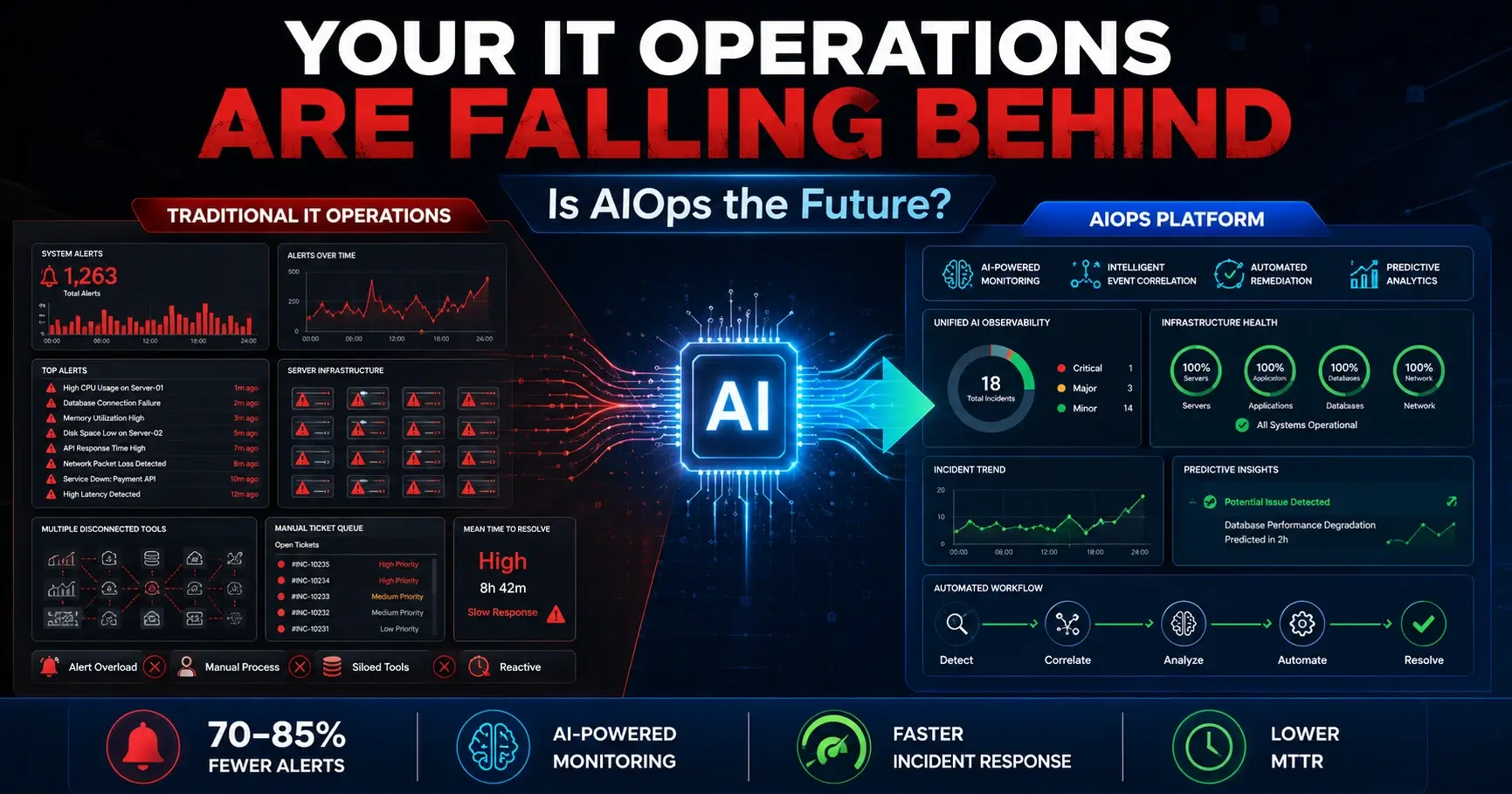

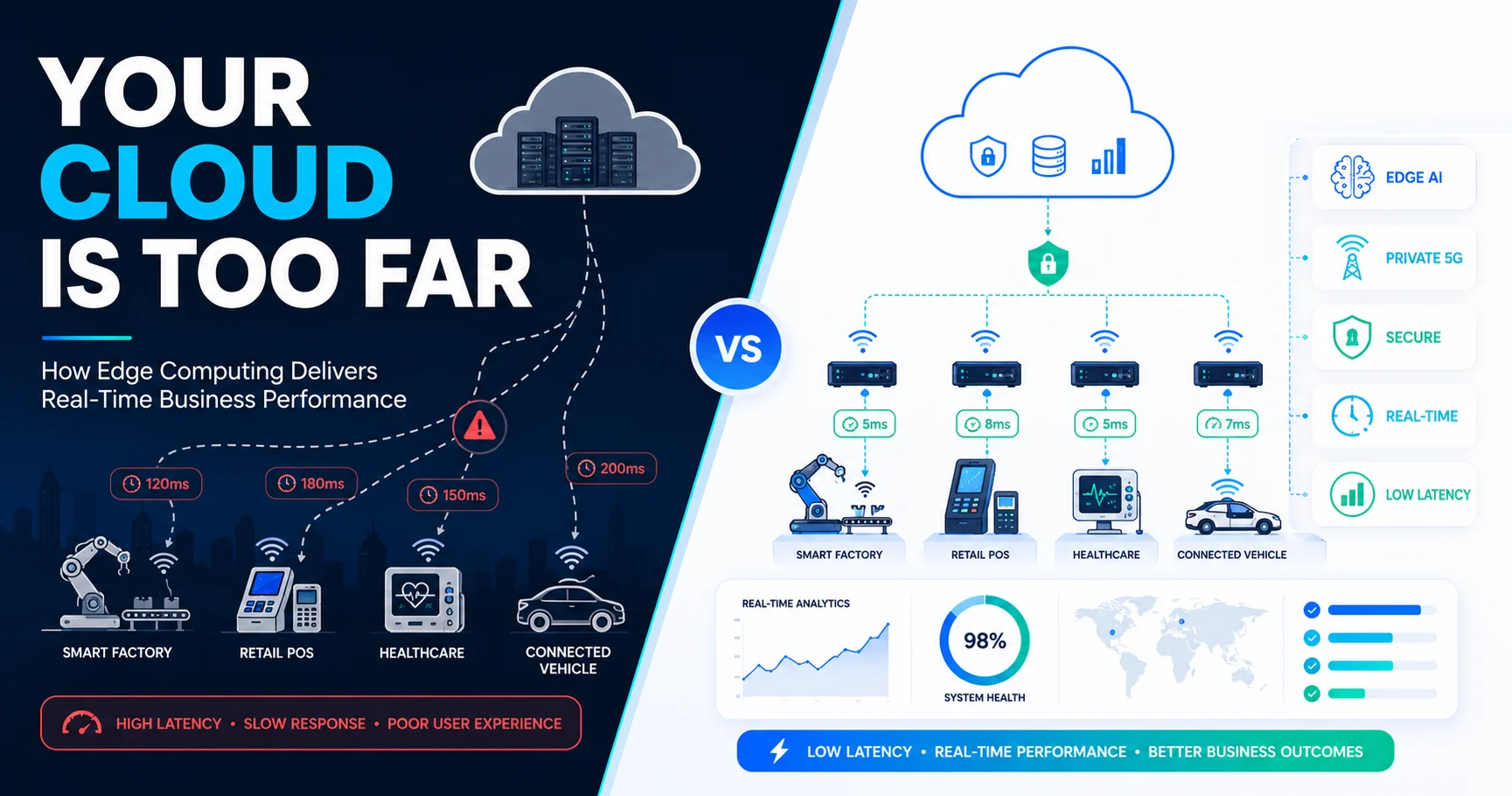

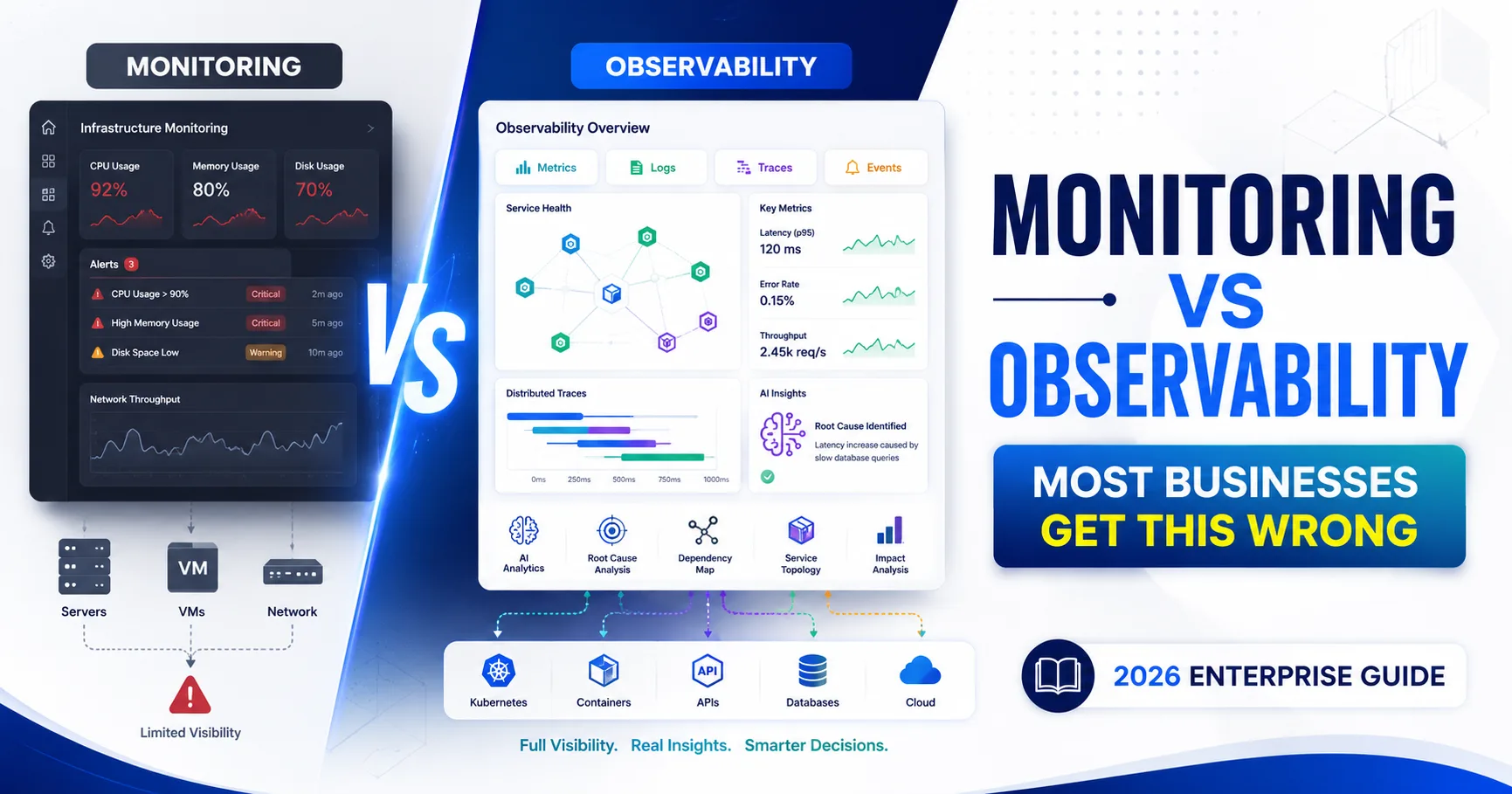
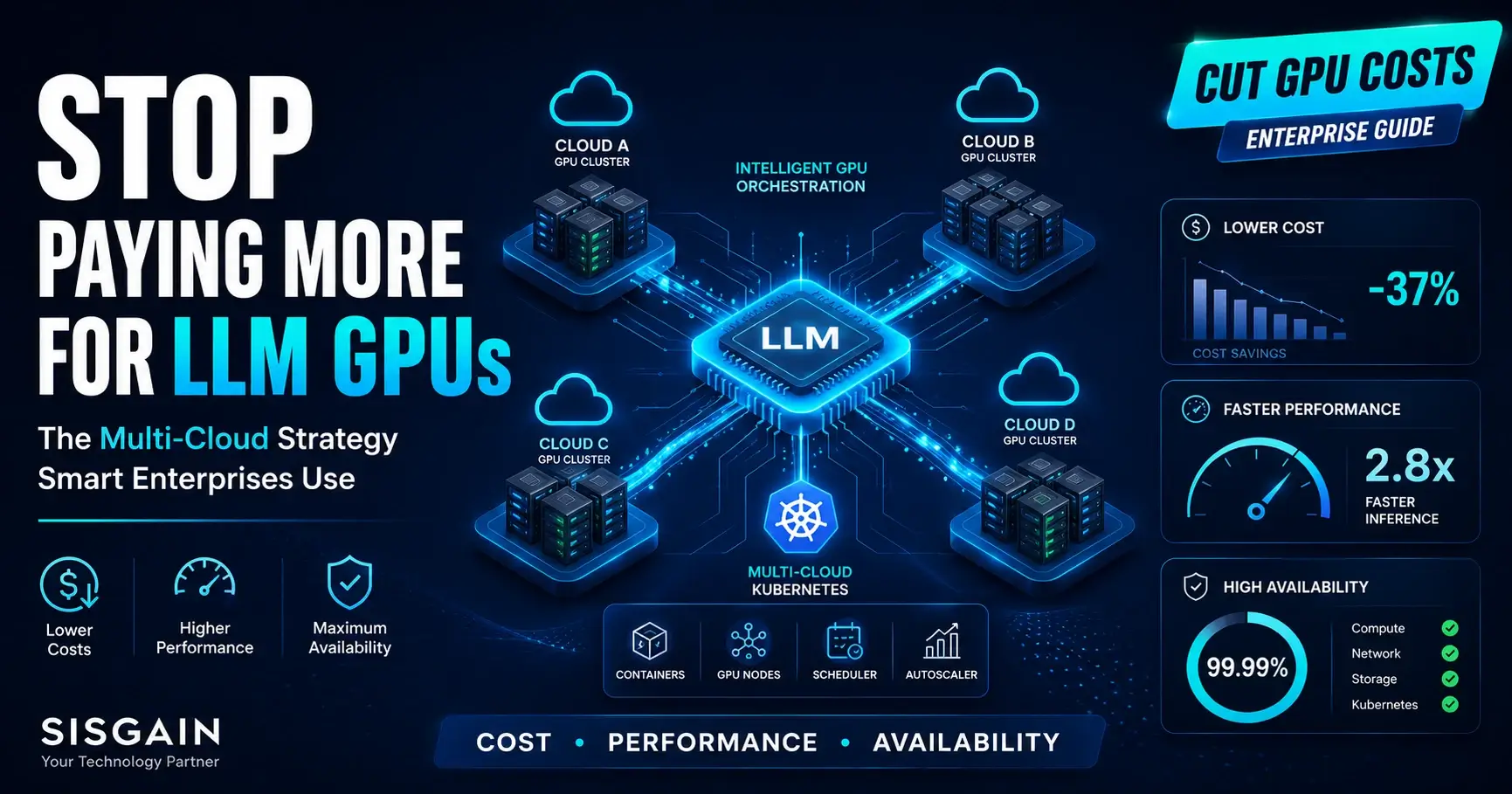




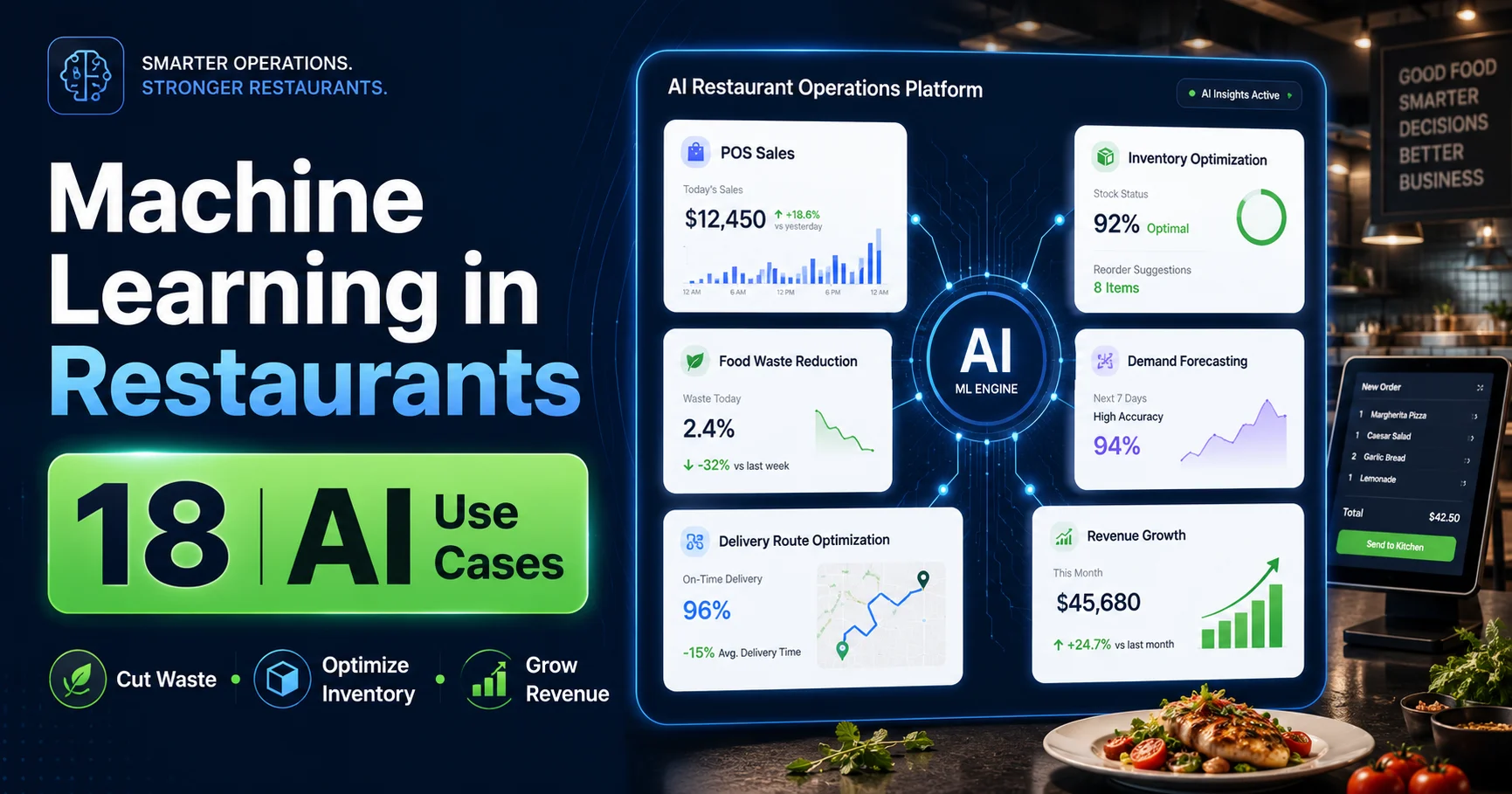








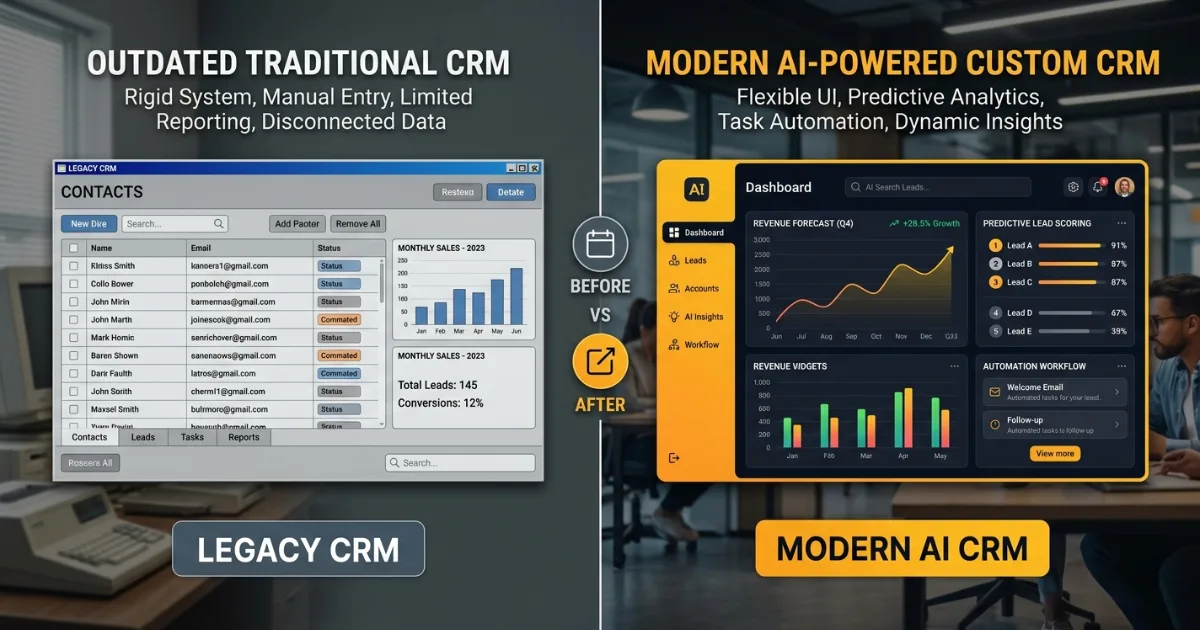
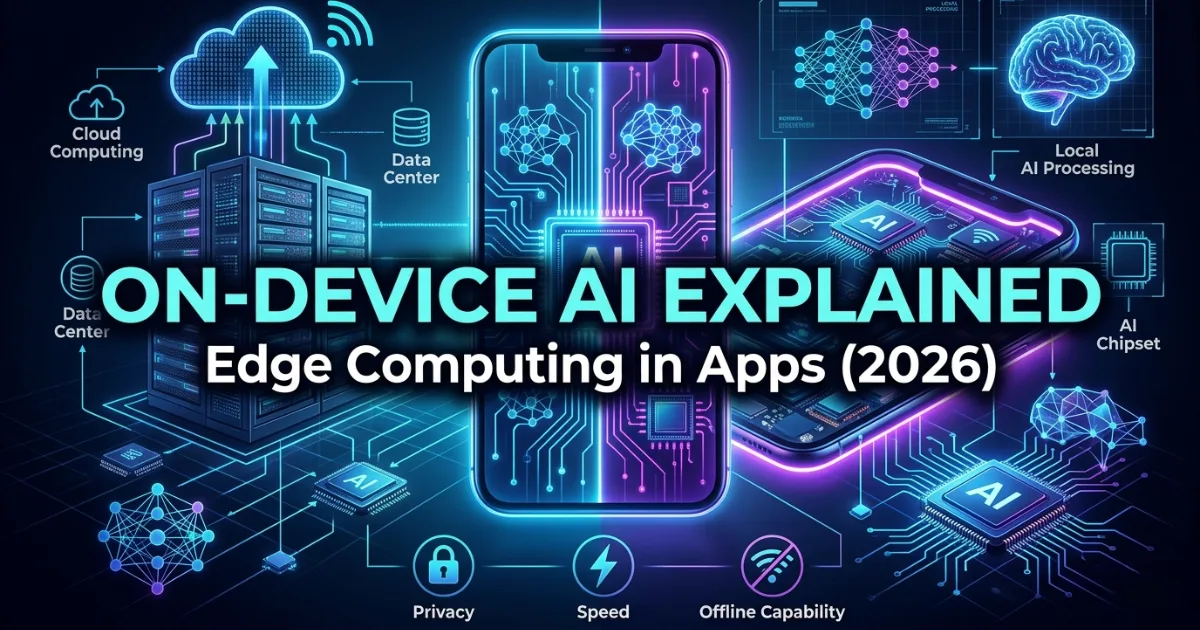
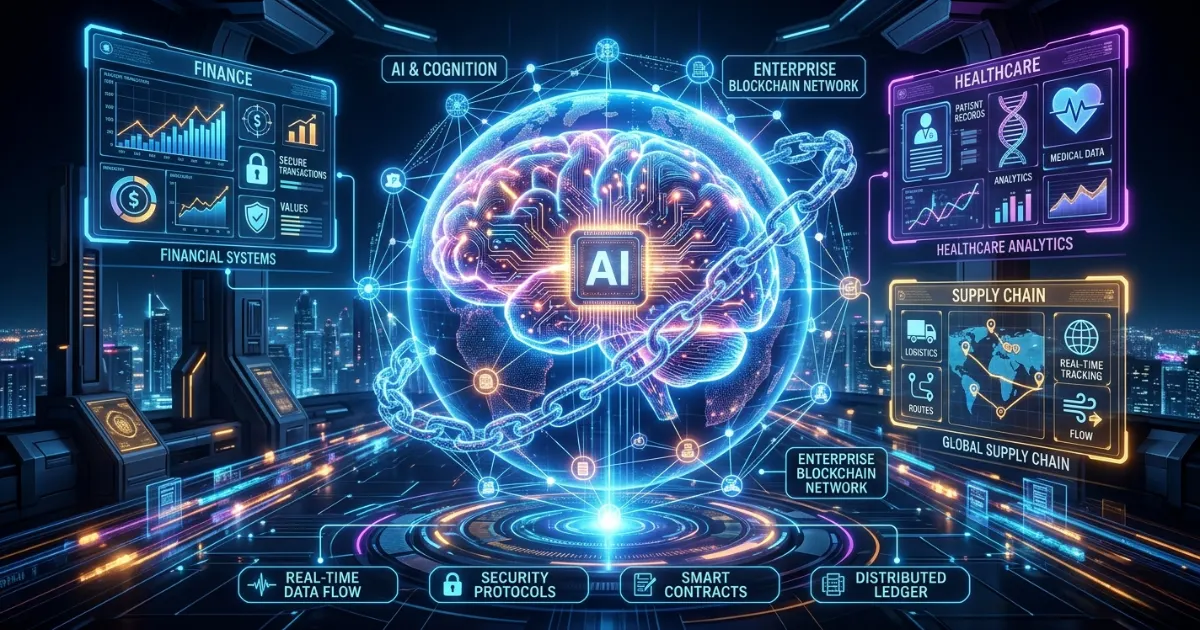
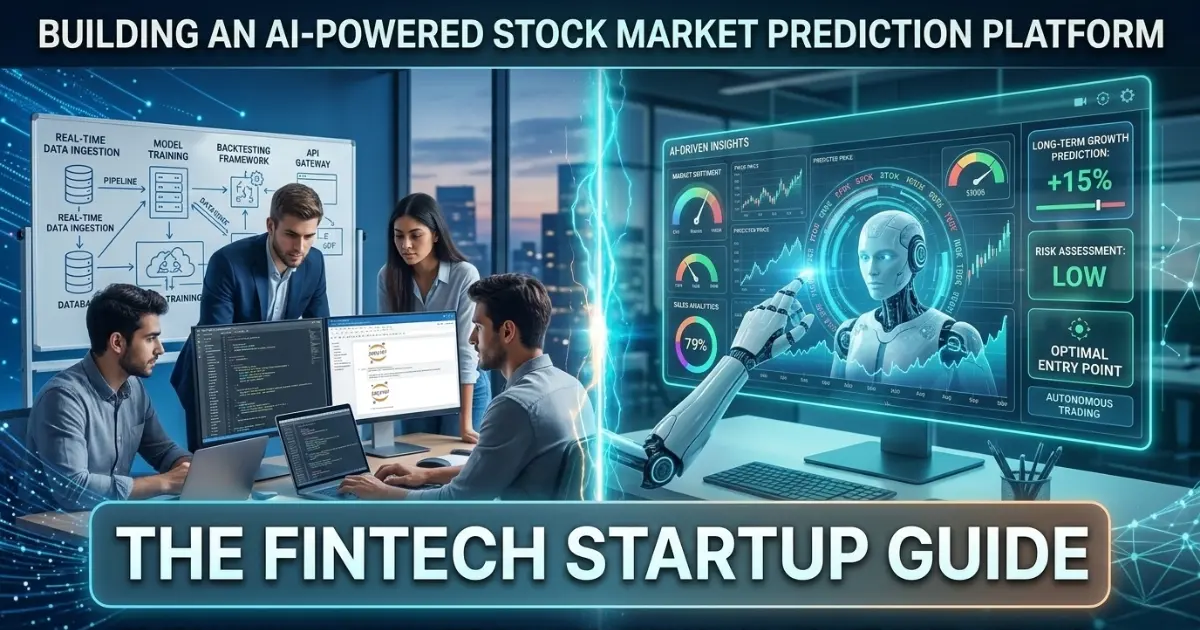









































Start Build Your
Next Digital Solution?
Let’s build scalable, future-ready digital solutions tailored to your business goals. Connect with our experienced technology consultants to discuss your vision, strategy, and growth opportunities — with zero obligation and complete transparency.
Get a free consultation and cost estimate for your digital solution
Our expert will contact you within 24 hours. Check your email for confirmation.
Partner with SISGAIN experts to build secure, scalable AI-powered IT Solutions that transform your business operations.









DUQE FREEZONE Quarter Deck, Queen Elizabeth 2, Mina Rashid, Dubai, UAE

100 Consilium Pl Suite 200, Scarborough, ON M1H 3E3, Canada

C-109, Sector 2, Noida, Uttar Pradesh 201301 India
Project quotes, partnerships, implementation
Open roles, referrals, campus hiring