
 +1 844-445-5767
 +971 56-848-5757
 +91 921-208-0630
For Business & Service Inquiries
Sales Team
Project quotes, partnerships, implementation
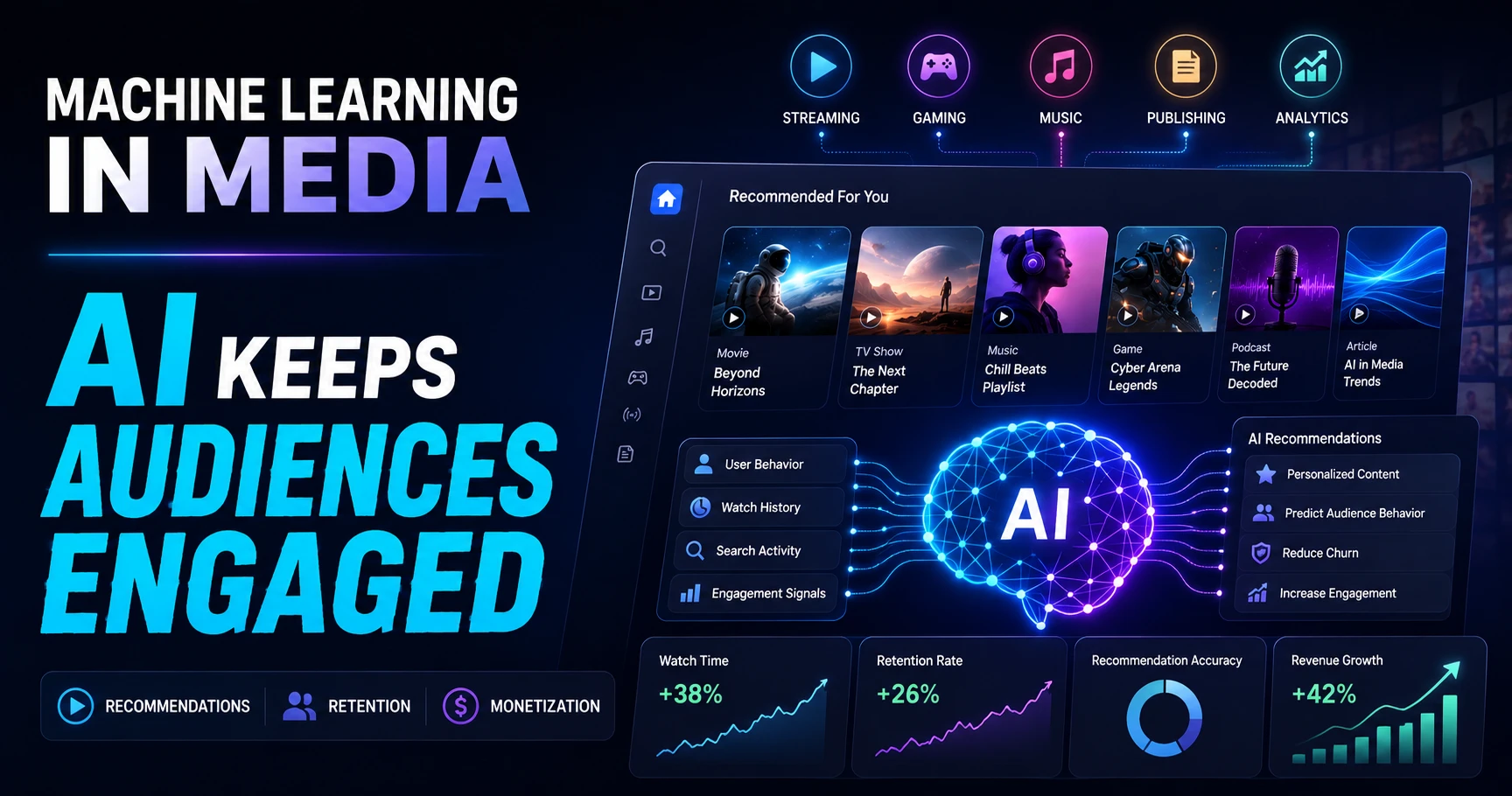
Quick answer: Machine learning in entertainment and media helps OTT platforms, streaming apps, gaming platforms, music apps, publishers, and creator platforms recommend better content, personalize user journeys, predict audience behavior, reduce churn, improve monetization, and increase audience engagement.
Entertainment and media businesses are no longer competing only on content volume. They are competing on attention, personalization, retention, watch time, and revenue growth. With thousands of movies, shows, songs, videos, games, podcasts, and articles available instantly, users expect platforms to recommend relevant content without making them search endlessly.
This is how machine learning is changing the entertainment industry: it helps platforms move from generic content delivery to personalized, data-driven experiences. Instead of showing the same homepage to every user, machine learning studies audience behavior and recommends content that matches individual interests, habits, and intent.
Machine learning in entertainment and media means using AI algorithms to analyze user behavior, content performance, viewing patterns, listening habits, search activity, engagement signals, and platform usage. These insights help media businesses improve recommendations, personalize content feeds, predict churn, automate content workflows, optimize ads, and make smarter revenue decisions.
For example, a streaming app can use machine learning to understand what a user watches, what they skip, what they search for, when they return, and which genres they prefer. Based on this behavior, the platform can recommend movies, series, videos, songs, podcasts, or articles that the user is more likely to enjoy.
Machine learning can be used across many entertainment and media models, including OTT platforms, video streaming apps, music platforms, gaming platforms, news websites, digital publishing platforms, creator marketplaces, and interactive entertainment businesses.
Modern media users expect fast, relevant, and personalized experiences. They do not want to scroll through large content libraries or repeat the same searches every time they open an app. They expect platforms to understand their interests, viewing habits, language preferences, and content intent.
For media businesses, this creates both a challenge and an opportunity. A poor discovery experience can reduce watch time, increase churn, and lower subscription value. A strong recommendation and personalization system can improve engagement, increase retention, support ad revenue, and make the platform more valuable for users.
Machine learning helps entertainment and media platforms solve key business problems such as:
Content recommendation is one of the most valuable machine learning use cases in media and entertainment because it directly affects discovery, watch time, retention, and revenue. When users find relevant content quickly, they stay longer. When recommendations feel random or repetitive, they lose interest and move to another platform.
A machine learning recommendation engine works like a smart digital curator. It studies user behavior, content metadata, engagement history, and similar audience patterns to suggest content that feels personally relevant to each user.
For OTT, streaming, music, gaming, and publishing platforms, better recommendations can support:
AI content recommendation works by collecting user behavior data and matching it with content signals. The platform learns what each user likes, ignores, finishes, shares, saves, or replays. Over time, the system becomes better at predicting what the user may want next.
A content recommendation system may use signals such as:
For example, if a user frequently watches crime documentaries and completes most of them, the platform can recommend similar documentaries, podcasts, short videos, or articles related to that interest. This improves content discovery and keeps the user engaged.
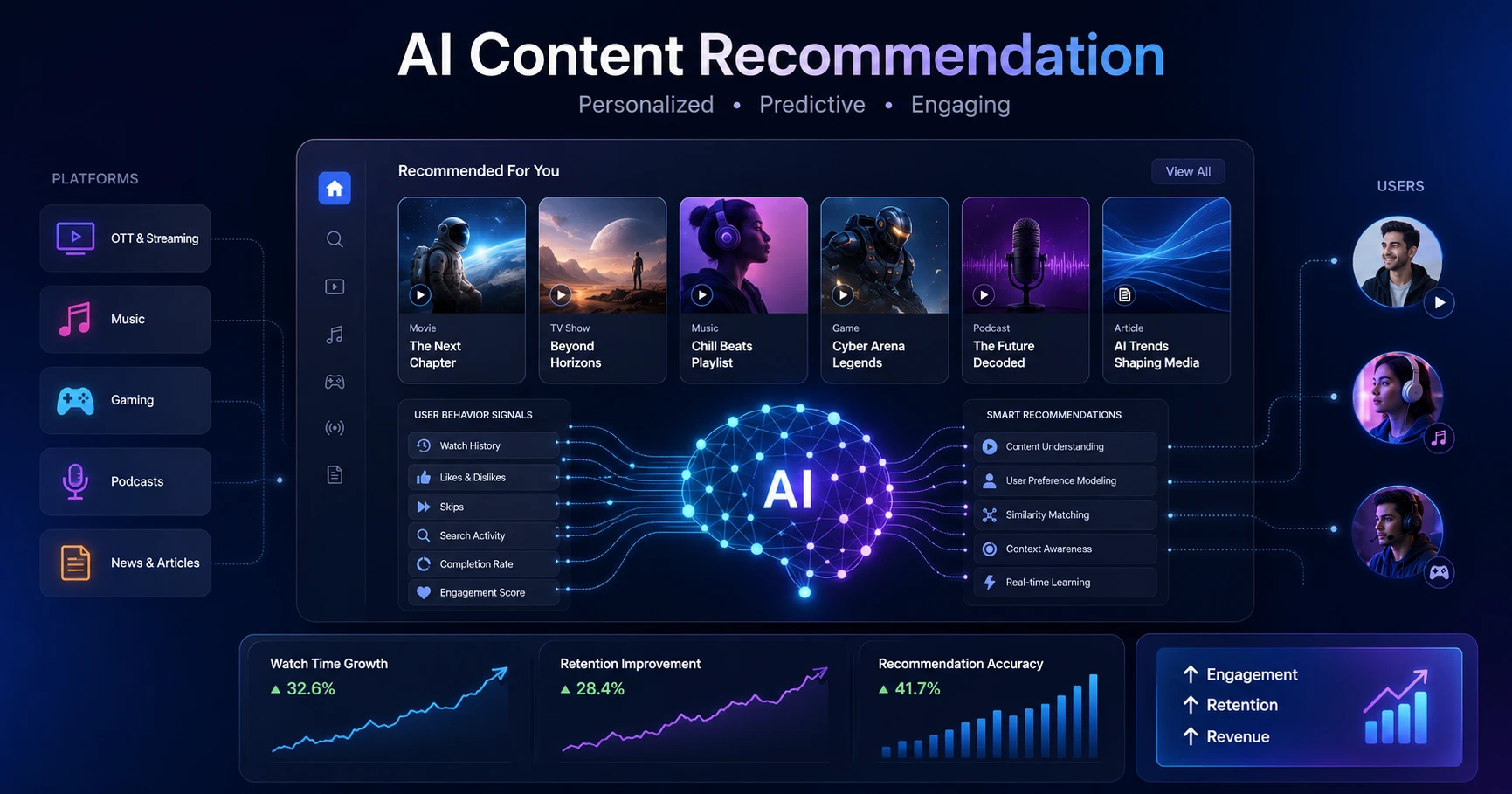
Traditional content discovery depends on manual categories, trending lists, and static rules. Machine learning-powered discovery adapts to each user and improves as more data becomes available.
| Traditional Content Discovery | Machine Learning-Powered Content Discovery |
|---|---|
| Shows similar content feeds to most users | Creates personalized feeds for each user |
| Depends on manual categories and tags | Learns from user behavior and engagement signals |
| Promotes mainly trending or featured content | Recommends content based on personal interest |
| Requires users to search more | Helps users discover content faster |
| Struggles with large content libraries | Helps surface relevant deep-catalog content |
This is why media platforms should not only publish more content. They should also invest in smarter discovery systems that help users find the right content faster.
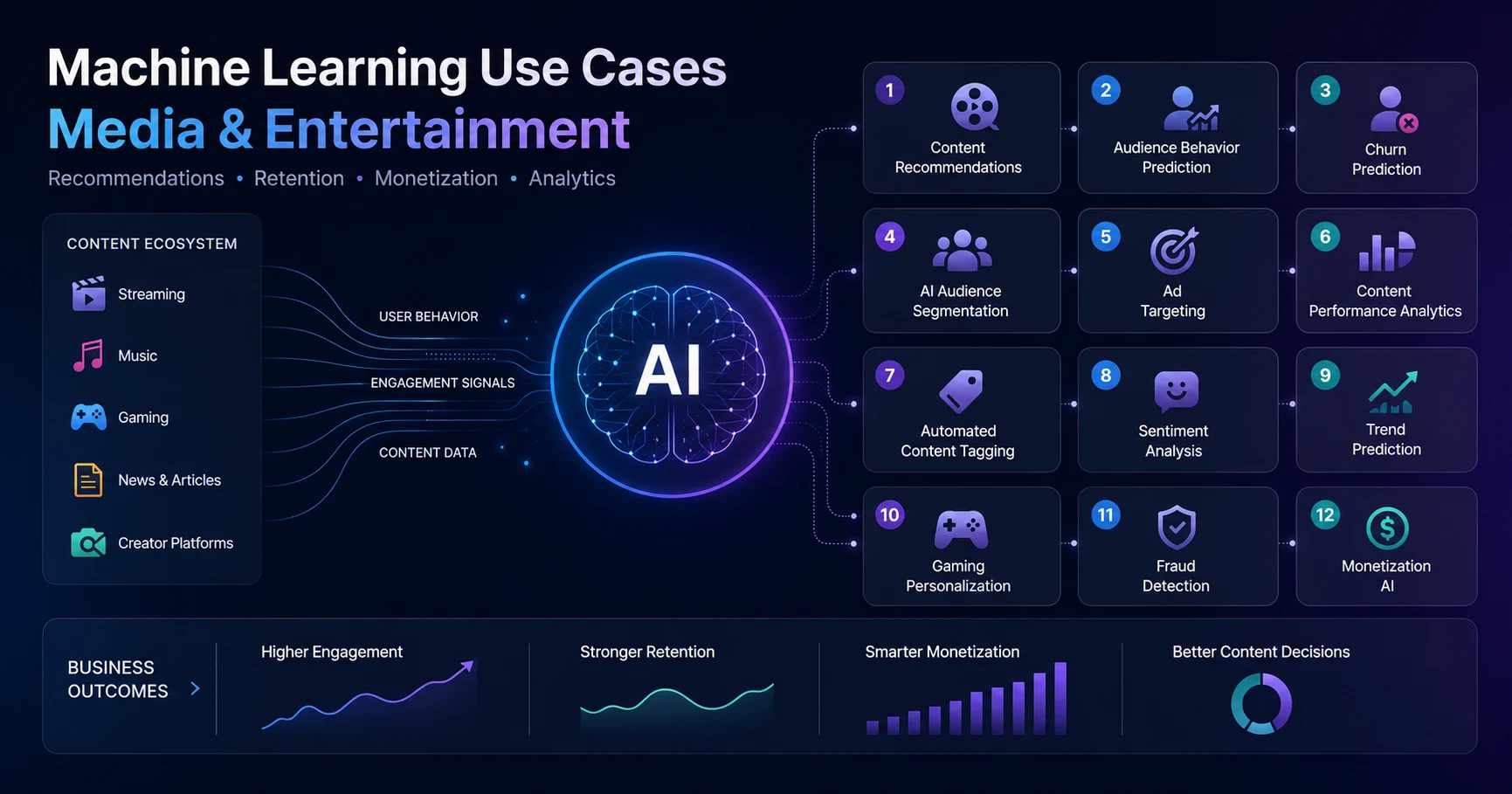
Machine learning use cases in media and entertainment go beyond recommendation engines. From audience behavior prediction and churn prevention to ad targeting, monetization, automated metadata tagging, content planning, gaming personalization, and fraud detection, machine learning helps platforms improve both user experience and business performance.
Personalized recommendations are one of the strongest applications of machine learning in entertainment and media. Platforms can recommend movies, shows, songs, podcasts, videos, articles, games, and creator content based on individual user behavior.
Machine learning models can combine collaborative filtering, content-based filtering, and real-time engagement signals to build a more accurate recommendation experience. This helps users discover content they may not find through manual browsing.
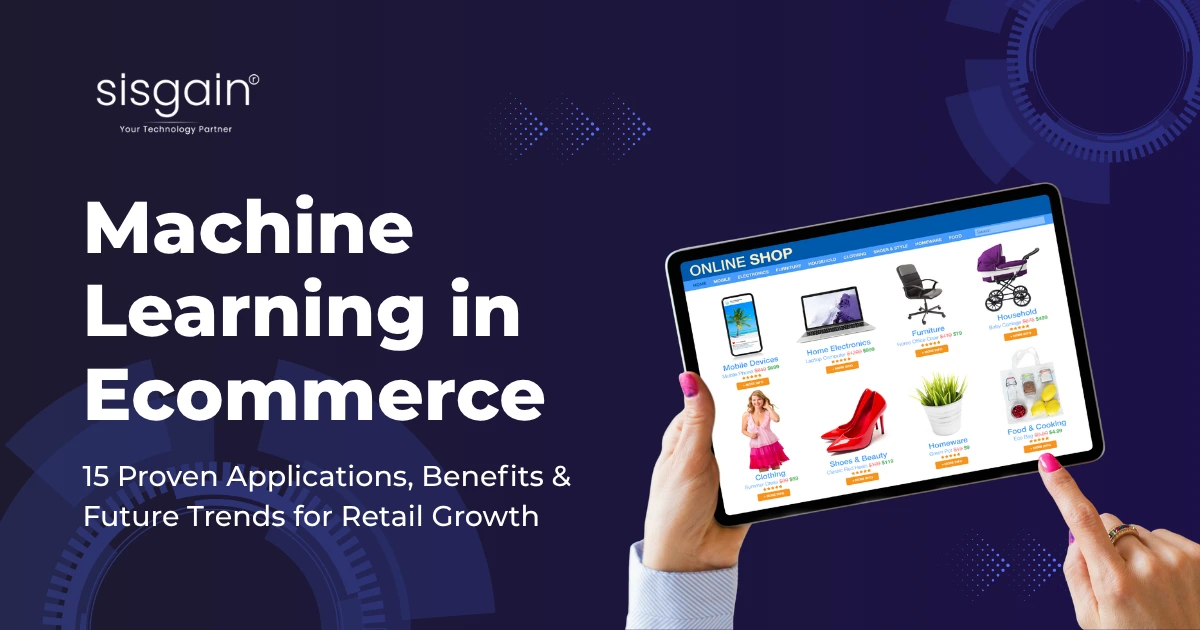
AI-powered content personalization allows platforms to customize the homepage, search results, content rows, notifications, email campaigns, and in-app experiences for each user. Instead of showing the same content to everyone, the platform adjusts based on user preferences and behavior. The same personalization technology is widely used in machine learning in ecommerce, where AI recommends products, personalizes shopping experiences, and increases customer engagement.
For example, a music platform may show workout playlists in the morning, relaxing tracks at night, and new releases based on the listener’s favorite artists. A news platform may recommend business news to one user and sports updates to another.
Predictive analytics in media helps platforms understand what users may do next. Machine learning can predict what users are likely to watch, read, listen to, click, skip, complete, share, or abandon.
Audience behavior prediction is valuable because it helps media businesses make proactive decisions. Instead of waiting for users to leave, platforms can identify behavior patterns early and adjust recommendations, notifications, offers, or content placement.
Viewer retention AI helps platforms identify users who may become inactive or cancel their subscriptions. Machine learning models can detect warning signals such as reduced watch time, fewer app visits, unfinished content, increased skips, or lower engagement with recommendations.
Once the platform identifies at-risk users, it can trigger personalized retention campaigns. These may include content recommendations, reminders, discounts, trial extensions, personalized playlists, or exclusive content suggestions.
Traditional segmentation often depends on basic demographics. AI audience segmentation goes deeper by grouping users based on behavior, content preferences, engagement patterns, subscription status, and monetization potential.
For example, a streaming platform can create segments such as weekend binge-watchers, sports-focused viewers, premium subscribers, inactive users, family-content viewers, or high-engagement documentary fans.
Media analytics software powered by machine learning can help businesses understand which content performs well and why. It can analyze views, watch time, completion rate, drop-off points, shares, comments, likes, subscriptions influenced, and revenue contribution.
This helps media companies decide which content to promote, renew, license, produce, or remove. Instead of relying only on creative intuition, decision-makers can use data to support content strategy.
AI for OTT platforms and AI in streaming platforms are now closely connected with recommendation engines. OTT businesses use machine learning to power personalized homepages, “continue watching” suggestions, similar-title recommendations, trending content by segment, and localized content suggestions.
AI video recommendation is especially useful for platforms with large content libraries. It helps users discover relevant movies, shows, episodes, trailers, and short-form videos without wasting time searching.
Want to improve recommendations and keep users watching longer?
Build an AI-powered recommendation engine designed around your media platform, content library, audience behavior, and monetization goals.
A basic search bar is no longer enough for modern media platforms. Machine learning and natural language processing can improve search by understanding user intent, correcting typos, ranking results personally, and recommending related content.
For example, if a user searches for “action movie with a car chase,” the platform can understand the context and show relevant results even if the exact title is not included in the query.
AI ad targeting in media helps platforms show more relevant ads to the right audience segments. Machine learning can analyze user behavior, content preferences, engagement history, location, device type, and conversion signals to improve advertising performance.
Instead of showing the same ad to every viewer, platforms can deliver more relevant ad experiences while helping advertisers reach audiences more likely to respond.
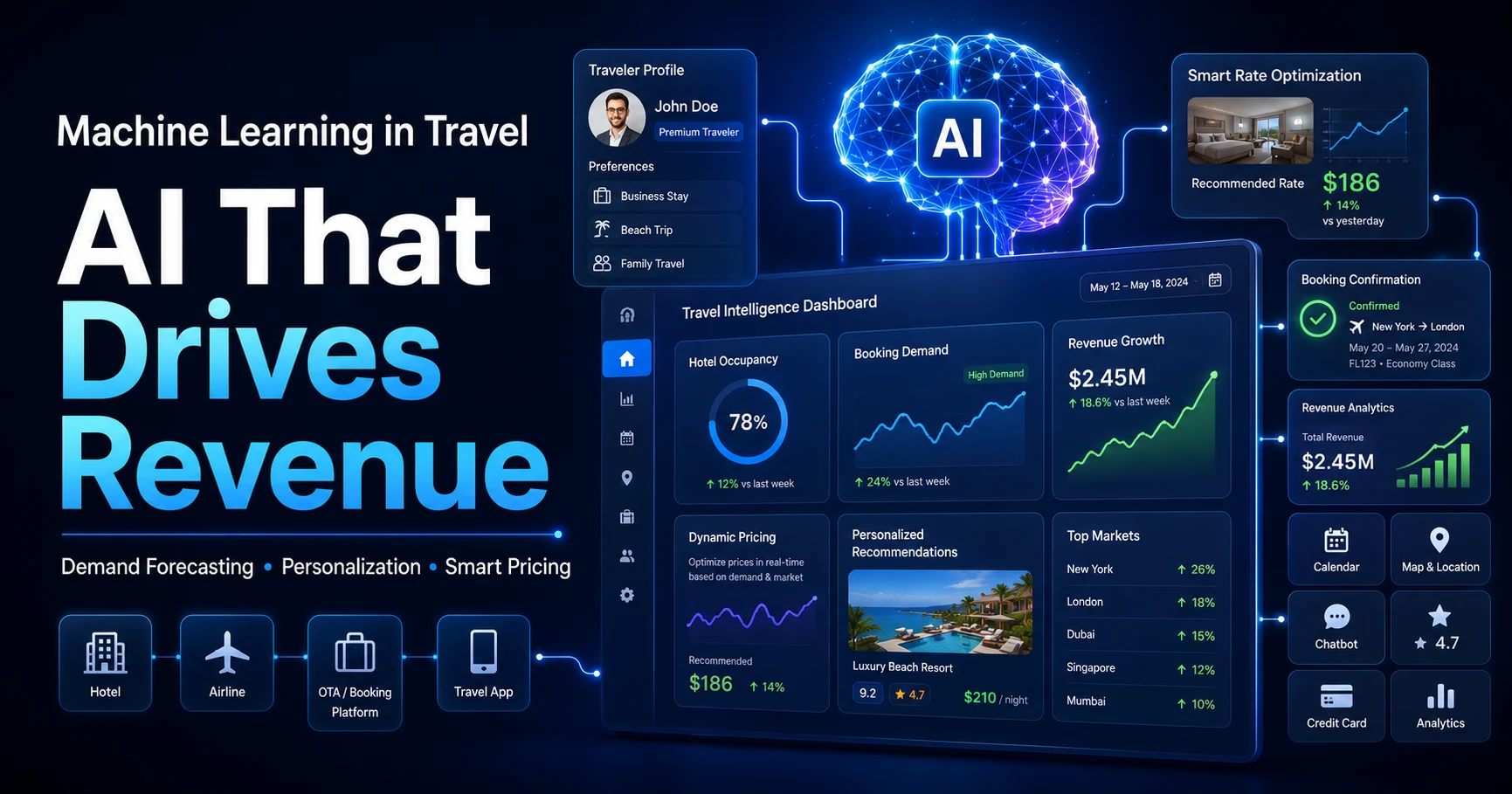
Media monetization AI helps platforms make smarter revenue decisions. Similar AI-powered pricing and personalization strategies are transforming machine learning in travel and hospitality, where hotels and travel businesses optimize pricing, bookings, and guest experiences using predictive analytics. Machine learning can support subscription pricing, freemium-to-paid conversion, paywall personalization, premium content suggestions, bundle recommendations, and ad revenue optimization.
For example, a digital publisher can use machine learning to decide when to show a paywall, which users are likely to subscribe, and what type of offer may convert them.
Machine learning and generative AI development can support creative and production teams by automating repetitive tasks. It can help with script analysis, content tagging, video editing assistance, audio cleanup, caption generation, trailer generation, scene detection, and thumbnail selection.
This does not mean AI replaces creative teams. Instead, it helps editors, producers, marketers, and content managers reduce manual work, organize assets faster, and focus more on creative strategy.
Large content libraries need accurate metadata. Machine learning can automatically tag content based on genre, mood, topic, language, actor, scene type, duration, content rating, and audience suitability.
This enriched metadata improves recommendations, search results, content organization, and discovery. With AI automation and workflow solutions, media platforms can reduce manual tagging work and make large content libraries easier to manage.
Machine learning and natural language processing can analyze reviews, comments, ratings, social media conversations, support tickets, and app store feedback. Sentiment analysis helps platforms understand whether audiences feel positive, negative, or neutral about content, features, campaigns, or platform experiences.
For example, a streaming company can analyze social media reactions after a new show release to understand audience response and adjust marketing strategy.
Machine learning helps media companies identify future content trends by analyzing watch behavior, search trends, social media conversations, creator activity, regional preferences, seasonal patterns, and genre growth.
This helps platforms make better decisions about content production, licensing, acquisition, and promotion. It also reduces the risk of investing in content that does not match audience demand.
Machine learning in entertainment is also valuable for gaming and interactive platforms. It can analyze player behavior, personalize game recommendations, adjust difficulty levels, improve matchmaking, predict churn, detect fraud, and personalize in-game offers.
For gaming businesses, personalization helps players stay engaged without feeling frustrated or bored. It also supports stronger monetization and better community growth.
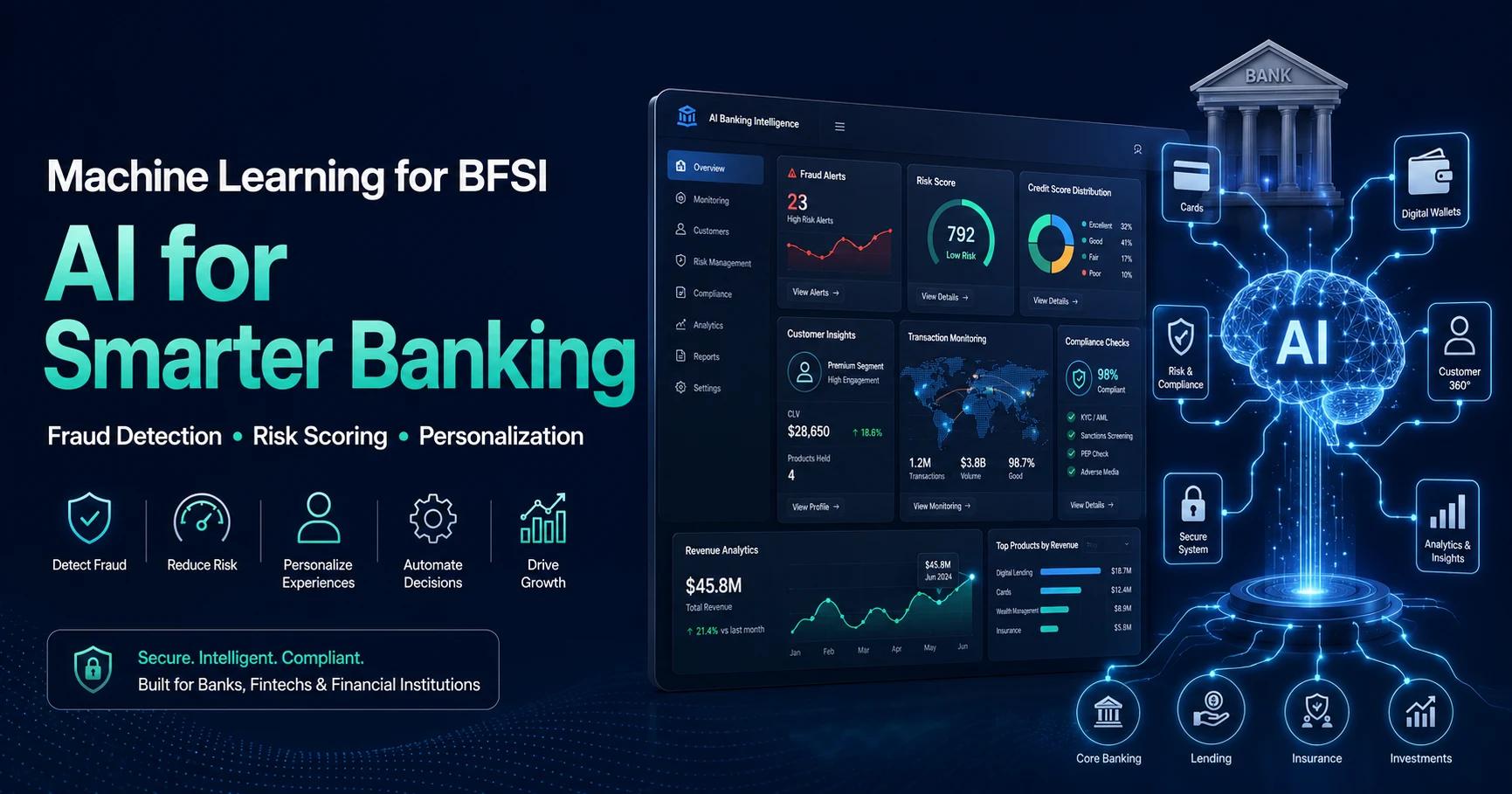
Entertainment and media platforms face risks such as fake accounts, bot activity, payment fraud, subscription abuse, ad fraud, fake engagement, spam comments, and piracy signals. Machine learning can detect unusual behavior patterns and flag suspicious activity faster than manual systems. The same AI-driven fraud detection models are widely used in machine learning for BFSI, where banks and financial institutions identify suspicious transactions, payment fraud, and account anomalies in real time.
For example, if an account streams content from different regions within an impossible time frame, the system can detect the anomaly and trigger a security response.
The benefits of machine learning in entertainment are directly connected to better content discovery, stronger audience engagement, improved retention, smarter monetization, faster production workflows, and more confident business decisions.
| Business Type | How Machine Learning Helps |
|---|---|
| OTT Platforms | Personalized recommendations, viewer retention, subscription growth, and content ranking. |
| Streaming Apps | AI video recommendation, watch-time improvement, churn prediction, and personalized homepages. |
| Music Platforms | Song recommendations, playlist personalization, listener analytics, and mood-based discovery. |
| News Platforms | Article personalization, reader segmentation, paywall optimization, and engagement analytics. |
| Gaming Platforms | Player retention, matchmaking, dynamic difficulty adjustment, and in-game personalization. |
| Digital Publishers | Content performance analytics, reader engagement, ad targeting, and subscription conversion. |
| Creator Platforms | Creator discovery, audience insights, content ranking, monetization support, and community growth. |
Machine learning works best when media platforms have clean, connected, and structured data. The accuracy of recommendations, churn prediction, audience segmentation, and monetization insights depends on the quality of the data used by the system.
Useful data for AI-powered media platforms includes:
For growing platforms, the first step is usually not building a complex AI model. The first step is organizing data properly so machine learning can deliver accurate and useful results.
Machine learning can create strong business value, but implementation requires planning. Media companies need the right data infrastructure, content metadata, privacy controls, and integration strategy.
Common challenges include:
These challenges can be solved with the right data strategy, responsible AI approach, software architecture, and continuous model improvement.
To get the best results from machine learning, entertainment and media businesses should focus on clean data, responsible personalization, user privacy, content diversity, and continuous model improvement. A recommendation engine should not only increase engagement but also build user trust.
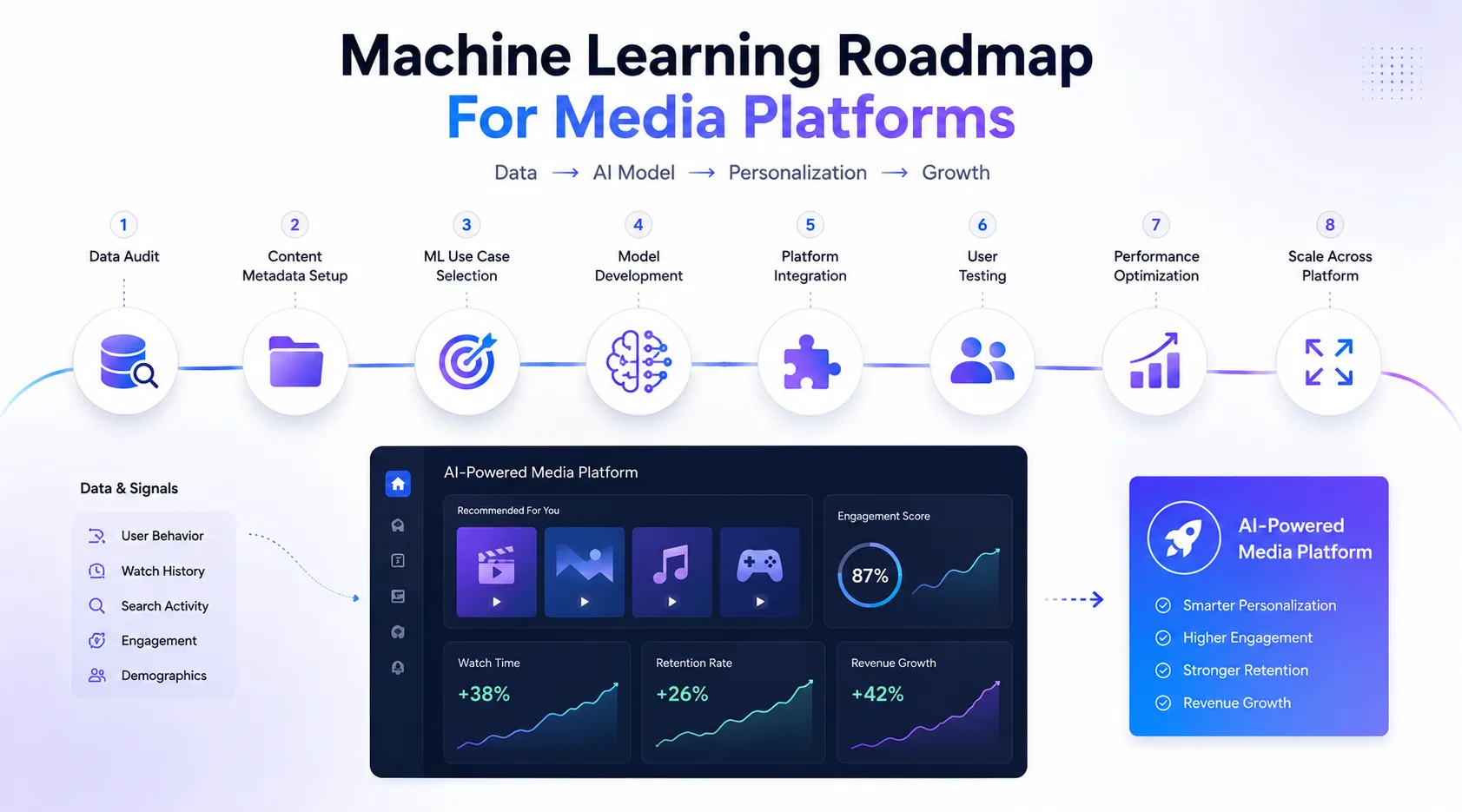
Planning to add machine learning to your OTT, streaming, gaming, or digital media platform?
SISGAIN can help you design, develop, and integrate AI solutions that improve personalization, engagement, retention, monetization, and platform growth.
Media businesses can use ready-made AI tools, custom machine learning software, or a hybrid approach. The right choice depends on business size, platform complexity, content library, user data, and monetization goals.
| Option | Best For | Limitation |
|---|---|---|
| Ready-Made AI Tools | Small platforms needing basic personalization or quick testing. | Limited customization, data control, and business logic. |
| Custom ML Software | OTT platforms, streaming apps, gaming platforms, and media companies with unique workflows. | Requires planning, data strategy, and development. |
| Hybrid Approach | Businesses with existing systems and partial AI needs. | Needs strong integration and data architecture. |
For platforms with unique content libraries, user behavior patterns, subscription models, advertising needs, or monetization goals, custom ML software provides stronger long-term control, scalability, and competitive advantage.
The future of machine learning in media will focus on deeper personalization, real-time recommendations, responsible AI, and smarter monetization. Platforms will use AI not only to recommend content but also to improve production, distribution, advertising, and audience relationships.
Important future trends include:
Machine learning is not limited to entertainment and media platforms. The same technology is helping businesses across industries predict demand, personalize experiences, reduce risk, automate operations, and improve decision-making.
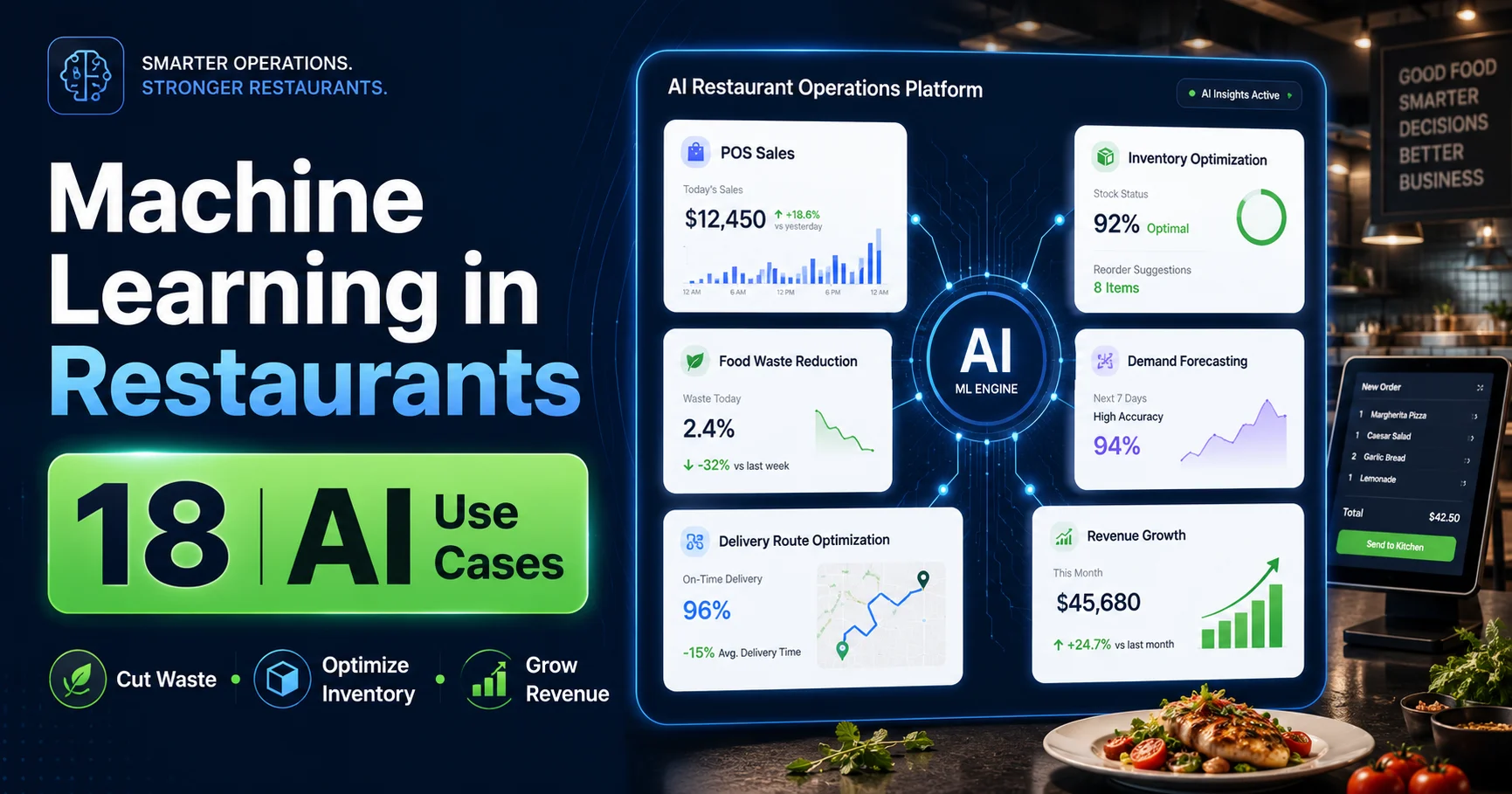
Machine learning in food and restaurants supports demand forecasting, restaurant inventory optimization, and customer personalization. Machine learning for BFSI helps banks and financial platforms detect fraud, assess credit risk, and improve customer segmentation. In travel and hospitality, machine learning improves booking predictions, pricing, guest personalization, and operational planning.
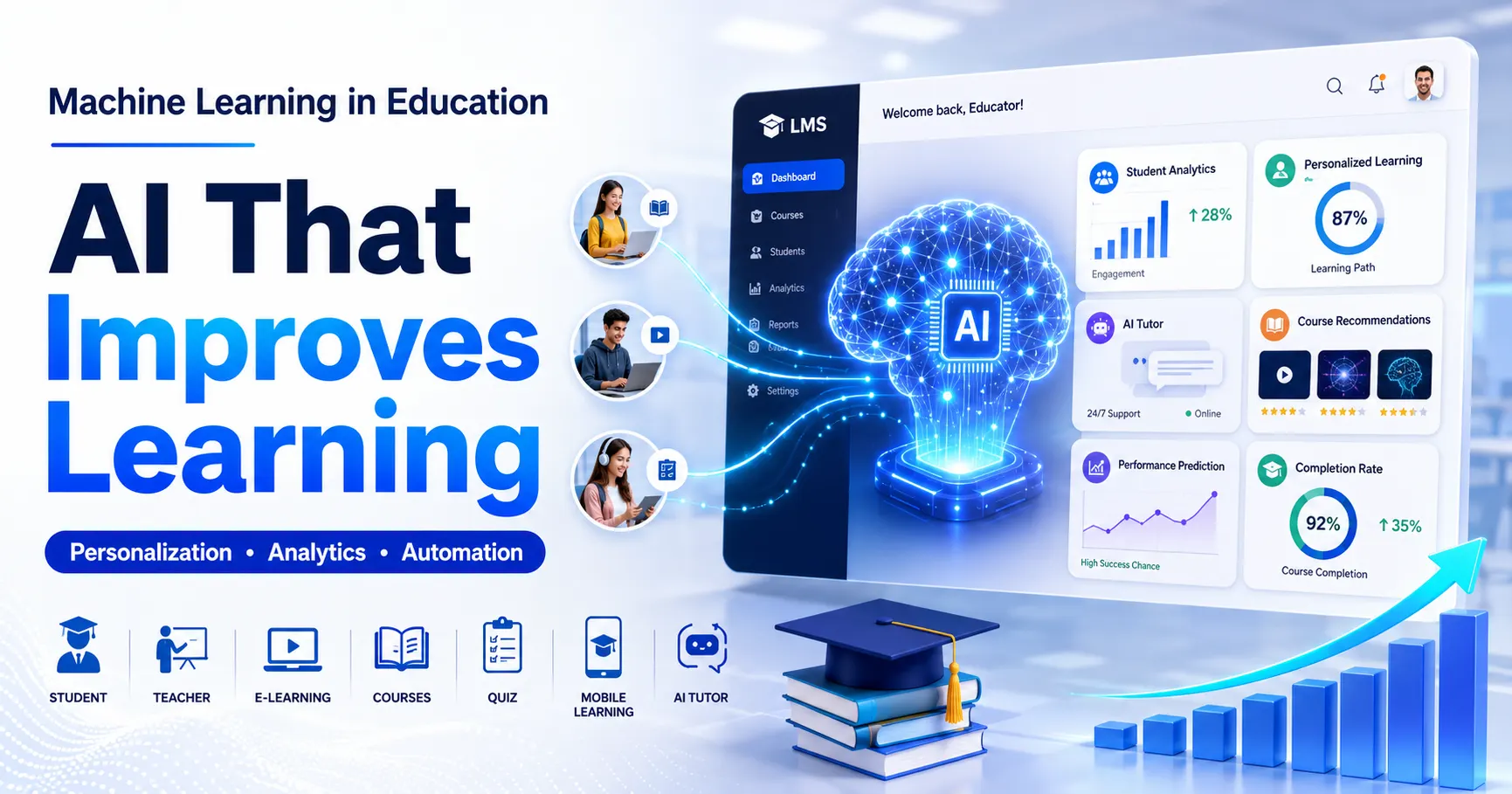
Education and eLearning platforms use machine learning to personalize learning paths, track student progress, and improve engagement. E-commerce and retail businesses use machine learning for product recommendations, inventory forecasting, pricing, customer retention, and sales growth.
SISGAIN helps entertainment and media businesses build practical, scalable, and revenue-focused AI solutions. Whether you want to improve content recommendations, personalize user experiences, reduce churn, optimize ad revenue, or build an AI-powered OTT, streaming, gaming, or digital media platform, our team can support the complete development journey.
Our services include:
Want to recommend better content, keep audiences engaged, reduce churn, and grow your media platform with AI?
SISGAIN can help you build custom machine learning solutions designed around your audience, content library, platform architecture, and revenue goals.
Entertainment and media platforms can no longer rely only on content libraries, manual promotion, or generic user experiences. Users expect platforms to understand their interests and recommend relevant content instantly.
Machine learning transforms media platforms from static content libraries into intelligent digital experiences. It helps businesses recommend better content, personalize user journeys, predict audience behavior, reduce churn, optimize ads, and make smarter content investment decisions.
For OTT platforms, streaming apps, gaming platforms, music apps, publishers, and creator platforms, machine learning is becoming a long-term growth engine. The right implementation starts with clean data, clear business goals, responsible AI practices, and a technology partner that understands both machine learning and media platform development.




Start Build Your
Next Digital Solution?
Let’s build scalable, future-ready digital solutions tailored to your business goals. Connect with our experienced technology consultants to discuss your vision, strategy, and growth opportunities — with zero obligation and complete transparency.
Get a free consultation and cost estimate for your digital solution
Our expert will contact you within 24 hours. Check your email for confirmation.
Partner with SISGAIN experts to build secure, scalable AI-powered IT Solutions that transform your business operations.









DUQE FREEZONE Quarter Deck, Queen Elizabeth 2, Mina Rashid, Dubai, UAE

100 Consilium Pl Suite 200, Scarborough, ON M1H 3E3, Canada

C-109, Sector 2, Noida, Uttar Pradesh 201301 India
Project quotes, partnerships, implementation
Open roles, referrals, campus hiring