
 +1 844-445-5767
 +971 56-848-5757
 +91 921-208-0630
For Business & Service Inquiries
Sales Team
Project quotes, partnerships, implementation
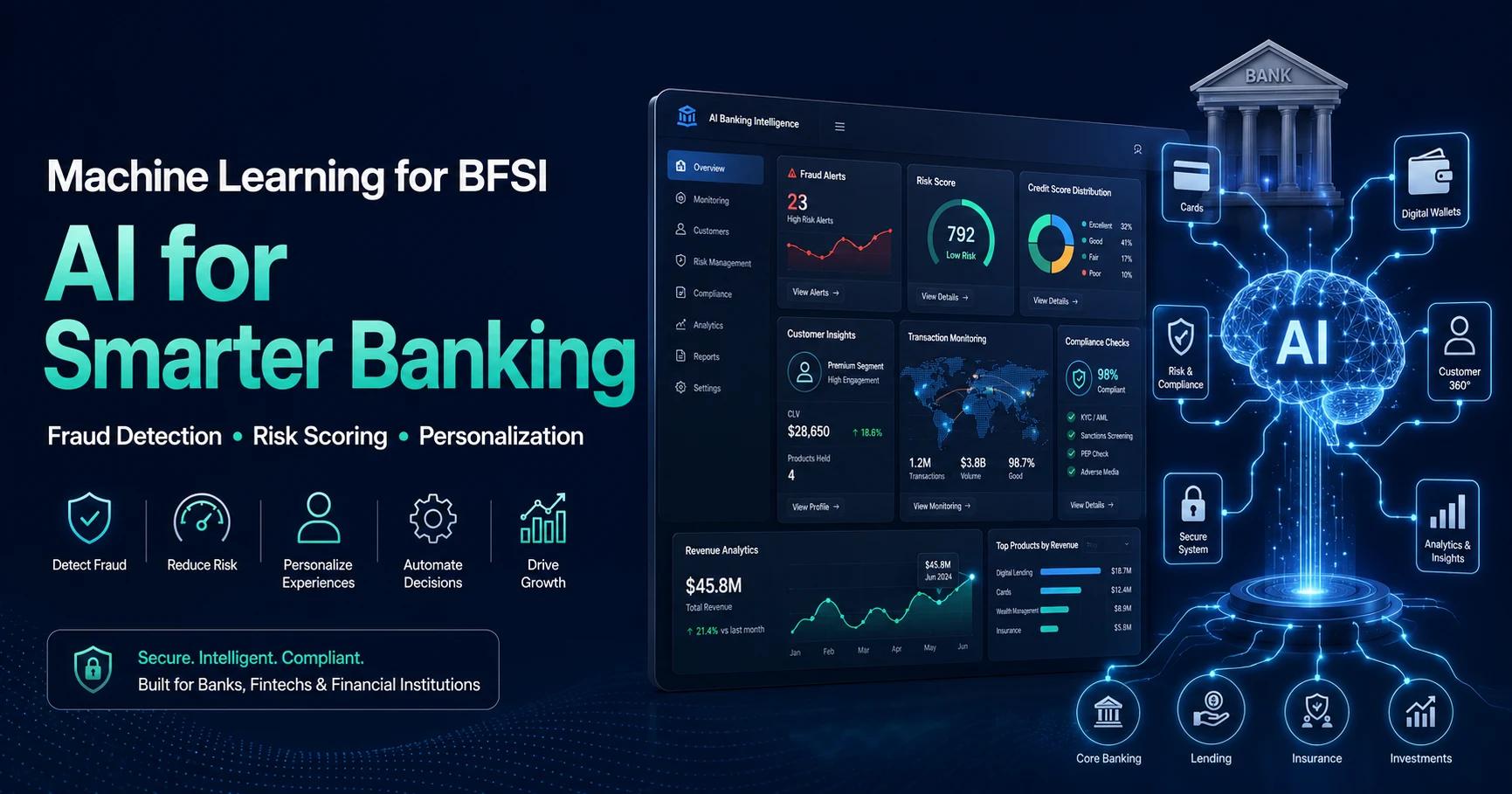
Quick answer: Machine learning for BFSI uses algorithms that learn from financial data to detect fraud, score credit risk, automate compliance, and personalize banking. Banks, fintechs, lenders, and insurers use it to make faster, safer, and smarter decisions—cutting fraud losses, reducing loan defaults, and lowering compliance costs at scale.
Fraud is getting more sophisticated. Customers expect instant, personalized service. Regulators demand tighter controls. And the volume of financial data is growing faster than any human team can review. For banks, fintech startups, NBFCs, insurers, and payment companies, these pressures are colliding at once.
Machine learning offers a way through. By learning patterns from massive datasets, machine learning for BFSI helps financial firms spot fraud in milliseconds, predict who might default on a loan, flag suspicious transactions, and tailor product recommendations to each customer.
This guide breaks down the most valuable machine learning use cases in banking and finance, the benefits and challenges of adoption, the data you'll need, and a practical roadmap to get started. Whether you lead a bank, lending platform, or insurance company, you'll find concrete ideas you can act on.
The market is moving quickly. According to Research and Markets, the AI in BFSI market is set to grow from $101.2 billion in 2025 to $140.54 billion in 2026. Market Research Future projects the AI and advanced machine learning in BFSI market will grow at a 14.25% CAGR from 2025 to 2035.
Fraud is rising in parallel. Alloy reports that consumer fraud losses jumped 25% year over year, topping $12.5 billion in 2024. Juniper Research estimates financial institutions will spend $21.1 billion on fraud detection and prevention in 2025, climbing to $39.1 billion by 2030.
These numbers point to one conclusion: manual systems can't keep up. Machine learning in the banking industry has shifted from a competitive edge to an operational necessity.
Machine learning for BFSI is the use of self-learning algorithms to analyze financial data and make predictions or decisions without being explicitly programmed for every scenario. BFSI stands for Banking, Financial Services, and Insurance.
Instead of relying only on fixed rules ("flag any transaction over $10,000"), machine learning models study historical patterns. They learn what normal behavior looks like for each customer, then identify anomalies that signal fraud, risk, or opportunity.
These AI-powered banking solutions improve over time. The more data they process, the sharper their predictions become—making them ideal for the high-volume, high-stakes world of finance.
Traditional banking systems were built on static rules and manual review. They struggle with three modern realities: data volume, speed, and complexity.
Machine learning in banking solves all three. It processes millions of transactions in real time, adapts to new fraud tactics automatically, and uncovers subtle patterns humans would never spot. The result is lower losses, faster service, and better decisions.
For decision-makers, the appeal is simple. AI ML in banking turns raw data into a strategic asset—one that protects the institution and improves the customer experience at the same time.
|
Factor |
Traditional Systems |
AI/ML Systems |
|---|---|---|
|
Decision logic |
Fixed, rule-based |
Adaptive, learns from data |
|
Fraud detection |
Reactive, after the fact |
Real-time, predictive |
|
Speed |
Slow, manual review |
Milliseconds, automated |
|
Scalability |
Limited by staff |
Scales with compute |
|
False positives |
High |
Significantly reduced |
|
Personalization |
Generic |
Tailored per customer |
|
Compliance |
Manual, error-prone |
Automated, auditable |
Choose AI/ML systems if real-time speed, scale, and accuracy matter more than the simplicity of rule-based tools.
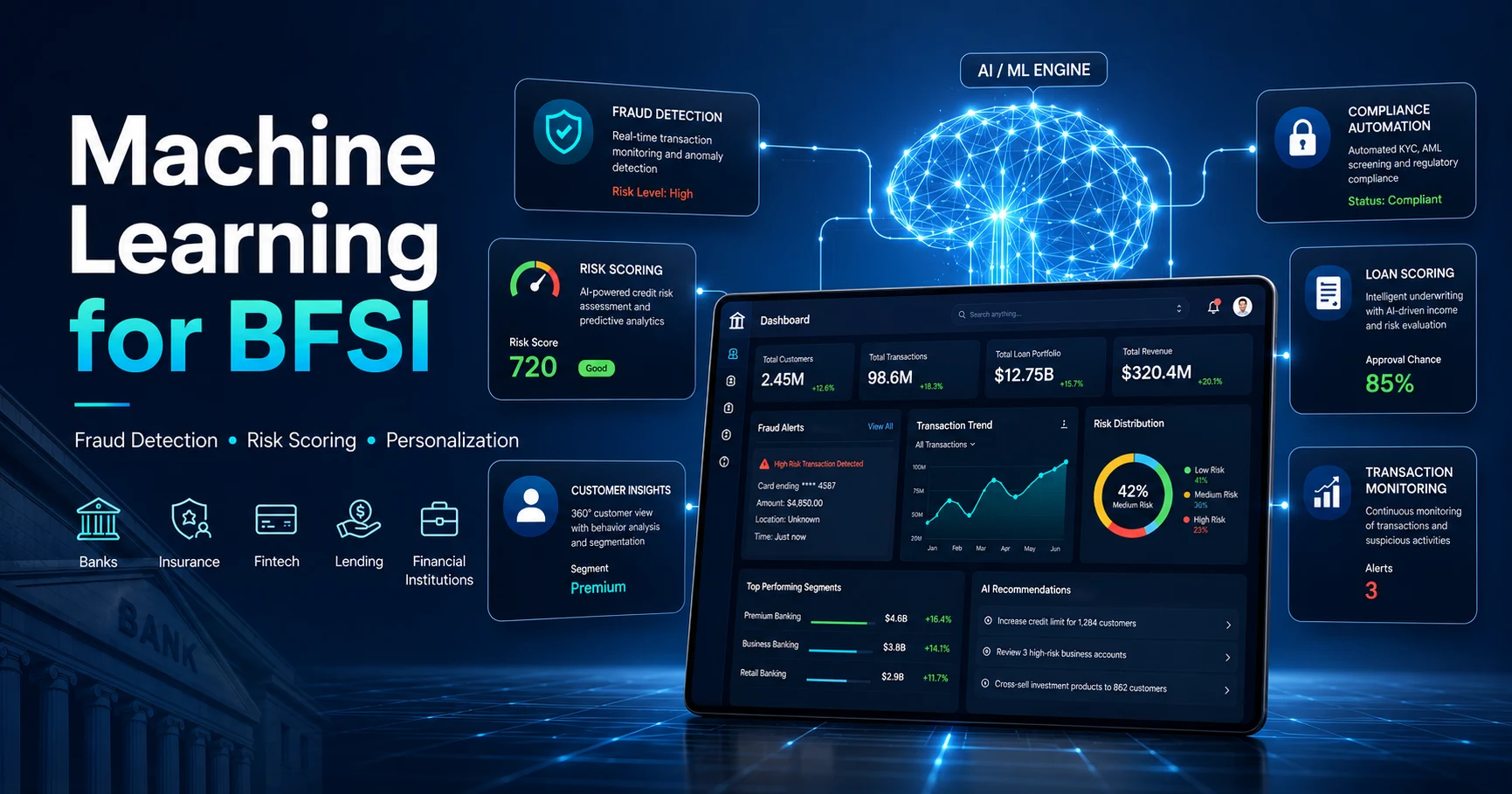
Fraud detection is the flagship use case for AI in banking. Machine learning models analyze each transaction against a customer's normal behavior—location, amount, merchant type, time of day—and assign a risk score in milliseconds.
When something looks off, the system flags or blocks it instantly. Unlike rule-based filters, banking fraud detection AI learns continuously, so it adapts as fraudsters change tactics.
A practical example: a card used in two countries within minutes triggers an alert not because a rule says so, but because the model recognizes the pattern as statistically improbable for that user.
Credit risk scoring with machine learning goes far beyond traditional credit scores. Models weigh hundreds of variables—income patterns, spending behavior, repayment history—to predict the likelihood of default.
This benefits both sides. Lenders approve more good borrowers while avoiding bad ones. According to Tavant, AI can reduce loan default rates by 20–40%, depending on implementation quality and data availability.
For NBFCs and lending platforms, AI-driven loan decisioning means faster approvals, fairer assessments, and stronger portfolio performance.
Want to make faster, safer, and smarter financial decisions? Build machine learning solutions that help your BFSI business detect fraud, assess credit risk, and improve customer experiences.
Anti-money laundering (AML) compliance is notoriously inefficient. Flagright reports that up to 95% of AML alerts worldwide are false positives—costing institutions millions in wasted investigation time.
AML machine learning fixes this. By combining rule-based analytics with AI, models distinguish genuine suspicious activity from harmless anomalies. Research from CGI and Verafin shows machine learning can sharply reduce false positives while maintaining regulatory compliance.
Fewer false alarms means investigators focus on real threats, and the institution stays compliant without ballooning headcount.
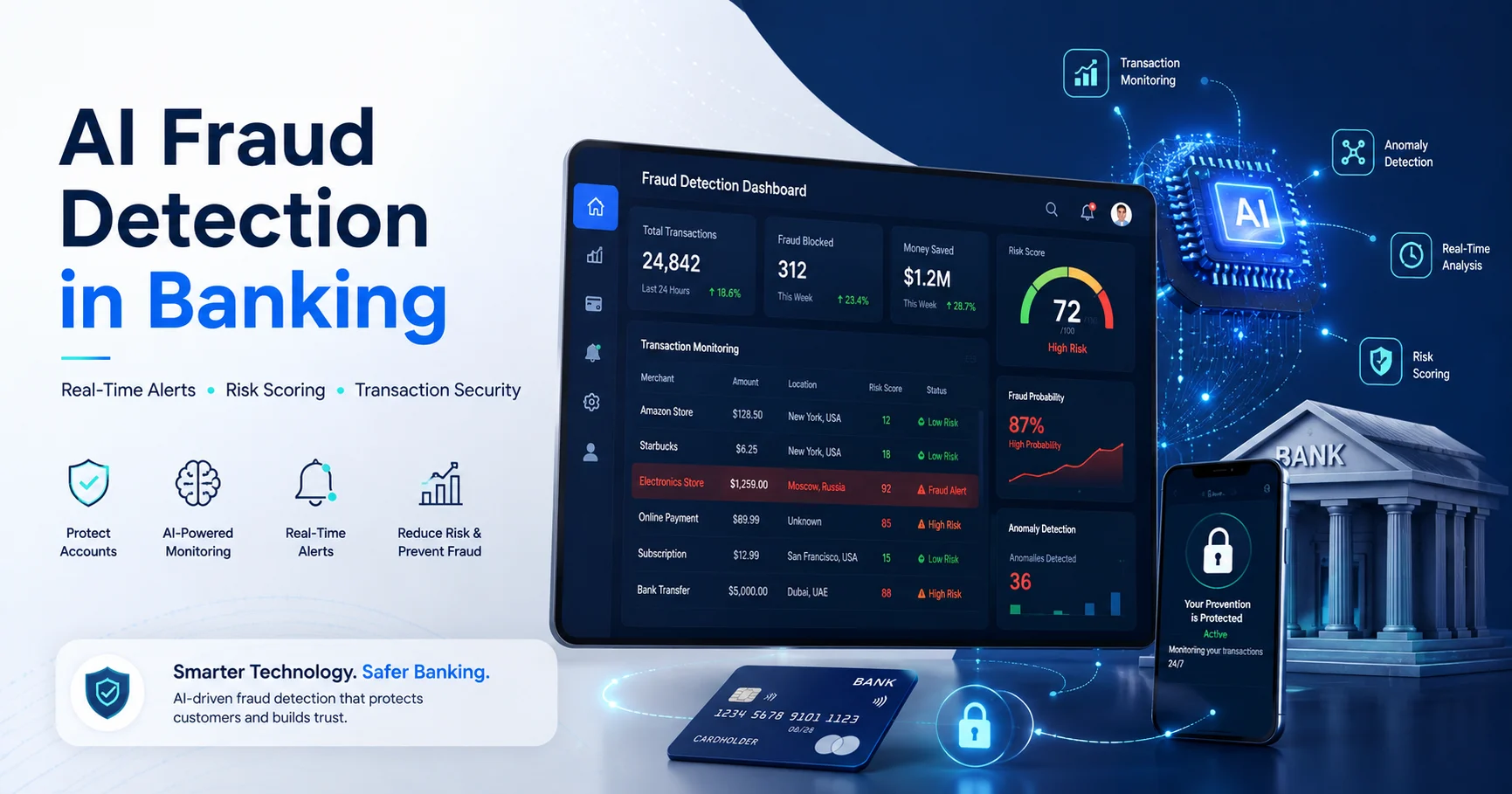
KYC (Know Your Customer) checks are costly. Celent estimates banks spend $37.1 billion globally on KYC compliance operating costs.
KYC automation in banking uses machine learning to verify identities, scan documents, and screen against watchlists in seconds. This reduces manual due diligence, speeds up onboarding, and cuts costs—all while improving accuracy.
For fintechs and digital banks, faster onboarding directly improves conversion. Customers who breeze through verification are far less likely to abandon signup.
AI banking personalization tailors products and advice to each customer. Machine learning analyzes spending habits, life stage, and goals to recommend the right credit card, savings plan, or loan at the right moment.
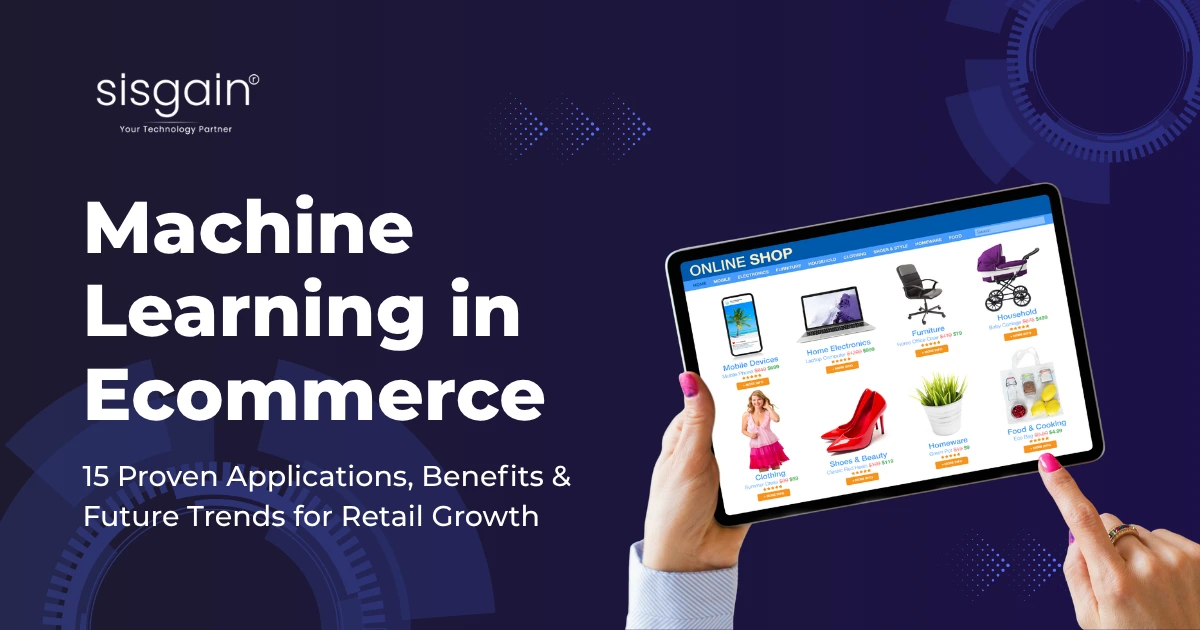
This matters because customers expect it. Generic offers feel like noise; relevant ones feel like service. Personalization increases cross-sell rates and deepens customer loyalty. Similar recommendation engines also power machine learning in ecommerce, where AI delivers personalized product recommendations, improves customer engagement, and increases conversion rates.
Acquiring a new customer costs far more than keeping one. Machine learning identifies customers likely to leave—based on signals like declining transactions, reduced logins, or complaint history.
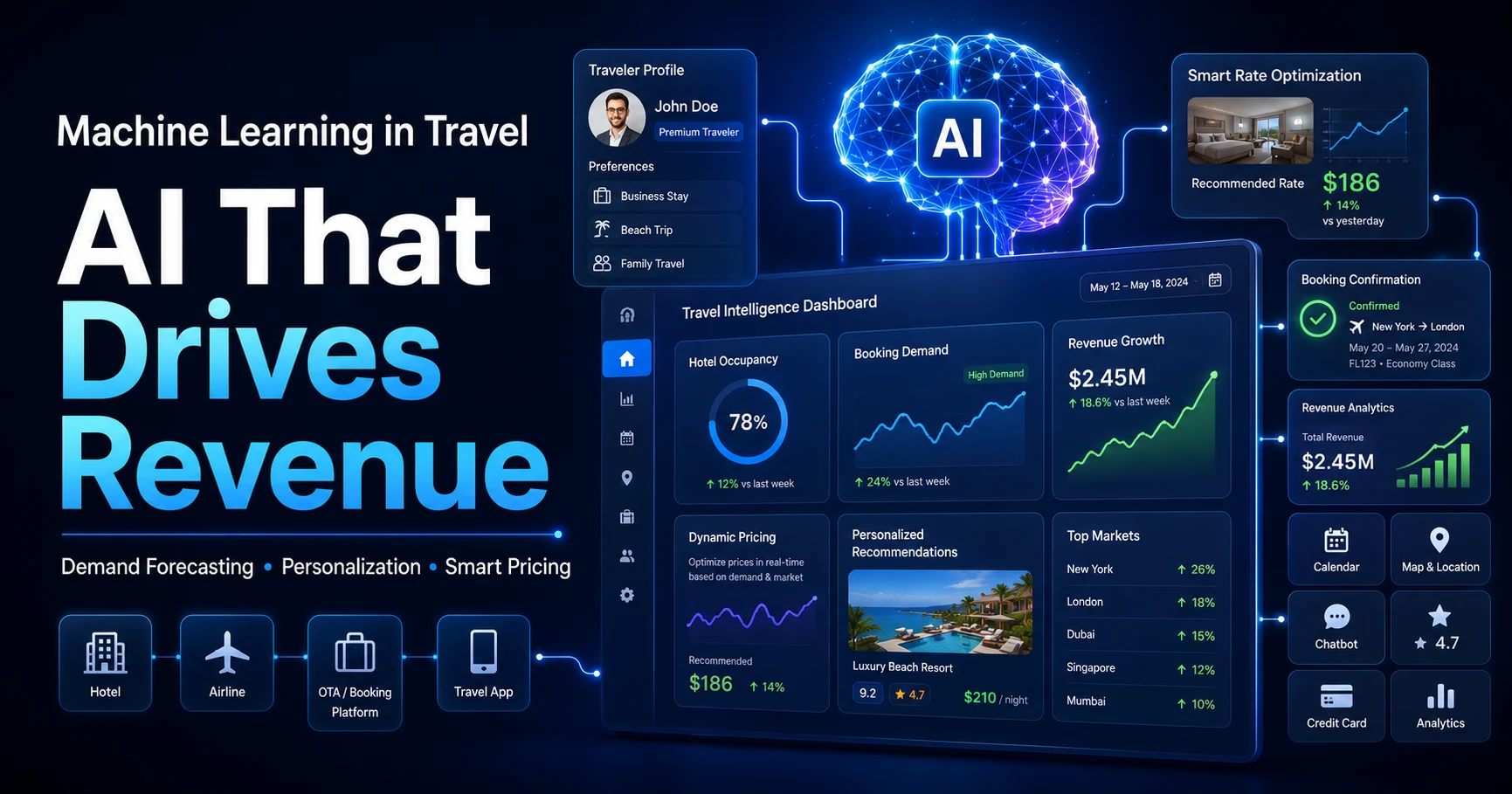
With predictive analytics in banking, teams can intervene early: a timely offer, a check-in call, or a fee waiver. Catching churn risk before the customer walks out the door protects revenue and lifetime value. The same predictive analytics models are widely used in machine learning in travel and hospitality to identify guests at risk of leaving, personalize offers, and improve customer retention.
As real-time payments grow, so does fraud exposure. There's no time for manual review when money moves in seconds.
Machine learning scores each payment instantly, weighing risk factors before the transaction clears. AI-powered payment risk monitoring lets payment companies approve legitimate transactions smoothly while blocking fraudulent ones—protecting both speed and security.
Machine learning in finance is reshaping wealth management. Robo-advisors use algorithms to build and rebalance portfolios based on a client's goals and risk tolerance.
Beyond automation, models surface investment insights by analyzing market data, news sentiment, and historical trends. This helps wealth firms offer data-driven advice at scale—serving more clients without sacrificing quality.
Insurers use machine learning to speed up claims and sharpen underwriting. Models assess claim validity, detect fraudulent filings, and estimate payouts automatically.
On the underwriting side, AI in financial services analyzes risk factors to price policies more accurately. Faster claims improve customer satisfaction, while better risk assessment protects the insurer's bottom line.
Compliance is a moving target. AI compliance automation helps BFSI firms keep pace by monitoring transactions, generating audit-ready reports, and flagging regulatory breaches automatically.
Financial risk analytics powered by machine learning gives leaders a real-time view of exposure across the business. Instead of scrambling at quarter's end, teams get continuous, accurate reporting—reducing both risk and manual effort.
AI chatbots handle routine queries around the clock—balance checks, payment reminders, card freezes—freeing human agents for complex issues.
Modern chatbots understand natural language and pull from customer data to give personalized answers. This cuts support costs, reduces wait times, and improves satisfaction. Many BFSI firms partner with specialists for AI chatbot development services to build assistants tuned for financial workflows.
Banks are prime targets for cyberattacks. Machine learning strengthens defenses by learning what normal network and user behavior looks like, then flagging anomalies that signal intrusion.
This anomaly detection catches threats traditional security tools miss—like unusual login patterns or data access. Paired with robust cybersecurity services, AI-driven monitoring adds a powerful, adaptive layer of protection.
|
Business Type |
Top ML Use Cases |
|---|---|
|
Banks |
Fraud detection, credit scoring, personalization |
|
Fintech startups |
Payment risk scoring, KYC automation, chatbots |
|
NBFCs |
Loan decisioning, credit risk analytics |
|
Insurance companies |
Claims processing, risk assessment, fraud detection |
|
Lending platforms |
Default prediction, faster approvals |
|
Payment companies |
Real-time payment risk scoring |
|
Wealth management firms |
Robo-advisory, investment insights |
|
Credit unions |
Churn prediction, member personalization |
Machine learning models are only as good as their data. BFSI firms typically need:
Clean, well-labeled, and securely stored data is the foundation. Poor data quality is the most common reason ML projects underperform.
Adoption isn't without hurdles:
The good news: each challenge has a known solution. With the right strategy and partner, they're manageable.
Partnering with experienced machine learning development services can compress this timeline and reduce risk at every stage.
Planning to implement machine learning in your bank, fintech platform, lending business, or insurance company? SISGAIN can help you design, develop, and integrate secure AI/ML solutions built for BFSI workflows.
|
Factor |
Ready-Made Tools |
Custom ML Software |
|---|---|---|
|
Setup speed |
Fast |
Slower |
|
Upfront cost |
Lower |
Higher |
|
Customization |
Limited |
Fully tailored |
|
Integration |
Generic |
Built for your stack |
|
Competitive edge |
Shared with others |
Unique to you |
|
Long-term value |
Recurring fees |
Owned asset |
Choose ready-made tools if you need speed and have standard needs. Choose custom ML software if you require deep integration, unique workflows, and a lasting competitive advantage.
According to Precedence Research, machine learning already leads AI adoption in financial services, accounting for a 40.4% technology share in 2025—while generative AI is the fastest-growing segment.
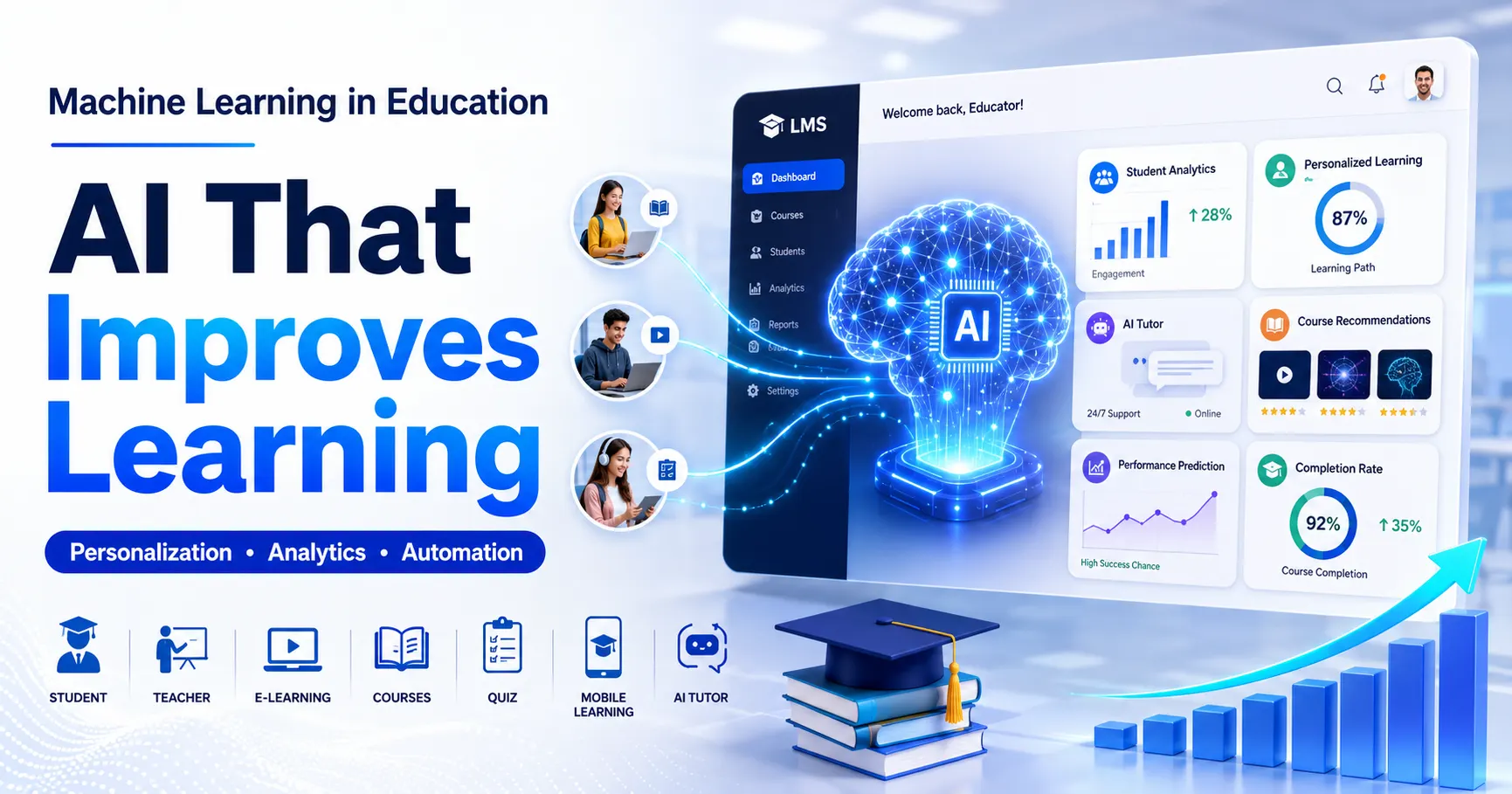
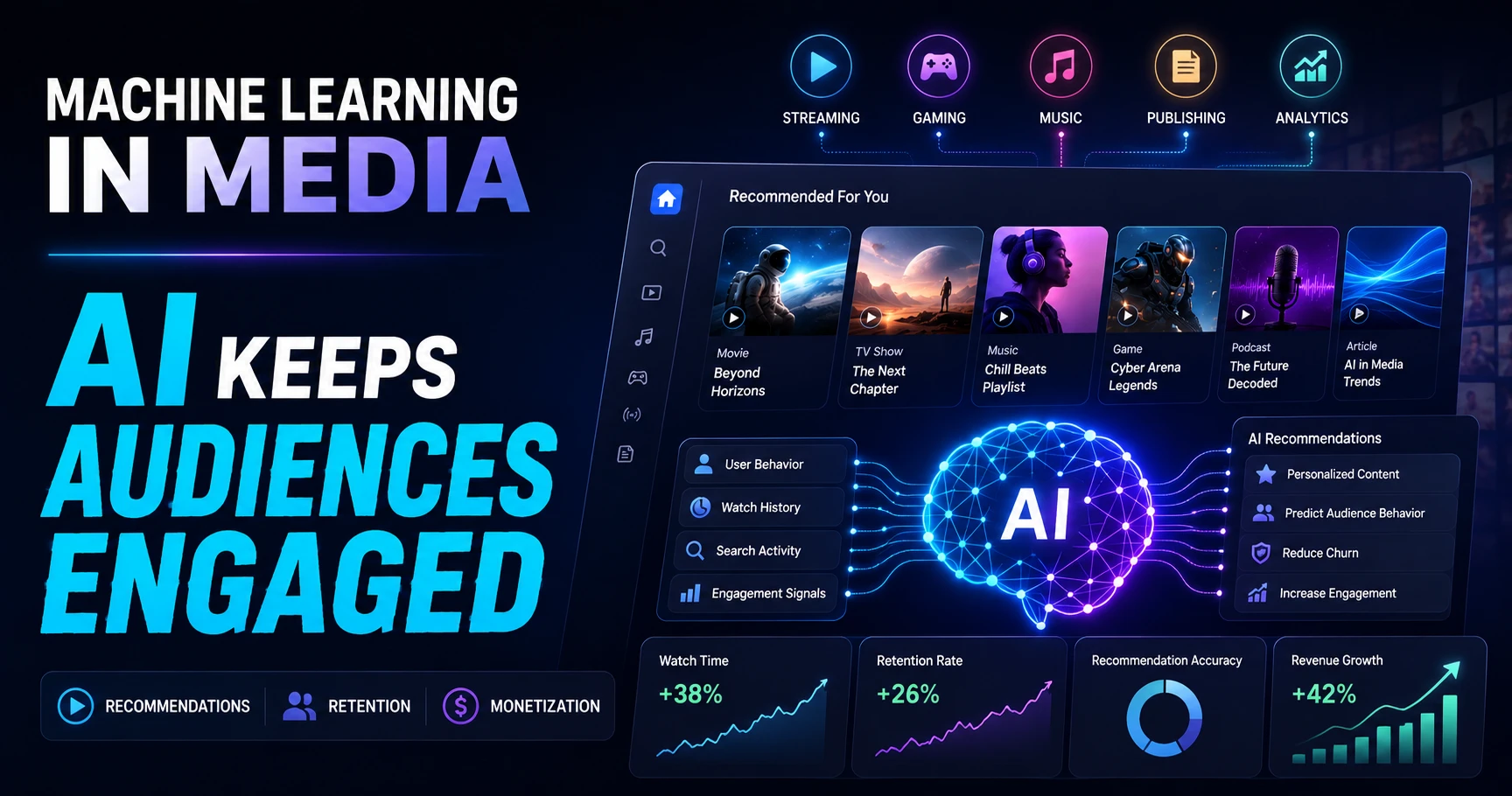
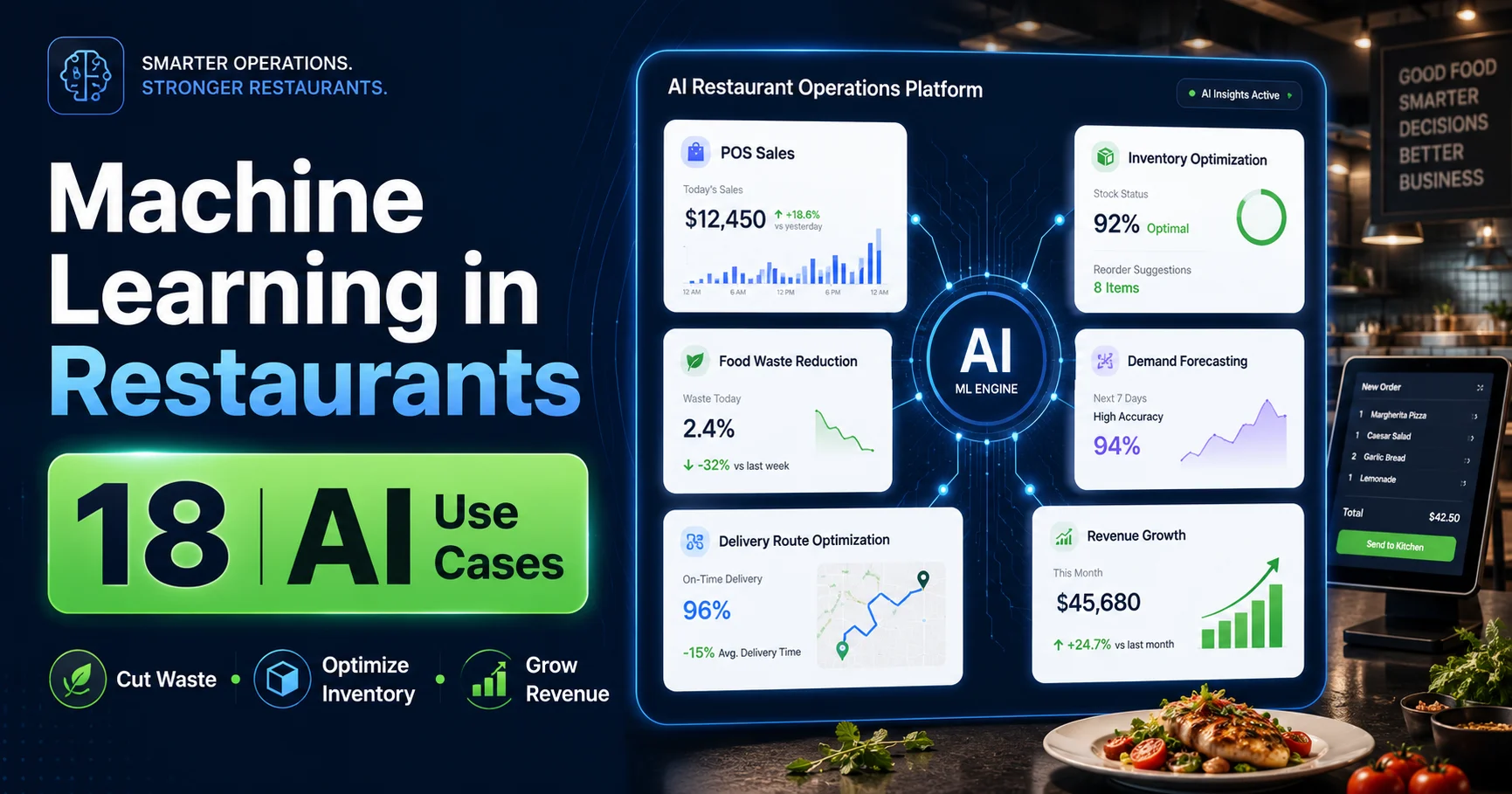
Machine learning isn't limited to finance. The same techniques drive results across industries. Explore how it's applied in food and restaurants, entertainment and media, travel and hospitality, education and eLearning, and e-commerce and retail.
SISGAIN builds secure, scalable, and compliant AI/ML solutions designed for the realities of financial workflows. Our services include:
From strategy to deployment, SISGAIN delivers AI-powered banking solutions and fintech machine learning solutions that fit your business.
Want to use machine learning to detect fraud faster, reduce financial risk, automate compliance, and personalize banking experiences? SISGAIN can help you build secure, scalable, and compliant AI/ML solutions for banks, fintechs, lenders, insurers, and financial platforms.
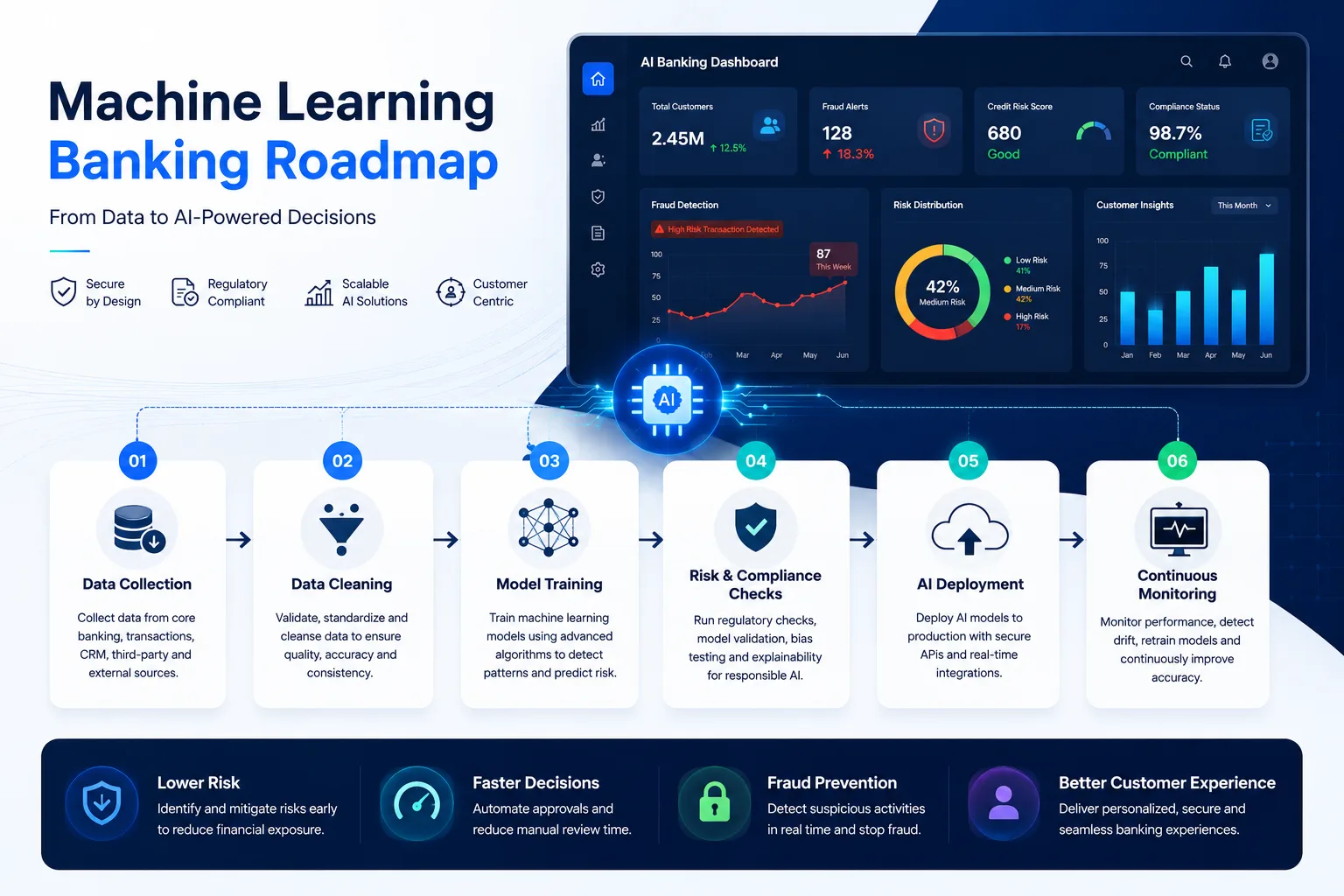
The case for machine learning in finance is no longer theoretical. With the AI in BFSI market climbing toward $140 billion in 2026 and fraud losses rising every year, financial firms that delay adoption risk falling behind on cost, security, and customer experience.
Start small. Pick one high-value use case—fraud detection, credit scoring, or KYC automation—prove the value, then scale. The institutions that act now will define the next decade of banking and finance.
If you're ready to explore what machine learning can do for your bank, fintech, lending business, or insurance company, SISGAIN is here to help you build it.




Start Build Your
Next Digital Solution?
Let’s build scalable, future-ready digital solutions tailored to your business goals. Connect with our experienced technology consultants to discuss your vision, strategy, and growth opportunities — with zero obligation and complete transparency.
Get a free consultation and cost estimate for your digital solution
Our expert will contact you within 24 hours. Check your email for confirmation.
Partner with SISGAIN experts to build secure, scalable AI-powered IT Solutions that transform your business operations.









DUQE FREEZONE Quarter Deck, Queen Elizabeth 2, Mina Rashid, Dubai, UAE

100 Consilium Pl Suite 200, Scarborough, ON M1H 3E3, Canada

C-109, Sector 2, Noida, Uttar Pradesh 201301 India
Project quotes, partnerships, implementation
Open roles, referrals, campus hiring