
 +1 844-445-5767
 +971 56-848-5757
 +91 921-208-0630
For Business & Service Inquiries
Sales Team
Project quotes, partnerships, implementation
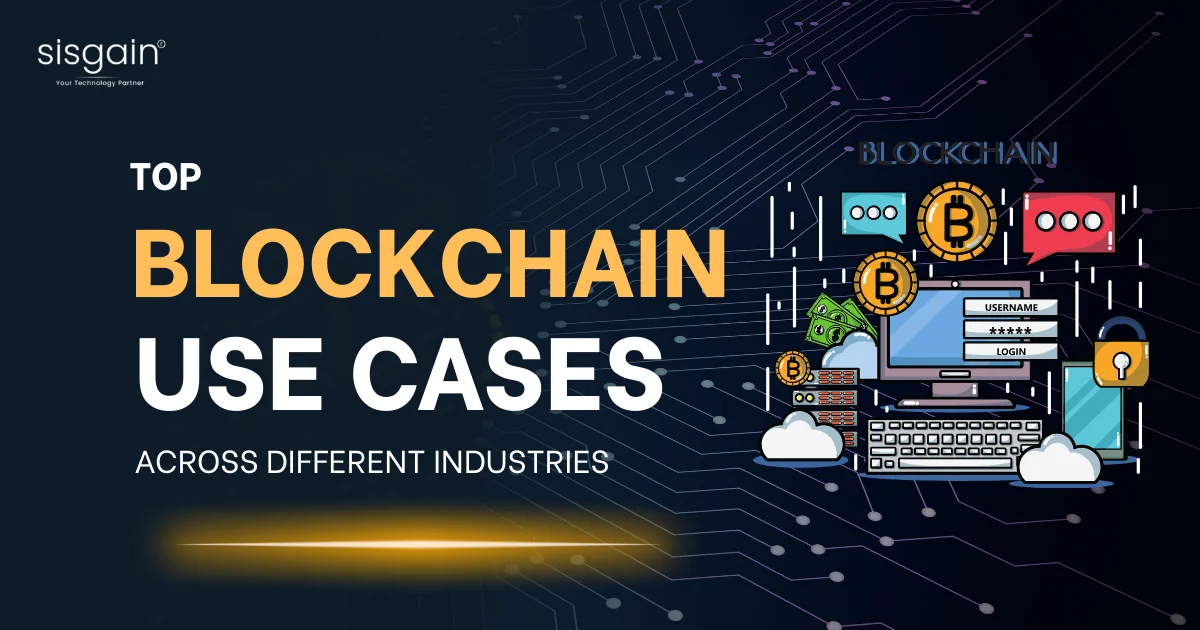
What if trust could be built into every digital transaction by design? Blockchain has evolved from a niche innovation into a transformative digital technology that is redefining how industries operate. Once associated mainly with cryptocurrencies, blockchain technology is now widely recognized for its ability to improve transparency, security, efficiency, and trust across complex systems. Businesses, governments, and enterprises are actively exploring blockchain applications to solve real-world challenges and unlock new growth opportunities.
As digital ecosystems become more interconnected, organizations are increasingly asking questions such as how can I use blockchain, what are the most practical use cases for blockchain, and how blockchain technology solutions can support long-term business goals. This blog explores the top blockchain use cases across different industries, explaining how blockchain works in practice, why it matters, and how it is shaping the future of business and technology.
Blockchain technology is a decentralized and distributed digital ledger that records transactions securely across a network of computers. Each transaction is verified through consensus mechanisms and stored in blocks that are cryptographically linked, making the data immutable and tamper-resistant.
Unlike traditional centralized databases, blockchain technology eliminates the need for a single controlling authority. This decentralization ensures transparency while maintaining high levels of security. Because of these characteristics, applications of blockchain technology are especially valuable in environments that require trust, data integrity, and accountability.
Over time, blockchain technology applications have expanded to include smart contracts, decentralized applications, and enterprise-grade solutions that go far beyond simple transaction recording.

The growing adoption of blockchain in different industries is driven by its ability to address long-standing inefficiencies in traditional systems. One of the most significant advantages of blockchain technology is enhanced security. Data stored on blockchain is encrypted and distributed, making unauthorized access extremely difficult.
Another key benefit is transparency. Blockchain allows all authorized participants to view and verify transactions in real time, reducing disputes and improving operational clarity. Cost efficiency is also a major driver, as blockchain reduces dependency on intermediaries and automates processes through smart contracts.
These benefits make blockchain in business a powerful tool for enterprises seeking scalability, compliance, and innovation. As a result, blockchain business opportunities continue to expand across global markets.
The financial sector was one of the earliest adopters of blockchain technology and continues to lead innovation in this space. Blockchain applications in banking and finance have transformed how money is transferred, assets are managed, and transactions are verified.
One of the most prominent blockchain use cases in finance is cross-border payments. Traditional international transfers are slow and expensive due to multiple intermediaries. Blockchain enables faster, low-cost, and transparent transactions by allowing direct peer-to-peer transfers.
Another major application of blockchain technology is decentralized finance, which provides access to financial services such as lending, borrowing, and trading without relying on centralized institutions. Identity verification and fraud prevention are also key uses of blockchain technology in finance, as immutable digital identities improve compliance and security.
These blockchain technology examples demonstrate why financial institutions are investing heavily in blockchain technology solutions.
Healthcare systems around the world face challenges related to data security, interoperability, and patient privacy. Blockchain technology applications are helping healthcare providers overcome these issues by enabling secure and transparent data sharing.
Electronic health records stored on blockchain can be accessed only by authorized parties, giving patients greater control over their data. This improves coordination among healthcare providers and enhances the quality of care. Another important use case for blockchain in healthcare is pharmaceutical supply chain tracking. Blockchain records each stage of a drug’s journey, reducing the risk of counterfeit medicines.
Clinical trials also benefit from blockchain applications by ensuring data integrity and transparency. These uses of blockchain technology help build trust among patients, providers, and regulators.
Supply chain and logistics are among the most practical and widely adopted use cases blockchain offers. Traditional supply chains often lack visibility, leading to inefficiencies, delays, and fraud. Blockchain addresses these issues by creating a shared, immutable record of transactions.
With blockchain applications, businesses can track products from origin to delivery in real time. This level of traceability improves accountability and helps companies quickly identify and resolve issues. An example of blockchain in supply chain management includes food safety systems that allow companies to trace contamination sources within minutes.
Logistics companies are also using blockchain technology solutions to automate documentation and payments through smart contracts, reducing administrative overhead and operational costs.
The real estate industry is traditionally complex, paperwork-heavy, and reliant on intermediaries. Blockchain use cases are simplifying property transactions and ownership management by introducing transparency and automation.
Property records stored on blockchain are secure, tamper-proof, and easily verifiable, reducing fraud and disputes. Tokenization is another important application of blockchain technology in real estate, allowing properties to be divided into digital tokens that enable fractional ownership.
Smart contracts further streamline real estate transactions by automating agreements, payments, and transfers. These applications of the blockchain increase efficiency and accessibility in real estate markets.
Governments are increasingly adopting blockchain technology to improve transparency, accountability, and service delivery. Blockchain applications in the public sector help reduce corruption and enhance trust between citizens and institutions.
Digital identity systems built on blockchain enable secure access to government services while minimizing identity fraud. Blockchain-based voting systems ensure transparency and integrity in electoral processes. Land registry systems are another strong example of blockchain use cases, as immutable records reduce disputes and administrative delays.
By adopting blockchain in business-like governance models, public institutions can modernize operations and improve efficiency.
Retailers and e-commerce businesses are leveraging blockchain applications to improve customer trust and streamline operations. Product authenticity verification is one of the most common uses for blockchain in retail, allowing customers to trace product origins and ensure authenticity.
Blockchain is also used to manage loyalty programs securely and transparently. Payment systems built on blockchain technology offer faster transactions and enhanced security. These applications of blockchain technology help retailers protect customer data and build long-term trust.
Manufacturing companies rely on accurate data, efficient workflows, and quality control. Blockchain technology applications provide end-to-end visibility across production and supply chains.
By recording manufacturing data on blockchain, companies ensure traceability and accountability at every stage. Smart contracts automate supplier payments and compliance checks, reducing delays and errors. These blockchain technology examples demonstrate how blockchain in business improves operational efficiency and risk management.
The energy sector is embracing blockchain technology to support decentralization and sustainability. Blockchain enables peer-to-peer energy trading, allowing consumers to buy and sell excess renewable energy directly.
Grid management and billing systems also benefit from blockchain applications, as transparent records reduce disputes and improve efficiency. These uses for blockchain promote innovation and support the transition to cleaner energy models.
Educational institutions are adopting blockchain to manage academic records and credentials securely. Digital certificates stored on blockchain are tamper-proof and easily verifiable, reducing credential fraud.
Blockchain also supports secure student identity management and intellectual property protection for academic research. These applications for blockchain technology improve trust and efficiency in education systems.
The media and entertainment industry faces challenges related to copyright protection and revenue distribution. Blockchain applications address these issues by enabling transparent digital rights management.
Creators can register content on blockchain and receive automated royalty payments through smart contracts. NFTs are a prominent blockchain application in this sector, allowing creators to monetize digital assets directly. These uses for the blockchain empower creators and ensure fair compensation.
Blockchain for enterprises is becoming a strategic priority rather than an experimental technology. Enterprises use blockchain to secure data, automate workflows, and improve compliance across operations.
Blockchain in business enables trusted collaboration among multiple stakeholders, reducing operational friction and increasing efficiency. These uses of blockchain technology open new blockchain business opportunities and support long-term digital transformation.

Organizations looking to adopt blockchain should start by identifying specific challenges such as data security, lack of transparency, or process inefficiencies. Once clear objectives are defined, businesses can choose suitable blockchain platforms and integration strategies.
Common blockchain application approaches include private blockchains for enterprise use, hybrid models for collaboration, and public blockchains for decentralized solutions. Working with experienced blockchain professionals ensures scalability and successful implementation.
The blockchain industry continues to evolve with improvements in scalability, interoperability, and regulatory clarity. As adoption increases, blockchain technology applications will become more accessible and practical for businesses of all sizes.
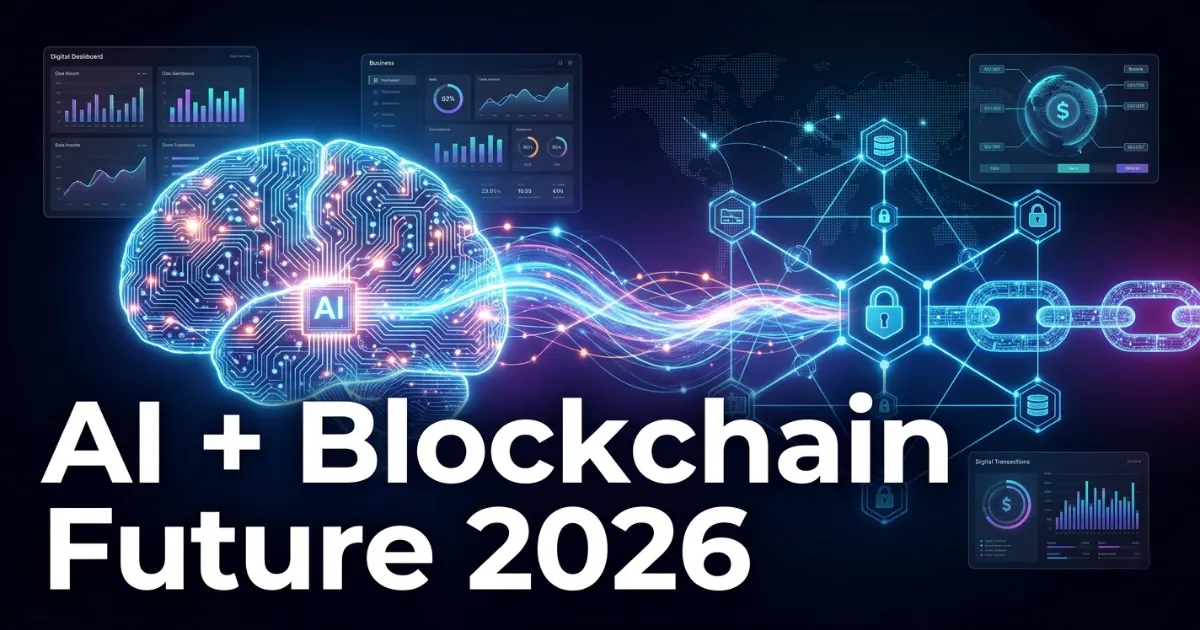
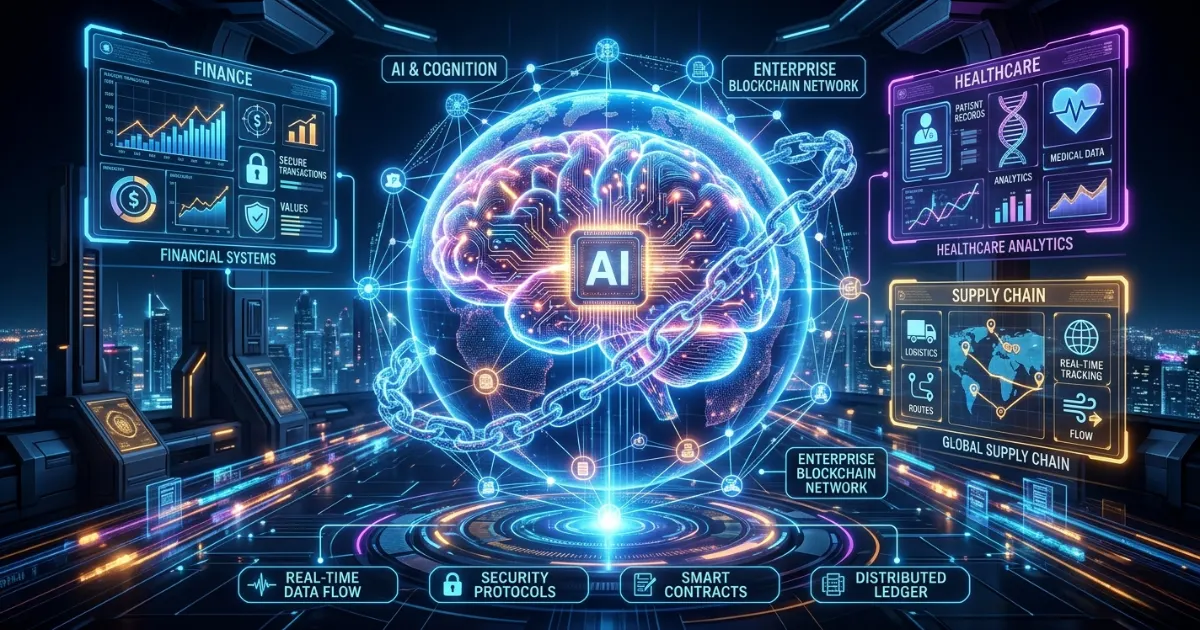
Emerging trends include enterprise-grade platforms, integration with AI and IoT, and cross-chain interoperability. These developments will further expand use cases for blockchain and drive innovation across industries.
SISGAIN is a trusted blockchain development company delivering secure, scalable, and customized blockchain technology solutions for businesses across industries. With expertise in blockchain applications, smart contracts, and enterprise platforms, SISGAIN helps organizations turn ideas into impactful digital solutions.

Blockchain has become a powerful force reshaping industries and redefining how businesses operate. From finance and healthcare to supply chain, government, and entertainment, blockchain use cases highlight its ability to improve security, transparency, and efficiency. As blockchain in different industries continues to grow, businesses that embrace this technology early will gain a significant competitive advantage.
By partnering with an experienced technology provider like SISGAIN, organizations can unlock the full potential of blockchain technology and build future-ready digital ecosystems that support sustainable growth.



Start Build Your
Next Digital Solution?
Let’s build scalable, future-ready digital solutions tailored to your business goals. Connect with our experienced technology consultants to discuss your vision, strategy, and growth opportunities — with zero obligation and complete transparency.
Get a free consultation and cost estimate for your digital solution
Our expert will contact you within 24 hours. Check your email for confirmation.
Partner with SISGAIN experts to build secure, scalable AI-powered IT Solutions that transform your business operations.









DUQE FREEZONE Quarter Deck, Queen Elizabeth 2, Mina Rashid, Dubai, UAE

100 Consilium Pl Suite 200, Scarborough, ON M1H 3E3, Canada

C-109, Sector 2, Noida, Uttar Pradesh 201301 India
Project quotes, partnerships, implementation
Open roles, referrals, campus hiring