
 +1 844-445-5767
 +971 56-848-5757
 +91 921-208-0630
For Business & Service Inquiries
Sales Team
Project quotes, partnerships, implementation
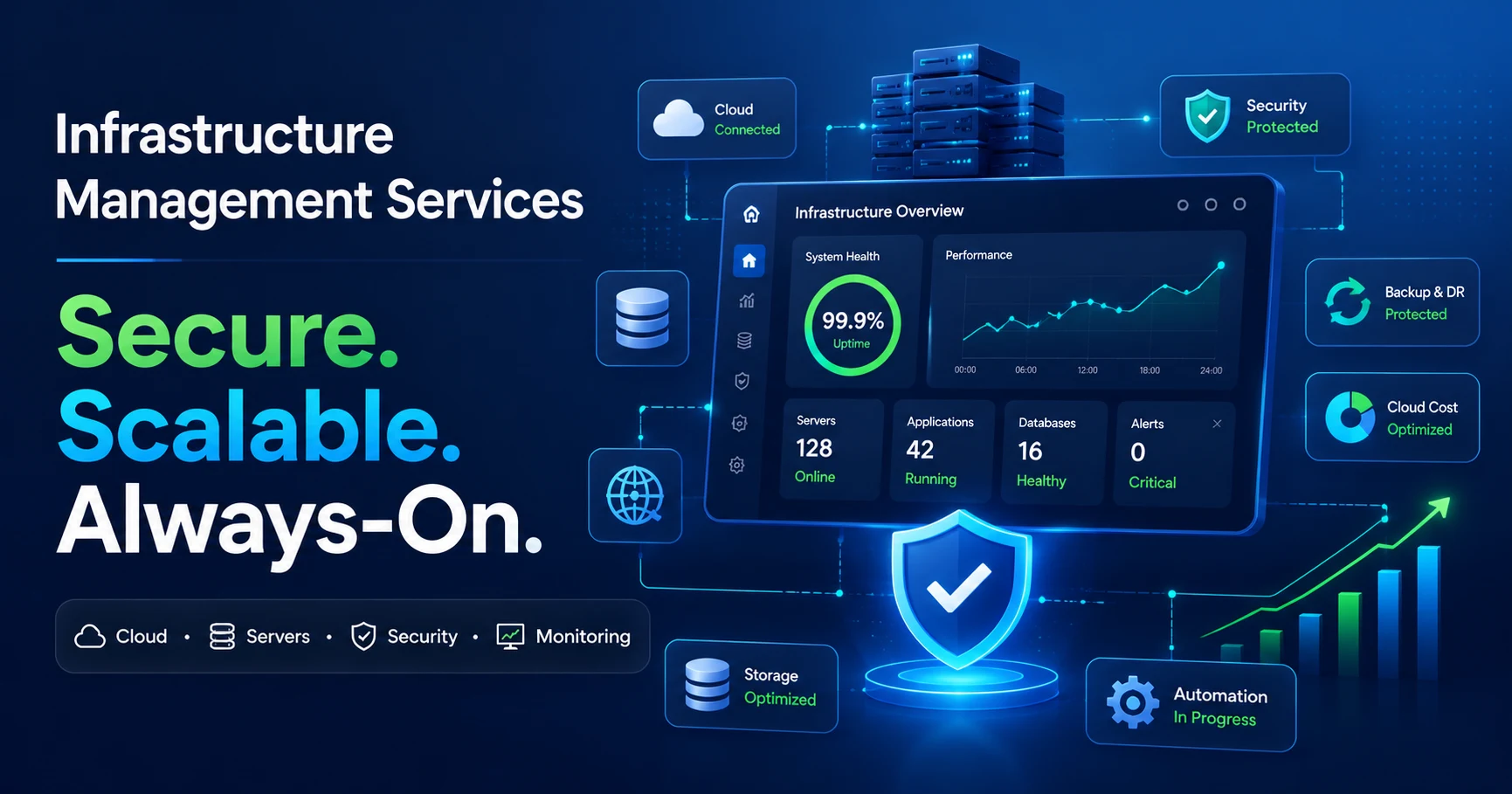
Quick answer: Infrastructure management services are managed IT services that help businesses monitor, maintain, secure, automate, and optimize their technology infrastructure, including cloud systems, servers, networks, databases, storage, applications, and security environments. These services help reduce downtime, improve performance, strengthen security, control IT costs, and keep business-critical systems available.
Every digital business depends on infrastructure. Servers, cloud platforms, networks, databases, storage systems, security tools, and business applications all work together behind the scenes. When this stack runs smoothly, customers, employees, and business teams rarely notice it. But when it fails, everything can stop: payments fail, apps go offline, employees lose access, and customers move to competitors.
The cost of downtime is becoming harder to ignore. New Relic reported that high-impact IT outages can cost up to $1.9 million per hour, with median annual downtime reaching 77 hours. BigPanda also reported that unplanned IT downtime now averages around $14,056 per minute, rising even higher for large enterprises. In industrial environments, Siemens estimated that unplanned downtime costs the world’s 500 largest companies nearly $1.4 trillion annually.
This is why IT infrastructure management services have become a business priority, not just a technical support function. A reliable infrastructure management service helps companies move from reactive firefighting to proactive operations. It keeps systems secure, scalable, monitored, and ready for growth.
Need reliable infrastructure management for your business?
SISGAIN can help you build a secure, scalable, and always-on IT environment.
Book a Free Consultation
Infrastructure management services are ongoing managed IT services that handle the monitoring, maintenance, security, automation, optimization, and support of a business’s IT infrastructure. This includes physical servers, virtual machines, cloud platforms, networks, storage, databases, backup systems, security layers, and end-user environments.
In simple terms, these services make sure the technology foundation of a business stays available, secure, cost-efficient, and aligned with business goals.
Infrastructure management services help businesses manage the full IT environment, including cloud systems, servers, networks, databases, storage, security, backups, automation, and monitoring.
The key word is managed. Instead of waiting for something to break and then fixing it, infrastructure managed services focus on prevention. Providers monitor systems continuously, detect risks early, patch vulnerabilities, optimize workloads, and respond quickly when incidents happen.
Businesses may also call these services IT infrastructure management services, infrastructure managed services, infra management services, or IT infrastructure management service. The goal is the same: keep the infrastructure reliable, secure, scalable, and ready for business demand.
Modern businesses cannot afford unstable infrastructure. A single outage can affect sales, customer support, internal communication, data access, and brand reputation at the same time. Infrastructure management matters because it protects the systems that keep the business running.
Availability is the foundation of digital trust. If an eCommerce checkout fails during a sale, a healthcare platform becomes unavailable, or a SaaS dashboard goes offline during business hours, the revenue and trust lost during that time may never fully return. Infrastructure management services reduce this risk through continuous monitoring, automated alerts, backup systems, and fast incident response.
Infrastructure is often a major entry point for cyberattacks. Poor patching, weak access control, misconfigured cloud resources, and outdated systems can expose a business to serious risk. Infrastructure security management protects each layer with access control, encryption, firewall policies, vulnerability monitoring, endpoint protection, and regular updates.
Downtime creates direct and hidden costs. Businesses lose revenue, productivity, customer confidence, and recovery time. A proactive infrastructure management service prevents many issues before they become outages. It also improves resource allocation, removes unused capacity, and reduces avoidable spending.
As businesses grow, infrastructure must scale with them. Poorly managed infrastructure can become a bottleneck. Managed infrastructure services help companies scale cloud resources, storage, databases, and network capacity based on demand, so growth does not slow down because of technical limitations.
When internal IT teams spend most of their time fixing tickets, patching systems, and troubleshooting infrastructure, they have less time for innovation. Outsourced or co-managed infrastructure services allow internal teams to focus on product improvement, automation, digital transformation, and business growth.
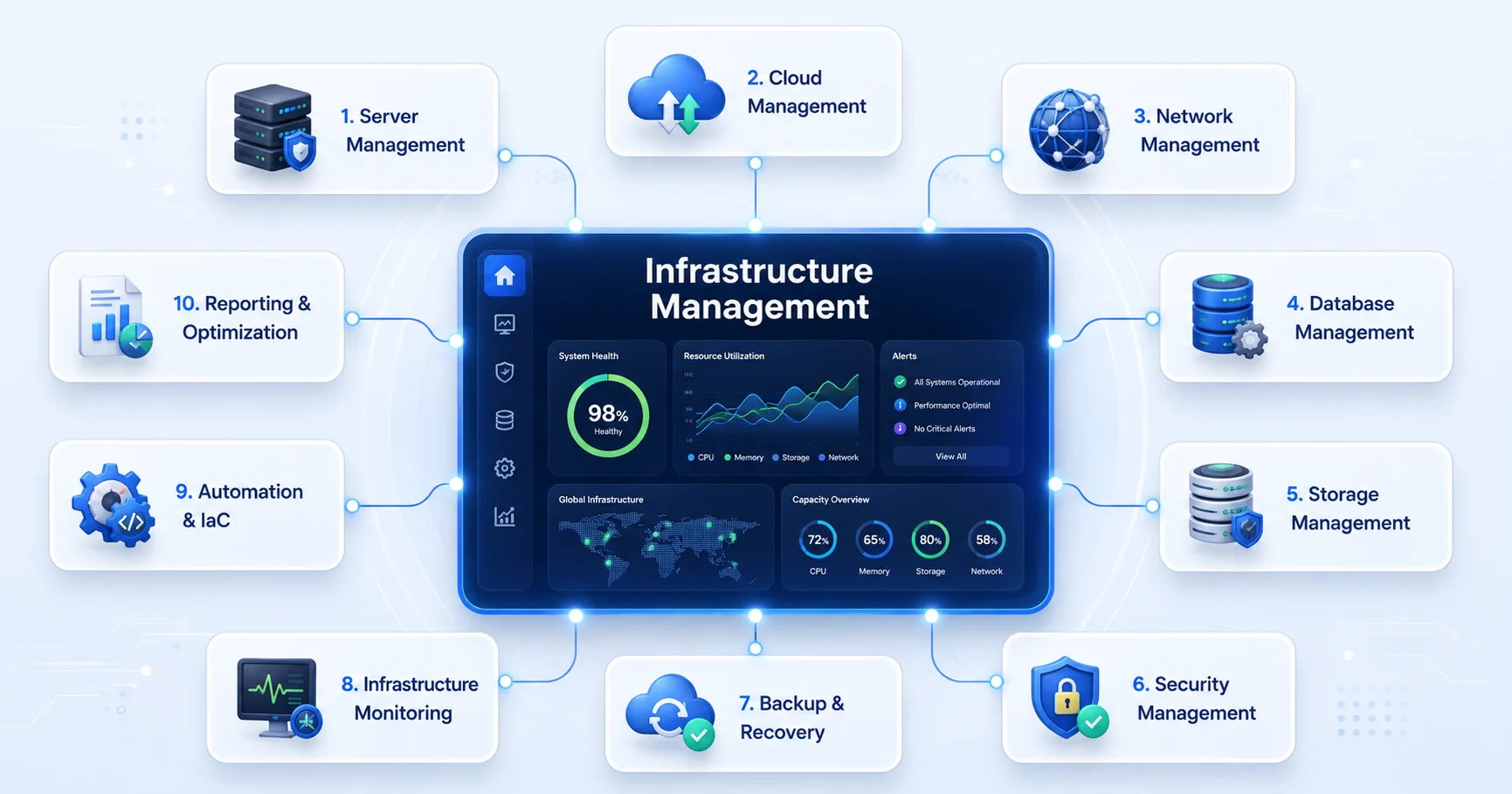
The exact scope depends on the provider and business environment, but most IT infrastructure management services include the following areas:
| Service Area | What It Covers | Business Benefit |
|---|---|---|
| Server Management | Server setup, configuration, patching, monitoring, upgrades, and capacity planning. | Stable performance for business-critical applications. |
| Network Management | Routers, switches, firewalls, VPNs, bandwidth, traffic monitoring, and troubleshooting. | Secure and reliable connectivity across the business. |
| Cloud Infrastructure Management | Cloud provisioning, migration, scaling, governance, security, and cost optimization. | Flexible, scalable, and cost-efficient cloud operations. |
| Storage Management | Storage planning, backups, SAN/NAS systems, data protection, and capacity management. | Protected, available, and scalable business data. |
| Database Management | Database installation, tuning, maintenance, backup, security, and performance monitoring. | Fast and reliable access to business information. |
| Infrastructure Security Management | Access control, patching, vulnerability monitoring, threat detection, and compliance support. | Lower breach risk and stronger regulatory readiness. |
| Backup and Disaster Recovery | Backup automation, recovery planning, failover, business continuity, and testing. | Faster recovery after outages, attacks, or failures. |
| Infrastructure Monitoring | 24/7 monitoring of servers, networks, cloud systems, applications, and performance metrics. | Earlier issue detection and faster incident resolution. |
| Automation and Infrastructure as Code | Automated provisioning, configuration, deployment, and repeatable infrastructure setup. | Less manual error, faster delivery, and better consistency. |
| Reporting and Optimization | Performance reports, cost reports, SLA tracking, capacity planning, and improvement roadmaps. | Better visibility and smarter IT decision-making. |
Different businesses need different infrastructure models. The right infrastructure management service depends on where your systems run, how complex your environment is, and how much support your internal team needs.
Cloud managed services help businesses manage resources hosted on platforms such as AWS, Microsoft Azure, Google Cloud, or private cloud environments. It includes cloud setup, migration, security, scaling, monitoring, backup, and cost optimization.
On-premise infrastructure management covers servers, storage, networking hardware, and data center systems owned or controlled by the business. This is common in industries with strict compliance, latency, or data control requirements.
Hybrid cloud infrastructure management connects on-premise systems with public or private cloud resources. It helps businesses manage mixed environments as one connected system instead of separate, disconnected platforms.
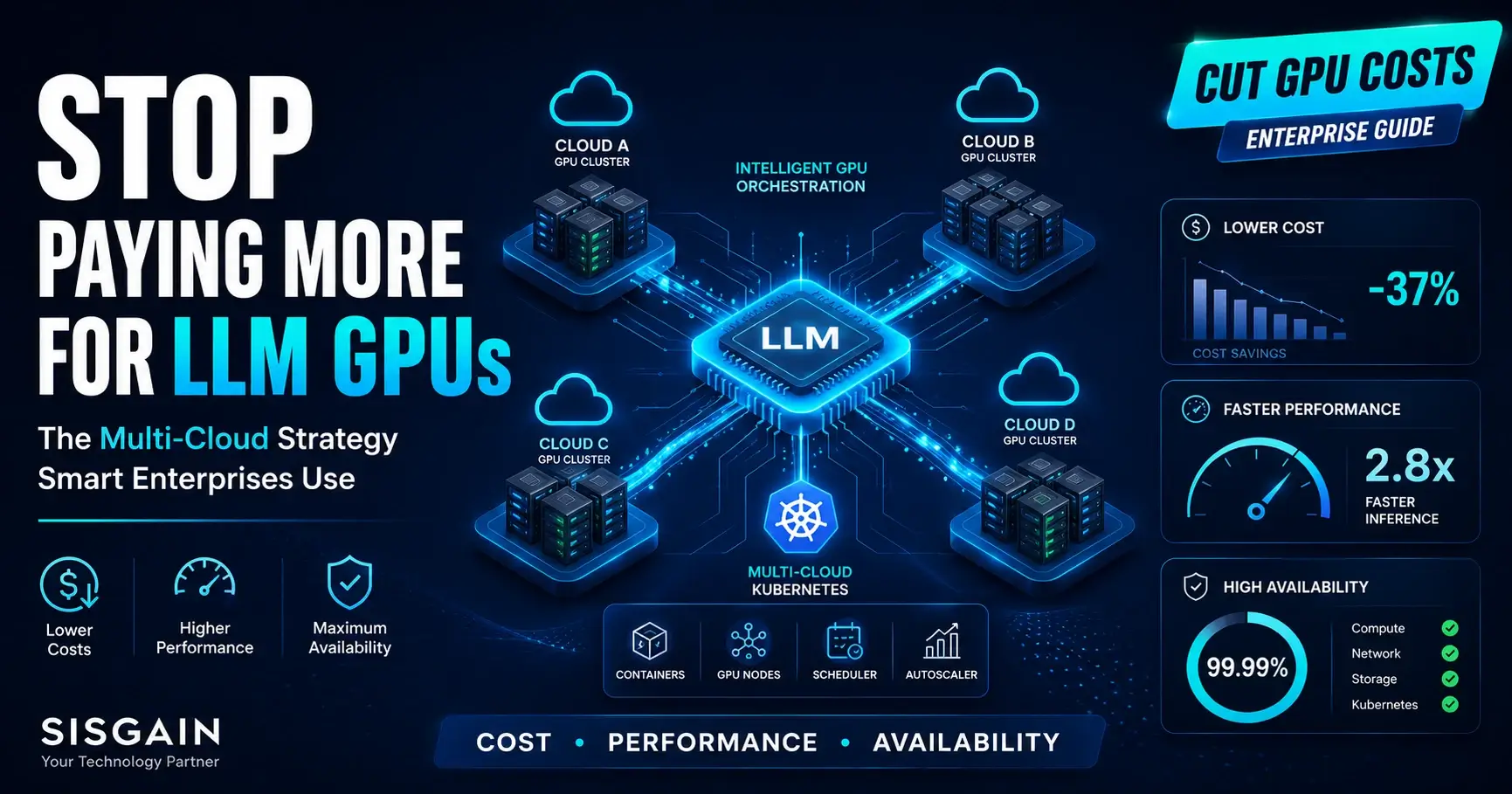
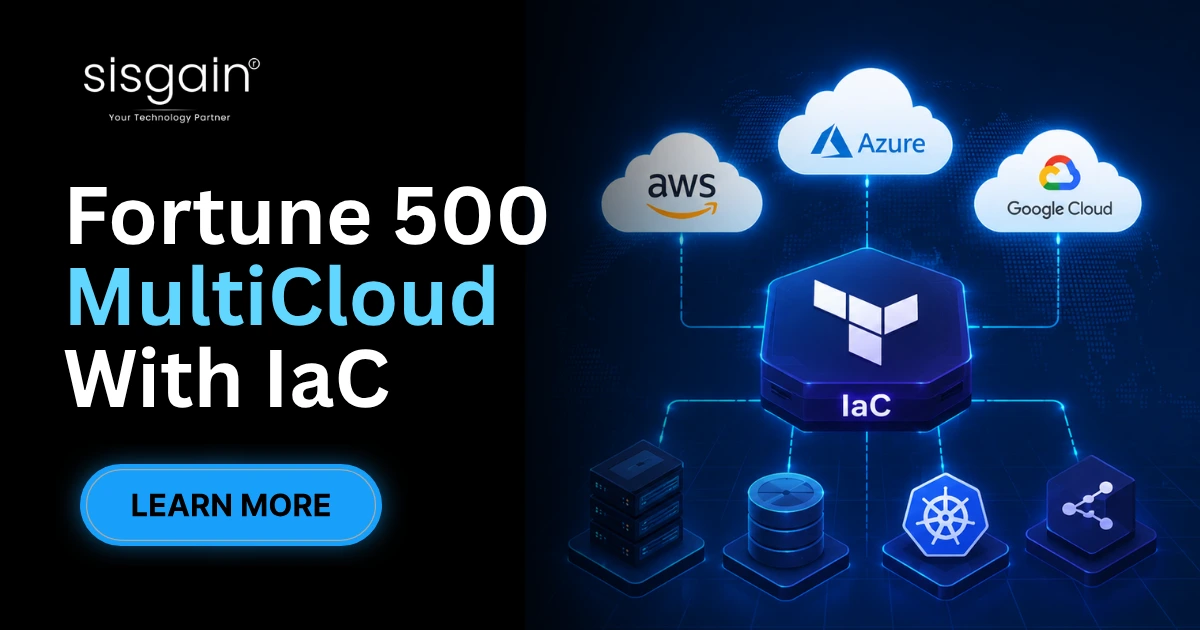
Multi-cloud management is used when a business runs workloads across multiple cloud providers. It helps control security, cost, monitoring, governance, and workload placement across different cloud platforms.
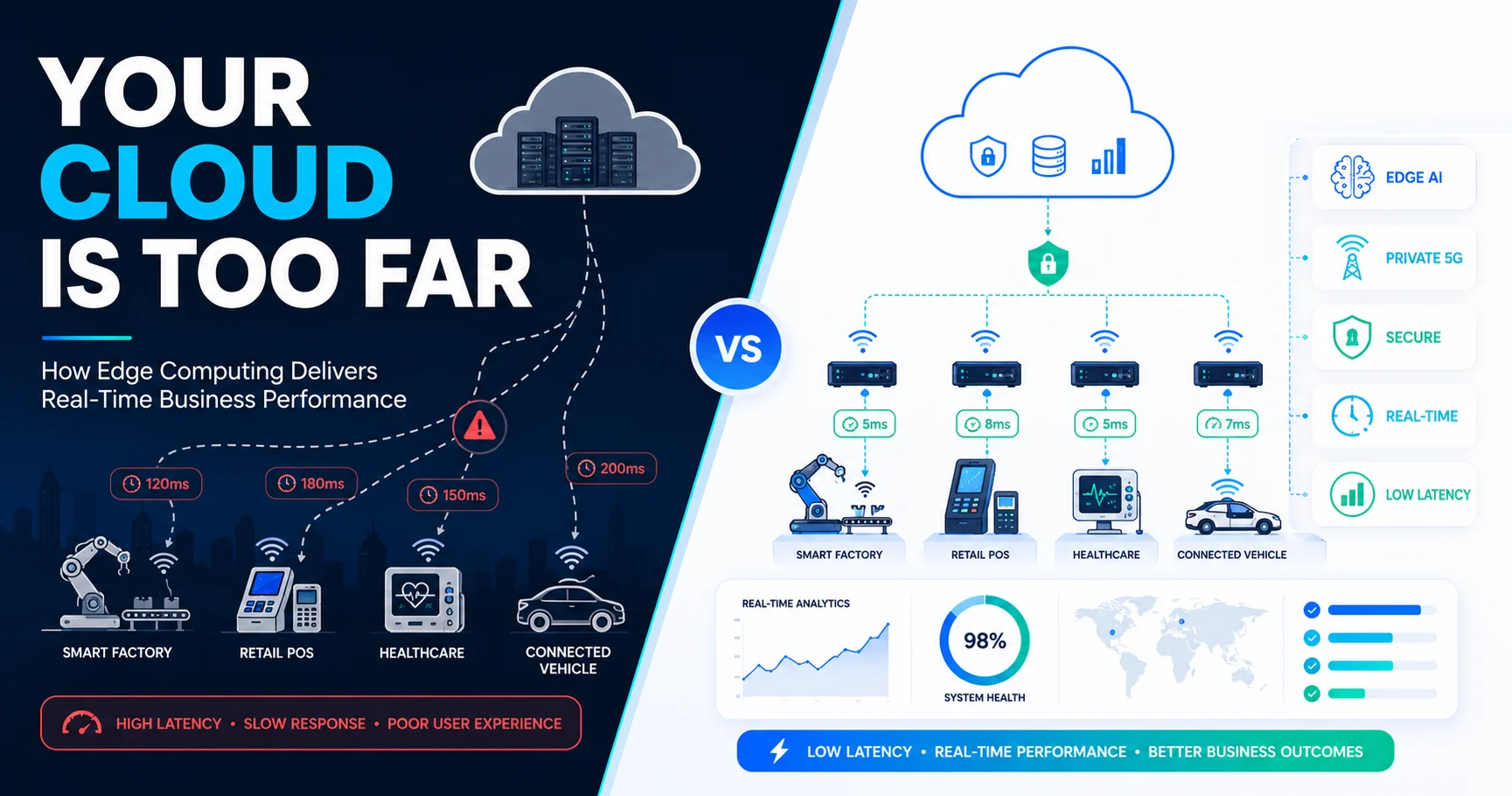
Edge infrastructure management supports distributed systems located close to users, devices, factories, stores, warehouses, or remote sites. It is important for IoT, real-time analytics, logistics, manufacturing, telecom, and smart city environments.
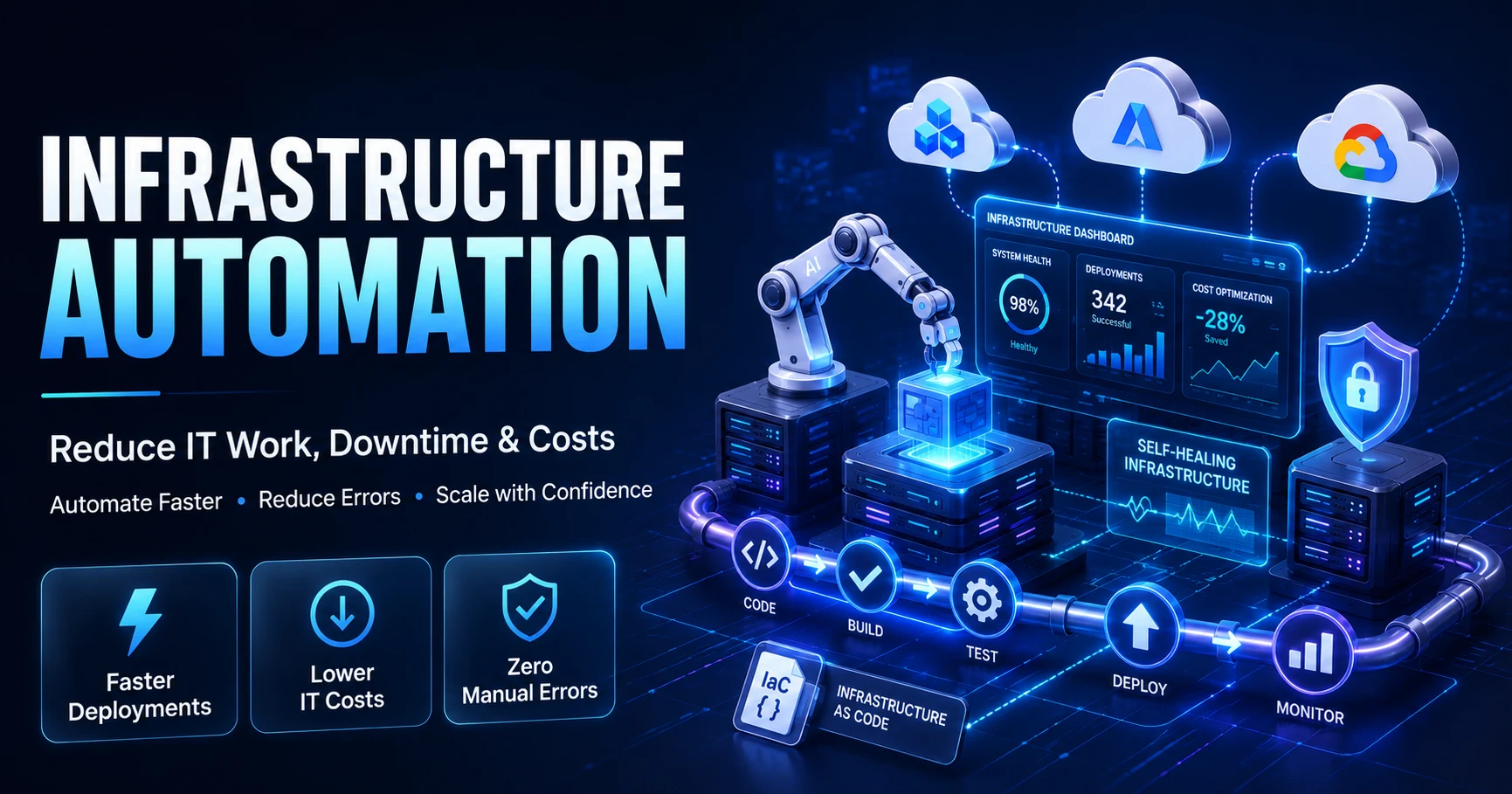
Automated infrastructure management uses automation tools and Infrastructure as Code to provision, configure, scale, and manage systems with less manual work. This improves speed, consistency, reliability, and compliance.
Continuous monitoring, preventive maintenance, backup systems, and incident response help reduce outages and keep applications available. Reliable infrastructure improves customer experience and protects revenue.
Managed infrastructure services improve security through patch management, access control, vulnerability scanning, endpoint monitoring, network protection, and cloud security governance. This is especially important for industries such as healthcare, fintech, logistics, SaaS, retail, and enterprise software.
Infrastructure managed services help reduce unnecessary spending by optimizing cloud resources, improving capacity planning, reducing downtime, and lowering the need for large in-house infrastructure teams.
Businesses can scale servers, storage, databases, cloud workloads, and network capacity based on demand. This is useful during seasonal sales, app launches, traffic spikes, product growth, and business expansion.
Providers with experience in GDPR, HIPAA, ISO standards, and industry-specific compliance can help businesses manage security controls, access policies, audit trails, backups, and documentation.
With clear SLAs, regular reporting, monitoring dashboards, and defined escalation processes, businesses gain more control over infrastructure performance and operational risk.
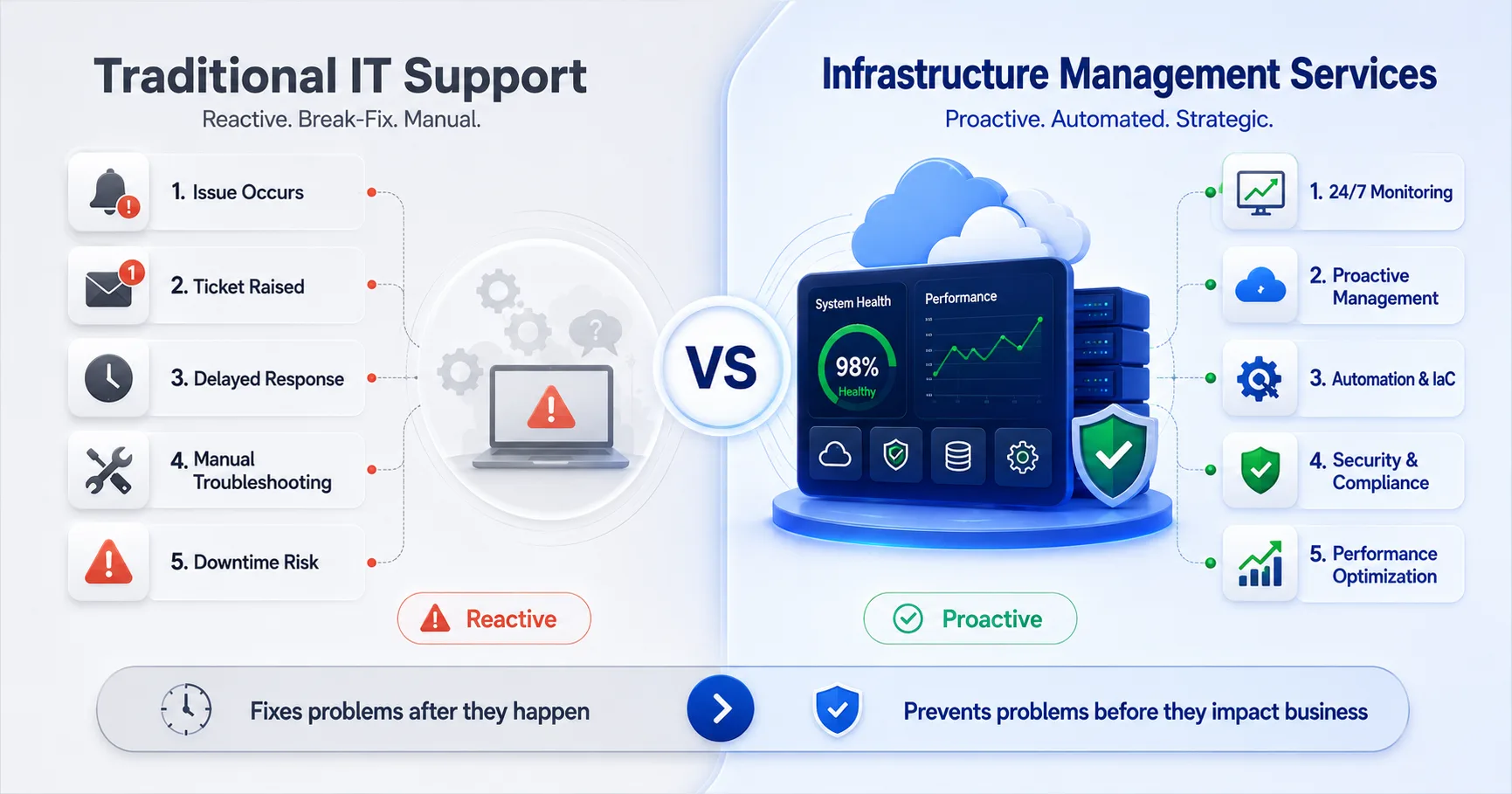
Traditional IT support and infrastructure management services are not the same. Traditional IT support usually reacts to problems after they happen. Infrastructure management is proactive, continuous, and focused on preventing issues before they affect users.
| Aspect | Traditional IT Support | Infrastructure Management Services |
|---|---|---|
| Approach | Reactive break/fix support. | Proactive and continuous management. |
| Focus | Fixing individual issues. | Managing the full infrastructure stack. |
| Monitoring | Limited or request-based. | 24/7 real-time monitoring. |
| Security | Often handled after problems appear. | Built into infrastructure operations. |
| Cost Model | Often per issue or hourly support. | Predictable managed service model. |
| Best For | Small, occasional IT issues. | Businesses that need uptime, security, scalability, and governance. |
Choose traditional support if your needs are occasional and simple. Choose infrastructure management services if your business depends on reliable applications, secure systems, cloud infrastructure, and continuous operations.
Cloud infrastructure management is part of infrastructure management, but it is not the complete picture. Full IT infrastructure management services cover cloud, on-premise, hybrid, multi-cloud, edge, network, storage, database, and security environments.
| Aspect | Cloud Infrastructure Management | Infrastructure Management Services |
|---|---|---|
| Scope | Cloud resources only. | Cloud, on-premise, hybrid, edge, network, storage, and security. |
| Focus | Cloud provisioning, scaling, security, and cost. | Complete technology environment management. |
| Best For | Cloud-native businesses. | Businesses with mixed, growing, or complex infrastructure. |
| Includes | Cloud workloads, cloud security, and cloud optimization. | Cloud plus servers, networks, databases, storage, security, backup, and monitoring. |
If all your workloads are cloud-based, cloud infrastructure management may be enough. If your business uses cloud, on-premise systems, multiple providers, or distributed sites, full infrastructure managed services are usually a better fit.
Businesses without structured infrastructure management often face recurring problems that affect performance, security, cost, and growth.
Facing downtime, cloud cost issues, or infrastructure security gaps?
A managed infrastructure strategy can help you fix problems before they affect your business.
Use this checklist to understand whether your business infrastructure is being managed properly:
Infrastructure monitoring should track system health before users experience problems. Monitor uptime, CPU usage, memory, storage, network traffic, cloud performance, database response time, and application availability.
Security should be part of daily infrastructure operations. Use strong access control, encryption, patching, vulnerability scanning, firewall policies, cloud security controls, and audit logs.
Automation reduces manual effort and human error. Common automation areas include server provisioning, patching, backups, deployment workflows, security checks, and cloud resource scaling.
Infrastructure as Code allows teams to define infrastructure through code instead of manual setup. This makes environments easier to rebuild, audit, scale, and maintain.
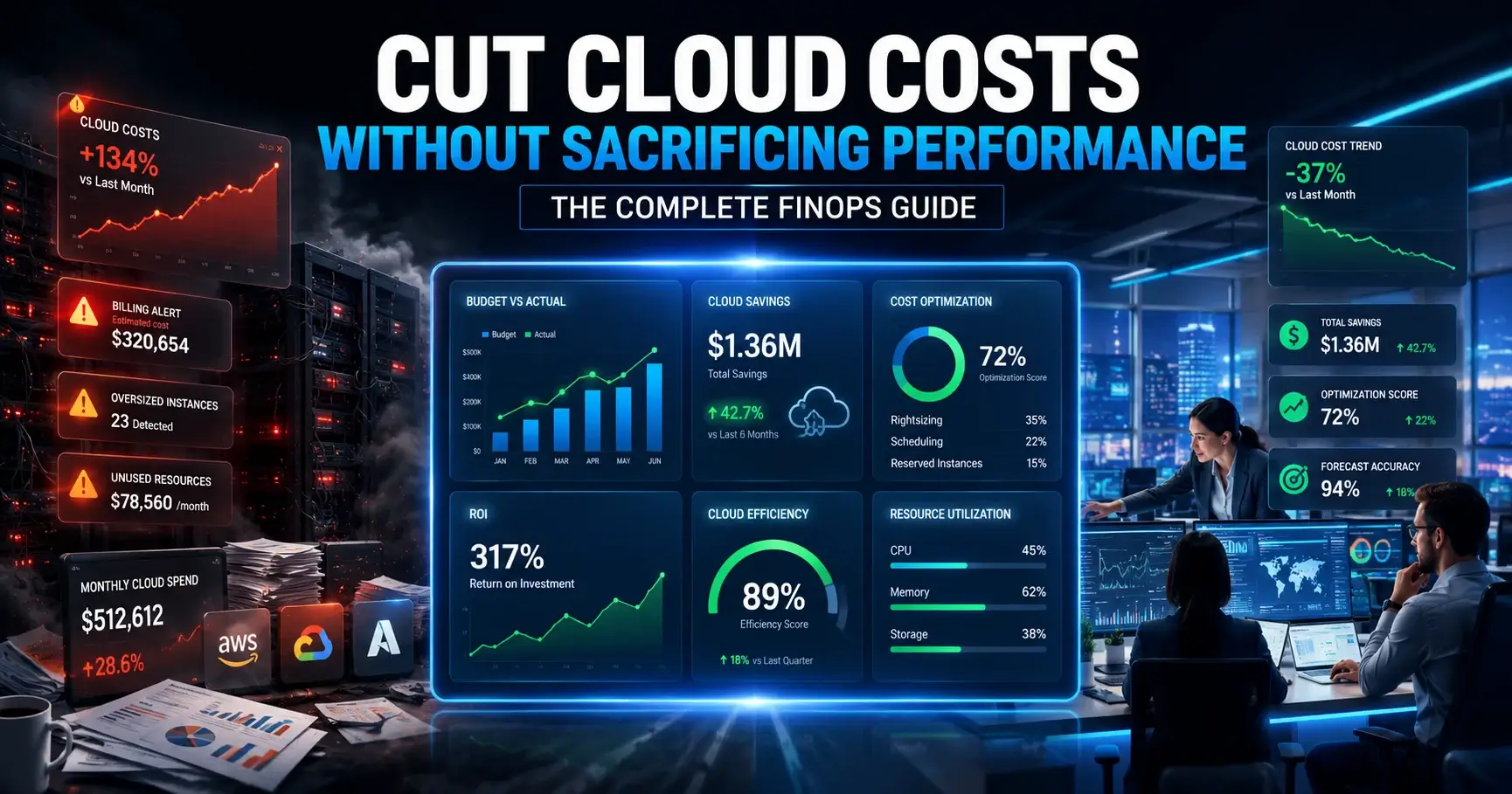
FinOps brings finance, engineering, and operations teams together to manage cloud spending. It helps businesses control cloud bills, allocate costs correctly, reduce waste, and connect infrastructure spending to business value.
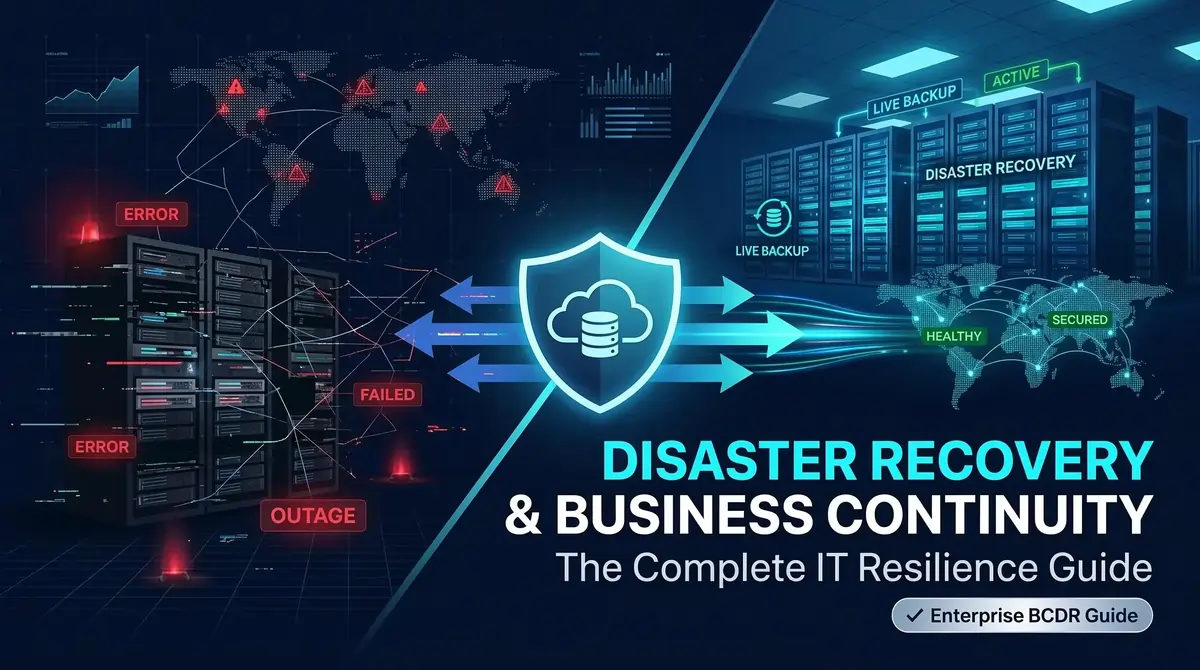
Backups alone are not enough. Businesses need tested recovery processes, failover systems, recovery time objectives, recovery point objectives, and clear ownership during incidents.
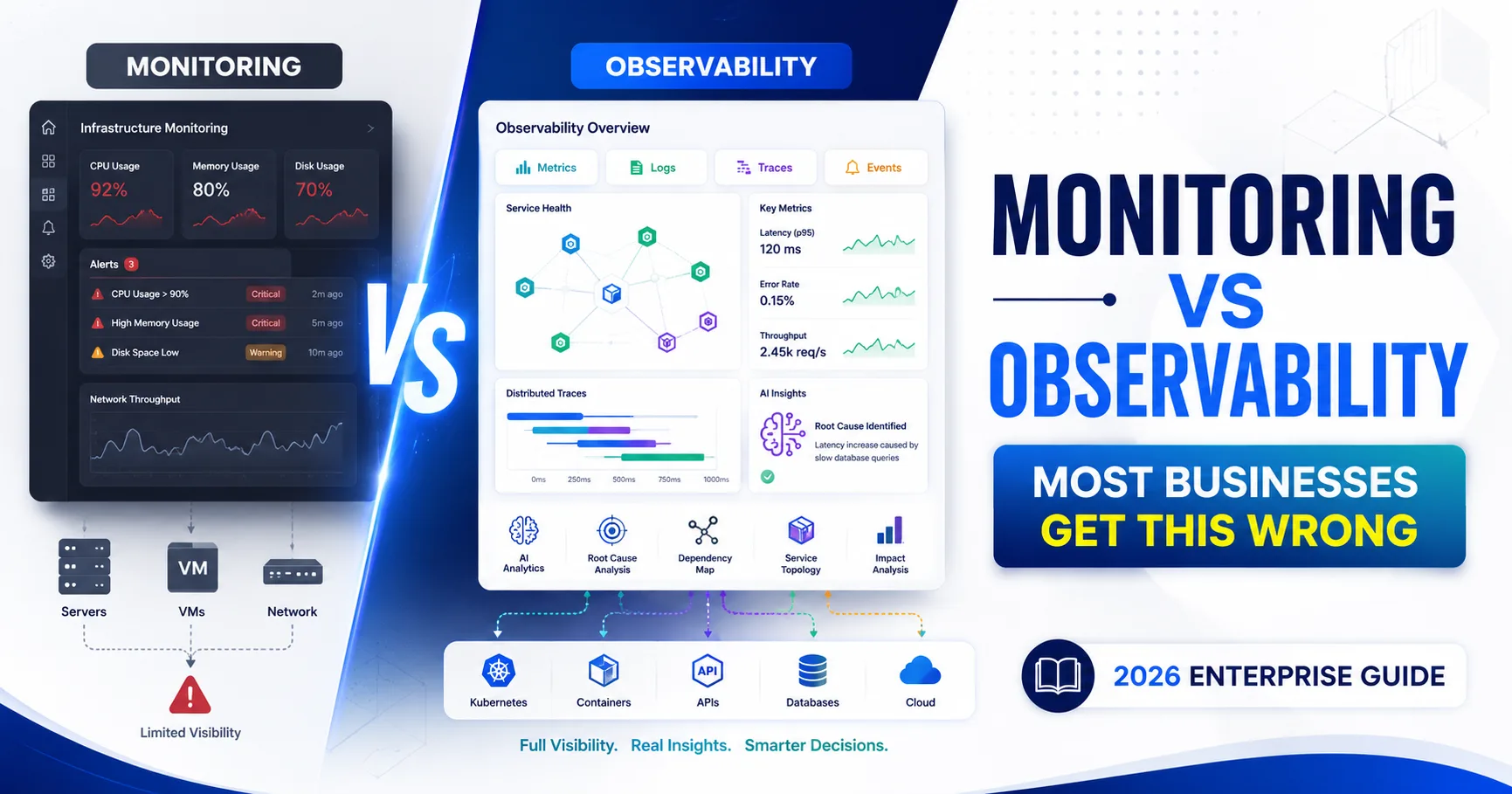
Monitoring tells you when something is wrong. Observability helps you understand why it is happening. Logs, metrics, traces, and event data give teams deeper insight into infrastructure and application behavior.
Modern infrastructure management depends on a combination of tools, processes, and skilled teams. The best toolset depends on the business environment, cloud maturity, security needs, and budget.
| Category | Example Tools and Platforms |
|---|---|
| Infrastructure Monitoring | Datadog, Dynatrace, Zabbix, Prometheus, Grafana, New Relic |
| Configuration and Automation | Ansible, Puppet, Chef, SaltStack |
| Infrastructure as Code | Terraform, OpenTofu, Pulumi, AWS CloudFormation, Azure Resource Manager |
| Container Orchestration | Kubernetes, Docker Swarm, Amazon EKS, Azure AKS, Google GKE |
| Cloud Management | AWS Management Tools, Azure Monitor, Google Cloud Operations, VMware Aria |
| Backup and Recovery | Veeam, Commvault, Acronis, Rubrik |
| Security Management | SIEM tools, vulnerability scanners, endpoint protection, IAM platforms |
| Network Monitoring | SolarWinds NPM, Cisco DNA Center, PRTG Network Monitor |
Tools are useful only when they are supported by the right workflows. A mature infrastructure management service combines tools with clear processes, SLAs, reporting, incident response, cost control, and continuous improvement.
Most infrastructure management service providers follow a structured lifecycle. This helps businesses understand their current environment, fix gaps, and continuously improve performance.
The provider reviews your current infrastructure, including servers, cloud platforms, networks, applications, databases, security controls, backup systems, and existing pain points.
After assessment, the provider creates a roadmap for performance, security, scalability, automation, cost optimization, and disaster recovery.
The environment is configured, standardized, secured, and optimized. This may include patching, cloud restructuring, monitoring setup, backup automation, and Infrastructure as Code implementation.
The provider monitors infrastructure performance in real time and uses alerts to detect issues before they become major incidents.
When problems happen, the provider investigates, escalates, resolves, and documents the incident. Many managed providers offer 24/7 support for critical systems.
Regular reports show uptime, incidents, security risks, cloud spending, performance trends, capacity usage, and recommended improvements.
A business should consider infrastructure management services when technology becomes critical to daily operations. This is especially true if downtime, security gaps, or infrastructure complexity can directly affect revenue or customer experience.
If two or more of these points describe your business, an infrastructure management service can likely reduce risk, improve performance, and save long-term cost.
Businesses can manage infrastructure internally, outsource it to a provider, or use a co-managed model. The right choice depends on budget, complexity, internal skills, and business risk.
| Factor | In-House Infrastructure Management | Outsourced Infrastructure Management |
|---|---|---|
| Cost | High fixed cost for hiring, tools, training, and coverage. | Predictable managed service cost. |
| Expertise | Limited to the internal team’s skills. | Access to cloud, security, network, DevOps, and infrastructure specialists. |
| Coverage | Often limited to business hours. | Can include 24/7 monitoring and support. |
| Scalability | Requires hiring and tool expansion. | Scales with business needs. |
| Control | Higher direct control. | Shared control with defined SLAs and reporting. |
| Best For | Large companies with mature internal IT teams. | Growing businesses, mid-sized companies, and enterprises needing specialist support. |
Many companies choose a co-managed approach, where internal teams handle business-specific priorities while an external provider manages monitoring, security, infrastructure operations, cloud optimization, and incident response.
The provider you choose will affect uptime, security, cost, and long-term scalability. Before selecting a partner, evaluate them carefully.
Choose a provider with experience in environments similar to yours, including cloud, on-premise, hybrid, and multi-cloud systems.
Ask about vulnerability management, access control, patching, endpoint protection, SIEM integration, cloud security, compliance support, and incident response.
A strong provider should offer real-time monitoring, alerting, dashboards, monthly reports, performance reviews, and clear escalation processes.
Providers using automation and Infrastructure as Code can deliver more consistent, scalable, and reliable infrastructure operations.
Ask whether they only provide backups or also test recovery plans, failover systems, RTO, RPO, and business continuity processes.
The best providers do not only keep systems running. They also help reduce waste, optimize cloud spending, right-size resources, and improve ROI.
Healthcare, fintech, logistics, retail, SaaS, and enterprise software companies all have different infrastructure needs. Choose a provider that understands your industry, compliance requirements, and business risks.
Infrastructure management is changing quickly as businesses adopt cloud, AI, automation, edge computing, and stronger security practices. According to Mordor Intelligence, the managed IT infrastructure services market was valued at USD 128.53 billion in 2025 and is estimated to reach USD 140.36 billion in 2026.
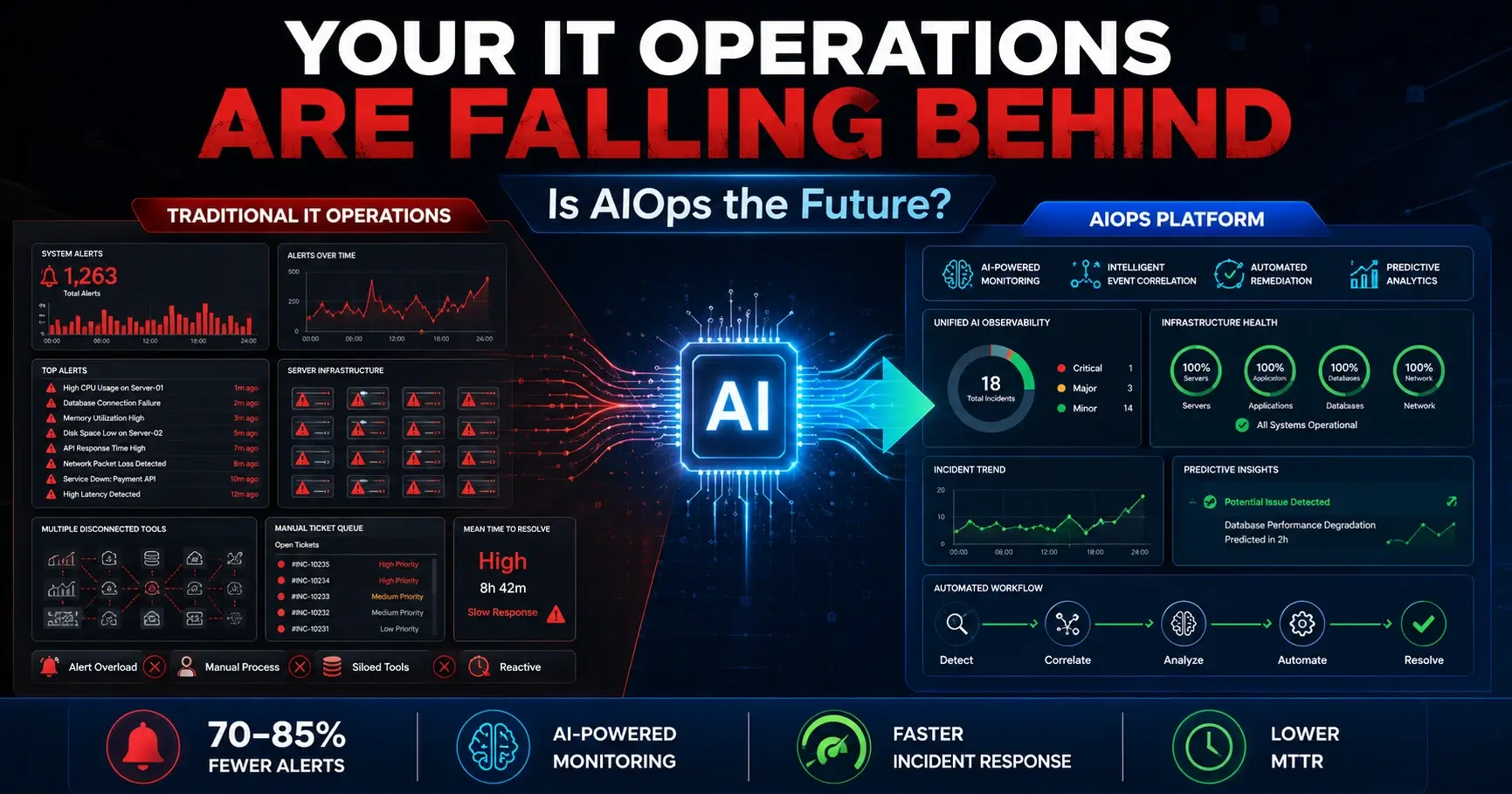
Several trends are shaping the future of infrastructure management:
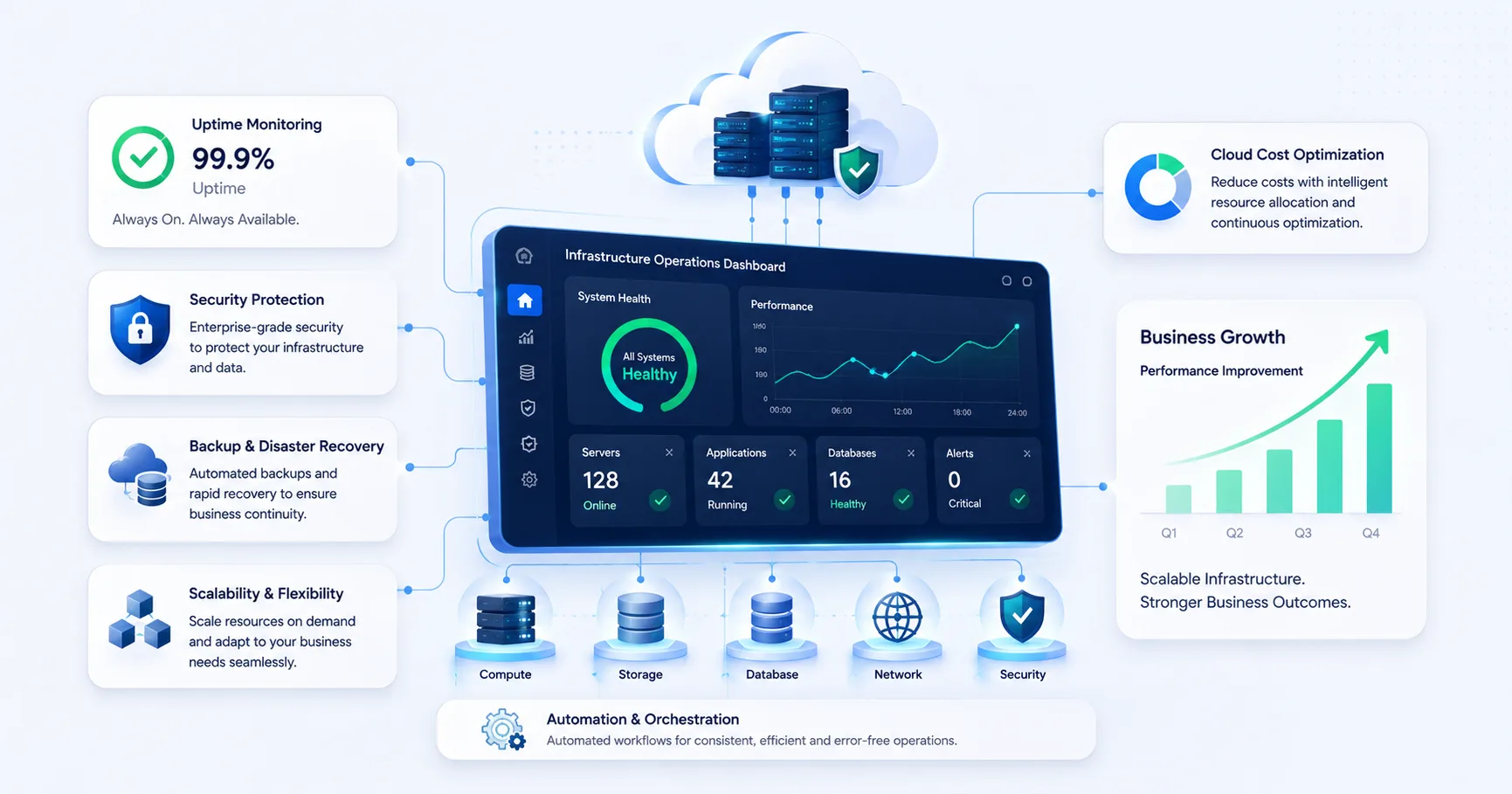
SISGAIN provides end-to-end IT infrastructure management services for businesses that need secure, scalable, and reliable technology environments. Our team helps companies manage cloud systems, servers, networks, databases, storage, security, backup, automation, monitoring, and cloud migration and modernization.
We support businesses across industries such as SaaS, healthcare, logistics, fintech, eCommerce, enterprise software, education, and digital platforms. Whether you need cloud infrastructure management, hybrid cloud support, infrastructure security management, disaster recovery planning, or full infra management services, SISGAIN can help you design and manage a strong infrastructure foundation.
Our approach focuses on uptime, security, scalability, cost control, and long-term business growth. Instead of treating infrastructure as a technical burden, we help businesses turn it into a strategic advantage.
Ready to modernize your IT infrastructure?
SISGAIN can help you plan, manage, secure, and optimize your infrastructure for better uptime, performance, and business growth.
Talk to Infrastructure Experts
Infrastructure management services help businesses keep their technology foundation reliable, secure, scalable, and cost-efficient. They cover servers, cloud platforms, networks, databases, storage, monitoring, automation, backups, disaster recovery, and security.
For modern businesses, infrastructure is not just a backend IT function. It directly affects customer experience, revenue, security, productivity, and growth. Companies that invest in proactive infrastructure management are better prepared for downtime risks, cyber threats, cloud complexity, and future expansion.
If your business depends on digital systems, applications, cloud platforms, or customer-facing technology, a strong infrastructure management service can help you operate with more confidence.
Build a secure, scalable, and always-on infrastructure foundation with SISGAIN.
Book a Free Consultation

Start Build Your
Next Digital Solution?
Let’s build scalable, future-ready digital solutions tailored to your business goals. Connect with our experienced technology consultants to discuss your vision, strategy, and growth opportunities — with zero obligation and complete transparency.
Get a free consultation and cost estimate for your digital solution
Our expert will contact you within 24 hours. Check your email for confirmation.
Partner with SISGAIN experts to build secure, scalable AI-powered IT Solutions that transform your business operations.









DUQE FREEZONE Quarter Deck, Queen Elizabeth 2, Mina Rashid, Dubai, UAE

100 Consilium Pl Suite 200, Scarborough, ON M1H 3E3, Canada

C-109, Sector 2, Noida, Uttar Pradesh 201301 India
Project quotes, partnerships, implementation
Open roles, referrals, campus hiring