
 +1 844-445-5767
 +971 56-848-5757
 +91 921-208-0630
For Business & Service Inquiries
Sales Team
Project quotes, partnerships, implementation
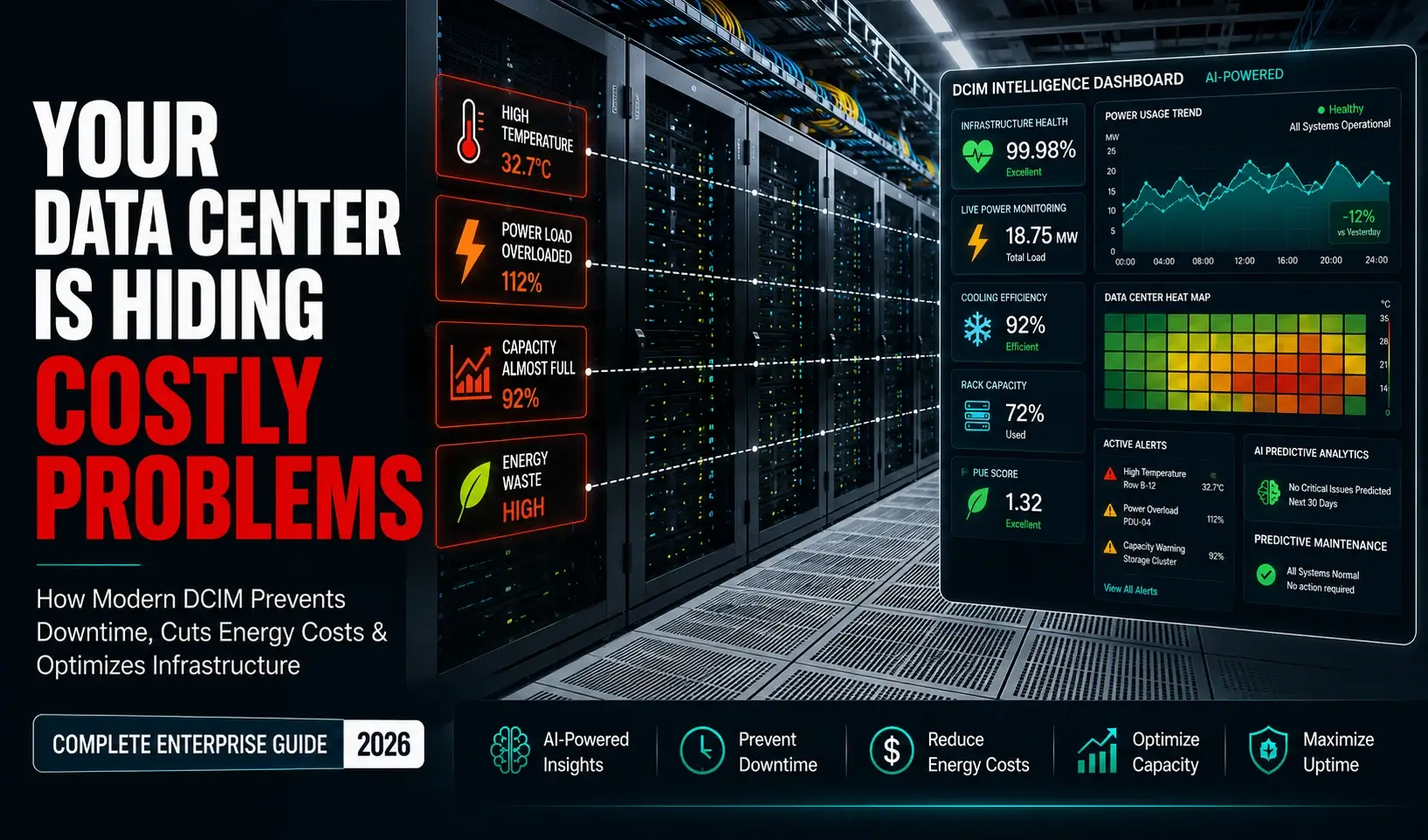
TL;DR: Data center infrastructure management (DCIM) is a unified approach to monitoring, managing, and optimizing all physical and logical assets within a data center — including power, cooling, networking, and servers. DCIM software gives IT and facilities teams real-time visibility across their entire infrastructure, helping reduce downtime, cut energy costs, improve capacity planning, and automate operational workflows at enterprise scale.
Data centers are not what they used to be. A decade ago, managing one meant tracking servers in spreadsheets, reviewing alerts in separate dashboards, and dispatching technicians when something broke. Today, the same facility might house thousands of physical and virtual assets, support AI workloads drawing hundreds of kilowatts per rack, and feed into a hybrid cloud environment spanning three continents.
The operational complexity has grown exponentially — but the tools available to manage it have too.
Enterprise data centers now support everything from real-time financial transactions and healthcare records to machine learning model training and streaming platforms. A single hour of downtime can cost organizations more than $300,000, according to the ITIC 2024–2025 Hourly Cost of Downtime Survey. At $15,000 per minute (Gatling, 2026), the financial and reputational stakes of poor infrastructure management have never been higher.
This is where data center infrastructure management becomes essential. DCIM software gives IT, facilities, and operations teams the unified visibility, automation, and intelligence they need to manage modern infrastructure efficiently — not reactively.
This guide covers everything you need to know: what data center infrastructure management is, how DCIM software works, which tools lead the market, and how AI is reshaping the way enterprises manage their most critical physical assets. Whether you're evaluating DCIM for the first time or looking to optimize a mature infrastructure program, you'll find practical answers here.
The global DCIM market was valued at USD 3.67 billion in 2025 and is forecast to reach USD 14.65 billion by 2035, growing at a CAGR of 14.85% (Precedence Research, 2026). That growth isn't driven by hype — it reflects a genuine operational crisis unfolding inside enterprise data centers worldwide.
Several converging forces are making traditional infrastructure management inadequate:
AI workloads and high-density computing. GPU clusters and AI inference racks operate at power densities of 50–100 kW per rack or higher — far beyond what conventional monitoring tools were designed to handle. Managing thermal output, power distribution, and cooling at these densities requires precision that spreadsheets and basic SNMP monitoring simply cannot provide.
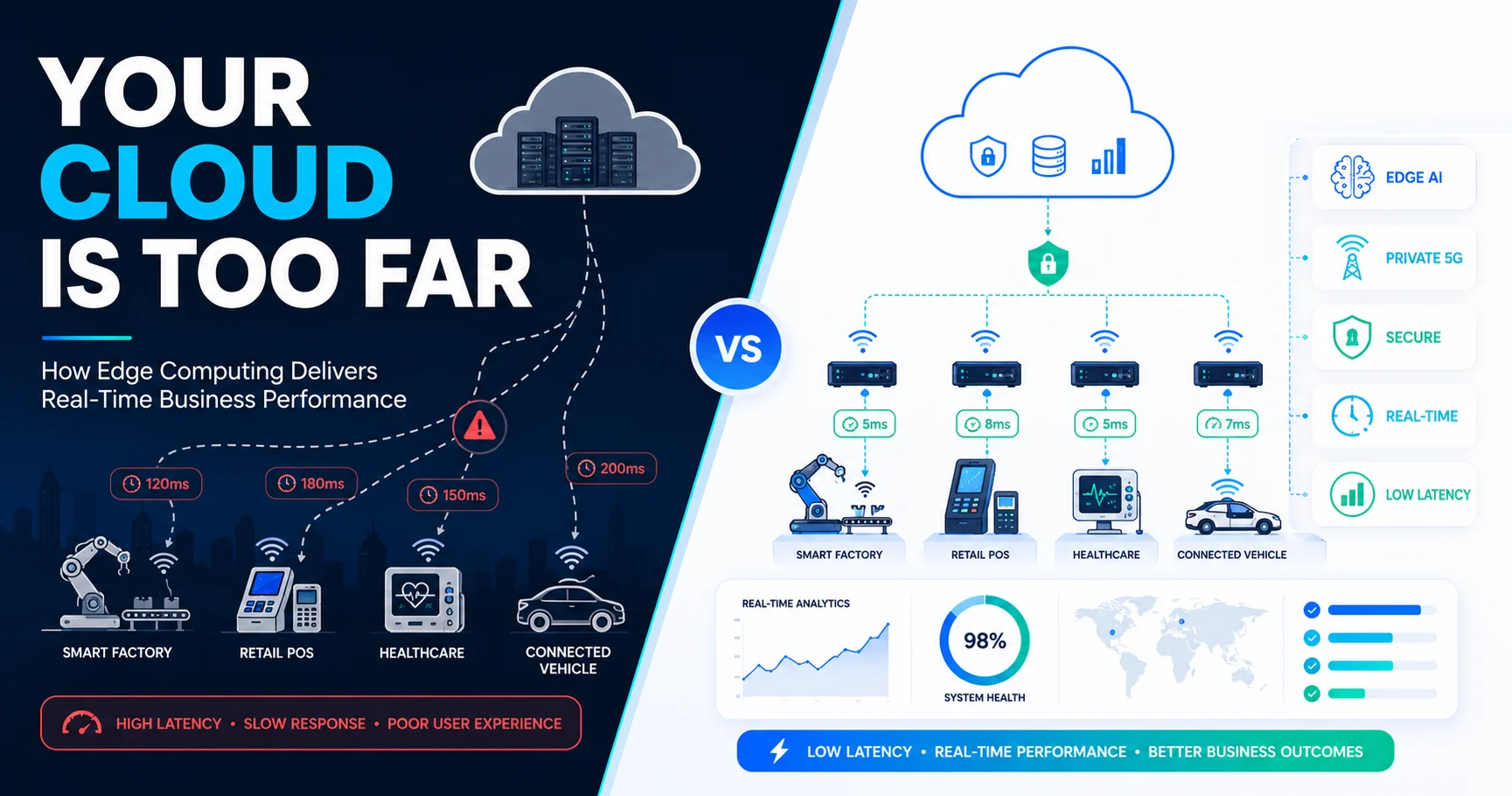
Hybrid cloud and edge complexity. Most enterprises now operate across on-premises data centers, colocation facilities, public cloud environments, and edge nodes. Each layer introduces unique monitoring gaps. Without a unified management layer, teams are left stitching together siloed dashboards that offer an incomplete picture of actual infrastructure health.
Energy efficiency pressure. The average global data center Power Usage Effectiveness (PUE) ratio stood at 1.54 in 2025 (Statista). The International Energy Agency projects global data center energy consumption will reach between 650 and 1,050 TWh by 2026. Regulators — particularly in the EU, where the Energy Efficiency Directive now mandates sustainability reporting — are pushing operators to prove efficiency. That requires the kind of granular, real-time energy data only DCIM can deliver.
Capacity constraints. As server density increases and AI workloads demand more compute, planning rack space, power headroom, and cooling capacity without accurate data becomes a guessing game with costly consequences.
Rising security and compliance obligations. Physical infrastructure security, access control, and audit trails are increasingly scrutinized in regulated industries like banking, healthcare, and government. Manual tracking of physical assets creates compliance blind spots.
These pressures aren't abstract. They determine whether a data center can support an enterprise's growth — or become a bottleneck that limits it.
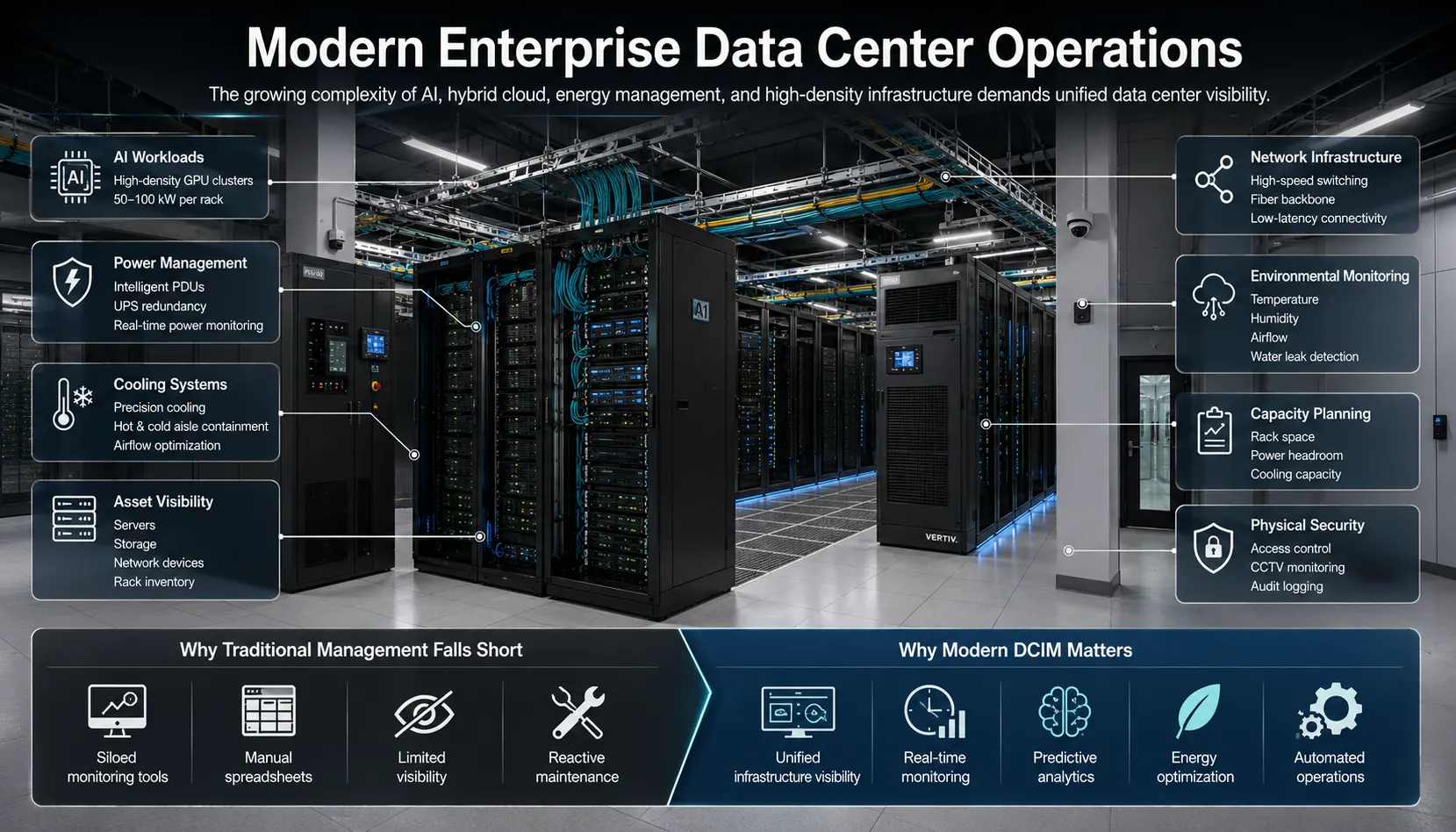
Data center infrastructure management (DCIM) refers to the integrated set of tools, processes, and practices used to monitor, manage, and optimize a data center's physical and IT infrastructure. A DCIM solution provides a single, authoritative view of all assets — servers, networking equipment, power distribution units (PDUs), uninterruptible power supplies (UPS), cooling systems, environmental sensors, and cabling — along with real-time data on their performance, capacity, and condition.
The discipline emerged formally around 2009, originally as an extension of building information modeling (BIM) systems used by facilities managers. Its purpose was straightforward: give data center operators the same kind of structured, data-driven visibility over their physical infrastructure that ITSM tools provided for software and services.
That definition has expanded significantly. Modern DCIM platforms now incorporate AI-driven analytics, predictive maintenance, digital twins, workflow automation, and integrations with cloud platforms, ITSM tools, and building management systems (BMS).
|
Capability |
Traditional Monitoring |
DCIM Software |
|---|---|---|
|
Asset visibility |
Partial, siloed by domain |
Unified — IT and facilities in one view |
|
Power monitoring |
Basic thresholds |
Granular, real-time per-outlet PDU monitoring |
|
Cooling management |
Manual, reactive |
Automated with CFD modeling and AI optimization |
|
Capacity planning |
Spreadsheet-based |
Data-driven with "what-if" scenario modeling |
|
Change management |
Email and manual logs |
Automated workflows with audit trails |
|
Predictive intelligence |
None |
AI/ML-powered failure prediction |
|
Energy reporting |
Manual exports |
Automated PUE dashboards and compliance reports |
|
Environmental alerts |
Basic temperature thresholds |
Multi-parameter: humidity, smoke, water, airflow |
The shift from traditional monitoring to DCIM isn't just a software upgrade. It represents a fundamental change in how operations teams think about infrastructure management — from reactive firefighting to proactive, data-driven control.
For a deeper look at what infrastructure management services involve at the enterprise level, see SISGAIN's infrastructure management services overview and the related guide on what infrastructure management services actually encompass.
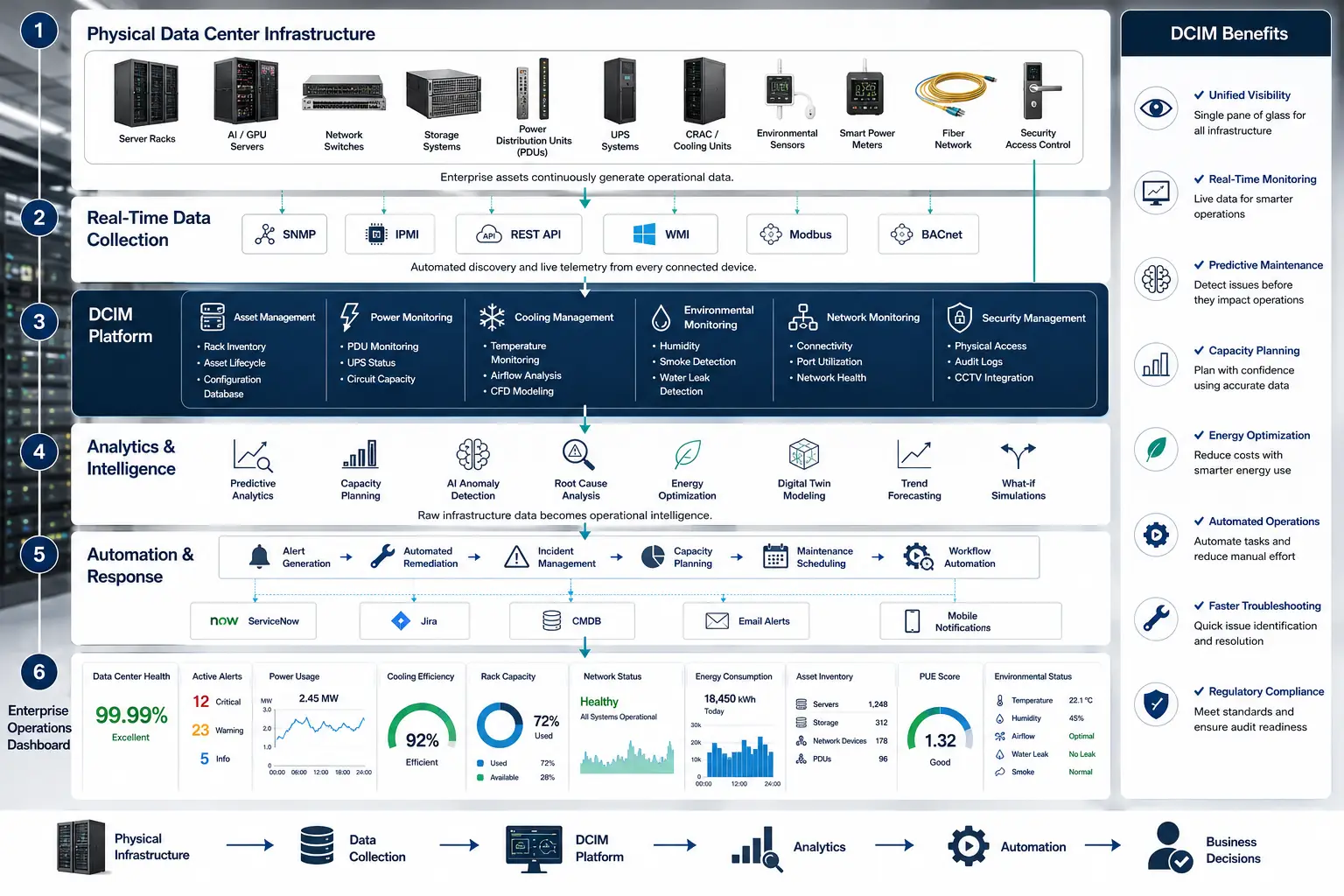
A DCIM platform operates through a layered architecture that combines data collection, analysis, visualization, and action. Here's a simplified operational view:
Asset management sits at the foundation of any DCIM initiative. It involves maintaining an accurate, real-time inventory of every physical and virtual asset in the data center — including location (rack, row, room), configuration, connectivity, ownership, warranty status, and lifecycle stage. Without accurate asset data, every other DCIM function is compromised.
Power management tracks energy consumption at every level of the infrastructure — from facility feeds and power distribution panels to individual rack PDUs and device-level power supplies. The goal is to maximize usable power capacity, prevent circuit overloads, and identify energy waste. Effective power management directly reduces PUE and operating costs.
Cooling represents a significant portion of data center operating expense. DCIM platforms integrate with cooling systems — computer room air conditioners (CRACs), in-row coolers, and liquid cooling loops — and use computational fluid dynamics (CFD) modeling to visualize airflow, identify hotspots, and optimize cooling delivery. This prevents thermal events without the waste of over-cooling.
Capacity planning enables data center teams to answer questions like: "Do we have enough power headroom for the new AI cluster?" and "How many additional servers can we onboard before we need a facility expansion?" DCIM provides data-driven answers to these questions, including "what-if" scenario modeling to evaluate the impact of proposed changes before implementation.
Environmental monitoring tracks temperature, humidity, airflow, water detection, and smoke across the data center floor. Threshold-based alerts ensure operators respond to environmental anomalies before they escalate into equipment failures or compliance violations.
Network monitoring within DCIM covers physical cabling management, switch and router performance, interface utilization, latency, packet loss, and connectivity mapping. This layer is critical for understanding how infrastructure changes might affect application performance and network availability.
Physical access control, video surveillance integration, and audit trail management fall within the security monitoring component of DCIM. This is especially important in regulated industries where physical access to equipment must be logged and reported. For enterprise security best practices, SISGAIN's IT infrastructure security guide covers this area in depth.
Automation capabilities enable data center teams to define workflows for routine tasks — provisioning new equipment, responding to alerts, scheduling maintenance windows, and generating compliance reports — without manual intervention. This reduces human error and frees operations staff for higher-value work.
When evaluating data center management software, these are the capabilities that distinguish enterprise-grade platforms from basic monitoring tools:
|
Feature |
Entry-Level DCIM |
Mid-Market DCIM |
Enterprise DCIM |
|---|---|---|---|
|
Asset inventory |
✅ Basic |
✅ Advanced |
✅ Full lifecycle |
|
Power monitoring |
✅ Outlet-level |
✅ Circuit-level |
✅ Facility-level |
|
CFD modeling |
❌ |
✅ |
✅ |
|
AI predictive alerts |
❌ |
Limited |
✅ |
|
Digital twin |
❌ |
Limited |
✅ |
|
Multi-site management |
❌ |
✅ |
✅ |
|
ITSM integration |
Limited |
✅ |
✅ |
|
Automation workflows |
❌ |
Limited |
✅ |
|
Sustainability reporting |
❌ |
Limited |
✅ |
Organizations that implement DCIM consistently report improvements across several dimensions:
Higher uptime. Real-time monitoring and predictive alerting allow teams to address developing issues — a rising rack temperature, a PDU approaching capacity, a failing UPS battery — before they escalate into outages. Given that 93% of organizations report a single hour of downtime costs more than $300,000 (ITIC, 2024–2025), even modest improvements in availability have significant financial impact.
Full infrastructure visibility. DCIM eliminates the blind spots created by siloed monitoring tools. IT and facilities teams share a common operational picture, reducing the coordination failures that often delay incident response.
Lower operational costs. By optimizing power usage, right-sizing cooling, and eliminating stranded capacity, DCIM delivers measurable reductions in energy spend. Efficient power management reduces the gap between consumed power and the ideal PUE — directly reducing utility bills.
Better capacity planning. Data-driven forecasting replaces guesswork with evidence. Teams can plan infrastructure expansions, decommissioning cycles, and hardware refreshes with confidence, avoiding both over-provisioning waste and under-provisioning constraints.
Regulatory compliance. Automated reporting simplifies compliance with frameworks like the EU Energy Efficiency Directive, ISO 27001, and SOC 2 by maintaining accurate records of infrastructure state, physical access, and environmental conditions.
Faster troubleshooting. Root cause analysis capabilities correlate alerts across domains — power, cooling, networking, and compute — so teams can identify the source of a problem in minutes rather than hours.
Improved resource utilization. DCIM identifies underutilized servers, stranded power capacity, and inefficient cooling zones, giving operations teams the data they need to consolidate workloads and reduce hardware sprawl.
Key Takeaway: Organizations implementing DCIM typically report improvements in uptime, energy efficiency, and infrastructure planning accuracy within the first 12 months of deployment — with ROI accelerating as automation capabilities mature.
Understanding the problems DCIM solves requires an honest look at what enterprise data center operations actually struggle with:
Legacy infrastructure and heterogeneous environments. Most enterprise data centers contain equipment from multiple vendors, across multiple generations, using different management protocols. Integrating this diversity into a coherent management framework is technically complex and requires a DCIM platform with broad protocol support.
Multi-site and distributed management. Organizations operating across multiple data centers — including colocation facilities and edge nodes — need centralized visibility without sacrificing the granularity required for local operations. Single-site DCIM tools fail here.
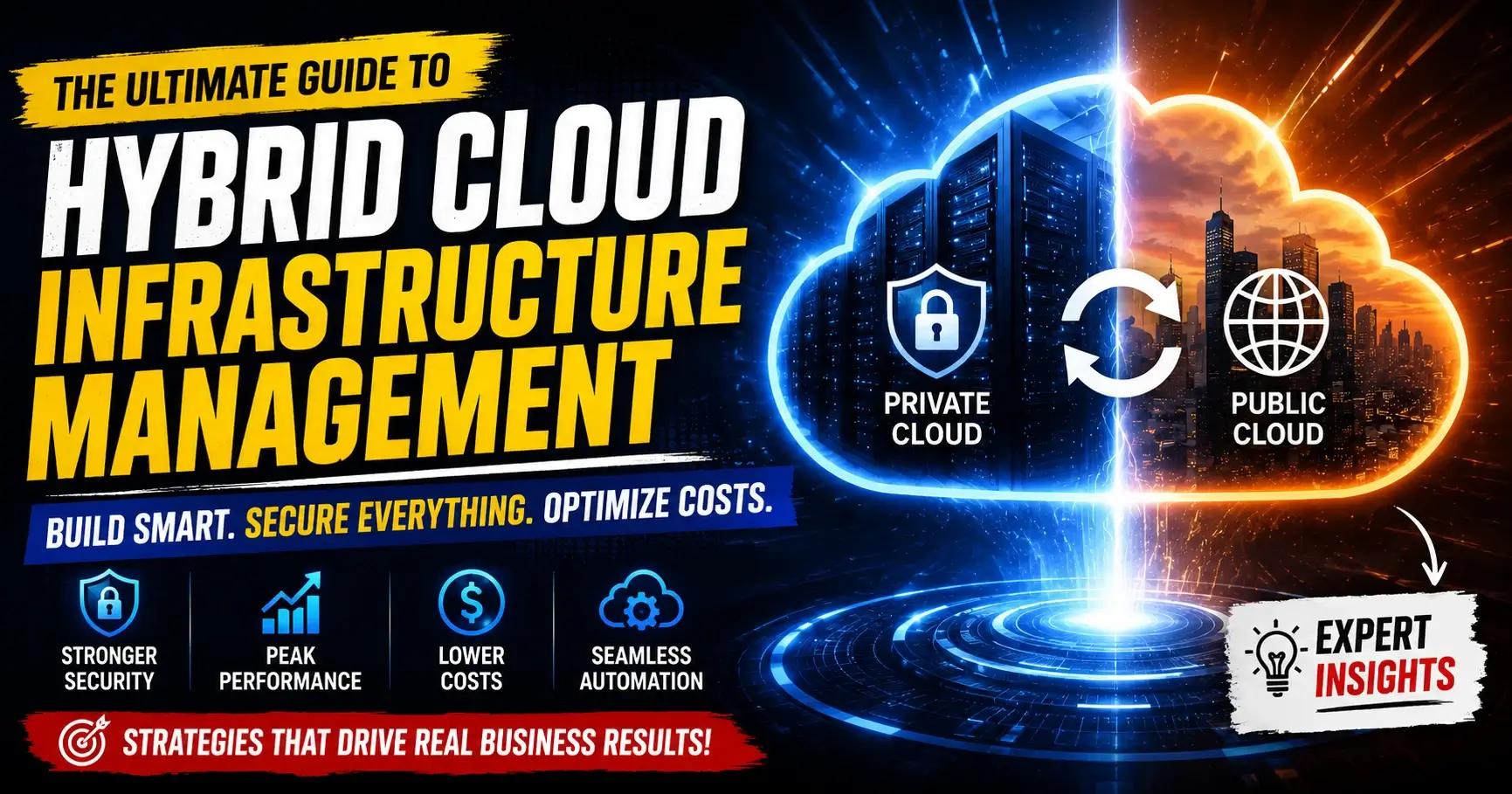
Hybrid cloud integration. Physical data center management doesn't exist in isolation anymore. Infrastructure decisions affect cloud spend, and cloud workload distribution affects physical capacity requirements. DCIM platforms need to integrate with cloud management layers to provide a complete operational view. SISGAIN's hybrid cloud infrastructure management guide covers strategies for bridging this gap.
AI workload demands. High-density AI compute racks challenge both power infrastructure and cooling systems. Planning and managing these environments requires DCIM capabilities specifically designed for high-density deployments — liquid cooling integration, real-time thermal modeling, and dynamic power balancing.
Rising energy costs and sustainability mandates. Energy is the largest operating expense for most data centers, and regulatory pressure is intensifying. DCIM platforms that can't generate automated sustainability reports and PUE analytics leave operators exposed to compliance risk.
Manual operations creating errors and delays. Many data center teams still rely on spreadsheets, email, and physical inspection for asset tracking and change management. This approach introduces errors, creates audit gaps, and slows operational response times significantly.
Practical solutions to consider:
The DCIM software market includes purpose-built platforms, broader IT operations management suites, and open-source options. Here's an objective assessment of the leading tools:
EcoStruxure IT is Schneider Electric's enterprise DCIM platform, succeeding the earlier StruxureWare product line. It spans three integrated products: Data Center Expert (monitoring and alerting), IT Expert (cloud-connected management), and IT Advisor (capacity planning and digital twin). In 2024, EcoStruxure IT achieved ISO 27001 certification and added FIPS 140-3 cryptographic support, addressing security requirements in government and financial services environments. New sustainability dashboards support EU Energy Efficiency Directive compliance reporting.
Sunbird's dcTrack is consistently rated among the highest-reviewed DCIM platforms, with a 4.9/5 average user rating and recognition as the top-rated tool on multiple peer review platforms. It focuses on operational simplicity — real-time rack visualization, capacity management, and asset tracking — without the complexity overhead of broader enterprise platforms.
Vertiv Trellis is a modular, enterprise-grade infrastructure optimization platform that provides real-time visibility across IT and facility assets. Its architecture is designed to adapt to changing operational requirements, supporting automation and software-defined management approaches as organizations mature.
Nlyte offers a comprehensive DCIM platform with strong capabilities in asset lifecycle management, auto-discovery, and workflow automation. Its auto-discovery function automatically maintains an updated asset inventory and tracks configuration changes — reducing the manual overhead associated with keeping asset data current.
Device42 is a discovery-first infrastructure management platform that extends beyond traditional DCIM into full IT asset management (ITAM) and CMDB functionality. Its automated discovery capabilities cover physical, virtual, cloud, and containerized environments.
ManageEngine OpManager is a network and data center monitoring platform with strong DCIM capabilities built into a broader IT operations management suite. It supports over 3,000 performance metrics, AI/ML-driven adaptive monitoring, drag-and-drop workflow automation, and integrations with ITSM platforms including ServiceNow, Freshservice, and Jira. Its resource forecasting engine predicts when CPU, memory, and storage will reach capacity thresholds.
OpenDCIM is a free, open-source DCIM solution built to replace spreadsheet-based inventory tracking. It handles rack inventory, power connection mapping, network connectivity documentation, and basic capacity overlays. It doesn't offer the predictive analytics, automation, or AI capabilities of commercial platforms.
|
Tool |
Asset Management |
Power Monitoring |
AI/Predictive |
Digital Twin |
Cloud Integration |
Best For |
|---|---|---|---|---|---|---|
|
Schneider EcoStruxure IT |
✅ Advanced |
✅ Advanced |
✅ |
✅ |
Limited |
Large enterprise, Schneider hardware |
|
Sunbird dcTrack |
✅ Advanced |
✅ |
Limited |
Limited |
Limited |
Mid-to-large enterprise, fast ROI |
|
Vertiv Trellis |
✅ Advanced |
✅ Advanced |
✅ |
Limited |
Limited |
Vertiv hardware environments |
|
Nlyte Software |
✅ Advanced |
✅ |
✅ |
Limited |
Limited |
Complex multi-vendor enterprise |
|
Device42 |
✅ Advanced |
Limited |
Limited |
Limited |
✅ |
Hybrid physical + cloud IT |
|
ManageEngine OpManager |
✅ |
✅ Advanced |
✅ |
Limited |
✅ |
IT ops with ITSM integration needs |
|
OpenDCIM |
✅ Basic |
✅ Basic |
❌ |
❌ |
❌ |
Small teams, budget-constrained |
Effective data center infrastructure management isn't achieved by deploying software alone. These practices separate high-performing operations from those that remain reactive:
Start with complete asset discovery. You cannot manage what you cannot see. Begin any DCIM initiative with a thorough, automated discovery process that builds a verified, accurate asset inventory. Inaccurate data in the asset repository cascades into flawed capacity planning, missed maintenance windows, and compliance gaps.
Define clear ownership for IT and facilities data. DCIM succeeds when IT and facilities teams share a common dataset. Establish governance processes that define who is responsible for updating asset records, responding to alerts, and approving changes. Without clear ownership, asset data degrades quickly.
Implement granular power monitoring early. Power monitoring at the PDU and outlet level provides the data needed for both capacity planning and energy efficiency improvements. Deploy smart PDUs across the facility as part of the initial DCIM rollout.
Use CFD modeling to optimize cooling. Thermal modeling identifies hotspots before they cause equipment failures. Use CFD analysis to guide blanking panel placement, cold aisle containment design, and cooling unit positioning — especially before deploying high-density AI compute racks.
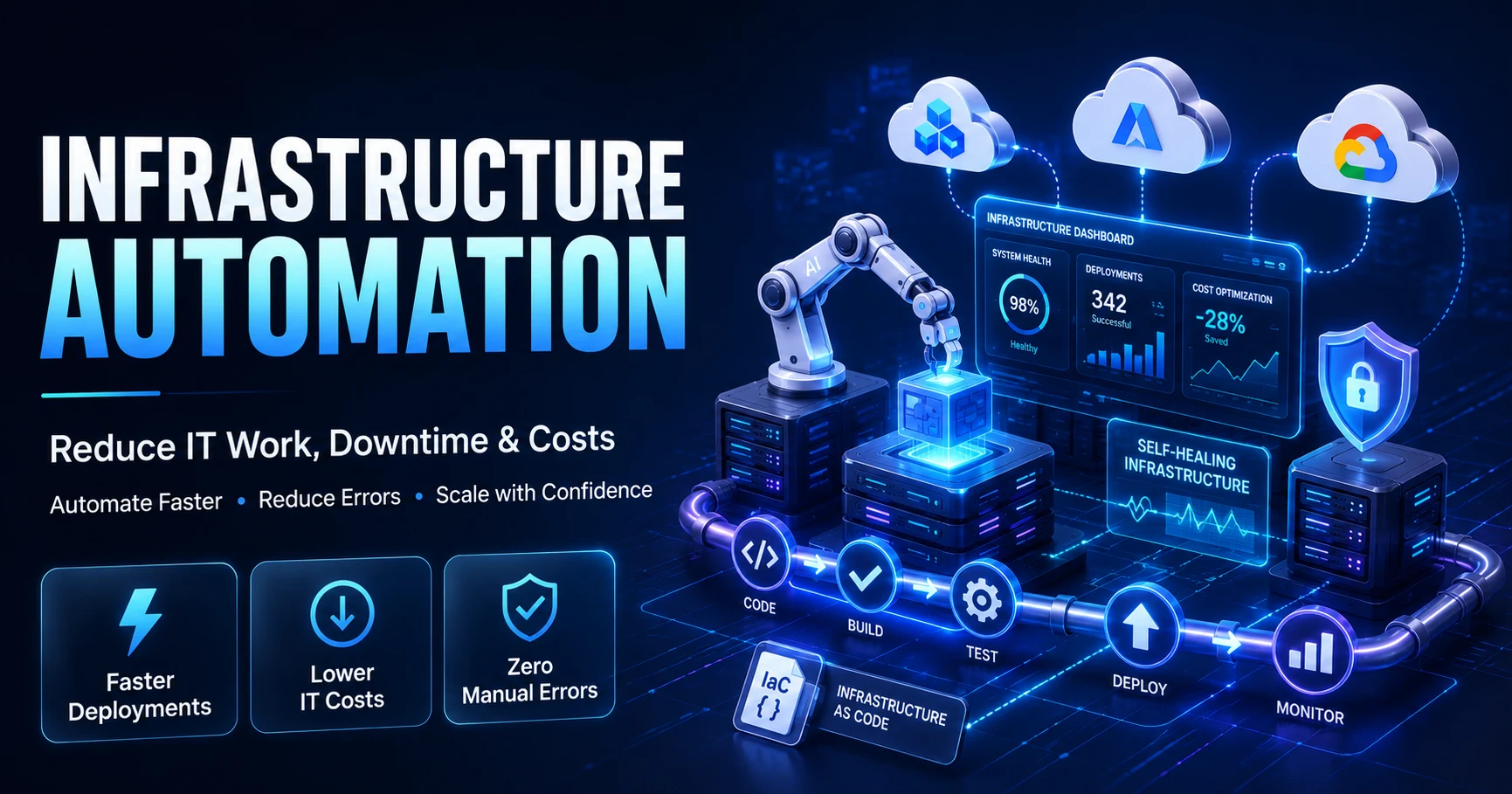
Automate change management workflows. Every physical change to the data center — a new server, a cable move, a decommissioned appliance — should trigger an automated workflow that updates the asset repository, generates a work order, and logs the change for audit purposes. For guidance on infrastructure automation tools and approaches, see SISGAIN's infrastructure automation tools guide.
Build a capacity planning cadence. Review capacity forecasts at defined intervals — monthly for power and cooling, quarterly for floor space and compute — to ensure the team has sufficient lead time to plan and procure before constraints materialize.
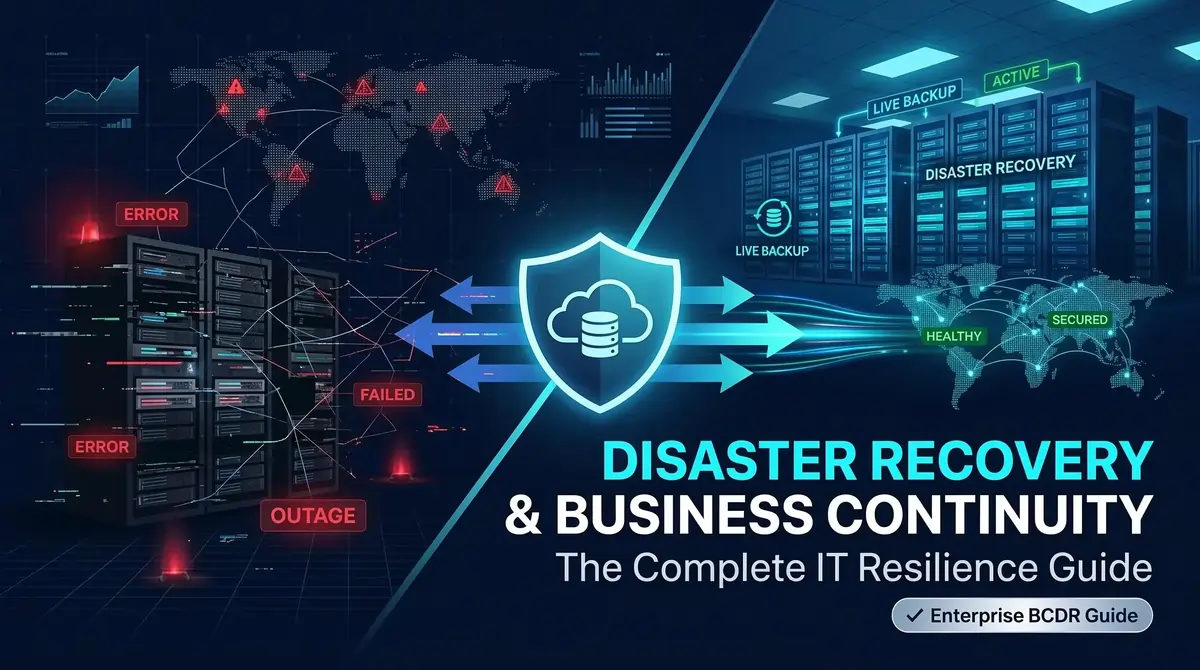
Document disaster recovery dependencies. DCIM asset data should feed directly into disaster recovery and business continuity planning. Knowing which physical systems support which critical applications is essential for effective recovery. SISGAIN's disaster recovery and business continuity guide provides a practical framework for this process.
Establish PUE reduction targets. Set measurable targets for PUE improvement and use DCIM dashboards to track progress. Link cooling and power optimization initiatives to these targets to maintain operational focus on efficiency.
Key Takeaway: The organizations that extract the most value from DCIM are those that treat it as an operational discipline rather than a monitoring tool — embedding asset management, change control, and capacity planning processes into daily operations.
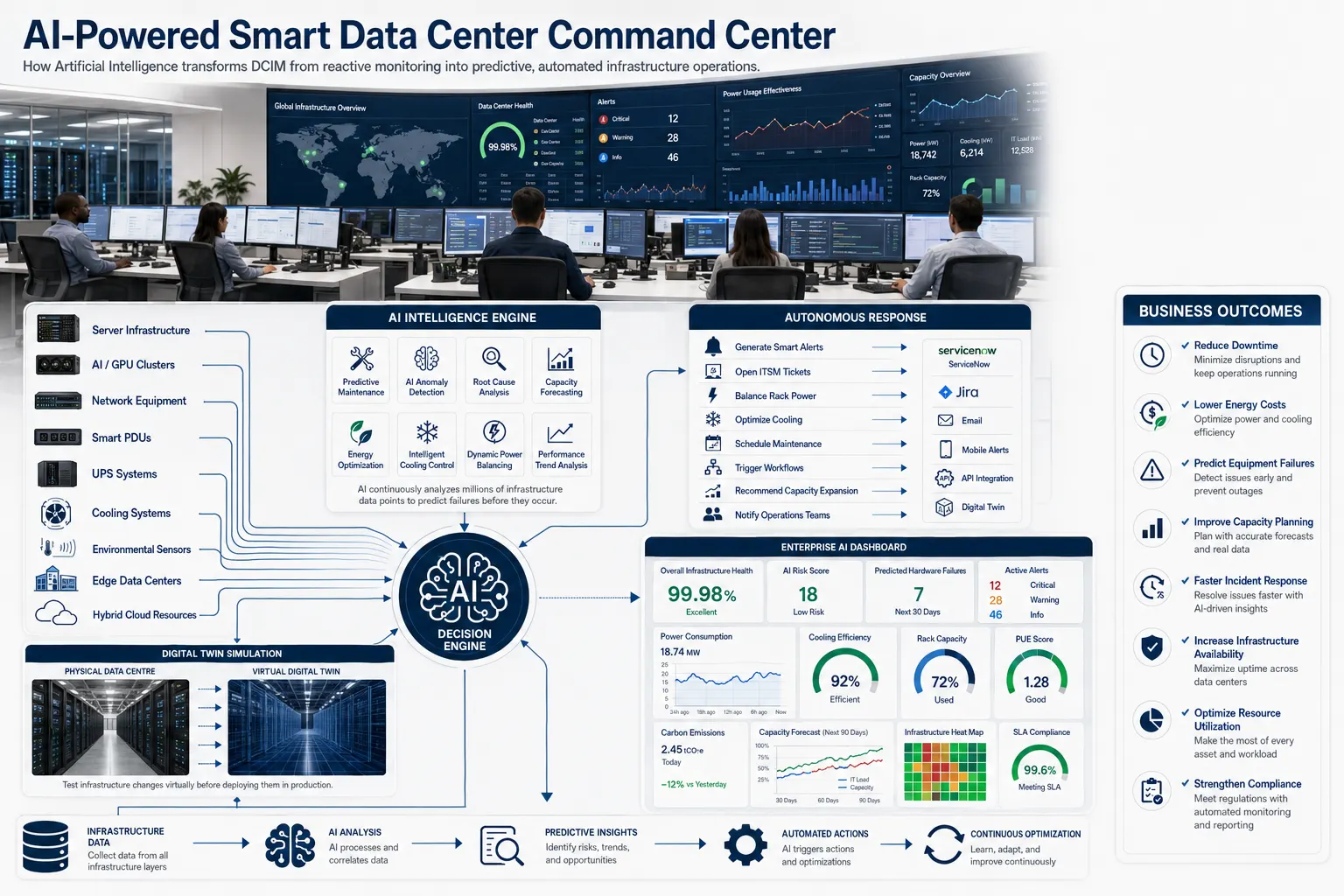
Artificial intelligence is shifting DCIM from a reactive monitoring system into a proactive, self-optimizing operations platform. The practical implications for data center managers are significant.
Predictive maintenance. Machine learning models trained on sensor data from PDUs, UPS systems, cooling units, and servers can detect subtle anomalies that precede hardware failures — often days or weeks before a failure would be detected by traditional threshold-based alerting. This moves maintenance from scheduled and reactive to truly predictive, reducing both unplanned downtime and unnecessary preventive maintenance costs.
Intelligent cooling optimization. AI models analyze real-time thermal data across the data center floor and continuously adjust cooling delivery — raising setpoints when compute loads are low and increasing cooling where thermal density is rising. This dynamic optimization can significantly reduce cooling energy consumption without compromising equipment safety margins.
Capacity forecasting. AI-powered forecasting engines analyze historical infrastructure utilization patterns, growth trends, and workload seasonality to generate accurate capacity forecasts. ManageEngine OpManager, for example, uses AI/ML to predict the number of days until CPU, memory, or storage reaches capacity thresholds — with configurable alerts for approaching limits.
Adaptive monitoring and alert tuning. Traditional monitoring requires manual threshold configuration for thousands of metrics. AI-driven DCIM platforms like ManageEngine OpManager automatically calculate and adjust performance monitoring thresholds hourly based on historical usage patterns, reducing alert noise from expected fluctuations while ensuring genuine anomalies surface promptly.
Digital twins. Digital twin technology creates a virtual replica of the physical data center that can be used for remote planning, change impact simulation, and training. Schneider Electric's IT Advisor enables Busbar modeling, custom reporting, and live alarm integration within the digital twin environment. As AI matures, digital twins will enable autonomous what-if analysis and real-time synchronization with physical infrastructure changes.
Self-healing infrastructure. The next frontier of DCIM automation is autonomous remediation — where the platform not only detects a developing issue but initiates a corrective response without human intervention. This might mean automatically migrating a virtual workload away from a server with a failing cooling fan, or adjusting PDU load balancing when a circuit approaches capacity.
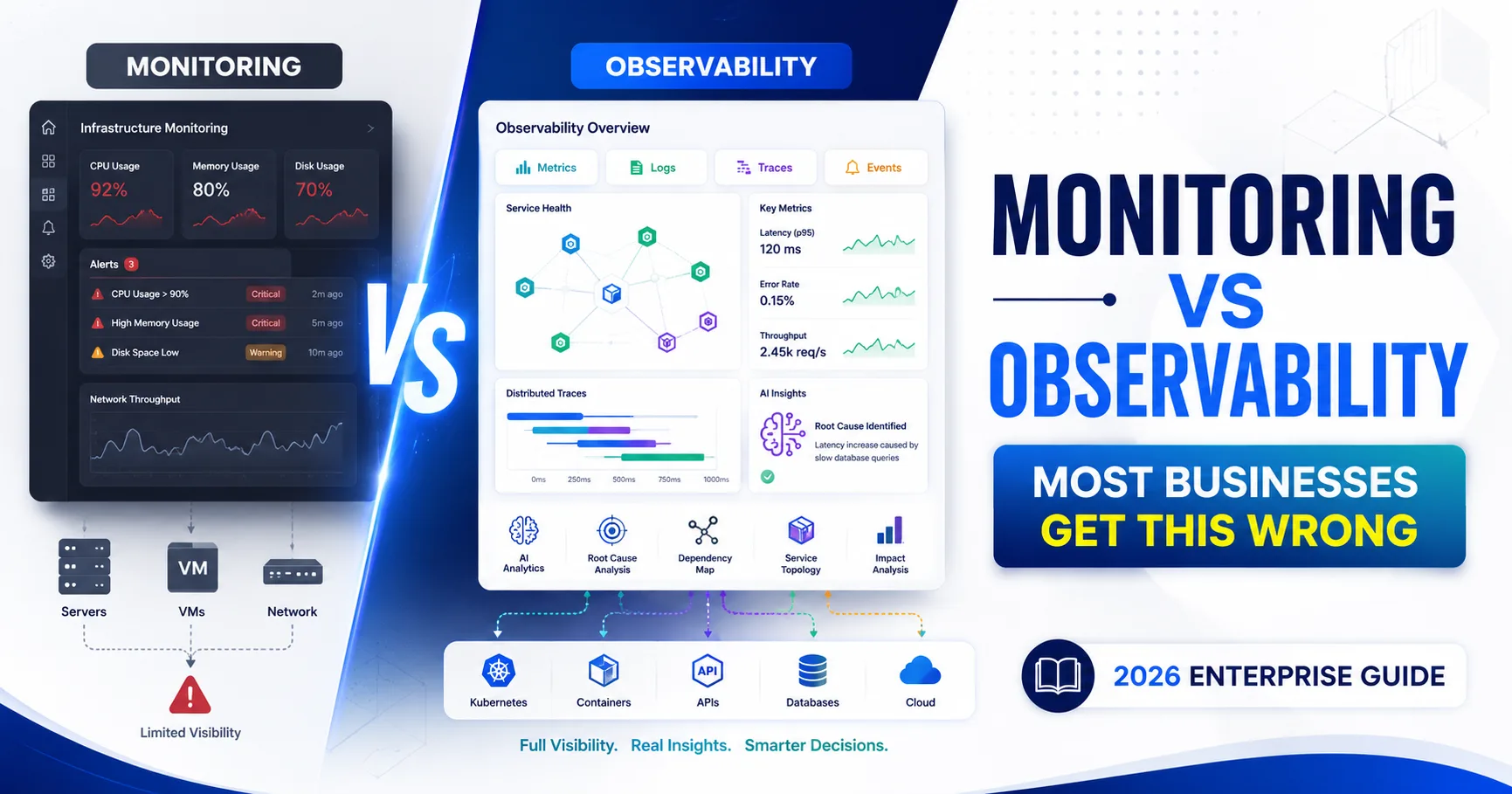
For a broader perspective on the distinction between observability and traditional monitoring — a concept closely related to AI-driven DCIM — see SISGAIN's observability vs monitoring guide.
Several technology and market developments will shape how organizations approach data center infrastructure management over the next three to five years:
AI-native operations. The Precedence Research DCIM market report notes that AI will fundamentally shift DCIM from reactive management to proactive, self-optimizing operations. Expect AI capabilities to become standard across all enterprise DCIM platforms rather than premium add-ons.
Edge data center proliferation. The cloud and edge data center segment is forecast to grow at a CAGR of 17.16% through 2035 (Precedence Research, 2026). Managing geographically distributed edge nodes requires DCIM platforms designed for centralized multi-site visibility with local autonomy. SISGAIN's edge computing infrastructure guide explores the infrastructure implications in detail.
Liquid cooling integration. As AI compute rack densities exceed 100 kW, air cooling approaches its physical limits. Liquid cooling — direct-to-chip and immersion cooling — is moving from niche to mainstream. DCIM platforms will need native integration with liquid cooling systems to monitor coolant temperature, flow rates, and leak detection alongside traditional thermal data.
Sustainability and green data center mandates. Regulatory requirements, particularly in Europe, are mandating precise energy reporting and carbon footprint tracking. The BI and analytics application segment within DCIM is forecast to grow at 18.16% CAGR through 2035 (Precedence Research) — driven largely by the demand for automated sustainability intelligence.
Autonomous operations. Increasing automation will reduce the need for manual intervention in routine operational tasks. The trajectory points toward data centers that can self-configure, self-optimize, and self-heal across a growing range of scenarios — with human operators focused on strategic decisions rather than operational firefighting.
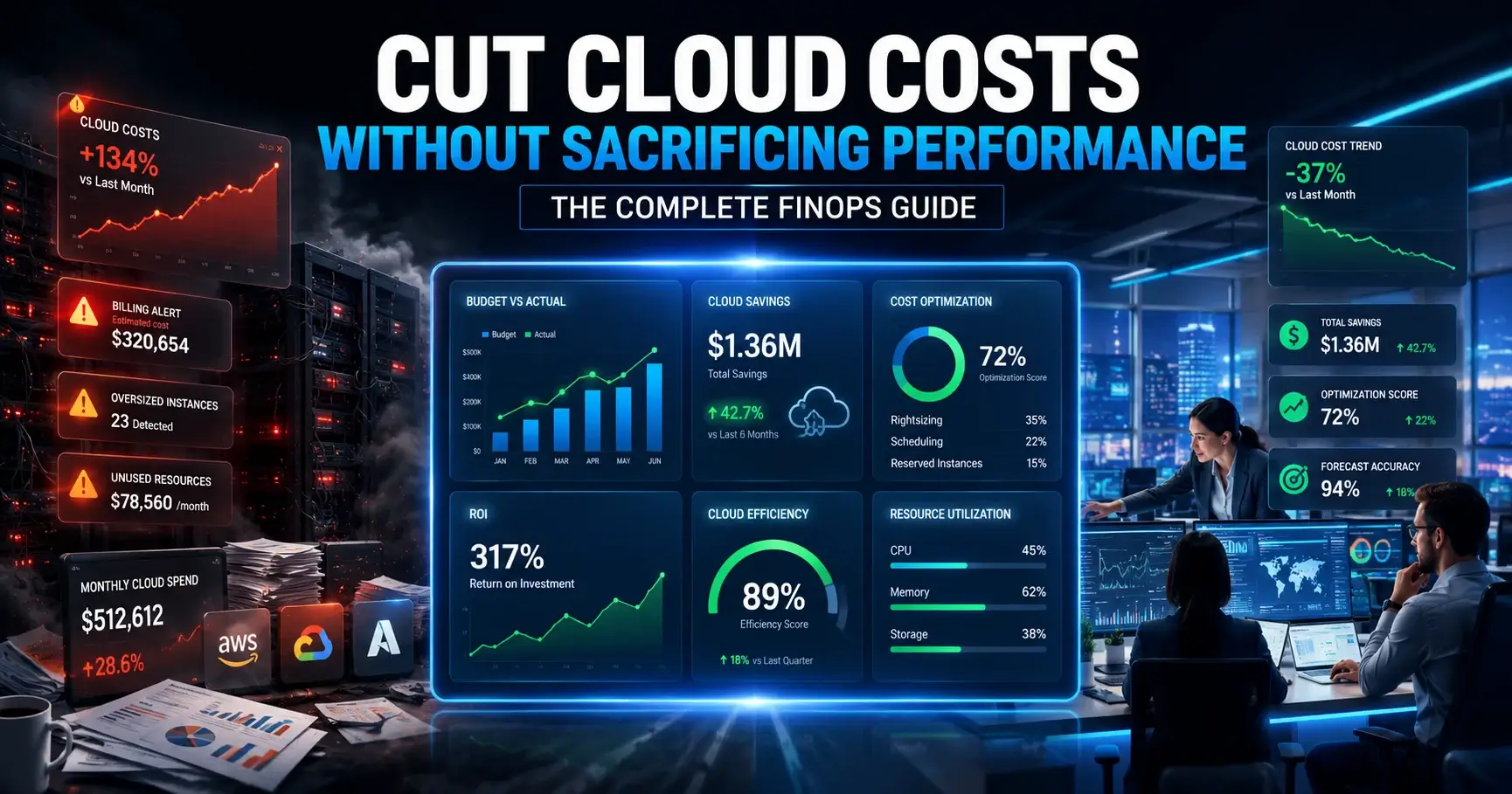
Deep hybrid cloud integration. Physical data center management and cloud resource management are converging. Future DCIM platforms will provide unified visibility and cost optimization across on-premises infrastructure and cloud environments — feeding directly into FinOps workflows. For context on cloud cost management, see SISGAIN's FinOps and cloud cost optimization guide.
DCIM delivers the clearest ROI in specific operational contexts. Organizations should consider investing in a data center management software platform when:
Managing data center infrastructure at enterprise scale requires more than software — it requires operational experience, engineering depth, and the ability to integrate infrastructure management with the broader technology strategy.
SISGAIN's infrastructure management services are designed for organizations that need a partner with genuine technical depth in enterprise data center environments, not just monitoring tools. The team brings practical experience across physical data center operations, hybrid cloud architectures, and cloud-native infrastructure management.
For organizations building or optimizing hybrid environments, SISGAIN's work in cloud architecture and infrastructure design addresses the integration challenges that arise when physical data center management must align with cloud capacity planning and multi-cloud governance. The cloud infrastructure management guide offers a useful reference for organizations navigating this complexity.
Ongoing operational support is provided through cloud managed services that include 24×7 monitoring, proactive incident management, capacity planning, and infrastructure optimization — applying the same rigor that DCIM platforms bring to physical infrastructure across cloud and hybrid environments.
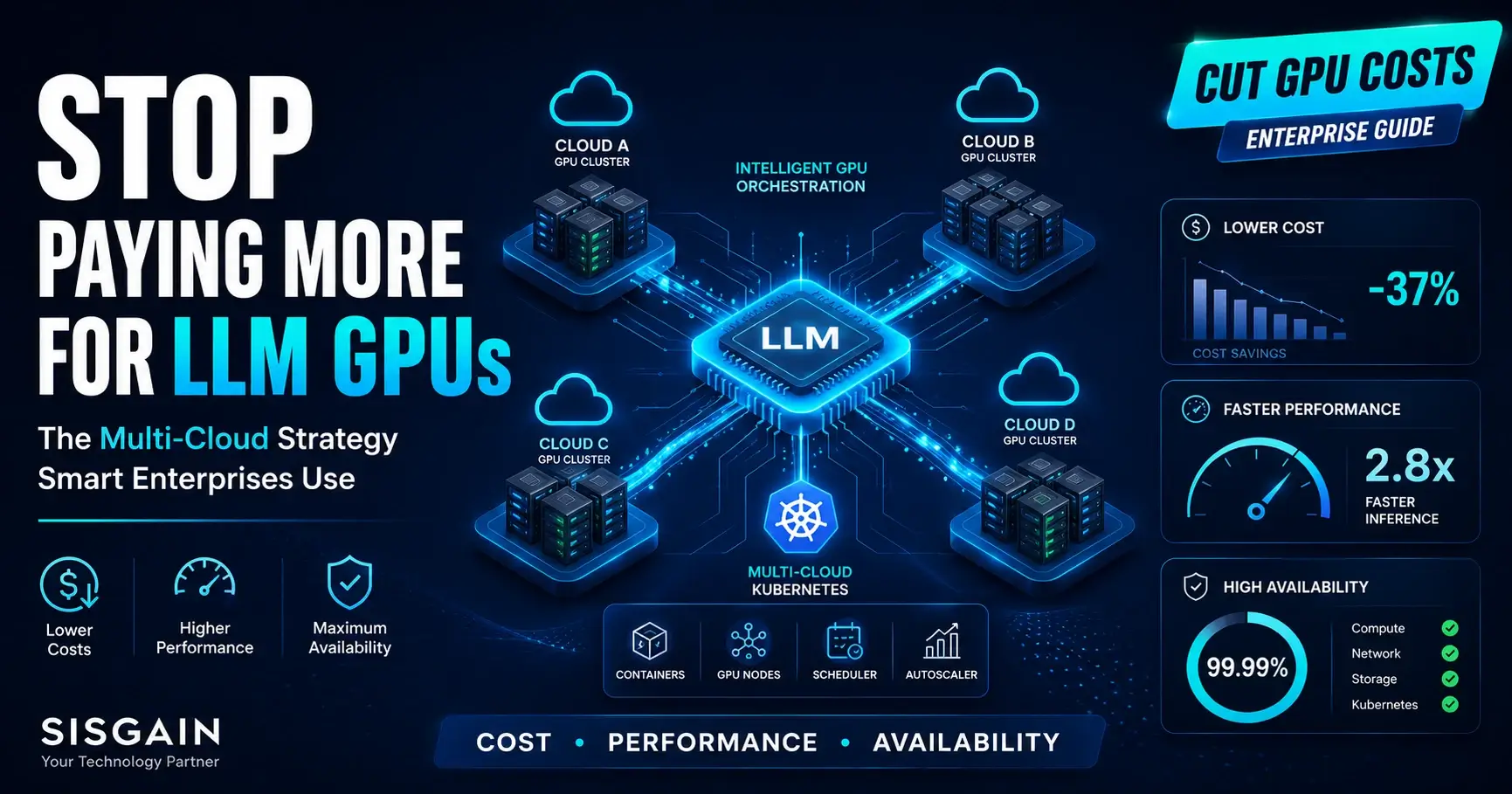
For enterprises dealing with multi-cloud GPU strategies for AI workloads — one of the fastest-growing infrastructure challenges — SISGAIN's work on multi-cloud GPU strategy for enterprise LLMs and Fortune 500 multi-cloud infrastructure as code addresses the specific operational requirements of AI-driven infrastructure at scale.
Data center infrastructure management has moved from a niche operational discipline to a strategic necessity for any organization running significant physical infrastructure. The numbers make the argument plainly: a market growing from $3.67 billion to $14.65 billion over a decade reflects the reality that enterprises cannot afford to manage their most critical physical assets without data-driven intelligence.
The operational case is equally clear. DCIM gives data center managers the visibility to prevent outages, the analytics to plan capacity accurately, and the automation to operate efficiently — even as infrastructure complexity continues to compound. AI and digital twin capabilities are raising the ceiling further, enabling organizations to move from reactive management toward genuinely autonomous operations.
For organizations at the beginning of this journey, the priority is straightforward: start with complete asset discovery, establish granular power monitoring, and build toward predictive alerting and automation from that foundation.
For those looking to go further — integrating physical data center management with hybrid cloud operations, building AI-ready infrastructure, or implementing comprehensive observability across distributed environments — the expertise required extends beyond any single platform.
Explore SISGAIN's infrastructure management services to understand how experienced infrastructure engineering teams approach these challenges in practice.
Start Build Your
Next Digital Solution?
Let’s build scalable, future-ready digital solutions tailored to your business goals. Connect with our experienced technology consultants to discuss your vision, strategy, and growth opportunities — with zero obligation and complete transparency.
Get a free consultation and cost estimate for your digital solution
Our expert will contact you within 24 hours. Check your email for confirmation.
Partner with SISGAIN experts to build secure, scalable AI-powered IT Solutions that transform your business operations.









DUQE FREEZONE Quarter Deck, Queen Elizabeth 2, Mina Rashid, Dubai, UAE

100 Consilium Pl Suite 200, Scarborough, ON M1H 3E3, Canada

C-109, Sector 2, Noida, Uttar Pradesh 201301 India
Project quotes, partnerships, implementation
Open roles, referrals, campus hiring