
 +1 844-445-5767
 +971 56-848-5757
 +91 921-208-0630
For Business & Service Inquiries
Sales Team
Project quotes, partnerships, implementation
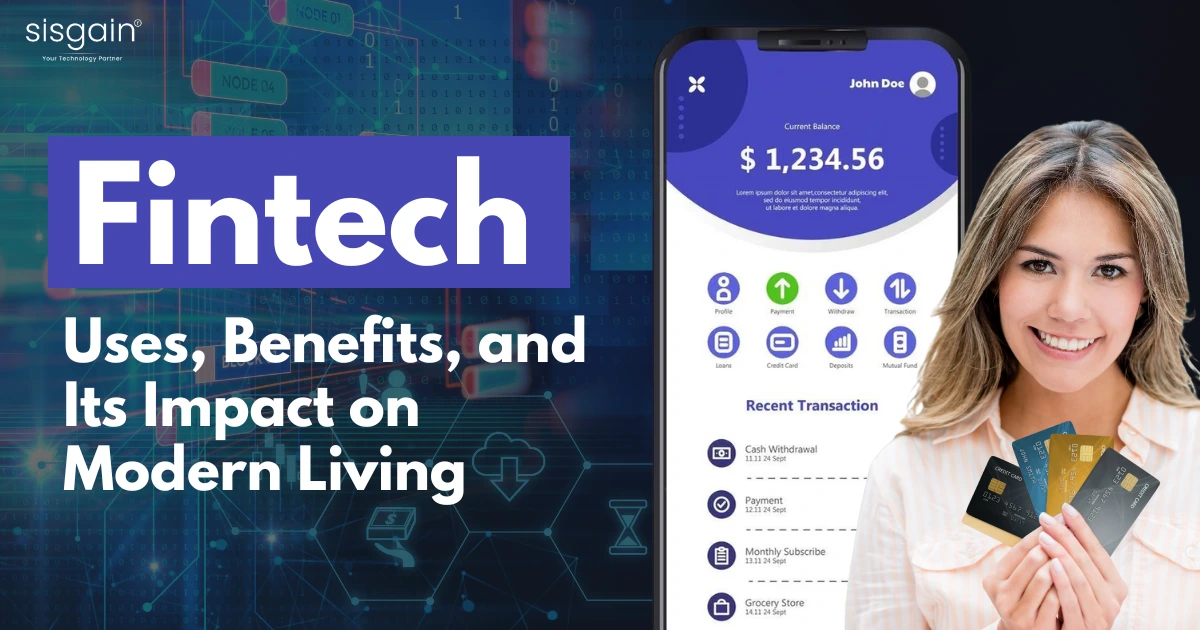
Have you ever wondered how effortless life has become with just a few taps on your screen paying bills, investing money, tracking expenses, or even applying for a loan? What once required standing in long queues and stacks of paperwork is now completed within minutes. This dramatic shift in how we interact with money is driven by one revolutionary force: fintech, or financial technology. As technology continues to integrate seamlessly into daily life, fintech stands at the center of a global transformation, redefining convenience, speed, and accessibility in modern finance.
In this blog, we explore what fintech is, how it works, its growing applications, and why industries everywhere are adopting financial services technology. We will also discuss key concepts like fintech app development, custom fintech app development, fintech mobile app development, and the factors that influence overall fintech app development cost.
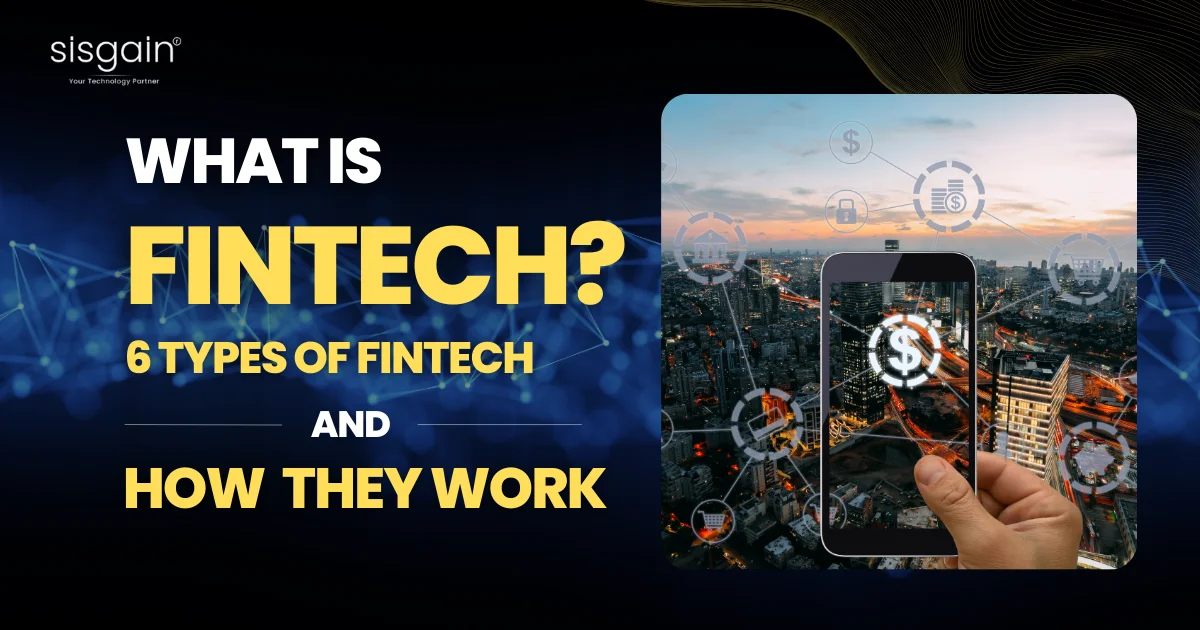
Financial Technology, commonly known as Fintech, refers to the use of advanced digital tools, platforms, and software to make financial processes faster, smarter, and more efficient. Simply put, when people ask “what is fintech?”, the answer is that fintech means leveraging technology to deliver improved, automated, and user-friendly financial services that were traditionally time-consuming or complex.
Fintech encompasses a broad range of solutions that touch nearly every aspect of personal and business finance, including:
According to Investopedia, fintech initially emerged to improve banking back-end operations, but over time it has expanded into a wide array of financial technologies used by consumers, businesses, and institutions alike. Today, nearly every digital financial activity from scanning a QR code for payment to instantly checking your credit score or making investments is powered by fintech innovations.
By streamlining processes, increasing accessibility, and improving security, fintech has fundamentally transformed the way we manage money, making financial services faster, smarter, and more inclusive than ever before.

Fintech has revolutionized how people and businesses handle money. By combining technology with financial services, it has made transactions faster, more secure, and highly accessible. Today, millions of users around the world rely on financial technologies in their everyday lives. Here are some of the most significant real-world applications of fintech:
Digital payment solutions are among the most widely used fintech applications. Mobile wallets and payment apps like Google Pay, PhonePe, PayPal, and Apple Pay allow users to send and receive money instantly. These platforms eliminate the need for cash, reduce transaction time, and offer features such as bill payments, QR code scanning, and automatic transaction records.
Digital payments are not only convenient for individuals but also help businesses streamline operations, reduce cash handling, and improve overall financial efficiency.
Fintech banking platforms, including neo-banks, provide fully digital financial services. Users can open digital accounts, track transactions in real time, manage savings, access virtual debit/credit cards, and perform banking activities without visiting a branch.
Neo-banks operate 100% online, reducing paperwork and enabling faster onboarding. They also offer tools for budgeting, spending insights, and personalized financial recommendations, making banking more user-friendly and efficient.
Fintech has transformed lending by enabling instant access to credit. Digital lending apps simplify processes through automated credit scoring, digital KYC verification, and instant loan approvals. Many platforms offer Buy Now Pay Later (BNPL) services, allowing users to make purchases and pay in installments without traditional bank loans.
These solutions make credit accessible to individuals and small businesses who might not qualify under conventional banking systems.
Investment and wealth management have become more accessible due to fintech. Robo-advisors and AI-driven platforms analyze financial data to provide personalized investment advice, create diversified portfolios, and automate investment decisions.
These platforms allow both beginners and experienced investors to manage their money efficiently, track performance in real-time, and optimize returns with minimal manual intervention.
Blockchain technology powers many fintech innovations, including cryptocurrencies, decentralized finance (DeFi), and secure payment networks. Platforms like Coinbase, Binance, and other crypto wallets provide secure, transparent, and decentralized financial services.
Blockchain-based fintech solutions ensure immutability, faster cross-border transactions, and reduced reliance on traditional banking intermediaries.
Insurance technology, or InsurTech, simplifies insurance processes by automating claims, risk assessment, and policy issuance. AI-powered platforms evaluate risk factors accurately, accelerate claims processing, and provide users with instant access to policies.
InsurTech improves customer experience, reduces paperwork, and ensures that insurance services are more accessible and affordable.
Budgeting and personal finance apps like Mint, YNAB, and PocketGuard help users track income, expenses, and savings. These apps provide insights into spending patterns, suggest cost-saving strategies, and enable goal-based financial planning.
Businesses also benefit from fintech tools for accounting, invoicing, payroll management, and expense tracking, improving operational efficiency and decision-making.
Fintech is no longer just a convenience—it has become an essential component of modern financial life. From digital payments to AI-driven investment platforms, fintech solutions provide faster, safer, and smarter ways to manage money for both individuals and businesses. With the continued growth of financial services technology, fintech is shaping the future of finance worldwide.
While fintech is often associated primarily with banking, its influence has expanded far beyond traditional financial services. Today, financial technology (fintech) plays a transformative role across multiple industries, improving efficiency, enhancing user experience, and creating new business opportunities. Here’s a closer look at how fintech is reshaping various sectors:
Fintech has revolutionized the retail sector by enabling digital payments, seamless checkout experiences, and Buy Now Pay Later (BNPL) options. Consumers can now complete purchases instantly via mobile wallets or online payment gateways without handling cash. For businesses, fintech solutions simplify transaction processing, reduce fraud, and improve cash flow management. Retailers benefit from analytics-driven insights into customer behavior, enabling personalized offers and loyalty programs.
The healthcare industry is increasingly adopting fintech for online payments, insurance integration, and digital billing systems. Patients can pay medical bills online, submit insurance claims instantly, and track expenses through digital platforms. For healthcare providers, fintech ensures faster reimbursements, improved financial reporting, and better patient experience. Integration with telemedicine and health insurance apps further streamlines financial operations in healthcare.
In real estate, fintech has transformed mortgage processing, property financing, and rental payments. Automation enables faster loan approvals, digital verification, and paperless transactions. Platforms also allow virtual property financing and investment in real estate crowdfunding. These fintech solutions make homeownership and real estate investment more accessible while reducing administrative delays.
Fintech solutions are deeply embedded in transportation through ride-hailing apps, toll collection, and fleet management systems. Passengers can pay fares digitally, while companies can manage financial operations, track expenses, and optimize revenue through automated systems. Contactless payments, subscription-based models, and digital ticketing enhance convenience and operational efficiency.
Fintech plays a key role in the education sector by enabling digital fee payments, student loan management, and education finance (ed-finance) platforms. Schools and universities benefit from automated payment reconciliation, while students gain easier access to loans, scholarships, and financial aid. This integration ensures timely payments, improved financial transparency, and a better overall experience for both institutions and students.
The travel industry leverages fintech for one-click bookings, currency exchange, travel insurance, and digital payments. Travelers can pay for flights, hotels, and services instantly through mobile apps, while fintech platforms help manage foreign currency transactions efficiently. Travel insurance automation ensures that policies are issued instantly and claims are processed quickly, improving customer confidence and satisfaction.

The success of modern fintech solutions relies heavily on emerging technologies. These innovations not only make financial services faster and more efficient but also enhance security, personalization, and accessibility. Here’s a closer look at the key technologies driving the fintech revolution:
Artificial Intelligence is one of the most transformative technologies in fintech. AI algorithms are used to:
By automating complex decision-making processes, AI improves efficiency, accuracy, and user experience across fintech applications.
Machine Learning, a subset of AI, allows fintech platforms to learn from historical financial data and adapt services accordingly. ML models help:
Machine learning ensures that fintech solutions become smarter and more responsive over time, tailoring financial services to individual needs.
Blockchain technology provides a secure, decentralized, and transparent framework for financial transactions. Its applications in fintech include:
By eliminating central points of failure, blockchain increases trust and security in digital financial ecosystems.
Big Data Analytics allows fintech companies to process massive volumes of financial and behavioral data. This technology helps:
Through actionable insights, big data transforms financial services from generic offerings into targeted, user-centric experiences.
Cloud technology is crucial for scalable and flexible fintech operations. Cloud computing enables:
With cloud infrastructure, fintech companies can provide reliable, global access to digital banking, payments, and investment platforms.
IoT technology connects physical devices to the digital ecosystem, creating smarter financial interactions. Examples include:
IoT enhances convenience and enables secure, real-time financial transactions in everyday life.
The fintech ecosystem is a complex, interconnected network of players, technologies, and processes that collectively drive the transformation of financial services. Understanding this ecosystem helps explain how fintech solutions—from mobile banking apps to blockchain platforms—operate efficiently and reach millions of users worldwide.
Fintech startups are at the forefront of innovation, creating digital-first financial products that disrupt traditional financial models. These companies focus on solving specific pain points such as faster payments, automated lending, AI-driven investment advice, or simplified insurance services. Startups often leverage cutting-edge technologies like AI, blockchain, and big data to deliver scalable and user-friendly solutions.
Established banks and financial institutions integrate fintech tools to modernize their services and stay competitive. By adopting digital banking platforms, payment gateways, and mobile apps, traditional institutions improve operational efficiency, enhance customer experience, and expand access to financial products without relying solely on physical branches.
Consumers are the primary beneficiaries of fintech innovations. Individuals use mobile banking, digital payments, credit apps, and investment platforms to manage money efficiently, make transactions instantly, and access financial products that were previously difficult or time-consuming to obtain. Consumer adoption drives the growth of fintech and encourages continuous innovation.
Businesses rely on fintech solutions for payroll management, invoicing, expense tracking, and digital transactions. Small and medium-sized enterprises (SMEs) benefit from faster payments, automated accounting tools, and integrated financial dashboards, while large corporations leverage fintech platforms to optimize complex financial operations.
Governments and regulatory bodies ensure that fintech operates within a secure and legal framework. Regulators set rules for compliance, cybersecurity, anti-money laundering (AML), and consumer protection, helping maintain trust in the financial ecosystem while supporting innovation and growth.
Specialized fintech app development companies play a crucial role by designing and building customized software solutions for financial enterprises. These companies focus on creating secure, scalable, and feature-rich platforms for banking, payments, lending, insurance, and investment management. Their work ensures that fintech applications meet industry standards and deliver seamless user experiences.

Fintech is transforming the financial landscape by offering faster, smarter, and more accessible financial services. Its impact is felt across multiple user groups, each gaining unique advantages from modern financial technologies. Let’s explore who benefits the most from fintech innovations:
For everyday users, fintech provides tools and platforms that simplify money management and financial decision-making. Key benefits include:
Fintech empowers individuals to take control of their finances with convenience, transparency, and efficiency.
Small and medium-sized enterprises are major beneficiaries of fintech innovations. They gain access to:
These solutions help SMEs save time, reduce operational complexity, and focus on growth.
For larger companies, fintech solutions enhance operational efficiency and security. Key advantages include:
By adopting fintech, enterprises can streamline complex financial operations and improve overall business performance.
Traditional banks and financial institutions leverage fintech to modernize their services and remain competitive. Benefits include:
Fintech allows banks to innovate while maintaining trust and reliability for their customers.
For startups entering the financial space, fintech provides a pathway to rapid growth:
Fintech has transformed the way we handle money, invest, and conduct transactions. Some of the most well-known fintech platforms include:
These platforms cover multiple fintech categories, including payments, banking, investment, crypto, lending, and financial management, demonstrating the diversity and adaptability of fintech solutions.
No, fintech is no longer limited to banking. While banking remains a major pillar of fintech, its influence spans virtually every industry that involves money management, transactions, or billing. Key sectors leveraging fintech include:
Fintech companies adopt multiple revenue streams to sustain operations and scale globally. Some common monetization models include:
Most fintech companies combine several revenue models to maximize profitability and growth.
The rapid adoption of digital finance is largely driven by fintech app development. These apps provide secure, scalable, and user-friendly platforms for banking, payments, investing, and lending.
Businesses often prefer custom fintech apps to meet specific requirements:
Professional fintech app development services cover the full lifecycle:
With the increasing use of smartphones, mobile-first fintech apps are crucial. Common areas include:
The cost of developing a fintech app varies based on:
On average, fintech app development cost ranges from $30,000 to $300,000 or more, depending on the scale, features, and security requirements.
Modern fintech apps integrate advanced features such as:
Professional development ensures that fintech apps are secure, reliable, and user-friendly, meeting the high standards expected in the digital finance space.

Fintech has evolved from a supporting technology into a powerful force driving global modernization. It improves how people bank, pay, invest, borrow, and manage money. With advancements in AI, blockchain, and automation, fintech continues to reshape industries and empower users worldwide. As more companies invest in fintech solutions, demand for secure, scalable, and user-friendly digital platforms continues to grow.
For businesses looking to build innovative and high-performance digital finance products, SISGAIN offers expert fintech app development services, helping brands create secure, modern, and impactful financial technologies for the future.





Start Build Your
Next Digital Solution?
Let’s build scalable, future-ready digital solutions tailored to your business goals. Connect with our experienced technology consultants to discuss your vision, strategy, and growth opportunities — with zero obligation and complete transparency.
Get a free consultation and cost estimate for your digital solution
Our expert will contact you within 24 hours. Check your email for confirmation.
Partner with SISGAIN experts to build secure, scalable AI-powered IT Solutions that transform your business operations.









DUQE FREEZONE Quarter Deck, Queen Elizabeth 2, Mina Rashid, Dubai, UAE

100 Consilium Pl Suite 200, Scarborough, ON M1H 3E3, Canada

C-109, Sector 2, Noida, Uttar Pradesh 201301 India
Project quotes, partnerships, implementation
Open roles, referrals, campus hiring