
 +1 844-445-5767
 +971 56-848-5757
 +91 921-208-0630
For Business & Service Inquiries
Sales Team
Project quotes, partnerships, implementation
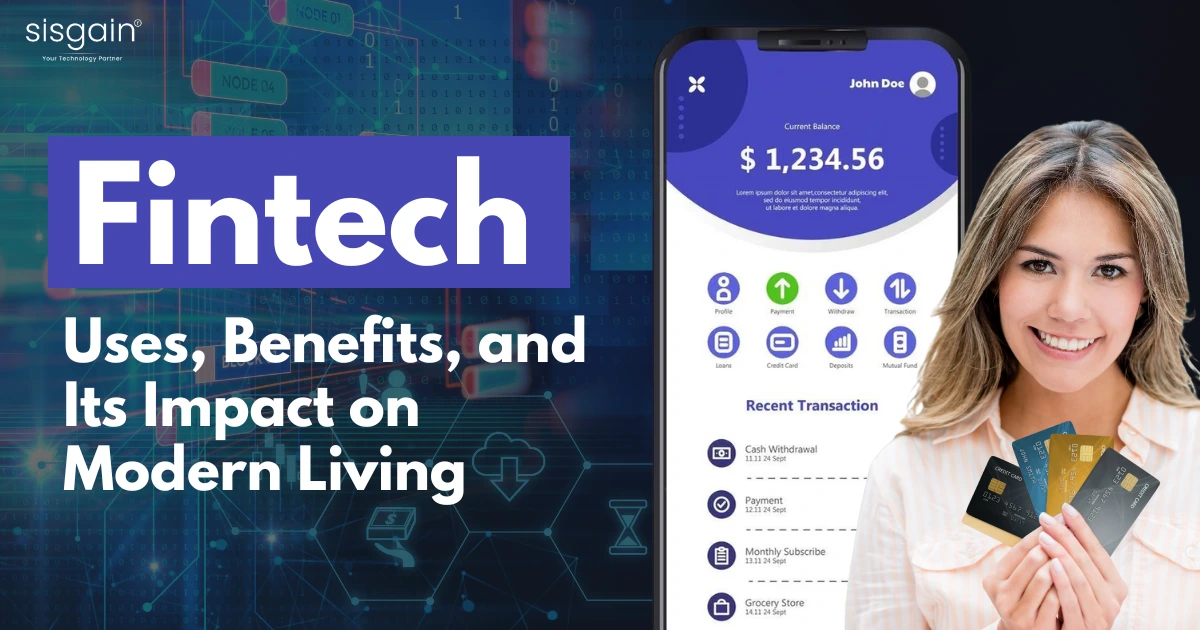
The way people handle money is changing at an unprecedented pace. Tasks that once meant long bank visits, endless paperwork, and days of waiting can now be done in just minutes on a smartphone. This transformation is driven by fintech, the fusion of finance and technology that is reshaping how individuals and businesses manage, move, and grow money. From seamless digital payments and mobile banking to automated investments and instant loans, fintech has become a core part of everyday financial life.
Understanding what is fintech, how it works, and why it matters is essential in today’s digital economy. In this in-depth guide, we will explore the true fintech meaning, how fintech companies operate, the core types of fintech, and how fintech platforms are transforming traditional financial services into faster, smarter, and more accessible digital experiences.
Fintech, short for financial technology, refers to the use of modern technology to improve, automate, and innovate financial services. At its simplest level, fintech involves using software and digital tools to deliver financial products more efficiently than traditional methods. However, the fintech meaning goes far beyond apps or online banking interfaces. It represents a complete transformation of how financial services are designed, delivered, and consumed.
When people ask what is fintech, the answer lies in its purpose. Fintech aims to simplify financial processes, reduce friction, lower costs, and enhance user experience. Whether it’s a fintech app that helps users track expenses, a digital platform that enables instant payments, or a fintech solution that automates lending decisions, the goal remains the same—making finance more accessible and efficient.
Today, fintech is embedded in everyday life. Most people use fintech products without even realizing it, whether through mobile wallets, online banking, or digital investment platforms. These innovations are powered by fintech technology such as cloud computing, APIs, artificial intelligence, and data analytics.
A fintech company is an organization that uses technology to deliver financial services or improve existing financial systems. Unlike traditional banks or financial institutions, fintech companies are typically digital-first, focusing on innovation, speed, and customer experience. These companies design solutions that meet modern user expectations for convenience, transparency, and personalization.
Fintech companies can operate independently or in partnership with banks and other financial institutions. Some function as full-service platforms offering banking, payments, and investments, while others specialize in niche services such as lending, insurance, or financial data aggregation. Many financial technology companies provide backend fintech software that supports the digital infrastructure of banks, enterprises, and startups.
The rise of fintechs has reshaped the financial industry by introducing competition, driving innovation, and pushing traditional institutions to modernize their services.
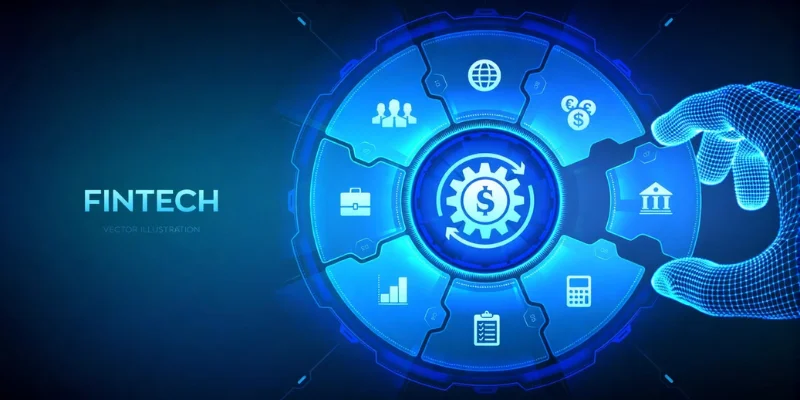
The fintech industry has experienced explosive growth over the last decade. Advancements in mobile technology, widespread internet access, and changing consumer expectations have fueled demand for digital financial services. As a result, thousands of fintech companies have emerged globally, offering a wide range of fintech solutions across banking, payments, lending, insurance, and investments.
Fintech industrial growth is not limited to startups. Established financial institutions are also investing heavily in fintech technology to enhance operational efficiency and improve customer engagement. Governments and regulators are adapting policies to support innovation while ensuring security and compliance.
The fintech business ecosystem continues to expand as businesses across industries embed financial services into their platforms. This has positioned fintech platforms as a foundational layer of the digital economy.
Fintech works by leveraging advanced technology to streamline financial operations that were traditionally manual, slow, and complex. At the heart of fintech systems are software applications that connect users, financial institutions, and third-party services in real time.
Most fintech platforms rely on APIs, which allow secure communication between different systems. APIs enable fintech apps to access bank account data, initiate payments, verify identities, and perform financial transactions seamlessly. Cloud infrastructure ensures scalability and data availability, while encryption and security protocols protect sensitive financial information.
Artificial intelligence and machine learning play a critical role in fintech solutions by analyzing vast amounts of data to detect fraud, assess credit risk, and personalize financial services. Blockchain technology, used in certain fintech applications, provides decentralized and transparent transaction records that enhance trust and security.
Through this combination of technologies, fintech transforms traditional financial processes into digital workflows that are faster, more accurate, and user-centric.
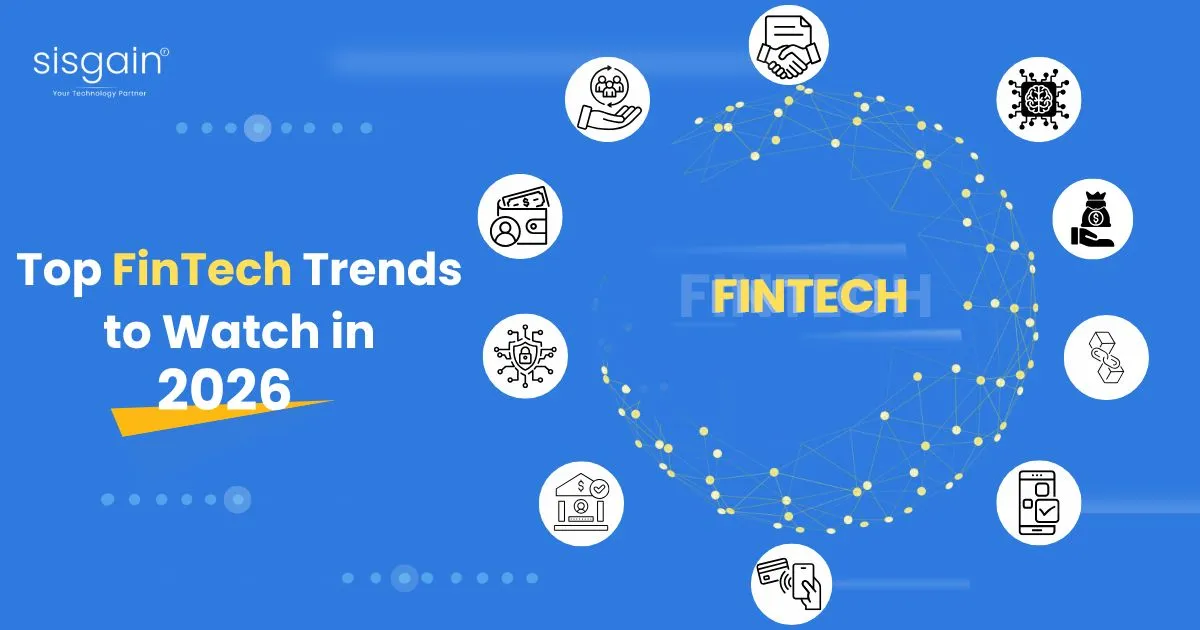
The fintech ecosystem is diverse, with multiple categories addressing different financial needs. Below are the six major types of fintech shaping the modern financial landscape.
Fintech banking refers to digital-only banks or banking services delivered through fintech platforms. These banks operate without physical branches and provide services entirely through mobile and web applications. Fintech banking solutions include account management, payments, savings, budgeting tools, and virtual cards.
These fintech platforms use cloud-based core banking systems and automated compliance processes to deliver seamless banking experiences. Customers benefit from faster onboarding, lower fees, and real-time access to their finances. Fintech banking has become especially popular among younger users and businesses seeking flexible financial solutions.
Payments are one of the most widely adopted fintech applications. Fintech payment solutions enable users to send, receive, and manage money digitally without relying on cash or checks. These platforms support peer-to-peer transfers, mobile wallets, online payments, and international remittances.
Fintech payment systems work by securely integrating bank accounts, cards, and digital wallets through fintech technology. Transactions are processed instantly or near-instantly, improving convenience for consumers and businesses alike. This segment of fintech has significantly accelerated the shift toward cashless economies worldwide.
Personal financial management is a critical area of fintech focused on helping individuals understand and control their finances. These fintech apps aggregate financial data from multiple sources, providing users with a unified view of their income, expenses, and savings.
By analyzing spending patterns and financial behavior, these fintech solutions deliver personalized insights, budgeting recommendations, and alerts. Personal financial management fintech applications empower users to make informed financial decisions and build healthier financial habits.
Investment-focused fintech platforms have revolutionized how people invest and grow their wealth. These fintech products provide access to stocks, ETFs, mutual funds, and digital assets through intuitive interfaces and automated tools.
Wealth management fintech applications often use algorithms and data analytics to offer portfolio recommendations, rebalance investments, and manage risk. This approach has lowered entry barriers to investing, making financial markets accessible to a broader audience. Fintech investment platforms continue to attract users seeking convenience, transparency, and lower costs.
Lending fintech focuses on providing digital loans and credit solutions to individuals and businesses. These platforms use fintech technology to automate application processing, credit assessment, and fund disbursement.
By analyzing alternative data such as transaction history and cash flow, fintech lenders can evaluate borrowers more accurately and inclusively. This has improved access to credit, especially for small businesses and individuals underserved by traditional banks. Lending fintech applications are a key driver of financial inclusion globally.
Embedded finance allows non-financial businesses to integrate financial services directly into their products and platforms. This includes payments, lending, insurance, and investment features embedded within e-commerce sites, apps, and marketplaces.
Embedded fintech platforms work behind the scenes, enabling seamless financial interactions without disrupting the user experience. This trend highlights how fintech is becoming an invisible yet essential layer of digital services across industries.

Looking at fintech company examples helps illustrate how fintech is reshaping the financial industry and improving the way people manage money. These companies use fintech technology to solve long-standing problems such as high fees, limited access, slow transactions, and lack of transparency.
Chime has disrupted traditional banking by offering no-fee banking services designed to support better financial habits. Its fintech banking model focuses on eliminating overdraft fees and providing early access to paychecks, making everyday banking simpler and more affordable for users.
Brigit is a fintech app focused on improving financial health. It offers budgeting tools, automated alerts, interest-free cash advances, and a centralized dashboard that helps users understand and manage their finances more effectively. This approach highlights how fintech solutions can proactively support financial stability.
Qapital delivers fintech products centered on automated savings. By allowing users to set rules and goals, Qapital helps people save money effortlessly while spending with confidence. This kind of fintech application demonstrates how automation can encourage better financial behavior.
Many fintech companies also provide highly targeted solutions for specific financial needs and markets.
Plaid Express enables customers to send money internationally in a secure and affordable way. By reducing friction and minimizing fraud risks, it showcases how fintech platforms can modernize cross-border payments that were once slow and expensive.
Prosper, one of the first peer-to-peer lending platforms in the United States, focuses on improving financial well-being by connecting borrowers with affordable credit options. As a lending fintech, it demonstrates how fintech companies can offer alternatives to traditional banks.
SoLo Funds is another peer-to-peer lending fintech designed to help users manage short-term cash flow challenges. Instead of relying on predatory payday loans, users can access community-driven financial support, showing how fintechs can promote ethical and inclusive finance.
Adyen works to increase the adoption of pay-by-bank solutions, particularly in North America. By simplifying direct bank payments, Adyen highlights how fintech payment platforms are driving innovation in merchant and consumer transactions.
Together, fintech companies like these are pushing the industry forward. Innovations such as no-fee banking, instant payments, and automated savings are quickly becoming standard expectations rather than optional features.
As fintech businesses continue creating positive change, traditional financial institutions are also evolving. For example, Wells Fargo introduced its Extra Day Grace Period program, allowing customers an additional day to make deposits and avoid overdraft fees. This reflects how fintech banking standards influence legacy institutions, ultimately promoting healthier financial outcomes for consumers.
Fintech offers numerous advantages over traditional financial systems. It improves efficiency by automating processes and reducing human error. It enhances accessibility by delivering financial services through digital channels. Fintech also promotes innovation by enabling rapid experimentation and product development.
For consumers, fintech provides convenience, transparency, and personalized experiences. For businesses, fintech solutions reduce costs, improve scalability, and enable data-driven decision-making. These benefits explain why fintech adoption continues to rise globally.
Despite its advantages, fintech faces challenges related to regulation, security, and trust. Managing sensitive financial data requires robust cybersecurity measures. Compliance with evolving regulations across regions adds complexity for fintech companies operating at scale.
Additionally, fintech platforms must continuously build user trust by ensuring reliability, transparency, and ethical use of data. Addressing these challenges is essential for sustainable fintech growth.
SISGAIN is a leading fintech software development company that helps businesses turn complex financial ideas into secure, scalable, and user-friendly digital solutions. By combining cutting-edge technology, regulatory compliance, and intuitive design, SISGAIN develops fintech platforms, applications, and products that streamline operations, enhance customer experience, and drive growth. Startups and enterprises alike rely on SISGAIN to create innovative fintech solutions that set new standards in the financial industry.
Fintech has fundamentally changed how financial services are delivered and experienced. By merging finance with technology, fintech companies have created faster, smarter, and more inclusive financial systems. From fintech banking and payments to investments and embedded finance, the impact of fintech is evident across industries.
As the demand for secure and scalable fintech products grows, businesses need reliable technology partners to bring their ideas to life. SISGAIN, helps organizations build robust fintech applications, platforms, and solutions that align with modern market demands and regulatory standards.




Start Build Your
Next Digital Solution?
Let’s build scalable, future-ready digital solutions tailored to your business goals. Connect with our experienced technology consultants to discuss your vision, strategy, and growth opportunities — with zero obligation and complete transparency.
Get a free consultation and cost estimate for your digital solution
Our expert will contact you within 24 hours. Check your email for confirmation.
Partner with SISGAIN experts to build secure, scalable AI-powered IT Solutions that transform your business operations.









DUQE FREEZONE Quarter Deck, Queen Elizabeth 2, Mina Rashid, Dubai, UAE

100 Consilium Pl Suite 200, Scarborough, ON M1H 3E3, Canada

C-109, Sector 2, Noida, Uttar Pradesh 201301 India
Project quotes, partnerships, implementation
Open roles, referrals, campus hiring