
 +1 844-445-5767
 +971 56-848-5757
 +91 921-208-0630
For Business & Service Inquiries
Sales Team
Project quotes, partnerships, implementation
Healthcare is no longer driven only by doctors, hospitals, and medical equipment—medical software development has become the silent force transforming how care is delivered, managed, and experienced. From faster diagnoses to safer patient records and smarter decision-making, digital solutions created through medical software development are reshaping the healthcare ecosystem at every level.
As global healthcare systems face rising patient volumes, complex regulations, cost pressures, and growing expectations for quality care, innovations in medical software development have emerged as the most powerful enabler of progress. Today, healthcare organizations rely on advanced platforms to manage data, automate workflows, reduce errors, improve patient outcomes, and scale operations efficiently.
This blog explores why software is advancing the healthcare industry, how it improves efficiency and accuracy, reduces costs, strengthens security, and what the future holds for healthcare technology.

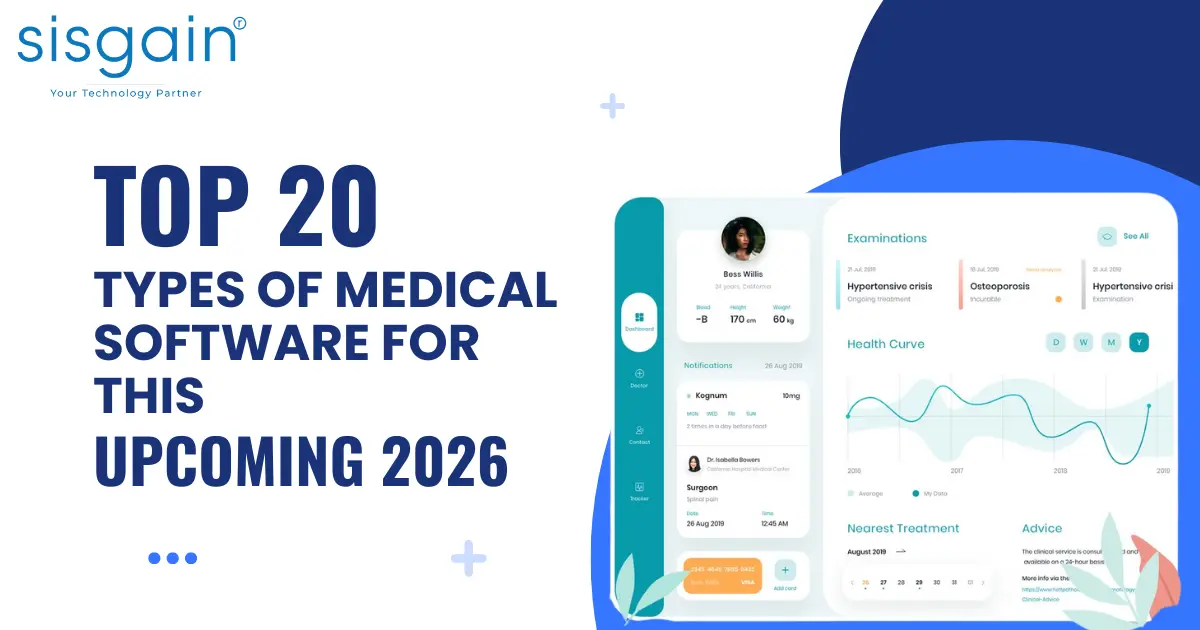
Medical software forms the foundation of modern healthcare, enabling providers to deliver efficient, accurate, and patient-focused care in an increasingly digital environment. These systems support a wide range of functions, from healthcare administration and diagnostics to treatment planning and patient engagement. What were once considered supportive tools have now become essential components of everyday healthcare operations.
Hospitals and clinics today manage vast volumes of sensitive data, including medical histories, laboratory results, imaging records, prescriptions, and billing information. Managing this information manually is time-consuming, error-prone, and exposes healthcare organizations to security risks. Medical software offers a structured and secure way to collect, store, retrieve, and analyze data, ensuring that healthcare professionals always have access to accurate and up-to-date information.
Beyond data management, medical software plays a critical role in:
Many healthcare organizations also rely on healthcare app development services to extend these capabilities through mobile and web applications, allowing patients to access records, schedule appointments, and communicate with providers easily. As healthcare continues to evolve toward data-driven and patient-centric models, intelligent medical software remains essential for delivering accurate, timely, and high-quality care.
Modern healthcare systems operate as complex networks that connect hospitals, laboratories, pharmacies, insurers, and patients. Software acts as the backbone of this ecosystem, integrating every component into a unified and efficient system. By creating seamless connections between clinical and administrative functions, healthcare software ensures that critical patient information is always accessible when and where it is needed.
Digital platforms enable smooth communication across departments, eliminating information silos that often slow down care delivery. Real-time data access allows doctors, nurses, and administrative staff to collaborate more effectively, make faster decisions, and deliver coordinated care across multiple locations. This level of connectivity is essential for improving both operational efficiency and patient outcomes.
Software also supports key healthcare functions, including:
Through intelligent automation and system integration, healthcare software minimizes administrative burden and operational friction, enabling healthcare professionals to focus more on delivering quality patient care rather than managing paperwork.
Accurate data is the foundation of effective healthcare. Even minor errors in patient records can lead to misdiagnosis, delayed treatments, or serious medical complications. Modern healthcare software addresses this challenge by reducing manual entry, standardizing information, and ensuring that data is consistently accurate and up-to-date.
Digital solutions not only provide real-time access to patient histories but also improve collaboration among care teams. Doctors, nurses, and administrative staff can access the same information simultaneously, streamlining workflows and minimizing redundancies. Advanced Healthcare Analytics Tools integrated into these systems allow providers to turn raw data into actionable insights, identify patterns, monitor patient outcomes, and make informed, evidence-based decisions.
Additionally, mobile and web solutions developed through app development for healthcare give patients and providers easy access to records, lab results, and appointments. Together, these innovations enhance both the accuracy and efficiency of healthcare operations, ensuring safer, faster, and more reliable patient care.
Rising healthcare costs are a significant challenge for providers and patients alike, making efficiency a top priority. Advanced healthcare software solutions play a key role in controlling expenses while maintaining high-quality care. By automating administrative tasks, digital tools eliminate time-consuming manual processes such as paper filing, repetitive data entry, and redundant communication, allowing staff to focus on patient care.
Scheduling systems help minimize missed appointments, while inventory management software reduces wastage and ensures critical supplies are available when needed. Billing and claims management platforms streamline reimbursements, improving cash flow and reducing errors. Additionally, predictive analytics enables healthcare organizations to anticipate patient volumes, optimize staffing, and avoid unnecessary tests or procedures, resulting in significant cost savings over time.
By combining automation, data-driven insights, and smarter workflow management, healthcare software demonstrates that efficient systems—not larger budgets—are the real key to sustainable, high-quality healthcare delivery.
As healthcare continues to move toward digital-first operations, protecting sensitive patient information has become a top priority. Data breaches not only compromise patient trust but can also result in regulatory penalties, financial losses, and long-term reputational damage for healthcare organizations. This makes robust security and privacy measures an essential component of modern healthcare software.
Today’s healthcare systems are built with advanced security features such as data encryption, multi-factor authentication, role-based access control, and detailed audit trails. These safeguards ensure that patient data remains confidential and is accessed only by authorized personnel. At the same time, secure platforms support critical operations like Healthcare Revenue Cycle Management, where accuracy and data protection are vital for billing, claims processing, and reimbursements.
Many organizations rely on trusted healthcare software development services to build compliant, secure, and scalable systems that meet strict data protection standards. By embedding regulatory compliance and security best practices into software design, healthcare providers create a trusted digital environment where patients feel confident that their personal health information is safe and well-protected.
Medical errors remain one of the leading causes of preventable harm in healthcare, often resulting from miscommunication, manual processes, or incomplete information. Advanced healthcare software plays a crucial role in reducing these risks by supporting clinicians with intelligent decision-making tools and real-time alerts. Instead of relying solely on memory or handwritten documentation, healthcare professionals can depend on digital systems designed to enhance accuracy and consistency.
Clinical software can automatically flag potential drug interactions, incorrect dosages, and known patient allergies before prescriptions are finalized. Standardized workflows and automated checklists further ensure that established clinical protocols are followed consistently across departments and care settings. These safeguards significantly reduce variability in care delivery and help prevent avoidable mistakes.
By minimizing manual calculations and human error, healthcare software strengthens patient safety while supporting clinicians in delivering reliable, high-quality care. Rather than replacing medical expertise, technology enhances it—allowing healthcare professionals to focus on what matters most: informed decisions and better patient outcomes.

The future of healthcare software is being shaped by rapid innovation, seamless interoperability, and a growing focus on patient-centric design. Healthcare organizations are increasingly adopting intelligent and flexible digital systems that can scale easily and adapt to changing clinical, operational, and regulatory requirements. These advancements are transforming traditional software into connected platforms that support smarter decision-making and improved patient outcomes.
Key developments driving this evolution include:
Software is evolving from static tools into adaptive platforms that learn, scale, and respond to real-world healthcare demands. To stay competitive and future-ready, many organizations rely on healthcare software development services to build secure, innovative solutions that support preventive care, population health management, and global healthcare initiatives.
Artificial intelligence is transforming modern healthcare by enabling faster diagnoses, predictive insights, and more personalized treatment plans. By analyzing vast volumes of clinical and operational data, AI-powered systems can identify patterns and risks that may be difficult for humans to detect, helping healthcare professionals make more informed decisions. This growing adoption of artificial intelligence in healthcare is improving both clinical accuracy and operational efficiency across the industry.
In clinical environments, AI supports medical imaging analysis, disease prediction, and early risk assessment, allowing providers to intervene sooner and improve patient outcomes. On the administrative side, AI-driven tools enhance scheduling, claims processing, and operational forecasting, reducing delays and inefficiencies.
When integrated into advanced platforms through medical software development, artificial intelligence becomes even more powerful. It strengthens healthcare systems by improving accuracy, streamlining workflows, and supporting data-driven care delivery, marking a significant advancement in the evolution of healthcare technology.
Patient engagement has become a critical part of modern healthcare, as informed and involved patients are more likely to follow treatment plans, attend scheduled appointments, and achieve better health outcomes. Choosing the right patient engagement software requires a clear understanding of both patient needs and clinical workflows. The platform should be easy to use, accessible across devices, and capable of integrating smoothly with existing healthcare systems.
Effective patient engagement solutions offer features such as automated appointment reminders, secure messaging, educational content, and health tracking tools that encourage active participation in care. These capabilities help strengthen communication between patients and healthcare providers while reducing administrative effort.
Many organizations partner with providers of healthcare app development services to build customized engagement platforms that prioritize usability, data security, and accessibility. The ultimate goal is to deliver a seamless digital experience that improves patient satisfaction, supports privacy requirements, and fosters long-term patient-provider relationships.
Selecting the right technology partner is essential for healthcare organizations looking to implement secure, scalable, and innovative digital solutions. SISGAIN has earned a reputation as a trusted partner by delivering healthcare software that is compliant, reliable, and tailored to the real-world needs of hospitals, clinics, and providers.
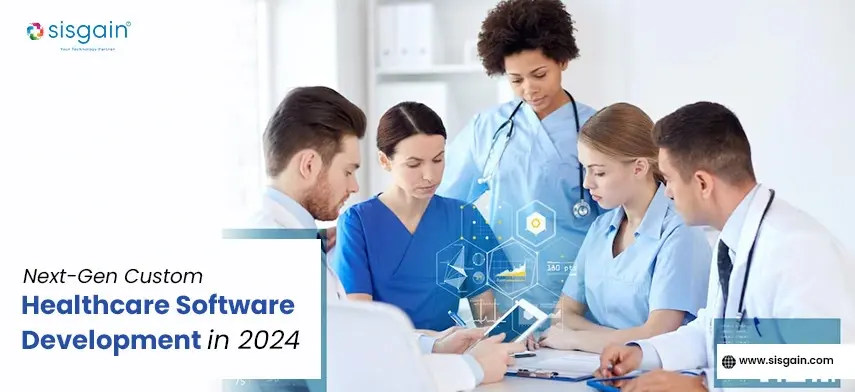
With extensive domain expertise and a patient-first approach, SISGAIN supports innovation across clinical, administrative, and engagement platforms. Many healthcare organizations collaborate with a healthcare software development company like SISGAIN to implement solutions such as case management software, workflow automation, and scalable app development for healthcare that enhance patient access and operational efficiency.
Partnering with SISGAIN ensures your healthcare systems are efficient, secure, and future-ready. Get in touch today to transform your digital healthcare journey and deliver smarter, safer care.
Software is no longer just a supporting element in healthcare—it has become the driving force behind innovation, efficiency, and improved patient outcomes. From enhancing data accuracy and reducing operational costs to strengthening security, minimizing medical errors, and enabling artificial intelligence, digital solutions are transforming every aspect of healthcare delivery.
Healthcare organizations that embrace advanced software solutions position themselves to meet patient needs more effectively, adapt to regulatory changes, and build scalable, future-ready systems. Companies like SISGAIN empower providers to implement intelligent, secure, and patient-focused platforms that drive measurable results across clinical, administrative, and engagement processes.
At its core, the story of modern healthcare is one of technology enabling smarter, safer, and more connected care. Partnering with the right solutions, such as those offered by SISGAIN, ensures that healthcare organizations are not just keeping up with the future—they are shaping it.


Start Build Your
Next Digital Solution?
Let’s build scalable, future-ready digital solutions tailored to your business goals. Connect with our experienced technology consultants to discuss your vision, strategy, and growth opportunities — with zero obligation and complete transparency.
Get a free consultation and cost estimate for your digital solution
Our expert will contact you within 24 hours. Check your email for confirmation.
Partner with SISGAIN experts to build secure, scalable AI-powered IT Solutions that transform your business operations.









DUQE FREEZONE Quarter Deck, Queen Elizabeth 2, Mina Rashid, Dubai, UAE

100 Consilium Pl Suite 200, Scarborough, ON M1H 3E3, Canada

C-109, Sector 2, Noida, Uttar Pradesh 201301 India
Project quotes, partnerships, implementation
Open roles, referrals, campus hiring