
 +1 844-445-5767
 +971 56-848-5757
 +91 921-208-0630
For Business & Service Inquiries
Sales Team
Project quotes, partnerships, implementation
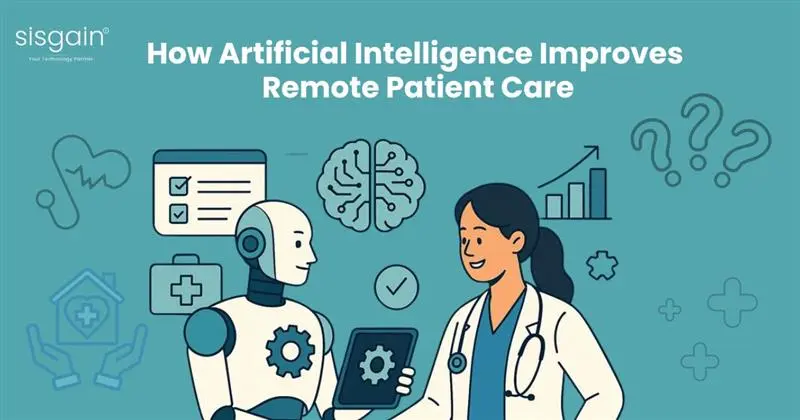
Healthcare is no longer limited to hospital walls. With rapid digital transformation, patient care is moving closer to home, becoming smarter, faster, and more personalized. One of the biggest drivers of this shift is Artificial Intelligence (AI). From predictive health alerts to real-time monitoring, AI is redefining how doctors and caregivers deliver care remotely.
At the heart of this transformation lies the Home Healthcare Remote Monitor, which combines AI algorithms, smart devices, and real-time analytics to ensure continuous and accurate patient monitoring. As healthcare providers focus more on preventive care and early diagnosis, AI-powered remote solutions are becoming essential for modern healthcare systems.
This blog explores how Artificial Intelligence is improving remote patient care, the current trends shaping the industry, real-world applications, and the future opportunities that lie ahead.
Remote patient care refers to the use of digital technologies to monitor, diagnose, and support patients outside traditional healthcare facilities. It enables clinicians to track patient health data in real time while patients remain in the comfort of their homes.
Remote patient care relies heavily on Remote Patient Monitoring Devices, such as wearable sensors, smart medical devices, and mobile applications. These devices collect vital health data like heart rate, blood pressure, oxygen levels, glucose readings, and physical activity. When powered by AI, this data becomes actionable intelligence rather than just raw numbers.
The integration of Software in healthcare industry has further strengthened remote care by enabling data storage, real-time communication, analytics, and compliance with healthcare regulations.
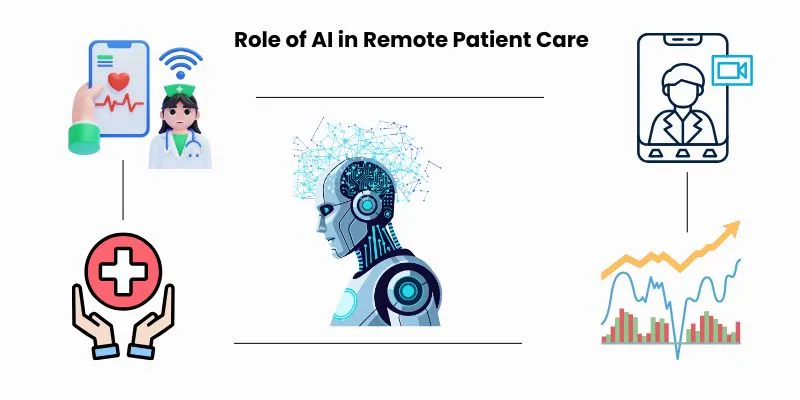
Artificial Intelligence acts as the brain behind modern remote care systems. Unlike traditional monitoring tools that only record data, AI systems analyze, learn, and predict health outcomes.
Patient Monitoring AI uses advanced algorithms to detect abnormal patterns, predict potential health risks, and alert healthcare providers before conditions worsen. This proactive approach significantly improves patient outcomes and reduces hospital readmissions.
Key AI technologies involved include:
Together, these technologies transform remote care from reactive treatment to proactive healthcare management.
The Home Healthcare Remote Monitor serves as the backbone of AI-enabled remote patient care by functioning as a centralized digital ecosystem.
It seamlessly connects patients, smart medical devices, caregivers, and healthcare providers, enabling continuous data exchange, real-time health monitoring, and AI-powered insights that support timely clinical decisions and proactive care management.
By using AI Remote Patient Monitoring, healthcare providers can continuously track patient health without physical visits, making care more accessible and efficient.
Remote patient monitoring has evolved rapidly over the past few years, especially after the global push toward digital healthcare. AI has played a critical role in accelerating this progress.
Modern Remote Monitoring Systems are no longer limited to basic vital tracking. They now offer intelligent insights through machine learning and predictive analytics. Healthcare providers increasingly rely on these systems to manage chronic diseases, post-operative care, elderly care, and mental health monitoring.
Advanced Remote Patient Monitoring Devices such as smartwatches, biosensors, and connected medical equipment provide continuous streams of health data. AI analyzes this data in real time, enabling early detection of issues like arrhythmia, respiratory distress, or abnormal glucose levels.
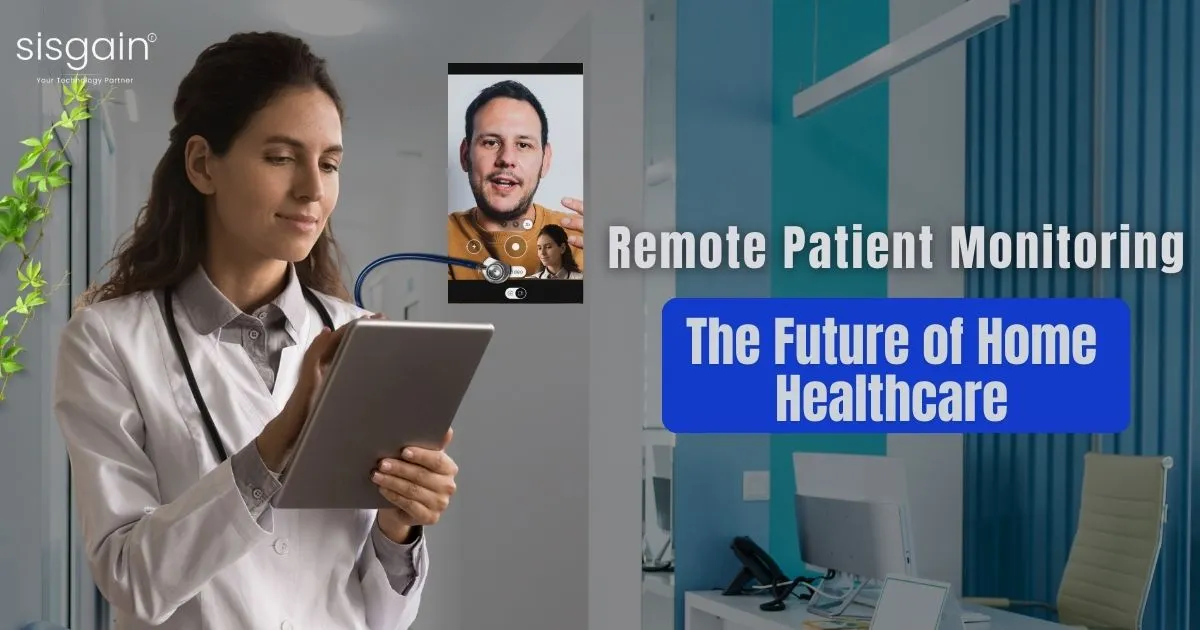
The Future of Home Healthcare is being shaped by patient preference for comfort, safety, and convenience. AI-powered remote monitoring allows patients to receive high-quality care at home while staying connected to healthcare professionals.
AI is not merely an assistive layer in remote care; it is actively reshaping how patient health is monitored and managed. Through intelligent automation and advanced analytics, AI enables continuous data interpretation, predictive risk detection, personalized treatment planning, and real-time alerts that support faster clinical interventions and improved patient outcomes.
Traditional monitoring systems focus on data collection, whereas AI-Driven Remote Patient Monitoring transforms raw health data into meaningful clinical insights. AI analyzes real-time and historical data, identifies behavioral and physiological trends, and highlights subtle abnormalities that may be overlooked in manual observation, enabling more accurate and timely clinical decisions.
With the support of Patient Monitoring Machine Learning, AI systems assess long-term health patterns to predict potential risks before they escalate into emergencies. By detecting early indicators of conditions such as cardiac distress or respiratory decline, AI enables healthcare teams to take preventive action and deliver timely interventions.
AI continuously learns from individual patient data to recommend tailored care strategies. AI Patient Monitoring ensures treatment plans are customized based on each patient’s medical history, lifestyle habits, and real-time health metrics, resulting in more effective care delivery and improved patient adherence.
AI-powered monitoring systems generate instant alerts when health parameters exceed safe thresholds. These real-time notifications allow healthcare providers to respond promptly, reducing the likelihood of complications, preventing hospital readmissions, and ensuring continuous patient safety in remote care environments.
Despite its growing adoption, remote healthcare continues to face challenges such as excessive data generation, delayed clinical responses, and inconsistent patient compliance. These issues can reduce care effectiveness if not managed properly. AI in Remont Patient Monitoring addresses these challenges by introducing intelligence, automation, and prioritization into remote care workflows.
AI efficiently filters massive volumes of patient data and highlights only clinically relevant insights. By reducing data noise and automating routine monitoring and reporting tasks, AI allows healthcare professionals to focus more on direct patient care and critical decision-making rather than administrative responsibilities.
In addition, AI enhances patient engagement by delivering timely reminders, personalized health tips, and automated alerts through mobile applications and connected platforms. This continuous interaction improves adherence to treatment plans, strengthens patient-provider communication, and ensures more consistent and reliable remote care delivery.
Chronic conditions such as diabetes, hypertension, and heart disease require continuous observation rather than periodic clinical visits. Patient Monitoring AI plays a critical role in managing these conditions by analyzing long-term patient data and identifying meaningful health patterns that indicate disease progression or potential complications.
By leveraging intelligent algorithms, AI can predict flare-ups before symptoms worsen and support real-time adjustments to treatment plans. This proactive approach encourages better patient adherence to care routines, improves long-term health outcomes, and significantly enhances quality of life while helping reduce overall healthcare costs.
Data serves as the foundation of AI-powered remote healthcare, but its true value lies in how effectively it is analyzed. Healthcare analytics tools convert raw patient data into actionable insights that support smarter clinical and operational decisions across remote care environments.
These tools help healthcare providers:
When integrated with remote monitoring systems, analytics tools enable smarter, data-driven healthcare delivery.
Effective communication is a cornerstone of successful remote patient care, as it ensures timely interaction between patients and healthcare professionals. AI-enabled platforms enhance this process by integrating a secure group video conferencing app, enabling virtual consultations, routine follow-ups, and real-time collaboration among multidisciplinary care teams without requiring in-person visits.
In remote care environments, clear and reliable communication helps maintain continuity of treatment and strengthens patient trust. AI-powered communication tools support seamless information sharing, allowing clinicians to review patient data, discuss care plans, and provide guidance efficiently through digital channels.
Security and privacy remain critical when handling sensitive medical information. AI systems ensure encrypted communication, secure user authentication, and strict compliance with healthcare regulations, safeguarding patient data while enabling safe, confidential, and uninterrupted remote care interactions.
Choosing the Best Remote Patient Monitoring Software goes beyond basic functionality and device connectivity. Healthcare organizations increasingly seek solutions that leverage Artificial Intelligence to deliver greater accuracy, scalability, and long-term reliability. AI enables software platforms to analyze complex health data, support proactive care, and adapt to growing patient needs.
AI-powered remote monitoring software transforms raw data into intelligent health insights and automates reporting processes, reducing manual workload for clinicians. Seamless integration with medical devices and existing healthcare systems ensures uninterrupted data flow and consistent monitoring across care environments.
In addition, AI enhances patient engagement through personalized alerts, reminders, and real-time feedback. Its scalable infrastructure allows healthcare providers to expand remote care services efficiently, making AI-enabled platforms a preferred choice for meeting the increasing demand for high-quality remote patient care.
The Software in healthcare industry has evolved beyond basic record-keeping. Today, software solutions powered by AI support diagnostics, patient monitoring, data analytics, and virtual care.
Remote patient care platforms integrate AI, cloud computing, and IoT devices to deliver seamless, end-to-end healthcare experiences.
AI plays a vital role as a clinical decision support system by transforming real-time patient data into actionable medical insights. Through continuous monitoring and intelligent analysis, AI helps clinicians identify subtle health changes that may indicate emerging risks, supporting faster and more accurate clinical assessments in remote care settings.
By using AI Remote Patient Monitoring, doctors can detect early warning signs, prioritize high-risk patients, and make informed decisions about treatment adjustments. AI-driven insights enable healthcare professionals to optimize care strategies based on current and historical patient data, improving overall clinical efficiency and responsiveness.
This collaboration between AI and clinicians strengthens care quality without replacing human judgment. Instead, AI enhances medical expertise by reducing diagnostic errors, supporting evidence-based decisions, and allowing providers to focus more on patient-centered care and complex clinical evaluations.
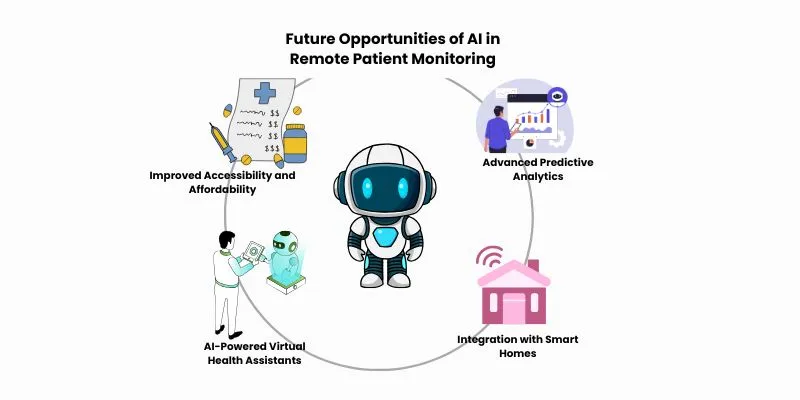
The future of remote patient care is highly promising as Artificial Intelligence continues to advance in capability and adoption. AI is expected to play a central role in shifting healthcare from reactive treatment models to proactive and preventive care approaches. By enabling continuous monitoring, predictive insights, and intelligent automation, AI will further strengthen the effectiveness, reach, and sustainability of remote patient monitoring systems.
AI-powered predictive analytics will become increasingly precise in identifying potential health risks well before symptoms appear. By analyzing long-term patient data and real-time health indicators, AI will support earlier interventions, reduce emergency events, and help clinicians deliver truly preventive care rather than responding after conditions worsen.
The Future of Home Healthcare will include AI-enabled smart home environments where connected sensors monitor movement, sleep patterns, and daily activities. These insights will help assess overall well-being, detect early signs of decline, and support safer, more independent living for patients receiving care at home.
AI-driven virtual health assistants will play a greater role in guiding patients through medication schedules, lifestyle adjustments, and ongoing health education. By providing timely reminders and personalized support, these assistants will improve patient adherence, engagement, and long-term health outcomes.
AI will help scale remote patient monitoring solutions, reducing costs and expanding access to quality healthcare. This scalability will make advanced care services more accessible to rural and underserved populations, bridging healthcare gaps and supporting more equitable healthcare delivery.
While Artificial Intelligence delivers significant value in remote patient care, challenges related to data privacy, algorithm bias, and regulatory compliance cannot be overlooked. As AI systems process large volumes of sensitive health information, ensuring data security and accuracy remains a critical responsibility for healthcare organizations.
Healthcare providers must focus on transparent AI models, robust data protection measures, and ethical use of patient information. Maintaining human oversight and adhering to healthcare regulations are essential to building patient trust and ensuring the safe, responsible adoption of AI-powered remote care solutions.
At SISGAIN, we understand that effective remote healthcare requires intelligent, patient-focused technology. Our Home Healthcare Remote Monitor solutions are designed to provide seamless, real-time patient monitoring, enabling clinicians to track vital health data and make informed decisions without being physically present. With over a decade of experience in healthcare technology, SISGAIN combines advanced analytics with reliable, user-friendly platforms to ensure consistent, high-quality care.
Our services go beyond simple data tracking. They analyze patient health patterns, predict potential risks, and provide actionable insights for proactive care. By integrating smart devices, predictive analytics, and real-time monitoring, SISGAIN ensures that every patient receives personalized attention and timely interventions while reducing the workload on healthcare professionals.
Security and compliance are fundamental to our approach. SISGAIN’s top-notch solutions incorporate encrypted communication, secure access, and adherence to healthcare standards, safeguarding sensitive patient information. From supporting chronic disease management to shaping the Future of Home Healthcare, SISGAIN continues to innovate, helping healthcare providers deliver smarter, safer, and more connected care from the comfort of home.
Artificial Intelligence is no longer a futuristic idea—it is actively transforming healthcare today. From intelligent data analysis to personalized treatment and predictive care, AI is making remote patient care smarter, safer, and more effective. SISGAIN leverages cutting-edge AI technology through its Home Healthcare Remote Monitor solutions to provide clinicians with real-time insights, proactive alerts, and seamless patient engagement.
By integrating AI-driven monitoring, advanced analytics, and secure digital platforms, SISGAIN empowers healthcare providers to deliver more connected, patient-centric care. Embrace the future of healthcare with AI-powered solutions today and take the first step toward smarter, safer, and more efficient patient care.


Start Build Your
Next Digital Solution?
Let’s build scalable, future-ready digital solutions tailored to your business goals. Connect with our experienced technology consultants to discuss your vision, strategy, and growth opportunities — with zero obligation and complete transparency.
Get a free consultation and cost estimate for your digital solution
Our expert will contact you within 24 hours. Check your email for confirmation.
Partner with SISGAIN experts to build secure, scalable AI-powered IT Solutions that transform your business operations.









DUQE FREEZONE Quarter Deck, Queen Elizabeth 2, Mina Rashid, Dubai, UAE

100 Consilium Pl Suite 200, Scarborough, ON M1H 3E3, Canada

C-109, Sector 2, Noida, Uttar Pradesh 201301 India
Project quotes, partnerships, implementation
Open roles, referrals, campus hiring