 +1 844-445-5767
 +971 56-848-5757
 +91 921-208-0630
For Business & Service Inquiries
Sales Team
Project quotes, partnerships, implementation
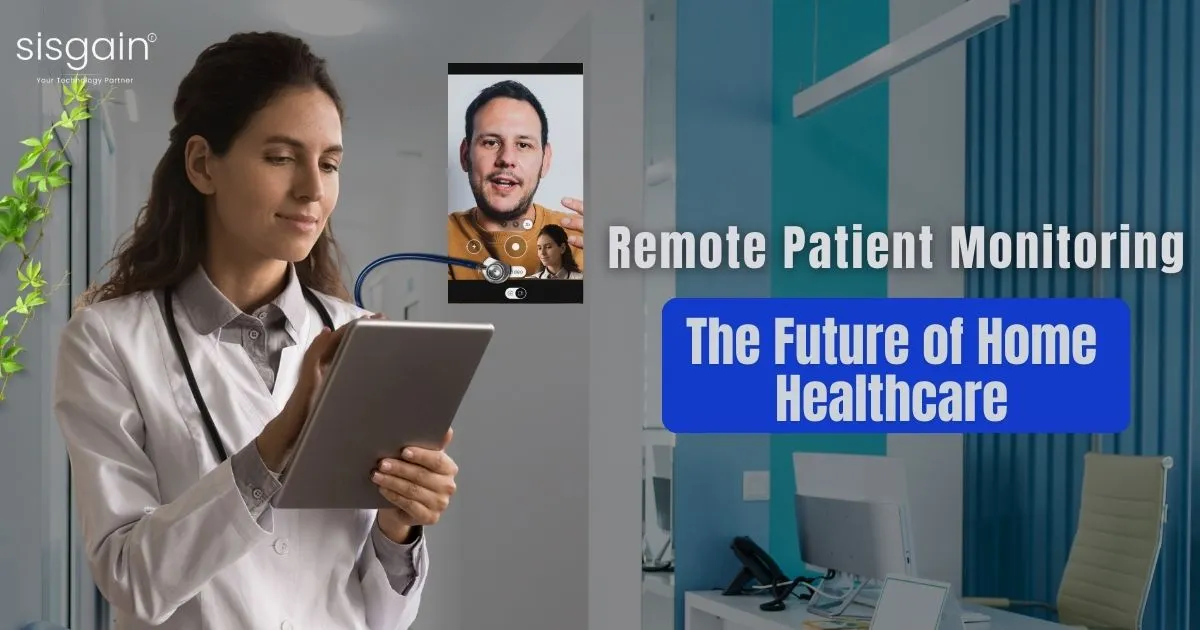
Healthcare is going through one of the biggest transformations in history. Hospitals are overcrowded, healthcare costs are rising rapidly, and patients increasingly prefer care from the comfort of their homes. According to global healthcare studies, nearly 60% of chronic patients can now be treated effectively outside hospitals with the help of digital health technologies. One innovation driving this change is Remote Patient Monitoring (RPM).
Remote Patient Monitoring allows healthcare providers to track patients’ health data in real time without requiring physical visits. This shift is not just about convenience—it is about improving outcomes, reducing hospital readmissions, and enabling proactive care. When combined with a home healthcare remote monitor, AI-driven analytics, and modern healthcare platforms, RPM is redefining how care is delivered.
The rise of Artificial Intelligence in healthcare, smart wearables, and connected systems has made home healthcare more reliable, scalable, and data-driven than ever before. In this in-depth guide, we will explore how Remote Patient Monitoring works, why it matters, how AI and telemedicine enhance it, and how healthcare providers can adopt it successfully.
Remote Patient Monitoring (RPM) is a healthcare technology that enables providers to collect and analyze patient health data outside traditional clinical settings. Using digital devices, patient data such as heart rate, blood pressure, glucose levels, oxygen saturation, and activity levels is transmitted securely to healthcare systems.
RPM plays a crucial role in preventive and long-term care. Instead of reacting to emergencies, providers can identify warning signs early and intervene before conditions worsen. This approach leads to better health outcomes and reduced healthcare costs.
RPM is widely used in:
By combining RPM with digital platforms, healthcare providers gain continuous visibility into patient health, even when patients are miles away.
Remote Patient Monitoring software works through a well-connected digital ecosystem that includes devices, software, and healthcare professionals.
The process typically includes:
This workflow ensures real-time monitoring while reducing the need for hospital visits. When integrated with a hospital management system, RPM becomes even more powerful by centralizing patient records and clinical workflows.
Remote Patient Monitoring devices come in various forms, each designed to track specific health parameters.
Common device categories include:
These devices work together with software platforms to create a continuous flow of patient data. Choosing the right device depends on the patient’s condition, care plan, and level of monitoring required.
The global healthcare system is under immense pressure. Aging populations, rising chronic diseases, and staff shortages have created gaps that traditional care models cannot fill alone. Home healthcare is expanding rapidly, but it also faces unique challenges.
Remote Patient Monitoring addresses these challenges by enabling scalable, data-driven care at home. It empowers caregivers, reduces stress on healthcare facilities, and ensures patients receive consistent attention.
Traditional home healthcare relies heavily on manual processes and scheduled visits. While effective to a degree, this model has several limitations:
These challenges often lead to higher costs and poorer outcomes. Without continuous monitoring, care teams are forced to act reactively instead of proactively.
A home healthcare remote monitor bridges the gap between caregivers and patients by providing real-time health data. Instead of relying on patient memory or infrequent checkups, caregivers gain continuous insight into patient health.
Key advantages include:
By using smart monitoring tools, home healthcare becomes more responsive, efficient, and patient-centric.
Remote Patient Monitoring delivers measurable benefits across the entire healthcare ecosystem. From patients to providers, everyone gains from improved data access and smarter decision-making.
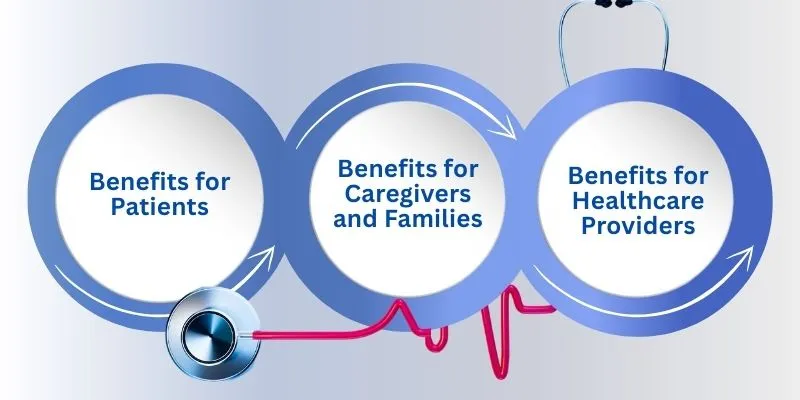
Patients benefit from RPM through greater independence and improved quality of life. They no longer need to travel frequently for routine checkups, which is especially valuable for elderly or mobility-impaired individuals.
Patient benefits include:
RPM empowers patients to take an active role in their own health while staying connected to professionals.
Family members and caregivers often worry about patient safety when care happens at home. Remote Patient Monitoring reduces this stress by providing real-time updates and alerts.
Caregiver benefits include:
With RPM, caregivers can focus more on emotional support and less on administrative tasks.
Healthcare providers gain operational efficiency and better clinical outcomes through RPM.
Provider advantages include:
By leveraging RPM, providers can scale home healthcare services without compromising quality.
Artificial Intelligence in healthcare has transformed how patient data is analyzed and used. RPM generates massive amounts of data, and AI Development is essential for making sense of it.
AI systems identify patterns, predict risks, and assist clinicians in making informed decisions faster and more accurately.
AI enhances RPM by moving beyond simple data tracking to intelligent analysis.
Key AI-driven capabilities include:
By integrating Artificial Intelligence in healthcare, RPM systems become smarter over time, improving accuracy and outcomes.
AI-powered RPM is already making a difference across multiple care areas:
|
Use Case |
AI Contribution |
|
Diabetes Management |
Predicts glucose fluctuations |
|
Cardiac Care |
Detects arrhythmias early |
|
COPD Monitoring |
Identifies breathing pattern changes |
|
Post-Surgical Care |
Flags infection risks |
These real-world applications show how AI transforms raw data into actionable healthcare insights.
AI in Telemedicine is reshaping how virtual consultations and remote care are delivered. Telemedicine alone enables access, but AI enhances accuracy, speed, and personalization.
Together, AI and RPM create a connected care model that supports continuous patient engagement.
When RPM is combined with AI in Telemedicine, healthcare providers gain powerful tools to manage patient care remotely.
Benefits include:
This integration reduces clinician burnout while improving patient outcomes.
AI-driven chatbots and virtual assistants support patients 24/7 by answering questions, reminding medication schedules, and collecting symptom data.
These tools:
As AI technology evolves, virtual care becomes more personalized and proactive.
For RPM to be truly effective, it must integrate seamlessly with existing healthcare infrastructure. This is where integration with a hospital management system becomes essential.
Integrated systems ensure continuity of care across settings and providers.
A hospital management system centralizes clinical, administrative, and financial data. When RPM integrates with it, healthcare teams gain a complete view of patient health.
Benefits include:
This integration supports a seamless care journey from hospital to home.
An integrated RPM workflow typically includes:
This streamlined approach improves efficiency and patient safety.
Healthcare data security is critical, especially when dealing with remote monitoring and AI-driven platforms. RPM systems continuously collect and transmit sensitive patient health information outside hospital networks, which increases the risk of data breaches if proper safeguards are not in place.
To ensure trust and regulatory adherence, Remote Patient Monitoring platforms must be designed with strong security architecture, encrypted data flows, and strict access controls that protect patient privacy at every stage.
RPM platforms must adhere to:
Compliance with these healthcare regulations ensures that patient health information is handled securely and ethically. Following standardized protocols allows RPM systems to safely exchange data across platforms while maintaining confidentiality.
AI Development must operate transparently and ethically. Proper governance ensures algorithms do not introduce bias or compromise patient privacy. In Remote Patient Monitoring, ethical AI practices help maintain clinical accuracy, fairness, and accountability. Clear data usage policies, informed patient consent, and explainable AI models ensure that automated insights support healthcare professionals without replacing human judgment.
Secure encryption, regular audits, and secure authentication are essential to protect patient data from cyber threats. Home healthcare devices often connect through multiple networks, making them vulnerable to unauthorized access. Implementing strong cybersecurity measures such as role-based access, continuous monitoring, and routine system updates helps ensure device integrity and protects sensitive health data from breaches.
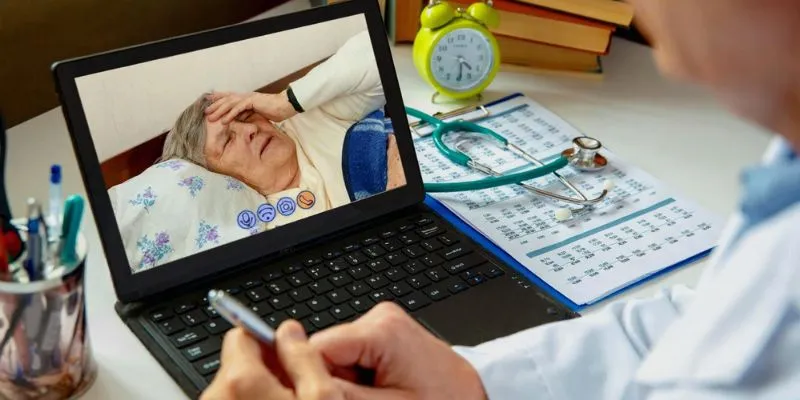
RPM supports a wide range of home healthcare scenarios, making it versatile and impactful. By enabling continuous health tracking beyond clinical settings, Remote Patient Monitoring improves early detection, supports personalized care, and reduces unnecessary hospital visits. Its flexibility allows healthcare providers to adapt RPM solutions to various patient needs and care models.
RPM enables continuous tracking of chronic conditions, reducing complications and improving quality of life. Patients with conditions such as diabetes, heart disease, or hypertension benefit from real-time monitoring that helps detect early warning signs. This proactive approach supports timely interventions, better medication adherence, and long-term disease control while minimizing hospital readmissions.
Elderly patients benefit from fall detection, vital monitoring, and emergency alerts, ensuring safety at home. Remote Patient Monitoring allows caregivers and healthcare teams to respond quickly to potential risks while enabling seniors to maintain independence. Continuous monitoring provides peace of mind to families and supports safer aging-in-place strategies.
Post-operative patients receive close monitoring, reducing infection risks and speeding recovery. RPM helps track vital signs, mobility progress, and recovery patterns during the rehabilitation phase. Early identification of complications allows healthcare providers to intervene promptly, improving outcomes and reducing the need for frequent in-person follow-up visits.
RPM supports mental health care by tracking sleep, activity, and behavioral patterns. These insights help clinicians identify early signs of stress, anxiety, or depression. Continuous monitoring enhances treatment effectiveness by enabling data-driven therapy adjustments while supporting patient engagement and long-term mental well-being.
Despite its benefits, RPM faces challenges that providers must address. Technical limitations, patient engagement barriers, and data management complexities can affect performance if not properly managed. Understanding these challenges helps healthcare organizations implement strategies that maximize RPM effectiveness and sustainability.
Inconsistent connectivity or inaccurate devices can impact data quality. RPM systems depend on reliable sensors and stable internet connections to deliver accurate health insights. Selecting certified devices, ensuring proper calibration, and educating patients on correct usage are essential to maintaining data reliability and clinical trust.
Some patients may struggle with technology usage, requiring training and support. Elderly or non-technical users may find digital tools intimidating. Providing intuitive interfaces, onboarding assistance, and ongoing support improves adoption rates and ensures patients actively participate in remote care programs.
Without AI-driven filtering, excessive data can overwhelm healthcare teams. Continuous monitoring generates large volumes of information that can be difficult to interpret manually. Intelligent analytics and automated alerts help prioritize critical insights, allowing clinicians to focus on high-risk patients and actionable data.
RPM continues to evolve alongside emerging technologies. Advancements in artificial intelligence, IoT, and digital health infrastructure are shaping more predictive, personalized, and connected remote care models that enhance both patient experience and clinical efficiency.
Future RPM systems will predict health events before they occur. By analyzing historical and real-time data, AI-driven models can identify early risk patterns and recommend preventive interventions. This shift from reactive to predictive care helps reduce emergencies and improve long-term health outcomes.
Smarter wearables will capture more precise health data. Advances in IoT technology enable continuous, non-intrusive monitoring of multiple health metrics. Improved sensor accuracy, longer battery life, and seamless connectivity make RPM solutions more reliable and accessible for everyday use.
Connected homes will support automated health monitoring. Smart sensors, voice assistants, and integrated medical devices will enable passive health tracking and emergency detection. These environments enhance patient safety while reducing the need for constant manual monitoring by caregivers.
AI will deliver individualized treatment plans based on real-time data. Personalized care models adapt recommendations to patient behavior, lifestyle, and medical history. This level of customization improves engagement, treatment effectiveness, and overall patient satisfaction.
Selecting the right RPM solution is critical for success. Healthcare organizations must consider clinical needs, technical capabilities, and long-term scalability when evaluating platforms. A well-chosen RPM system ensures sustainable implementation and measurable improvements in patient care.
These features ensure that RPM solutions deliver actionable insights, adapt to organizational growth, protect patient data, and integrate seamlessly with existing healthcare systems such as EHRs and hospital platforms.
Custom RPM solutions offer flexibility, while off-the-shelf options enable faster deployment. Custom platforms align closely with specific workflows and regulations, whereas ready-made solutions reduce implementation time. The ideal choice depends on care complexity, patient population, and long-term digital health goals.
Healthcare organizations often rely on Healthcare software development services to build and deploy RPM platforms. These services help translate clinical requirements into secure, scalable, and compliant digital solutions that support modern home healthcare delivery.
Custom solutions align with specific workflows, regulations, and patient needs. Tailored healthcare software improves usability, system integration, and clinical efficiency, enabling providers to deliver consistent and high-quality remote care experiences.
Experienced development teams integrate AI, IoT, and analytics into scalable platforms. AI-powered RPM solutions provide predictive insights, automate alerts, and support clinical decision-making, enabling proactive and data-driven patient care.
From design to deployment, professional services ensure secure, compliant, and future-ready RPM systems. End-to-end development covers strategy, development, testing, deployment, and maintenance, ensuring long-term performance and adaptability in a rapidly evolving healthcare environment.
In a rapidly evolving healthcare landscape, choosing the right technology partner is just as important as choosing the right technology. SISGAIN is a trusted healthcare IT solutions provider specializing in Remote Patient Monitoring Software, AI-driven healthcare platforms, and enterprise-grade digital health systems.
With years of experience delivering scalable healthcare solutions, SISGAIN helps hospitals, home healthcare agencies, and digital health startups transform traditional care models into intelligent, connected, and patient-centric ecosystems.
SISGAIN offers custom-built Remote Patient Monitoring solutions designed to meet the real-world needs of healthcare providers and home care agencies. Our RPM platforms enable continuous monitoring, real-time alerts, and seamless care coordination—all while ensuring data security and regulatory compliance.
Our RPM solutions support:
By leveraging advanced home healthcare remote monitor technologies, SISGAIN enables providers to deliver high-quality care beyond hospital walls.
Healthcare data security is non-negotiable. SISGAIN follows strict global compliance standards to ensure patient data privacy and system reliability.
Our RPM solutions are built with:
This commitment to security and compliance makes SISGAIN a reliable long-term partner for healthcare organizations.
Remote Patient Monitoring is no longer optional—it is essential. By combining Remote Patient Monitoring, Artificial Intelligence in healthcare, AI in Telemedicine, and integrated hospital management systems, healthcare providers can deliver smarter, safer, and more efficient care.
As technology continues to evolve, organizations that invest in modern RPM solutions and Healthcare software development services will lead the future of home healthcare.
Healthcare Revenue Cycle Management Software Development
Healthcare Shaping the Future of the Industry?
Hospital Management System Module and Its Benefits
Telemedicine App Development Solutions

Start Build Your
Next Digital Solution?
Let’s build scalable, future-ready digital solutions tailored to your business goals. Connect with our experienced technology consultants to discuss your vision, strategy, and growth opportunities — with zero obligation and complete transparency.
Get a free consultation and cost estimate for your digital solution
Our expert will contact you within 24 hours. Check your email for confirmation.
Partner with SISGAIN experts to build secure, scalable AI-powered IT Solutions that transform your business operations.








DUQE FREEZONE Quarter Deck, Queen Elizabeth 2, Mina Rashid, Dubai, UAE

100 Consilium Pl Suite 200, Scarborough, ON M1H 3E3, Canada

C-109, Sector 2, Noida, Uttar Pradesh 201301 India
Project quotes, partnerships, implementation
Open roles, referrals, campus hiring