 +1 844-445-5767
 +971 56-848-5757
 +91 921-208-0630
For Business & Service Inquiries
Sales Team
Project quotes, partnerships, implementation
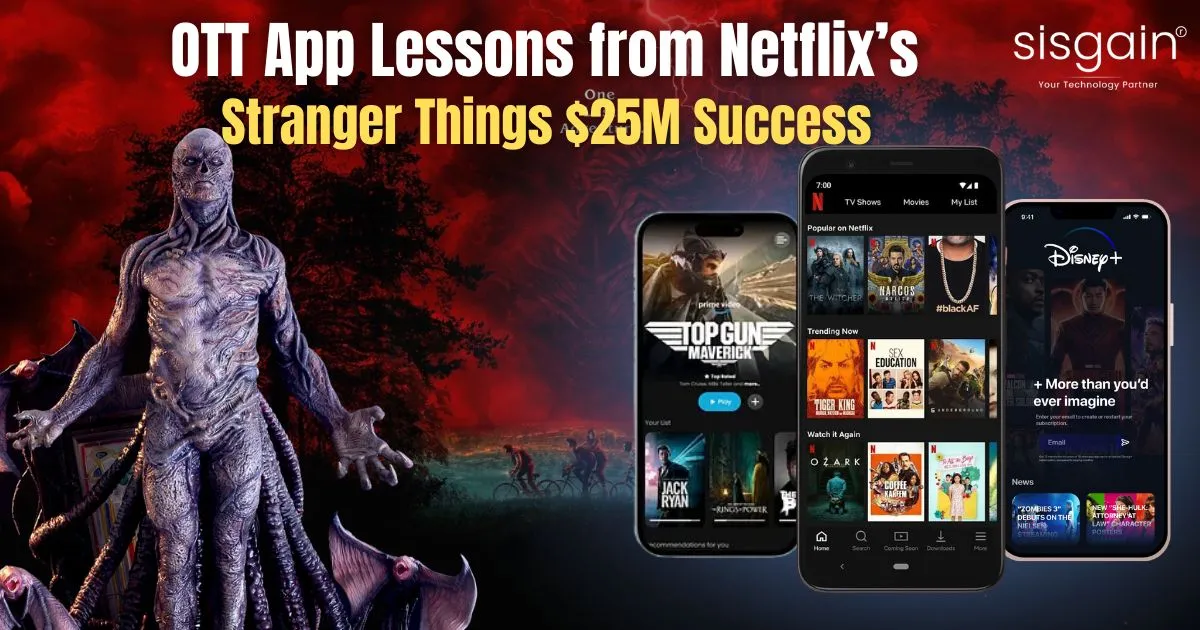
The rise of OTT platforms has completely rewritten the rules of entertainment. What once depended on cable subscriptions, fixed schedules, and regional broadcasting is now powered by the internet, smart devices, and on-demand content. At the center of this transformation stands Netflix — and more specifically, its cultural juggernaut, Stranger Things.
With production budgets crossing $25 million per episode, Stranger Things is not just a TV series. It is a masterclass in how a well-built OTT platform, supported by the right technology, content strategy, and user experience, can dominate the global streaming ecosystem. For entrepreneurs, startups, and any Mobile App Development Company working in the OTT space, Netflix’s success offers powerful, real-world lessons.
This blog explores those lessons in depth — from understanding the OTT meaning, to evaluating mobile app vs website strategies, to learning how Netflix became synonymous with the best streaming TV service experience worldwide.
To understand the success of Stranger Things, it’s important to first understand the environment that made it possible. OTT platforms didn’t emerge overnight. They evolved as a response to user frustration with traditional television — expensive cable bills, limited content choices, and rigid viewing schedules.
Netflix identified this gap early. Instead of positioning itself as just another video service, it focused on convenience, personalization, and original storytelling. This strategic vision helped Netflix redefine what people now expect from a best TV streaming service.
Today, OTT platforms are no longer an alternative to cable. For millions of users worldwide, they are television.
The OTT meaning refers to “Over-The-Top” media services that deliver video content directly over the internet, bypassing traditional cable or satellite networks. In simpler terms, OTT allows users to watch what they want, when they want, on the device they prefer.
An OTT platform typically includes a content library, streaming infrastructure, user interface, recommendation engine, and payment system. Netflix is the most prominent example, but it is not alone. Platforms such as Amazon Prime Video, Disney+, Hulu, and regional services have all adopted the OTT model.
What differentiates Netflix is not just its content volume, but how seamlessly it integrates technology, storytelling, and user behavior analysis. This integration is exactly what enabled Stranger Things to reach a global audience and generate massive returns.
These platforms have carved space in a crowded market, competing against TV without cable subscriptions and traditional broadcasters.
OTT TV works by streaming content over the internet using cloud-based infrastructure. Instead of broadcasting signals through cable lines, content is stored on servers and delivered to users via content delivery networks (CDNs). This ensures smooth playback, minimal buffering, and consistent quality across devices.
From a user’s perspective, OTT TV feels simple. You open an app or website, choose a show, and start watching. Behind the scenes, however, it is a highly complex system involving video compression, adaptive bitrate streaming, user data tracking, and real-time analytics. These capabilities often depend on advanced mobile application development solutions that can support millions of concurrent users while maintaining a seamless viewing experience.
Netflix mastered this system early. When Stranger Things premiered, users across continents could stream high-quality episodes simultaneously — a feat traditional TV networks could never achieve. This technical reliability is one of the most overlooked yet critical lessons for anyone building an OTT solution similar to Netflix.
The success of Stranger Things cannot be attributed to content alone. Yes, the storytelling, nostalgia, and characters played a major role. But the series succeeded because Netflix understood how people consume content on OTT platforms.
Netflix released full seasons at once, encouraging binge-watching. It optimized thumbnails and trailers based on user behavior. It personalized recommendations so that Stranger Things appeared at the right time, to the right audience. These decisions transformed a great show into a global phenomenon.
For OTT builders, this demonstrates that content and platform strategy must work together. The same principle applies when planning mobile app development solutions for streaming businesses that want to improve engagement and user retention. Even the best content will fail if the platform experience is poor.
One of Netflix’s biggest achievements is changing how people think about television itself. The concept of TV without cable was once niche. Today, it is mainstream.
Netflix proved that users are willing to abandon cable if OTT platforms offer better value, flexibility, and content quality. With Stranger Things, Netflix showed that OTT originals could rival — and even outperform — blockbuster Hollywood productions.
This shift has forced traditional broadcasters and cable providers to rethink their models. It has also opened doors for new OTT startups that want to build niche or regional platforms using modern streaming technology.
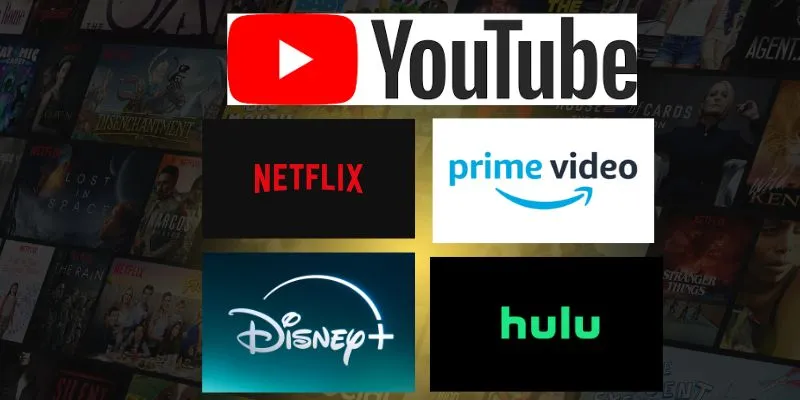
Netflix’s success has inspired an entire ecosystem of streaming services, each competing to serve specific audiences and viewing preferences. Some platforms focus primarily on movies, while others emphasize live TV, sports, or regional content. Many providers aim to be recognized as the best streaming TV service, yet live TV streaming platforms that attempt to replicate traditional television still struggle to match changing user behavior.
Netflix’s on-demand model remains dominant because it aligns seamlessly with modern viewing habits, where flexibility and control matter most. For OTT entrepreneurs, the takeaway is clear: users value freedom, personalization, and consistent content quality far more than an extensive channel lineup. Any platform that wants to compete effectively must prioritize these factors from the very beginning.
To better understand how leading platforms differentiate themselves, the following comparison highlights the strengths and unique advantages of today’s top streaming services.
|
Service |
Strength |
Unique Advantage |
Visit Them |
|
Netflix |
Original content |
Global reach & strong recommendation engine |
|
|
Amazon Prime Video |
Value bundled with Prime |
Fast delivery and extras |
|
|
Disney+ |
Family & franchise content |
Marvel, Star Wars, Pixar |
|
|
Hulu |
TV series drop-next-day |
Live news & add-ons |
|
|
YouTube Premium |
Mixed content |
User and professional videos |
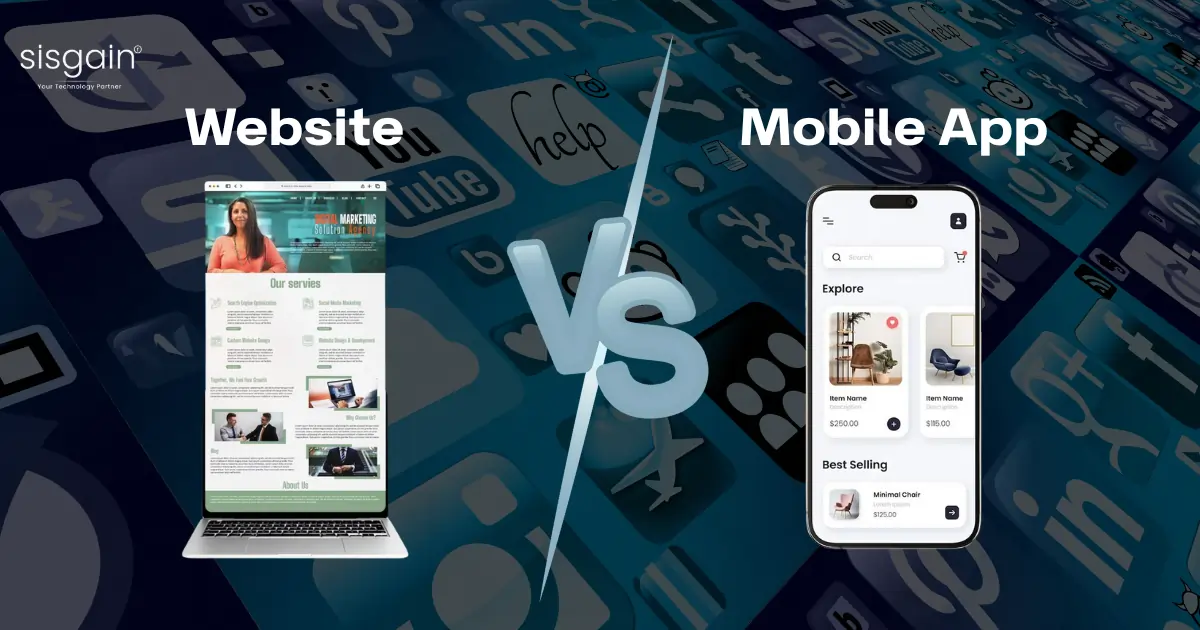
One of the most important technical lessons from Netflix lies in how it balances mobile app vs website experiences. For businesses entering the streaming market, partnering with a Mobile app development company that understands user behavior, cross-platform performance, and OTT architecture can significantly reduce development risks while accelerating time-to-market. Recognizing that smartphones would become the primary viewing device for millions of users, Netflix invested heavily in mobile apps to provide a seamless, on-the-go streaming experience. Mobile apps offer advantages that websites alone cannot fully match, including offline viewing, push notifications, personalized recommendations, and smoother performance, all of which help increase user engagement and retention.
At the same time, Netflix’s web platform remains fully optimized for desktops and laptops, ensuring accessibility for users who prefer watching on larger screens or in work and home setups. This thoughtful combination demonstrates the importance of an omnichannel approach, Many brands now invest in application building strategies that ensure consistent experiences across smartphones, tablets, smart TVs, and web platforms. where content is available seamlessly across devices without compromising performance or user experience. For any OTT platform, following this model is key to delivering convenience, flexibility, and satisfaction to viewers, helping build loyalty and long-term growth.
Creating a platform similar to Netflix requires more than copying features. It requires understanding why those features exist and how users interact with them.
Netflix’s success with Stranger Things shows that OTT platforms must be built around user behavior. From personalized recommendations to seamless playback, every element must reduce friction and enhance enjoyment. This is where custom mobile app development becomes critical. Modern OTT businesses require scalable applications, personalized viewing experiences, secure payment integrations, and real-time analytics that can only be achieved through carefully planned mobile architectures.
Equally important is scalability. Experienced mobile app developers often focus on infrastructure planning early in the project lifecycle to avoid performance bottlenecks during periods of rapid growth.
Behind every successful OTT platform is a solid technical foundation built through professional mobile app development services that ensure performance, scalability, security, and long-term reliability. Building and maintaining this foundation requires expertise in selecting the right technology stack, integrating secure payment systems, and implementing analytics tools that track user behavior and platform performance. Every development decision, from backend architecture to app interface design, directly influences user experience and overall business growth.
Netflix’s success demonstrates how long-term investment in technology can drive engagement, retention, and global reach. Platforms that prioritize robust infrastructure are better equipped to handle high traffic, deliver smooth streaming, and adapt to evolving market demands.
For businesses entering the OTT space, technology should be seen as a strategic advantage rather than just a cost. Choosing the right development approach and partners ensures your platform can scale efficiently, deliver an exceptional user experience, and compete effectively in a rapidly growing and competitive streaming market..
Netflix’s subscription-based model was a pivotal factor in the massive success of Stranger Things, allowing the series to generate consistent and predictable revenue without depending on advertisements. This approach created a seamless viewing experience, free from interruptions, and fostered a strong sense of trust between the platform and its audience. Users felt confident that their subscription fee directly translated into access to high-quality content, which strengthened engagement and loyalty over time.
While Netflix relied on subscriptions, monetization strategies across OTT platforms can vary widely. Some platforms adopt a hybrid model, combining subscriptions with ad-supported content, while others focus on live events, premium rentals, or transactional video-on-demand. The central lesson is that monetization should always complement the content strategy, enhancing the user experience rather than disrupting it. Netflix’s example demonstrates that audiences are willing to invest in platforms that clearly deliver value, quality, and uninterrupted entertainment, making alignment between content and revenue crucial for long-term OTT success.
The OTT industry is evolving faster than ever, but the principles that drove the success of Stranger Things remain highly relevant for platforms today. High-quality content, delivered through reliable and scalable technology, supported by data-driven insights, continues to be the foundation for engaging and retaining audiences. Platforms that focus on seamless streaming, personalized recommendations, and intuitive user experiences are the ones most likely to succeed in a highly competitive market. Netflix’s ability to combine these elements effectively has set a benchmark for what modern viewers expect from an OTT service.
At the same time, emerging trends are reshaping the OTT landscape. AI-driven recommendations, interactive storytelling, and regional content expansion are enabling platforms to connect with audiences on a deeper and more personalized level. These innovations are increasingly powered by mobile app development solutions designed to deliver intelligent and personalized user experiences. By learning from Netflix’s journey and adopting these innovations, OTT businesses can create future-ready platforms that not only entertain but also build long-term loyalty and engagement.
SISGAIN empowers businesses to build high-impact OTT platforms that are designed for performance, scalability, and user engagement. With a strong focus on modern streaming technologies, intuitive interfaces, and robust backend systems, SISGAIN helps brands deliver seamless viewing experiences across devices. Every solution is crafted with a deep understanding of how today’s audiences consume content, ensuring platforms are not only functional but also engaging and future-ready.
What sets SISGAIN apart is its strategic approach to development. As a provider of premium mobile app development company solutions, SISGAIN focuses on creating scalable OTT ecosystems that combine performance, innovation, and business growth objectives. As an experienced App Development Company, SISGAIN brings together technical precision, creative thinking, and industry insights to help OTT businesses stand out in a competitive streaming landscape.
Businesses looking for a custom mobile app development company often prioritize scalability, security, and long-term platform sustainability, all of which are essential in the OTT industry. Whether you’re launching a new OTT platform or scaling an existing one, SISGAIN provides the expertise to turn ideas into powerful digital products. Ready to build an OTT platform that users love and competitors admire? Let SISGAIN help you lead the future of streaming.
Stranger Things is more than just a hit show; it serves as a masterclass in how OTT platforms can achieve remarkable success through strategic content investment, exceptional user experience, and reliable technology.
For anyone aiming to build or scale an OTT platform, the lessons are clear. Understand the OTT meaning, prioritize user-first design, balance mobile app vs website experiences, and collaborate with experts who know how to deliver streaming solutions at scale. SISGAIN, with its experience and technical expertise, helps businesses implement these best practices effectively, ensuring platforms are not only engaging but also capable of handling growth and evolving audience demands.
Netflix didn’t just produce a series — it set a global standard. For OTT businesses ready to learn from that standard, the potential for growth, user engagement, and long-term success is enormous.


Start Build Your
Next Digital Solution?
Let’s build scalable, future-ready digital solutions tailored to your business goals. Connect with our experienced technology consultants to discuss your vision, strategy, and growth opportunities — with zero obligation and complete transparency.
Get a free consultation and cost estimate for your digital solution
Our expert will contact you within 24 hours. Check your email for confirmation.
Partner with SISGAIN experts to build secure, scalable AI-powered IT Solutions that transform your business operations.









DUQE FREEZONE Quarter Deck, Queen Elizabeth 2, Mina Rashid, Dubai, UAE

100 Consilium Pl Suite 200, Scarborough, ON M1H 3E3, Canada

C-109, Sector 2, Noida, Uttar Pradesh 201301 India
Project quotes, partnerships, implementation
Open roles, referrals, campus hiring