 +1 844-445-5767
 +971 56-848-5757
 +91 921-208-0630
For Business & Service Inquiries
Sales Team
Project quotes, partnerships, implementation
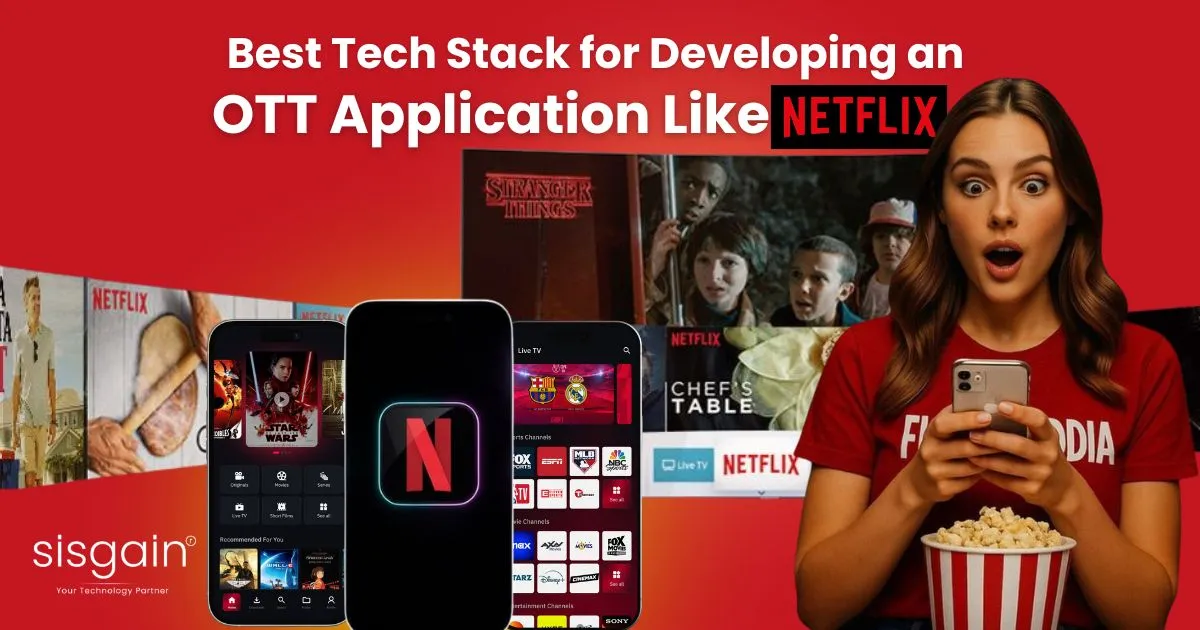
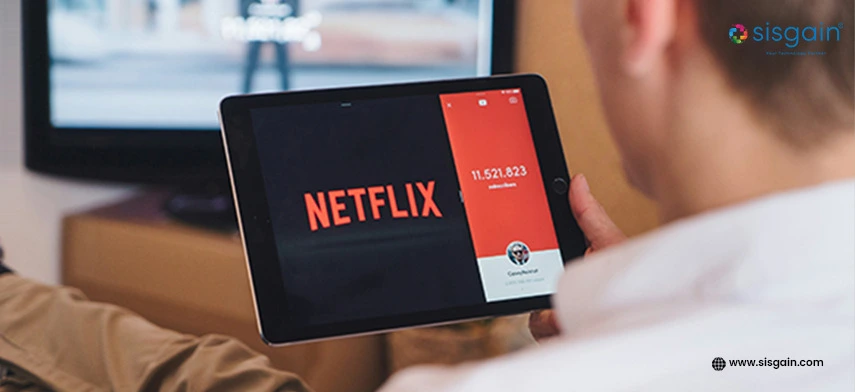
The way people consume entertainment has changed completely over the last decade. Traditional television schedules have been replaced by on-demand, personalized streaming experiences that allow users to watch what they want, when they want, and on any device. This shift has fueled massive demand for OTT app development services, as businesses aim to launch platforms that match the scale, performance, and user experience of Netflix.
If you are planning to enter this space, selecting the best tech stack for developing an OTT application like Netflix is one of the most critical decisions you will make. The right technology combination ensures smooth streaming, faster load times, strong security, and the ability to scale as your audience grows. From startups launching niche platforms to enterprises expanding digital offerings, a well-planned OTT strategy supported by the right tech stack can define long-term success.
In this blog, we will walk you through the complete technology stack required to build a scalable and future-ready OTT solution. From frontend and backend technologies to streaming protocols, security, and analytics. The goal is to help you clearly understand how professional OTT streaming app development services build platforms that users love.
Selecting the right technologies is not just about choosing popular tools or frameworks. It is about building a strong foundation that supports long-term growth, smooth performance, and easy upgrades. A well-chosen tech stack helps your OTT platform remain scalable, stable, and ready to adapt to future technologies and changing user expectations.
An OTT platform must be capable of handling thousands or even millions of users streaming content at the same time. The right tech stack ensures smooth video playback, faster loading times, and minimal buffering. It also allows the platform to scale easily during peak traffic without affecting user experience or system stability.
Modern users expect to watch content seamlessly across smartphones, tablets, smart TVs, and web browsers. A balanced combination of frontend and backend technologies helps deliver a consistent experience on every device. This ensures your OTT App feels familiar, responsive, and reliable, regardless of the screen or operating system being used.
OTT platforms deal with premium content and sensitive user information, making security a top priority. A strong tech stack supports advanced encryption, secure APIs, and DRM integration to protect digital content. These security measures help prevent piracy, safeguard user data, and build long-term trust with viewers and content partners.
Before we dive into specific technologies, it’s important to understand the primary building blocks of a high-quality OTT service:
These components form the backbone of any modern OTT Platforms, and the tech choices you make here will determine your product’s success.
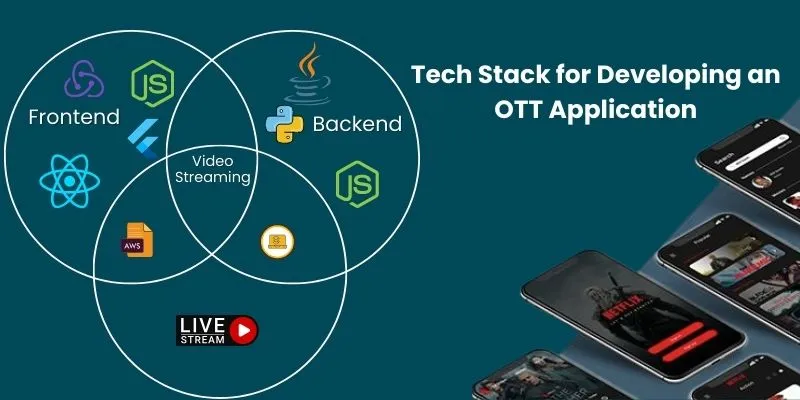
The frontend of an OTT app is what users see and interact with. It plays a major role in user engagement, navigation, and overall satisfaction. A clean design, fast response time, and smooth animations are essential.
For browser-based streaming:
These tools together create smooth, responsive user interfaces essential for OTT App experiences accessed through web browsers.
For iOS and Android experiences:
Mobile devices account for a significant portion of streaming views, so integrating excellent mobile app development services into your tech stack ensures users enjoy seamless and fast playback.
The backend is the backbone of an OTT platform. It handles user data, content delivery logic, recommendations, subscriptions, and integrations with third-party services.
Choosing the right backend language influences performance, development speed, and maintenance.
Hybrid data architectures combine NoSQL and SQL to balance performance and reliability for OTT platforms.
These backend technologies allow a future-ready architecture that scales with your user base and content library.
Video streaming is the heart of any OTT platform. Without a reliable delivery system, even the best content will fail to engage users.
A CDN is a geographically distributed network of servers that delivers video content fast by caching copies close to user locations. Popular options include:
Using adaptive streaming technologies ensures content plays smoothly even on fluctuating connections.
Protecting licensed content is essential. Technologies like Widevine, FairPlay, and PlayReady help secure media and prevent piracy.
Together, these technologies form the delivery pipeline that distinguishes a high-quality OTT Platforms experience from a poor one.
Personalization is one of the biggest reasons behind Netflix’s success. AI-driven recommendation engines analyze user behavior, watch history, and preferences to suggest relevant content.
Integrating strong analytics into your stack enables data-driven decisions that improve retention and growth.
OTT platforms require frequent updates, bug fixes, and feature enhancements. DevOps practices ensure smooth development and deployment cycles.
These tools create a culture of rapid iteration — crucial for feature-rich solutions like Netflix-style OTT Apps.
Security is critical when dealing with user data and premium content. Secure authentication methods, encrypted data transfer, and regular security audits protect both users and businesses.
A strong security framework builds trust and ensures compliance with global data protection standards.
Security is non-negotiable in streaming platforms:
Choosing a tech stack that supports robust security features is central to maintaining user trust and content protection.
Selecting the right development partner is just as important as choosing the right technology stack. A reliable company offering OTT app development services brings deep expertise in video streaming technologies, cloud infrastructure, security, and user experience design. Their experience helps you avoid common pitfalls, optimize performance, and build a platform that is stable, scalable, and ready for real-world use.
Beyond development, the right partner provides long-term support and strategic guidance. They ensure your OTT platform evolves with changing user behavior, new devices, and emerging technologies. Continuous maintenance, performance optimization, and feature enhancements help keep your platform competitive and relevant in the rapidly growing OTT market.
Once live, you need:
This ensures your OTT platform development service stays competitive and user-focused.
The overall cost of developing an OTT application depends on multiple technical and business factors. The choice of tech stack and any third-party licensing directly affects development and maintenance expenses. Backend infrastructure requirements, including cloud hosting and scalability needs, also play a major role in determining long-term operational costs.
Additional costs come from CDN usage and bandwidth consumption, especially as your user base grows. DRM integration, live streaming features, multi-language support, and advanced analytics dashboards further influence the budget. Understanding these cost drivers helps businesses plan effectively, control expenses, and invest in features that deliver the highest impact and user value.
Here’s a sample tech stack for a Netflix-like OTT app:
|
Layer |
Technology |
|
Frontend Web |
React.js + Next.js |
|
iOS App |
Swift |
|
Android App |
Kotlin |
|
Cross-Platform |
React Native / Flutter |
|
Backend |
Node.js + Express |
|
Database (User Data) |
MongoDB |
|
Database (Transactions) |
PostgreSQL |
|
Streaming |
HLS/DASH via CDN (AWS CloudFront) |
|
DRM |
Widevine / FairPlay |
|
AI/ML |
TensorFlow |
|
Analytics |
Firebase / Custom Dashboards |
|
DevOps |
Docker + Kubernetes + CI/CD |
This stack delivers high performance, scalability, and device compatibility — key to successful OTT Platforms.
The OTT industry is rapidly evolving, and staying updated with the latest technology trends is essential to remain competitive. Emerging innovations in network speed, immersive media, and content security are shaping the future of OTT Platforms and applications, creating opportunities for richer user experiences and more secure delivery.
The rollout of 5G networks and edge computing will revolutionize streaming experiences. Faster internet speeds reduce buffering and latency, enabling smoother high-definition and even 4K or 8K video streaming. Edge computing allows content to be delivered closer to users, improving load times and reliability. These advancements will be a game-changer for next-generation OTT Apps.
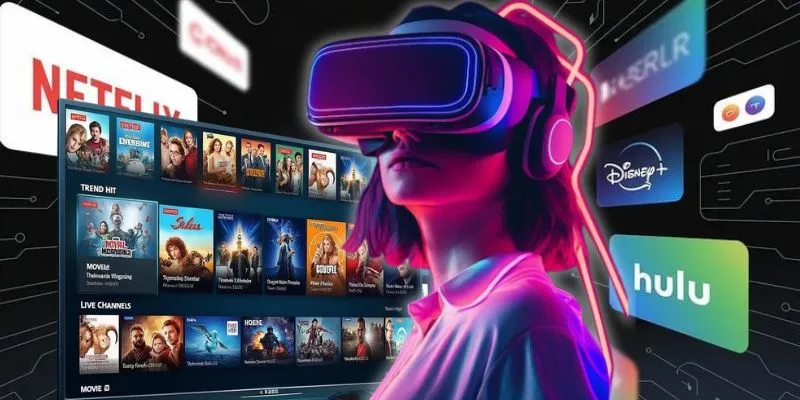
Augmented Reality (AR) and Virtual Reality (VR) technologies are opening new avenues for immersive content consumption. Future OTT Apps may allow viewers to interact with shows, explore virtual environments, or experience live events in 3D. Integrating AR/VR can significantly enhance user engagement and differentiate platforms in a competitive market.
Blockchain technology has the potential to strengthen content security and rights management in OTT platforms. By using decentralized ledgers, content ownership, licensing, and transactions can be securely tracked, reducing piracy risks. This approach ensures creators and distributors are fairly compensated while maintaining trust and transparency across the ecosystem.
SISGAIN is a trusted technology partner delivering advanced OTT app development services that help businesses create scalable, secure, and feature-rich streaming platforms. Our experienced team combines cutting-edge technology, intuitive design, and performance optimization to ensure your OTT solution engages users and drives long-term success. From high-quality video streaming to personalized content recommendations, we turn ideas into seamless digital experiences.
In addition, SISGAIN provides reliable mobile app development services, enabling smooth multi-device access across smartphones, tablets, and smart TVs. With our expertise and proven track record, we help businesses launch user-friendly, robust, and secure OTT platforms that audiences love and trust.
Building a Netflix-like OTT application is an exciting opportunity, but it comes with significant technical challenges. Selecting the right technologies lays the foundation for high performance, seamless scalability, and an exceptional user experience. From frontend frameworks like React and Flutter to backend engines such as Node.js and Python, every decision influences how well your platform performs and grows over time.
Partnering with a trusted OTT software development company ensures expert guidance through every stage of development, from architecture planning to deployment and maintenance. With careful planning, the best tech choices, and continuous innovation, you can create a robust and engaging OTT platform. Start building your next-generation streaming experience today with SISGAIN!
Start Build Your
Next Digital Solution?
Let’s build scalable, future-ready digital solutions tailored to your business goals. Connect with our experienced technology consultants to discuss your vision, strategy, and growth opportunities — with zero obligation and complete transparency.
Get a free consultation and cost estimate for your digital solution
Our expert will contact you within 24 hours. Check your email for confirmation.
Partner with SISGAIN experts to build secure, scalable AI-powered IT Solutions that transform your business operations.









DUQE FREEZONE Quarter Deck, Queen Elizabeth 2, Mina Rashid, Dubai, UAE

100 Consilium Pl Suite 200, Scarborough, ON M1H 3E3, Canada

C-109, Sector 2, Noida, Uttar Pradesh 201301 India
Project quotes, partnerships, implementation
Open roles, referrals, campus hiring