
 +1 844-445-5767
 +971 56-848-5757
 +91 921-208-0630
For Business & Service Inquiries
Sales Team
Project quotes, partnerships, implementation
Explore the real development cost, AI integrations, fintech architecture, compliance requirements, and monetization strategy behind AI budgeting apps like Cleo. Key Takeaways AI budgeting app development ranges from $30,000 to $250,000+ depending on AI complexity and fintech integrations. Features like the Cleo chatbot, predictive analytics, and AI-driven savings recommendations significantly impact cost. Security compliance, open banking APIs, and scalable AI infrastructure are major budget drivers. Flutter and cross-platform frameworks help reduce development costs for startups. AI-powered finance apps are one of the fastest-growing fintech investment categories in 2026. Introduction Consumers no longer want a static spreadsheet dressed up as an app. They want financial guidance that feels like a conversation — one that knows their spending habits, flags a risky purchase before they make it, and nudges them toward savings goals without sounding like a corporate disclaimer. That shift is exactly why the Cleo budgeting app became a benchmark in the AI personal finance space. Cleo didn't just track expenses — it talked back, made jokes, called out bad spending decisions, and built a loyal user base in the millions. That kind of experience, powered by generative AI and conversational banking, is now what founders across the fintech landscape are trying to replicate and improve upon. In 2026, AI-driven money management is no longer a differentiator — it's an expectation. Open banking mandates, Gen AI transformation in fintech, and a growing consumer appetite for hyper-personalized financial tools are fueling massive investment in this category. Whether you're a fintech startup building an MVP or an enterprise expanding your digital banking suite, the question isn't whether to build an AI finance app — it's how much it will cost to build one that actually works. This guide breaks down every cost variable, tech decision, and compliance requirement you need to understand before your first sprint starts. What Is a Cleo AI Budgeting App? The Cleo budgeting app is an AI-powered financial assistant that connects to a user's bank accounts and credit cards, then uses machine learning and natural language processing to deliver personalized spending insights through a conversational interface. Unlike traditional finance trackers — which display charts and wait for users to act — Cleo uses a cleo chatbot model to proactively engage users. It categorizes transactions automatically, identifies patterns in financial behavior, recommends savings amounts based on income and spending cycles, and sets budget limits that adapt over time. The core distinction between an AI budgeting app and a traditional tracker is intelligence and interaction. Traditional apps are passive — you input data, they display it. AI budgeting apps are active — they analyze behavioral data, detect anomalies, and surface recommendations you didn't know you needed. Key capabilities include: Financial behavior analysis using ML models trained on transaction history Budget automation that adjusts limits based on real income patterns AI-driven savings suggestions tailored to individual financial goals Smart notifications that alert users before they overspend — not after Conversational AI interfaces that make finance feel less intimidating For startups entering this space, Cleo sets the bar for what users now expect from any app claiming to be the best AI budgeting app on the market. Why AI Budgeting Apps Are Growing Rapidly in 2026 Several converging forces are pushing AI finance apps from niche product to mainstream infrastructure. Open banking adoption has made it significantly easier for apps to access real-time transaction data with user consent, removing the friction that previously slowed fintech innovation. APIs from Plaid, Yodlee, and regional open banking frameworks now allow deep financial data access within compliant guardrails. AI personalization demand has crossed into financial services. The same consumers who expect Netflix to know what they want to watch expect their finance app to know what they can afford to spend. Generative AI in banking is accelerating this — models can now generate plain-language financial summaries, predict cash flow shortfalls, and suggest corrective action in natural conversation. Embedded finance growth means banks, neobanks, and even non-financial platforms are integrating AI budgeting layers into their core products. Digital banking competition is fierce, and AI-powered tools are now a retention mechanism, not just a feature. Financial automation trends reflect a broader consumer desire to reduce the cognitive load of money management. Recurring payments, savings transfers, and investment contributions are increasingly being handled autonomously based on AI-set rules. For a deeper look at how these macro shifts are shaping product strategy, the emerging FinTech Trends to Watch in 2026 reveal why AI finance applications are attracting disproportionate investment attention right now. Core Features Required in an AI Budgeting App Like Cleo Getting the feature architecture right determines both product quality and development cost. Here's what an enterprise-grade AI budgeting app needs at its core. AI Chatbot Assistant The conversational layer is the product's identity. This is where AI Chatbot Development Services to Power Your Business Growth deliver the most visible ROI — users engage daily because the chatbot makes finance feel accessible. It provides spending insights, answers balance queries, and delivers smart financial responses in real time using NLP models. Expense Tracking Dashboard A real-time analytics view that auto-categorizes transactions from connected accounts. Machine learning handles categorization accuracy, and users can override or customize categories without breaking the model. Budget Planning Engine AI-generated spending limits based on income patterns and financial goals. The engine recalibrates recommendations as user behavior evolves, moving beyond static budget templates. Bank & Card Integration Open banking APIs — including Plaid and Yodlee — enable transaction syncing across multiple institutions. This is a non-negotiable for any app positioned as a comprehensive financial hub. Smart Notifications Proactive alerts for bill due dates, overspending in specific categories, and unusual transaction patterns. The intelligence layer here separates a useful app from an annoying one. Subscription Tracking Automatic detection of recurring charges, with actionable prompts to cancel subscriptions users no longer use. This single feature often generates the most immediate perceived value. Credit Score Monitoring Integrated risk analysis and financial health scoring give users a complete picture of their financial standing — and give the app a stickiness that pure budgeting tools lack. Advanced AI Features That Increase Development Cost Beyond core functionality, these modules push apps from capable to exceptional — and push development budgets upward accordingly. Generative AI Financial Recommendations Using models like OpenAI, Gemini, or Claude to generate personalized budgeting narratives and AI-generated savings plans. Leveraging generative ai services for this layer requires prompt engineering, model fine-tuning, and ongoing output validation to maintain accuracy and compliance. Predictive Financial Analytics Spending prediction and cash-flow forecasting models trained on user transaction history. These require substantial ML infrastructure and data pipeline investment — but they're what separates tier-one AI finance apps from the rest. NLP-Based Financial Conversations Human-like chatbot responses with intent detection, entity recognition, and context retention across sessions. This is the backbone of any app competing with Cleo's conversational experience. AI Fraud Detection Systems Risk scoring and transaction anomaly detection that operate in real time. Building this in-house requires significant ai and ml development services investment; using third-party APIs (like Sardine or Unit21) reduces cost but adds vendor dependency. Voice AI Integration Voice-based budgeting assistants that let users check balances, set limits, or get financial summaries through natural speech. Adoption of this feature is growing rapidly among users who prioritize accessibility. When these advanced modules are properly implemented, they form the foundation of Successful AI Solutions in the fintech space — products that retain users because they genuinely improve financial outcomes. AI Budgeting App Development Cost Breakdown Here's a realistic component-level breakdown for building an AI budgeting app in 2026: Development Component Estimated Cost UI/UX Design $5,000 – $15,000 Frontend Development $10,000 – $35,000 Backend Infrastructure $15,000 – $50,000 AI Model Integration $20,000 – $70,000 Banking API Integration $8,000 – $25,000 Security & Compliance $10,000 – $40,000 QA & Testing $5,000 – $15,000 Deployment & Maintenance $5,000 – $20,000 Total Estimated Range $78,000 – $270,000+ Why AI modules drive cost up: AI integration isn't a single line item. It involves model selection, API configuration, prompt engineering, output monitoring, and ongoing retraining. A production-ready NLP chatbot alone can cost $20,000–$40,000 to build properly. How fintech compliance affects pricing: Meeting PCI DSS, GDPR, KYC, and AML requirements requires both technical implementation (encrypted data storage, audit trails, identity verification flows) and legal review. Cutting corners here doesn't reduce cost — it transfers it to regulatory risk. MVP vs. enterprise build: A lean MVP with core budgeting, one banking API integration, and a basic AI chatbot can be built for $30,000–$70,000. A full-featured enterprise platform with custom AI models, multi-institution integrations, fraud detection, and voice AI will approach $200,000–$250,000+. Key Factors Affecting AI Budgeting App Development Cost AI Model Complexity Custom AI models trained on proprietary financial data cost significantly more than API-based solutions using OpenAI or Gemini. For most startups, API-first AI is the right starting point — custom model development becomes viable at scale. Platform Selection Apps built with Flutter — as seen in cross-platform projects like capita finance app Flutter Android — offer substantial cost savings over native iOS and Android development. A single codebase means roughly 40% reduction in frontend development time without meaningful performance trade-offs for most finance use cases. Flutter vs. native remains a genuine architectural decision: native wins on maximum performance and deep device integration; Flutter wins on speed, cost, and cross-platform reach. Banking Integrations Plaid and Yodlee both charge per connection and API call. Yodlee tends to be preferred by enterprise clients for its institutional-grade data aggregation, while Plaid offers broader developer accessibility. Open banking APIs in EU/UK markets add regional compliance complexity. Compliance & Security PCI DSS compliance is mandatory for apps handling payment data. GDPR applies to any app serving European users. KYC and AML requirements vary by financial product type — a savings recommendation feature has different regulatory exposure than a credit product. Each layer adds development time and third-party audit cost. Cloud Infrastructure AWS and Azure dominate fintech deployments for their compliance certifications, security tooling, and geographic redundancy. Google Cloud is increasingly competitive for AI workloads. Real-time AI processing — especially for fraud detection and predictive analytics — requires auto-scaling infrastructure that adds to both build and operational cost. Best Tech Stack for AI Finance App Development The right stack balances fintech-grade performance, AI flexibility, and long-term scalability. Backend: Node.js handles high-concurrency API workloads efficiently. Python with Django is the preferred choice when the application is AI-heavy, given Python's ML ecosystem depth. Frontend: Flutter delivers cross-platform consistency with strong performance. React Native is a solid alternative with a larger developer pool. Experienced finance app developers will typically recommend Flutter for new fintech builds targeting both iOS and Android simultaneously. AI Layer: OpenAI APIs, Gemini, and Claude each have distinct strengths. OpenAI leads on conversational quality and documentation depth. Gemini integrates tightly with Google Cloud infrastructure. Claude performs well on nuanced financial text analysis. Database: PostgreSQL is the default for structured financial transaction data. MongoDB handles flexible schema requirements well for user preference data and AI model outputs. Cloud: AWS remains the standard for regulated fintech environments. Google Cloud is increasingly chosen for AI-native architectures. Azure is preferred in enterprise contexts with existing Microsoft infrastructure. This stack delivers the scalability, security, and AI performance that serious fintech products demand. How Long Does It Take to Build an AI Budgeting App? Development Stage Timeline Research & Planning 2–3 Weeks UI/UX Design 3–5 Weeks MVP Development 3–4 Months AI Integration 1–2 Months Testing & Security Audits 3–5 Weeks Final Deployment 1–2 Weeks Total (MVP) ~6–8 Months A startup MVP — covering core budgeting, a basic AI chatbot, and one banking integration — can realistically reach market in six months with a focused team. An enterprise-grade platform with custom AI models, multi-region compliance, fraud detection, and voice features will run closer to 12–18 months end to end. Hidden Costs Most Startups Ignore The line items above cover build costs. These are the operational expenses that routinely surprise first-time fintech founders: AI token/API costs: OpenAI, Gemini, and Claude charge per token. At scale, these costs can reach thousands of dollars monthly and need to be modeled into unit economics from day one. Cloud hosting: AWS and Azure costs scale with data volume and compute. Real-time AI processing is expensive infrastructure. Compliance audits: PCI DSS and SOC 2 audits are recurring annual costs, not one-time line items. Security updates: Fintech apps face continuous threat evolution. Security patching and penetration testing aren't optional. Banking API subscriptions: Plaid and Yodlee charge monthly platform fees plus per-connection costs that scale with your user base. AI model retraining: Models degrade without retraining on fresh data. This requires data engineering time and compute budget on an ongoing basis. Scalability costs: As your user base grows, backend infrastructure costs don't grow linearly — they can spike at inflection points if not architected for scale from the start. How AI Budgeting Apps Make Money The best AI budgeting app platforms are built around recurring revenue, not one-time downloads. Proven monetization models include: Subscription Plans: Freemium access with paid tiers unlocking advanced AI insights, credit monitoring, or premium financial coaching. Cleo's own subscription model demonstrated strong conversion rates among engaged users. Premium Financial Insights: Detailed spending analysis reports, annual financial health scores, and AI-generated savings strategies available as paid add-ons. Affiliate Banking Products: Revenue-sharing arrangements with banks, credit card issuers, and lending platforms when users apply for financial products through the app. AI Wealth Recommendations: Personalized investment suggestions tied to robo-advisory partnerships, generating both referral revenue and user lifetime value. Sponsored Financial Services: Contextual placement of relevant financial products within the AI chat interface — executed responsibly within regulatory guidelines. The economics of AI finance apps reward retention. Every feature decision should be evaluated against its impact on daily active usage and subscription renewal rates. Future of AI Budgeting Apps in Fintech The category is evolving faster than almost any other area of consumer fintech. Within the next two to three years, expect: Hyper-personalized finance AI that adapts to life events — job changes, home purchases, family milestones — in real time Autonomous financial assistants that execute transactions, move funds, and optimize savings without waiting for manual input Voice-enabled banking embedded into smart devices and wearables Embedded AI finance ecosystems where budgeting intelligence is baked into neobanks, payroll platforms, and e-commerce experiences Predictive wealth management that democratizes advisory services previously available only to high-net-worth clients As AI adoption accelerates across regulated industries, businesses are increasingly looking for custom AI model development providers for fintech and healthcare industries that can build secure, scalable, and compliance-ready solutions. While fintech organizations focus on fraud detection, financial forecasting, and conversational banking, healthcare providers leverage custom AI models for clinical decision support, predictive analytics, and patient engagement. The ability to develop industry-specific AI models has become a critical competitive advantage for organizations operating in data-intensive environments. For enterprises seeking tailored AI capabilities, our custom AI model development services provide end-to-end support, from data engineering and model training to deployment, optimization, and governance. Why Businesses Are Investing in AI Finance Apps Now Fintech competition has intensified to the point where a standard mobile banking app is no longer a differentiator — it's a minimum viable product. Businesses are investing in AI finance apps because: AI-driven customer engagement demonstrably reduces churn. Users who receive personalized financial insights engage more frequently and cancel less often. Retention improvement through proactive notifications and financial goal tracking translates directly to lower customer acquisition cost over time. Operational automation reduces the cost of customer support as the AI chatbot handles routine queries at scale. Investor interest in AI fintech remains strong in 2026 — venture activity in this category is outpacing most other consumer tech segments. The window to build differentiated AI finance products is still open. But it's narrowing as incumbents accelerate their own AI programs. Why Choose SISGAIN for AI Budgeting App Development Beyond fintech applications, SISGAIN helps organizations across healthcare, insurance, banking, and enterprise sectors develop custom AI models tailored to their specific business objectives. Companies looking for custom AI model development providers for fintech and healthcare industries choose experienced partners that can combine domain expertise, regulatory compliance, and advanced machine learning capabilities into scalable production systems. Our capabilities include: Secure fintech architecture designed around PCI DSS, GDPR, KYC, and AML requirements from day one Scalable cloud systems on AWS, Azure, and Google Cloud with real-time AI processing built in Compliance-focused development with built-in audit trails and data governance frameworks Cross-platform app expertise using Flutter and React Native to reduce build time and cost without sacrificing quality Conversational AI integration using OpenAI, Gemini, and Claude, plus our proprietary generative ai services frameworks for financial applications Whether you're building an MVP to validate market fit or a full-scale enterprise platform, we have the architecture, compliance knowledge, and AI depth to execute it properly. Explore Our Software Application Development Services Now Build Your AI Budgeting App With Fintech Experts Whether you want to create an MVP budgeting app or a fully scalable AI-powered finance platform like Cleo, our fintech experts can help you design, develop, and scale your solution securely.
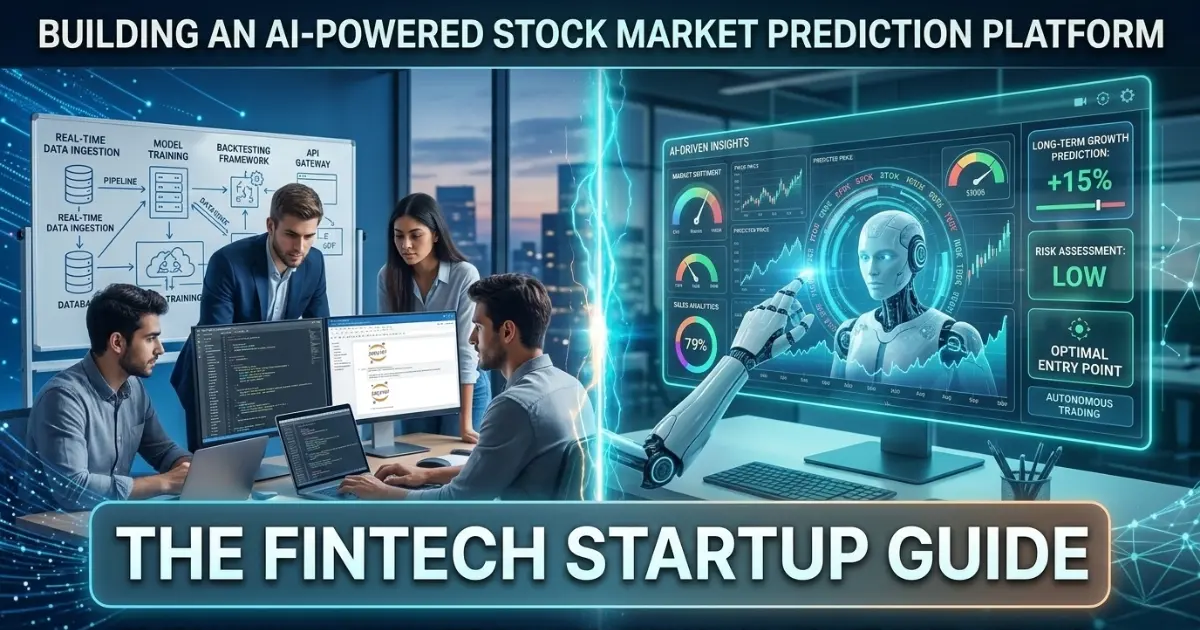
Introduction The AI Revolution Is Rewriting How Markets Are Analyzed — and Traded The stock market has always been a battlefield of information. Whoever processes more data, faster, and more accurately tends to win. For decades, that advantage belonged exclusively to hedge funds and investment banks that could afford armies of quantitative analysts. Today, artificial intelligence is democratizing that edge — and fintech startups are at the forefront of this shift. Across global financial markets, AI-driven strategies are no longer a novelty. They are rapidly becoming the baseline. From algorithmic trading desks on Wall Street to retail investment apps in Southeast Asia, AI stock market prediction platforms are transforming how billions of dollars move every single day. "We are witnessing the largest technological shift in the history of capital markets. AI is not augmenting traders — in many asset classes, it is replacing them entirely." — Former Managing Director, Goldman Sachs Equities Division For fintech founders, product managers, and startup investors, the question is no longer whether to invest in AI-powered trading technology. The question is how to build it correctly, efficiently, and compliantly. This guide answers that question with depth and precision. Whether you are building a retail investment assistant, a professional-grade algorithmic trading terminal, or a B2B stock analytics API — this is the most comprehensive fintech AI platform development guide you will find. By the end, you will understand the architecture, the AI models, the regulatory landscape, the realistic costs, and the strategies that separate platforms that scale from those that stall. $49B Global AI in fintech market size by 2028 73% Of US equity trading volume is algorithm-driven 3.5× Faster signal generation vs human analysts $1.2T Assets managed by AI-driven robo-advisors globally Definition & Concepts What Is an AI-Powered Stock Market Prediction Platform? An AI stock market prediction platform is a software system that uses artificial intelligence, machine learning, and big data analytics to forecast the future price movements, trends, and behavior of financial assets — and to generate actionable signals for trading or investment decisions. Unlike traditional stock screeners or basic charting tools, these platforms do not merely display historical data. They learn from it. They identify hidden patterns across thousands of variables simultaneously — price history, earnings reports, macroeconomic indicators, social media sentiment, options flow, geopolitical news, and more — and translate those patterns into probabilistic predictions. How These Platforms Actually Work At a high level, an AI stock market prediction platform similar to how you might build a fintech application operates in four interconnected layers: Data Ingestion Layer: Continuously pulls structured and unstructured data from financial APIs, news feeds, social media, SEC filings, and alternative data sources (satellite imagery, credit card spending, web traffic data). AI Processing Layer: Applies machine learning models — including deep learning, natural language processing, and time-series forecasting — to analyze the incoming data and generate predictions. Signal Generation Layer: Translates model outputs into human-readable or machine-executable trading signals, alerts, and recommendations with defined confidence levels. Execution & Monitoring Layer: Connects predictions to brokerage APIs for automated trade execution and provides dashboards to monitor portfolio performance in real time. Core Use Cases 📈 Price Direction Prediction Forecasting whether a stock will go up, down, or sideways over a defined time horizon. ⚡ Intraday Trading Signals Real-time buy/sell signals for day traders based on momentum, volume, and pattern recognition. 💼 Portfolio Optimization AI-driven rebalancing and asset allocation recommendations based on risk tolerance and market conditions. 🗞️ Sentiment Analysis Quantifying market mood from news headlines, earnings calls, and social media in real time. ⚠️ Risk Assessment Identifying concentration risk, tail risk scenarios, and portfolio drawdown probabilities. 🤖 Automated Trading Executing trades autonomously based on predefined AI strategies without human intervention. Key Distinction A stock market prediction platform is not just an algorithmic trading system. It is an intelligence layer that can serve retail investors, institutional traders, financial advisors, hedge funds, and even corporate treasury teams — each with very different interfaces but sharing the same underlying AI engine. Market Analysis The Market Opportunity Is Massive — and Still Early The convergence of several powerful trends makes right now one of the best moments in history to build an AI trading platform. Here is why the opportunity is extraordinary — and why waiting even two years could mean entering a far more crowded market. Growth of AI in Fintech The global AI in fintech market was valued at approximately $9.6 billion in 2023 and is projected to reach $49.4 billion by 2028, growing at a compound annual growth rate (CAGR) of 38.5%. Within that market, trading and investment analytics represent the largest and fastest-growing segment. What is driving this growth? Three primary forces: Data proliferation: Financial markets now generate more data in a single trading day than existed in the entire history of markets just two decades ago. Traditional analytical tools cannot process it. AI can. Cloud infrastructure maturity: AWS, Google Cloud, and Azure have made enterprise-grade compute infrastructure accessible to startups at a fraction of the historical cost. Training a sophisticated deep learning model on three years of market data no longer requires a private data center. Retail investor democratization: The explosion of zero-commission trading apps has brought 150+ million new retail investors into global markets since 2020. Most of them want intelligent tools to compete with institutional players. They represent an enormous addressable market that remains largely underserved by truly sophisticated AI. Where the Startup Opportunity Lives Large incumbent players (Bloomberg, FactSet, Refinitiv) have the data advantage but move slowly and charge prohibitively for access. Retail trading apps (Robinhood, eToro, Zerodha) have the user base but lack serious analytical depth. The gap between those two extremes is where fintech startups can build highly differentiated and defensible businesses. Specific high-opportunity niches include: AI-powered stock analytics for independent retail investors at a consumer price point ($15–$50/month) Institutional-grade AI signal APIs sold to hedge funds, family offices, and prop trading firms White-label AI investment platforms sold to banks, brokerages, and wealth management firms Sector-specific AI platforms focused on crypto, commodities, emerging market equities, or fixed income "The next unicorn in fintech will not be a payment app. It will be the company that builds the most accurate and actionable AI-driven investment intelligence layer." — Partner at a leading Silicon Valley fintech VC firm Platform Features Core Features of an AI Stock Market Prediction Platform The features you build define your market positioning. A platform targeting day traders needs different capabilities than one targeting long-term investors or institutional quant desks. That said, there is a set of foundational features that every serious AI investment platform must include — and a set of advanced AI features that create genuine competitive differentiation. Foundational Features 1. Real-Time Market Data Integration Your platform lives and dies by data quality and latency. You need to integrate multiple data feeds — real-time tick data, Level 2 order book data, historical OHLCV data, options chain data, and fundamental financial data. Providers include Polygon.io, Alpha Vantage, Quandl, IEX Cloud, and Bloomberg API (for institutional tiers). Data normalization pipelines are critical, as different sources return data in different formats and timestamps. 2. AI-Based Price Prediction Models This is the platform's core intellectual property. Prediction models should output directional forecasts (up/down/neutral), magnitude estimates (expected % move), time horizon specificity (1-day, 1-week, 1-month outlook), and confidence scores with probability distributions. Models must be continuously retrained as market regimes change — a model trained only on 2019 data will perform poorly in a 2022-style bear market. 3. Portfolio Management Dashboard Users need a clean, intuitive interface that shows their current holdings, AI-generated performance attribution, risk metrics (beta, Sharpe ratio, maximum drawdown), and scenario analysis. The best platforms make complex portfolio analytics feel simple. This is a user experience challenge as much as it is a technical one. 4. Trading Alerts and Signals Actionable, timely notifications sent via in-app, email, SMS, or webhook. Each alert should include the signal direction, the supporting rationale (why is the AI flagging this?), the suggested entry and exit points, a stop-loss recommendation, and the confidence level. Transparency in signal generation builds user trust and retention. 5. Sentiment Analysis Dashboard Real-time analysis of news sentiment, social media chatter (Reddit WallStreetBets, Twitter/X, StockTwits), earnings call transcripts, and analyst report tone. Sentiment scores should be presented as a time series overlaid on price charts so users can see the correlation between sentiment shifts and price movements historically. Advanced AI Features That Drive Differentiation 🤖 Automated Trading Bots AI agents that execute trades autonomously based on strategy parameters set by the user. Supports limit orders, market orders, trailing stops, and options strategies. 🧠 AI Investment Assistant A conversational AI (powered by LLMs) that answers natural-language questions about portfolio performance, explains AI predictions, and suggests rebalancing actions. 🔭 Alternative Data Integration Incorporating satellite imagery, web scraping data, app download trends, credit card transaction aggregates, and shipping data to surface insights invisible to traditional analysts. 📊 Backtesting Engine Lets users and quants test AI strategies against historical data with realistic execution assumptions (slippage, commission, liquidity constraints). 🎯 Risk Management AI Proactively identifies when a portfolio is approaching dangerous concentration levels or when macro signals suggest a defensive repositioning is warranted. 📡 Earnings Prediction Engine Forecasts whether a company will beat or miss analyst consensus earnings estimates, with options positioning suggestions for each scenario. Under the Hood AI Technologies That Power Stock Market Prediction Understanding which AI technologies to deploy — and when — is one of the most critical architectural decisions a fintech startup will make. Different prediction tasks require different modeling approaches, and the most powerful platforms use an ensemble of complementary techniques. Machine Learning Algorithms Machine learning stock prediction starts with classical algorithms that remain highly effective for structured financial data. Gradient Boosting models (XGBoost, LightGBM, CatBoost) are particularly powerful for tabular financial data because they handle mixed feature types well, are resistant to overfitting with proper regularization, and are interpretable enough for regulatory compliance. Random Forest models are used for feature importance analysis, helping identify which signals most strongly predict price movements for each security. Support Vector Machines (SVMs) remain relevant for binary classification tasks (will this stock outperform or underperform over the next month?). Logistic regression with engineered features is often used as a baseline model for comparison and interpretability. Deep Learning Models For more complex pattern recognition tasks, deep learning architectures provide superior performance: LSTM (Long Short-Term Memory) Networks: The most widely used deep learning architecture for stock prediction. LSTMs are a type of recurrent neural network (RNN) specifically designed to learn patterns across long time sequences — making them ideal for price history data. They can capture the "memory" of how a stock behaved during previous similar market conditions. Transformer Models: Originally developed for NLP, Transformers have proven highly effective for time-series prediction through architectures like Temporal Fusion Transformers (TFT). They use attention mechanisms to identify which historical time points are most relevant to predicting future prices, outperforming LSTMs on many financial forecasting benchmarks. Convolutional Neural Networks (CNNs): Applied to candlestick chart pattern recognition, turning visual chart patterns into machine-detectable features. CNNs excel at identifying complex, multi-bar patterns that human chartists look for manually. Graph Neural Networks (GNNs): An emerging architecture that models the relationships between companies (supply chain relationships, sector correlations, shared institutional ownership) to improve prediction accuracy by incorporating cross-asset dependencies. Natural Language Processing NLP is what allows your platform to understand and quantify the qualitative world — news, earnings calls, social media, analyst reports, central bank minutes. Modern NLP for finance involves: FinBERT and Financial LLMs: Fine-tuned versions of BERT and GPT-style models trained specifically on financial text, providing dramatically better sentiment classification accuracy than general-purpose models. Named Entity Recognition (NER): Automatically identifying companies, people, financial instruments, and events mentioned in unstructured text. Event Detection: Flagging material events (mergers, FDA approvals, executive departures, regulatory actions) in real time from news streams before they fully propagate to market prices. Earnings Call Analysis: Transcribing and analyzing management tone, keyword frequency changes, and forward guidance language to predict post-earnings price reactions. Time-Series Forecasting Financial data is inherently sequential, and time-series specific techniques are essential. ARIMA (AutoRegressive Integrated Moving Average) and its variants (SARIMA, ARIMAX) provide strong statistical baselines for volatility and price forecasting. Facebook's Prophet model handles seasonality and regime changes well for longer-horizon forecasts. GARCH models specifically model volatility clustering — the well-documented tendency of volatile periods to cluster together — which is critical for options pricing and risk management. 🧪 Pro Architecture Tip The most accurate production prediction systems use ensemble methods that combine outputs from multiple model types — a classic ML model, an LSTM, a Transformer, and a sentiment model — and weight them dynamically based on recent performance in the current market regime. No single model dominates all market conditions. Reinforcement Learning for Trading Reinforcement learning (RL) represents the frontier of autonomous trading system design. RL agents learn optimal trading strategies by simulating thousands of market interactions and receiving reward signals based on profitability and risk metrics. Unlike supervised learning models that simply predict price direction, RL agents learn when to enter and exit positions, how much capital to allocate, and how to manage drawdowns in a holistic, sequential decision-making framework. Libraries like Stable-Baselines3 and RLlib are commonly used. Architecture Tech Stack for Building an AI Stock Market Prediction Platform Choosing the right technology stack is as much a business decision as a technical one. Your stack needs to handle high-frequency data ingestion, low-latency model inference, complex UI rendering, and enterprise-grade security — all simultaneously. Here is the recommended stack architecture: Frontend The user interface must handle real-time data rendering — charts updating multiple times per second — without performance degradation. React.js / Next.js TypeScript TradingView Charting Library D3.js / Recharts WebSockets (Socket.io) Redux / Zustand Tailwind CSS React with Next.js provides the performance and SEO capabilities needed. The TradingView Charting Library is the gold standard for financial charting and significantly accelerates development versus building custom charting from scratch. WebSockets are essential for real-time data streaming to the client. Backend Python (FastAPI / Django) Node.js (Express) Go (for latency-critical microservices) Apache Kafka Redis PostgreSQL / TimescaleDB MongoDB Apache Airflow Python dominates the AI/ML layer due to its ecosystem. FastAPI provides high-performance REST and WebSocket endpoints. TimescaleDB (a PostgreSQL extension) is purpose-built for time-series financial data and provides dramatically better query performance than standard databases for OHLCV queries. Apache Kafka handles the real-time event streaming pipeline from market data sources. Redis provides the ultra-low-latency caching layer for frequently accessed signals. AI/ML Frameworks PyTorch TensorFlow / Keras scikit-learn Hugging Face Transformers XGBoost / LightGBM MLflow Ray / Dask PyTorch is the preferred framework for deep learning model development in financial AI due to its flexibility and dynamic computation graph, which allows rapid experimentation. In the context of enterprise AI software development, MLflow provides model versioning, experiment tracking, and production deployment management essential for maintaining a reproducible AI pipeline as your models evolve. Financial Data APIs Polygon.io Alpha Vantage IEX Cloud Yahoo Finance API Quandl / Nasdaq Data Link Bloomberg API Refinitiv Eikon News API / Benzinga Cloud Infrastructure AWS / GCP / Azure Kubernetes (EKS/GKE) Docker Terraform NVIDIA GPUs (A100/V100) AWS SageMaker / GCP Vertex AI Prometheus + Grafana GPU instances are essential for model training. NVIDIA A100 GPUs on AWS (P4d instances) or GCP reduce LSTM training time from days to hours. Kubernetes ensures the platform scales horizontally during market open when data volumes and user concurrency peak. Managed ML platforms like SageMaker simplify model deployment and A/B testing of prediction models in production. Layer Primary Choice Alternative Purpose Frontend React + Next.js Vue.js + Nuxt Real-time UI & charting API Layer FastAPI (Python) Express (Node) REST & WebSocket endpoints ML Engine PyTorch TensorFlow Model training & inference Streaming Apache Kafka AWS Kinesis Real-time data pipeline Time-Series DB TimescaleDB InfluxDB Market data storage Cache Redis Memcached Low-latency signal serving ML Ops MLflow Weights & Biases Experiment tracking Cloud AWS GCP Infrastructure & GPU compute Orchestration Kubernetes AWS ECS Container management NLP Hugging Face OpenAI API Sentiment & text analysis Development Roadmap Step-by-Step Development Process for an AI Trading Platform Building an AI trading platform is a multi-phase, iterative process. Rushing to market with an undertested AI model is one of the most dangerous mistakes a fintech startup can make — particularly given the financial consequences for users. Here is the structured development roadmap that serious teams follow. Phase 1: Market Research & Product Definition (Weeks 1–4) Begin with deep market research to identify your specific niche, target user persona, and competitive differentiation. Conduct 30–50 user interviews with potential customers. Map competitor feature sets. Define your MVP scope ruthlessly — it is far better to do three features exceptionally well than ten features mediocrely. Engage a legal advisor early to understand the regulatory requirements for your intended user jurisdiction and product type (especially around providing investment advice). Phase 2: Data Infrastructure & Collection (Weeks 4–10) Set up your data pipeline infrastructure before writing a single line of model code. Select and integrate your primary and backup market data APIs. Build data normalization and cleaning pipelines. Establish your time-series database schema. Begin collecting and archiving historical data (minimum 5–10 years for meaningful model training). Set up real-time streaming infrastructure for market hours data ingestion. Data quality at this stage determines everything downstream. Phase 3: AI Model Development & Training (Weeks 8–20) This phase runs partially in parallel with infrastructure work. Start with baseline models (ARIMA, logistic regression, XGBoost) to establish performance benchmarks. Progress to more complex deep learning architectures (LSTM, Transformer). Implement a rigorous backtesting framework with realistic execution assumptions. Train models on out-of-sample data using walk-forward validation — never standard cross-validation, which leads to dangerously optimistic performance estimates in financial models. Document model performance across different market regimes. Phase 4: Backend Architecture Development (Weeks 10–20) Build your microservices-based backend with dedicated services for data ingestion, model inference, user authentication, portfolio management, alert delivery, and brokerage integration. Implement a model serving layer (using FastAPI + TorchServe or TensorFlow Serving) that can handle sub-100ms inference requests. Set up the message queuing system for asynchronous signal generation. Design the database schema for user data, portfolios, trade history, and model predictions. Implement comprehensive API rate limiting and circuit breakers. Phase 5: UI/UX Design & Frontend Development (Weeks 12–22) Financial platforms live or die by their UX. Professional traders demand information density and speed. Retail investors demand clarity and simplicity. Design for your specific user. Implement the real-time charting layer with your chosen charting library. Build the portfolio dashboard, signal feed, alert management interface, and account management screens. Conduct UX testing sessions with real target users, not internal team members. Optimize rendering performance for real-time data updates. Phase 6: Security Implementation & Compliance Review (Weeks 18–26) Security cannot be bolted on at the end — but this phase is when formal security audits happen. Engage a specialized fintech security firm for penetration testing. Implement end-to-end encryption, SOC 2 compliance controls, and financial data protection measures. Complete your regulatory compliance review with legal counsel. If you are providing investment advice, this is when you confirm RIA registration requirements and implement appropriate disclaimers and guardrails in the AI signal presentation. Phase 7: Testing, Optimization & Beta Launch (Weeks 22–30) Run comprehensive load testing simulating market open conditions — this is when your system faces maximum concurrent user requests and data throughput simultaneously. Paper trade the AI signals for a minimum of 60 days before any live capital execution features go live. Beta launch to a controlled group of 200–500 users under close monitoring. Measure model performance in live market conditions versus backtested expectations. Iterate rapidly based on user feedback and live performance data. Phase 8: Production Launch, MLOps & Continuous Improvement (Week 30+) Full production launch with comprehensive monitoring dashboards (model performance metrics, system health, user engagement). Implement automated model drift detection — when model performance degrades below defined thresholds, the system should alert the ML team and potentially fall back to simpler, more robust models. Set up a continuous retraining pipeline that incorporates the most recent market data on a regular schedule. Establish a product feedback loop to identify the features users value most. Honest Assessment Challenges Every Fintech AI Startup Must Confront Building an AI stock market prediction platform is not for the faint of heart. The challenges are real, significant, and have destroyed well-funded startups that underestimated them. Understanding them clearly is the first step to navigating them successfully. Market Volatility and Model Fragility Financial markets are non-stationary systems — the underlying statistical properties of asset prices change over time as market participants adapt, regulations change, and macroeconomic regimes shift. A model trained on a bull market will frequently fail catastrophically during a bear market or a volatility spike like March 2020 or August 2024. This is called concept drift, and managing it is an ongoing operational challenge, not a one-time engineering problem. Solutions include ensemble models, regime detection layers, and frequent retraining cycles — but there is no perfect solution. Data Quality and Survivorship Bias Financial data is notoriously messy. Corporate actions (stock splits, dividend adjustments, ticker changes), exchange outages, erroneous prints, and reporting delays all introduce noise that can corrupt model training data. More insidiously, survivorship bias — building models on only the stocks that exist today, ignoring the hundreds that went bankrupt — leads to dramatically overstated backtested performance. Rigorous point-in-time data is expensive (Bloomberg and Refinitiv charge a premium for it) but essential for credible backtesting. Overfitting and the Curse of Backtesting The financial AI space is littered with models that looked brilliant in backtest and failed immediately in live trading. With enough feature engineering and model tuning, it is trivially easy to create a model that perfectly explains historical price movements — but has zero predictive power going forward. This is overfitting, and the standard machine learning safeguards (train/test splits, cross-validation) are insufficient for financial time-series data without walk-forward validation and strict discipline around out-of-sample testing. Regulatory Compliance Complexity The regulatory landscape for AI-powered investment platforms is evolving rapidly and varies significantly by geography. In the US, providing personalized investment advice typically requires SEC registration as a Registered Investment Advisor (RIA). In the EU, MiFID II regulations impose strict requirements on algorithmic trading systems, including kill switch mandates and pre-trade risk controls. The SEC has also begun issuing guidance on AI use in financial services, particularly around explainability requirements and conflicts of interest. Non-compliance can result in forced shutdown, substantial fines, and reputational damage that is impossible to recover from in financial services. AI Model Bias and Fairness AI models trained on historical financial data can inherit and amplify existing market biases. For example, models may systematically undervalue certain sectors or geographies due to historical data imbalances, or may exhibit higher prediction error for smaller-cap stocks with thinner data histories. Rigorous bias analysis across asset classes, market cap tiers, and time periods must be part of every model evaluation framework. Explainability and User Trust Users — particularly professional traders and institutional clients — want to understand why the AI is generating a particular signal. A black-box system that simply says "buy" with 78% confidence is not sufficient for sophisticated users, and increasingly, not for regulators either. Implementing SHAP (SHapley Additive exPlanations) values and attention visualization for Transformer models to provide interpretable signal rationale is becoming a competitive necessity. Investment Planning AI Trading Platform Development Cost: What to Actually Expect One of the most common questions from fintech founders is: how much does it cost to build an AI stock market prediction platform? The honest answer is that cost varies enormously based on your feature scope, team composition, data requirements, and target market. Here is a realistic breakdown. Development Component MVP Estimate Full-Scale Platform Notes UI/UX Design $15,000 – $30,000 $50,000 – $120,000 Research, wireframes, prototypes, design system Frontend Development $25,000 – $50,000 $80,000 – $180,000 Real-time charting adds significant complexity Backend Development $30,000 – $60,000 $100,000 – $250,000 Microservices, API integrations, streaming pipeline AI/ML Model Development $40,000 – $80,000 $150,000 – $400,000 The highest-cost and highest-value component Data Infrastructure $10,000 – $25,000 $40,000 – $100,000 Database setup, pipeline engineering, ETL Security & Compliance $15,000 – $30,000 $60,000 – $150,000 Pen testing, SOC 2, legal review QA & Testing $10,000 – $20,000 $40,000 – $80,000 Load testing critical for market-open scenarios DevOps & Cloud Setup $8,000 – $15,000 $30,000 – $70,000 Kubernetes, CI/CD, monitoring stack Data API Subscriptions (Annual) $6,000 – $24,000 $50,000 – $500,000+ Bloomberg API alone can cost $24K+/year per user Cloud Infrastructure (Annual) $12,000 – $36,000 $60,000 – $300,000+ GPU costs for training add significantly Total Investment Ranges $120K–$250K MVP: Core AI signals + basic dashboard, 4–6 months $400K–$800K Mid-tier: Full feature set, backtesting, alerts, 8–12 months $1M–$3M+ Institutional-grade: Advanced AI, automated trading, compliance, 12–18 months Key Cost Factors Team composition: In-house US engineers cost 2–3× more than equivalent offshore talent. A hybrid model (US tech lead + offshore execution team) often delivers the best cost-to-quality ratio. Data quality ambition: Premium point-in-time historical data from Bloomberg or Refinitiv can cost $50,000–$200,000/year. Budget data from free APIs severely limits model quality. Target market: Building for institutional clients requires dramatically more investment in compliance, audit trails, and enterprise security than building a retail consumer app. AI model sophistication: The step from a basic ML model to a production-grade ensemble with alternative data integration can easily double or triple your ML development costs. 💡 Founder Insight The biggest cost mistake most AI fintech startups make is underinvesting in data infrastructure and overinvesting in UI in the early stages. A beautiful interface on top of mediocre AI predictions will not retain users. Excellent predictions delivered through a basic interface will. Build the intelligence layer first. Security & Compliance Security and Regulatory Compliance for Fintech AI Platforms Financial services is one of the most heavily regulated industries on earth — for good reason. Users are trusting your platform with their financial futures. A single data breach or compliance violation can end your company overnight. Building security and compliance into your architecture from day one is not optional; it is existential. Essential Security Features End-to-end encryption (TLS 1.3): All data in transit between client and server must be encrypted. No exceptions. Encryption at rest (AES-256): All stored user data, portfolio information, and trading history must be encrypted in your database. Multi-factor authentication (MFA): Mandatory for all user accounts, especially for accounts with brokerage execution capabilities. OAuth 2.0 / JWT authentication: Stateless, secure authentication for API access with short-lived token expiry. Role-based access control (RBAC): Granular permission controls, especially critical for multi-user enterprise accounts. API rate limiting and DDoS protection: Financial platforms are high-value targets for denial-of-service attacks, particularly around market events. Audit logging: Immutable logs of all data access, model prediction generation, and trade execution events for regulatory compliance and forensic analysis. Kill switches for automated trading: Mandatory circuit breakers that can halt all automated trading activity immediately — required by MiFID II and recommended universally. Penetration testing: Minimum annual penetration testing by a qualified third-party security firm, with more frequent testing after major releases. Regulatory Framework Essentials Regulation Jurisdiction Key Requirements SEC / RIA United States Required for personalized investment advice. Fiduciary duty, disclosure requirements, record-keeping mandates. FINRA Rules United States Governs communications with the public about investment products. AI signal presentations must meet communication standards. MiFID II European Union Algorithmic trading registration, kill switch mandates, pre-trade risk controls, extensive reporting obligations. GDPR European Union Data minimization, consent management, right to deletion, data processing agreements with vendors. FCA Authorization United Kingdom Required for investment-related activities. Consumer Duty rules require AI recommendations to be explainable and in users' best interests. SOC 2 Type II Global standard Security, availability, and confidentiality controls audit. Increasingly required by enterprise clients and institutional partners. PCI-DSS Global standard Required if handling payment card information for subscription payments. Regulatory compliance is not just about avoiding fines. It is a trust signal to institutional customers and a moat against new entrants who underestimate the compliance burden. Building it properly the first time costs far less than retroactively remediating a non-compliant system — or recovering from an enforcement action. Looking Ahead Future Trends in AI Stock Prediction Platforms The field is evolving at extraordinary speed. The platforms being built today will look dramatically different in just three to five years. Startups that build with architectural flexibility and an eye toward these emerging trends will be dramatically better positioned for the next wave of innovation. Generative AI and Large Language Models in Finance The integration of large language models (LLMs) like GPT-4, Claude, and specialized financial LLMs is moving from experimental to production. The most immediate application is conversational AI investment assistants that can answer natural-language questions about portfolio performance, explain complex AI predictions in plain English, and simulate "what if" scenarios. More sophisticated applications include generating earnings analysis reports, synthesizing conflicting analyst views, and producing personalized market commentary tailored to each user's holdings and investment objectives. AI Robo-Advisors 2.0 The first generation of robo-advisors (Betterment, Wealthfront) used relatively simple rule-based allocation algorithms dressed up in modern UI. The next generation will use genuine deep learning for dynamic asset allocation that adapts in real time to changing market conditions, individual risk capacity signals (including behavioral patterns), and macroeconomic regime detection. These platforms will be able to manage complex, multi-asset portfolios including alternatives, private credit, and international assets in ways that were previously only accessible to ultra-high-net-worth investors. Autonomous Multi-Agent Trading Systems Multi-agent reinforcement learning systems — where multiple AI agents with different investment mandates and time horizons interact and compete within a simulated market — are emerging from academic research labs into early commercial applications. These systems can discover non-obvious portfolio construction strategies and arbitrage opportunities that neither humans nor single-model systems would identify. Hedge funds are already deploying early versions of these systems. Alternative Data Proliferation The alternative data market — which includes satellite imagery of retail parking lots, credit card transaction data, app download metrics, social media activity data, and IoT sensor feeds — is growing at over 40% annually. AI platforms that can effectively integrate and extract alpha from alternative data sources will have increasingly meaningful edges over those relying solely on traditional financial data. The cost of alternative data is declining rapidly as the market matures. Quantum Machine Learning While still largely in the research phase, quantum computing promises to dramatically accelerate certain machine learning computations relevant to financial modeling — particularly portfolio optimization problems and certain Monte Carlo simulations. Companies including IBM, Google, and IonQ have active fintech quantum computing research programs, and the first commercially relevant quantum ML applications in finance are expected to emerge within the next 5–7 years. Forward-thinking fintech architects are designing their AI pipeline with eventual quantum integration in mind. Decentralized AI and On-Chain Analytics The convergence of blockchain analytics and AI is creating a new category of platforms that provide AI-powered predictions specifically for crypto markets, incorporating on-chain transaction flow data (whale wallet movements, liquidity pool dynamics, smart contract interaction patterns) as first-class predictive features. As DeFi matures, these platforms will bridge traditional and crypto market analytics. Explainable AI Becomes Regulatory Standard Regulatory pressure for explainable AI (XAI) is accelerating globally. The EU AI Act, SEC guidance on algorithmic accountability, and FCA Consumer Duty rules are all pushing in the same direction: AI systems making financial recommendations must be able to explain their reasoning in terms humans can understand and regulators can audit. Platforms that build genuine explainability into their core AI layer — not as an afterthought — will have a significant competitive and regulatory advantage. Conclusion The Future of Trading Is Intelligent — Build Your Share of It We are at a genuine inflection point in the history of financial markets. AI is not approaching the center of investment decision-making — it has already arrived. The question for fintech founders is not whether AI-powered stock prediction platforms will define the next decade of financial technology. They will. The question is whether your startup will be the one building the platform that millions of investors rely on. Building a serious AI stock market prediction platform requires deep technical expertise, genuine intellectual honesty about what AI can and cannot reliably predict in financial markets, respect for the regulatory environment, and an unwavering commitment to user trust. It is not a project for shortcuts. The startups that will succeed in this space share several characteristics: they invest properly in data quality before model quality, they build modular architectures that can evolve with AI capabilities, they treat compliance as a feature not a friction, they are transparent with users about the limitations and confidence levels of their AI predictions, and they build around specific, underserved user problems rather than trying to build a general-purpose platform from day one. The rewards for getting it right are extraordinary. AI-powered fintech platforms that achieve product-market fit in this space command premium valuations, high net retention rates, and defensible moats built on proprietary data, trained models, and embedded user workflows. In a market where financial decisions have direct and immediate consequences for people's financial wellbeing, platforms that consistently deliver genuine predictive value build a depth of user loyalty that few other software categories can match. The intelligent financial platform of 2030 is being architected and built right now. Every week of delay is a week of data collection, model training, user feedback, and market learning that your competitors are accumulating. The opportunity is real. The technology is available. The market is enormous. The only question left is whether you will build it. :root { --ink: #0d0d0d; --paper: #f5f8ff; --accent: #0069D9; --accent-dark: #0054ae; --accent-light: #e6f0fb; --muted: #4a5a72; --rule: #ccddf5; --highlight-bg: #eaf2fc; --table-head: #003f85; --code-bg: #001e45; --code-text: #a8d4ff; --max-w: 800px; --serif: 'Playfair Display', Georgia, serif; --sans: 'DM Sans', system-ui, sans-serif; } *, *::before, *::after { box-sizing: border-box; margin: 0; padding: 0; } html { scroll-behavior: smooth; } body { background: var(--paper); color: var(--ink); font-family: var(--sans); font-size: 18px; line-height: 1.8; -webkit-font-smoothing: antialiased; } /* ── HEADER ── */ .site-header { background: var(--ink); color: #fff; padding: 12px 32px; display: flex; align-items: center; justify-content: space-between; font-family: var(--sans); font-size: 13px; letter-spacing: 0.08em; text-transform: uppercase; } .site-header .logo { color: #5aafff; font-weight: 700; font-size: 15px; letter-spacing: 0.12em; } .site-header nav a { color: #bbb; text-decoration: none; margin-left: 24px; transition: color 0.2s; } .site-header nav a:hover { color: #5aafff; } /* ── HERO ── */ .hero { background: var(--ink); color: #fff; padding: 80px 32px 64px; text-align: center; position: relative; overflow: hidden; } .hero::before { content: ''; position: absolute; inset: 0; background: repeating-linear-gradient( 90deg, transparent, transparent 60px, rgba(0,105,217,0.07) 60px, rgba(0,105,217,0.07) 61px ), repeating-linear-gradient( 0deg, transparent, transparent 60px, rgba(0,105,217,0.07) 60px, rgba(0,105,217,0.07) 61px ); } .hero-inner { position: relative; max-width: 860px; margin: 0 auto; } .hero-kicker { display: inline-block; background: var(--accent); color: #fff; font-size: 11px; font-weight: 600; letter-spacing: 0.15em; text-transform: uppercase; padding: 5px 14px; border-radius: 2px; margin-bottom: 28px; box-shadow: 0 0 20px rgba(0,105,217,0.5); } .hero h1 { font-family: var(--serif); font-size: clamp(2rem, 5vw, 3.5rem); font-weight: 900; line-height: 1.15; margin-bottom: 24px; color: #fff; } .hero h1 em { color: var(--accent); font-style: normal; } .hero-sub { font-size: 17px; color: #bbb; max-width: 620px; margin: 0 auto 36px; font-weight: 300; } .hero-meta { font-size: 13px; color: #888; letter-spacing: 0.05em; border-top: 1px solid #333; padding-top: 20px; display: flex; justify-content: center; gap: 24px; flex-wrap: wrap; } .hero-meta span { display: flex; align-items: center; gap: 6px; } /* ── TOC ── */ .toc-wrap { max-width: var(--max-w); margin: 48px auto 0; padding: 0 24px; } .toc { background: var(--highlight-bg); border-left: 4px solid var(--accent); border-radius: 4px; padding: 28px 32px; } .toc h2 { font-family: var(--sans); font-size: 13px; font-weight: 600; letter-spacing: 0.12em; text-transform: uppercase; color: var(--muted); margin-bottom: 16px; } .toc ol { padding-left: 20px; columns: 2; column-gap: 32px; } @media (max-width: 600px) { .toc ol { columns: 1; } } .toc li { margin-bottom: 6px; } .toc a { color: var(--ink); text-decoration: none; font-size: 15px; font-weight: 500; transition: color 0.2s; } .toc a:hover { color: var(--accent); } /* ── ARTICLE BODY ── */ article { max-width: var(--max-w); margin: 60px auto 80px; padding: 0 24px; } /* Sections */ .section { margin-bottom: 64px; } /* Section label */ .section-label { font-size: 11px; font-weight: 700; letter-spacing: 0.18em; text-transform: uppercase; color: var(--accent); margin-bottom: 10px; display: block; } h2 { font-family: var(--serif); font-size: clamp(1.4rem, 3vw, 2rem); font-weight: 700; line-height: 1.25; margin-bottom: 20px; color: var(--ink); border-bottom: 2px solid var(--rule); padding-bottom: 12px; } h3 { font-family: var(--serif); font-size: 1.2rem; font-weight: 700; margin: 32px 0 12px; color: var(--ink); } h4 { font-family: var(--sans); font-size: 15px; font-weight: 700; letter-spacing: 0.05em; text-transform: uppercase; margin: 24px 0 8px; color: var(--muted); } p { margin-bottom: 20px; } strong { font-weight: 600; color: var(--ink); } /* Pull quote */ blockquote { border-left: 4px solid var(--accent); margin: 36px 0; padding: 20px 28px; background: var(--highlight-bg); border-radius: 0 4px 4px 0; } blockquote p { font-family: var(--serif); font-size: 1.15rem; font-style: italic; color: #333; margin: 0; line-height: 1.6; } blockquote cite { display: block; margin-top: 10px; font-size: 13px; font-style: normal; color: var(--muted); font-family: var(--sans); } /* Lists */ ul, ol { padding-left: 24px; margin-bottom: 20px; } li { margin-bottom: 8px; } li strong { color: var(--accent-dark); } /* Callout boxes */ .callout { background: var(--highlight-bg); border: 1px solid var(--rule); border-radius: 6px; padding: 24px 28px; margin: 32px 0; } .callout-title { font-size: 12px; font-weight: 700; letter-spacing: 0.14em; text-transform: uppercase; color: var(--accent); margin-bottom: 12px; } .callout p { margin-bottom: 0; font-size: 16px; } .callout-dark { background: #001e45; border: 1px solid #0047a0; color: #cce4ff; } .callout-dark .callout-title { color: #5aafff; } .callout-dark p { color: #a8d0ff; } /* Stat cards */ .stat-grid { display: grid; grid-template-columns: repeat(auto-fit, minmax(180px, 1fr)); gap: 16px; margin: 32px 0; } .stat-card { background: #003f85; color: #fff; border-radius: 6px; padding: 24px 20px; text-align: center; } .stat-card .num { font-family: var(--serif); font-size: 2.2rem; font-weight: 900; color: #5aafff; line-height: 1; margin-bottom: 8px; } .stat-card .label { font-size: 13px; color: #aaa; line-height: 1.4; } /* Feature grid */ .feature-grid { display: grid; grid-template-columns: repeat(auto-fit, minmax(220px, 1fr)); gap: 16px; margin: 28px 0; } .feature-card { border: 1px solid var(--rule); border-radius: 6px; padding: 20px 20px 16px; background: #fff; transition: border-color 0.2s, box-shadow 0.2s; } .feature-card:hover { border-color: var(--accent); box-shadow: 0 4px 18px rgba(0,105,217,0.12); } .feature-icon { font-size: 22px; margin-bottom: 10px; } .feature-card h4 { margin: 0 0 6px; font-size: 15px; text-transform: none; letter-spacing: 0; color: var(--ink); } .feature-card p { font-size: 14px; color: var(--muted); margin: 0; line-height: 1.5; } /* Tables */ .table-wrap { overflow-x: auto; margin: 32px 0; border-radius: 6px; border: 1px solid var(--rule); } table { width: 100%; border-collapse: collapse; font-size: 15px; } thead { background: var(--table-head); color: #fff; } thead th { padding: 14px 16px; text-align: left; font-weight: 600; font-size: 13px; letter-spacing: 0.05em; white-space: nowrap; } tbody tr:nth-child(even) { background: var(--highlight-bg); } tbody td { padding: 12px 16px; border-top: 1px solid var(--rule); vertical-align: top; line-height: 1.5; } .tag { display: inline-block; background: var(--ink); color: var(--accent); font-size: 11px; font-weight: 700; letter-spacing: 0.1em; text-transform: uppercase; padding: 2px 8px; border-radius: 2px; } /* Step process */ .steps { list-style: none; padding: 0; counter-reset: step; margin: 28px 0; } .steps li { counter-increment: step; display: flex; gap: 20px; margin-bottom: 28px; align-items: flex-start; } .steps li::before { content: counter(step); flex-shrink: 0; width: 36px; height: 36px; background: var(--accent); color: #fff; font-weight: 700; font-size: 15px; font-family: var(--serif); border-radius: 50%; display: flex; align-items: center; justify-content: center; margin-top: 2px; box-shadow: 0 2px 10px rgba(0,105,217,0.35); } .steps .step-body h4 { margin: 0 0 6px; font-size: 16px; text-transform: none; letter-spacing: 0; color: var(--ink); font-family: var(--sans); } .steps .step-body p { font-size: 15px; color: var(--muted); margin: 0; line-height: 1.6; } /* Tech stack badges */ .badge-list { display: flex; flex-wrap: wrap; gap: 8px; margin: 12px 0 20px; } .badge { background: #1a3a5c; color: #cce4ff; font-size: 13px; font-weight: 500; padding: 5px 14px; border-radius: 20px; font-family: var(--sans); } .badge.gold { background: var(--accent); color: #fff; } /* CTA */ .cta-section { background: linear-gradient(135deg, #003f85 0%, #0069D9 100%); color: #fff; border-radius: 8px; padding: 48px 40px; text-align: center; margin: 64px 0 0; box-shadow: 0 8px 40px rgba(0,105,217,0.25); } .cta-section h2 { font-family: var(--serif); font-size: 2rem; color: #fff; border: none; padding: 0; margin-bottom: 16px; } .cta-section p { color: #bbb; font-size: 16px; max-width: 540px; margin: 0 auto 28px; } .btn-primary { display: inline-block; background: #fff; color: var(--accent); font-weight: 700; font-size: 15px; padding: 14px 32px; border-radius: 4px; text-decoration: none; letter-spacing: 0.04em; transition: background 0.2s, transform 0.15s; } .btn-primary:hover { background: #e6f0fb; transform: translateY(-1px); } .btn-outline { display: inline-block; border: 2px solid rgba(255,255,255,0.5); color: #fff; font-weight: 600; font-size: 15px; padding: 13px 28px; border-radius: 4px; text-decoration: none; margin-left: 12px; transition: border-color 0.2s, background 0.2s; } .btn-outline:hover { border-color: #fff; background: rgba(255,255,255,0.1); } /* Footer */ footer { background: #111; color: #666; text-align: center; padding: 32px; font-size: 13px; letter-spacing: 0.05em; } footer a { color: #5aafff; text-decoration: none; } /* Responsive */ @media (max-width: 680px) { .site-header nav { display: none; } .hero { padding: 56px 20px 48px; } article { padding: 0 16px; } .toc-wrap { padding: 0 16px; } .cta-section { padding: 36px 24px; } .btn-outline { margin: 12px 0 0; display: block; } }
The financial world is changing faster than ever, and technology is at the heart of this transformation. From mobile banking to AI-powered payments, innovative financial solutions are redefining how individuals and businesses manage money. As we step into 2026, innovation in financial technology is no longer optional—it’s essential. Understanding these emerging trends can help businesses, startups, and enterprises stay competitive in a rapidly evolving digital economy. This blog explores the top FinTech trends to watch in 2026, explaining what is driving them, how they impact users, and why businesses are increasingly relying on expert fintech app development services to build secure, scalable, and future-ready financial solutions. What Is FinTech and Why It Matters in 2026 Before diving into trends, it’s important to understand what fintech is. FinTech, short for financial technology, refers to the use of advanced digital tools and software to deliver financial services in smarter, faster, and more accessible ways. These services include digital payments, online lending, wealth management, insurance technology, blockchain solutions, and more. In 2026, FinTech is no longer limited to startups. Traditional banks, global enterprises, and even governments are adopting Fintech App Development to improve efficiency, security, and customer experience. The focus has shifted from simple digital transformation to intelligent, data-driven financial ecosystems. The Global FinTech Landscape in 2026 The global FinTech market continues to grow at an unprecedented pace. Increased smartphone adoption, expanding internet access, and growing demand for cashless transactions are key contributors. Businesses now expect seamless integrations, real-time processing, and highly secure platforms. As a result, fintech app development services are evolving to support scalable architectures, AI integration, and compliance with global financial regulations. This environment sets the stage for the most influential trends shaping the industry in 2026. 1. AI and Machine Learning Transforming Financial Services Artificial intelligence is no longer an emerging technology—it is a core component of modern FinTech solutions. In 2026, AI and machine learning are deeply embedded in fraud detection, credit scoring, personalized banking, and automated customer support. FinTech apps now analyze massive volumes of data in real time to identify spending patterns, predict risks, and offer tailored financial recommendations. Fintech app developers are leveraging AI models to build intelligent systems that learn continuously and adapt to user behavior. For businesses, AI-powered fintech app development solutions mean improved decision-making, reduced operational costs, and enhanced customer trust. 2. Embedded Finance Becoming the New Standard Embedded finance is one of the most disruptive FinTech trends in 2026. It allows non-financial platforms—such as eCommerce apps, travel portals, and SaaS products—to offer financial services directly within their ecosystem. Users can now make payments, apply for loans, or access insurance without leaving the app they are already using. This seamless experience is driving demand for custom fintech mobile app development services that integrate APIs, digital wallets, and payment gateways. Businesses adopting embedded finance gain higher customer engagement and unlock new revenue streams while maintaining full control over the user journey. 3. Blockchain Beyond Cryptocurrency While blockchain is often associated with cryptocurrencies, its blockchain use cases in 2026 extend far beyond digital coins. Financial institutions are increasingly adopting blockchain for secure transactions, smart contracts, cross-border payments, and digital identity verification. Blockchain enhances transparency, reduces fraud, and eliminates intermediaries, making financial operations more efficient. Leading fintech app development companies are now building decentralized financial platforms that offer faster settlements and improved compliance. As global regulations become clearer and more standardized, blockchain-based solutions are gaining mainstream acceptance across banking, insurance, and wealth management sectors, driving long-term trust and innovation in digital finance. 4. Rise of Super Apps in Financial Ecosystems Super apps are redefining how users interact with financial services. Instead of using multiple applications, users now prefer a single platform that combines banking, payments, investments, insurance, and lifestyle services. In 2026, super apps are becoming dominant in both emerging and developed markets. Building such platforms requires advanced fintech app development services capable of handling scalability, security, and multi-service integration. For businesses, investing in super apps means offering convenience, personalization, and long-term customer loyalty through a unified digital experience. 5. Digital Payments and Cashless Economies Expanding Globally The shift toward cashless transactions continues to accelerate in 2026. Digital wallets, contactless payments, QR codes, and real-time payment systems are now part of everyday life. Consumers expect fast, secure, and frictionless payment experiences across devices. To meet this demand, businesses are partnering with experienced fintech app developers to create payment solutions that support multiple currencies, languages, and regulatory standards. This trend highlights the growing importance of robust Fintech App Development strategies for businesses targeting global markets. 6. Open Banking Driving Innovation and Competition Open banking is reshaping the financial industry by allowing third-party providers to access banking data securely through APIs. In 2026, open banking frameworks are more mature and widely adopted. This approach fosters innovation by enabling startups and enterprises to build new financial products on top of existing banking infrastructure. Fintech app development solutions built on open banking principles offer better financial insights, improved transparency, and personalized services. Consumers benefit from greater control over their data, while businesses gain opportunities to create value-added financial products. 7. Enhanced Cybersecurity and Regulatory Technology (RegTech) As FinTech adoption grows, so do concerns around data privacy and security. In 2026, cybersecurity is a top priority for all financial platforms. Advanced encryption, biometric authentication, and AI-based threat detection are now standard features. At the same time, RegTech solutions help businesses comply with complex financial regulations efficiently. Leading fintech app development companies integrate compliance tools directly into applications to reduce risk and ensure transparency. This trend reinforces trust, which remains the foundation of all financial services. 8. Personal Finance and Wealth Management Apps Evolving Personal finance apps in 2026 are smarter, more intuitive, and highly personalized. Users expect real-time insights into spending, investments, and savings goals. Powered by AI and data analytics, modern wealth management platforms offer automated portfolio management and predictive financial planning. These innovations rely heavily on custom fintech mobile app development services to deliver smooth user experiences. As financial literacy improves globally, demand for advanced personal finance tools continues to rise. 9. Financial Inclusion Through Digital Innovation One of the most impactful FinTech trends in 2026 is financial inclusion. Digital banking and mobile financial services are reaching underserved populations in remote and developing regions. Low-cost smartphones and cloud-based Fintech Technology enable access to banking, lending, and insurance services without traditional infrastructure. FinTech apps are empowering individuals and small businesses to participate in the global economy. This trend underscores the social responsibility and long-term value of investing in inclusive fintech app development services. 10. Custom FinTech Solutions for Businesses Businesses in 2026 no longer rely on one-size-fits-all financial platforms. They demand custom solutions tailored to their operational needs and customer expectations. From enterprise payment systems to niche lending platforms, fintech app development solutions are becoming highly specialized. Partnering with experienced fintech app developers ensures scalability, security, and seamless integration with existing systems. Customization is now a key differentiator in the competitive FinTech landscape. How FinTech App Development Is Shaping the Future The success of these trends depends heavily on strong technical foundations and a clear understanding of the uses and benefits of digital financial solutions. Fintech App Development involves designing, developing, and maintaining secure, scalable, and user-friendly financial applications that support modern financial operations. Modern fintech app development companies focus on cloud infrastructure, API integrations, AI capabilities, and compliance-ready architectures to maximize real-world uses and long-term benefits. Their expertise helps businesses innovate faster, improve operational efficiency, and meet evolving regulatory and security standards. As FinTech continues to evolve, collaboration between businesses and skilled development partners becomes increasingly important to unlock the full uses and benefits of financial innovation and deliver sustainable value in a competitive digital economy. Choosing the Right FinTech App Development Partner Selecting the right development partner is critical for long-term success. Businesses should look for teams with proven experience, domain knowledge, and a strong understanding of Fintech Technology. Reliable fintech app development services offer end-to-end support—from ideation and UI/UX design to deployment and ongoing maintenance. This holistic approach ensures that FinTech products remain competitive and future-ready. Future Outlook: What Lies Beyond 2026 While 2026 marks a significant milestone, FinTech innovation will not slow down. Emerging technologies like quantum computing, decentralized identity systems, and advanced predictive analytics will further transform financial services. Businesses that invest early in modern fintech app development solutions will be better positioned to adapt and grow. Continuous innovation, customer-centric design, and technological excellence will define the next era of FinTech. Building successful FinTech products requires more than just technology—it demands industry insight, security-first thinking, and a deep understanding of user expectations. With years of experience delivering digital solutions across global markets, SISGAIN focuses on creating scalable and compliant financial platforms that align with modern business goals. The team emphasizes intelligent architecture, seamless integrations, and user-centric design to help organizations launch reliable financial applications with confidence. By combining innovation with regulatory awareness, SISGAIN supports businesses in adopting advanced fintech app development services that drive efficiency, enhance customer engagement, and ensure long-term growth in an increasingly competitive financial landscape. Why SISGAIN Is a Trusted Partner in FinTech Innovation In an era where financial solutions must be secure, scalable, and future-ready, SISGAIN stands out as a technology partner that understands the evolving demands of the FinTech ecosystem. With years of experience delivering advanced digital solutions, the company helps businesses transform complex financial ideas into powerful, user-centric applications that drive real results. SISGAIN combines deep domain expertise with modern development practices to build intelligent financial platforms tailored to diverse business needs. From digital payments and lending systems to enterprise-grade financial applications, the team focuses on performance, compliance, and seamless user experience. By offering end-to-end fintech app development services, SISGAIN enables startups and enterprises alike to innovate faster, adapt to market changes, and stay competitive in a rapidly transforming financial landscape. Final Thoughts The FinTech industry in 2026 is defined by intelligence, integration, and inclusivity. From AI-driven platforms to embedded finance and blockchain solutions, these trends are reshaping how the world interacts with money. For businesses, staying ahead means embracing innovation and partnering with expert fintech app development companies like SISGAIN to build scalable, secure, and future-ready financial solutions. The future of finance is happening now—connect with SISGAIN today and transform your financial ideas into powerful digital solutions!
The way people handle money is changing at an unprecedented pace. Tasks that once meant long bank visits, endless paperwork, and days of waiting can now be done in just minutes on a smartphone. This transformation is driven by fintech, the fusion of finance and technology that is reshaping how individuals and businesses manage, move, and grow money. From seamless digital payments and mobile banking to automated investments and instant loans, fintech has become a core part of everyday financial life.Understanding what is fintech, how it works, and why it matters is essential in today’s digital economy. In this in-depth guide, we will explore the true fintech meaning, how fintech companies operate, the core types of fintech, and how fintech platforms are transforming traditional financial services into faster, smarter, and more accessible digital experiences.What Is Fintech?Fintech, short for financial technology, refers to the use of modern technology to improve, automate, and innovate financial services. At its simplest level, fintech involves using software and digital tools to deliver financial products more efficiently than traditional methods. However, the fintech meaning goes far beyond apps or online banking interfaces. It represents a complete transformation of how financial services are designed, delivered, and consumed.When people ask what is fintech, the answer lies in its purpose. Fintech aims to simplify financial processes, reduce friction, lower costs, and enhance user experience. Whether it’s a fintech app that helps users track expenses, a digital platform that enables instant payments, or a fintech solution that automates lending decisions, the goal remains the same—making finance more accessible and efficient.Today, fintech is embedded in everyday life. Most people use fintech products without even realizing it, whether through mobile wallets, online banking, or digital investment platforms. These innovations are powered by fintech technology such as cloud computing, APIs, artificial intelligence, and data analytics.What Is a Fintech Company?A fintech company is an organization that uses technology to deliver financial services or improve existing financial systems. Unlike traditional banks or financial institutions, fintech companies are typically digital-first, focusing on innovation, speed, and customer experience. These companies design solutions that meet modern user expectations for convenience, transparency, and personalization.Fintech companies can operate independently or in partnership with banks and other financial institutions. Some function as full-service platforms offering banking, payments, and investments, while others specialize in niche services such as lending, insurance, or financial data aggregation. Many financial technology companies provide backend fintech software that supports the digital infrastructure of banks, enterprises, and startups.The rise of fintechs has reshaped the financial industry by introducing competition, driving innovation, and pushing traditional institutions to modernize their services.Overview of the Fintech IndustryThe fintech industry has experienced explosive growth over the last decade. Advancements in mobile technology, widespread internet access, and changing consumer expectations have fueled demand for digital financial services. As a result, thousands of fintech companies have emerged globally, offering a wide range of fintech solutions across banking, payments, lending, insurance, and investments.Fintech industrial growth is not limited to startups. Established financial institutions are also investing heavily in fintech technology to enhance operational efficiency and improve customer engagement. Governments and regulators are adapting policies to support innovation while ensuring security and compliance.The fintech business ecosystem continues to expand as businesses across industries embed financial services into their platforms. This has positioned fintech platforms as a foundational layer of the digital economy.How Fintech WorksFintech works by leveraging advanced technology to streamline financial operations that were traditionally manual, slow, and complex. At the heart of fintech systems are software applications that connect users, financial institutions, and third-party services in real time.Most fintech platforms rely on APIs, which allow secure communication between different systems. APIs enable fintech apps to access bank account data, initiate payments, verify identities, and perform financial transactions seamlessly. Cloud infrastructure ensures scalability and data availability, while encryption and security protocols protect sensitive financial information.Artificial intelligence and machine learning play a critical role in fintech solutions by analyzing vast amounts of data to detect fraud, assess credit risk, and personalize financial services. Blockchain technology, used in certain fintech applications, provides decentralized and transparent transaction records that enhance trust and security.Through this combination of technologies, fintech transforms traditional financial processes into digital workflows that are faster, more accurate, and user-centric.Types of Fintech and How They WorkThe fintech ecosystem is diverse, with multiple categories addressing different financial needs. Below are the six major types of fintech shaping the modern financial landscape.Fintech Banking (Digital and Neobanks)Fintech banking refers to digital-only banks or banking services delivered through fintech platforms. These banks operate without physical branches and provide services entirely through mobile and web applications. Fintech banking solutions include account management, payments, savings, budgeting tools, and virtual cards.These fintech platforms use cloud-based core banking systems and automated compliance processes to deliver seamless banking experiences. Customers benefit from faster onboarding, lower fees, and real-time access to their finances. Fintech banking has become especially popular among younger users and businesses seeking flexible financial solutions.Fintech PaymentsPayments are one of the most widely adopted fintech applications. Fintech payment solutions enable users to send, receive, and manage money digitally without relying on cash or checks. These platforms support peer-to-peer transfers, mobile wallets, online payments, and international remittances.Fintech payment systems work by securely integrating bank accounts, cards, and digital wallets through fintech technology. Transactions are processed instantly or near-instantly, improving convenience for consumers and businesses alike. This segment of fintech has significantly accelerated the shift toward cashless economies worldwide.Personal Financial Management FintechPersonal financial management is a critical area of fintech focused on helping individuals understand and control their finances. These fintech apps aggregate financial data from multiple sources, providing users with a unified view of their income, expenses, and savings.By analyzing spending patterns and financial behavior, these fintech solutions deliver personalized insights, budgeting recommendations, and alerts. Personal financial management fintech applications empower users to make informed financial decisions and build healthier financial habits.Investment and Wealth Management FintechInvestment-focused fintech platforms have revolutionized how people invest and grow their wealth. These fintech products provide access to stocks, ETFs, mutual funds, and digital assets through intuitive interfaces and automated tools.Wealth management fintech applications often use algorithms and data analytics to offer portfolio recommendations, rebalance investments, and manage risk. This approach has lowered entry barriers to investing, making financial markets accessible to a broader audience. Fintech investment platforms continue to attract users seeking convenience, transparency, and lower costs.Lending and Credit FintechLending fintech focuses on providing digital loans and credit solutions to individuals and businesses. These platforms use fintech technology to automate application processing, credit assessment, and fund disbursement.By analyzing alternative data such as transaction history and cash flow, fintech lenders can evaluate borrowers more accurately and inclusively. This has improved access to credit, especially for small businesses and individuals underserved by traditional banks. Lending fintech applications are a key driver of financial inclusion globally.Embedded Finance and Emerging Fintech PlatformsEmbedded finance allows non-financial businesses to integrate financial services directly into their products and platforms. This includes payments, lending, insurance, and investment features embedded within e-commerce sites, apps, and marketplaces.Embedded fintech platforms work behind the scenes, enabling seamless financial interactions without disrupting the user experience. This trend highlights how fintech is becoming an invisible yet essential layer of digital services across industries.Fintech Company ExamplesLooking at fintech company examples helps illustrate how fintech is reshaping the financial industry and improving the way people manage money. These companies use fintech technology to solve long-standing problems such as high fees, limited access, slow transactions, and lack of transparency.Chime has disrupted traditional banking by offering no-fee banking services designed to support better financial habits. Its fintech banking model focuses on eliminating overdraft fees and providing early access to paychecks, making everyday banking simpler and more affordable for users.Brigit is a fintech app focused on improving financial health. It offers budgeting tools, automated alerts, interest-free cash advances, and a centralized dashboard that helps users understand and manage their finances more effectively. This approach highlights how fintech solutions can proactively support financial stability.Qapital delivers fintech products centered on automated savings. By allowing users to set rules and goals, Qapital helps people save money effortlessly while spending with confidence. This kind of fintech application demonstrates how automation can encourage better financial behavior.Many fintech companies also provide highly targeted solutions for specific financial needs and markets.Plaid Express enables customers to send money internationally in a secure and affordable way. By reducing friction and minimizing fraud risks, it showcases how fintech platforms can modernize cross-border payments that were once slow and expensive.Prosper, one of the first peer-to-peer lending platforms in the United States, focuses on improving financial well-being by connecting borrowers with affordable credit options. As a lending fintech, it demonstrates how fintech companies can offer alternatives to traditional banks.SoLo Funds is another peer-to-peer lending fintech designed to help users manage short-term cash flow challenges. Instead of relying on predatory payday loans, users can access community-driven financial support, showing how fintechs can promote ethical and inclusive finance.Adyen works to increase the adoption of pay-by-bank solutions, particularly in North America. By simplifying direct bank payments, Adyen highlights how fintech payment platforms are driving innovation in merchant and consumer transactions.Together, fintech companies like these are pushing the industry forward. Innovations such as no-fee banking, instant payments, and automated savings are quickly becoming standard expectations rather than optional features.As fintech businesses continue creating positive change, traditional financial institutions are also evolving. For example, Wells Fargo introduced its Extra Day Grace Period program, allowing customers an additional day to make deposits and avoid overdraft fees. This reflects how fintech banking standards influence legacy institutions, ultimately promoting healthier financial outcomes for consumers.Benefits of FintechFintech offers numerous advantages over traditional financial systems. It improves efficiency by automating processes and reducing human error. It enhances accessibility by delivering financial services through digital channels. Fintech also promotes innovation by enabling rapid experimentation and product development.For consumers, fintech provides convenience, transparency, and personalized experiences. For businesses, fintech solutions reduce costs, improve scalability, and enable data-driven decision-making. These benefits explain why fintech adoption continues to rise globally.Challenges Facing the Fintech IndustryDespite its advantages, fintech faces challenges related to regulation, security, and trust. Managing sensitive financial data requires robust cybersecurity measures. Compliance with evolving regulations across regions adds complexity for fintech companies operating at scale.Additionally, fintech platforms must continuously build user trust by ensuring reliability, transparency, and ethical use of data. Addressing these challenges is essential for sustainable fintech growth.How Does SISGAIN Transform Fintech Ideas into Innovative Solutions?SISGAIN is a leading fintech software development company that helps businesses turn complex financial ideas into secure, scalable, and user-friendly digital solutions. By combining cutting-edge technology, regulatory compliance, and intuitive design, SISGAIN develops fintech platforms, applications, and products that streamline operations, enhance customer experience, and drive growth. Startups and enterprises alike rely on SISGAIN to create innovative fintech solutions that set new standards in the financial industry.ConclusionFintech has fundamentally changed how financial services are delivered and experienced. By merging finance with technology, fintech companies have created faster, smarter, and more inclusive financial systems. From fintech banking and payments to investments and embedded finance, the impact of fintech is evident across industries.As the demand for secure and scalable fintech products grows, businesses need reliable technology partners to bring their ideas to life. SISGAIN, helps organizations build robust fintech applications, platforms, and solutions that align with modern market demands and regulatory standards.
Have you ever wondered how effortless life has become with just a few taps on your screen paying bills, investing money, tracking expenses, or even applying for a loan? What once required standing in long queues and stacks of paperwork is now completed within minutes. This dramatic shift in how we interact with money is driven by one revolutionary force: fintech, or financial technology. As technology continues to integrate seamlessly into daily life, fintech stands at the center of a global transformation, redefining convenience, speed, and accessibility in modern finance.In this blog, we explore what fintech is, how it works, its growing applications, and why industries everywhere are adopting financial services technology. We will also discuss key concepts like fintech app development, custom fintech app development, fintech mobile app development, and the factors that influence overall fintech app development cost.What Is Financial Technology (Fintech)?Financial Technology, commonly known as Fintech, refers to the use of advanced digital tools, platforms, and software to make financial processes faster, smarter, and more efficient. Simply put, when people ask “what is fintech?”, the answer is that fintech means leveraging technology to deliver improved, automated, and user-friendly financial services that were traditionally time-consuming or complex.Fintech encompasses a broad range of solutions that touch nearly every aspect of personal and business finance, including:Mobile banking apps: Allow users to manage accounts, transfer money, and track expenses directly from their smartphones without visiting a bank branch.Digital payment systems: Enable instant, secure transactions through mobile wallets, UPI apps, QR codes, and contactless payments.Robo-advisors: Provide AI-powered financial advice, automated portfolio management, and investment guidance for individuals and businesses.Cryptocurrency and blockchain platforms: Facilitate secure, decentralized transactions, digital asset trading, and innovative financial products in the crypto ecosystem.InsurTech and digital lending tools: Simplify insurance and lending processes with fast online approvals, automated risk assessment, and paperless policies.AI-driven investment platforms: Use machine learning and predictive analytics to suggest personalized investment strategies and optimize returns.Peer-to-peer (P2P) money transfers: Allow individuals to send and receive money directly without intermediaries, making transactions faster and more cost-effective.According to Investopedia, fintech initially emerged to improve banking back-end operations, but over time it has expanded into a wide array of financial technologies used by consumers, businesses, and institutions alike. Today, nearly every digital financial activity from scanning a QR code for payment to instantly checking your credit score or making investments is powered by fintech innovations.By streamlining processes, increasing accessibility, and improving security, fintech has fundamentally transformed the way we manage money, making financial services faster, smarter, and more inclusive than ever before.Real-World Applications of FintechFintech has revolutionized how people and businesses handle money. By combining technology with financial services, it has made transactions faster, more secure, and highly accessible. Today, millions of users around the world rely on financial technologies in their everyday lives. Here are some of the most significant real-world applications of fintech:1. Digital Payments and Mobile WalletsDigital payment solutions are among the most widely used fintech applications. Mobile wallets and payment apps like Google Pay, PhonePe, PayPal, and Apple Pay allow users to send and receive money instantly. These platforms eliminate the need for cash, reduce transaction time, and offer features such as bill payments, QR code scanning, and automatic transaction records.Digital payments are not only convenient for individuals but also help businesses streamline operations, reduce cash handling, and improve overall financial efficiency.2. Online Banking and Neo-BanksFintech banking platforms, including neo-banks, provide fully digital financial services. Users can open digital accounts, track transactions in real time, manage savings, access virtual debit/credit cards, and perform banking activities without visiting a branch.Neo-banks operate 100% online, reducing paperwork and enabling faster onboarding. They also offer tools for budgeting, spending insights, and personalized financial recommendations, making banking more user-friendly and efficient.3. Lending and Credit SystemsFintech has transformed lending by enabling instant access to credit. Digital lending apps simplify processes through automated credit scoring, digital KYC verification, and instant loan approvals. Many platforms offer Buy Now Pay Later (BNPL) services, allowing users to make purchases and pay in installments without traditional bank loans.These solutions make credit accessible to individuals and small businesses who might not qualify under conventional banking systems.4. Investment and Wealth ManagementInvestment and wealth management have become more accessible due to fintech. Robo-advisors and AI-driven platforms analyze financial data to provide personalized investment advice, create diversified portfolios, and automate investment decisions.These platforms allow both beginners and experienced investors to manage their money efficiently, track performance in real-time, and optimize returns with minimal manual intervention.5. Blockchain and CryptocurrencyBlockchain technology powers many fintech innovations, including cryptocurrencies, decentralized finance (DeFi), and secure payment networks. Platforms like Coinbase, Binance, and other crypto wallets provide secure, transparent, and decentralized financial services.Blockchain-based fintech solutions ensure immutability, faster cross-border transactions, and reduced reliance on traditional banking intermediaries.6. InsurTech (Digital Insurance)Insurance technology, or InsurTech, simplifies insurance processes by automating claims, risk assessment, and policy issuance. AI-powered platforms evaluate risk factors accurately, accelerate claims processing, and provide users with instant access to policies.InsurTech improves customer experience, reduces paperwork, and ensures that insurance services are more accessible and affordable.7. Financial Management ToolsBudgeting and personal finance apps like Mint, YNAB, and PocketGuard help users track income, expenses, and savings. These apps provide insights into spending patterns, suggest cost-saving strategies, and enable goal-based financial planning.Businesses also benefit from fintech tools for accounting, invoicing, payroll management, and expense tracking, improving operational efficiency and decision-making.Fintech is no longer just a convenience—it has become an essential component of modern financial life. From digital payments to AI-driven investment platforms, fintech solutions provide faster, safer, and smarter ways to manage money for both individuals and businesses. With the continued growth of financial services technology, fintech is shaping the future of finance worldwide.The Growing Influence of Fintech Across IndustriesWhile fintech is often associated primarily with banking, its influence has expanded far beyond traditional financial services. Today, financial technology (fintech) plays a transformative role across multiple industries, improving efficiency, enhancing user experience, and creating new business opportunities. Here’s a closer look at how fintech is reshaping various sectors:RetailFintech has revolutionized the retail sector by enabling digital payments, seamless checkout experiences, and Buy Now Pay Later (BNPL) options. Consumers can now complete purchases instantly via mobile wallets or online payment gateways without handling cash. For businesses, fintech solutions simplify transaction processing, reduce fraud, and improve cash flow management. Retailers benefit from analytics-driven insights into customer behavior, enabling personalized offers and loyalty programs.HealthcareThe healthcare industry is increasingly adopting fintech for online payments, insurance integration, and digital billing systems. Patients can pay medical bills online, submit insurance claims instantly, and track expenses through digital platforms. For healthcare providers, fintech ensures faster reimbursements, improved financial reporting, and better patient experience. Integration with telemedicine and health insurance apps further streamlines financial operations in healthcare.Real EstateIn real estate, fintech has transformed mortgage processing, property financing, and rental payments. Automation enables faster loan approvals, digital verification, and paperless transactions. Platforms also allow virtual property financing and investment in real estate crowdfunding. These fintech solutions make homeownership and real estate investment more accessible while reducing administrative delays.TransportationFintech solutions are deeply embedded in transportation through ride-hailing apps, toll collection, and fleet management systems. Passengers can pay fares digitally, while companies can manage financial operations, track expenses, and optimize revenue through automated systems. Contactless payments, subscription-based models, and digital ticketing enhance convenience and operational efficiency.EducationFintech plays a key role in the education sector by enabling digital fee payments, student loan management, and education finance (ed-finance) platforms. Schools and universities benefit from automated payment reconciliation, while students gain easier access to loans, scholarships, and financial aid. This integration ensures timely payments, improved financial transparency, and a better overall experience for both institutions and students.TravelThe travel industry leverages fintech for one-click bookings, currency exchange, travel insurance, and digital payments. Travelers can pay for flights, hotels, and services instantly through mobile apps, while fintech platforms help manage foreign currency transactions efficiently. Travel insurance automation ensures that policies are issued instantly and claims are processed quickly, improving customer confidence and satisfaction.How Emerging Technologies Empower FintechThe success of modern fintech solutions relies heavily on emerging technologies. These innovations not only make financial services faster and more efficient but also enhance security, personalization, and accessibility. Here’s a closer look at the key technologies driving the fintech revolution:1. Artificial Intelligence (AI)Artificial Intelligence is one of the most transformative technologies in fintech. AI algorithms are used to:Detect fraudulent activities in real time by analyzing patterns and anomalies in transactions.Provide intelligent customer support through chatbots and virtual assistants.Assess creditworthiness and manage risk by processing vast amounts of financial data.Offer predictive investment advice and portfolio optimization through robo-advisors.By automating complex decision-making processes, AI improves efficiency, accuracy, and user experience across fintech applications.2. Machine Learning (ML)Machine Learning, a subset of AI, allows fintech platforms to learn from historical financial data and adapt services accordingly. ML models help:Analyze user spending habits to provide personalized recommendations.Improve fraud detection accuracy by identifying unusual patterns.Predict loan defaults and optimize credit scoring.Enhance algorithmic trading strategies in investment platforms.Machine learning ensures that fintech solutions become smarter and more responsive over time, tailoring financial services to individual needs.3. BlockchainBlockchain technology provides a secure, decentralized, and transparent framework for financial transactions. Its applications in fintech include:Enabling cryptocurrency trading and secure digital wallets.Facilitating decentralized finance (DeFi) platforms.Recording immutable transaction histories to prevent fraud and ensure transparency.Streamlining cross-border payments with reduced intermediaries and lower costs.By eliminating central points of failure, blockchain increases trust and security in digital financial ecosystems.4. Big Data AnalyticsBig Data Analytics allows fintech companies to process massive volumes of financial and behavioral data. This technology helps:Identify customer trends and preferences for personalized offerings.Optimize pricing, risk assessment, and investment strategies.Improve fraud detection by analyzing patterns across multiple platforms.Enable real-time decision-making for both consumers and businesses.Through actionable insights, big data transforms financial services from generic offerings into targeted, user-centric experiences.5. Cloud ComputingCloud technology is crucial for scalable and flexible fintech operations. Cloud computing enables:Secure storage of large volumes of financial data.Rapid deployment of fintech applications and updates.Seamless integration with third-party services and APIs.Cost-effective scaling of services to meet growing user demand.With cloud infrastructure, fintech companies can provide reliable, global access to digital banking, payments, and investment platforms.6. Internet of Things (IoT)IoT technology connects physical devices to the digital ecosystem, creating smarter financial interactions. Examples include:Smart Point-of-Sale (POS) devices that enable contactless payments.Connected ATMs and kiosks for real-time transaction monitoring.Wearables that integrate with mobile wallets and budgeting apps.IoT enhances convenience and enables secure, real-time financial transactions in everyday life.The Fintech Ecosystem: Overview and InsightsThe fintech ecosystem is a complex, interconnected network of players, technologies, and processes that collectively drive the transformation of financial services. Understanding this ecosystem helps explain how fintech solutions—from mobile banking apps to blockchain platforms—operate efficiently and reach millions of users worldwide.Fintech StartupsFintech startups are at the forefront of innovation, creating digital-first financial products that disrupt traditional financial models. These companies focus on solving specific pain points such as faster payments, automated lending, AI-driven investment advice, or simplified insurance services. Startups often leverage cutting-edge technologies like AI, blockchain, and big data to deliver scalable and user-friendly solutions.Banks and Traditional Financial InstitutionsEstablished banks and financial institutions integrate fintech tools to modernize their services and stay competitive. By adopting digital banking platforms, payment gateways, and mobile apps, traditional institutions improve operational efficiency, enhance customer experience, and expand access to financial products without relying solely on physical branches.ConsumersConsumers are the primary beneficiaries of fintech innovations. Individuals use mobile banking, digital payments, credit apps, and investment platforms to manage money efficiently, make transactions instantly, and access financial products that were previously difficult or time-consuming to obtain. Consumer adoption drives the growth of fintech and encourages continuous innovation.BusinessesBusinesses rely on fintech solutions for payroll management, invoicing, expense tracking, and digital transactions. Small and medium-sized enterprises (SMEs) benefit from faster payments, automated accounting tools, and integrated financial dashboards, while large corporations leverage fintech platforms to optimize complex financial operations.RegulatorsGovernments and regulatory bodies ensure that fintech operates within a secure and legal framework. Regulators set rules for compliance, cybersecurity, anti-money laundering (AML), and consumer protection, helping maintain trust in the financial ecosystem while supporting innovation and growth.Fintech App Development CompaniesSpecialized fintech app development companies play a crucial role by designing and building customized software solutions for financial enterprises. These companies focus on creating secure, scalable, and feature-rich platforms for banking, payments, lending, insurance, and investment management. Their work ensures that fintech applications meet industry standards and deliver seamless user experiences.Who Benefits from Fintech? A Look at Key UsersFintech is transforming the financial landscape by offering faster, smarter, and more accessible financial services. Its impact is felt across multiple user groups, each gaining unique advantages from modern financial technologies. Let’s explore who benefits the most from fintech innovations:1. IndividualsFor everyday users, fintech provides tools and platforms that simplify money management and financial decision-making. Key benefits include:Faster Payments: Digital wallets, UPI apps, and contactless payments allow users to transfer money instantly without visiting a bank branch.Easy Credit Access: Fintech lending platforms offer quick loan approvals, Buy Now Pay Later (BNPL) options, and microloans with minimal paperwork.Investment Tools: Robo-advisors and AI-driven platforms provide personalized investment advice, automated portfolio management, and access to global financial markets.Personal Finance Apps: Budgeting, expense tracking, and financial planning apps help users manage income, savings, and spending effectively.Fintech empowers individuals to take control of their finances with convenience, transparency, and efficiency.2. Small Businesses (SMEs)Small and medium-sized enterprises are major beneficiaries of fintech innovations. They gain access to:Digital Point-of-Sale (POS) Systems: Enable fast, secure transactions and reduce dependency on cash.Quick Loans: Online lending platforms provide instant financing to support business growth.Automated Accounting: Fintech tools simplify bookkeeping, tax management, and financial reporting.Online Billing: Businesses can send invoices, receive payments digitally, and manage cash flow efficiently.These solutions help SMEs save time, reduce operational complexity, and focus on growth.3. Large EnterprisesFor larger companies, fintech solutions enhance operational efficiency and security. Key advantages include:Fraud Management: Advanced analytics and AI-powered monitoring detect suspicious activities, minimizing risks.Secure Transactions: Digital payment systems and blockchain-based solutions ensure safe financial operations.Custom Financial Systems: Enterprises can implement tailored fintech solutions to optimize processes, manage payroll, and integrate multiple financial functions.By adopting fintech, enterprises can streamline complex financial operations and improve overall business performance.4. Banks and Financial InstitutionsTraditional banks and financial institutions leverage fintech to modernize their services and remain competitive. Benefits include:Better Customer Engagement: Mobile banking apps and personalized financial solutions improve customer experience and retention.Lower Operational Costs: Automation, digital workflows, and reduced reliance on physical branches cut expenses significantly.Enhanced Security: AI, blockchain, and advanced encryption ensure secure transactions and regulatory compliance.Fintech allows banks to innovate while maintaining trust and reliability for their customers.5. Startups and Fintech EntrepreneursFor startups entering the financial space, fintech provides a pathway to rapid growth:Faster Market Entry through APIs: Pre-built fintech APIs allow startups to integrate payments, lending, or investment services quickly.Scalable Platforms: Cloud-based fintech infrastructure enables startups to scale operations efficiently and reach a global audience.What Are Examples of Fintech?Fintech has transformed the way we handle money, invest, and conduct transactions. Some of the most well-known fintech platforms include:PayPal: Digital payment platform enabling global money transfers and online payments.Google Pay: Mobile wallet for instant payments, UPI transfers, and bill payments.Stripe: Payment gateway for online businesses, e-commerce platforms, and subscription services.Robinhood: Investment app providing commission-free stock trading and financial insights.Revolut: Digital banking platform offering currency exchange, global payments, and budgeting tools.Coinbase: Cryptocurrency exchange and wallet for buying, selling, and storing digital assets.PhonePe: Mobile payment and wallet platform for India, supporting UPI and online transactions.Razorpay: Payment gateway for businesses, including digital invoicing and subscription management.LendingClub: Peer-to-peer lending platform providing loans and credit solutions.Cash App: Mobile app for payments, investing, and Bitcoin transactions.These platforms cover multiple fintech categories, including payments, banking, investment, crypto, lending, and financial management, demonstrating the diversity and adaptability of fintech solutions.Does Fintech Apply Only to Banking?No, fintech is no longer limited to banking. While banking remains a major pillar of fintech, its influence spans virtually every industry that involves money management, transactions, or billing. Key sectors leveraging fintech include:Retail: Digital payments, BNPL options, and loyalty programs.Insurance (InsurTech): Automated claims, digital policy issuance, and AI-driven risk assessment.Healthcare: Online payments, telemedicine billing, and insurance integration.Real Estate: Mortgage automation, property financing platforms, and digital payments.Travel: Online bookings, currency exchange, and travel insurance automation.Logistics: Digital invoicing, supply chain payments, and fleet management.E-commerce: Payment gateways, subscription services, and fraud prevention.Telecom: Mobile money transfers, digital wallets, and prepaid service management.How Do Fintech Companies Make Money?Fintech companies adopt multiple revenue streams to sustain operations and scale globally. Some common monetization models include:Transaction Fees: Charging a small fee on every digital payment or money transfer.Subscription Services: Offering premium features or financial tools on a monthly or yearly basis.Lending & Interest Revenue: Earning interest on digital loans or credit services provided to individuals and businesses.Interchange Fees: Collecting fees from merchants for card-based transactions.Data Analytics Services: Selling anonymized insights and trends to businesses (while ensuring compliance with privacy regulations).Advertising & Partnerships: Partnering with banks, insurance providers, or e-commerce platforms to generate revenue.Premium Features: Offering advanced financial tools or priority services for a cost.Most fintech companies combine several revenue models to maximize profitability and growth.Fintech App Development: A Key Driver of the IndustryThe rapid adoption of digital finance is largely driven by fintech app development. These apps provide secure, scalable, and user-friendly platforms for banking, payments, investing, and lending.Types of Fintech Apps Built TodayDigital Banking Apps: Enable account management, transfers, and virtual cards.Investment and Trading Apps: Facilitate stock trading, portfolio management, and financial advice.Crypto Wallets: Secure storage and trading of digital currencies.Insurance Apps: Automated claim management, policy tracking, and digital onboarding.Loan Management Apps: Quick loan approvals, digital KYC, and repayment tracking.Payment Wallets: Peer-to-peer money transfers, bill payments, and online shopping.Buy Now Pay Later (BNPL) Platforms: Flexible payment solutions for retail and e-commerce.Custom Fintech App DevelopmentBusinesses often prefer custom fintech apps to meet specific requirements:Security: Protecting sensitive financial data with encryption and multi-factor authentication.Compliance: Ensuring adherence to local regulations and industry standards.Scalability: Handling growth in users and transactions efficiently.UI/UX: Offering intuitive, easy-to-use interfaces for better customer experience.Third-Party Integrations: Connecting with APIs for payments, banking, analytics, and more.Fintech App Development ServicesProfessional fintech app development services cover the full lifecycle:Strategy and consultingUI/UX designBackend developmentAPI integrationCrypto and blockchain developmentSecurity audits and testingPost-launch maintenance and updatesFintech Mobile App DevelopmentWith the increasing use of smartphones, mobile-first fintech apps are crucial. Common areas include:Personal finance managementMobile bankingDigital payments and walletsPeer-to-peer transfersFintech App Development CostThe cost of developing a fintech app varies based on:App complexity and featuresRegulatory compliance requirementsSecurity measuresThird-party integrationsBlockchain or AI functionalitiesDevelopment platform (iOS, Android, or cross-platform)On average, fintech app development cost ranges from $30,000 to $300,000 or more, depending on the scale, features, and security requirements.Fintech App Development SolutionsModern fintech apps integrate advanced features such as:AI-powered automationHigh-level encryptionSmart dashboards for analyticsSecure login systems and multi-factor authenticationCloud-based data management for scalabilityProfessional development ensures that fintech apps are secure, reliable, and user-friendly, meeting the high standards expected in the digital finance space.ConclusionFintech has evolved from a supporting technology into a powerful force driving global modernization. It improves how people bank, pay, invest, borrow, and manage money. With advancements in AI, blockchain, and automation, fintech continues to reshape industries and empower users worldwide. As more companies invest in fintech solutions, demand for secure, scalable, and user-friendly digital platforms continues to grow.For businesses looking to build innovative and high-performance digital finance products, SISGAIN offers expert fintech app development services, helping brands create secure, modern, and impactful financial technologies for the future.

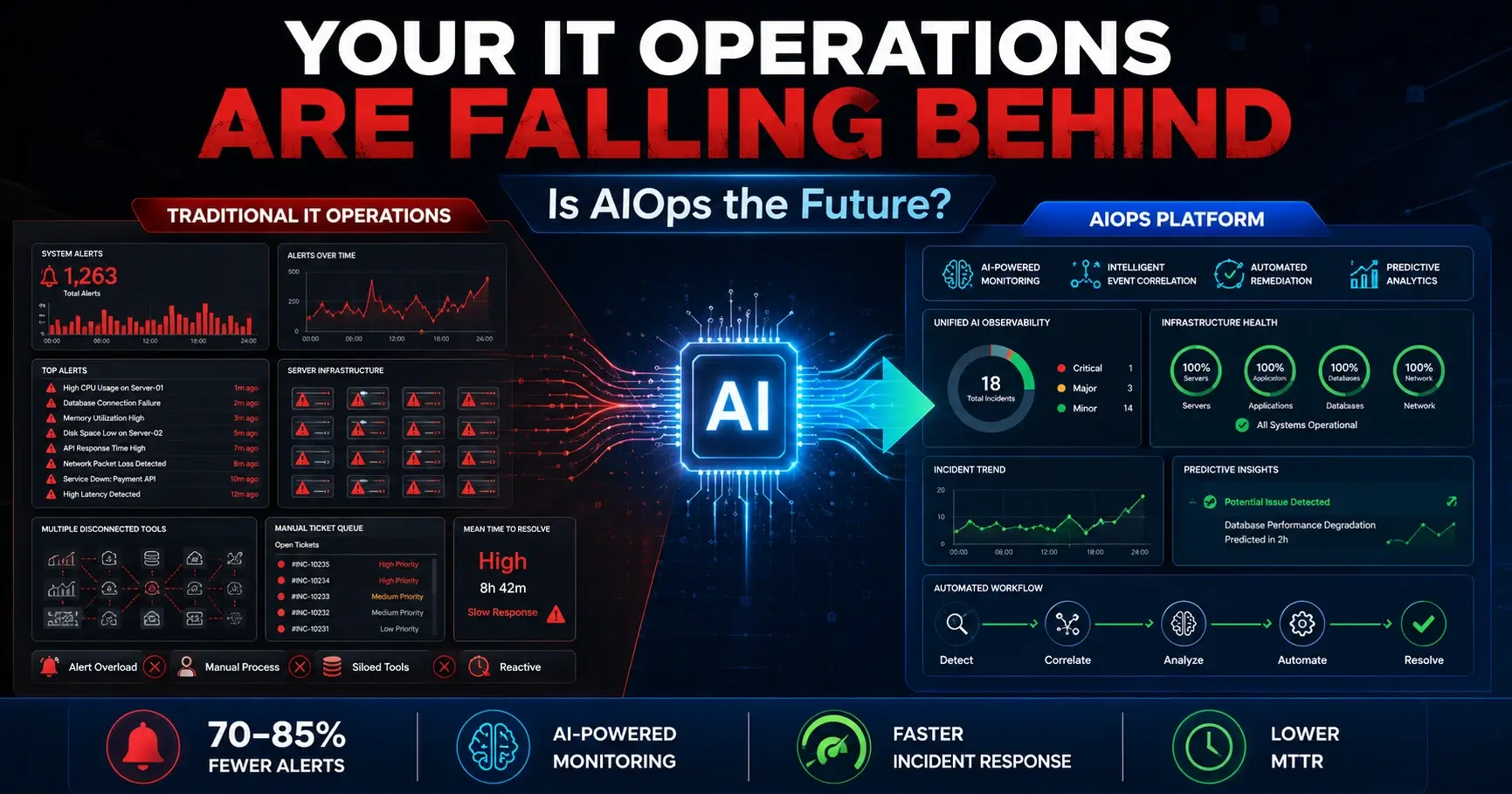
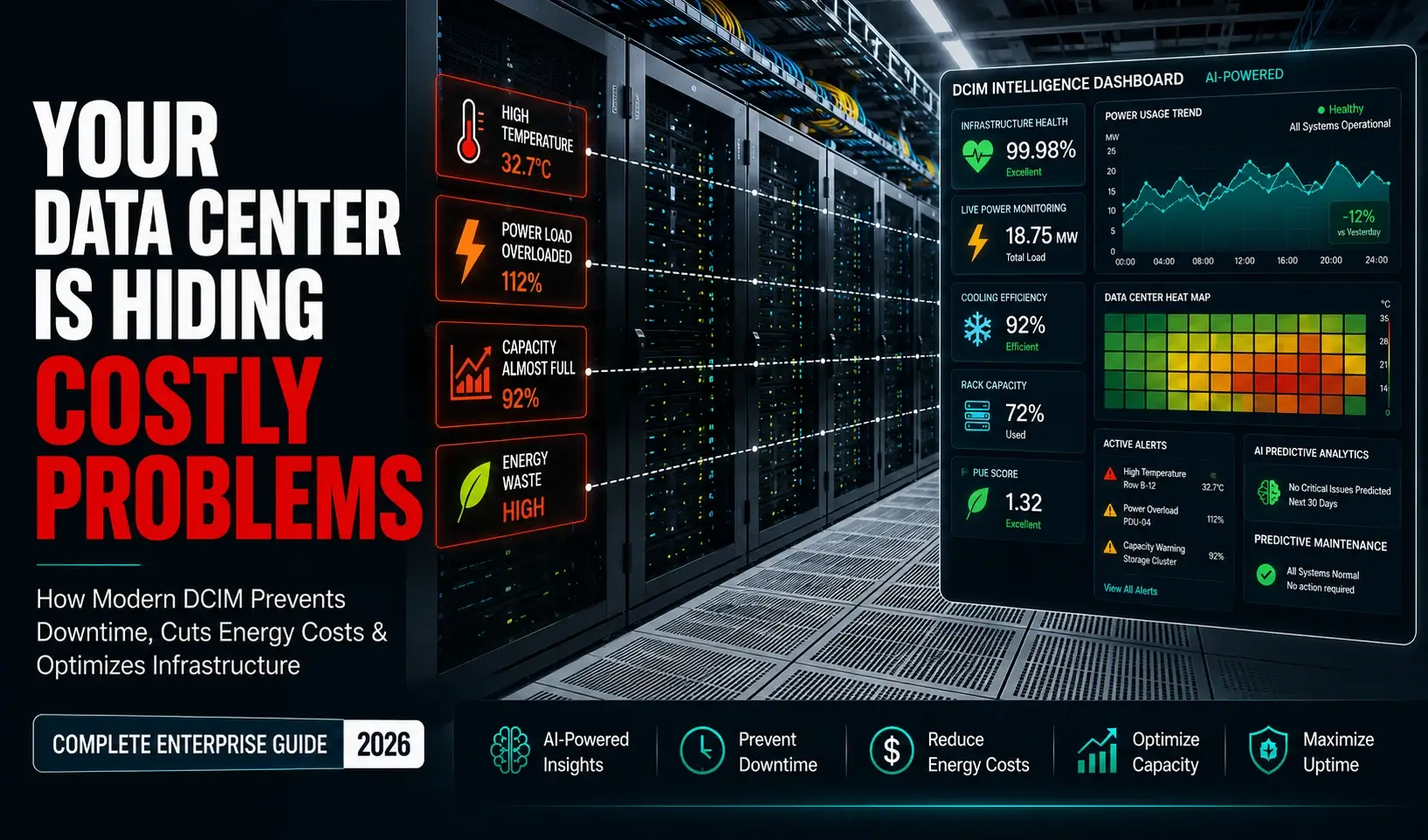
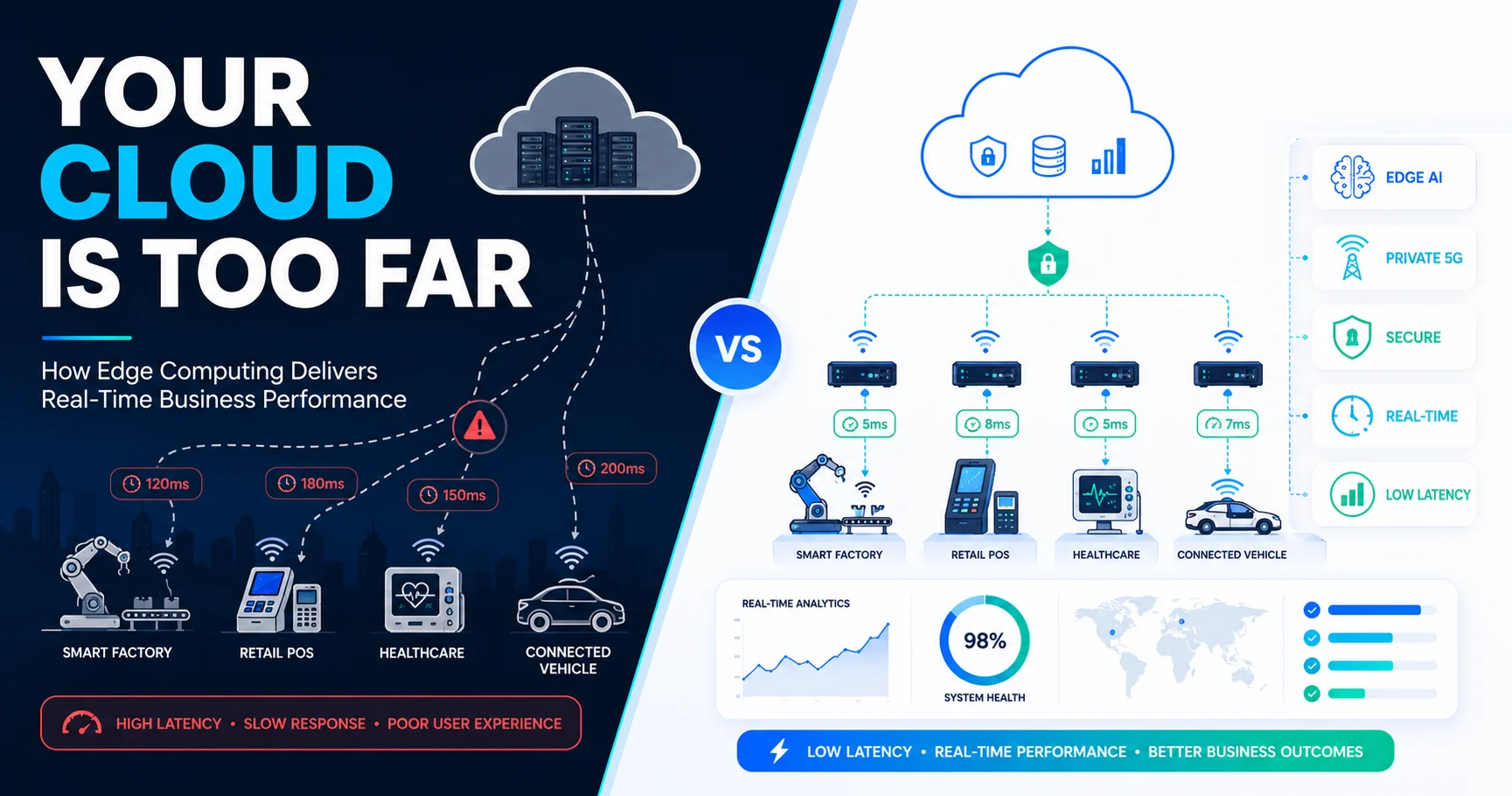
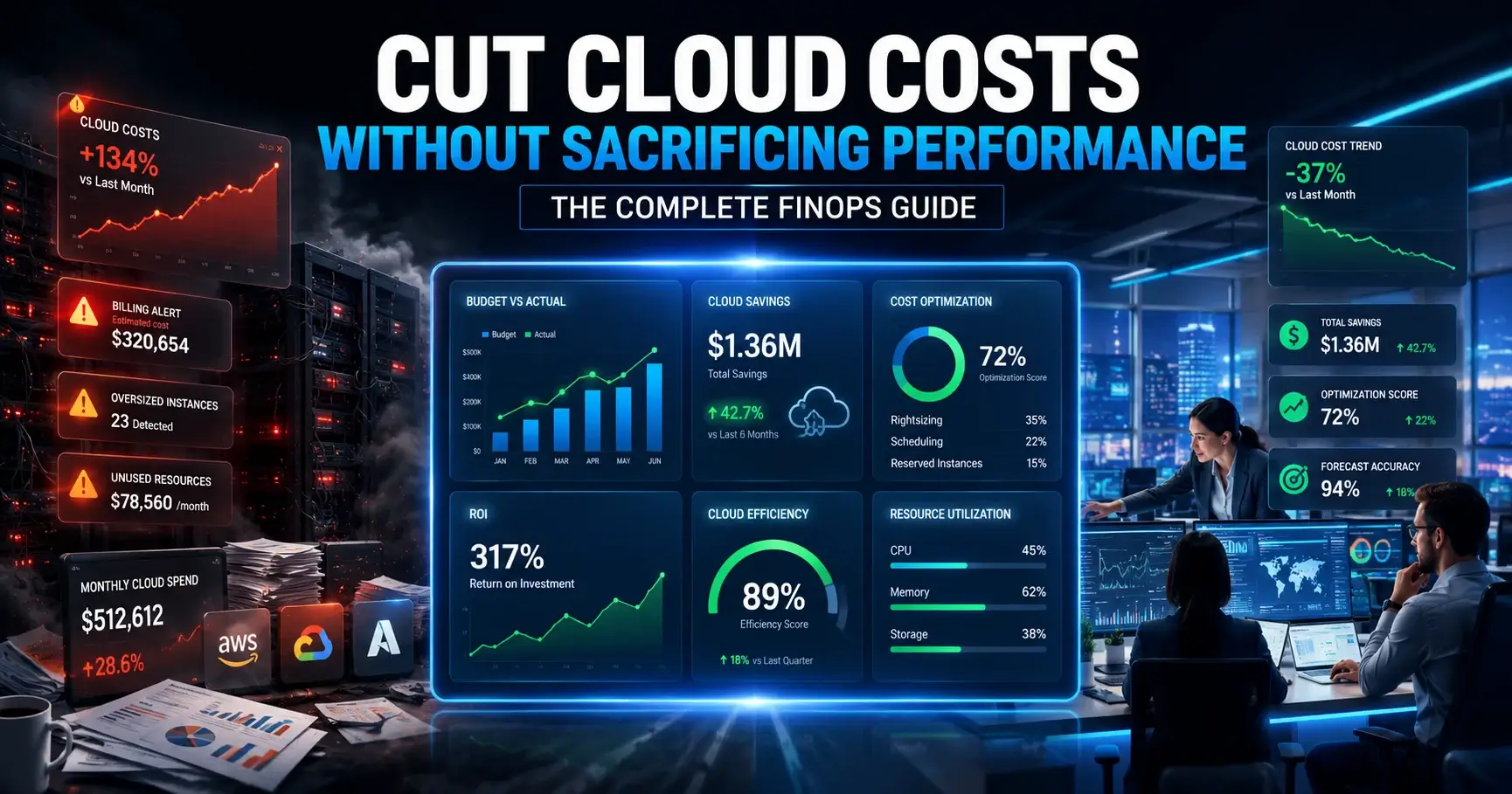
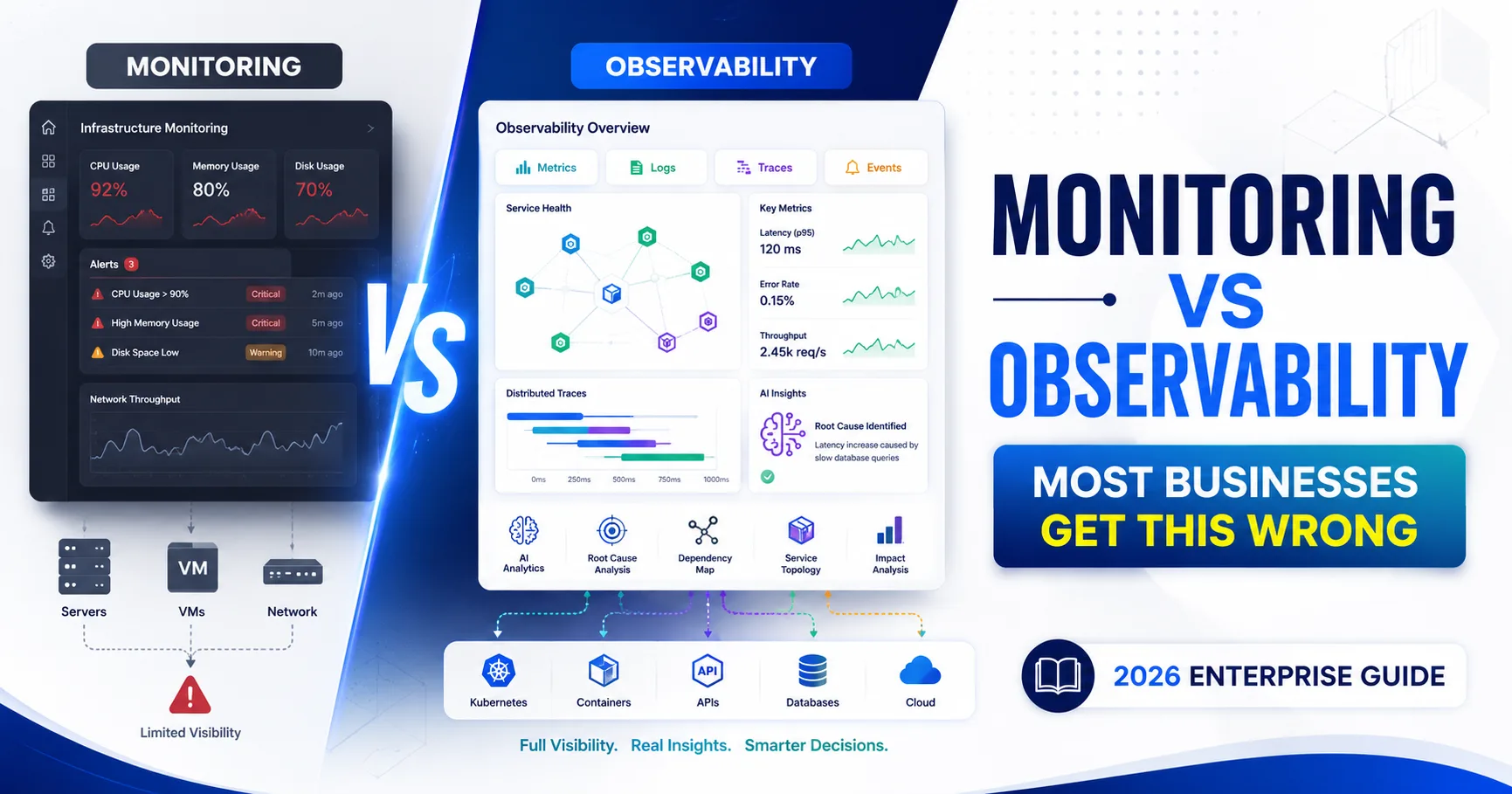


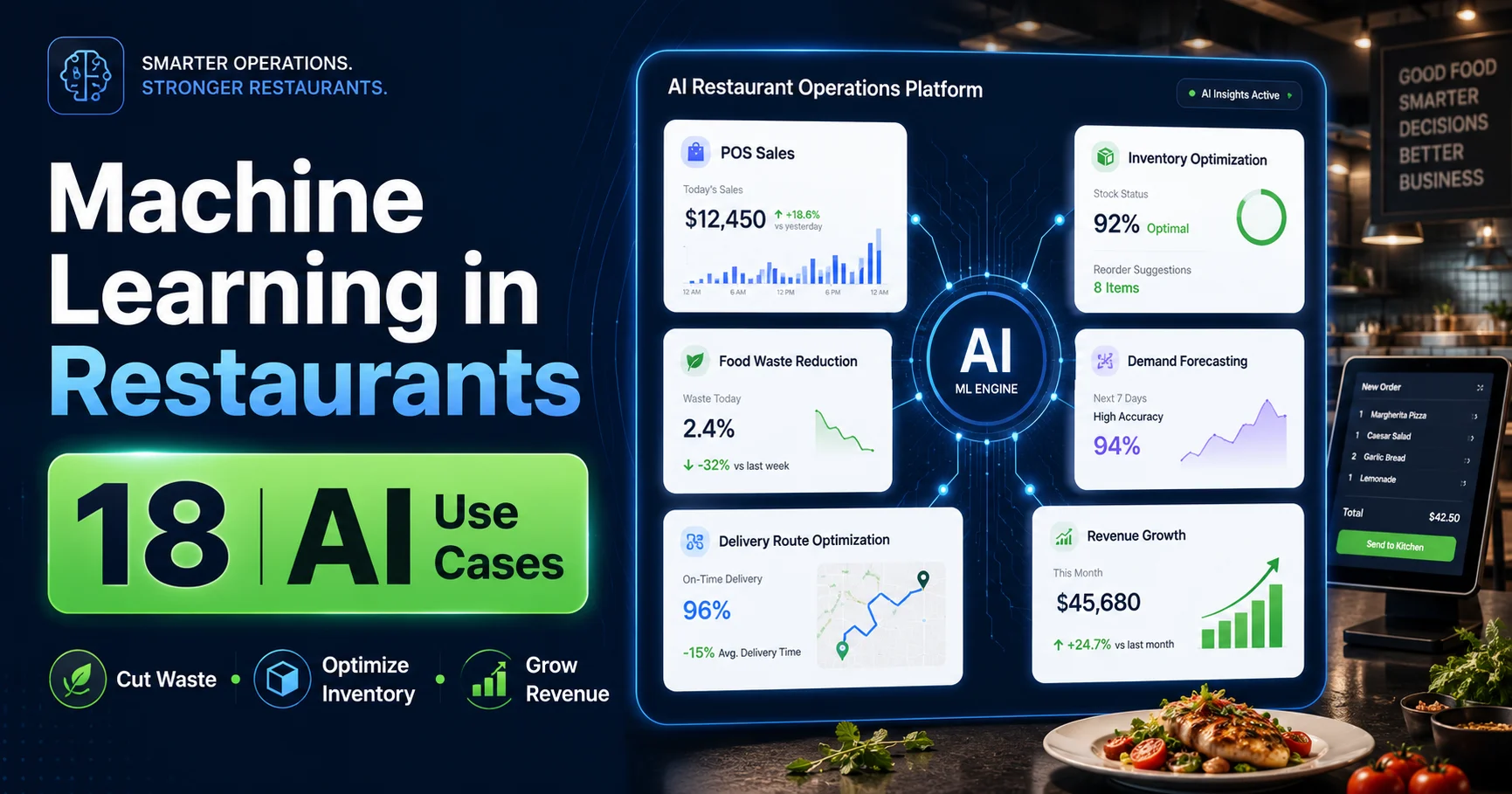





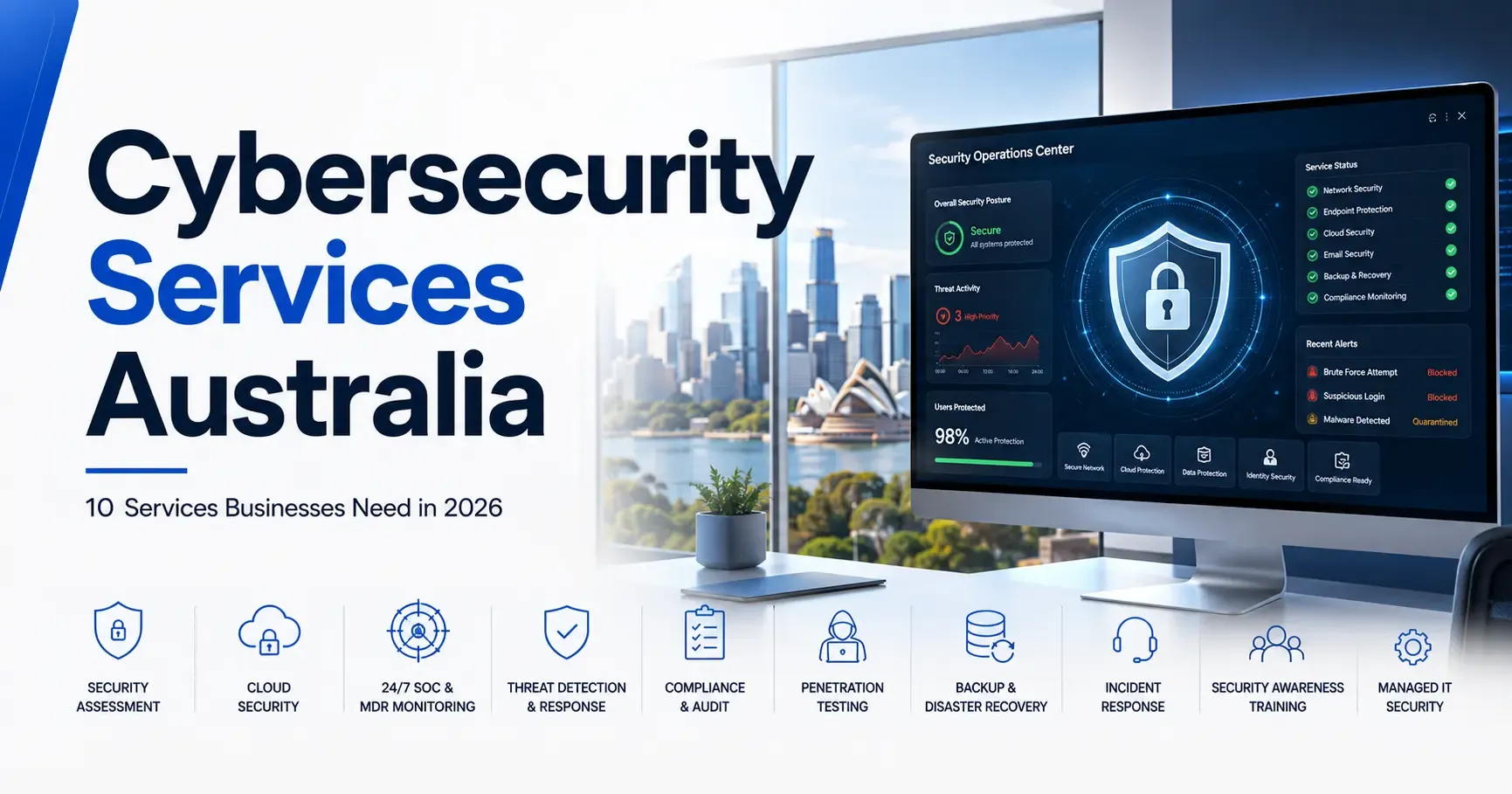
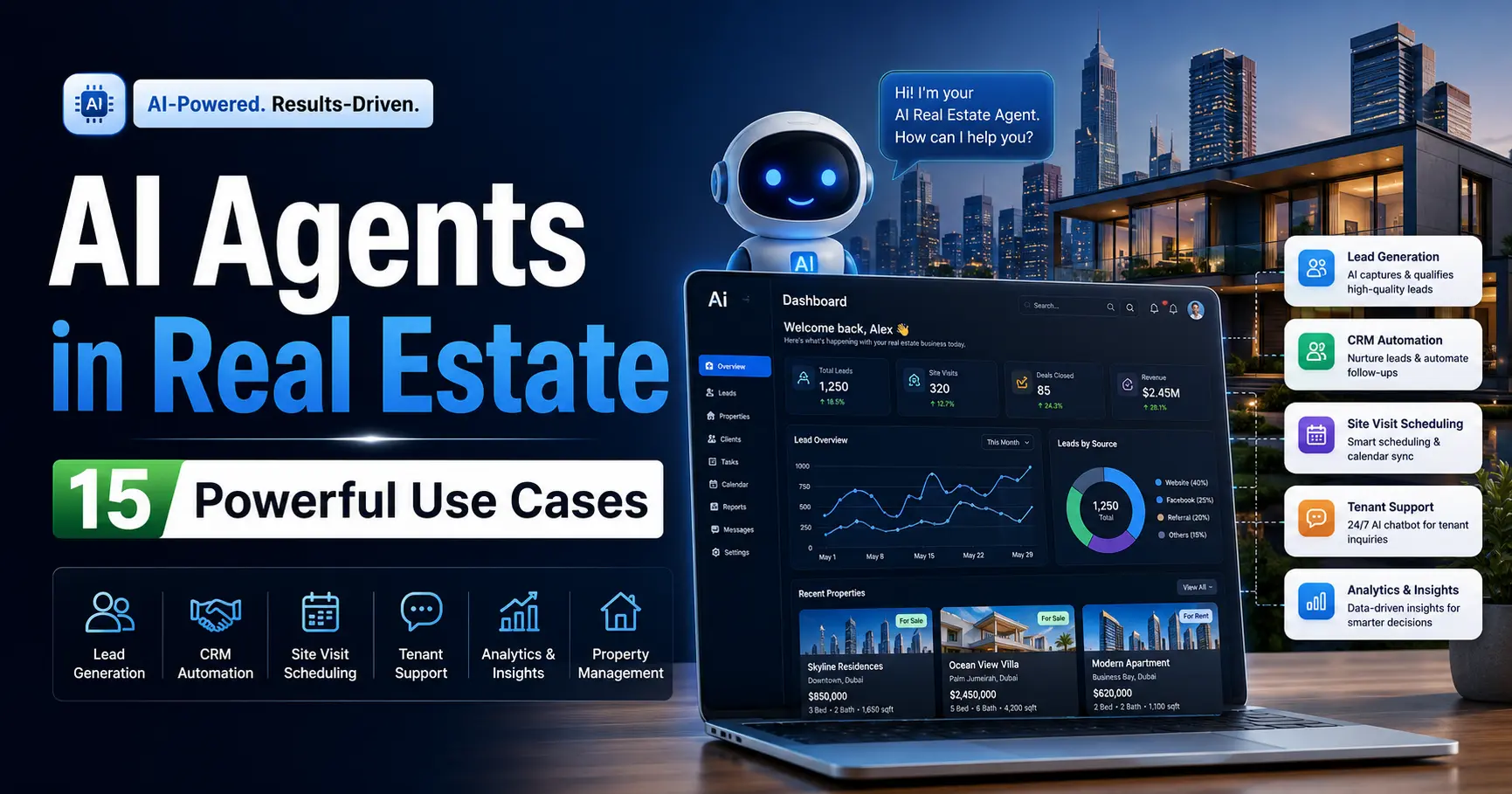












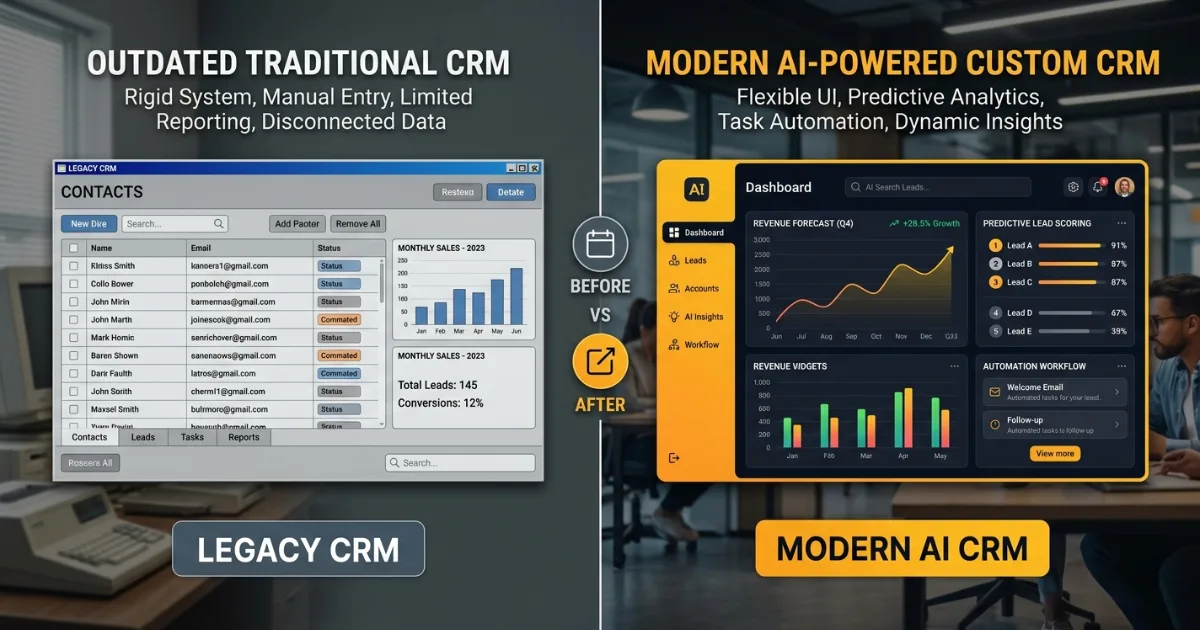
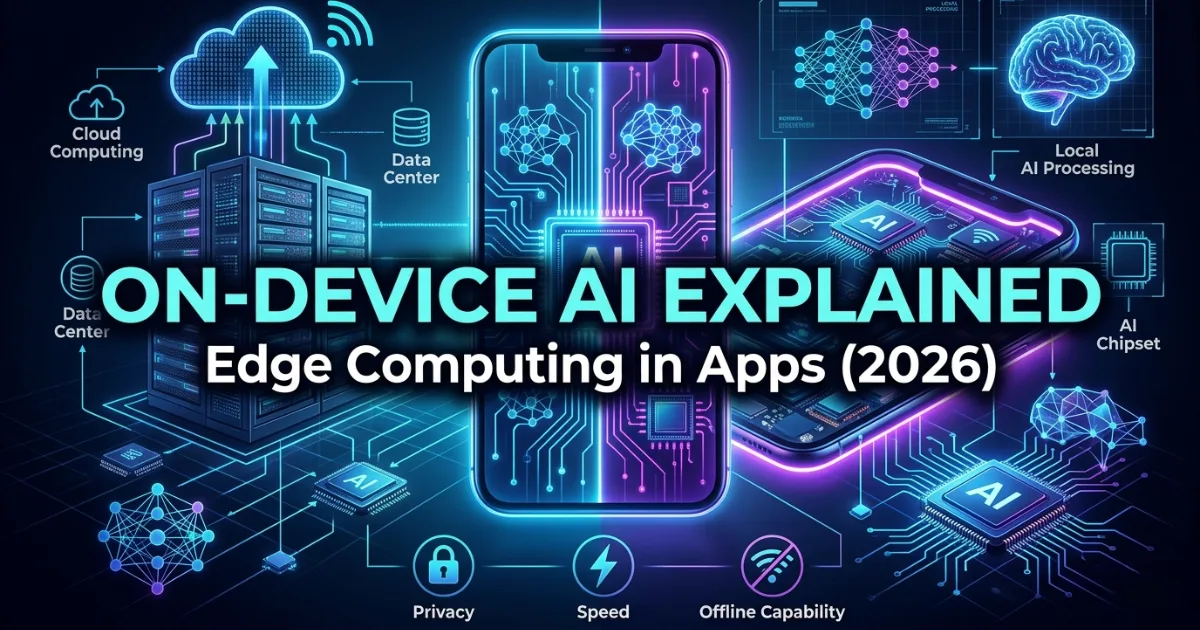

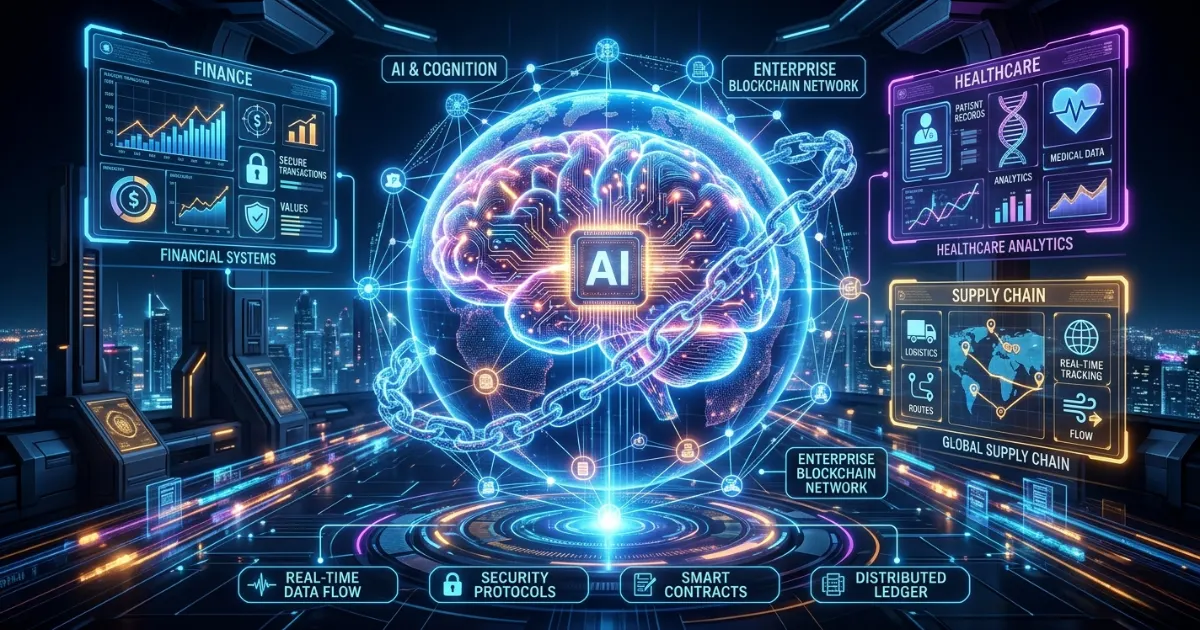























































Start Build Your
Next Digital Solution?
Let’s build scalable, future-ready digital solutions tailored to your business goals. Connect with our experienced technology consultants to discuss your vision, strategy, and growth opportunities — with zero obligation and complete transparency.
Get a free consultation and cost estimate for your digital solution
Our expert will contact you within 24 hours. Check your email for confirmation.
Partner with SISGAIN experts to build secure, scalable AI-powered IT Solutions that transform your business operations.









DUQE FREEZONE Quarter Deck, Queen Elizabeth 2, Mina Rashid, Dubai, UAE

100 Consilium Pl Suite 200, Scarborough, ON M1H 3E3, Canada

C-109, Sector 2, Noida, Uttar Pradesh 201301 India
Project quotes, partnerships, implementation
Open roles, referrals, campus hiring