
 +1 844-445-5767
 +971 56-848-5757
 +91 921-208-0630
For Business & Service Inquiries
Sales Team
Project quotes, partnerships, implementation
The logistics industry is undergoing one of the most significant technological shifts in its history, where operational efficiency, real-time decision-making, and end-to-end visibility are no longer optional but essential for survival in a highly competitive global market. As supply chains become increasingly complex and interconnected across countries, ports, warehouses, and digital platforms, traditional customer support systems and manual coordination workflows are proving insufficient to handle the scale and speed required by modern logistics operations. Recent AI adoption trends across the logistics sector indicate a clear shift toward conversational intelligence, where AI chatbots are being deployed to streamline communication between customers, logistics providers, warehouse teams, and fleet operators. These systems are significantly reducing operational friction in critical areas such as shipment tracking, delivery coordination, and freight management. This article provides a comprehensive breakdown of how AI chatbots are transforming the logistics industry, including their real-world use cases, business benefits, implementation challenges, and their evolving role within Logistics Technology Platforms in 2026. Key Takeaways AI chatbots in logistics are reshaping global supply chain operations by reducing operational costs through automation of shipment tracking, customer support, and warehouse communication workflows. Organizations implementing AI-driven chatbot systems are achieving significantly faster query resolution cycles, improved supply chain visibility, and reduced dependency on manual support teams. The most impactful applications of AI chatbots in logistics include freight booking automation, predictive delay alerts, and real-time inventory management across distributed warehouse networks. Integration of conversational AI with logistics platforms and ERP systems is accelerating the shift toward autonomous and self-optimizing supply chain ecosystems. AI chatbots are now a foundational component of modern Logistics Software Solution Powered by AI Integration, enabling scalable and intelligent logistics operations. The Rising Complexity of Global Logistics Operations Key Challenges Facing Modern Logistics Companies The logistics industry today is operating under increasing pressure due to multiple structural and operational challenges that directly impact efficiency, cost, and customer satisfaction. Increasing customer demand for real-time tracking has become a baseline expectation rather than a value-added feature, forcing logistics providers to deliver continuous visibility across the entire supply chain journey. High dependency on manual customer support teams is creating scalability bottlenecks, especially during peak shipment cycles where query volumes spike significantly. Inefficient cross-border documentation processes continue to slow down international shipping, often resulting in delays, compliance issues, and increased operational overhead. A lack of unified communication between core systems such as ERP, TMS, and WMS results in fragmented data flow and limited operational visibility across logistics networks. Rising operational costs driven by delays, inefficiencies, and human errors are further reducing profit margins in an already highly competitive industry. Why Traditional Systems Are No Longer Enough Legacy logistics software systems were primarily designed for record-keeping and operational tracking, but they lack the conversational intelligence required for modern real-time decision-making. Fragmented systems across different logistics functions reduce overall visibility, making it difficult for organizations to maintain a single source of truth for operational data. Manual coordination between stakeholders introduces delays, increases dependency on human intervention, and limits the ability to scale operations efficiently across global supply chains. Understanding AI Chatbots in Supply Chain Ecosystems Core Definition AI chatbots in logistics are intelligent conversational systems designed to automate communication, streamline decision-making, and optimize operational workflows across the supply chain ecosystem. Unlike traditional chatbot systems that only answer predefined customer queries, logistics AI chatbots are integrated with backend systems such as ERP, TMS, WMS, CRM, and fleet tracking platforms to provide real-time operational intelligence. These conversational AI systems use technologies such as Natural Language Processing (NLP), machine learning, predictive analytics, and API-based integrations to understand user requests, fetch live logistics data, and deliver actionable responses instantly. In simple terms, AI chatbots in logistics act as digital assistants for customers, logistics teams, warehouse staff, and fleet operators by reducing manual communication bottlenecks and improving supply chain responsiveness. As logistics businesses move toward more intelligent automation, many organizations are investing in Next-Gen AI Chatbot Solutions to improve operational efficiency, customer service, and supply chain visibility at scale. Where AI Chatbots Are Used in Logistics AI chatbots are no longer limited to customer-facing support functions. In modern logistics environments, they are embedded across multiple operational layers to support communication, automation, and real-time decision-making. Customer support systems use AI chatbots to answer shipment queries, delivery status requests, refund inquiries, and service-related questions without requiring human intervention. Freight management platforms leverage conversational AI to automate booking requests, generate quotations, provide route suggestions, and assist in shipment planning. Warehouse management systems use AI chatbots to help staff locate inventory, check stock levels, receive picking instructions, and manage replenishment workflows. Fleet tracking dashboards integrate AI chatbots to provide route updates, traffic alerts, fuel recommendations, and driver assistance in real time. Mobile logistics applications deploy AI chatbots as virtual assistants, enabling customers and operational teams to access logistics data anytime and from any location. This growing adoption highlights how AI chatbots are becoming an integral part of intelligent logistics ecosystems rather than just customer service tools. AI Chatbot Architecture in Logistics Systems Key Components AI chatbots in logistics operate through a combination of advanced technologies that work together to interpret user requests, communicate with logistics platforms, and deliver real-time responses. Natural Language Processing (NLP) solutions serves as the communication layer that enables the chatbot to understand human language, intent, and conversational context. This allows users to ask logistics-related questions in natural language rather than navigating complex software interfaces. Machine learning-based prediction engines analyze historical and live logistics data to provide intelligent recommendations such as estimated delivery times, potential delays, route optimization suggestions, and demand forecasting insights. API integration with CRM, ERP, TMS, WMS and other logistics systems enables chatbots to access operational data in real time. This creates a seamless communication bridge between users and backend logistics platforms. Real-time data synchronization layers ensure that shipment updates, inventory changes, booking confirmations, and tracking information remain continuously updated across all connected systems. Organizations seeking scalable and enterprise-grade AI chatbot implementation often rely on Expert AI Development services to design these integrated architectures according to their logistics workflows and business requirements. Workflow Example A logistics AI chatbot follows a structured workflow to process a request and generate an intelligent response in real time. A user initiates a query such as asking for shipment status, freight pricing, or delivery updates. The chatbot uses Natural Language Processing to understand the intent behind the request and classify what type of logistics action is needed. The system then communicates with integrated logistics platforms such as ERP, TMS, WMS, or fleet management software to fetch live operational data. AI models analyze the information and generate a context-aware response. The chatbot delivers the answer instantly to the user in a conversational format. This workflow can be summarized as: User Query → AI Interpretation → System Integration → Live Data Fetch → Response Generation This architecture eliminates communication delays, reduces manual workload, and enables logistics teams to operate with greater speed and accuracy. Real-World Use Cases of AI Chatbots in Logistics Industry 1. Real-Time Shipment Tracking Automation Shipment tracking is one of the most common customer interactions in logistics. AI chatbots allow customers to request live shipment updates instantly without waiting for human support agents. These systems provide delivery status, estimated arrival times, route progress, and delay alerts in real time. This improves customer satisfaction while reducing repetitive support requests. 2. Freight Booking and Quotation Generation AI chatbots can automate freight booking workflows by collecting shipment details, calculating logistics costs, comparing routes, and generating instant quotations. This reduces booking delays and simplifies freight planning for logistics providers and customers alike. 3. Warehouse Inventory Query Management Warehouse staff can use AI chatbots to locate products, check stock availability, receive storage location information, and monitor inventory levels instantly. This reduces time spent searching for inventory and improves warehouse productivity. 4. Predictive Delay Notifications AI chatbots can analyze logistics data, weather conditions, route disruptions, traffic congestion, and historical shipment patterns to predict delays before they occur. These alerts allow logistics teams and customers to prepare proactively. 5. Driver Route Assistance Systems Fleet drivers can use AI-powered chatbot assistants for route guidance, traffic alerts, fuel station recommendations, emergency communication, and delivery instructions. This improves delivery efficiency and driver productivity. 6. Automated Documentation and Billing AI chatbots can automate shipping documentation, invoice generation, customs paperwork, delivery confirmations, and billing communication. This reduces paperwork errors and speeds up administrative workflows. 7. Customer Support Automation (24/7 AI Desk) AI chatbots provide round-the-clock support for shipment queries, complaints, refund requests, order changes, and service-related questions. This enables logistics businesses to offer 24/7 assistance while reducing support costs. 8. Order Modification and Cancellation Handling Customers can interact with AI chatbots to reschedule deliveries, change addresses, cancel shipments, or update order details without contacting support teams manually. This improves convenience and operational responsiveness. 9. Inventory Replenishment Alerts AI chatbots integrated with warehouse systems can monitor inventory thresholds and automatically notify teams when stock levels drop below required limits. This helps prevent stock shortages and improves supply chain continuity. 10. Multilingual Global Logistics Communication Global logistics operations require communication across multiple countries and languages. AI chatbots support multilingual communication, allowing customers, suppliers, and logistics teams to interact seamlessly in their preferred language. This is especially valuable for international shipping and cross-border logistics. As logistics businesses continue to adopt intelligent automation, AI chatbots are becoming a critical capability in Logistics Software Solution Powered by AI Integration that improves operational agility and customer experience. Business Impact of AI Chatbot Implementation Operational Efficiency Gains AI chatbots significantly reduce manual workloads by automating repetitive communication and operational tasks that traditionally require human intervention. Customer support teams spend less time handling routine shipment inquiries, booking requests, and status updates, allowing them to focus on more complex issues. Faster query resolution cycles improve operational speed and reduce internal delays across logistics workflows. Real-time AI-driven responses also improve shipment accuracy by minimizing human errors and ensuring timely communication between logistics systems and stakeholders. Customer Experience Improvements Modern customers expect instant answers and real-time shipment visibility. AI chatbots meet these expectations by providing immediate responses across web platforms, mobile apps, messaging systems, and customer portals. Customers gain access to shipment tracking, order updates, delay alerts, and logistics support without waiting in queues or depending on business hours. This leads to improved service quality, stronger trust, and higher customer satisfaction rates. Financial Advantages AI chatbot implementation can create measurable financial benefits for logistics organizations by reducing operational inefficiencies and lowering customer support costs. Automation reduces dependency on large support teams while enabling organizations to handle higher query volumes without increasing staffing costs. Improved resource utilization, faster workflows, and reduced operational errors contribute to better cost control and improved profitability. For logistics companies looking to scale efficiently, AI chatbots are no longer just a technology upgrade but a strategic business investment that supports long-term growth. AI Chatbots vs Traditional Logistics Support Systems As logistics operations become more complex and customer expectations continue to rise, traditional support systems are struggling to keep pace with the demand for speed, scalability, and real-time visibility. Most legacy logistics support models were built around human intervention, manual workflows, and disconnected communication channels. While these systems have supported logistics businesses for years, they often create bottlenecks that reduce efficiency and increase operational costs. AI chatbot systems, on the other hand, introduce automation, intelligence, and real-time communication capabilities that transform how logistics companies handle customer support, shipment coordination, warehouse communication, and operational decision-making. A direct comparison between traditional logistics support systems and AI chatbot-powered logistics systems highlights why more companies are shifting toward conversational AI as part of their digital transformation strategy. Feature Traditional Logistics Support System AI Chatbot Logistics System Response Time Customer queries often require manual review, causing delays that may take hours AI chatbots process requests instantly and deliver responses within seconds Scalability Requires hiring and training more staff as support demand increases Easily handles thousands of simultaneous conversations without increasing manpower Cost Efficiency High operational cost due to salaries, infrastructure, and repetitive manual work Reduced long-term operational cost through automation and optimized resource utilization Availability Limited to business hours or support shift schedules Available 24/7 across global logistics operations Accuracy Human-dependent responses may vary and introduce errors AI-driven responses based on live system data and automated logic Shipment Visibility Often requires agent intervention to retrieve shipment information Real-time tracking data available instantly through chatbot interface Customer Experience Delays, long wait times, and inconsistent communication Faster, personalized, and always-available conversational support Operational Efficiency Manual coordination creates bottlenecks across departments Automated workflows improve speed and internal communication Data Access Often dependent on separate systems and manual lookup Unified access through integrated ERP, TMS, and WMS systems Global Communication Requires multilingual human teams for international support AI-powered multilingual communication at scale This comparison makes one thing clear: traditional logistics support systems are increasingly becoming inefficient in a digital-first logistics environment where customers expect immediate updates and operations require real-time coordination. AI chatbots are not simply replacing customer service functions; they are becoming intelligent communication layers that connect customers, logistics teams, warehouses, drivers, and backend systems in a single automated ecosystem. For organizations investing in Logistics Technology Platforms in 2026, conversational AI is emerging as a critical capability for improving efficiency, reducing support costs, and building scalable logistics operations. Cost Impact of AI Chatbot Adoption in Logistics One of the most important questions logistics companies ask before adopting AI chatbot technology is whether the investment delivers measurable business returns. While implementation costs vary depending on system complexity, integration requirements, and AI capabilities, the long-term cost impact of AI chatbots often extends far beyond customer support savings. AI chatbot systems reduce operational costs by automating repetitive communication, minimizing manual intervention, improving process accuracy, and enabling logistics businesses to handle higher volumes without proportionally increasing staffing costs. The cost impact can be analyzed across three major areas: implementation cost, operational maintenance cost, and ROI potential. Cost Factor Traditional Logistics Support Model AI Chatbot Logistics Model Initial Setup Cost Lower software investment but high staffing dependency Higher upfront technology investment for AI deployment and integration Customer Support Cost Ongoing salaries, training, and infrastructure expenses Reduced support team dependency and lower long-term service costs Query Handling Cost Cost increases with support volume Can handle high query volumes at minimal additional cost Error Management Cost Human mistakes may result in shipment delays and financial losses Reduced errors through automation and system-based responses Scaling Cost Requires hiring additional staff and resources Scales digitally without major workforce expansion Downtime Cost Delayed issue resolution impacts customer experience and operations Instant response capability reduces service disruption risks Productivity Impact Teams spend time on repetitive tasks Staff can focus on strategic and complex logistics operations ROI Timeline Slower efficiency gains Faster ROI through cost savings and operational optimization Estimated Cost Range for AI Chatbot Implementation in Logistics The actual cost of implementing an AI chatbot in logistics depends on several factors including chatbot complexity, system integrations, language support, AI capabilities, and deployment scale. AI Chatbot Type Estimated Cost Range Suitable For Basic FAQ & Customer Support Chatbot $10,000 – $25,000 Small logistics companies with basic support automation needs Shipment Tracking & ERP Integrated Chatbot $25,000 – $60,000 Mid-sized logistics businesses requiring real-time data integration Advanced AI Logistics Chatbot with Predictive Features $60,000 – $150,000+ Enterprise logistics operations with fleet, warehouse, and AI analytics integration Long-Term ROI Impact The true business value of AI chatbot adoption in logistics is measured through long-term return on investment rather than initial deployment cost alone. Organizations implementing AI chatbots often experience reduced customer support expenses because repetitive queries are handled automatically without requiring additional human agents. Operational workflows become faster as AI chatbots eliminate delays in communication, booking, shipment tracking, and inventory-related interactions. Error-related financial losses decrease due to automated responses based on real-time logistics data rather than manual lookup processes. Customer satisfaction improves because users receive instant answers, proactive delay alerts, and seamless self-service support experiences. In high-volume logistics environments, these improvements often generate ROI through multiple channels including cost reduction, operational speed, workforce optimization, and customer retention. Rather than viewing chatbot adoption as a customer support expense, forward-thinking logistics companies are increasingly treating AI chatbot deployment as a strategic investment in logistics automation, digital scalability, and competitive differentiation. How AI Chatbots Are Used in Global Logistics Operations The true value of AI chatbots in logistics becomes more visible when we examine how they function in real-world operational environments. Across e-commerce logistics, freight forwarding, warehouse management, and global supply chain networks, AI chatbots are moving beyond simple customer support roles and becoming intelligent automation tools that improve visibility, speed, and operational decision-making. These examples demonstrate how conversational AI is already transforming logistics workflows across different business models. E-commerce Supply Chain Example In e-commerce logistics, one of the most common customer frustrations is the lack of visibility after placing an order. Customers often want immediate answers regarding shipment status, expected delivery times, delays, address changes, and return processes. Traditionally, these requests create a massive burden on customer support teams, especially during high-volume sales periods. With AI chatbot integration, the customer experience changes significantly. A customer can simply ask a chatbot about the location of an order through a website, mobile app, or messaging platform. The AI chatbot instantly retrieves shipment data from the logistics backend and provides live tracking updates, delivery progress, and expected arrival information. If the system detects a delay due to weather, route congestion, or operational disruption, the chatbot proactively informs the customer instead of waiting for the customer to raise a complaint. The system can also automatically update ETA predictions in real time based on changing delivery conditions. For example, if a shipment that was expected at 3 PM is delayed due to traffic congestion, the chatbot updates the delivery estimate immediately and communicates the revised ETA to the customer. This improves transparency, reduces support tickets, and strengthens customer trust. In high-volume e-commerce logistics, AI chatbots help companies manage millions of customer interactions without overwhelming support teams. Freight Forwarding Example Freight forwarding operations involve complex coordination between shippers, carriers, routes, customs requirements, documentation systems, and pricing calculations. Traditionally, obtaining freight quotes or booking international shipments often requires multiple manual steps, back-and-forth communication, and human coordination across departments. AI chatbots simplify this process by acting as intelligent freight assistants. A business customer can interact with a chatbot and provide shipment details such as origin, destination, cargo type, dimensions, weight, and delivery preferences. The AI chatbot instantly analyzes available logistics data, generates pricing estimates, compares available shipping routes, and suggests optimized transportation options based on speed, cost, or delivery priority. For example, a customer shipping goods from Singapore to Germany may ask for the fastest route or the lowest-cost option. The chatbot can compare carrier availability, transit times, customs processing considerations, and freight costs to recommend the most suitable route. Once the customer confirms the option, the system can automate booking confirmation and initiate the logistics workflow instantly. This dramatically reduces quote turnaround time, improves booking efficiency, and eliminates communication delays that are common in traditional freight forwarding systems. Warehouse Example Warehouse operations involve continuous inventory movement, stock monitoring, SKU management, order picking, replenishment planning, and storage optimization. In many warehouses, locating products, checking stock levels, or managing inventory queries often requires staff to navigate multiple software systems or manually verify data. AI chatbots simplify warehouse communication by acting as real-time inventory assistants. A warehouse staff member can ask the chatbot for the location of a specific SKU, stock availability, pending replenishment status, or low-inventory alerts. The chatbot instantly retrieves this information from the warehouse management system and provides a direct response. For example, if a worker requests the location of SKU-8924, the chatbot can respond with rack number, available quantity, recent movement history, and reorder status. AI chatbots can also monitor stock thresholds continuously and trigger automated inventory alerts when product levels fall below predefined limits. In advanced warehouse environments, the chatbot can recommend replenishment actions based on demand forecasting and inventory trends. This improves warehouse efficiency, reduces stockout risks, and helps logistics businesses maintain smoother inventory operations. These real-world applications show that AI chatbots are not limited to customer communication—they are becoming operational intelligence tools across the entire logistics value chain. Role of AI Chatbots in Next-Generation Logistics Systems The logistics industry is moving toward a future where speed, automation, predictive intelligence, and real-time coordination will define competitive advantage. AI chatbots are expected to play a central role in this transformation by evolving from conversational support tools into intelligent operational systems capable of supporting decision-making across complex supply chain networks. As businesses continue to invest in digital transformation, AI chatbots will become increasingly embedded into next-generation logistics ecosystems, helping organizations automate communication, predict disruptions, optimize workflows, and improve supply chain resilience. Their future role will extend far beyond customer service and become part of the core operational infrastructure of modern logistics businesses. Key AI Trends in Logistics Industry Several emerging AI trends are shaping the future of conversational automation in logistics and supply chain management. Predictive logistics intelligence is becoming one of the most powerful applications of AI in logistics. Instead of reacting to delays or disruptions after they occur, AI systems are increasingly using historical data, weather patterns, traffic conditions, and operational signals to predict issues before they impact deliveries. This allows logistics companies to take proactive action and improve operational planning. Fully autonomous supply chains are also emerging as a major innovation area, where AI systems coordinate tracking, communication, route optimization, inventory monitoring, and operational decisions with minimal human intervention. AI-driven fleet optimization is helping logistics companies improve route efficiency, reduce fuel consumption, optimize driver allocation, and manage delivery performance in real time. Conversational ERP systems are expected to become more common as businesses integrate AI chatbot interfaces directly into enterprise logistics software. Instead of navigating multiple dashboards, logistics managers will be able to ask conversational queries and receive instant operational insights from connected systems. These AI trends indicate that logistics businesses are moving toward a future where conversational intelligence becomes a strategic operational layer rather than a support feature. Organizations looking to stay competitive in this evolving digital landscape are increasingly monitoring AI trends to understand how emerging technologies will shape next-generation supply chain ecosystems. 2026 Vision of Logistics Automation By 2026, the logistics industry is expected to move closer to AI-first operational models where conversational AI, predictive analytics, and intelligent automation become deeply integrated into supply chain infrastructure. Zero-human-intervention support systems are expected to handle a significant portion of shipment queries, tracking requests, booking confirmations, and customer communication without requiring manual agent involvement. AI-first logistics platforms will combine chatbot interfaces, machine learning engines, IoT data streams, and predictive analytics into unified operational ecosystems that improve speed, visibility, and efficiency. Real-time global coordination networks will allow logistics providers to manage shipments, warehouses, fleets, customs workflows, and customer communication across multiple regions through AI-powered decision support systems. This shift will redefine logistics operations from reactive management to intelligent predictive orchestration. As AI adoption accelerates globally, businesses seeking to build future-ready supply chain ecosystems are increasingly turning to Artificial Intelligence Services Companies to design and implement scalable AI-driven logistics solutions aligned with the next era of automation. How Logistics Companies Can Implement AI Chatbots Implementing AI chatbots in logistics requires more than simply deploying a conversational interface. Successful adoption depends on aligning chatbot capabilities with logistics workflows, backend systems, customer expectations, and operational goals. A structured implementation roadmap helps logistics companies reduce deployment risks, improve system performance, and maximize long-term ROI from AI-powered automation. From requirement analysis to continuous optimization, each implementation stage plays a critical role in building an AI chatbot system that delivers measurable business value. Step 1 – Requirement Analysis The first step in implementing an AI chatbot for logistics is identifying the specific business problems the chatbot is expected to solve. Logistics companies must analyze operational pain points across customer service, shipment tracking, warehouse communication, booking management, inventory queries, and supply chain coordination. For example, some businesses may want to reduce customer support workload by automating shipment status inquiries, while others may focus on warehouse automation, freight pricing assistance, or predictive delivery alerts. Requirement analysis should include: Identifying repetitive logistics workflows suitable for automation Mapping customer and internal user communication needs Defining key chatbot use cases Setting business objectives and success metrics Evaluating data availability from existing logistics systems This phase creates the strategic foundation for AI chatbot development by ensuring that the technology aligns with operational requirements rather than becoming an isolated digital tool. Step 2 – System Integration Planning AI chatbots in logistics are only as effective as the systems they connect to. After defining requirements, logistics companies must plan how the chatbot will integrate with backend logistics infrastructure such as: Transportation Management Systems (TMS) Warehouse Management Systems (WMS) Enterprise Resource Planning (ERP) platforms CRM systems Shipment tracking APIs Inventory databases Fleet management platforms Integration planning determines how the chatbot will access live logistics data, trigger automated workflows, and provide real-time operational responses. Security, data synchronization, API compatibility, workflow logic, and scalability should also be considered during this stage. Without proper integration planning, even advanced AI chatbots may fail to deliver useful logistics automation capabilities. Step 3 – AI Model Selection Choosing the right AI model is one of the most important decisions in chatbot implementation. Different logistics use cases require different levels of AI capability. For example: Basic FAQ automation may only require rule-based conversational logic Shipment tracking chatbots may need API-driven intelligent response systems Predictive logistics chatbots may require machine learning and advanced NLP models Enterprise logistics assistants may need conversational AI integrated with decision-support algorithms AI model selection should be based on: Complexity of logistics workflows Volume of conversations Multilingual communication needs Integration requirements Predictive analytics capabilities Security and compliance considerations Selecting the right AI architecture ensures the chatbot can scale with business growth while supporting both operational efficiency and customer experience goals. Many organizations partner with Expert AI Development services to build customized chatbot systems tailored to logistics-specific operational requirements. Step 4 – Deployment Across Channels Once the chatbot system is developed and integrated, the next step is deploying it across the communication channels used by customers, logistics teams, and internal staff. Modern logistics AI chatbots can operate across multiple touchpoints including: Company websites Mobile applications WhatsApp and messaging platforms Customer support portals Driver communication systems Warehouse tablets and internal logistics dashboards Email automation systems Omnichannel deployment ensures that users can access AI-powered logistics support wherever communication happens. For example, a customer may check shipment status through WhatsApp while warehouse staff use the same AI system internally to retrieve inventory data. This creates a unified conversational logistics experience across the business ecosystem. Step 5 – Continuous Optimization AI chatbot deployment is not a one-time implementation process. To maintain accuracy, performance, and business value, logistics companies must continuously optimize chatbot performance based on real-world usage data. Optimization typically includes: Monitoring chatbot response accuracy Improving intent recognition models Updating logistics workflows and business rules Expanding multilingual capabilities Enhancing predictive intelligence models Integrating new logistics data sources Analyzing customer feedback and operational KPIs Continuous optimization helps the AI chatbot evolve alongside changing logistics operations and customer expectations. Over time, this transforms the chatbot from a support automation tool into a strategic AI-driven logistics intelligence system. Transform Your Logistics Operations with AI Chatbots The logistics industry is rapidly moving toward automation-first operations where speed, visibility, and intelligent decision-making define competitive success. AI chatbots are helping logistics businesses automate communication, improve supply chain coordination, reduce operational inefficiencies, and deliver faster customer support at scale. Whether your organization wants to optimize shipment tracking, automate freight operations, improve warehouse communication, or build predictive logistics workflows, AI chatbot technology can become a powerful driver of operational transformation. With the right AI strategy, logistics companies can: Build AI-powered logistics automation systems Reduce operational costs through intelligent workflow automation Improve global supply chain efficiency with real-time AI support Enhance customer experience through instant communication Increase scalability across logistics operations Businesses looking to accelerate this transformation often work with Expert AI Development services to build customized AI chatbot solutions tailored to modern logistics ecosystems. Book A Free Consultation Now
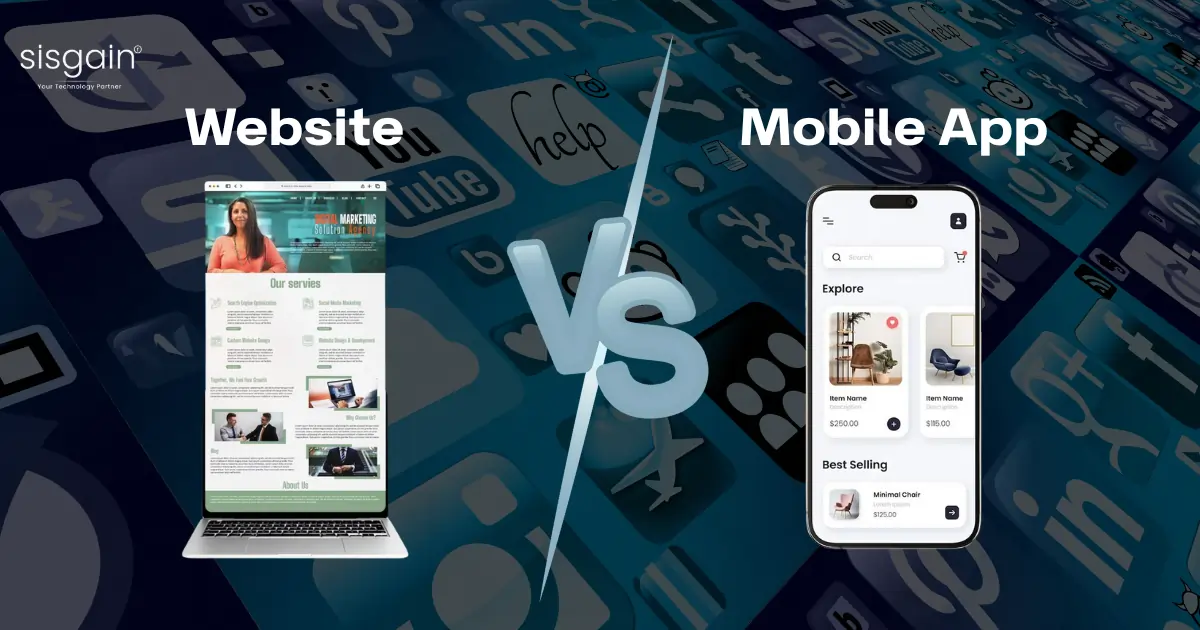
The logistics industry is entering a defining era where technology, mobility, and real-time intelligence decide who leads and who lags behind. As global supply chains grow more complex and customer expectations continue to rise, logistics companies are turning to advanced technology platforms to remain competitive. In 2026, logistics is no longer just about moving goods—it is about moving data, insights, and decisions at lightning speed. Modern logistics technology platforms combine automation, analytics, cloud computing, and mobile apps to deliver faster, more transparent, and more efficient operations. From fleet tracking and warehouse automation to customer engagement through website and mobile app solutions, digital transformation is reshaping the entire logistics ecosystem. This in-depth guide explores the Top 10 Logistics Technology Platforms in 2026, highlighting how these platforms are redefining logistics operations and why mobile-first solutions are essential for long-term success. Why Logistics Technology Platforms Are Critical in 2026? The logistics sector has experienced rapid transformation due to eCommerce growth, cross-border trade, and rising consumer demand for faster deliveries. Traditional systems can no longer handle the scale, speed, and precision required in modern logistics. This is where advanced logistics technology platforms come in. In 2026, leading platforms provide end-to-end visibility, predictive analytics, and seamless integration across systems. They enable businesses to track shipments in real time, optimize routes using AI, automate warehouse processes, and deliver superior customer experiences through mobile with apps that work anytime, anywhere. One of the biggest shifts driving this evolution is the adoption of mobile technology. Logistics operations now depend heavily on mobile app solutions that connect drivers, warehouse teams, managers, and customers in real time. The Growing Importance of Mobile Apps in Logistics Operations Mobile technology has become the backbone of modern logistics platforms. Whether it’s a delivery driver confirming a shipment or a warehouse manager monitoring inventory, mobile apps enable instant access to critical data. When comparing mobile app vs mobile website, logistics companies increasingly prefer mobile apps for operational workflows. A mobile app offers offline access, push notifications, better performance, and deeper integration with device features such as GPS and cameras. In contrast, a mobile website is more suitable for informational access but lacks the responsiveness required for real-time logistics operations. This distinction between mobile app vs website plays a major role in platform adoption. The advantages of mobile apps such as speed, reliability, and real-time communication make them indispensable in logistics environments where every second counts. The leading logistics platforms of 2026 seamlessly connect the app website with native mobile applications, ensuring consistent data flow and user experience across all touchpoints. Key Features That Define the Best Logistics Technology Platforms The most successful logistics technology platforms in 2026 share a common set of capabilities. They are cloud-based, scalable, secure, and designed for mobile-first operations. These platforms provide real-time visibility into shipments, automated workflows for warehouses, and advanced analytics for strategic decision-making. Equally important is their ability to support both internal operations and customer-facing interactions through website and mobile app integration. Platforms that fail to deliver smooth mobile experiences struggle with adoption and efficiency, while those that embrace mobile for apps gain a clear competitive edge. 1. SISGAIN SISGAIN has emerged as one of the most future-ready logistics technology platforms in 2026. Built with scalability and mobility at its core, SISGAIN delivers an integrated solution that supports fleet management, warehouse operations, analytics, and customer engagement within a unified digital ecosystem. The platform’s strength lies in its mobile-first architecture. SISGAIN offers powerful mobile apps that allow logistics teams to manage deliveries, track shipments, and update operational data in real time. Drivers can use the mobile app to receive route updates, confirm deliveries, and upload proof of delivery, while managers monitor performance through centralized dashboards available via both desktop and mobile interfaces. SISGAIN also provides seamless synchronization between the website and mobile app, ensuring consistent data across all systems. Businesses seeking tailored logistics solutions can partner with SISGAIN as a reliable logistic software development company to build custom platforms that align with specific operational needs and industry standards. With its focus on automation, analytics, and mobility, SISGAIN stands out as a leading logistics technology platform for 2026. 2. Oracle Logistics Cloud Oracle Logistics Cloud continues to be a dominant force in enterprise logistics technology. Designed for large-scale and complex supply chains, Oracle’s platform integrates transportation management, warehouse management, and supply chain planning into a single cloud-based solution. In 2026, Oracle’s strength lies in its ability to process massive volumes of logistics data and convert them into actionable insights using AI and advanced analytics. The platform supports real-time decision-making, demand forecasting, and route optimization, enabling businesses to operate with greater precision. Oracle also supports mobile accessibility, allowing users to interact with logistics data across devices. This balance between desktop functionality and mobile access addresses real-world mobile app vs mobile website requirements in enterprise logistics environments. 3. SAP Logistics Business Network SAP Logistics Business Network plays a critical role in improving collaboration across global supply chains. In 2026, the platform connects shippers, carriers, suppliers, and logistics partners through a shared digital network. The platform focuses on transparency and data sharing, enabling stakeholders to access shipment information, documentation, and performance metrics in real time. This reduces delays, minimizes errors, and improves coordination across the logistics ecosystem. SAP has also expanded its mobile capabilities, allowing users to access key logistics functions through mobile apps. These enhancements reflect the growing benefits of mobile apps in managing complex, multi-party logistics operations. 4. Manhattan Associates Manhattan Associates remains a leader in warehouse and transportation management solutions. Its platform is widely used by logistics providers and retailers managing high-volume operations. In 2026, Manhattan Associates continued to excel in warehouse automation, labor optimization, and transportation planning. The platform integrates robotics, AI-driven slotting, and real-time inventory management to improve efficiency and accuracy. Mobile solutions play a vital role in Manhattan’s ecosystem. Warehouse staff rely on mobile apps for scanning, task management, and real-time updates, demonstrating how mobility enhances operational productivity. 5. project44 project44 is a leading logistics visibility platform that provides real-time tracking across multiple transportation modes. In 2026, it remains a preferred choice for companies seeking predictive insights and end-to-end shipment visibility. By leveraging AI and machine learning, project44 offers accurate estimated arrival times and proactive alerts for potential disruptions. This enables logistics teams to respond quickly and maintain service levels. The platform’s mobile-friendly dashboards ensure users can access critical data through both mobile app and mobile website interfaces, reinforcing the importance of mobility in logistics visibility solutions. 6. Descartes Systems Group Descartes Systems Group specializes in routing optimization, mobile resource management, and regulatory compliance, making it a reliable solution for last-mile delivery and cross-border logistics operations. Its technology helps logistics companies improve route efficiency, reduce operational costs, and maintain compliance with complex regulatory requirements. In 2026, Descartes continues to empower drivers and field teams through robust mobile apps that support real-time navigation, delivery confirmation, and digital compliance documentation. These mobile tools ensure faster communication and accurate updates across logistics workflows. By enabling real-time data sharing and seamless coordination, Descartes highlights the real-world advantages of mobile apps in logistics execution. The platform helps businesses achieve consistent deliveries, improved visibility, and greater operational efficiency. 7. FourKites FourKites is widely recognized for its advanced predictive analytics and real-time supply chain visibility solutions. The platform helps logistics companies anticipate delays, identify bottlenecks, and gain deeper insights into shipment performance. Using AI-driven intelligence, FourKites enables businesses to optimize operations and make proactive decisions. Predictive ETAs and real-time alerts allow logistics teams to respond quickly to disruptions and maintain service reliability. The platform also supports seamless accessibility across devices, ensuring logistics professionals stay informed through mobile platforms. This strengthens decision-making and reflects the growing reliance on mobile apps for intelligent, data-driven logistics management. 8. Transporeon Transporeon is a cloud-based transportation management platform designed to strengthen collaboration between shippers and carriers. It provides a unified digital environment that simplifies communication and coordination across transportation networks. In 2026, the platform continues to streamline freight procurement, transportation execution, and performance tracking. Its digital workflows replace manual processes, helping logistics companies improve efficiency and maintain better operational control. Transporeon also offers strong mobile accessibility, allowing users to manage logistics tasks from any location. This flexibility improves transparency, supports faster decision-making, and ensures smoother logistics operations in dynamic environments. 9. Flexport Flexport is a cloud-based transportation management platform designed to strengthen collaboration between shippers and carriers. It provides a unified digital environment that simplifies communication and coordination across transportation networks. In 2026, the platform continues to streamline freight procurement, transportation execution, and performance tracking. Its digital workflows replace manual processes, helping logistics companies improve efficiency and maintain better operational control. Transporeon also offers strong mobile accessibility, allowing users to manage logistics tasks from any location. This flexibility improves transparency, supports faster decision-making, and ensures smoother logistics operations in dynamic environments. 10. E2Open E2open is a comprehensive supply chain and logistics management platform that connects transportation, trade compliance, and supply chain planning within a single digital ecosystem. It enables businesses to manage complex, multi-party logistics operations with greater visibility and control. In 2026, E2open helps organizations optimize transportation execution, monitor shipments in real time, and ensure regulatory compliance across global trade networks. Its integrated approach improves coordination between partners and reduces operational disruptions. The platform also supports mobile accessibility, allowing logistics teams to track performance, receive alerts, and make timely decisions from any location, ensuring flexibility and efficiency across modern supply chain operations. Why Are Apps Essential for Logistics Platforms in 2026? The dominance of mobile technology in logistics is undeniable. The benefits of mobile apps include faster communication, offline functionality, higher accuracy, and improved user engagement. While mobile websites remain useful, especially for customers, the operational advantages of mobile apps make them essential for logistics execution. Understanding mobile app vs mobile website differences helps logistics companies design better digital strategies. Platforms that successfully integrate both deliver superior performance, usability, and scalability. Conclusion Logistics technology platforms are shaping the future of supply chains in 2026. As businesses face increasing pressure to deliver faster, smarter, and more transparently, the role of advanced digital platforms becomes even more critical. From real-time visibility and AI-powered insights to seamless website and mobile app integration, the platforms discussed in this blog represent the cutting edge of logistics innovation. Companies that embrace mobile-first strategies and invest in scalable technology will be best positioned for long-term success. Among these leading solutions, SISGAIN stands out for its mobile-driven approach, advanced analytics, and ability to deliver customized logistics platforms—making it a strong partner for logistics businesses navigating the digital future.





























































































Start Build Your
Next Digital Solution?
Let’s build scalable, future-ready digital solutions tailored to your business goals. Connect with our experienced technology consultants to discuss your vision, strategy, and growth opportunities — with zero obligation and complete transparency.
Get a free consultation and cost estimate for your digital solution
Our expert will contact you within 24 hours. Check your email for confirmation.
Partner with SISGAIN experts to build secure, scalable AI-powered IT Solutions that transform your business operations.









DUQE FREEZONE Quarter Deck, Queen Elizabeth 2, Mina Rashid, Dubai, UAE

100 Consilium Pl Suite 200, Scarborough, ON M1H 3E3, Canada

C-109, Sector 2, Noida, Uttar Pradesh 201301 India
Project quotes, partnerships, implementation
Open roles, referrals, campus hiring